This Is What Texas Gardenias Need Before The Heat Gets Brutal
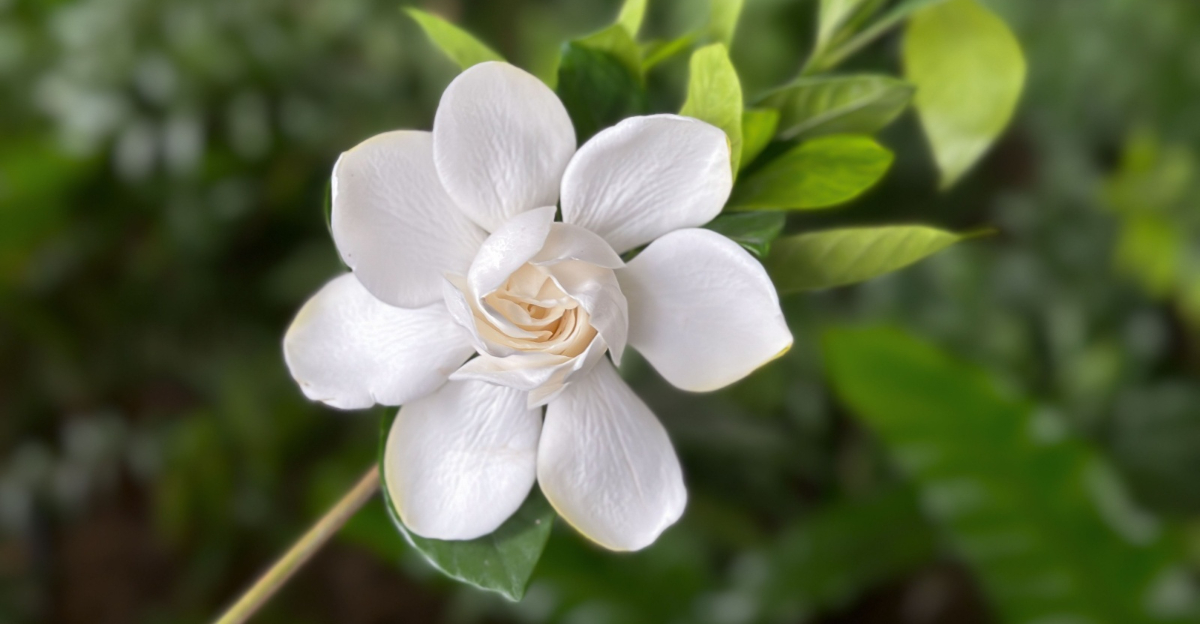
Gardenias are the drama queens of the Texas garden, and honestly, we love them for it. That glossy foliage, those creamy white blooms, that fragrance that stops you in your tracks every single time.
Absolutely worth it. But here’s the part nobody warns you about: Texas summer can humble a gardenia fast.
We’re talking almost overnight. One week your shrub looks lush and gorgeous, and the next it’s dropping buds, yellowing leaves, and sending you into full panic mode.
The window to get ahead of all that is shorter than most gardeners realize. By late spring, temperatures are already climbing, afternoon sun is getting pushy, and soil moisture disappears faster than you’d expect.
The good news is that a little thoughtful preparation right now can completely change how your gardenias handle the heat all summer long.
1. Acidic Soil Helps Gardenias Stay Happier
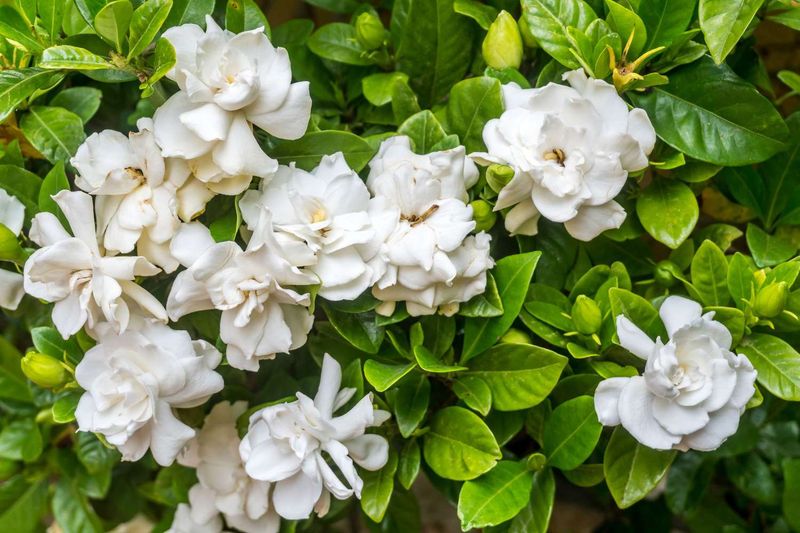
Glossy, deep green gardenia leaves are one of the first things people notice, and the soil beneath those leaves plays a bigger role than most gardeners realize. Gardenias are acid-loving plants that generally do best when soil pH sits somewhere between 5.0 and 6.5.
In many parts of Texas, native soils tend to run alkaline, which can make it harder for gardenias to absorb the nutrients they need, even when those nutrients are present.
When pH climbs too high, gardenias often respond with yellowing leaves, a condition called chlorosis, which signals that iron and other minerals are not reaching the plant properly. Checking soil pH before summer heat builds is a smart first step.
Simple test kits are available at most garden centers and give a clear picture of where your soil stands.
If the pH needs adjusting, elemental sulfur worked into the soil can help bring it down gradually over time. Acidifying fertilizers formulated for azaleas and gardenias can also support a more favorable soil environment.
In Texas foundation beds and shrub borders, where lime from concrete and alkaline irrigation water can raise pH over time, this is worth monitoring each season.
Keeping the soil in the right range gives gardenias a much better chance of producing strong growth and fragrant blooms before the brutal heat of summer settles in for good.
2. Good Drainage Protects Gardenias In Hot Weather
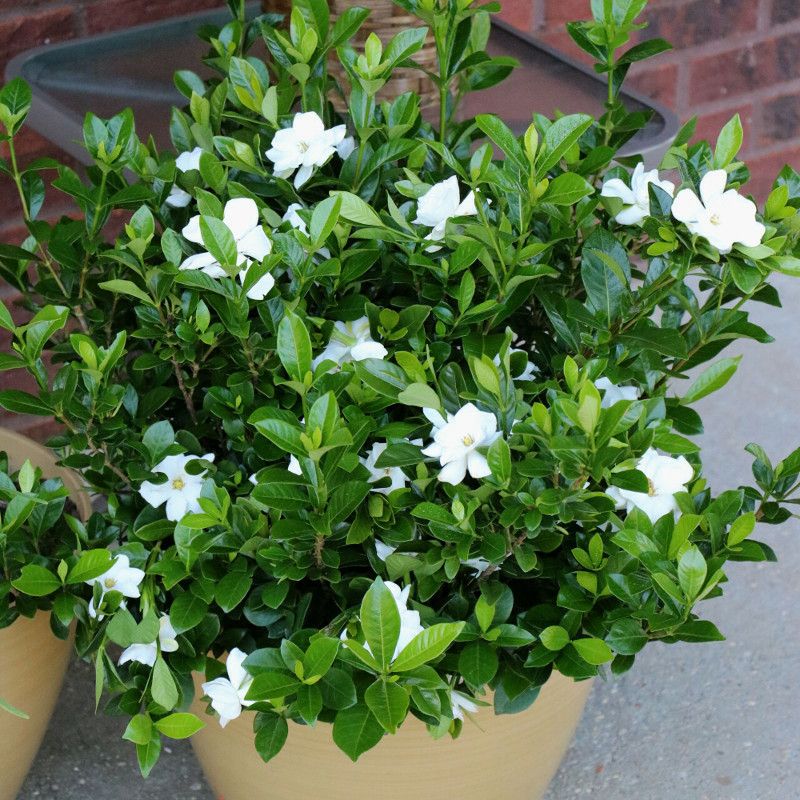
Wet feet are one of the quickest ways to push a gardenia toward trouble, and in Texas, where summer storms can drop heavy rain followed by weeks of dry heat, drainage matters more than most people expect.
Gardenias need steady moisture, but they are not fond of soggy, waterlogged conditions.
Roots sitting in poorly drained soil can struggle to function properly, making the plant more vulnerable when temperatures spike.
Before summer arrives, it helps to take a close look at where your gardenias are planted. Low spots that collect water after rain, heavy clay soils that stay wet for days, and compacted foundation beds can all work against good root health.
Loosening the soil around plants and working in organic matter like aged compost can improve drainage and create a more welcoming root zone.
Your Texas Garden Changes Every Week. Your Plan Should Too.
Gardening in Texas changes quickly throughout the season. Every Friday you’ll receive a simple weekly plan showing exactly what to plant, prune, fertilize, harvest, and protect so you never miss the right timing.
Raised beds and berms are popular solutions in Texas landscapes where clay soils are common, and they give gardeners more control over moisture levels.
For container gardenias on patios or porches, making sure pots have adequate drainage holes is just as important.
Water that pools at the bottom of a container can cause root problems just as easily as soggy ground soil.
Getting drainage sorted out before the heat intensifies means gardenias are better positioned to handle both the heavy rains and the dry stretches that summers tend to deliver.
3. Steady Water Matters Before Heat Builds
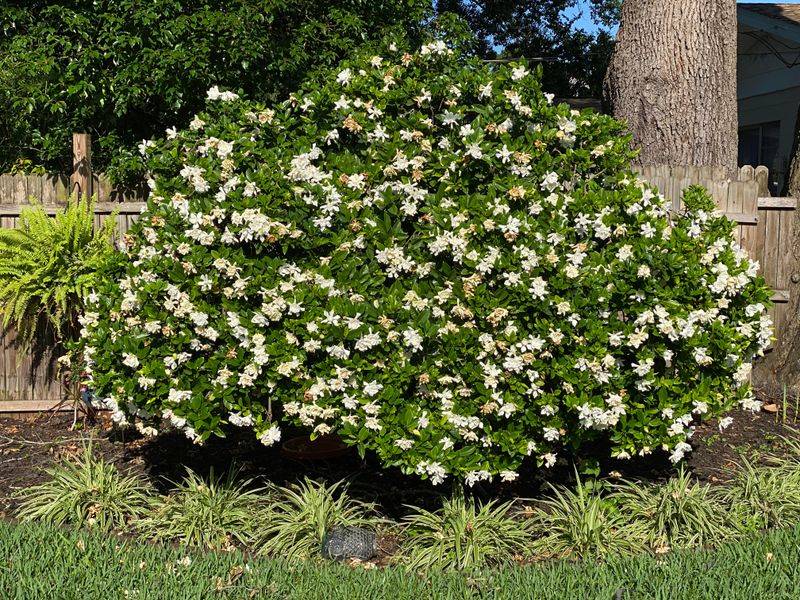
Dry soil and rising temperatures are a tough combination for gardenias, and late spring is exactly the time to establish a steady watering routine before the real heat of summer takes hold.
Gardenias generally prefer consistent moisture rather than swinging between very wet and very dry conditions.
Irregular watering can stress plants and contribute to bud drop, which is frustrating when you have been waiting all spring for those fragrant blooms to open.
Watering deeply and less frequently tends to work better than light, frequent watering. Deep watering encourages roots to grow further into the soil, which helps plants access moisture during dry spells.
Early morning is a good time to water because it allows foliage to dry before evening, reducing the chance of fungal issues that can develop in warm, humid conditions.
In Texas, irrigation water in many areas carries minerals that can affect soil pH over time, so it is worth keeping that in mind as part of your overall soil management.
Drip irrigation and soaker hoses are especially useful for gardenias because they deliver moisture directly to the root zone without wetting the leaves.
As temperatures climb through late spring and into early summer, checking soil moisture every few days helps gardeners catch dry conditions before plants show visible signs of stress.
Building this habit early makes the transition into peak summer heat a little smoother for gardenias.
4. Afternoon Shade Helps Texas Gardenias Cope Better
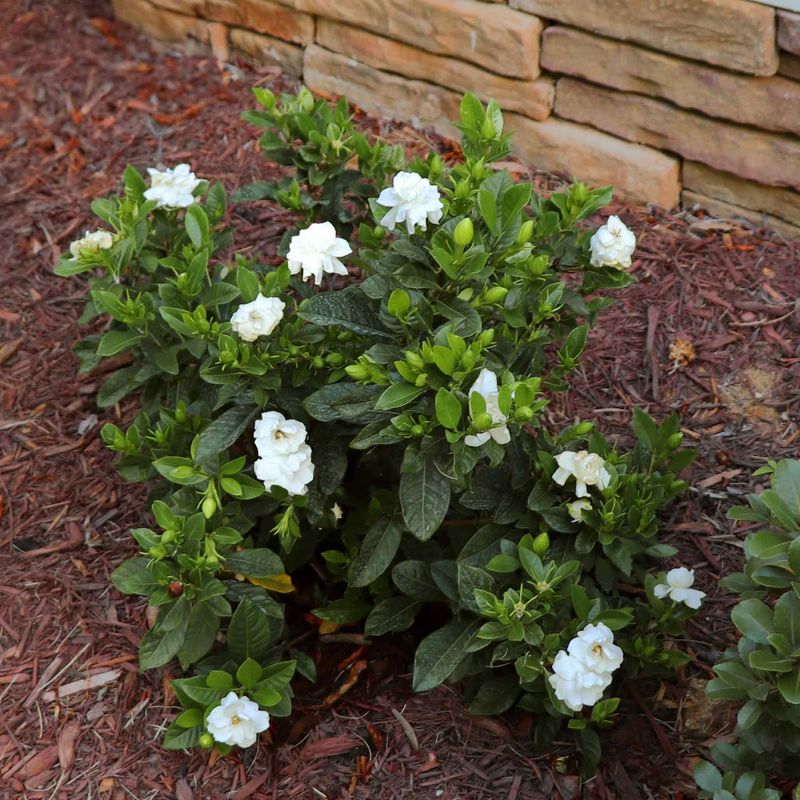
Warming afternoons can be relentless by late spring, and gardenias feel that intensity more than many other shrubs.
While gardenias need good light to bloom well, the harsh afternoon sun that Texas delivers from late spring through summer can scorch leaves and stress plants that are not in the right spot.
Morning sun with some afternoon shade tends to be a more comfortable arrangement for gardenias in most Texas landscapes.
Planting gardenias on the east side of a structure, fence, or larger shrub can provide natural afternoon relief without sacrificing the morning light they need.
In established landscapes where moving plants is not practical, shade cloth can offer a temporary solution during the hottest weeks.
Even a modest reduction in direct afternoon sun exposure can help gardenias maintain healthier foliage and hold their buds more successfully.
Foundation beds on the south and west sides of homes in Texas can be particularly challenging for gardenias because radiated heat from walls and paving compounds the already intense sun.
If gardenias are already planted in these spots, extra attention to mulching and watering becomes even more important.
Evaluating light exposure before summer heat peaks gives gardeners a chance to make small adjustments that can pay off significantly. A shaded gardenia that holds its glossy leaves and fragrant blooms through summer is a genuinely rewarding sight in any yard.
5. Mulch Helps Roots Stay Cooler Longer
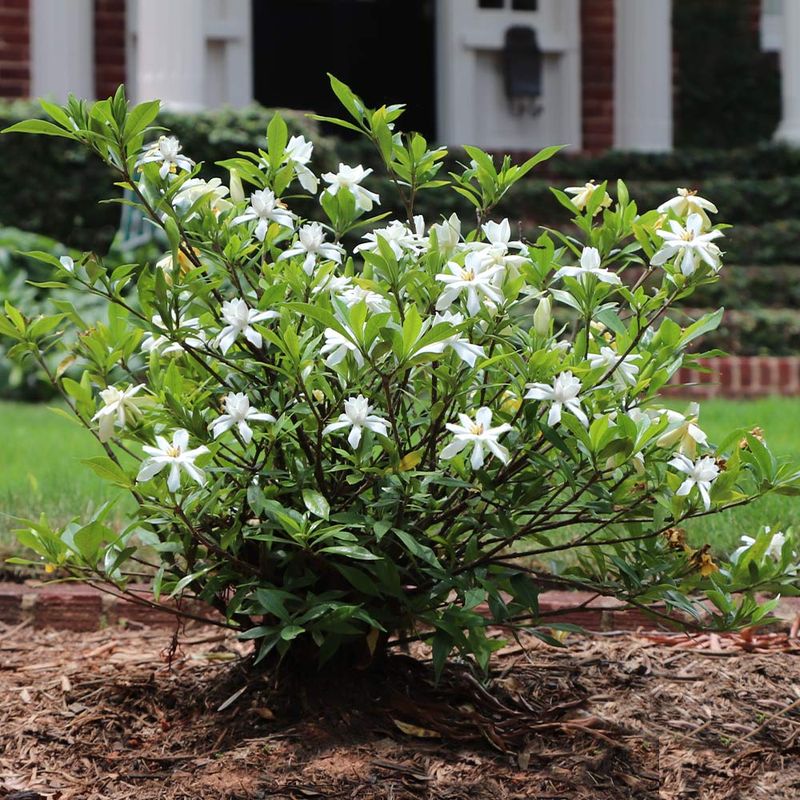
Spreading a fresh layer of mulch around gardenias before summer arrives is one of the most practical things a gardener can do.
Mulch acts as an insulating blanket over the soil, slowing down moisture evaporation and helping root zones stay cooler even as air temperatures climb.
In Texas, where summer soil temperatures can get surprisingly high, that buffer can make a real difference in how comfortably gardenias handle the season.
Pine bark mulch and pine straw are popular choices for gardenias because they break down slowly and can contribute slightly to soil acidity over time, which suits gardenias well.
A layer roughly two to three inches deep is generally helpful, though keeping mulch pulled back slightly from the main stem helps prevent moisture from sitting against the bark in a way that could cause problems.
Fresh mulch applied in late spring, before peak heat arrives, gives it time to settle and begin doing its job before conditions get challenging.
In Texas foundation beds and shrub borders, mulch also helps suppress weeds that compete with gardenias for water and nutrients during the summer months.
Refreshing mulch that has thinned or broken down over the previous season is a simple task that delivers noticeable benefits.
Gardenias with well-mulched root zones tend to look healthier through summer and recover more quickly when rainfall is inconsistent, which is a familiar pattern across much of Texas.
6. Pruning After Bloom Helps Protect Next Year’s Flowers
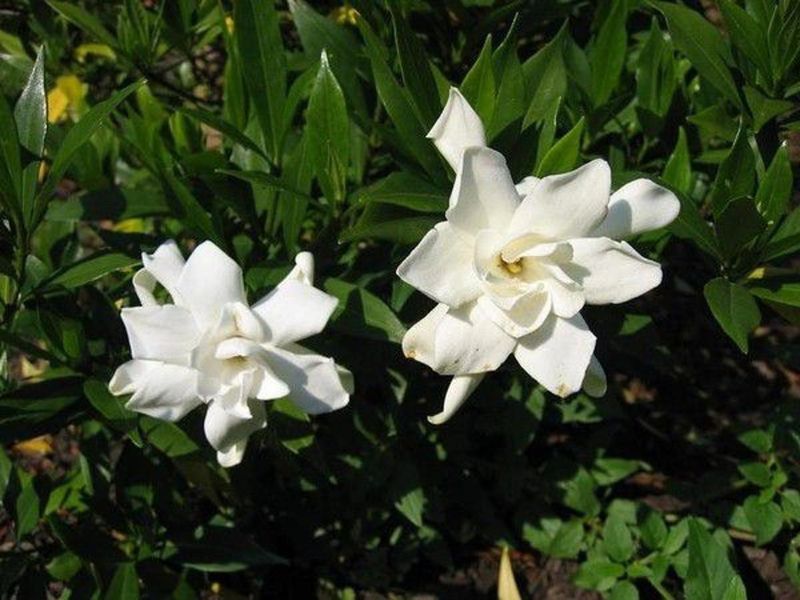
Fading spring blooms are a signal that it is time to think about light pruning, and timing this task correctly matters more than many gardeners expect. Gardenias set the buds for next year’s flowers on growth that develops after the current bloom cycle ends.
Pruning too late in the season risks removing those developing buds before they have a chance to mature, which can result in fewer flowers the following spring.
The general guidance for gardenias is to prune shortly after the main flowering period wraps up, typically in late spring or early summer depending on your location in Texas.
Light shaping to remove spent blooms, damaged wood, and any crossing or crowded branches is usually all that is needed.
Heavy pruning is rarely necessary and can leave plants more exposed to summer stress when they have less foliage to support root function.
Using clean, sharp pruning shears helps make smooth cuts that heal more efficiently, reducing the chance of introducing problems to the plant. Wiping blades with rubbing alcohol between plants is a simple habit that helps keep things tidy.
In Texas, where summer heat follows quickly after spring bloom, getting pruning done promptly gives gardenias the maximum amount of time to put out new growth and settle in before conditions become more demanding.
A lightly shaped gardenia tends to look tidier in the landscape and is better set up for the flowering season ahead.
7. A Gentle Feeding Helps After Flowering
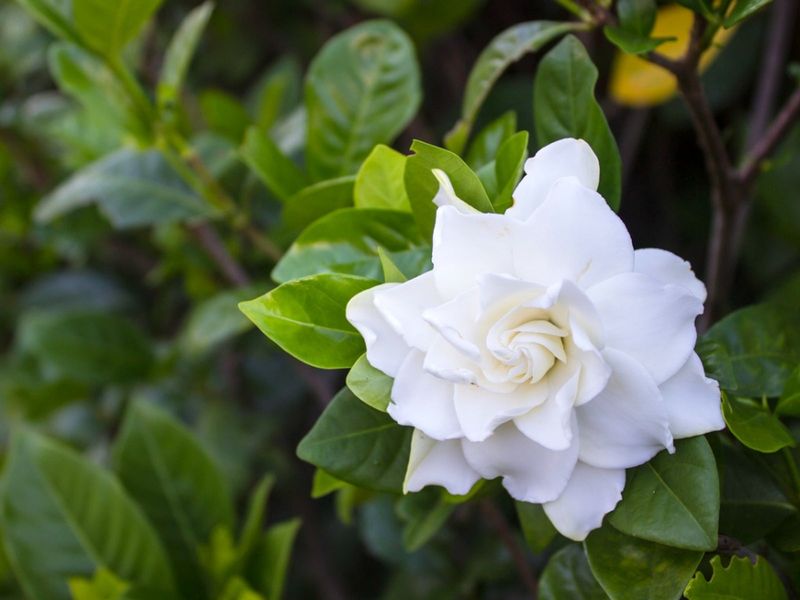
After gardenias finish flowering, they have spent a fair amount of energy producing those fragrant blooms, and a light feeding can help support recovery and encourage healthy new growth.
The post-bloom period is a natural window for a gentle fertilizer application, and choosing the right product matters as much as the timing.
Fertilizers formulated for acid-loving plants, such as those labeled for azaleas and gardenias, tend to work well because they support the soil conditions gardenias prefer.
Slow-release granular fertilizers are a popular option because they deliver nutrients gradually rather than all at once, which reduces the risk of pushing out soft, vulnerable growth right before intense summer heat arrives.
Liquid fertilizers can also be used but may need more frequent reapplication.
Following label directions is important because over-fertilizing gardenias can cause its own set of problems, including salt buildup in the soil.
Feeding too late in the season is generally not recommended because it can encourage tender new growth that struggles to handle the stress of summer heat. Late spring, shortly after blooming ends, tends to be a more favorable window for this kind of care in Texas.
Watering in any fertilizer application thoroughly helps move nutrients toward the root zone and reduces the chance of fertilizer sitting on the soil surface where it could cause issues.
A well-timed, light feeding sets gardenias up to grow steadily through summer rather than pushing them into unnecessary stress.
8. Summer Pest Checks Can Prevent Bigger Problems
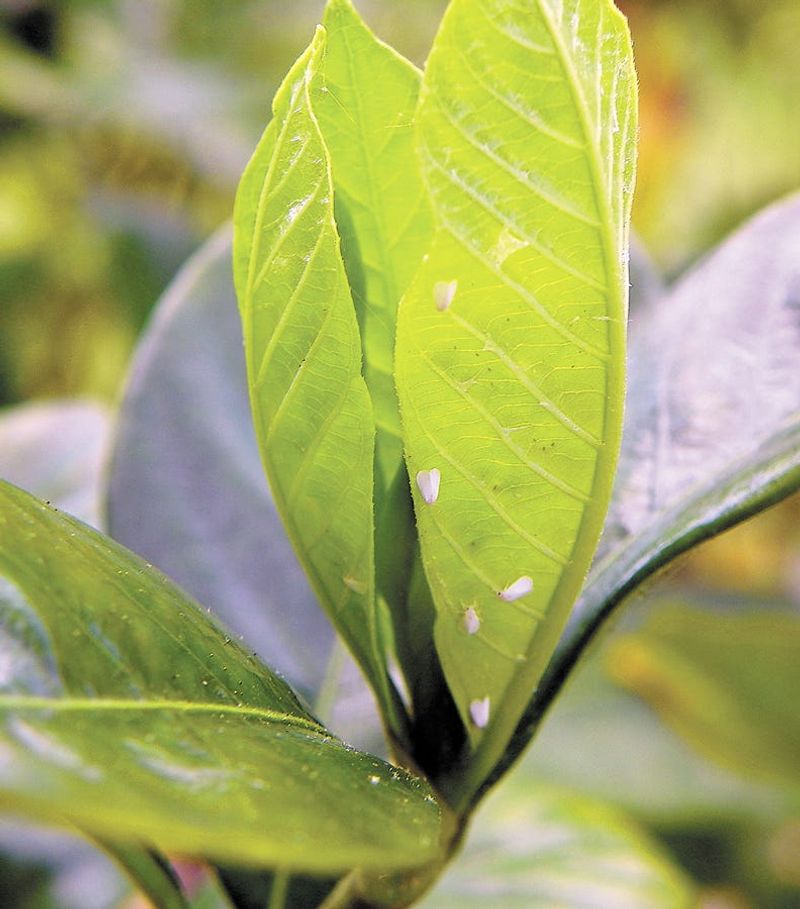
Leaf problems on gardenias often show up quietly at first, and by the time they are obvious, a pest population may already be well established.
Warmer temperatures in late spring and early summer create favorable conditions for several common gardenia pests, including whiteflies, scale insects, and spider mites.
Catching these early, before summer heat makes plants more vulnerable, gives gardeners a much better chance of managing them without significant setbacks.
Whiteflies tend to cluster on the undersides of leaves and can cause yellowing and general decline if left unchecked. Scale insects appear as small, waxy bumps on stems and leaves and can be easy to overlook during a quick glance.
Spider mites become more active as conditions get hot and dry, and their presence often shows up as a fine stippling or dusty appearance on foliage before webbing becomes visible.
Checking plants every week or two during this period is a simple habit that pays off. Turning leaves over and looking at stems closely takes only a few minutes and can reveal early signs of activity before populations grow.
Horticultural oil and insecticidal soap sprays are commonly used options for managing many of these pests on gardenias, and applying them in the cooler parts of the day helps reduce the chance of leaf sensitivity.
In Texas, where heat and humidity can shift quickly, staying attentive through late spring gives gardenias a stronger foundation heading into the most demanding months of the year.