This Is What Your Florida Coontie Needs In August To Survive The Rainy Season
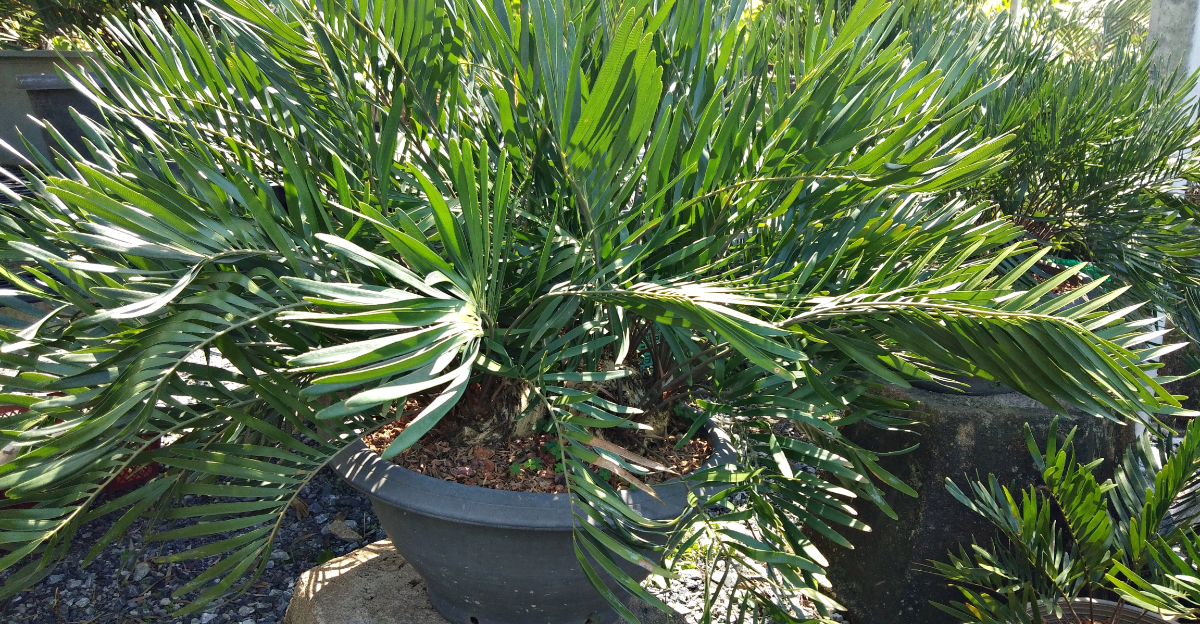
Coontie has a reputation for toughness that it earns every season without much help from anyone. Heat, drought, poor soil.
It handles all of it without complaint. Then the rainy season arrives and the conditions flip entirely, and a plant that sailed through dry months starts showing stress in ways that catch even experienced Florida gardeners off guard.
Sustained moisture is a different challenge than drought for coontie. The root zone that managed dry conditions efficiently can struggle when Florida’s rainy season delivers week after week of saturated soil without relief.
August pushes that challenge into its most intense stretch. What coontie needs this month is specific and different from what it needed in June.
One targeted adjustment now keeps the root system healthy through the heaviest rainfall weeks. Skip it and the plant that looked indestructible through dry season arrives at fall looking like it barely made it through the rain.
1. August Rain Should Replace The Irrigation Timer
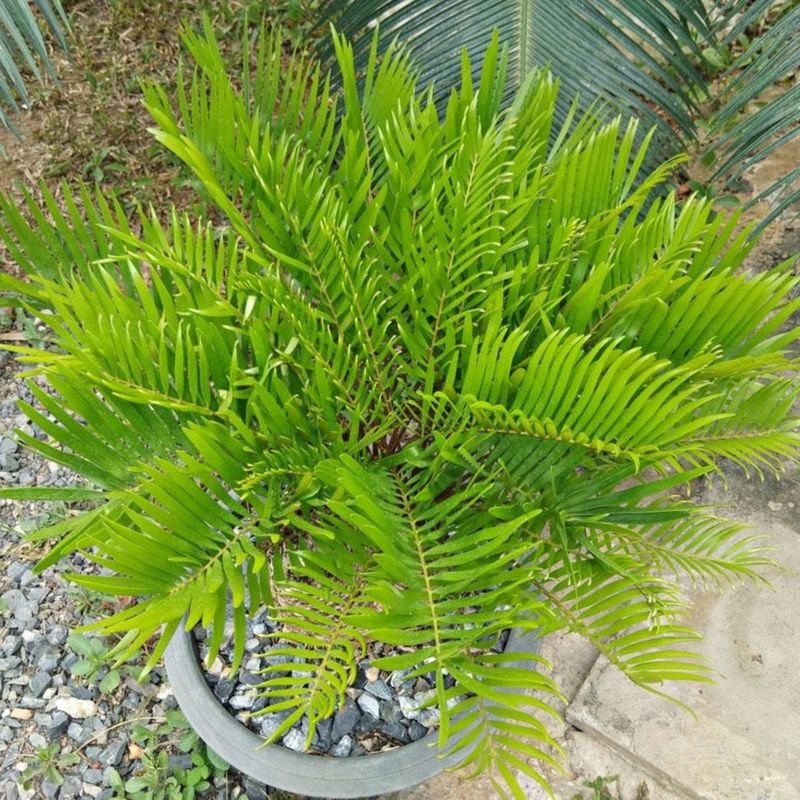
Automatic irrigation timers are convenient, but they follow a fixed schedule rather than checking the sky. When summer storms roll through and drop an inch or more of rain on your Florida yard, that timer may still click on the next morning without a second thought.
For an established coontie, that extra water is almost never necessary.
Established coonties are remarkably self-sufficient once their root system is settled in. According to UF/IFAS guidance, this native cycad tolerates drought well after establishment and rarely needs supplemental irrigation during a wet summer.
Running a fixed schedule regardless of recent rainfall can push more moisture into soil that is already holding plenty.
Before your next irrigation cycle, check the soil an inch or two below the surface. If it feels moist, skip the watering.
Newly transplanted coonties are a different story. Their roots have not yet spread into surrounding soil, so they need closer monitoring during both dry spells and rainy stretches.
A newly planted specimen should not be ignored just because August is wet. Check soil moisture near the root ball specifically, since it can dry faster than surrounding ground.
Rain sensors or smart irrigation controllers can pause watering after measurable rainfall. They are practical upgrades worth considering for landscapes with native plantings.
2. Standing Water Is The Warning Sign Around The Root Zone
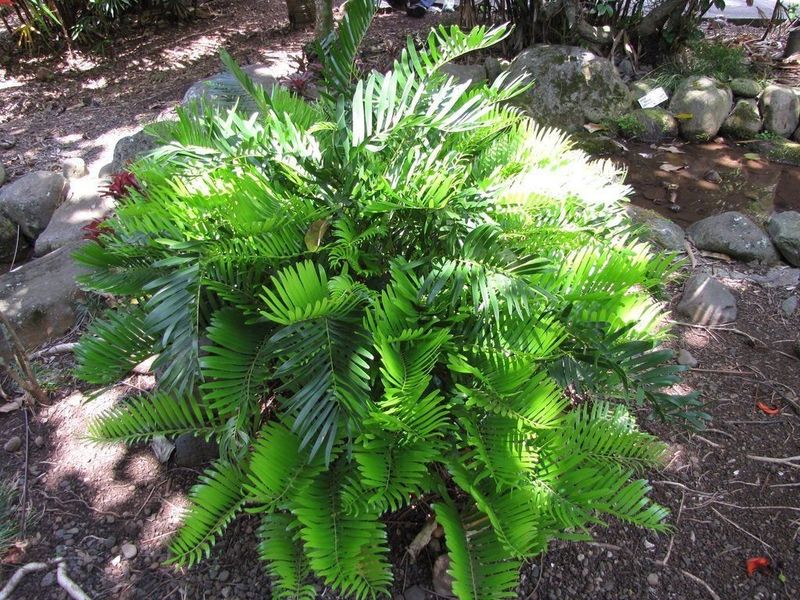
Walk your Florida yard about thirty minutes after a heavy storm and pay attention to where water is still pooling. Most areas of a well-graded yard drain fairly quickly.
When water lingers specifically around a coontie’s base long after surrounding ground has cleared, that site deserves a closer look.
Coontie grows in a range of soil types across its native range, but it still performs best when drainage is adequate. Tolerance of different soils does not mean it thrives in persistently saturated conditions.
One brief puddle after an unusually heavy storm is not automatically a crisis. Repeated or long-lasting saturation around the crown is the pattern worth addressing.
Check for landscape edging that may be trapping water against the planting bed. Look at nearby downspouts to see if roof runoff is being directed toward that area.
Your Florida Garden Changes Every Week. Your Plan Should Too.
Gardening in Florida changes quickly throughout the season. Every Friday you’ll receive a simple weekly plan showing exactly what to plant, prune, fertilize, harvest, and protect so you never miss the right timing.
Clogged drainage channels along bed borders can also cause water to back up around plants that would otherwise be fine.
The goal of this inspection is to determine whether the site has a structural problem rather than jumping to conclusions about the plant itself. A coontie showing no visible stress after a single wet week is probably doing just fine.
Persistent saturation week after week is the signal that the site, not the plant, may need a practical correction.
3. Well-Drained Ground Matters More Than The Soil Type
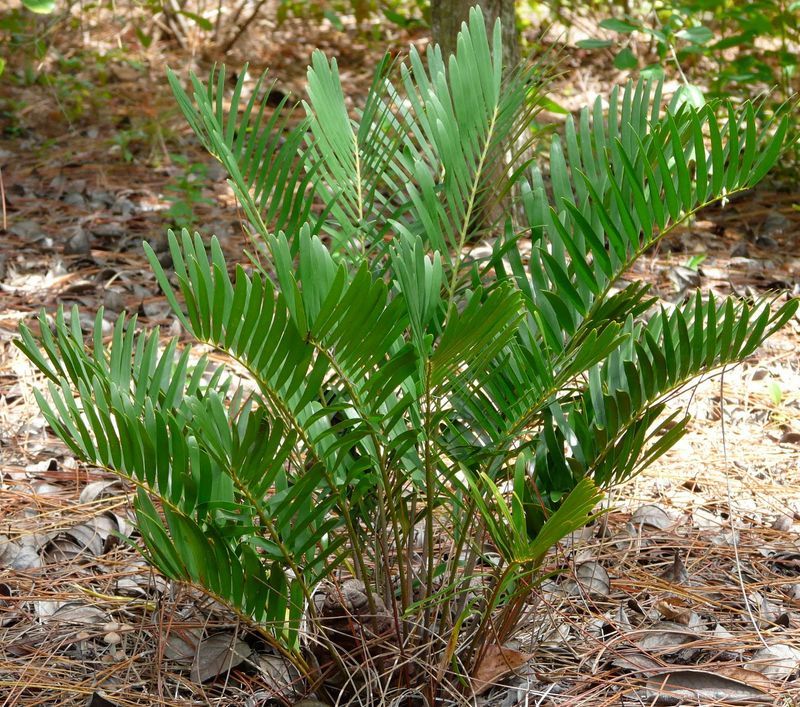
Coontie has a reputation for growing in tough spots, and that reputation is well earned. This cycad can establish in sandy coastal soils, rocky substrate, and heavier loam without demanding a perfect growing medium.
What matters more than texture is whether water can actually move through and away from the root zone.
Florida sandy soil may sound like a guaranteed drainage solution, but a low spot can still stay wet for hours after a storm. Water from surrounding higher ground can flow into it and collect.
Meanwhile, a slightly heavier loam on a gently sloped bed may drain perfectly well because gravity keeps water moving. Texture alone does not tell the whole story.
UF/IFAS plant profiles for coontie emphasize well-drained conditions as a key site requirement. The distinction between soil texture and drainage is worth understanding before deciding any soil amendment is necessary.
Swapping native soil for potting mix or adding sand to an existing bed is rarely the answer when the real issue is site position.
Choose the planting location with drainage in mind first, then consider soil texture second. A coontie on a slight rise or in a naturally well-drained bed will handle August rains far better than one in a low corner.
That remains true regardless of the soil type. Site selection beats soil engineering almost every time.
4. Low Spots Can Turn A Tough Native Into A Wet-Season Problem
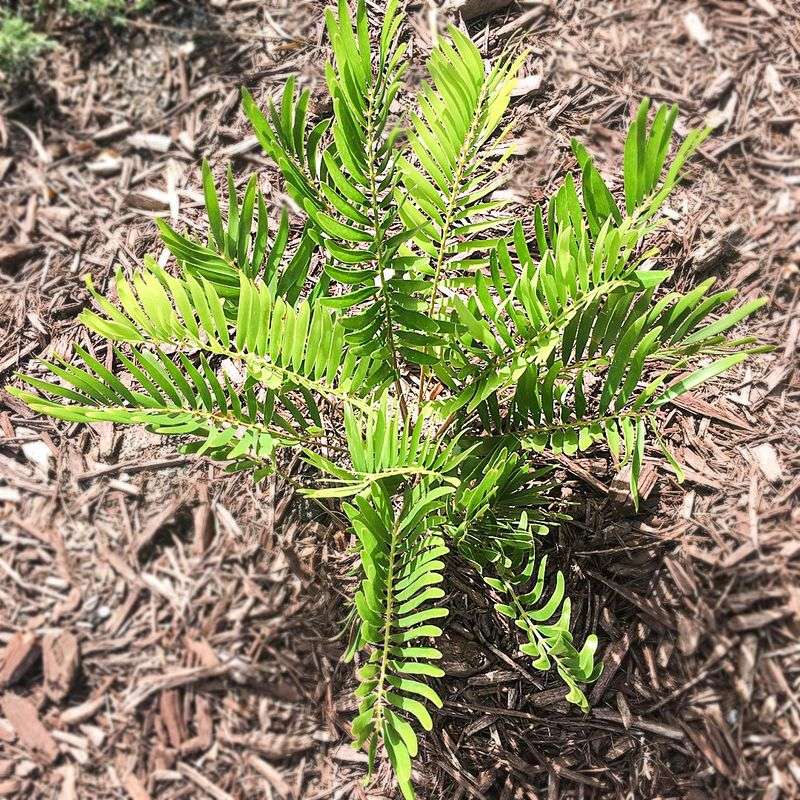
Yard water does not spread evenly after a storm. It follows gravity, collects in depressions, and pools where something stops it from moving forward.
A coontie planted in a naturally low bed may sit in saturated soil long after the rest of the yard has dried out, simply because of where it is positioned.
Roof runoff is one of the most common culprits in residential Florida landscapes. A downspout pointed toward a planting bed can dump concentrated water directly into the root zone during every storm.
Compacted soil from foot traffic or construction can also prevent water from percolating downward, causing it to spread sideways and collect around nearby plants.
Observe the site during or immediately after a heavy rain if you can do so safely. Look at where water flows and where it stops.
Irrigation overspray, blocked drainage paths, and partially obstructed swales can all redirect water. That can send more moisture than expected toward a single planting area.
Rerouting a downspout or clearing a blocked drainage channel is often more effective than anything done to the plant itself. Adding soil over an established coontie’s crown to raise its grade is not a practical solution and can cause other problems.
Focus corrections on where water moves rather than on burying or relocating a healthy plant.
5. Container Coonties Need Drainage Holes That Actually Work
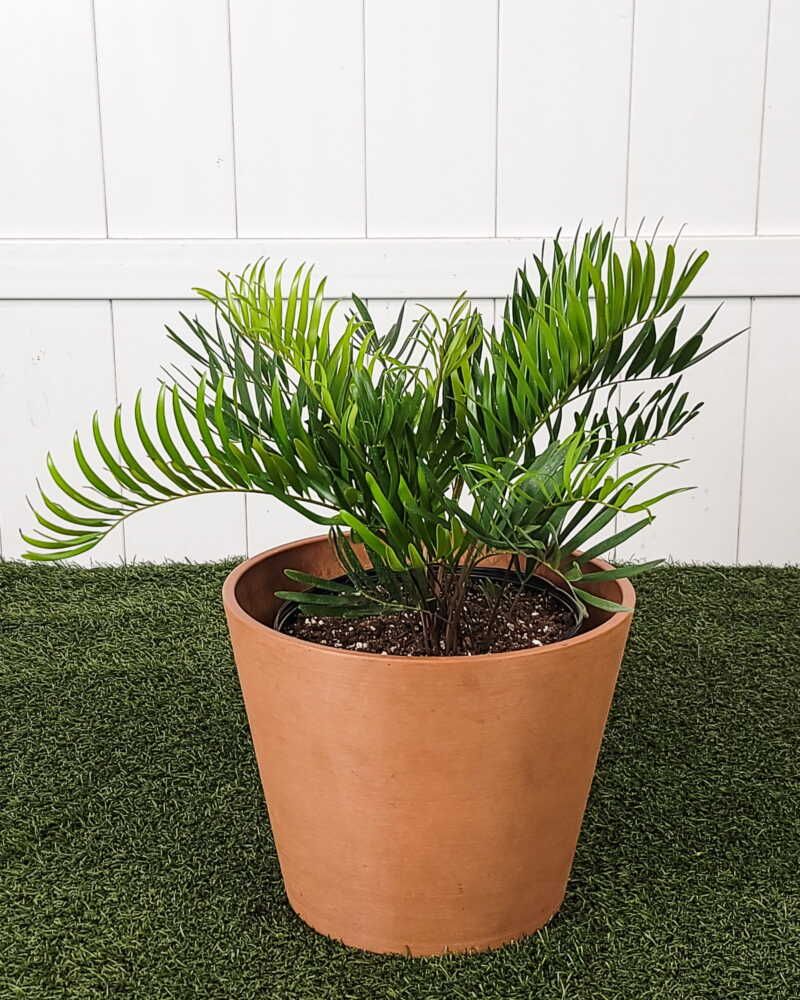
Container growing changes everything about how water behaves around a plant. Unlike landscape soil, a pot holds a fixed volume of growing medium with no connection to surrounding ground.
When rain falls directly into an open container, the only exit is through the drainage holes at the bottom, and those holes have to actually work.
Decorative cachepots and solid saucers are popular for good reason, but they can trap water beneath the pot after a storm. A coontie sitting in a saucer full of water is essentially having its roots bathed continuously, which is not what this cycad prefers.
Check that water can flow freely out of every drainage hole and that the pot is not sitting in a persistent puddle on the patio.
Compacted or old potting media can also reduce drainage over time. Water may appear to drain initially but slow to a trickle as the mix breaks down and compacts.
An oversized container is another factor worth considering. A large pot holds more moist media around a relatively small root ball, which means the center of the pot can stay wet much longer than a better-fitted container would.
Adding gravel to the bottom of a pot is a common suggestion, but research shows it can actually raise the water table within the container rather than improve drainage. The most reliable fix is simply making sure holes are clear and water can leave freely after each storm.
6. Established Plants Rarely Need Help From The Hose
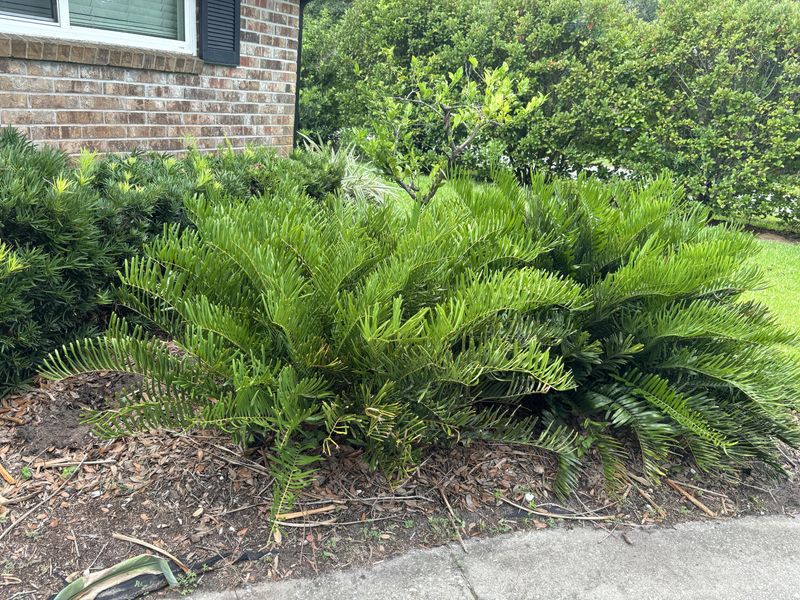
A coontie that has been in the ground for a full growing season and beyond is a genuinely low-maintenance plant when it comes to water. Its root system has spread into surrounding soil, giving it access to stored moisture between rains.
During a typical Florida August with regular afternoon storms, supplemental irrigation from the hose is rarely something it needs.
Homeowners sometimes keep native plants on the same irrigation zone as turf grass or thirsty tropical shrubs. Lawn zones often run on shorter, more frequent cycles designed for shallow-rooted grass.
An established coontie on that same zone receives far more water than its root system requires, especially during a rainy month.
Zoning irrigation so that drought-tolerant natives are on a separate schedule, or no schedule at all during rainy season, is a practical adjustment. It saves water and avoids unnecessary saturation around plants that genuinely do not need the extra moisture.
This is different from abandoning the plant entirely.
Unusually prolonged dry stretches, which do occasionally follow active storm periods, are worth watching. If several weeks pass without meaningful rain and the soil around the plant feels dry several inches down, a slow, deep watering may be appropriate.
The key is responding to actual soil conditions rather than running on a fixed calendar that ignores what the weather is already providing.
7. Atala Caterpillar Damage Is Easy To Mistake For A Plant In Trouble
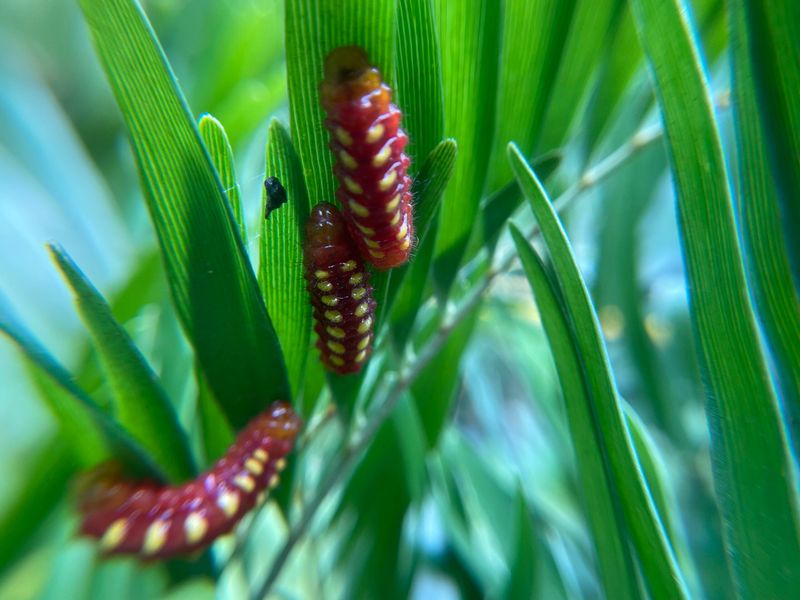
Coontie holds a special ecological role as the sole larval host plant for the Atala butterfly. This striking species has iridescent blue-green wings and a bright red abdomen.
When Atala populations are present, the caterpillars feed heavily on coontie foliage, and that feeding can be dramatic to witness.
A cluster of orange-and-black caterpillars stripping leaflets from your coontie in August may look alarming at first glance. The timing coincides with rainy season, so some gardeners may assume the plant is struggling from wet conditions.
The real explanation may instead be caterpillar activity. The two situations look very different up close once you know what to check.
Atala caterpillars feed on foliage. They do not damage roots or the crown.
A healthy coontie that loses fronds to caterpillar feeding will typically push out fresh growth after the caterpillars complete their life cycle and move on. Treating these caterpillars as ordinary Florida landscape pests would remove a species that conservation efforts have worked to bring back from very low population numbers.
Scale insects can occasionally appear on coontie and cause a different kind of damage, such as yellowing or sticky residue on fronds. If you see unusual discoloration without any caterpillar presence, scale may be worth investigating.
The key is identifying what is actually happening before reaching for any treatment, chemical or otherwise.
8. Letting The Root Zone Drain Between Storms Is The August Priority
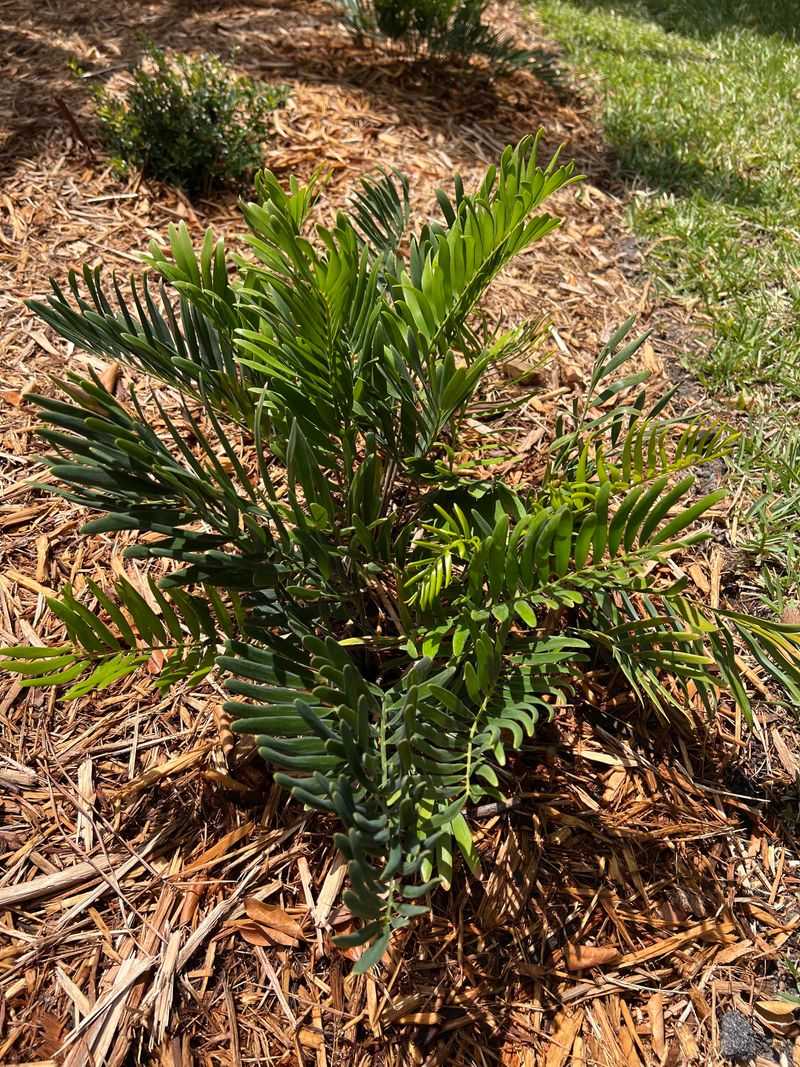
After walking through irrigation timing, drainage sites, soil position, container behavior, and caterpillar activity, the central theme is the same in every case. Watch what happens to water after it falls, and let the root zone clear between storms before adding anything extra.
Moist soil after a summer rain is normal and expected. Persistently saturated soil that never seems to drain between storms is the condition worth addressing.
An established coontie planted in a suitable location with reasonable drainage generally needs very little from the gardener during August. The work is mostly observational rather than physical.
Irrigation control, landscape position, and container drainage all connect to the same principle. Water needs a clear path away from the root zone.
When that path exists, the plant handles rainy season without drama. When something blocks that path, standing water becomes the visible symptom of a site problem that no fertilizer or fungicide will fix.
Routine soil amendments, fungicide applications, and fertilizer treatments are not part of standard August coontie care under normal rainy conditions. UF/IFAS guidance supports a restrained approach for established native plants during wet periods.
The best thing most gardeners can do this month is resist the urge to intervene and instead focus on making sure excess water has somewhere to go. Restraint, in this case, is genuinely the most helpful choice.