This Is Why Every Arizona Garden Needs A Desert Willow In Back
Backyards feel different when one tree does more than fill empty space. The right choice can bring welcome shade, colorful blooms, and visiting birds without demanding constant attention.
Some trees struggle through long stretches of desert heat. Others seem perfectly at home, even when summer feels endless and rain stays scarce.
Desert willow has earned that reputation for a reason. It keeps blooming through the hottest months while adding movement and color to the landscape.
Many homeowners consider it one of the most rewarding native trees to grow in Arizona.
It fits naturally into the desert and asks for far less water than many popular alternatives.
A backyard with a desert willow never feels quite the same. Once it matures, you will notice the difference every time you step outside.
1. Desert Willow Thrives In Extreme Heat And Full Sun
Few trees handle brutal summer heat the way desert willow does. Temperatures above 110 degrees Fahrenheit barely slow it down.
Native to the Chihuahuan and Sonoran desert regions, it evolved to perform under conditions that stress most other trees.
Full sun is where it truly shines. Partial shade can limit its flowering, so placing it in an open, sunny spot in your yard gives it the best chance to bloom heavily.
Morning and afternoon sun work equally well for this tree.
Arizona summers push soil temperatures to extremes. Desert willow handles that heat without wilting or dropping leaves prematurely.
Its deep root system pulls moisture from lower soil layers when the surface dries out.
Hot reflected heat from walls or pavement does not seem to bother it much either. Planting it near a south-facing wall can actually boost its performance.
Just make sure it has enough room to spread its canopy comfortably.
One thing worth noting is that young trees may need some extra water during their first summer while roots establish.
2. Trumpet-Shaped Flowers Attract Hummingbirds And Bees
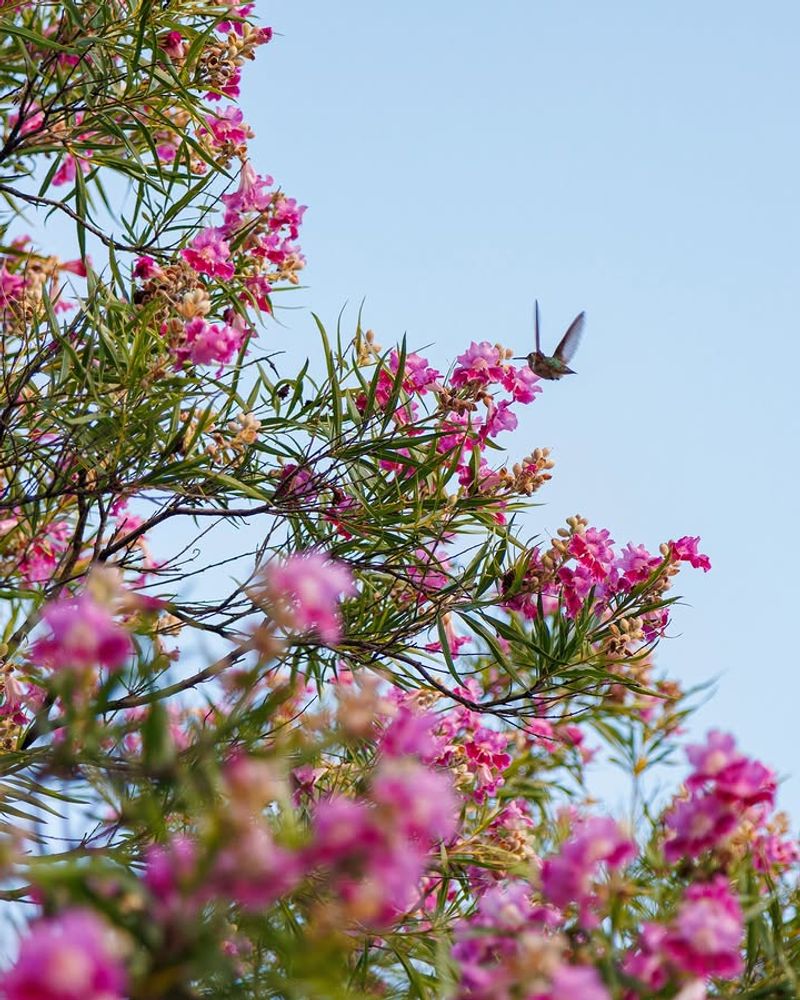
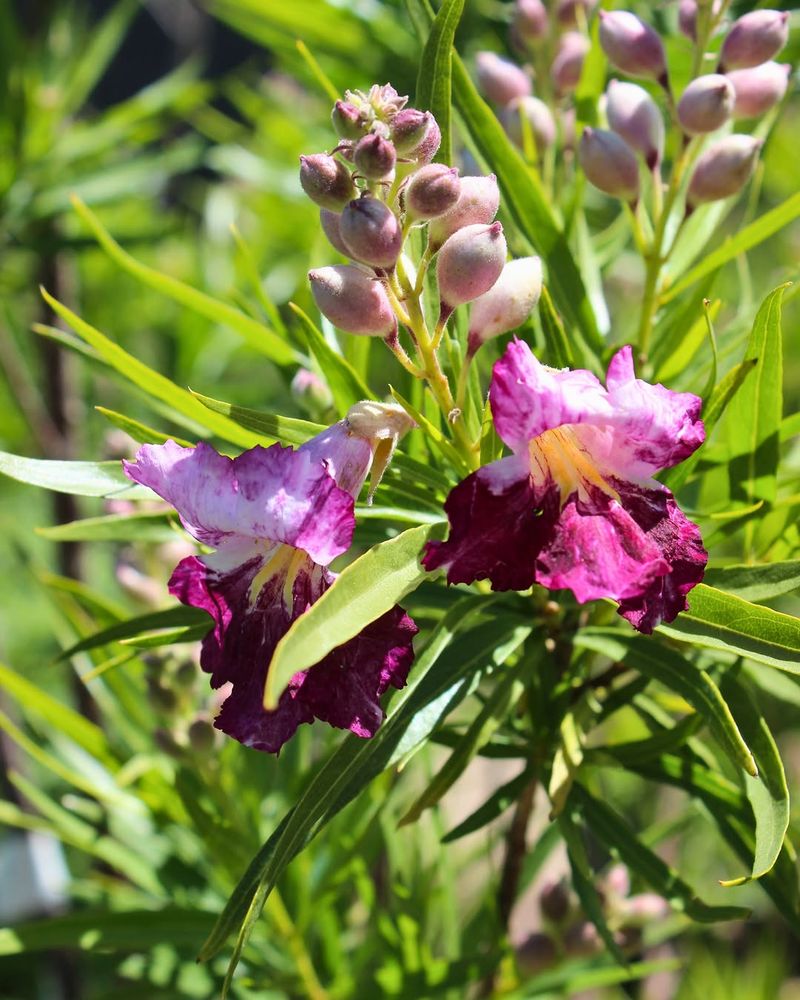
Watch your backyard come alive the moment desert willow starts blooming. Hummingbirds zero in on those long, tubular flowers almost immediately.
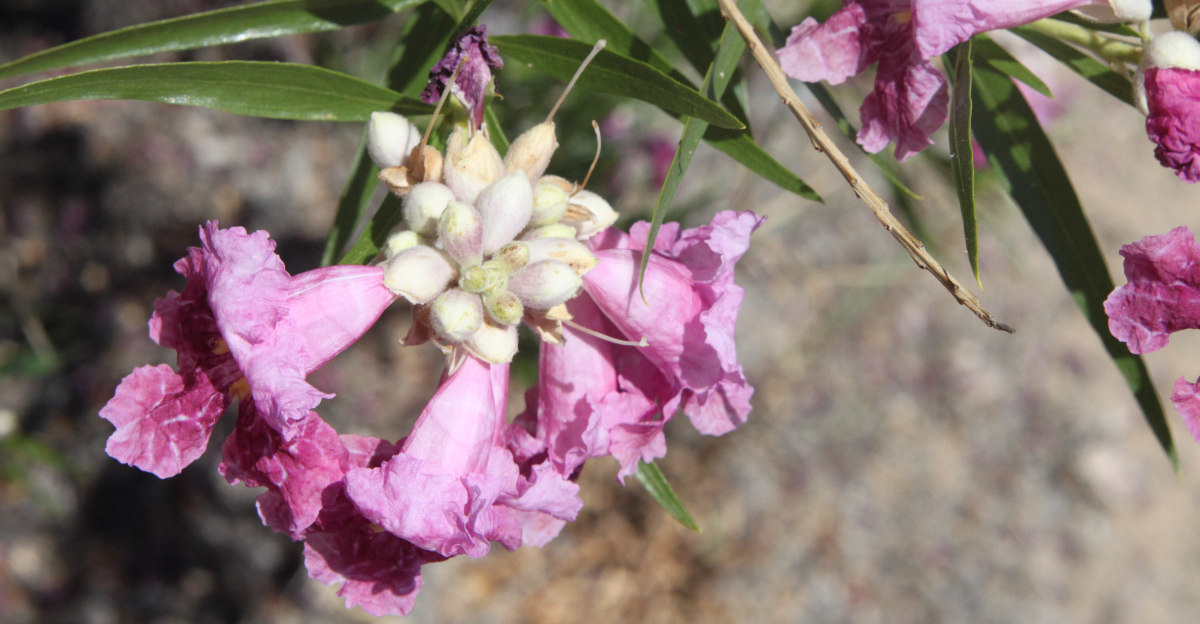
The shape of the blossom is practically built for a hummingbird’s beak.
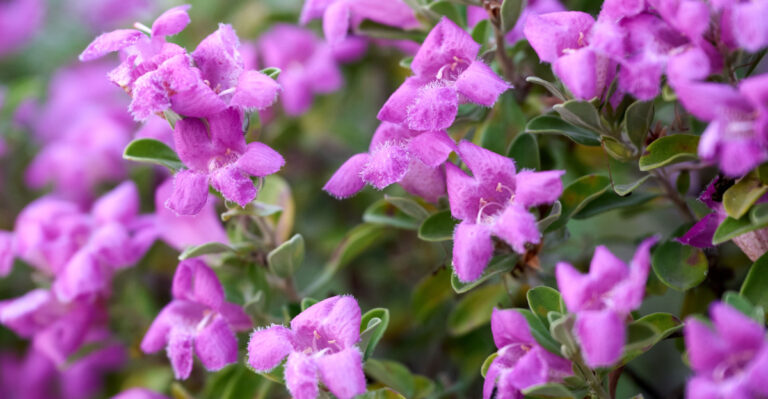
Blooms typically appear from late spring through early fall, depending on water and temperatures. Colors range from pale lavender to deep magenta, sometimes with yellow or white throats.
Each flower cluster is showy enough to stop people mid-step.
Bees visit regularly too. Native bees, in particular, seem drawn to the nectar.
Planting desert willow near a vegetable garden or fruit trees can support pollination nearby.
What makes this tree stand out from other flowering desert plants is its long bloom season. Many desert shrubs flower briefly and finish.
Desert willow keeps producing new blooms in waves across several months.
Butterflies and other pollinators also stop by when flowers are open. A single tree can become a hub of backyard wildlife activity without any extra effort from you.
The flowers themselves are fragrant, though the scent is mild and pleasant rather than overpowering. Sitting near a blooming desert willow on a warm evening is genuinely enjoyable.
Your Arizona Garden Changes Every Week. Your Plan Should Too.
Gardening in Arizona changes quickly throughout the season. Every Friday you’ll receive a simple weekly plan showing exactly what to plant, prune, fertilize, harvest, and protect so you never miss the right timing.
It adds a sensory layer to the garden that most trees simply cannot offer.
3. Low-Water Needs Make It Easy To Maintain
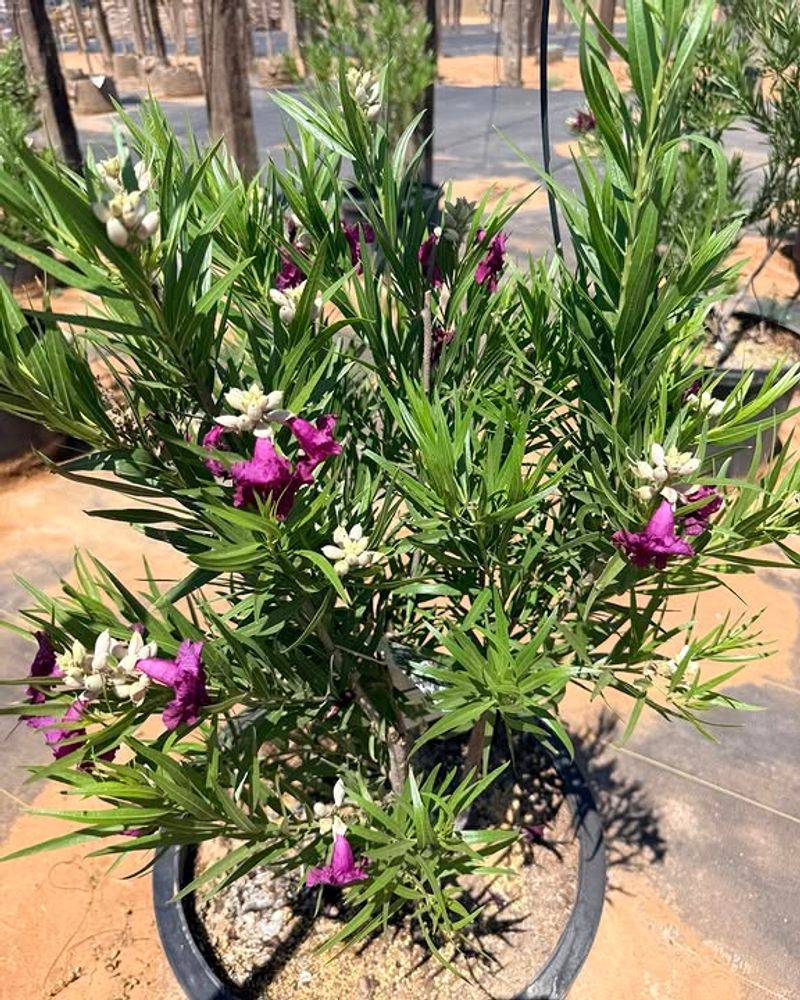
Water bills in the desert Southwest can get painful fast. Desert willow fits right into a low-water landscape without sacrificing beauty or shade.
Once established, it survives on rainfall in many parts of the region.
During the first year, watering every week or two helps roots settle in. After that, deep watering every two to four weeks during summer is usually enough.
In cooler months, you can cut back even further.
Drip irrigation works well for this tree. Slow, deep watering encourages roots to grow downward rather than spreading shallow near the surface.
Shallow roots are more vulnerable to drought stress and soil temperature swings.
Overwatering is actually a more common problem than underwatering with desert willow. Soggy soil around the roots can cause root rot over time.
Good drainage matters more than frequent watering.
Mulching around the base helps retain soil moisture between waterings. A layer of gravel or organic mulch a few inches thick can make a noticeable difference during peak summer heat.
For gardeners in Arizona looking to reduce irrigation costs, desert willow is a practical choice. It delivers visual impact without requiring a complicated watering schedule.
4. Open Branches Create Light Afternoon Shade
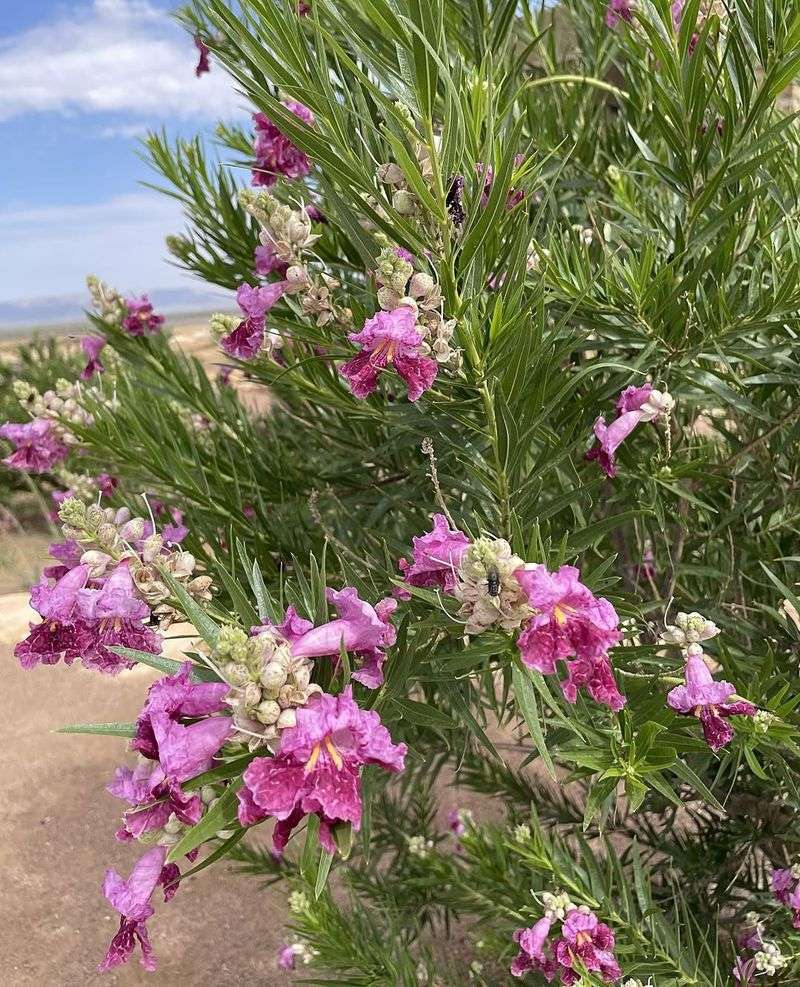
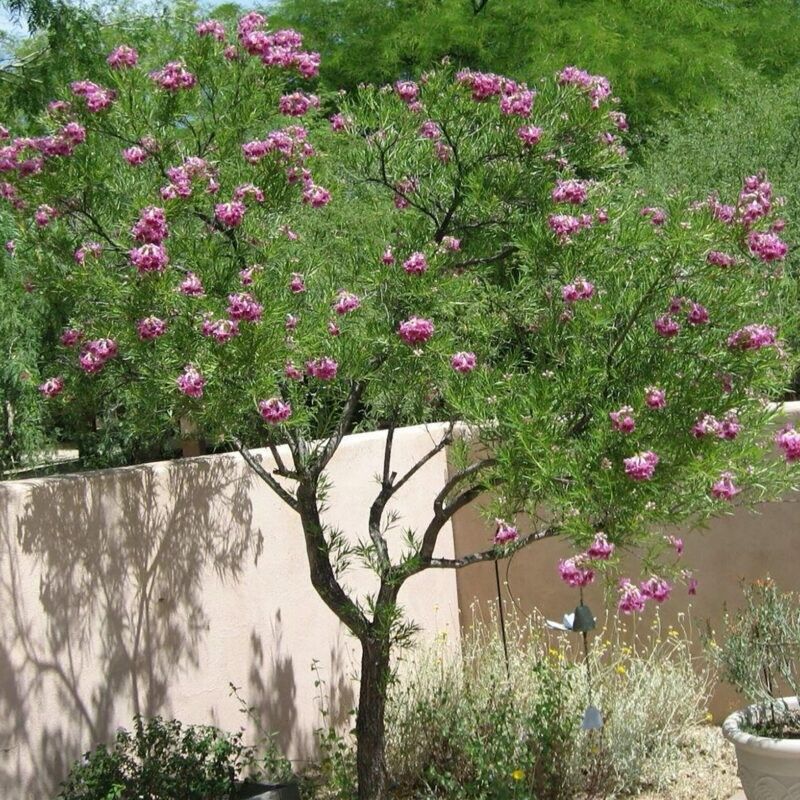
Not every tree casts the same kind of shade. Desert willow has an open, airy branch structure that filters sunlight rather than blocking it completely.
That dappled shade is actually ideal for many situations.
Dense shade can prevent grass or ground cover plants from growing underneath. Desert willow lets enough light through to keep shade-tolerant plants healthy beneath its canopy.
It creates a layered garden effect that looks intentional and natural.
Patios and seating areas benefit from this kind of filtered shade too. Sitting under a solid canopy on a hot afternoon can feel stuffy.
Light, moving shade from open branches keeps air circulating while still cutting direct sun intensity.
The tree typically grows 15 to 25 feet tall and wide under good conditions, though size varies with soil and water. That spread is generous enough to shade a decent portion of a backyard without overwhelming a smaller space.
Branch structure stays relatively upright when young and spreads more with age. Training the canopy early with light pruning can help direct growth toward the areas where shade is most needed.
For afternoon sun exposure, which tends to be the most intense, positioning desert willow on the west side of a patio or outdoor space can provide noticeable relief from direct heat during the hottest hours.
5. Fast Growth Adds Backyard Beauty Sooner
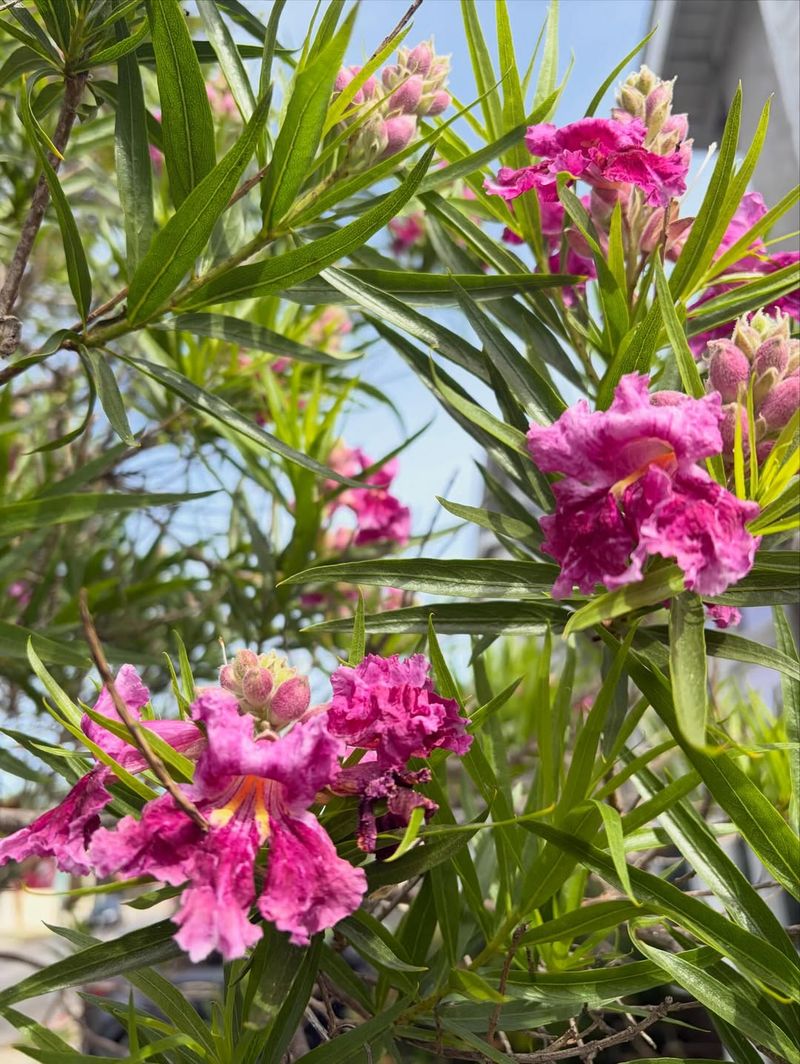
Waiting years for a tree to look like anything is frustrating. Desert willow skips a lot of that waiting.
Under decent conditions, it can put on two to three feet of new growth per year during its active growing season.
That kind of pace means a small nursery tree can become a noticeable landscape feature within just a couple of seasons. For new homeowners or anyone redesigning a yard, that speed makes a real difference in how quickly a space feels finished.
Growth rate does depend on watering and soil quality. Trees that receive consistent deep watering during their first two summers tend to establish faster and grow more vigorously.
Skimping on water early can slow things down noticeably.
Fertilizing is not always necessary, especially in native desert soil. However, a light application of balanced fertilizer in early spring can give young trees a helpful boost during their first few years.
Compared to slower native trees like mesquite or ironwood, desert willow gets to a useful size much sooner. It is not a slow-burn investment.
You start seeing blooms and canopy development relatively quickly after planting.
6. Seed Pods Bring Seasonal Interest After Blooming
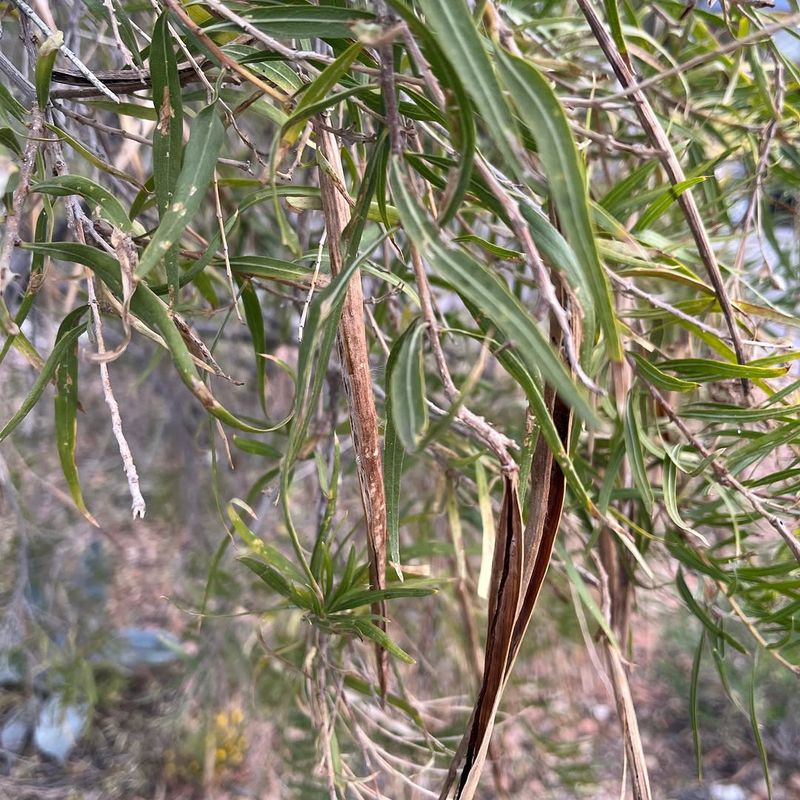
After the flowers fade, desert willow does not just go quiet. Long, slender seed pods develop along the branches and add a completely different kind of visual texture to the tree.
They can reach up to 12 inches in length.
These pods start green and dry to a tan or brown color as fall arrives. Against a blue desert sky, the hanging pods have a sculptural quality that many gardeners actually appreciate.
It is not the flashy show of bloom season, but it has its own appeal.
Birds sometimes pick at the pods, especially after they split open and release seeds. That adds another layer of wildlife activity to a tree that already draws hummingbirds and bees during warmer months.
Some gardeners find the dry pods a bit messy near seating areas. Placing the tree slightly away from patios or pools reduces cleanup.
In a natural or xeriscape-style garden, the pods blend right into the surroundings without looking untidy.
Winter silhouette is another understated quality of this tree. Bare branches with hanging pods create an interesting outline against winter light.
It is not a dramatic display, but it keeps the tree visually present even without leaves.
Seed pods can also be collected and used in dried flower arrangements or craft projects.
7. Well-Drained Soil Supports Long-Term Health
Soil type matters more than most people realize when planting desert willow. Heavy clay that holds water for days is not a good match for this tree.
Roots sitting in wet, compacted soil can develop rot problems over time.
Sandy or gravelly soil drains fast and mimics the native habitat where desert willow naturally grows. Rocky desert washes and dry slopes are where it thrives in the wild.
Replicating that drainage in your yard gives it the best foundation.
If your soil is heavy or clay-based, amending the planting hole with coarse sand or decomposed granite can improve drainage. Raising the planting area slightly also helps water move away from the root zone more efficiently.
Soil pH is generally not a major concern in desert landscapes. Desert willow tolerates a range of pH levels common in Southwest soils.
Alkaline conditions, which are typical in the region, do not usually cause serious problems.
Compaction is worth watching in high-traffic areas. Soil that gets walked on regularly loses its pore space and drains poorly.
Keeping foot traffic away from the root zone helps maintain the loose, aerated soil the tree prefers.
Long-term health comes down to getting those basics right from the start.