Arizona’s Record Halloween Rain Left Yards Soaked: 9 Things to Check Before You Water Again
Swift water rescues splashed across Tucson news as a fierce Halloween weekend storm turned quiet streets into rushing creeks. I walked my own yard the next morning and found gravel paths rearranged and a drip line floating like a lost shoelace.
Desert plants love a good drink, but too much water sitting around their roots can cause more trouble than a dry spell. Before you touch that hose or controller again, a few quick checks could save your favorite plants from a soggy setback.
1. Push A Screwdriver Deep Into Your Soil
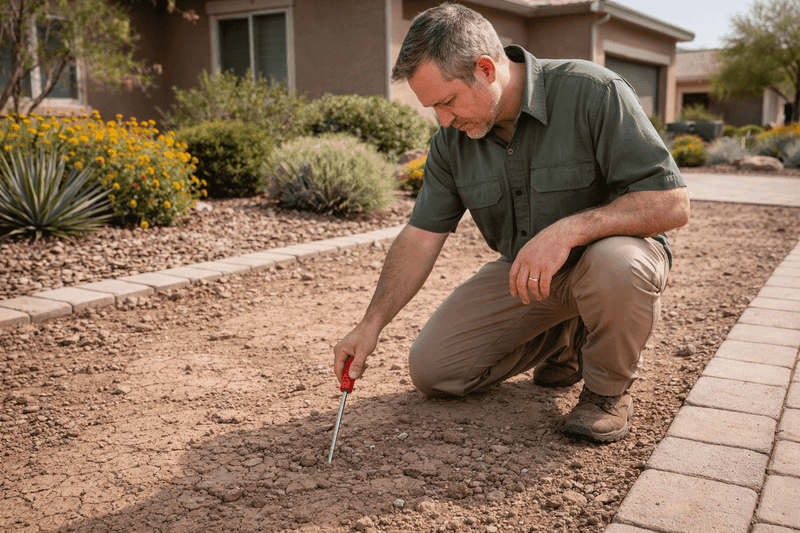
A long screwdriver is my favorite moisture meter, and it costs less than a fancy fall pumpkin. The soil surface can look bone dry by noon while the root zone stays soaked for days.
Push the tip straight down at least six inches near your plant’s drip line. If it slides in easily and comes out cool and damp, your plants still have plenty to drink.
Trees deserve a deeper look, since their feeding roots spread wide and reach down two or three feet. A soil probe makes that job easier, and many local nurseries sell them for a few dollars.
Established desert shrubs often go ten days to three weeks between waterings during cooler fall weather. After a big storm, that window can stretch even longer, so let the probe guide you instead of the calendar.
I check three or four spots around the yard because sunny slopes dry faster than shady corners. You might notice the clay patches stay wet much longer than sandy beds near the street.
Write down what you find so you learn how your yard behaves after heavy rain.
2. Yellow Leaves And Soft Stems Signal Soggy Roots
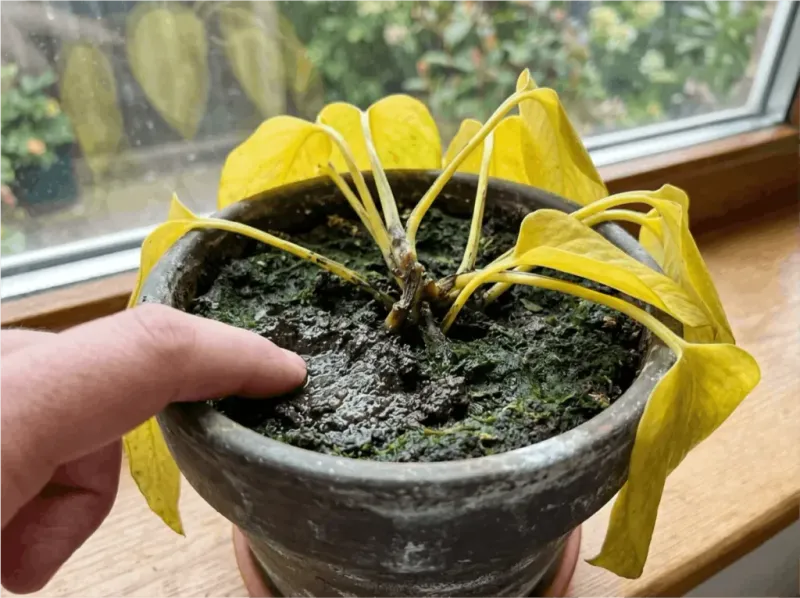
Plants have a sneaky way of looking thirsty when they are actually drowning in water. Wilting in wet soil confuses plenty of gardeners, and I have fallen for that trick myself.
Roots need oxygen, and waterlogged soil pushes the air out of every tiny pore. Starved roots cannot move water upward, so the leaves droop even though the ground is soaked.
Look closely at lower and inner leaves first, since yellowing often starts there and feels soft to the touch. Pale, weak new growth or sudden leaf drop are other clues worth noting this week.
Cacti and succulents tell their story at the soil line, where healthy firm tissue should meet the ground. A mushy, darkened base is a serious warning that rot may be moving in.
Green algae or tiny mushrooms popping up on the surface also reveal that moisture has lingered too long. Personally, I find those little mushrooms charming, but they are a clear sign to hold off watering.
Give struggling plants time to dry out before adding anything, including fertilizer, which can stress tender roots further.
3. Standing Water Puddles Near Your Foundation
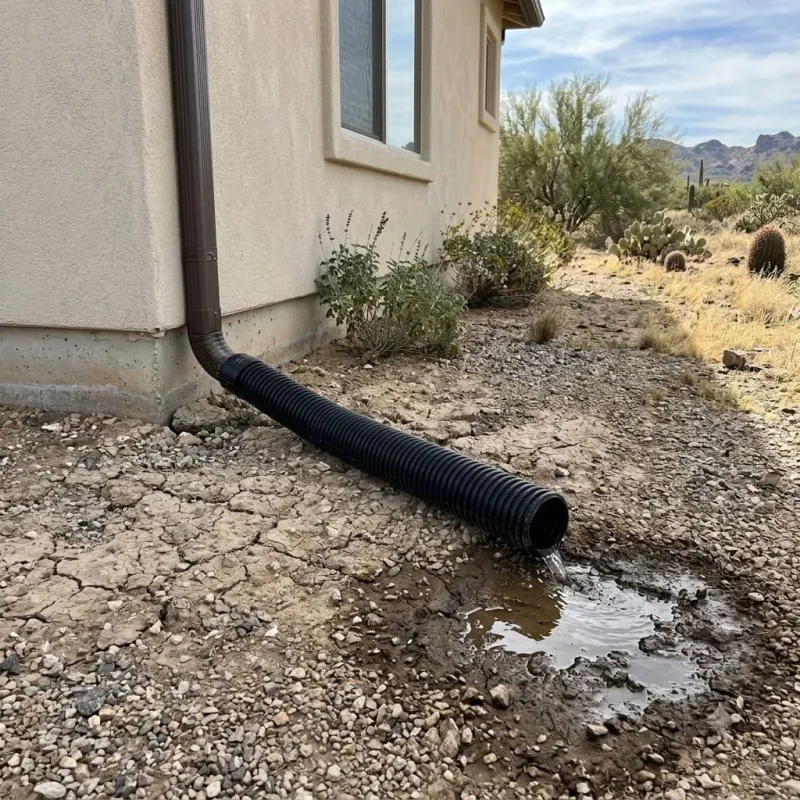
Puddles that linger near your house are tiny lakes with big opinions about your foundation. Desert storms dump water fast, and hard ground often cannot absorb it quickly enough to keep up.
Many local yards sit on caliche, a cement-like layer of calcium carbonate that blocks water from draining down. Instead, water spreads sideways and collects in low spots, planters, and along patio edges.
Take a slow walk around your property the day after rain and note where water gathers. I like snapping photos on my phone so I can compare spots after the next storm rolls through.
Water sitting against walls can weaken foundations over time and invites pests looking for moisture. Runoff channels cutting across walkways also show where your yard wants water to travel naturally.
Gentle grading away from the house helps, and so do downspout extensions that carry roof water farther out. A rock-lined dry creek bed can redirect flow while adding a lovely desert look.
For stubborn caliche under planting holes, digging through the layer or adding a drainage chimney gives roots a fighting chance.
4. Turn Off The Irrigation Controller And Check Drip Lines
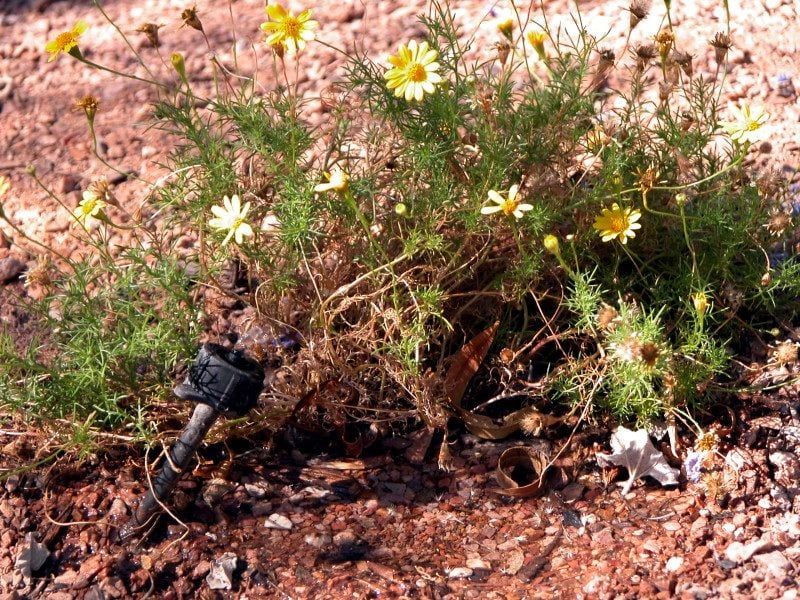
Nothing makes me wince faster than sprinklers spraying away while the gutters are still dripping from yesterday’s storm. That wasted water could have stayed in a reservoir instead of soaking already drenched roots.
Switch your controller to rain mode or off right after a soaking event. If you have a rain sensor, test it by pressing the button and confirming the scheduled cycle actually pauses.
Fast runoff can shift gravel, bury emitters, and tug drip tubing loose from its stakes. Walk each zone during a short test run and look for geysers, dry spots, or pooling where water should not be.
Clogged emitters are common after storms carry silt and debris across beds. A quick flush of each line’s end cap clears grit and helps every plant receive its fair share again.
Arizona water experts encourage deep, infrequent watering that builds strong roots reaching farther down. As October temperatures ease, stretch the days between cycles rather than shortening each run time.
Smart controllers that adjust with local weather data can make this easier for busy households all year.
5. Bark Scorpions And Crickets Seeking Dry Shelter
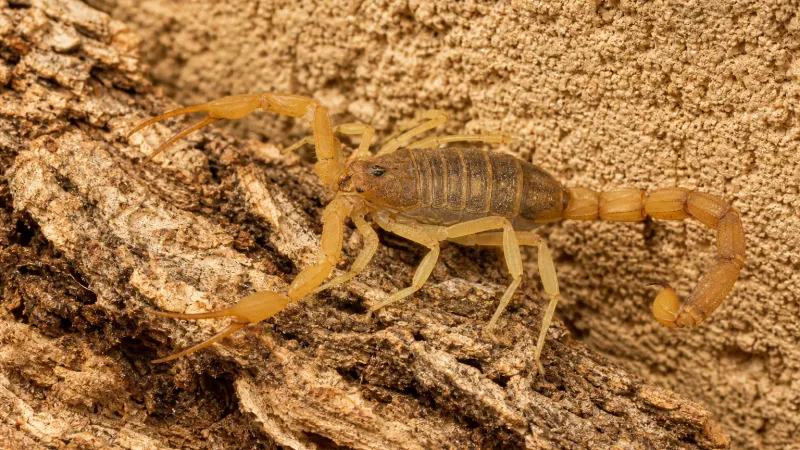
Crickets love a wet yard, and Arizona bark scorpions love crickets, so a storm can set up quite a dinner party. Flooded hiding spots also push these critters toward drier places, sometimes inside our homes.
Bark scorpions are excellent climbers and can squeeze through gaps about as thin as a credit card. Check weather stripping, door sweeps, and screens for any new openings the storm may have widened.
Soggy leaf piles, stacked wood, and storm debris make cozy daytime hideouts for scorpions and their prey. Clearing those piles away from walls reduces shelter and makes your yard far less inviting.
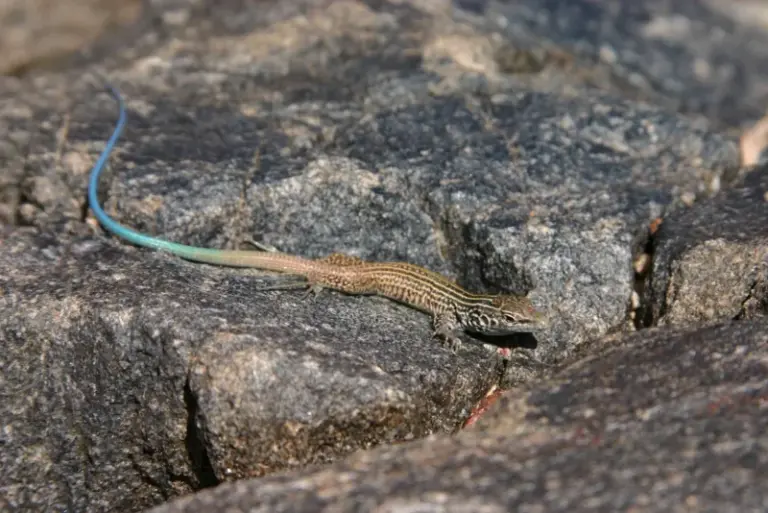
I love how a little wildlife help goes a long way here too. Lizards, roadrunners, and desert birds snack on crickets and even small scorpions when native shrubs give them cover.
Irrigation valve boxes are another favorite hideout, so lift lids carefully with gloves on. A UV flashlight at night makes scorpions glow a bright greenish color, which is oddly fascinating to see.
Fewer crickets usually means fewer scorpions lingering, so turning off bright porch lights helps reduce insects gathering nearby.
6. Mosquitoes Breeding In Saucers And Buckets
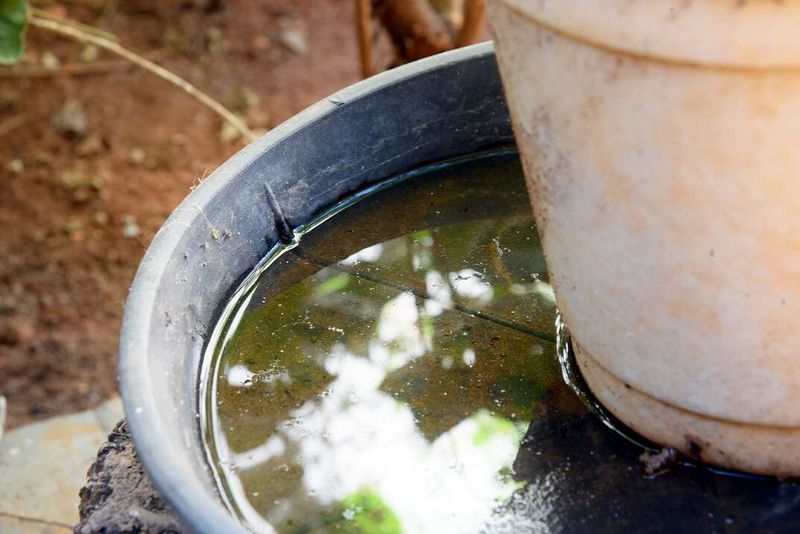
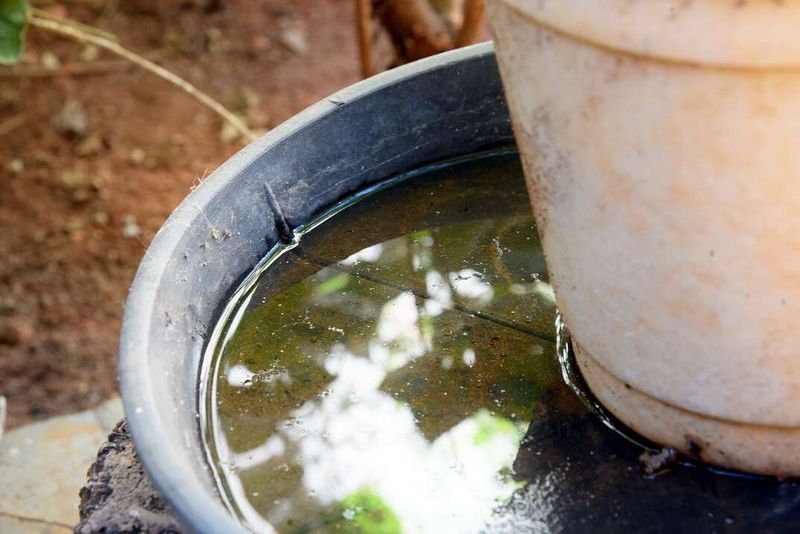
A forgotten plant saucer can raise hundreds of mosquitoes in roughly a week of warm weather. October afternoons in the low desert are still mild enough for these biters to stay busy.
Tip out anything holding water, including buckets, toys, tarps, and those cute decorative pots by the porch. Even a bottle cap of water can support larvae, so check the tiny spots too.
Clogged rain gutters often hide standing water that you cannot see from the ground. A quick ladder check and cleaning keeps them flowing and removes a sneaky breeding site.
Bird baths and fountains are lovely for wildlife, but change the water every few days. Personally, I scrub mine with a brush so the water stays fresh for visiting finches and quail.
Bats are wonderful partners here, since many species eat flying insects during their evening flights. A bat house mounted high on a sunny wall can welcome these helpful night visitors.
For ponds or large water features, mosquito dunks with Bti target larvae and are considered safe for fish, pets, and birds.
7. Root Rot Lurking Beneath Wilting Shrubs
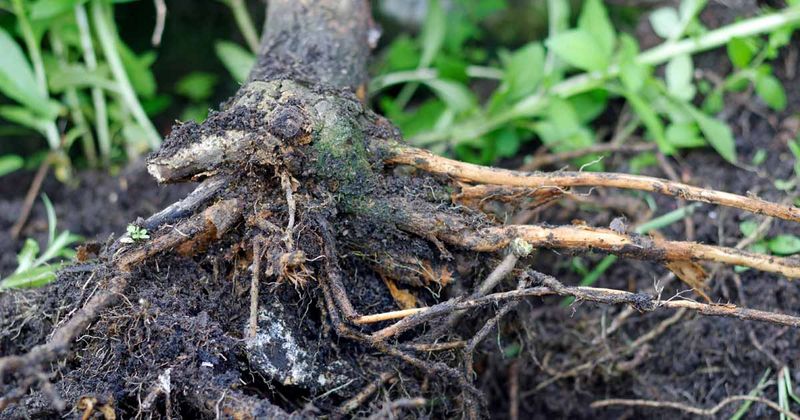
Some of the worst plant problems start where we cannot see them, deep in wet, warm soil. Root rot fungi and water molds thrive when drainage is poor and roots sit soaked for days.
Watch for yellowing leaves, sudden wilting, and a musty or sour smell rising from the soil. Healthy roots look firm and pale, while rotted ones turn dark brown and feel squishy.
The low desert also has Texas root rot, caused by the soil fungus Phymatotrichopsis omnivora. It mostly attacks broadleaf plants like fruit trees and roses, causing quick wilting with leaves still attached.
That fungus is most active when soils are warm, typically during summer months after monsoon rains. Native desert plants and many cacti tend to resist it, which is a great reason to choose them.
I have to admit, I learned this lesson after losing a beloved peach tree years ago. Now I plant natives like desert willow and brittlebush in my trickiest, poorly drained spots.
Remove infected plant material promptly and avoid composting it, so spores stay out of your garden beds.
8. Washed Out Gravel And Exposed Roots From Erosion
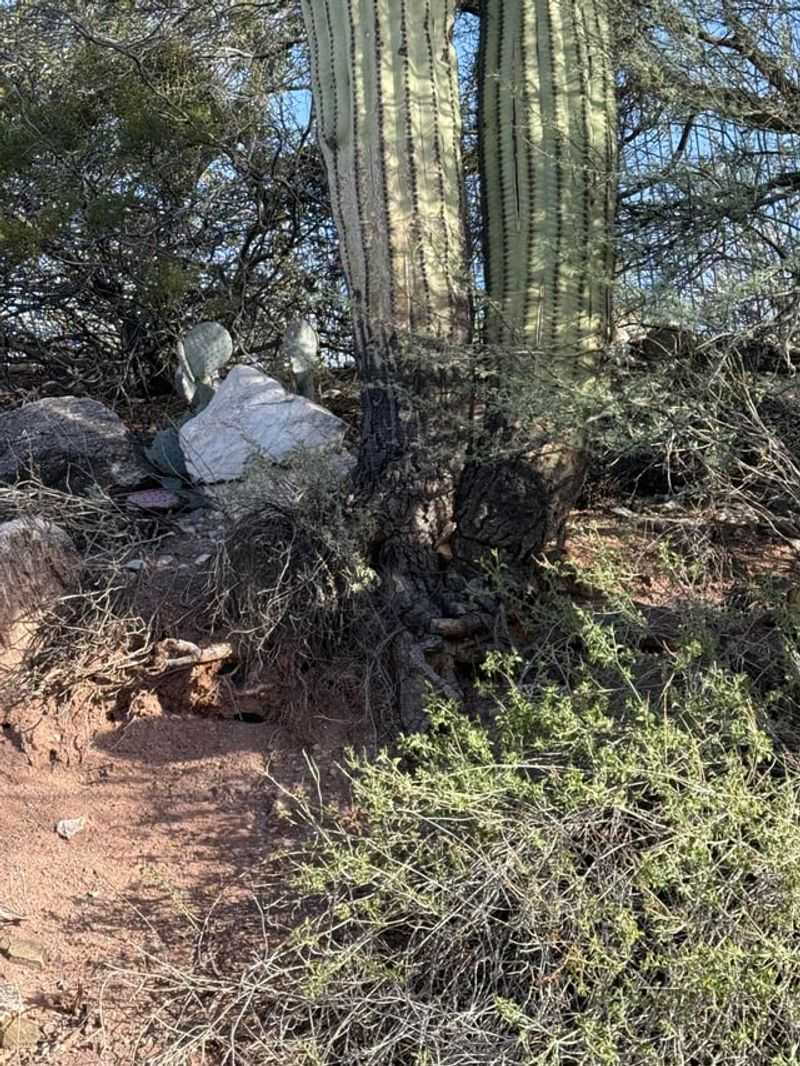
Your gravel just drew you a free map of how water moves across your yard. Shifted rock, sandy fans, and little gullies show exactly where runoff raced during the storm.
Topsoil is precious in the desert, and heavy rain can carry it away along with nutrients. Roots left exposed to sun and air can dry out quickly once the weather turns warm again.
Gently cover bare roots with fresh soil or compost, then add a light layer of mulch. Avoid piling material against trunks, since that trapped moisture can encourage rot at the base.
Rake displaced gravel back into place and clear fallen branches, leaves, and debris from drains. I usually find a surprising number of seed pods tucked into those debris piles after storms.
Slopes that erode repeatedly benefit from native groundcovers whose roots hold soil together. Trailing plants like desert marigold and globe mallow add color while helping slow down runoff.
Larger rocks placed across a gully act as small check dams that slow water and let it soak in.
9. Leaning Young Trees In Saturated Soil
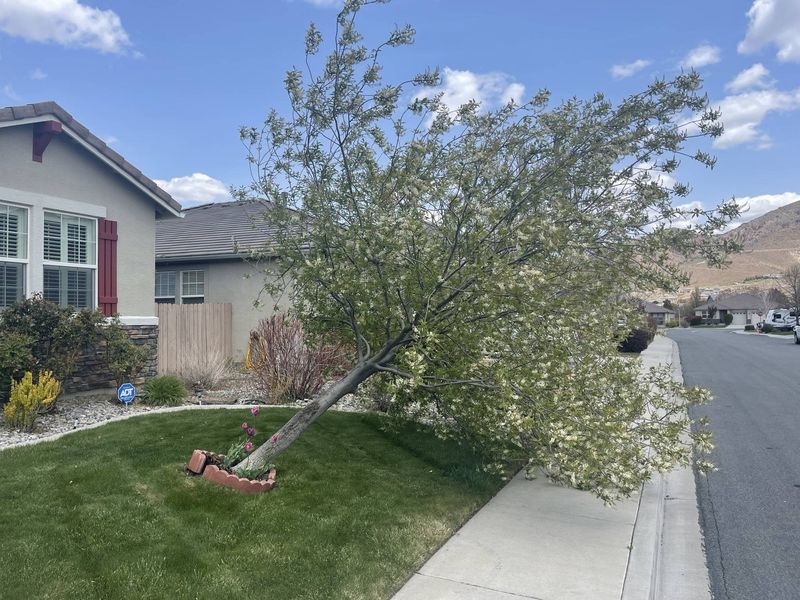
Soggy soil turns into something like pudding, and young trees can tip with one gust of wind. Shallow-rooted trees in fresh planting holes are the most likely to lean after a soaking.
Walk around each newer tree and look for cracked soil on one side or a tilted trunk. A shifting root ball can tear tender roots, so gentle support matters right away.
Loose stakes and ties should be snugged up, using flexible straps that will not cut into bark. Leave a little room for movement, since a slight sway actually helps trunks grow stronger.
Broken branches deserve a clean cut with sharp, sanitized pruners just outside the branch collar. Save heavy pruning for later and remove only damaged wood during this recovery period.
Stay off saturated ground as much as possible, because footsteps compact wet soil and squeeze out air. I lay down a board when I must step close, which spreads my weight nicely.
Once beds dry, October is a fine time to plant natives, giving roots months to settle before summer heat returns.