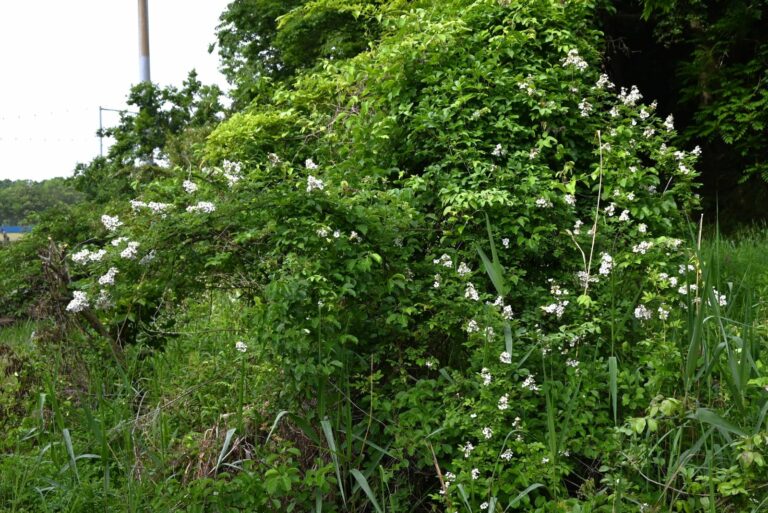
What Fallen Leaves Actually Do To Pennsylvania Soil Over The Winter
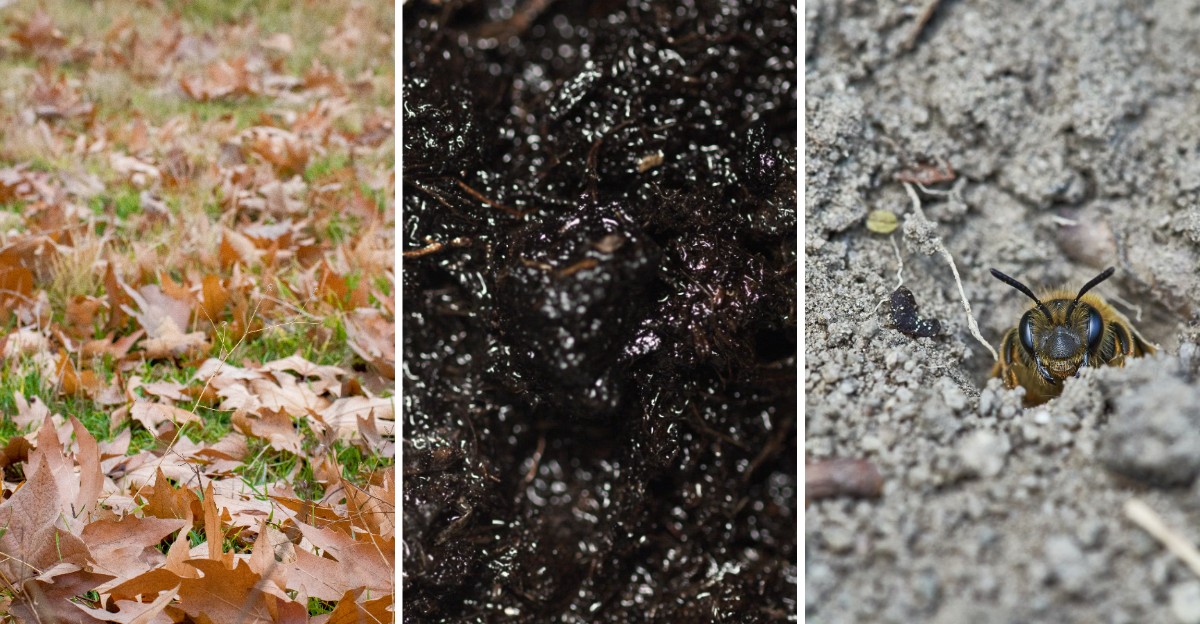
Lift a leaf and you might expose a sleeping bumblebee queen. Luna moth cocoons and firefly larvae also winter beneath the leaves you bag.
Pennsylvania winters send you indoors, yet soil beneath keeps working. Earthworms drag leaf fragments downward, feeding microbes that enrich the ground you plant in.
Fungi break down fallen leaves into crumbly organic matter your tomatoes can benefit from. Shredded oak and maple leaves also smother weeds you would otherwise pull.
Meanwhile, a thick layer insulates roots, shielding perennials from the freeze-thaw swings you see. Chop leaves, spread them in beds, and keep them away from trunks.
Wood frogs tuck into leaf litter across Pennsylvania, and you can shelter them. Pile surplus leaves in a corner and you create a habitat. This method can improve your beds and reduce weeds by spring. You also gain free mulch.
1. Tuck The Ground Under A Cozy Blanket
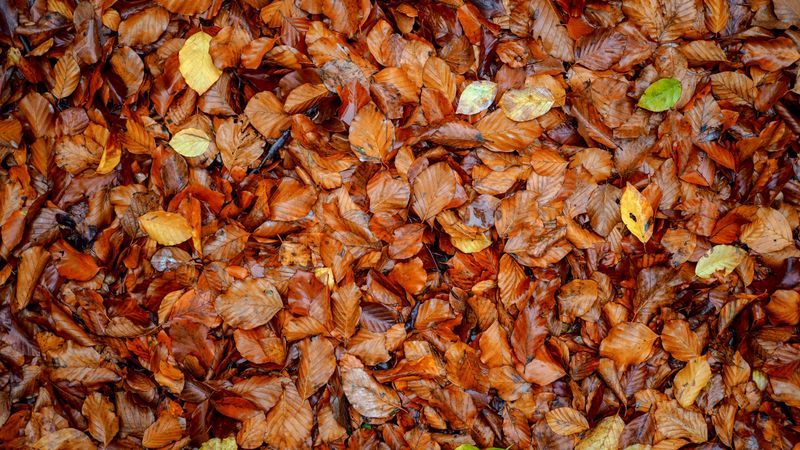
Picture a January morning in Pittsburgh when the thermometer reads nine degrees. Under a few inches of leaf cover, soil temperatures tend to stay steadier than in the bare yard next door.
Fallen foliage traps air between its layers, much like the stuffing inside your winter coat. That trapped air slows heat from escaping the ground on long, cold nights.
Pennsylvania winters bounce around a lot, with thaws in one week and hard freezes the next. A leafy layer softens those swings so soil temperatures change more slowly.
Steadier temperatures matter because frost heave can push plant roots right out of the ground. Gardeners across Pennsylvania can find perennials lifted and exposed after a rough winter.
Roots of shrubs, bulbs, and young trees stay safer under that natural quilt. Worms and microbes also keep working longer before the deep cold slows them down.
So how much cover is enough for this job? About two to four inches of shredded material works well around garden beds.
Mowing the pile first helps, since whole leaves can mat into a dense, wet layer. Smaller bits let air and water move through while still holding warmth.
This October, try leaving a strip of your yard covered and another strip bare. Come March, poke a finger into each spot and feel the difference yourself.
Bare soil can freeze hard, while covered soil tends to stay looser. Your plants can benefit from that difference.
2. Support The Tiny Life In Your Soil
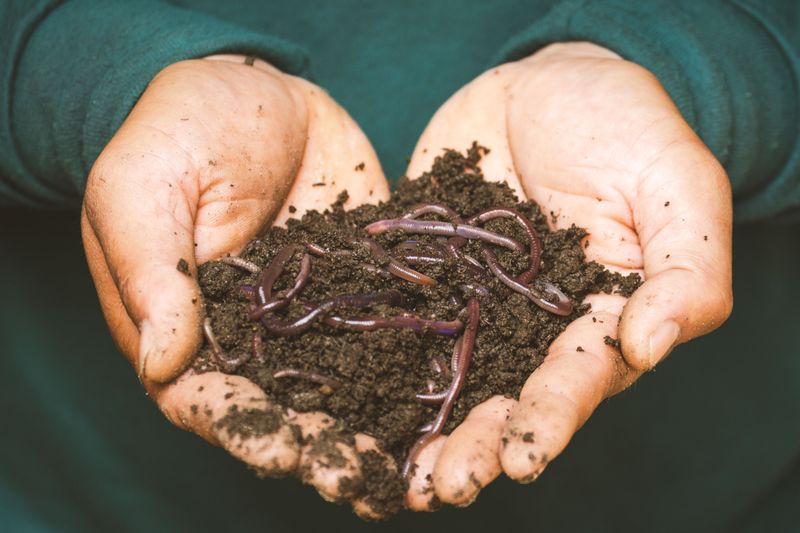
Somewhere under your maple tree, a hungry earthworm is waiting for dinner to fall from the sky. In autumn, that dinner arrives by the bucketload.
Earthworms drag fallen pieces down into their burrows, which mixes organic matter into the soil and lets air and rainwater slip deeper. Many Pennsylvania earthworms are non-native, and in forests they can strip the leaf layer, so this benefit suits gardens and lawns.
Worms are just the big guests at this party. Countless bacteria and fungi chew on the softer parts of each leaf, even during mild winter days.
Fungi are especially good at breaking down tough oak and beech material. You might spot white, threadlike strands on the bottom of a damp pile.
Your Pennsylvania Garden Changes Every Week. Your Plan Should Too.
Gardening in Pennsylvania changes quickly throughout the season. Every Friday you’ll receive a simple weekly plan showing exactly what to plant, prune, fertilize, harvest, and protect so you never miss the right timing.
Springtails, mites, and tiny beetles join in too, shredding pieces into smaller and smaller crumbs. Scientists call this busy crowd the soil food web.
Pennsylvania winters slow these workers down, but some activity continues. On days above freezing, the whole crew wakes up and gets back to munching.
A healthy soil food web means better soil structure and fewer plant problems later. Strong microbe communities can even help crowd out some harmful fungi.
Want to give the critters a boost? Leave a layer of leaves in flower beds instead of bagging every last one.
Limit broad-spectrum pesticides near those areas, since some products can harm helpful soil life. Your soil should benefit by spring.
Leaf cover gives worms more food to work with. It is a low-cost upgrade that mostly takes patience.
3. Return Locked-Up Nutrients To The Dirt
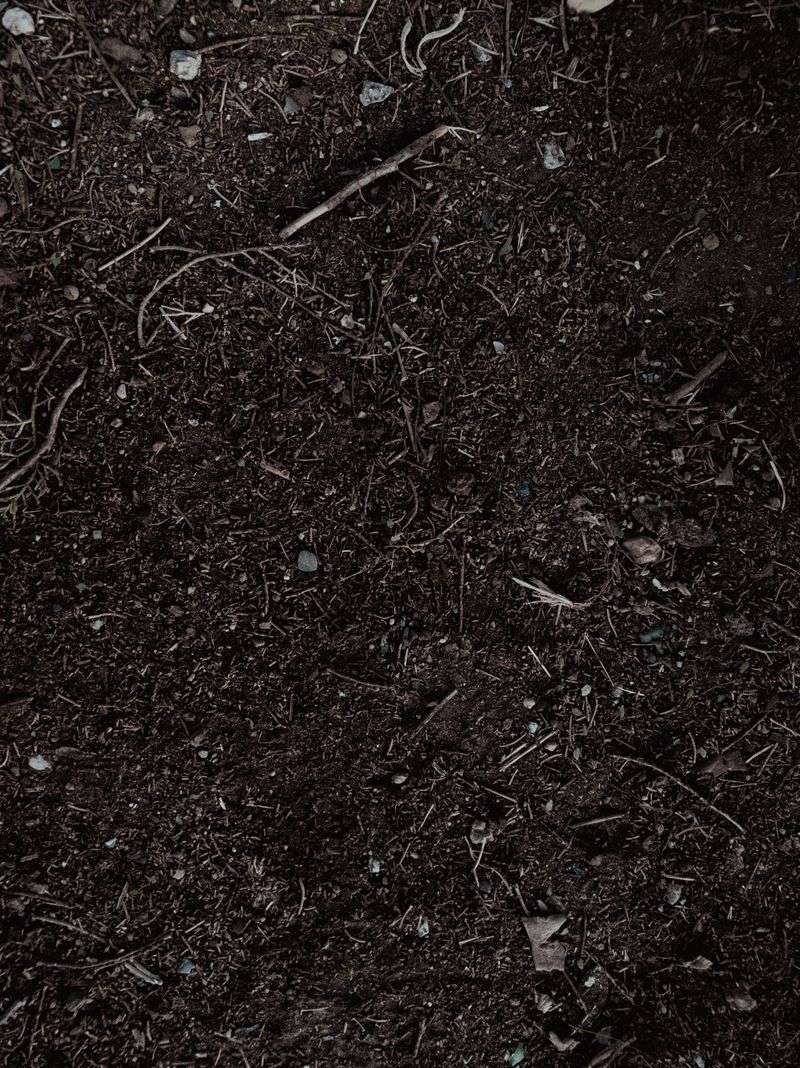
A single large shade tree can drop hundreds of pounds of material each fall. That material holds minerals the tree pulled from the ground.
Over the summer, roots soak up minerals such as calcium, potassium, and magnesium. Many of these build up in the leaves, while trees pull much of their nitrogen back before the leaves drop.
Once leaves hit the ground, rain and microbes start pulling those minerals back out. Slowly, the nutrients seep into the top few inches of soil.
Winter is a slow-cooker season for this process, not a microwave one. The release is gradual and continues through spring and beyond.
That slow pace suits a garden, since some nutrients become available as plants start growing again.
Different trees offer different gifts. Maple and ash leaves break down fast and give back nutrients quickly, while oak takes its sweet time.
Many Pennsylvania soils are naturally a bit acidic, and some folks worry oak leaves make it worse. Oak leaves start out slightly acidic, but the effect on soil pH is usually small. A simple soil test shows whether yours needs attention.
For the best results, shred leaves and spread them over garden beds in October or November.
If you have grass clippings or another nitrogen source, mixing some in can speed things up. Skip leaves from diseased trees, and keep black walnut leaves away from sensitive plants.
Think of it as free mulch and a soil amendment delivered from your own backyard. No store trip and no heavy bags.
Bagging leaves removes those minerals from your property. Keeping them at home recycles nutrients the way forests do.
4. Build Spongy Organic Matter Over Time
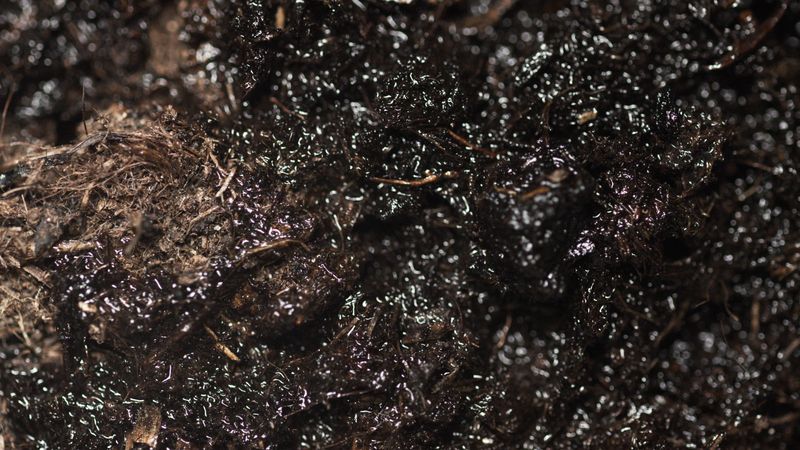
Walk through a Pennsylvania forest in spring, and the ground feels soft and bouncy underfoot. That springy feeling comes from years of fallen leaves turning into rich organic matter.
Organic matter is the dark, crumbly stuff that makes soil smell earthy and sweet. Gardeners sometimes call the finished product leaf mold, and it is a valuable soil amendment.
Leaves do not become organic matter overnight. Over one winter, they soften and crumble, but the full change takes a year or two.
Even that first winter makes a difference, though. Partly broken leaves start mixing into the topsoil and loosening it up.
Many Pennsylvania yards have heavy clay soil that turns sticky when wet and rock hard when dry. Organic matter acts like tiny sponges and spacers between those packed clay bits.
Sandy spots benefit too, since organic matter helps sand hold onto water. In both cases, roots find it easier to spread and grow.
Many longtime gardeners swear by a simple habit. They add leaves and other organic matter to their soil year after year.
You can copy that habit with a basic wire bin in a shady corner. Fill it with leaves this October, keep it damp, and turn it once in a while.
By next fall or the one after, you can have a batch of crumbly leaf mold for your beds. It is an easy, low-cost soil booster.
Patience is the main ingredient. Keeping the pile damp and turning it now and then speeds up the process.
5. Shield Bare Soil From Heavy Rain And Runoff
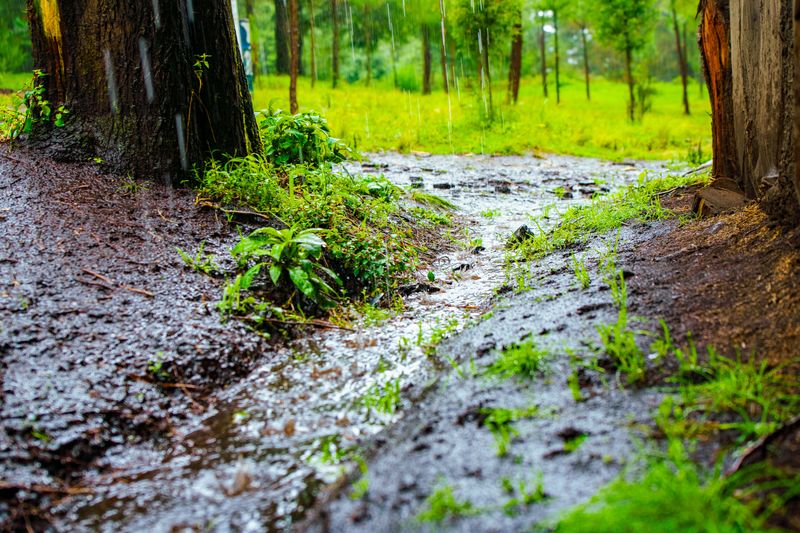
Ever watched muddy water rush down a driveway after a big storm? That brown color is topsoil, and once it washes away, it is hard to get back.
Bare soil is more exposed to erosion during Pennsylvania winters and early spring. Heavy rain, melting snow, and freeze-thaw cycles all loosen and move the surface.
A raindrop may seem small, but its impact is enough to dislodge soil particles. Repeated hits splash that loosened soil across the surface.
Fallen leaves act like a shield, catching those drops before they strike the soil. Water then trickles gently through the layer and soaks in instead of racing off.
Slower water means less erosion and less mud flowing into streams. That matters a lot in Pennsylvania, where many creeks drain into the Chesapeake Bay.
Loose sediment can cloud water and harm fish and other stream life. Each yard that holds onto its soil can help keep local waterways cleaner.
Sloped yards and hillside gardens get the biggest benefit from leaf cover. Try leaving a thick layer along the bottom edge of any slope.
Bare vegetable beds are another weak spot after harvest season ends. Spreading shredded leaves over them in October protects the soil you worked so hard to improve.
Tuck the edges near fences or rocks to keep wind from scattering everything. A light sprinkle of water also helps the pile settle in place.
Forests have long relied on this process. Forest floors stay covered year-round, and their soil stays put.
6. Shelter Overwintering Insects That Support Your Soil
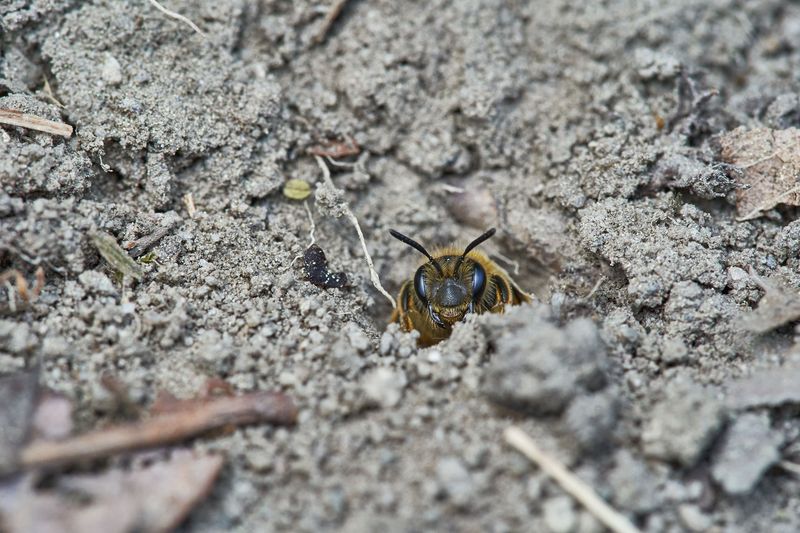
Your leaf pile can be an active overwintering site for insects this winter. Guests check in during October and stay until the spring thaw.
Many butterflies and moths spend winter as eggs, caterpillars, or cocoons tucked among fallen leaves. Some, like the mourning cloak, even hide as adults in leafy nooks.
Bumblebee queens often burrow into loose soil just beneath the leaf layer. Fireflies spend their young stage in damp leaf litter too, munching on slugs and snails.
Pennsylvania loves its fireflies, and it even named one the official state insect. Removing every leaf can reduce next summer’s firefly numbers.
So what does this have to do with soil? Quite a bit, since these small residents tunnel through the litter and add organic matter that feeds microbes.
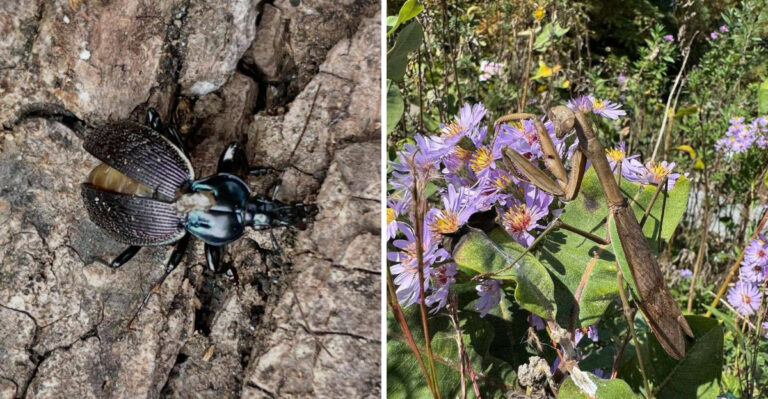
Ground beetles and spiders also hide in the litter and hunt garden pests come spring. Diverse insect life supports natural pest control.
Want to help without letting your lawn get buried? Rake leaves into flower beds, under shrubs, or along fence lines.
Wait until spring to clear leaf piles from beds, ideally after daytime temperatures stay above fifty degrees for a week. That gives sleepy insects time to wake up and move out. Mulching leaves into the lawn can happen all fall.
Skip burning leaf piles, too, since the smoke and heat can harm insects sheltering inside. Some municipalities restrict leaf burning, so check local rules before you light anything.
A slightly messy yard might bother the neighbors a little. Your summer garden, buzzing with bees and glowing fireflies, will make up for it.
7. Hold Moisture Through Freeze And Thaw Cycles
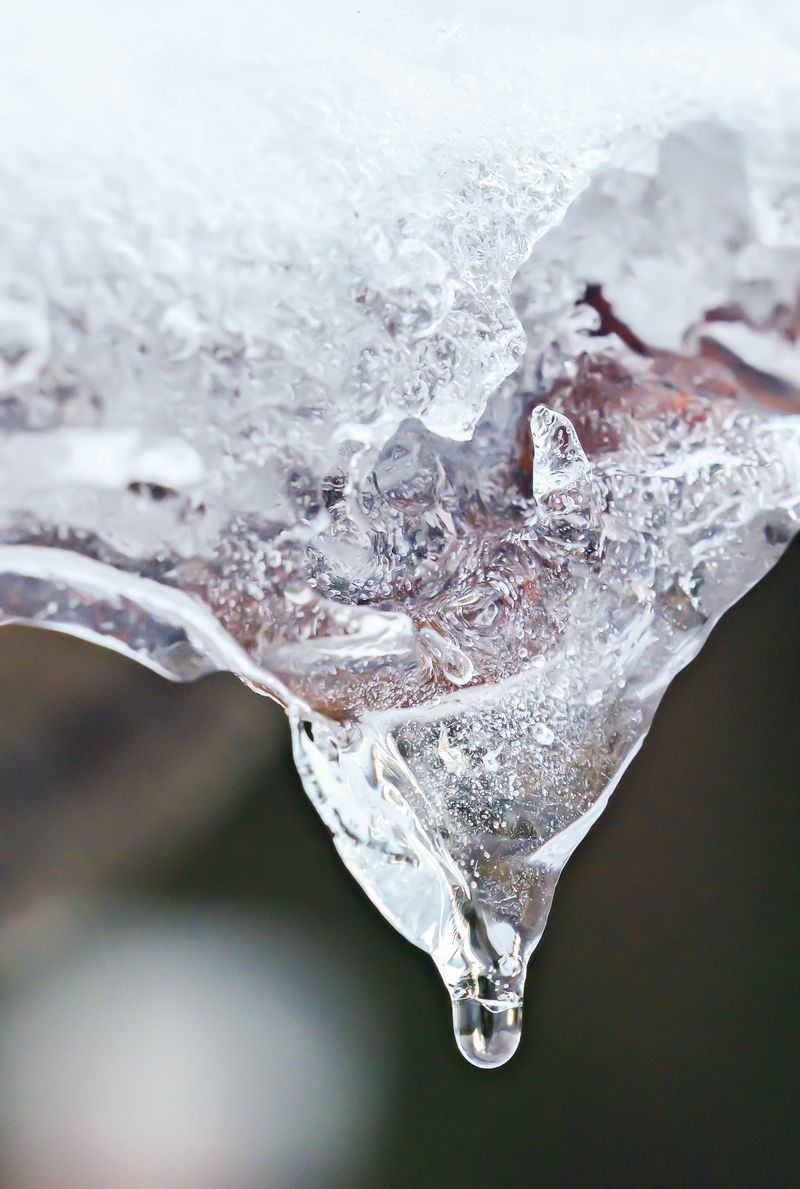
Winter wind is sneaky about drying out the ground. Cold, dry air can pull moisture from bare soil even when snow is nowhere in sight.
Evergreens and young shrubs are especially vulnerable to this, since they keep losing water in winter. When the ground is frozen, roots cannot pull up enough to replace it.
A blanket of leaves can slow that drying. It blocks wind and shades the soil surface, so moisture stays put longer.
Pennsylvania gets a fair amount of rain and snow each year, but it does not arrive evenly. Dry spells in late fall can leave roots thirsty heading into winter.
Leaf cover also helps the soil soak up melting snow. Instead of running off frozen ground, meltwater trickles slowly into softer soil beneath the layer.
Moist soil can buffer temperature swings better than dry soil, which adds some winter protection.
Too much moisture can cause trouble, though. Thick, soggy mats pressed against tree trunks invite rot, mice, and other unwanted visitors.
Keep leaves pulled back a few inches from the base of trees and shrubs. Picture a donut shape, not a volcano, around each trunk.
If fall has been dry, give garden beds a deep watering before the ground freezes. Then spread your leaves on top to lock that water in.
Come spring, pull back a corner and squeeze a handful of soil. Moist, crumbly dirt means your leafy cover did its quiet job all season.
8. Avoid Smothering Your Lawn With Thick Piles
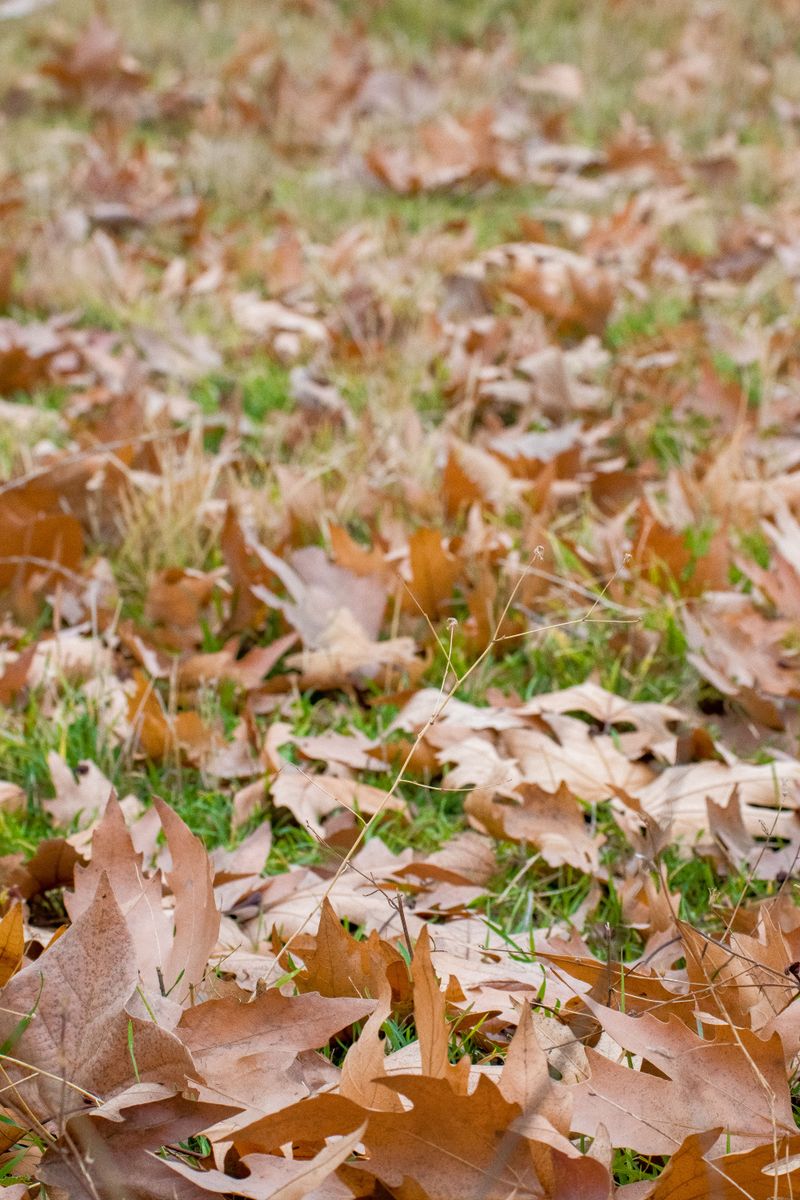
Not every leaf story has a happy ending. Leave a thick, wet blanket on your lawn all winter, and spring might reveal patchy, discolored turf.
Grass needs sunlight and air, even during the colder months. Whole leaves, especially big maple and sycamore ones, can pack into a soggy mat that blocks both.
Under that mat, moisture builds up and air stops moving. Those conditions invite snow mold, a fungus that leaves gray or pink crusty patches in spring.
Lawns can develop snow mold after long, snowy winters. The disease shows up right as everyone is eager to see green grass again.
Luckily, the fix is easy and does not require hauling bags to the curb. Mow over the leaves a few times with a mulching mower.
Chopped pieces fall between grass blades and break down fast. Thin layers of chopped leaves can return nutrients to your lawn as they break down.
A good rule of thumb is simple: you should still see grass peeking through after mowing. If the blades are buried, rake some off and move them to garden beds.
Timing matters too. Try mulching every week or two in October and November instead of waiting for one giant pile.
Extra leaves can go into compost bins, vegetable beds, or around shrubs where they help instead of harm. That way, every leaf finds a useful job.
Leaves are a gift to Pennsylvania soil when used with a little care. A bit of balance keeps both your lawn and your garden happy.