Why April Is A Good Time To Plant Pineapple In Florida
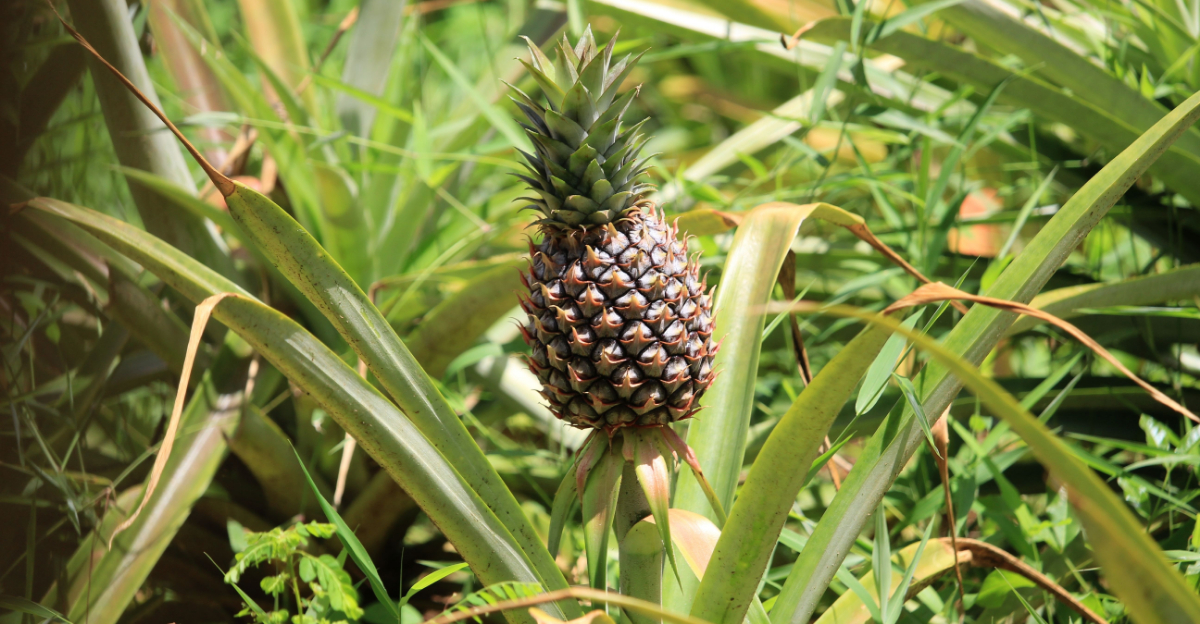
There’s something about April in Florida that feels like a turning point. The air settles into a steady warmth, the afternoon storms haven’t taken over yet, and the soil starts holding just enough heat to wake plants up for real.
That timing matters more than most people think, especially with pineapple.
Pineapple isn’t a rush-it kind of plant. It likes consistency, warmth, and a long stretch of growing weather without cold surprises.
April lines all of that up in a way that gives it a strong, steady start without stress.
Getting it in the ground now sets the pace for everything that follows, from root development to how well it handles summer heat. And there’s one small planting detail that makes a noticeable difference right from day one, especially in Florida’s sandy soil.
1. Warm Weather Helps Pineapple Settle In Faster
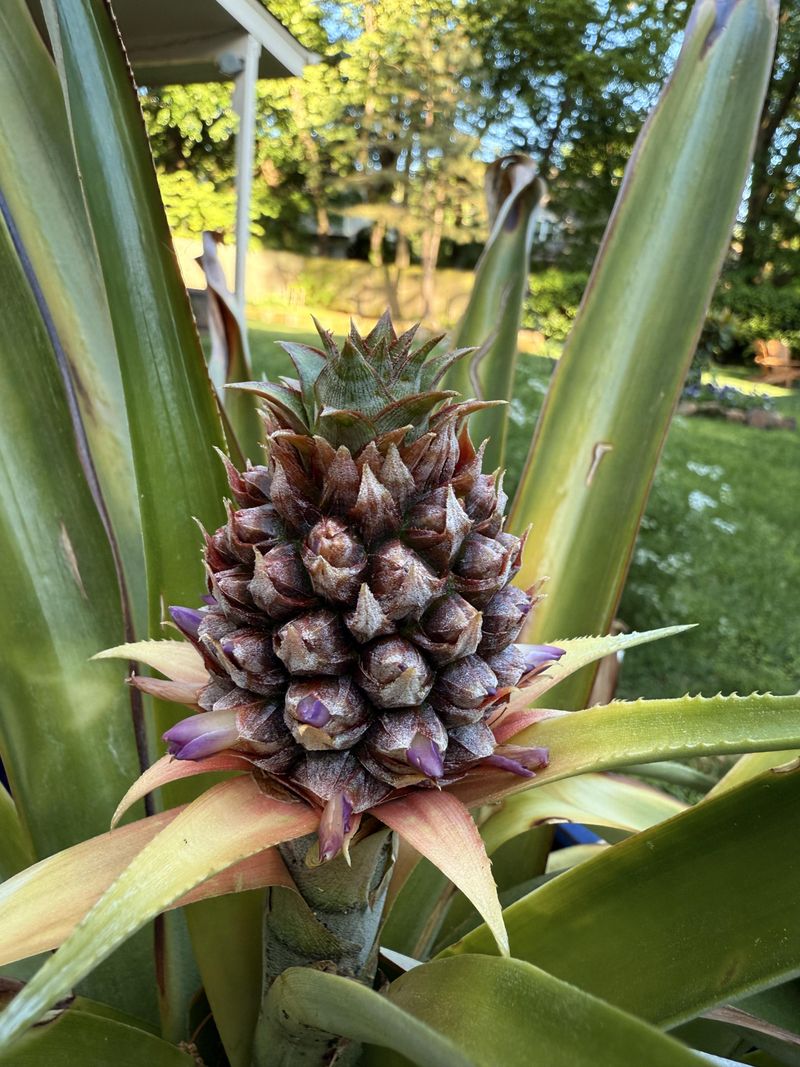
Pineapples are tropical plants through and through, and they absolutely love warm temperatures. In Florida, April brings exactly the kind of weather pineapples need to settle in quickly and start growing strong.
The ideal temperature range for pineapples falls between 68 and 86 degrees Fahrenheit, and April in Florida hits that sweet spot almost perfectly.
When you plant during cooler months, the roots struggle to establish themselves and growth slows down considerably. Warm soil encourages roots to spread out and anchor the plant, giving it a solid foundation for the months ahead.
Florida gardeners who plant in April often notice their pineapples looking healthier and more vibrant within just a few weeks.
South Florida especially benefits from this timing because temperatures there stay consistently warm throughout spring. In Central Florida, April days are reliably warm, though nights can still be a bit cool early in the month.
Waiting until mid to late April in those areas gives your plant the best chance to thrive without any cold stress slowing it down.
Think of it this way: a pineapple planted in warm soil is like a person who gets a good night of sleep before a big day. It wakes up ready to go.
Giving your plant those ideal conditions from the very start means less stress on the young plant and a much stronger, more productive growing season ahead for your Florida garden.
2. Longer Days Support Stronger Early Growth
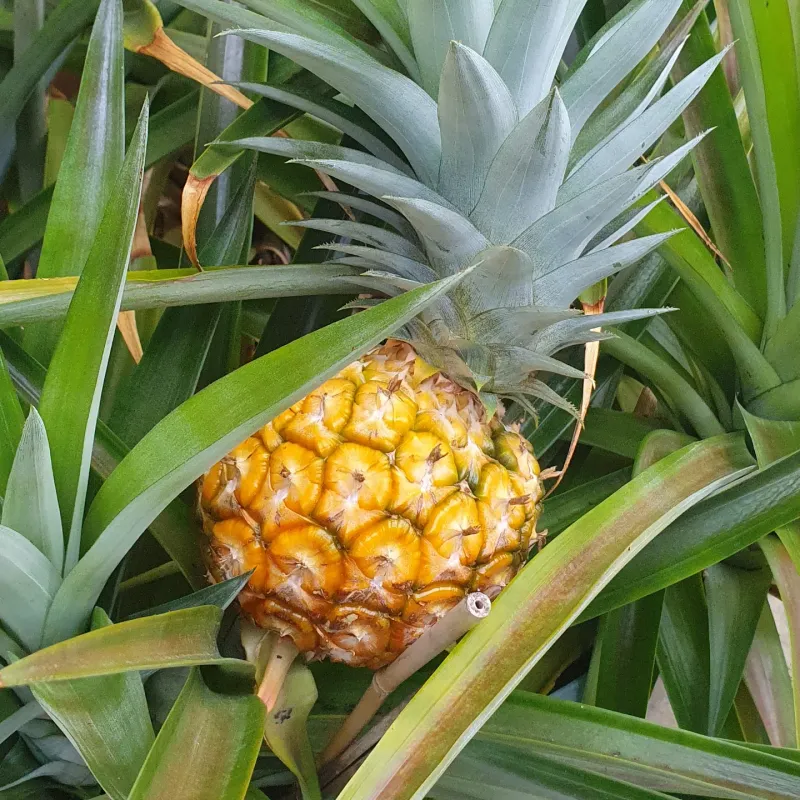
One thing many gardeners overlook is how much the length of the day affects plant growth. In April, Florida gets noticeably more sunlight each day compared to winter months, and pineapples take full advantage of that extra light.
More sunlight means more photosynthesis, which is the process plants use to turn light into energy and food for themselves.
Pineapples planted in April get to experience those longer, brighter days right from the start. That early boost of energy helps the plant build strong leaves and a healthy root system before the intense summer heat arrives.
A well-established plant going into summer is far better equipped to handle the heat and heavy rains that Florida summers are known for.
Your Florida Garden Changes Every Week. Your Plan Should Too.
Gardening in Florida changes quickly throughout the season. Every Friday you’ll receive a simple weekly plan showing exactly what to plant, prune, fertilize, harvest, and protect so you never miss the right timing.
In places like Miami, Tampa, and Orlando, April daylight can stretch to around 13 hours or more. That is a significant amount of growing time for a sun-loving tropical plant.
Each extra hour of sunlight adds up over weeks and months, contributing to faster and more robust early development.
Gardeners in Florida who pay attention to seasonal light patterns often say spring planting makes a visible difference in how their pineapples look by midsummer. The plants tend to be fuller, greener, and more vigorous than those planted at other times of year.
Longer days are one of nature’s best gifts to spring gardeners, and pineapples are perfectly designed to make the most of every ray of sunshine available to them.
3. Spring Planting Gives Roots Time Before Winter
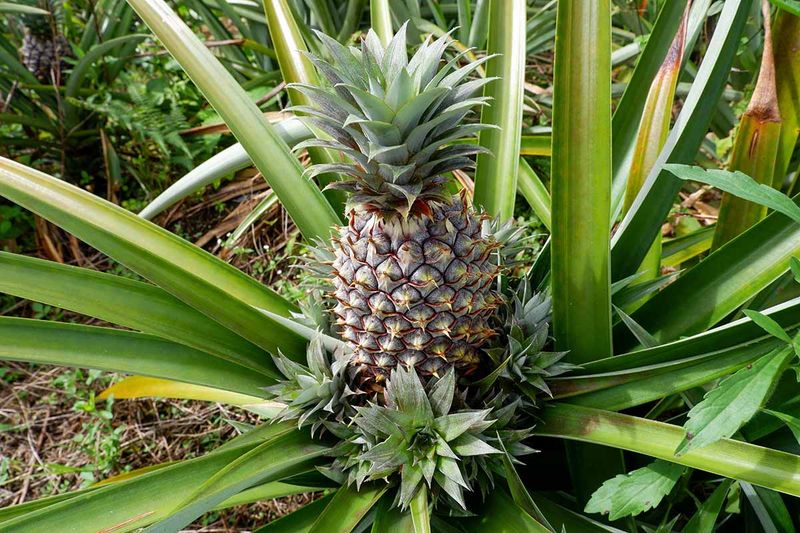
Pineapples are not fast growers, and that is completely fine as long as you give them enough time to build a strong foundation before cooler weather arrives. Planting in April gives your pineapple roughly six to seven months of warm growing conditions before Florida temperatures start to drop in November and December.
That window is incredibly valuable for root development.
Roots that have had a full warm season to spread and strengthen are much better at surviving cooler temperatures than roots that are still young and fragile. Even in South Florida, where winters are mild, a well-rooted plant handles any unexpected cold snaps with far more resilience.
In North and Central Florida, where winter temperatures can occasionally dip lower, having a mature root system is even more critical.
Think of the roots as the plant’s lifeline. The deeper and wider they spread, the better the plant can absorb water and nutrients, and the better it can withstand stress.
An April planting in Florida gives pineapples exactly the head start they need to build that kind of strong underground network before cooler conditions arrive.
By the time late fall rolls around, an April-planted pineapple in Florida should have a solid, established root system and healthy foliage. That means when spring comes back around, the plant is ready to put all its energy into growing bigger and eventually producing fruit, rather than spending time just trying to get established all over again.
4. Full Sun Matters More Than Most Gardeners Think
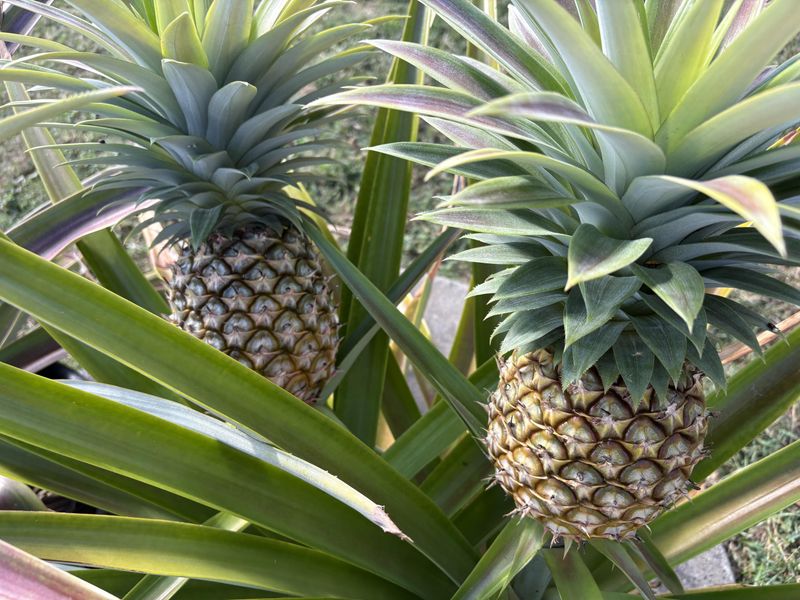
Here is something worth knowing before you pick a spot for your pineapple: these plants are full sun fanatics. They need at least six hours of direct sunlight each day, and more is almost always better.
Shade from trees, fences, or nearby structures can seriously slow down growth and reduce the chances of getting fruit. Location matters enormously when it comes to pineapple success in Florida.
April is a great time to observe where the sun hits your yard throughout the day. Before planting, spend a day watching how the light moves across your garden space.
Areas that look sunny in the morning might be shaded by afternoon, so picking the right spot requires a little observation and patience before you put the plant in the ground.
In Florida, sunlight is rarely a shortage, but placement still makes a big difference. A pineapple planted in a spot that gets blocked sun will produce fewer and smaller fruits compared to one grown in an open, fully exposed area.
South-facing garden beds or open lawn spaces are usually the best choices for maximum sun exposure throughout the day.
Full sun also helps dry out any excess moisture around the plant after rain, which reduces the risk of fungal problems and root rot. Florida summers bring plenty of rain, so having that strong sunlight working in your favor is a real advantage.
Choosing the sunniest spot in your Florida yard is one of the simplest and most effective things you can do to set your pineapple up for success.
5. Good Drainage Keeps Pineapple Happier In Florida
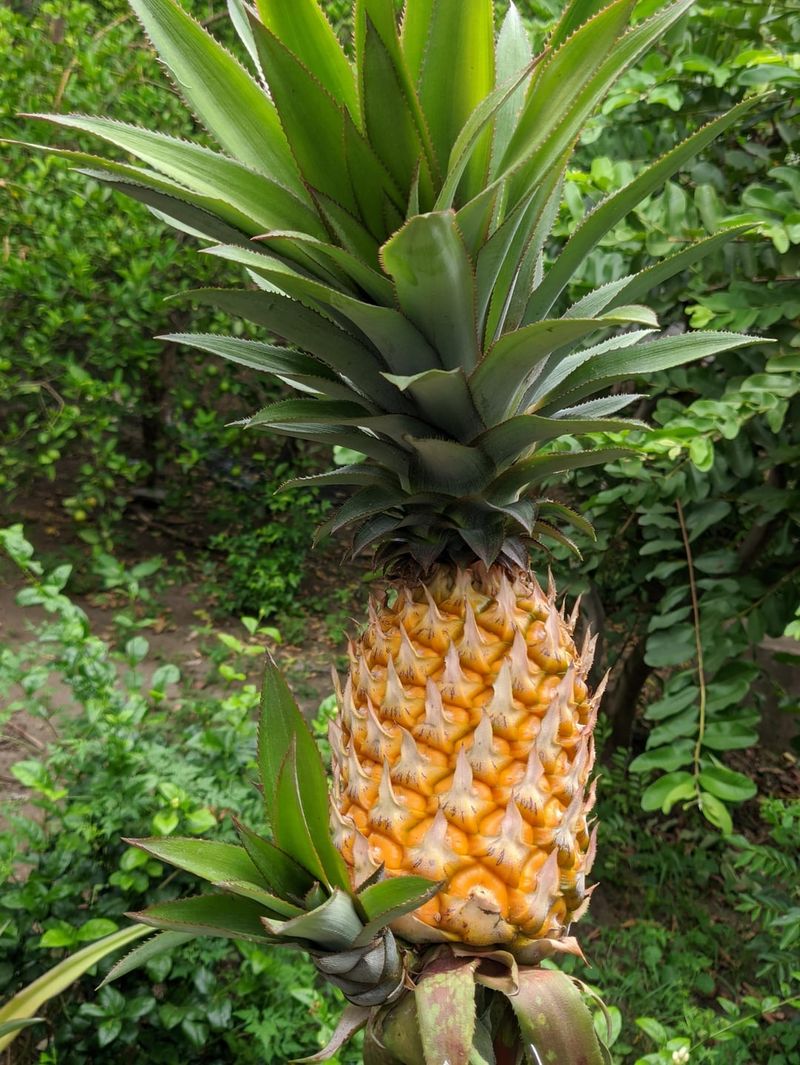
Florida gets a lot of rain, especially during the summer months, and that can be a real challenge for pineapple growers if the soil does not drain well. Pineapples are very sensitive to waterlogged conditions, and sitting in soggy soil for even a short period can cause serious root problems.
Good drainage is not just helpful for pineapples in Florida, it is absolutely essential.
Luckily, many parts of Florida have naturally sandy soil that drains quickly, which is actually ideal for pineapple growing. If your yard has heavier soil that holds water, you can improve drainage by mixing in coarse sand, perlite, or organic matter before planting.
Raised garden beds are another excellent option for areas where standing water is a concern after heavy rain.
Planting in April means you are getting your pineapple established before the rainy season peaks in June and July. By then, the plant should have enough root development to handle increased moisture without being overwhelmed.
A well-draining site gives the roots room to breathe even when summer storms roll through regularly.
Mulching around the base of the plant also helps manage moisture levels by reducing runoff and preventing soil from becoming too compacted. A two to three inch layer of mulch keeps the root zone comfortable and helps regulate soil temperature too.
Florida gardeners who pay attention to drainage from the very beginning tend to have far fewer problems with their pineapple plants throughout the entire growing season.
6. Containers Make Cold Protection Easier In Cooler Areas
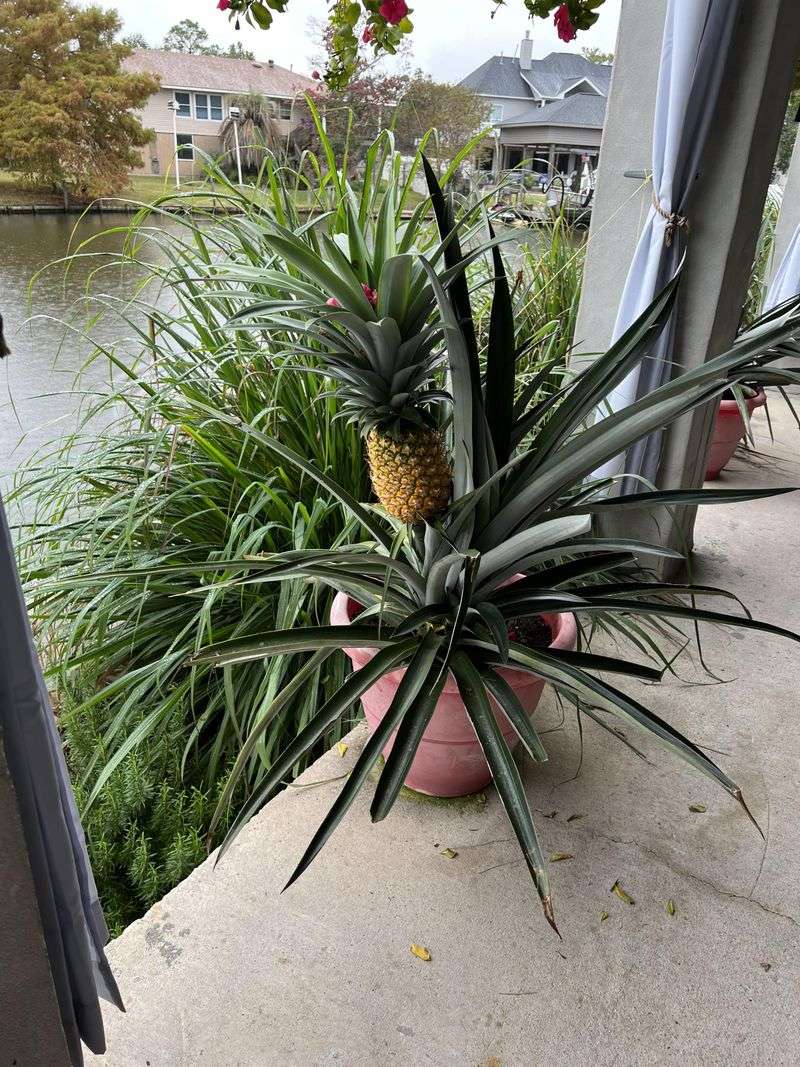
Not everyone in Florida has the same weather, and that is especially true when comparing South Florida to the northern parts of the state. Gardeners in areas like Gainesville, Tallahassee, or Jacksonville face cooler winters than those in Miami or Naples.
For those folks, growing pineapples in containers is a smart and practical solution that offers a lot of flexibility.
Container-grown pineapples can be moved indoors or to a sheltered spot when temperatures drop unexpectedly. This is one of the biggest advantages of using pots instead of planting directly in the ground.
A large container, at least five gallons or bigger, gives the roots enough room to grow while still being manageable enough to move when needed.
April is a great time to start a container pineapple in Florida because the warm spring weather lets you keep the plant outside full time during the best growing months. You get all the benefits of outdoor sun and warmth without the worry of being locked into a permanent outdoor location.
When winter approaches months later, you simply bring the container inside or onto a covered porch.
Use a well-draining potting mix designed for cactus or tropical plants when filling your container. These mixes allow excess water to escape quickly, which keeps roots healthy and prevents moisture buildup.
Container gardening also makes it easier to control soil quality, fertilizer levels, and overall growing conditions, giving North and Central Florida gardeners a reliable way to enjoy homegrown pineapples year after year.
7. Light Feeding And Patience Pay Off
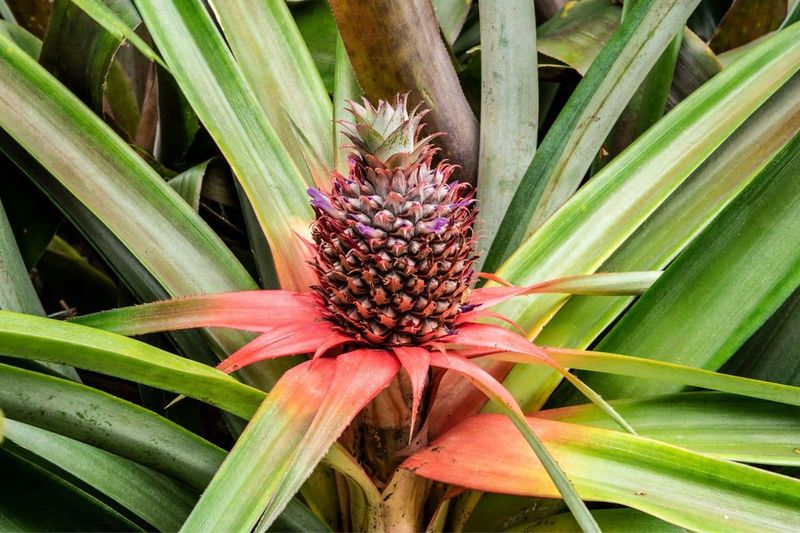
Pineapples are not heavy feeders, and overloading them with fertilizer is one of the most common mistakes new growers make. A little goes a long way with these plants, and patience is honestly one of the most important ingredients in successful pineapple growing anywhere in Florida.
Rushing the process with too much fertilizer can actually harm the plant rather than help it.
A balanced, slow-release fertilizer applied every two to three months is usually all a pineapple needs to stay healthy and growing. Some experienced Florida gardeners also like to use a foliar spray, which means spraying a diluted liquid fertilizer directly onto the leaves.
Pineapples can absorb small amounts of nutrients through their leaves, but foliar feeding should only supplement, not replace, soil fertilization.
From planting in April through the summer and fall, your pineapple will gradually grow larger and stronger with each passing month. It typically takes between 18 and 24 months for a pineapple plant to produce its first fruit, so setting realistic expectations from the beginning helps you stay motivated and consistent with care.
Many Florida gardeners find the wait absolutely worth it when that first homegrown pineapple finally appears.
Keeping a simple care schedule helps a lot. Mark your calendar for fertilizing dates, check the soil moisture regularly, and remove any damaged or fading leaves as they appear.
Small, consistent efforts over time produce the best results. A pineapple that is fed lightly and cared for patiently will reward you with a far better harvest than one that is rushed or overfed throughout its growing life in Florida.
8. Common Pineapple Planting Mistakes To Avoid
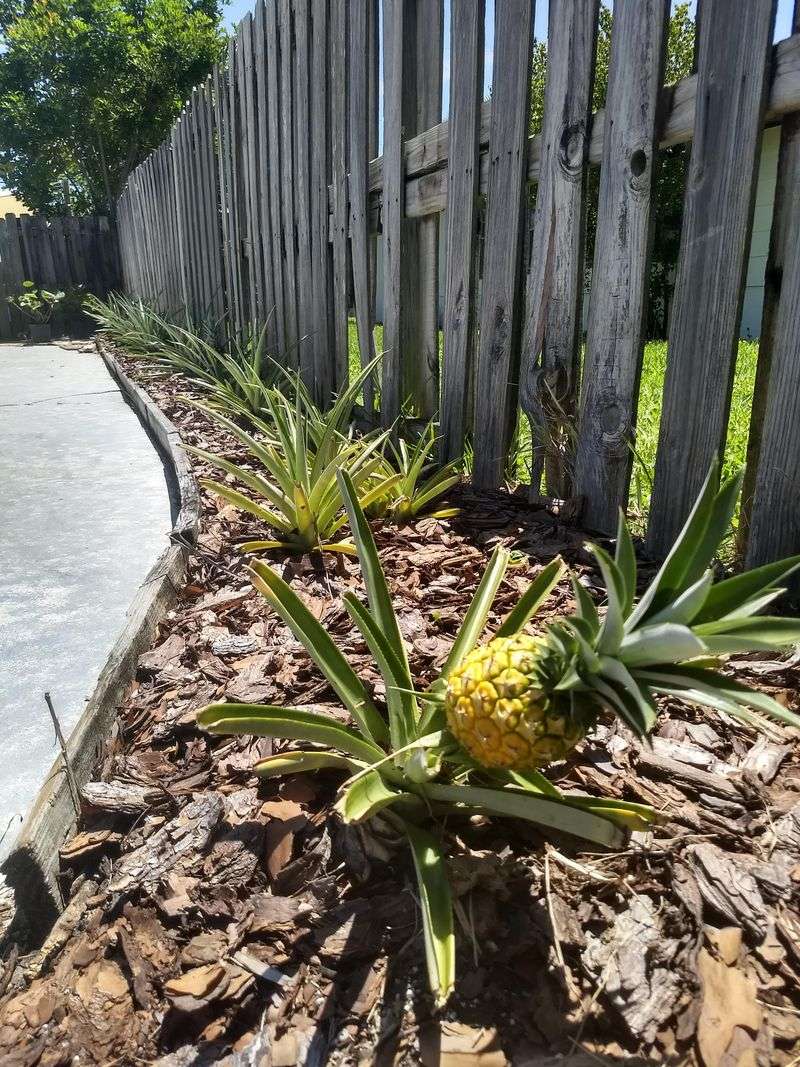
Even with perfect April timing and great Florida weather on your side, a few common mistakes can trip up new pineapple growers before they ever see fruit. Knowing what to watch out for ahead of time saves a lot of frustration and wasted effort.
The good news is that most of these mistakes are easy to avoid once you know what they are.
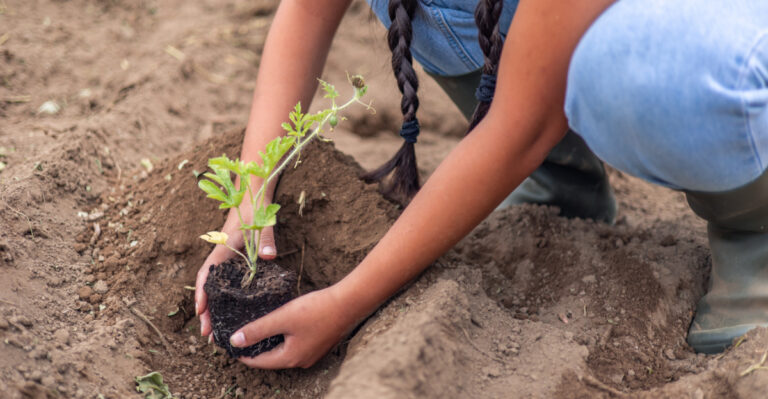
Planting too deep is one of the most frequent errors. The crown or slip should be placed just deep enough to stand upright on its own, with the base of the leaves sitting right at or just above the soil surface.
Burying the plant too deep traps moisture around the base and creates conditions where rot can develop quickly, especially during Florida’s rainy season.
Another common mistake is planting in a shaded spot because it seems more comfortable or protected. Pineapples genuinely need full sun to produce well, and shady spots, no matter how pleasant they look, will result in slow growth and poor fruit production.
Always choose the brightest spot available in your Florida yard or garden space.
Overwatering is also a frequent problem, particularly for new growers who want to give their plant extra attention. Pineapples are drought-tolerant once established and prefer to dry out slightly between waterings.
Watering too often, especially in Florida’s humid climate, leads to root problems that are hard to reverse. A simple rule to follow: when in doubt, wait another day or two before watering your pineapple plant again.