The Meaning Behind Seeing A Goldfinch In Your Ohio Yard This Summer
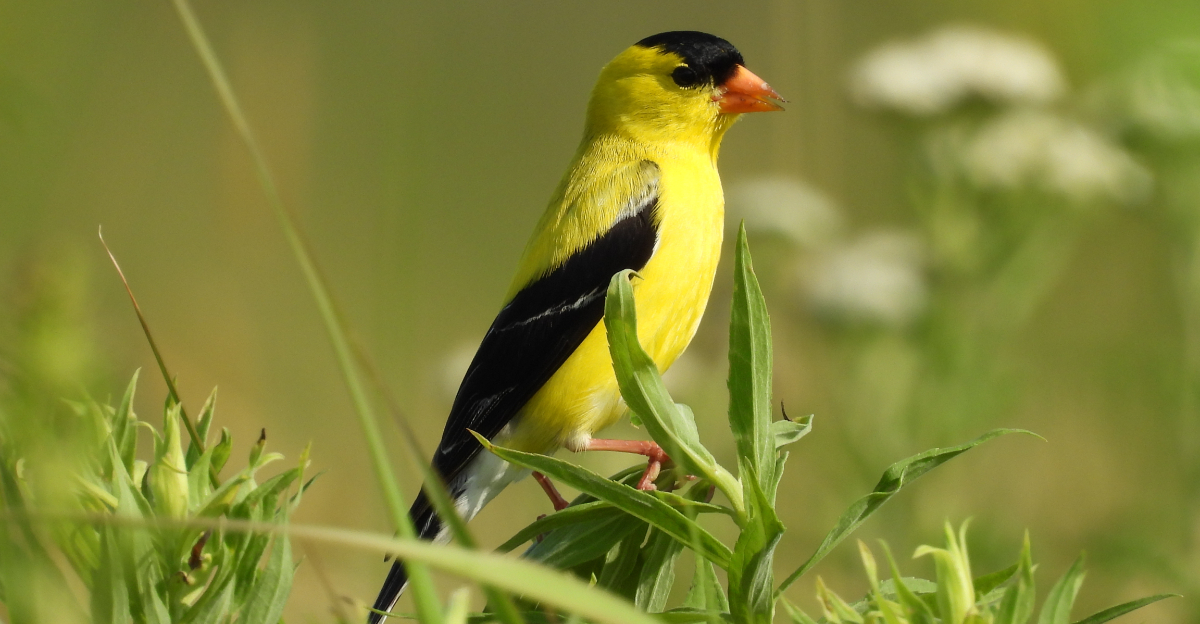
A goldfinch lands in your Ohio yard and something about it just stops you for a second. That electric yellow, the crisp black wing bars, the way it bounces from stem to stem like it owns the place.
People across the state are spotting them in higher numbers this summer and asking the same question. What does it actually mean when goldfinches show up?
Cultures across centuries have attached meaning to these birds. In Ohio folklore and broader symbolism, the goldfinch carries a reputation that feels surprisingly consistent.
Joy, lightness, resilience, a reminder to notice what is going good right in front of you.
Whether you lean into the symbolic side or prefer the ecological angle, a goldfinch visiting your yard is telling you something real about the habitat you have built.
And the more you understand what draws them in, the more of them you are likely to see all season long.
1. A Goldfinch Visit Often Signals A Yard Full Of Summer Seed Sources
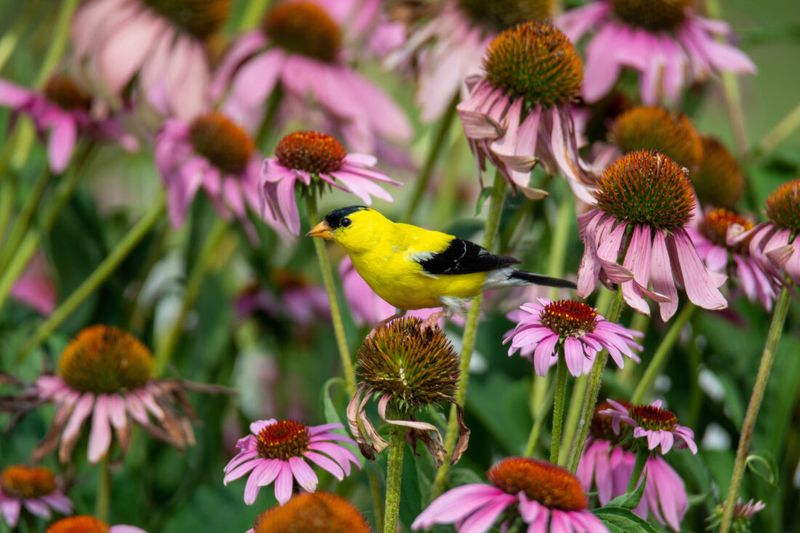
Walk through your yard on a warm July morning, and you might notice a small, bright yellow bird clinging to a flower stem with surprising grip. That’s an American goldfinch doing exactly what it does best: foraging for seeds.
Unlike robins hunting worms or warblers chasing insects, goldfinches are almost entirely seed eaters.
Cornell Lab of Ornithology notes that their diet consists largely of seeds from plants like thistles, sunflowers, and native wildflowers throughout the warmer months.
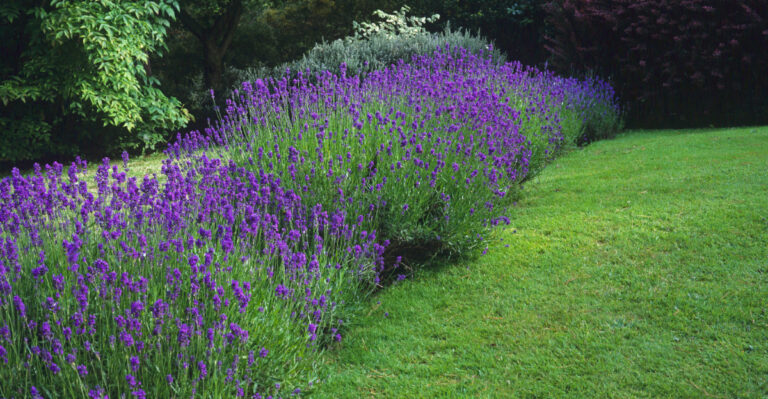
Seeing one in your yard usually means your space has something seed-rich nearby. Coneflowers, black-eyed Susans, sunflowers, native grasses, and asters are all plants that goldfinches commonly visit.
You don’t need a fancy setup. A few well-placed native perennials or even some volunteer wildflowers along a fence line can be enough to attract them.
One of the most common mistakes gardeners make is trimming every spent bloom before seeds develop. If goldfinches have been visiting, try leaving some flower heads standing through late summer.
Audubon recommends allowing seed heads to mature naturally, since that’s when birds get the most benefit. Your yard doesn’t have to be perfectly manicured to be bird-friendly.
Sometimes the best thing you can do is simply step back and let the plants finish what they started.
2. Bright Yellow Feathers Bring A Classic Sign Of Joy And Warmth
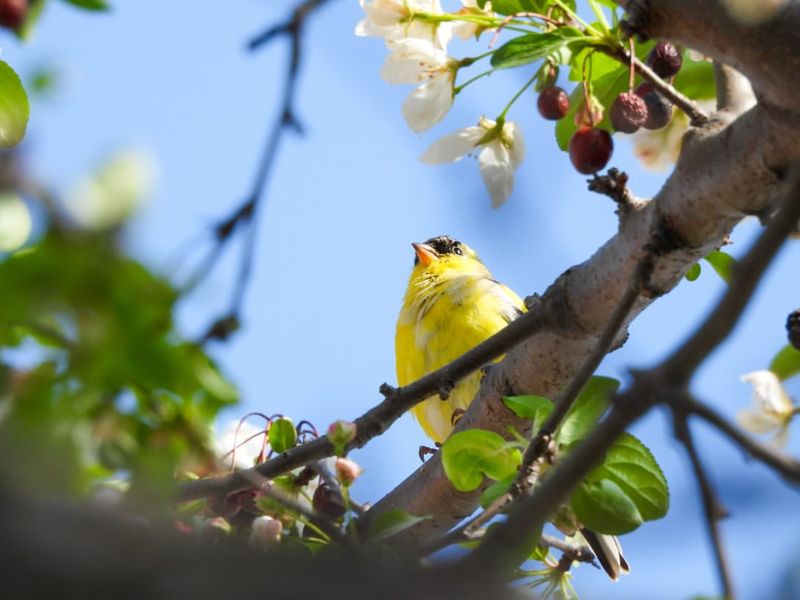
There’s something almost startling about how yellow a male American goldfinch gets in summer. During breeding season, males wear their brightest plumage, a vivid lemon yellow that seems to glow against green leaves or a blue sky.
Cornell Lab of Ornithology confirms that this peak coloring happens during the breeding season, making summer sightings feel especially striking and memorable.
For many people, that burst of color carries a feeling that’s hard to put into words. Across various cultures and personal belief systems, yellow birds have long been associated with cheerfulness, optimism, and the warmth of the sun.
Some people feel that a goldfinch appearing during a difficult moment is a gentle nudge toward hope. Others simply enjoy the color for what it is.
Your Ohio Garden Changes Every Week. Your Plan Should Too.
Gardening in Ohio changes quickly throughout the season. Every Friday you’ll receive a simple weekly plan showing exactly what to plant, prune, fertilize, harvest, and protect so you never miss the right timing.
It’s worth being clear: symbolism is personal. There’s no single universal meaning attached to seeing a goldfinch.
What it represents depends on your own beliefs, your cultural background, and the moment you experienced it. But there’s nothing wrong with letting that bright yellow feather carry a little extra meaning for you.
Whether you see it as a spiritual signal or just nature’s way of brightening your afternoon, the feeling it leaves behind is real. Pay attention to when and where the bird appears.
Sometimes the setting adds its own quiet message.
3. Late Nesting Makes Goldfinches Feel Like A True Summer Bird
Most backyard birds wrap up their nesting by early summer, but American goldfinches are built differently.
They’re one of the latest nesting songbirds in the country, typically beginning nest construction in late June through July in many parts of their range.
Cornell Lab of Ornithology explains that this timing is closely tied to the availability of plant fibers and seed down. Goldfinches use material from thistles and other late-blooming plants to build their compact, tightly woven nests.
This late schedule is part of why goldfinches feel so connected to midsummer. When other birds have already raised their first or second brood, goldfinches are just getting started.
A sighting in your yard during July or August could mean a pair is actively searching for nesting material. They may also be scouting food sources near a chosen site or feeding young nearby.
Audubon notes that goldfinch nests are often built in shrubs, small trees, or dense vegetation, usually not far from reliable food sources.
If you see goldfinches visiting your yard regularly over several weeks, there’s a chance nesting activity is happening close by, though not necessarily on your property.
To support them during this period, leave native plants like thistles and milkweed standing. Their soft fibers are genuinely useful to a nesting pair and can make your yard part of their summer routine.
4. Native Flowers Turn Your Yard Into A Goldfinch Magnet
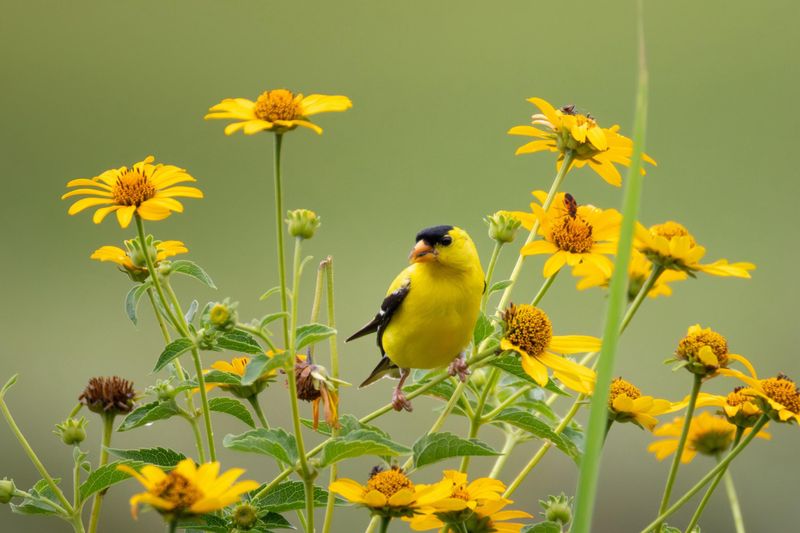
A yard full of native flowers does more than look good. It speaks a language that goldfinches understand.
Native plants are adapted to local soils and seasonal patterns, which means they tend to produce seeds at exactly the right time for birds that depend on them.
Ohio State University Extension and ODNR both recommend native perennials as a practical way to support local wildlife, including songbirds like the American goldfinch.
Some of the most effective plants for attracting goldfinches include purple coneflower, black-eyed Susan, and wild bergamot. Native sunflowers and cup plant are also strong choices.
These grow well in sunny spots, fence lines, meadow edges, and pollinator beds. You don’t need a large yard or a lot of experience to get started.
Even a small patch of native perennials along a walkway or near a patio can bring more bird activity than a perfectly mowed lawn.
The key is to resist the urge to clean everything up too quickly at the end of summer. Seed heads that look spent to us are still valuable food sources for birds moving through in late summer and fall.
Ohio State University Extension’s Ohioline resources suggest leaving herbaceous plants standing through the colder months where possible. This provides seeds and insect habitat that indirectly supports the broader food web.
Start with three or four native species and watch what visits.
5. Thistle And Sunflower Seeds Keep Them Coming Back
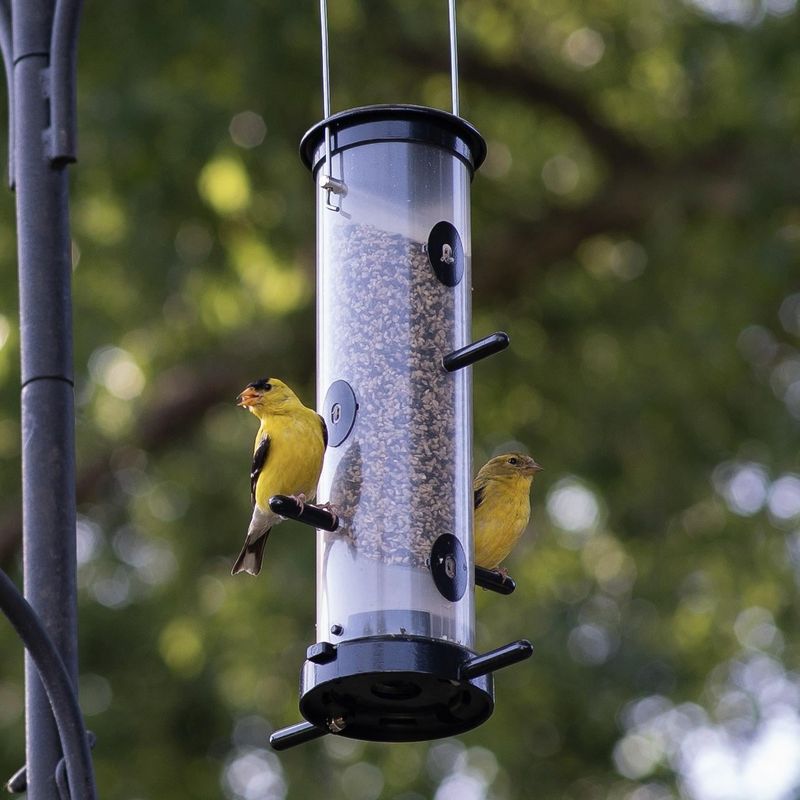
Feeders stocked with the right seeds can turn occasional goldfinch sightings into regular visits. Nyjer, commonly called thistle seed, is widely recognized as one of the top choices for attracting American goldfinches to feeders.
Cornell Lab of Ornithology’s Project FeederWatch data consistently lists nyjer and hulled sunflower seeds among the most effective options. These seeds attract goldfinches at backyard feeders across their range.
Tube feeders with small ports work well for nyjer since the tiny seeds flow best through narrow openings. Hulled sunflower seeds, also called sunflower chips, are another strong option because goldfinches can eat them quickly without cracking shells.
Place feeders near shrubs or small trees so birds have a safe perch to retreat to if startled. Avoid positioning them directly against dense cover where cats or other predators could hide undetected.
Summer humidity is hard on seed quality. Nyjer can go rancid faster in hot, wet weather, and birds will often stop visiting if seed smells stale or feels clumped.
Check feeders every few days during humid stretches. Clean tube feeders with warm soapy water at least once every two weeks, rinse thoroughly, and let them dry completely before refilling.
Audubon’s feeder hygiene guidance emphasizes that clean feeders protect birds from illness. Fresh seed and a clean feeder make a bigger difference than any fancy setup.
6. A Pair Of Goldfinches Points To Safe Cover Nearby
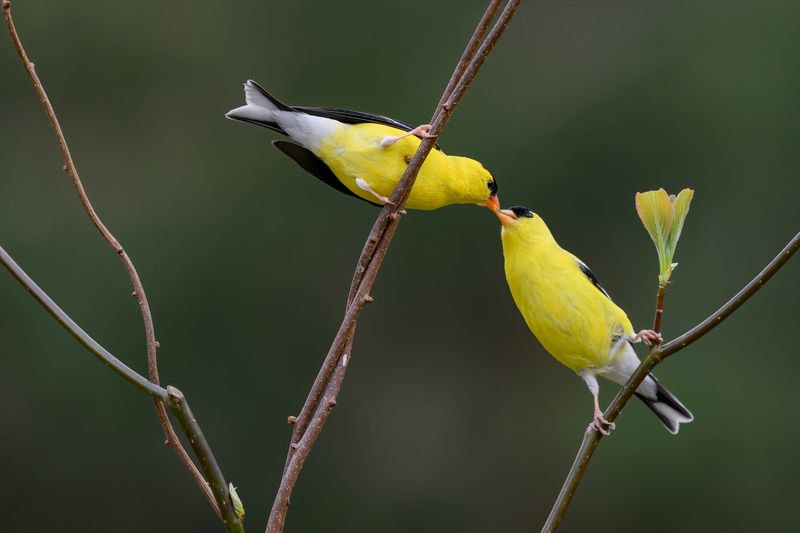
Spotting two goldfinches together feels different from a solo sighting. A pair moving through your yard, stopping to forage, and then retreating to nearby shrubs is a quiet sign that your space offers more than just a quick snack.
Yards that combine food sources with shrubs, small trees, or dense vegetation tend to attract more bird activity overall, and goldfinches are no exception.
Cornell Lab of Ornithology notes that American goldfinches often nest in shrubs and small deciduous trees. They favor spots with dense branching that provides shelter and concealment.
Common choices include dogwood, serviceberry, and other native shrubs with multi-stemmed growth. A yard that has both seed-bearing plants and leafy cover is genuinely more inviting than an open lawn with a single feeder standing alone.
Seeing a pair doesn’t automatically mean nesting is happening on your property. They may simply be using your yard as part of a larger home range that includes several feeding and resting spots.
Still, pairs appearing regularly over several weeks can suggest that nesting is occurring somewhere close by. If you want to make your yard more welcoming, consider adding a native shrub or two along a fence or property edge.
Even a small viburnum or native spirea gives birds a place to pause, preen, and feel secure between visits to your feeders or flowers.
7. Molting Feathers Remind You That Change Can Still Look Beautiful
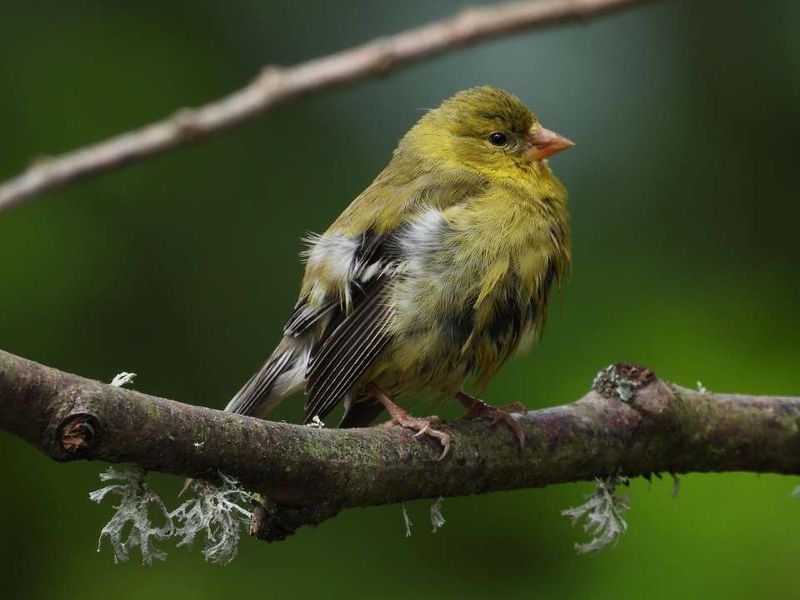
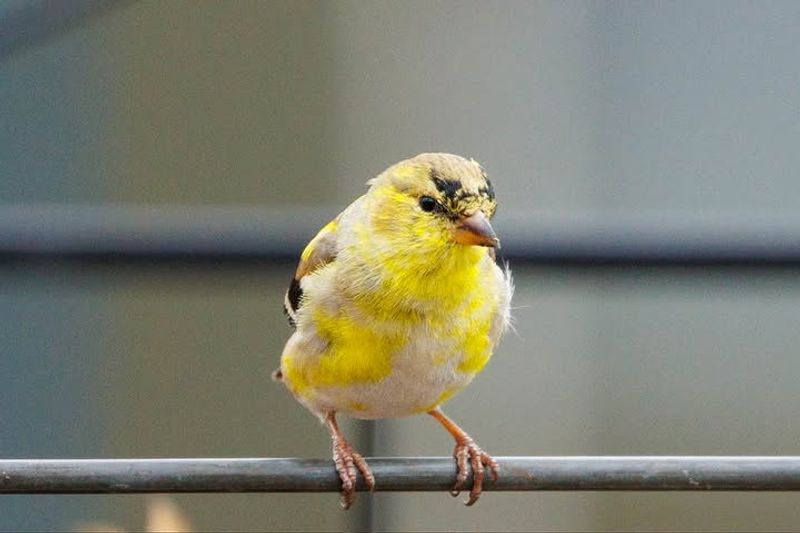
By late summer, something interesting happens to the goldfinches in your yard. The brilliant lemon yellow that made them so eye-catching in June starts to shift.
Males begin molting into their duller, olive-tinged winter plumage, and the transformation can look a little patchy and uneven along the way.
Cornell Lab of Ornithology explains that American goldfinches undergo a complete molt in late summer and a partial molt in late winter.
Their plumage varies noticeably between seasons.
This biological process is completely normal, even if a bird in mid-molt looks a bit rough around the edges. Feathers wear out over time and need replacing.
The molt cycle keeps the bird healthy and functional through changing seasons. For the goldfinch, it’s as natural as the shift from summer to fall, and it doesn’t affect the bird’s ability to feed, fly, or thrive.
There’s a gentle symbolic layer here if you’re open to it. Watching a goldfinch move through an awkward in-between phase and come out the other side still flying is a small but real reminder.
Change does not have to look polished to be worthwhile. That said, the science matters too.
If you notice a very dull or patchy bird at your feeder in August, don’t assume something is wrong. It’s likely just a healthy goldfinch doing what goldfinches do every year, right on schedule.
8. A Goldfinch Sighting Means Your Yard Is Doing Something Right
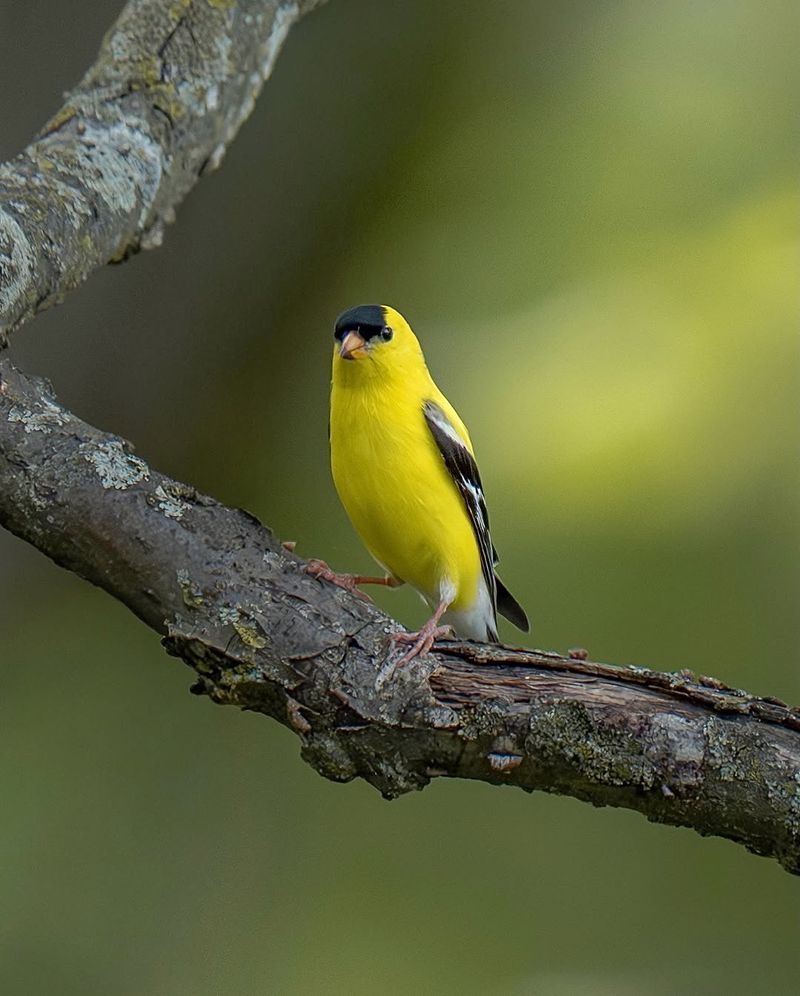
When a goldfinch shows up in your yard, it’s not random. Birds don’t linger in places that have nothing to offer.
A visit usually means some combination of things is working. There may be food nearby, seed-producing plants, safe places to pause, or water within reach.
You may not have set out to create a bird-friendly yard, but something you’ve done, or left undone, is paying off.
Building on that momentum doesn’t require a major overhaul. Leave seed heads on your coneflowers and sunflowers through late summer.
Add one or two native shrubs if your yard feels open. Keep feeders clean and stocked with fresh nyjer or hulled sunflower seeds.
Reduce or eliminate pesticide use near flowering plants, since chemical-free gardens better support the insects and seeds that make up a healthy backyard food web.
A shallow birdbath with fresh water changed every two to three days can also make your yard more inviting.
Buckeye State birders know that small changes add up over a season or two. The goldfinch sighting you had this week could become a regular summer presence if you keep doing what’s working.
On a personal level, that bright yellow visitor can feel like a cheerful reward for the care you’ve put into your outdoor space. Practically and symbolically, it’s a sign worth paying attention to.