This Native Bloom Is Replacing Invasive Mexican Petunia In Georgia
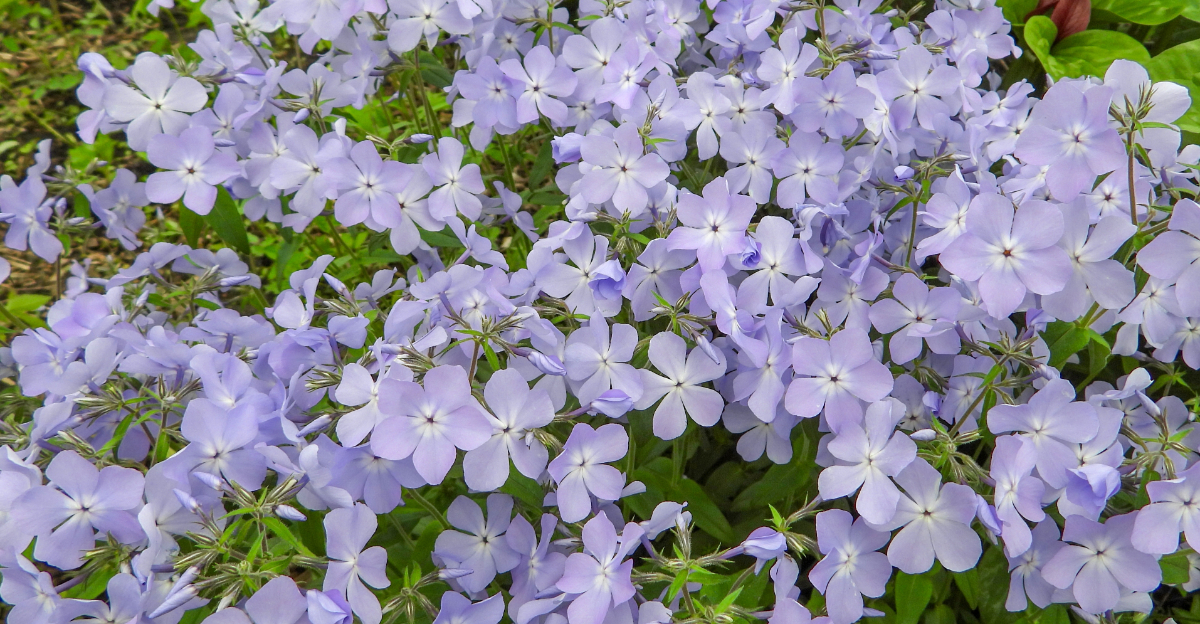
Mexican petunia may fill a flower bed with color, but its aggressive spreading habit has caused plenty of gardeners to think twice about planting it. Once it escapes into nearby areas, keeping it under control becomes much harder than expected.
That has more people looking for beautiful alternatives that stay where they are planted. Native flowers offer the same landscape appeal while supporting local wildlife at the same time.
One standout bloom is earning plenty of attention for its long flowering season, easy care, and natural fit in Southern gardens.
You are much more likely to see it appearing in new Georgia landscapes as gardeners replace invasive plants with better choices.
It proves you do not have to sacrifice color to enjoy a yard that is easier to manage and friendlier to the environment.
1. Replace It With Woodland Phlox Instead
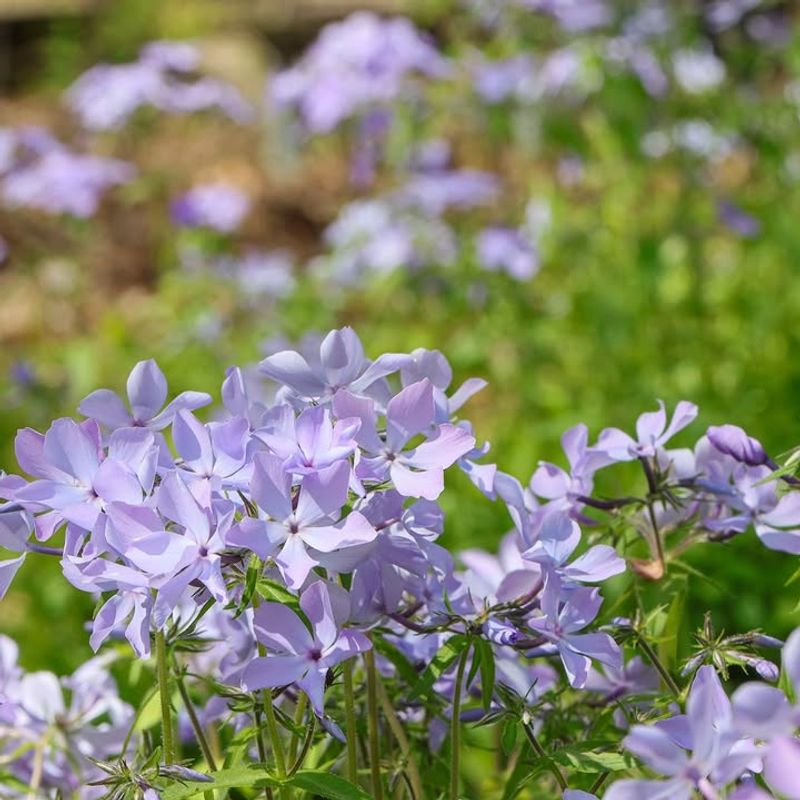
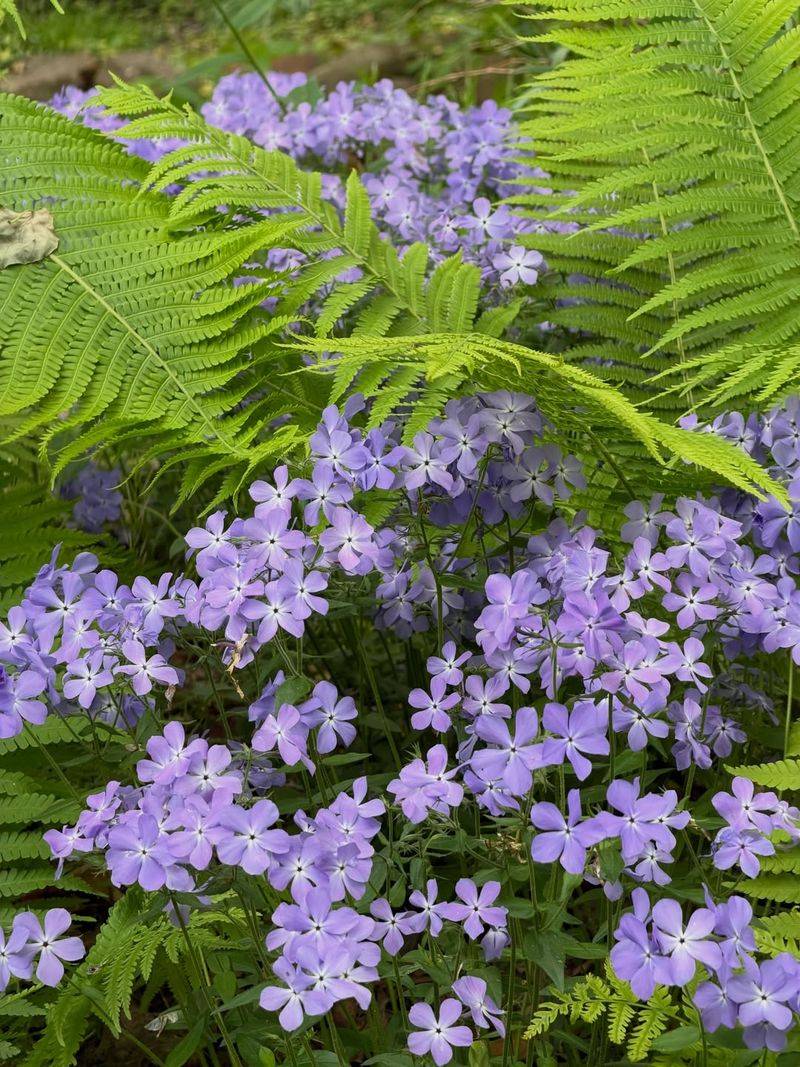
Woodland phlox earns its place in any native garden without a fight. Known botanically as Phlox divaricata, it spreads gently through natural runners and self-seeding, never aggressively taking over the way Mexican petunia tends to do.
Mexican petunia, or Ruellia simplex, is listed as invasive in Georgia and several other states. It escapes cultivated beds easily, moving into natural areas and outcompeting local plant species that wildlife depends on.
Woodland phlox grows 10 to 15 inches tall and produces clusters of fragrant, star-shaped flowers in shades of lavender, pale blue, and white. Blooming season typically runs from late March through May in most parts of the Southeast.
Swapping one for the other is not complicated. Remove Mexican petunia carefully, bagging the roots to prevent regrowth.
Then prepare your bed with compost and plant woodland phlox in its place.
Beyond looks, woodland phlox supports the local food web in ways that Mexican petunia simply cannot. Native bees, butterflies, and hummingbirds all visit it regularly during bloom season.
Gardeners who have made the switch often say the biggest surprise is how low-maintenance woodland phlox turns out to be. Once it settles in, it handles itself pretty well with minimal intervention needed.
2. Native Flowers Feed More Local Pollinators
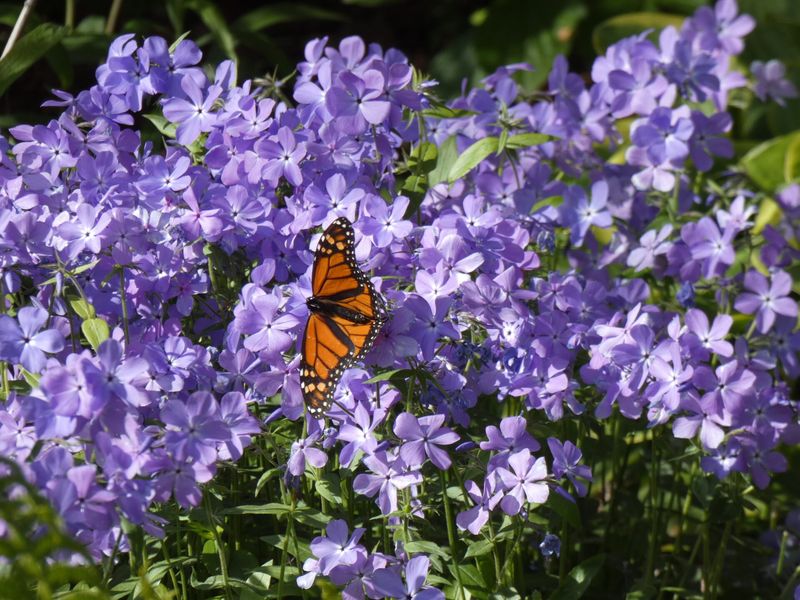
Pollinators are picky, and native insects have spent thousands of years matching up with native plants. Woodland phlox fits that relationship perfectly, while Mexican petunia simply does not offer the same ecological value.
Native bees such as mason bees and mining bees are drawn to phlox blooms early in the season. Early spring can be a lean time for pollinators, so a plant that blooms in late March or April fills a real gap in the food supply.
Hummingbirds passing through during spring migration also stop at woodland phlox.
Its tubular flower shape and soft nectar production make it an attractive fuel stop for birds moving north.
Butterflies like the zebra swallowtail and spring azure also visit phlox regularly. Having a reliable nectar source in your yard during early spring can make a measurable difference for these species locally.
Mexican petunia does attract some pollinators, but far fewer native species interact with it in meaningful ways. Exotic plants and native insects often have a weak ecological connection compared to native plant pairings.
Your Georgia Garden Changes Every Week. Your Plan Should Too.
Gardening in Georgia changes quickly throughout the season. Every Friday you’ll receive a simple weekly plan showing exactly what to plant, prune, fertilize, harvest, and protect so you never miss the right timing.
Replacing invasive plants with native ones is one of the most practical things a home gardener can do for local wildlife.
3. Choose A Spot With Morning Sun
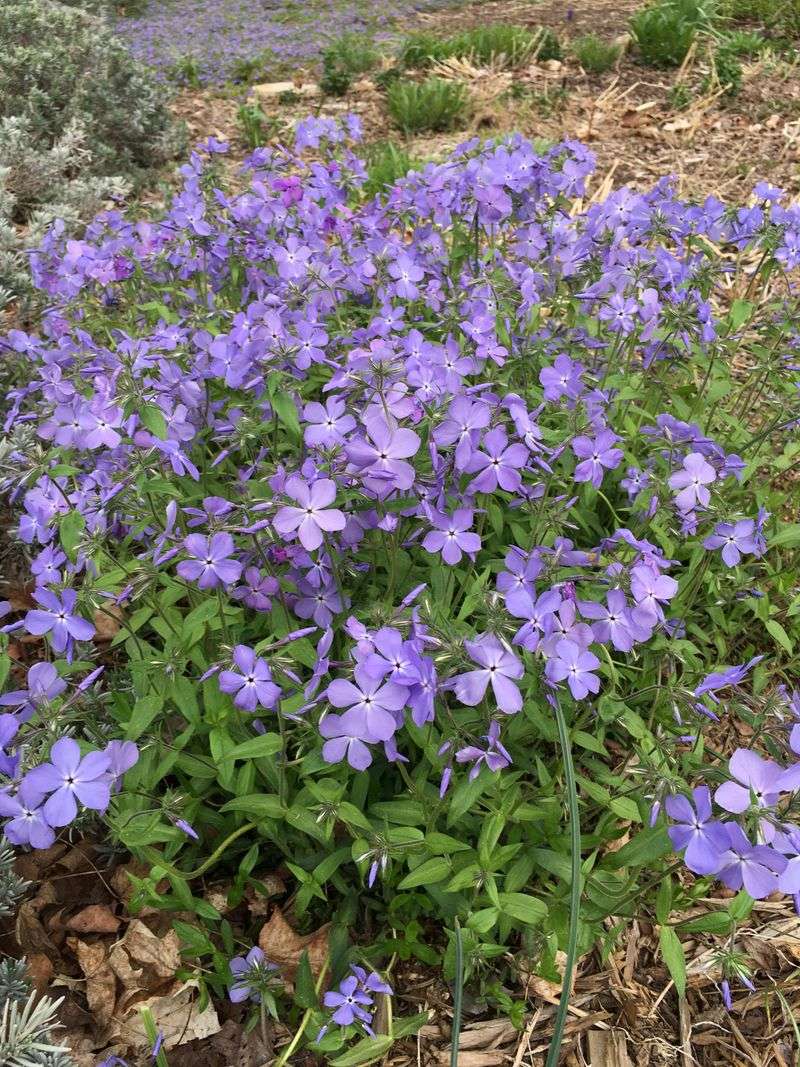
Sunlight placement can make or break how well woodland phlox performs. Getting that part right from the start saves a lot of frustration later on.
Woodland phlox grows naturally on forest floors and shaded hillsides, so it prefers partial shade with a few hours of morning sun. Afternoon shade is helpful, especially during hot Georgia summers when intense heat can stress the foliage.
East-facing beds or spots under deciduous trees tend to work well.
Morning sun gives the plant enough light energy to bloom well without exposing it to the scorching midday heat that can fade flowers quickly.
Deep shade is not ideal either. Without at least two to three hours of direct light, flowering can become sparse and the plant may struggle to spread at a healthy rate.
Full sun locations are generally too harsh for woodland phlox, particularly in warmer parts of the Southeast. Leaves may scorch and the plant tends to look stressed by midsummer in those conditions.
Planting under a canopy of native oaks, redbuds, or dogwoods creates a great microclimate.
Dappled light filters through as those trees leaf out, naturally transitioning the phlox from bright spring light into welcome summer shade.
4. Plant It In Humus-Rich Soil
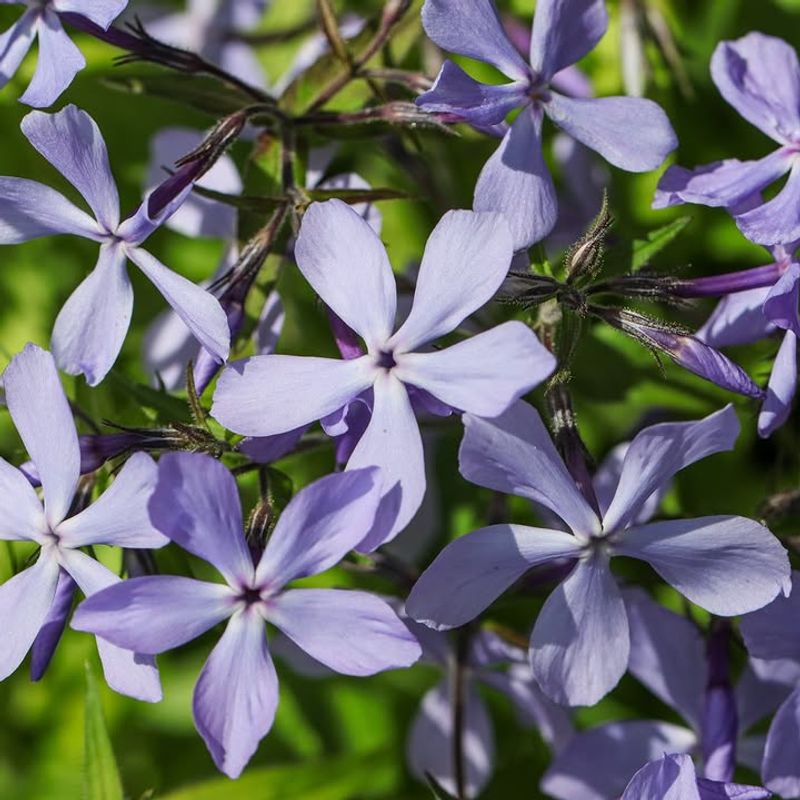
Soil quality shapes everything about how woodland phlox establishes and spreads. Starting with the right soil conditions gives new plants a much stronger foundation.
Woodland phlox thrives in loamy, humus-rich soil with good drainage and a slightly acidic pH, somewhere in the range of 5.5 to 7.0.
Georgia soils vary widely, but many native planting areas benefit from adding organic matter before planting.
Mixing aged compost or shredded leaves into your planting bed is a practical way to improve soil structure. It boosts drainage in heavy clay soils and helps sandy soils hold moisture more effectively.
Avoid planting in compacted ground.
Woodland phlox roots need loose, aerated soil to spread and anchor properly. Hard, packed earth slows establishment and limits how well the plant fills in over time.
Heavy clay soils can be amended with a few inches of compost worked in before planting. Raised beds are another option if your native soil drains poorly or stays waterlogged after rain.
One thing worth knowing is that woodland phlox does not need a heavily fertilized soil to perform well. Rich, natural humus from decomposed leaves and organic material is closer to what it encounters in its native woodland habitat.
Replicating those natural conditions as closely as possible tends to produce the most vigorous and healthy plants without a lot of extra work or inputs needed.
5. Keep The Soil Evenly Moist
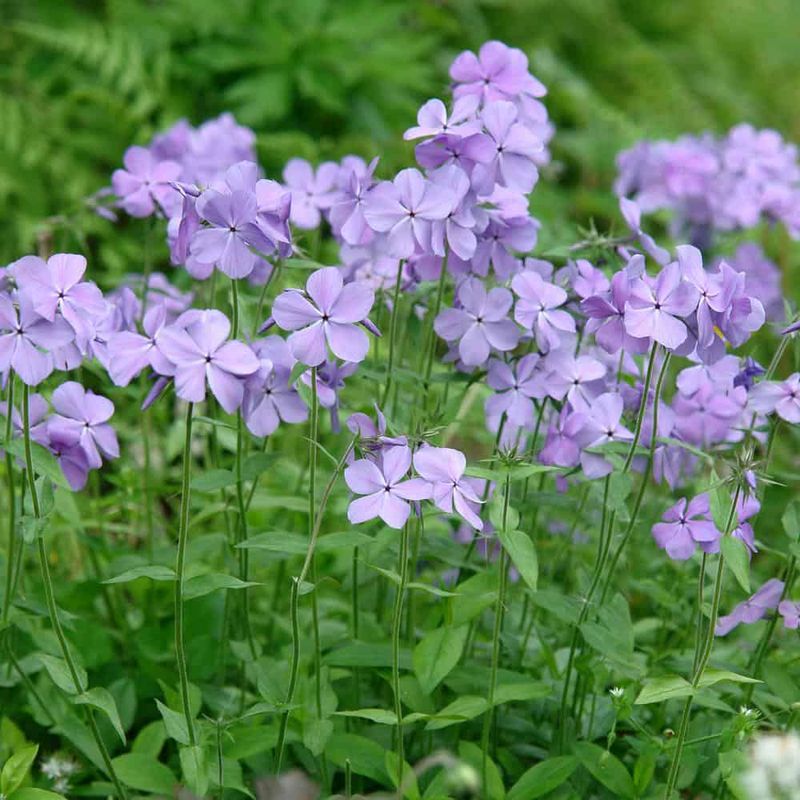
Moisture consistency matters more to woodland phlox than frequent watering. Wet and dry swings stress the plant and can limit how well it blooms.
During its first growing season, woodland phlox needs regular watering to help roots establish.
Aim to keep the soil moist but not waterlogged. Soggy conditions can lead to root problems and weaken the plant noticeably.
Once established, woodland phlox becomes reasonably drought-tolerant, though it still appreciates consistent moisture during dry stretches. In Georgia summers, extended dry spells without supplemental watering can cause leaf drop and reduce overall vigor.
Watering at the base of the plant rather than overhead helps keep foliage dry.
Wet foliage, especially in humid conditions, can encourage powdery mildew, which is a common issue for phlox species.
Morning watering is generally preferred over evening. It gives leaves time to dry out before nightfall, reducing the chance of fungal issues developing on the foliage.
A simple finger test works well for checking soil moisture. Push a finger about an inch into the soil near the base of the plant.
If it feels dry at that depth, watering is likely needed soon.
6. Add Leaf Mulch To Hold Moisture
Leaf mulch is one of the simplest tools a native gardener can use, and woodland phlox responds well to it. A good layer around the base of your plants makes a noticeable difference in how they perform through summer.
Shredded leaves from oaks, maples, or other deciduous trees work especially well. They break down slowly, feeding soil microbes and gradually improving soil structure over time.
Apply a two- to three-inch layer of mulch around your phlox plants in spring.
Keep it a few inches back from the main stem to allow airflow and reduce the chance of rot developing at the crown.
Mulch helps regulate soil temperature too. In Georgia, summer soil temperatures can climb quickly in unprotected beds.
A mulch layer acts as insulation, keeping roots cooler and reducing moisture loss through evaporation.
Whole leaves can mat together and restrict water penetration. Shredding them first, either with a mower or leaf shredder, creates a more breathable layer that water moves through easily.
Replenish the mulch layer each fall by adding a fresh batch of shredded leaves. This mimics the natural leaf litter that accumulates on a forest floor, which is exactly the kind of environment woodland phlox evolved in.
Skipping mulch is not a disaster, but adding it consistently tends to produce noticeably healthier plants with less effort across multiple growing seasons.
7. Divide Mature Clumps Every Few Years
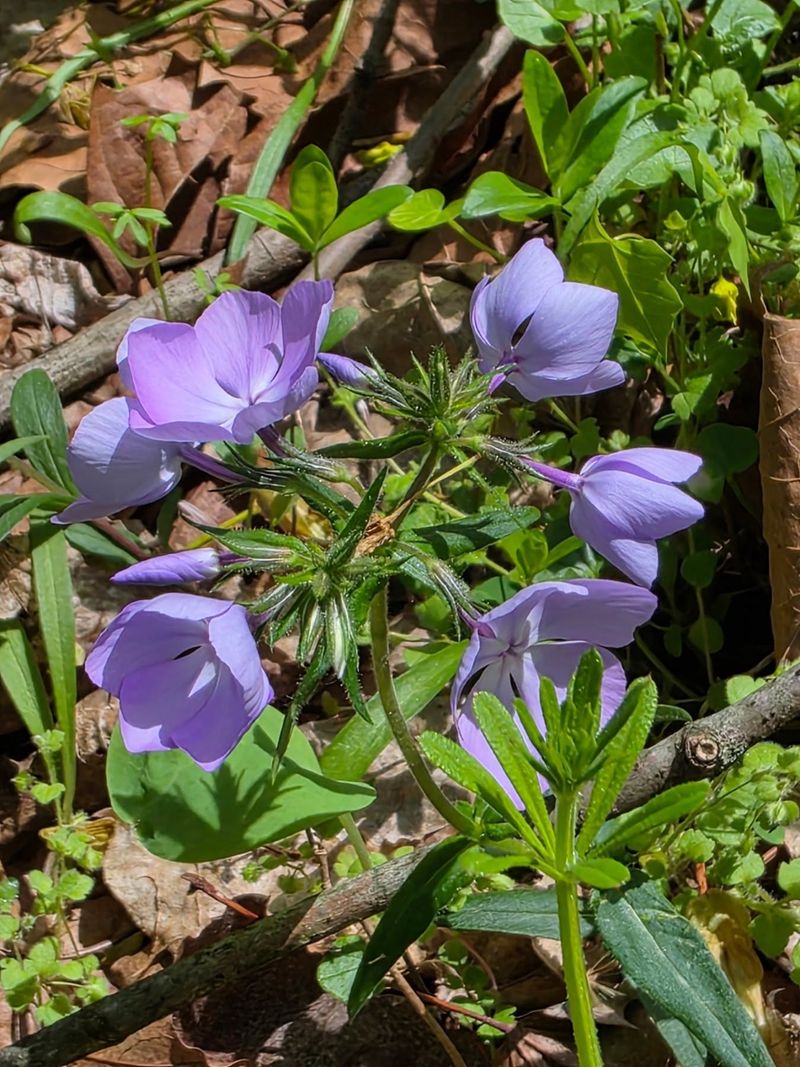
Woodland phlox spreads at a moderate pace, and after a few years, clumps can get crowded. Dividing them refreshes the planting and keeps the plants blooming at their best.
Early spring, just as new growth begins to emerge, is a good time to divide. You can also divide in early fall after the heat of summer passes.
Avoid dividing during peak summer heat when plants are already under stress.
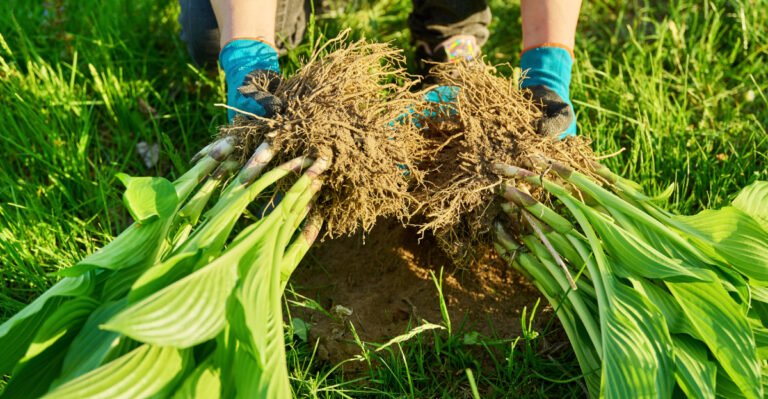
To divide, use a sharp spade or hand trowel to lift the clump and separate it into smaller sections. Each division should have healthy roots and a few stems attached.
Replant divisions promptly and water them in well.
Divisions from your original plants can fill in other parts of your garden.
Sharing extras with neighbors is also a practical way to spread native plants through your local area without spending extra money.
Overcrowded clumps tend to bloom less vigorously and may become more susceptible to powdery mildew over time. Regular division helps prevent those issues before they become noticeable problems.
Woodland phlox does not need division every single year.
Most gardeners find that dividing every three to four years strikes a good balance between plant health and minimal disruption.