The Single Most Underrated Pennsylvania Native For August Color That Almost Nobody Grows
August is the month Pennsylvania gardens most need reliable color, and it’s the month most gardens have the least of it.
The reliable spring and early summer performers have wound down, the heat has taken a toll on anything that prefers cooler conditions, and a lot of beds are running on foliage and faded blooms while gardeners wait for September to bring some relief.
One native Pennsylvania plant peaks in August with a color display that should make it one of the most sought after plants in the state. It doesn’t. Most Pennsylvania gardeners have never grown it.
A surprising number have never even heard of it despite the fact that it has been growing wild in Pennsylvania landscapes for centuries. The native plant community knows it. Dedicated pollinators find it reliably. Everyone else walks right past it.
That gap between what this plant delivers and the attention it receives is one of the most puzzling oversights in Pennsylvania native gardening.
Here’s the single most underrated Pennsylvania native for August color and why it deserves a permanent place in your garden.
Meet Great Blue Lobelia
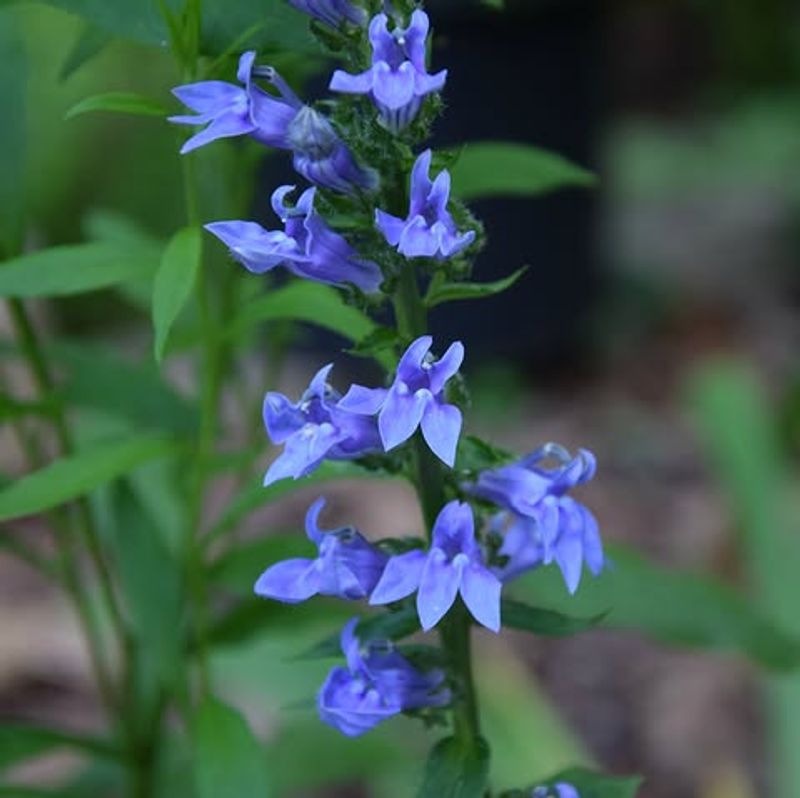
Walk through almost any Pennsylvania garden in August and you will notice something missing. There is plenty of gold, plenty of orange, and plenty of purple, but almost no true blue. Great blue lobelia fixes that problem in a way that very few plants can match.
Lobelia siphilitica is a native perennial that grows naturally along stream banks, wet meadows, and woodland edges throughout Pennsylvania. It has been part of this region’s landscape for thousands of years, yet most gardeners have never planted it.
That is a real shame, because it is one of the most visually striking plants you can grow here.
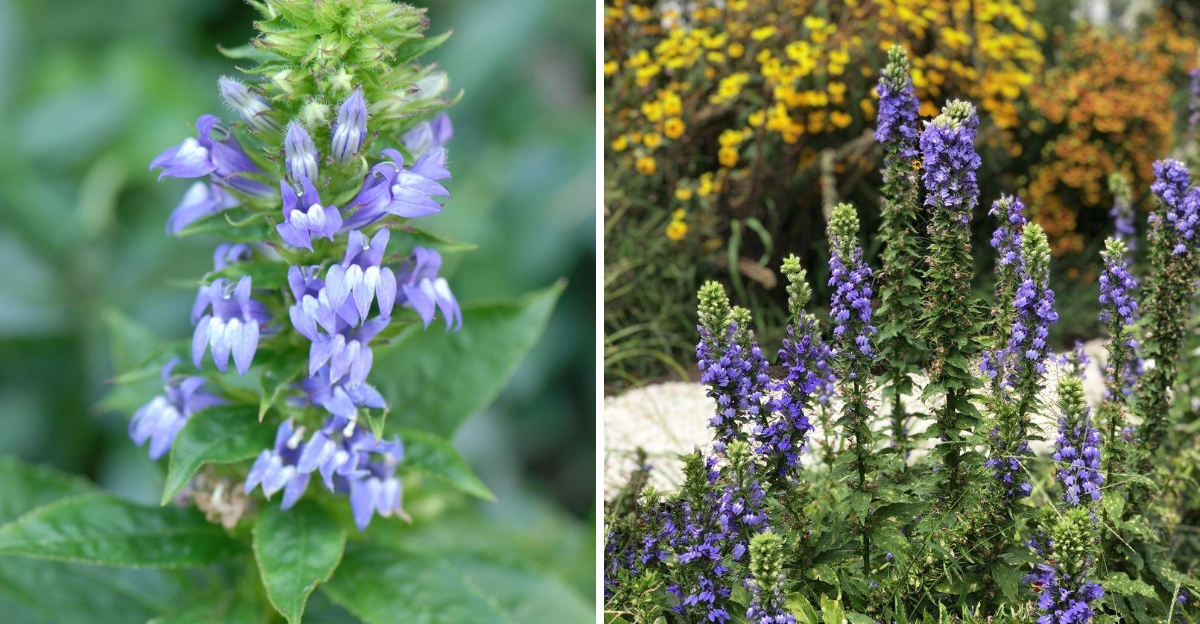
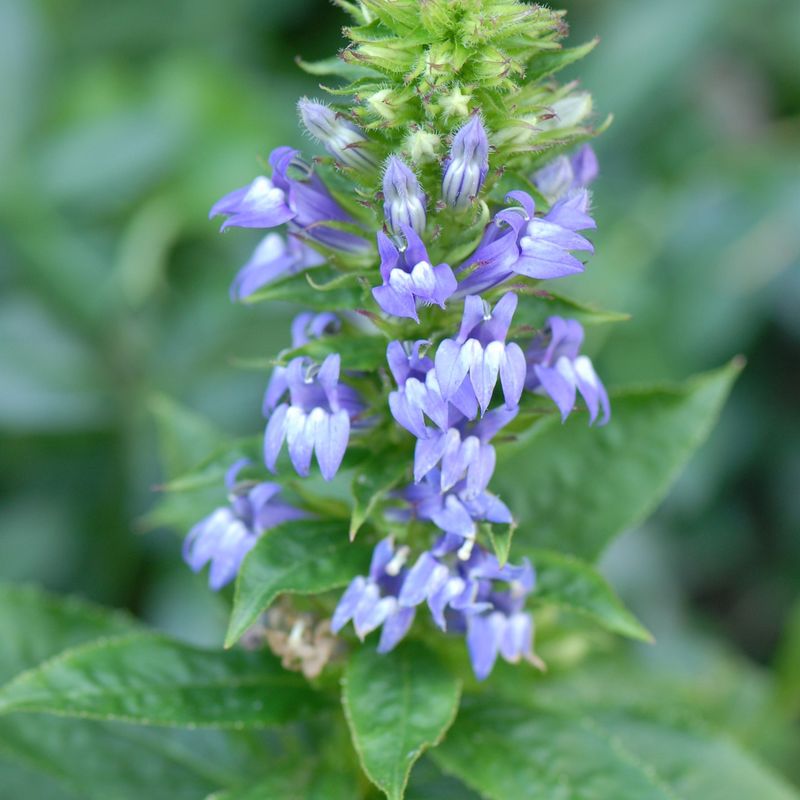
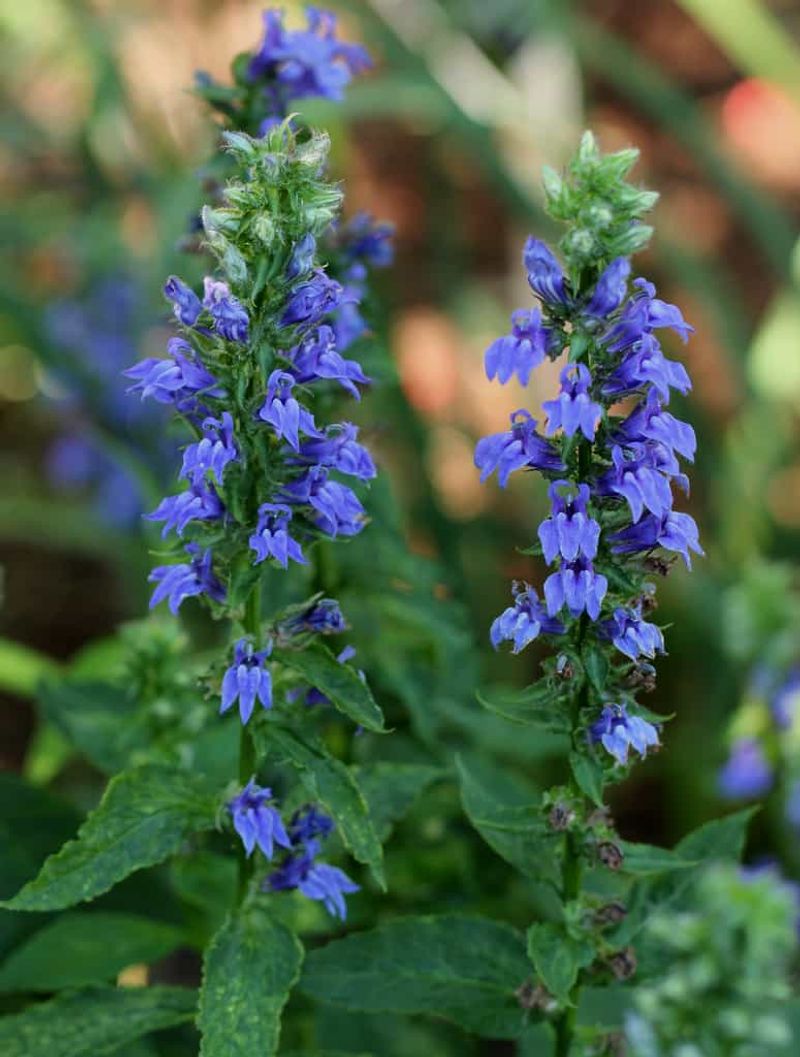
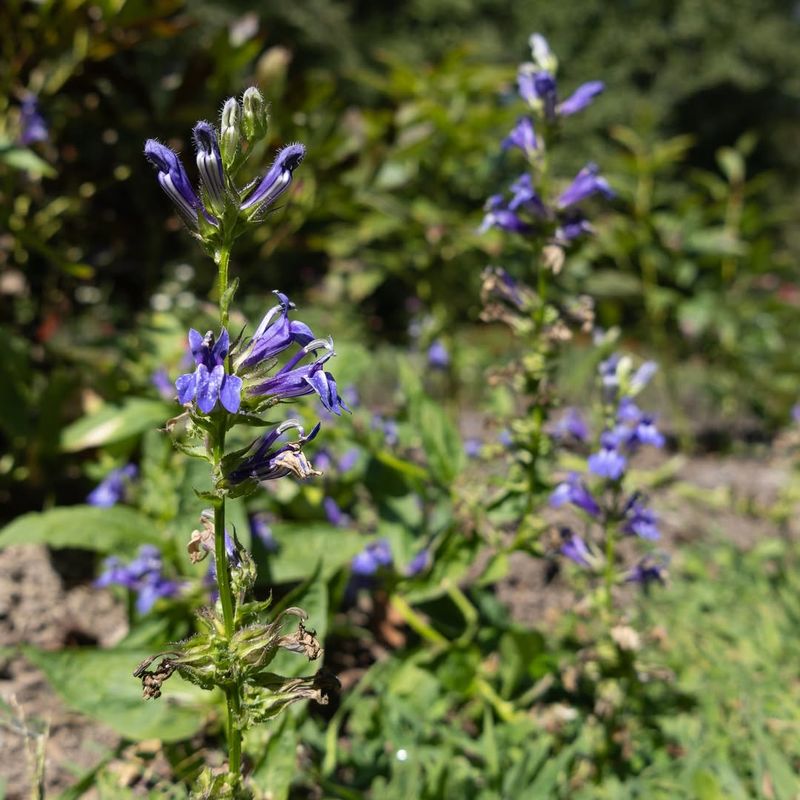
The plant produces tall, upright spikes covered with densely packed blossoms in shades ranging from bright blue to rich blue-violet. Each individual flower is small and tubular, but together they create a bold, eye-catching display that is hard to ignore.
Mature plants typically stand between two and three feet tall, giving them enough height to stand out in a mixed border without overwhelming smaller neighbors.
Unlike many blue-flowering plants that tend to look washed-out or faded, great blue lobelia holds its color well throughout the blooming season.
The hue is clean and vivid, which makes it an excellent contrast against the warm tones that dominate August gardens. Gardeners who grow it often say it becomes the first thing visitors ask about.
Another thing worth knowing is that great blue lobelia is a true Pennsylvania native, not a cultivated variety developed elsewhere.
Growing native plants supports local ecosystems, reduces the need for extra inputs, and connects your garden to the broader natural landscape around you.
It Reaches Peak Color During August
Timing matters a lot in garden design. You want something blooming in every season, and August can be one of the trickiest months to fill.
Many spring perennials are long finished, and fall bloomers have not quite kicked in yet. Great blue lobelia lands right in that gap with perfect timing.
Your Pennsylvania Garden Changes Every Week. Your Plan Should Too.
Gardening in Pennsylvania changes quickly throughout the season. Every Friday you’ll receive a simple weekly plan showing exactly what to plant, prune, fertilize, harvest, and protect so you never miss the right timing.
Blooming typically begins in midsummer and continues well into early fall. The peak display often falls squarely in August, which makes it one of the most valuable plants you can have during that specific window.
While your coneflowers are starting to look tired and your daylilies have already finished, great blue lobelia is just hitting its stride.
One of the things that makes the bloom period feel especially long is the way the flowers open. Rather than bursting all at once, they open gradually from the bottom of each spike upward.
A single flower spike can stay interesting for several weeks as new blossoms continue to open near the top while lower ones mature.
Location and growing conditions can shift the exact timing a bit. Plants growing in shadier spots or cooler microclimates may bloom slightly later than those in full sun.
Rainfall and soil moisture also play a role. A dry August can stress the plants and shorten the bloom period, while consistent moisture tends to extend it.
If you plant several specimens with slightly different exposures, you can stretch the overall display across a wider window.
Some gardeners intentionally place a few plants in shadier spots just to push the bloom timing later into September. It is a simple trick that pays off with more weeks of color.
Bumblebees Are Its Most Important Visitors
Here is something that might surprise you. Great blue lobelia and bumblebees have a relationship that goes back a very long time.
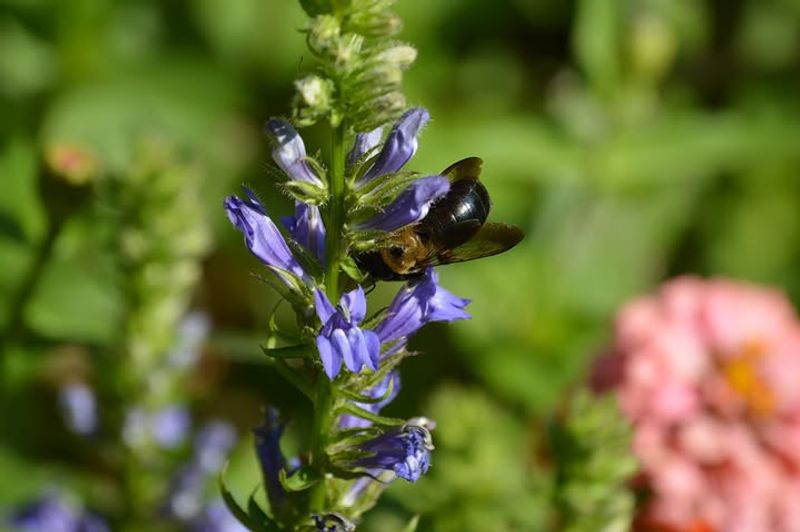
The flowers are shaped almost perfectly to match the size and strength of a bumblebee, which is no accident. Native plants and native pollinators often evolve together, and this is a textbook example of that connection.
The tubular blossoms are fairly narrow and require some muscle to enter. Bumblebees are strong enough to push their way inside and reach the nectar at the base of each flower.
As they do this, pollen sticks to their bodies and gets carried to the next plant they visit. The whole system works efficiently because the flower shape essentially filters out smaller insects that would take the nectar without doing the pollinating work.
Hummingbirds are also attracted to great blue lobelia, especially in gardens where the red cardinal flower is also growing nearby. Butterflies and other larger bees will investigate the flowers too, though bumblebees remain the primary and most effective visitors.
Watching a big, fuzzy bumblebee work its way through a spike of blue lobelia is genuinely entertaining.
Planting several specimens together rather than just one creates a much more useful resource for local pollinators.
A single plant might attract a few bees, but a small grouping of three to five plants becomes a reliable stop on a bumblebee’s daily foraging route. That kind of consistency is what helps support pollinator populations over time.
August is actually a critical month for bumblebees as they build up food stores before cooler weather arrives. Having great blue lobelia in full bloom right now is genuinely helpful to them.
It Thrives Where Many Garden Flowers Struggle
Every garden has a problem spot. Maybe it is that low area near the downspout that stays soggy after rain.
Maybe it is the shady patch along the fence where nothing seems to want to grow. Great blue lobelia was practically made for those kinds of places, and that is one of the biggest reasons it deserves far more attention than it gets.
Moist, fertile soil is where this plant truly shines. It is naturally found along stream banks and in wet meadows, so it is already adapted to conditions that would stress or finish off most common garden perennials.
Rain gardens, low-lying beds, and areas that collect runoff are all excellent candidates for great blue lobelia.
The key word here is moist, not flooded. The plant handles consistently damp soil very well, but it does not want to sit in standing water for extended periods.
Good drainage combined with reliable moisture is the sweet spot. Think of a spot that stays damp but never turns into a pond after heavy rain.
Light requirements are flexible, which adds to the plant’s usefulness. Full sun works well in cooler or northern parts of the state, but in hotter locations, some afternoon shade helps the plant stay comfortable and keeps the flowers looking fresh longer.
Partial shade conditions are perfectly fine and can actually produce very healthy, lush plants.
Dry, sandy, or exposed beds are not a good fit unless you plan to irrigate regularly. Trying to grow great blue lobelia in those conditions leads to stress and poor performance.
Match it to the right spot and it rewards you generously with very little extra effort required.
Pair It With Other Moisture-Loving Pennsylvania Natives
Knowing how to pair plants together is one of the most satisfying parts of garden design. Great blue lobelia plays extremely well with others, especially when those companions share its preference for moist soil and late-season blooming.
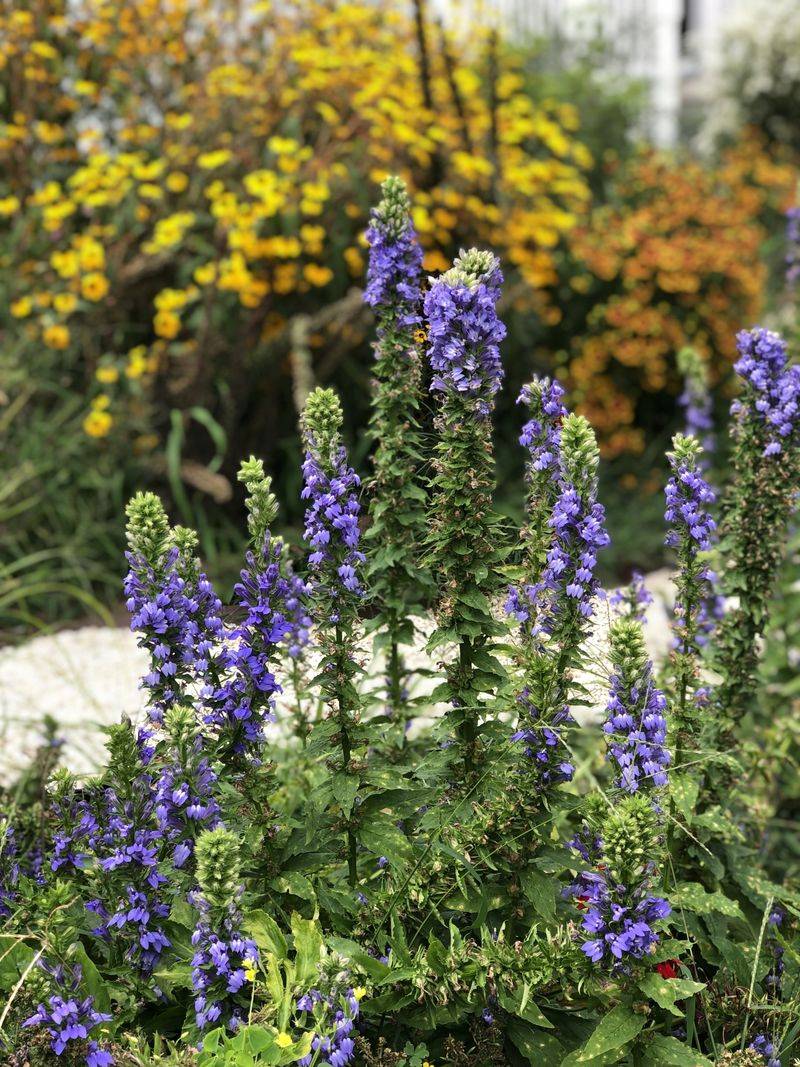
A well-planned combination can turn a soggy corner of your yard into a genuinely stunning late-summer display.
Cardinal flower is the most classic pairing. The deep red of cardinal flower and the vivid blue of great blue lobelia side by side create a color contrast that is bold and beautiful.
Both plants bloom at roughly the same time, both love moist conditions, and both support pollinators. They were practically designed to grow together, and in fact they often grow wild together along Pennsylvania streams.
Joe-Pye weed adds impressive height and soft mauve-pink flower clusters that complement the blue lobelia beautifully without competing for attention. Swamp milkweed brings bright pink blooms and is a critical host plant for monarch butterflies.
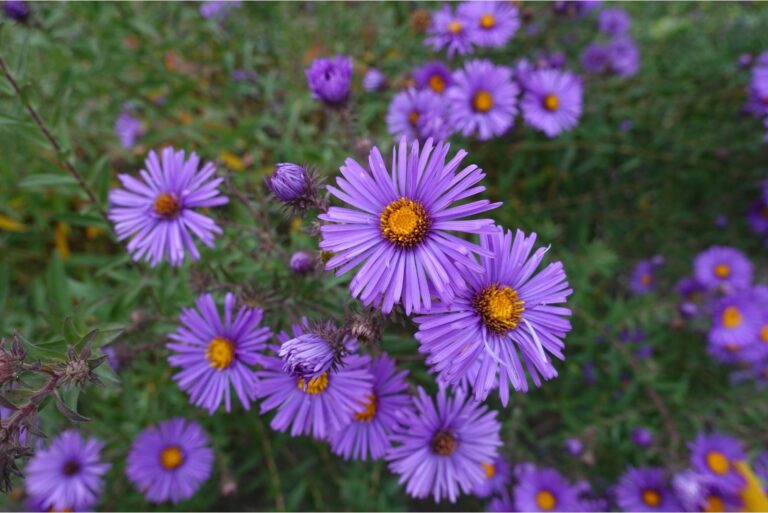
Blue vervain offers slender purple spikes that echo the vertical form of the lobelia itself. New England aster comes in a little later and carries the color show into fall with purple or lavender blooms.
When putting the garden together, place shorter plants in front to hide the lower stems of great blue lobelia, which can look a bit bare as the season progresses. Taller companions like Joe-Pye weed work well behind it to add depth and structure to the planting.
Spacing matters in a moist, productive bed. Leave enough room between plants for good airflow, especially in humid summers.
Crowded plantings in damp conditions can sometimes develop leaf spot or mildew, so a little breathing room goes a long way.
Give It Moisture Without Creating Waterlogged Soil
Caring for great blue lobelia is not complicated, but there are a few things to keep in mind that will make a real difference in how well it performs.
The most important factor is getting the watering balance right, especially during the plant’s first season in the ground when roots are still getting established.
Newly planted specimens need consistent moisture to settle in successfully. Water them regularly during dry spells, especially in August when heat and dry air can pull moisture out of the soil quickly.
Once the roots are well established, usually after one full growing season, the plants become more self-sufficient in suitable spots. A naturally moist location reduces how much supplemental watering you need to do.
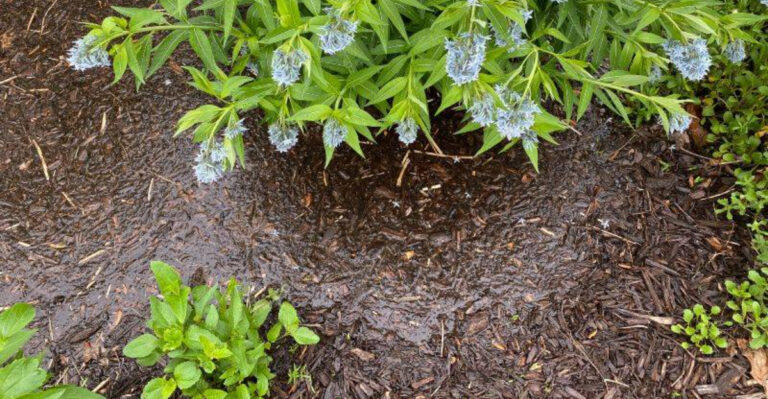
Mulch is your best friend here. A two to three inch layer of organic mulch around the base of each plant slows evaporation, moderates soil temperature, and keeps the root zone from drying out between waterings.
Just be careful to keep the mulch pulled back slightly from the crown of the plant. Piling mulch directly against the stem can trap moisture and cause rot at the base.
Spent flower spikes can be handled two different ways depending on your goals. Removing them tidies up the plant and may encourage a second flush of blooms.
Leaving some spikes standing allows the plant to set seed, which can result in new seedlings appearing nearby the following year. Great blue lobelia self-seeds readily in the right conditions, so you may find yourself with a growing colony over time.
During a prolonged August heat wave, check the soil moisture every few days. Letting it dry out completely can stress the plant and shorten the bloom period noticeably.