Here’s What It Means When A Fox Starts Patrolling Your Michigan Garden At Dusk
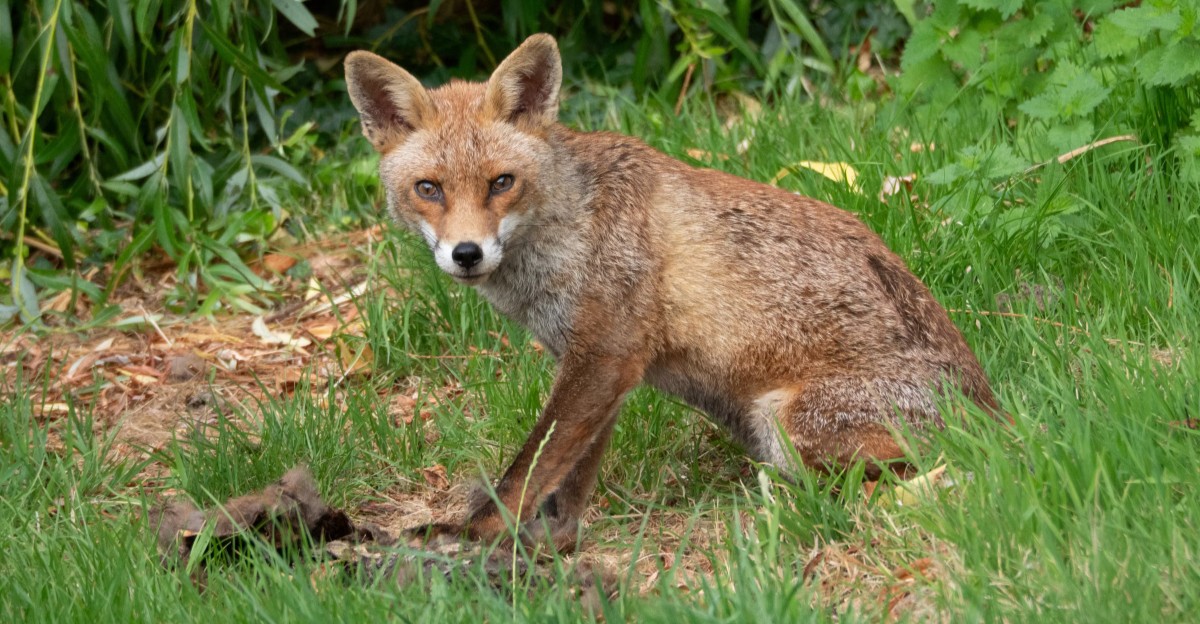
A red fox can hear a mouse squeak from about 100 feet away. That means the quiet rustle under your mulch is loud news to the visitor slipping past your tomato cages tonight.
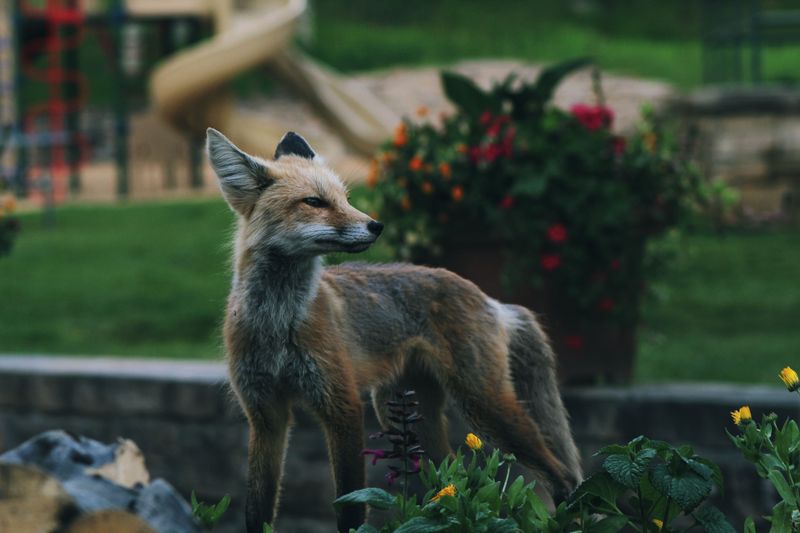
I love that moment when the light turns gold and the yard changes owners. The birds settle down, the crickets tune up, and a russet shape with a white-tipped tail starts walking the same path it walked yesterday.
In Michigan, these sightings happen from the suburbs of Detroit to the farm fields up north. Some gardeners feel thrilled, while others worry about pets, chickens, or holes in the lawn.
So what is that sly visitor really doing out there? I promise the answer says more about your garden than you might expect, and it may change how you feel about the next twilight stroll past your fence.
That Red Fox Trotting Past Your Shed Has A Schedule
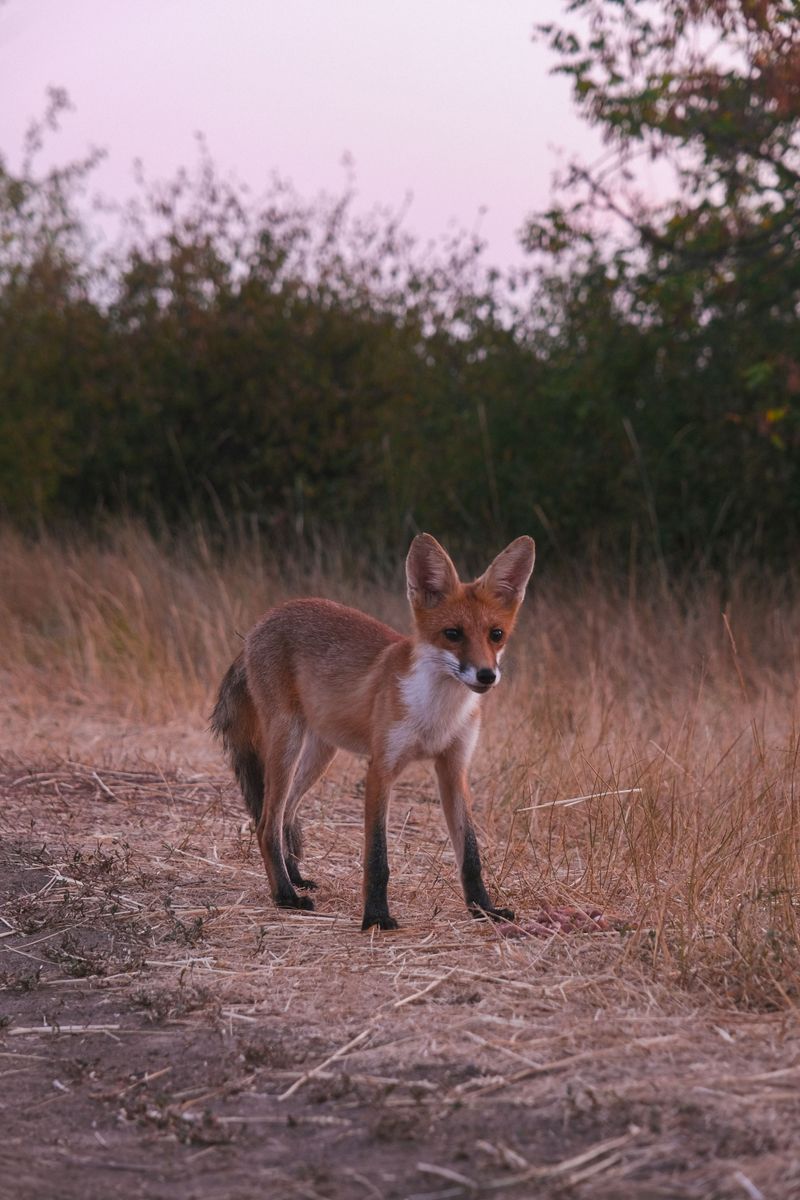
Foxes run on a clock that starts when your day winds down. Biologists call them crepuscular, which means they are most active around dawn and dusk.
Red foxes, the most common kind in Michigan, often rest during the day in brushy cover or under a quiet structure. As light fades, they get up and start moving through their home range. That range can cover several hundred acres or more in rural areas but is often much smaller in neighborhoods packed with food.
So when you see one crossing the same corner of your yard each evening, it is not lost. It is following a route, like a mail carrier with a favorite shortcut. Foxes remember where food showed up before, and they check those spots again.
Gray foxes live here too, mostly in the southern part of the state. They have a salt-and-pepper coat with a black stripe down the tail, and they can even climb trees.
Personally, I find it charming that your garden earned a spot on a wild animal’s nightly map. Keep a notebook of times and directions. After a week, you will probably notice a pattern that tells you exactly where your visitor enters and leaves.
Mice And Voles In Your Beds Are The Real Fox Magnet
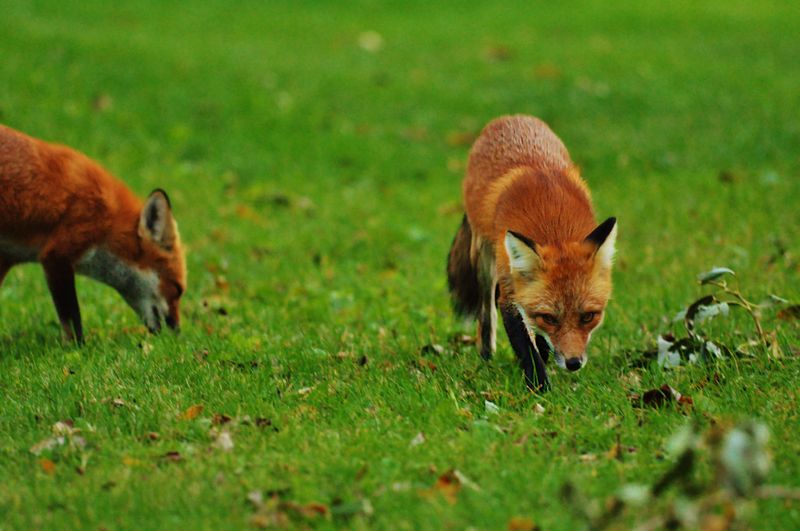
Here’s a bit of wildlife trivia that surprises a lot of gardeners. A fox can locate a rodent under grass or snow by sound and then leap high to pounce on it from above.
That signature mouse jump is the main reason your garden gets patrolled. Voles, deer mice, and young rabbits make up a big share of a red fox diet, and vegetable beds, thick mulch, and tall grass along fences are prime rodent hangouts.
Foxes also snack on insects, grubs, beetles, and crickets. In late summer and fall, they happily eat fallen apples, berries, and other soft fruit.
In other words, a fox at dusk is mostly shopping for groceries. It is not there to cause trouble, and it is rarely interested in you at all.
Your Michigan Garden Changes Every Week. Your Plan Should Too.
Gardening in Michigan changes quickly throughout the season. Every Friday you’ll receive a simple weekly plan showing exactly what to plant, prune, fertilize, harvest, and protect so you never miss the right timing.
If you have been fighting voles that chew bulbs and girdle young tree bark, take a closer look at the timing. A regular fox visit might line up with fewer tunnels and nibbled roots. You can encourage that hunting by leaving a little open lawn near beds, giving the fox a clear view of its target.
A Fox On Patrol Can Be Your Free Rodent Control Crew
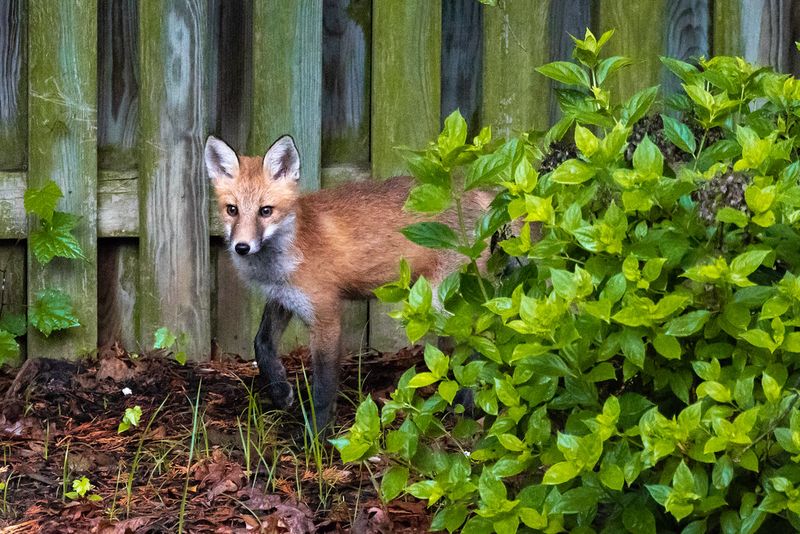
My favorite garden helpers usually work for free, and the fox might be the most stylish one in the bunch. One fox can eat a remarkable number of mice and voles in a single year.
Fewer rodents means fewer gnawed carrots, less bulb damage, and less bark chewing on fruit trees over winter. It also means fewer mice trying to move into your garage when the weather turns cold.
Many wildlife experts point out that foxes help balance rodent populations without any traps or poisons. That matters, because rodent baits can harm pets, hawks, owls, and the foxes themselves when they eat poisoned prey.
Want to keep the arrangement working? Skip rodenticides in your yard and garden shed. Use snap traps inside the house if needed, and let nature handle the outdoor crew.
You can also stop worrying if you spot a fox sniffing along a garden row. It is likely tracking a scent trail, not eyeing your peppers. Foxes mostly prefer protein and only nibble crops now and then.
Honestly, I would trade a few dug-up spots in the lawn for that kind of steady, quiet pest patrol any day of the week.
Little Holes In Your Lawn Might Be Fox Handiwork
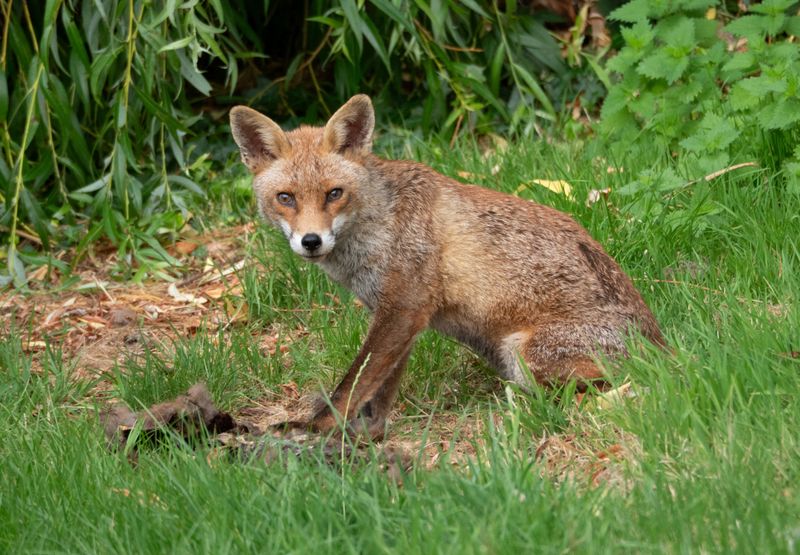
Not every fox habit wins a gardener’s applause. You may step outside one morning and find small, shallow holes scattered across the lawn or freshly turned soil in a raised bed.
Foxes dig for grubs, beetles, and earthworms, especially after rain softens the ground. They also bury extra food to eat later, a habit called caching. A fox might tuck a mouse or a piece of fruit into your soft mulch, then return to retrieve it.
Ripe strawberries, raspberries, and windfall apples can also disappear. A curious fox may even chew on soft irrigation tubing or plastic netting.
So how do you tell fox digging from skunk or raccoon work? Skunk holes are usually small cone-shaped pits, while raccoons often roll back strips of sod. Fox holes tend to be a bit deeper and fewer in number.
A few practical fixes help a lot. Pick ripe fruit promptly, gather windfalls daily, and cover fresh seedbeds with hardware cloth or chicken wire until plants get established.
Treating heavy grub problems can also reduce digging. Just choose a product labeled for lawns and follow directions, since a healthy lawn gives foxes less reason to dig.
Bird Feeders, Compost, And Pet Bowls Keep The Fox Coming Back
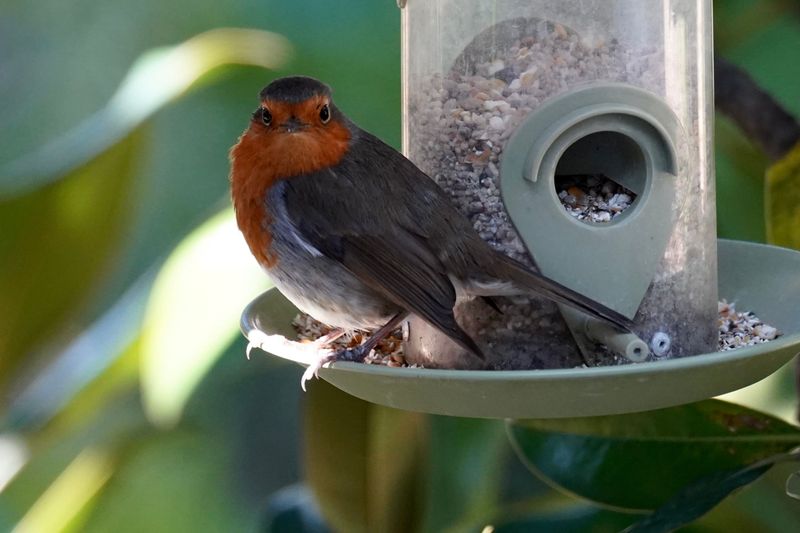
Ever wonder why one yard gets nightly fox visits while the house next door gets none? Usually, the answer is food that someone did not mean to share.
Spilled birdseed attracts mice and squirrels, and those attract foxes. Open compost piles with meat scraps, cooked food, or fruit peels are like a buffet sign. Cat or dog food left on the porch is another easy meal.
Garbage bins with loose lids and grills with greasy drip trays also send out tempting smells.
Shelter matters as well. Foxes look for quiet spots under decks, porches, sheds, and thick shrubs, especially in spring when they raise kits.
Run a quick evening walk-around and check for these hot spots. Rake up seed below feeders or use a tray that catches spills. Keep compost to plant material only, or switch to a closed bin.
Feed pets indoors and bring bowls inside before dark. Fasten garbage lids with bungee cords if needed.
Personally, I think this step solves most fox concerns before they begin. Once the easy snacks vanish, a fox usually spends less time in your yard and simply passes through on its regular route.
Spring Fox Kits Under Your Deck Mean A Short Stay
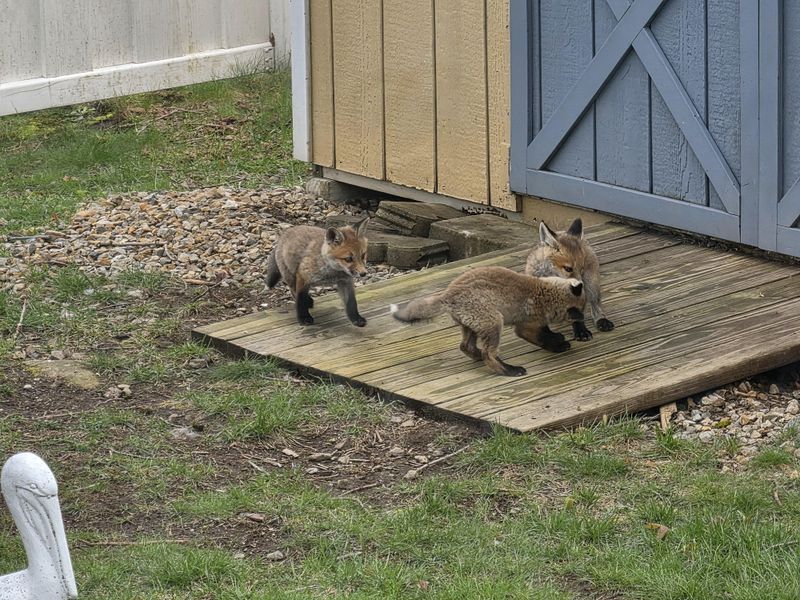
Spot a fox at dusk carrying food in its mouth in April or May, and you may have tiny neighbors nearby. Red foxes in Michigan usually give birth in early spring, and a litter often has four to six kits.
Parents may choose a den under a deck, shed, or brush pile. The adults hunt more during these weeks, so you may see them patrolling more often and with more purpose.
The comforting part is that this setup is temporary. Fox families tend to move away from the den once the kits grow and start exploring, often by early summer.
Watching playful kits tumble on the grass can be a real treat. Keep your distance, use binoculars, and never feed them, since handouts make young foxes too bold around people.
If the den location truly causes problems, wait for the family to leave before acting. Then close the opening with sturdy wire mesh buried several inches deep so the spot cannot be reused next year.
Avoid sealing an active den. Trapped kits would suffer, and the parents might dig frantically to reach them, which creates more damage than simple patience ever would.
Protect Your Backyard Chickens And Small Pets From Curious Foxes

Chicken keepers know the dusk hour is when trouble likes to show up. A fox patrolling your garden is likely to notice hens, ducks, or rabbits kept outdoors.
Poultry is the main place where fox visits deserve real attention. Lock birds in a sturdy coop every evening before dark, not after. Use hardware cloth instead of chicken wire, which keeps birds in but does little to keep predators out.
Bury an apron of wire about a foot out from the run walls to stop digging. Electric poultry netting also works well for free-range flocks.
What about cats and dogs? Healthy foxes rarely bother pets, and most avoid medium or large dogs. Small cats and tiny dogs are safer indoors or supervised at night, mostly because of the risk of scuffles.
Rabies in Michigan foxes is uncommon, but keeping pet vaccinations current gives extra peace of mind.
A fox acting strangely, such as wandering in circles, seeming unafraid, or appearing very thin with patchy fur from mange, should be left alone. Contact the Michigan Department of Natural Resources or a licensed wildlife control operator rather than approaching it yourself.
Motion Lights And Patience Help You Share The Garden With Foxes
Living alongside a fox is mostly about setting boundaries, not building walls. In my experience, a few simple steps make a big difference.
Start with gentle hazing if a fox lingers too comfortably. Clap your hands, raise your voice, or spray it with a garden hose from a distance. This keeps its healthy wariness of people intact.
Motion-activated lights and sprinklers can make favorite resting spots feel less relaxing. Moving them around every week or two keeps the fox from getting used to them.
Remember that the Michigan DNR generally does not relocate healthy foxes. Red foxes are also a regulated furbearer species in the state, so trapping or removal falls under specific seasons and rules. Hiring a licensed nuisance animal control business is the smart route if you truly need help.
Most of the time, though, the wisest choice is to enjoy the show. A fox at dusk signals a garden with enough life to feed a wild predator.
So tidy the food sources, protect the hens, and grab a seat by the window around sunset. That rusty tail slipping past your bean rows is a sign your little patch of earth is thriving.