This Native Tree Feeds More Pollinators Than Most North Carolina Yards Realize
A scraggly tree growing along fence lines across North Carolina quietly feeds more caterpillars than almost anything else in the Southeast. Birds plant it for free, and plenty of folks pull it up without a second glance.
Here’s something you might not expect. Researchers count close to 450 species of butterflies and moths that use this tree and its close relatives as a nursery. That includes the swallowtail sailing past your mailbox in June.
One thing I love about gardening is learning that the plain-looking plants often do the heaviest lifting. Its spring flowers buzz with bees, its summer fruit pulls in songbirds, and its leaves raise the caterpillars those birds need for their chicks.
So why does such a generous neighbor get so little credit? I tend to think most of us just walk right past it. Maybe that’s about to change in your yard.
1. That Scraggly Fence Line Cherry Tree Is Hiding A Big Secret
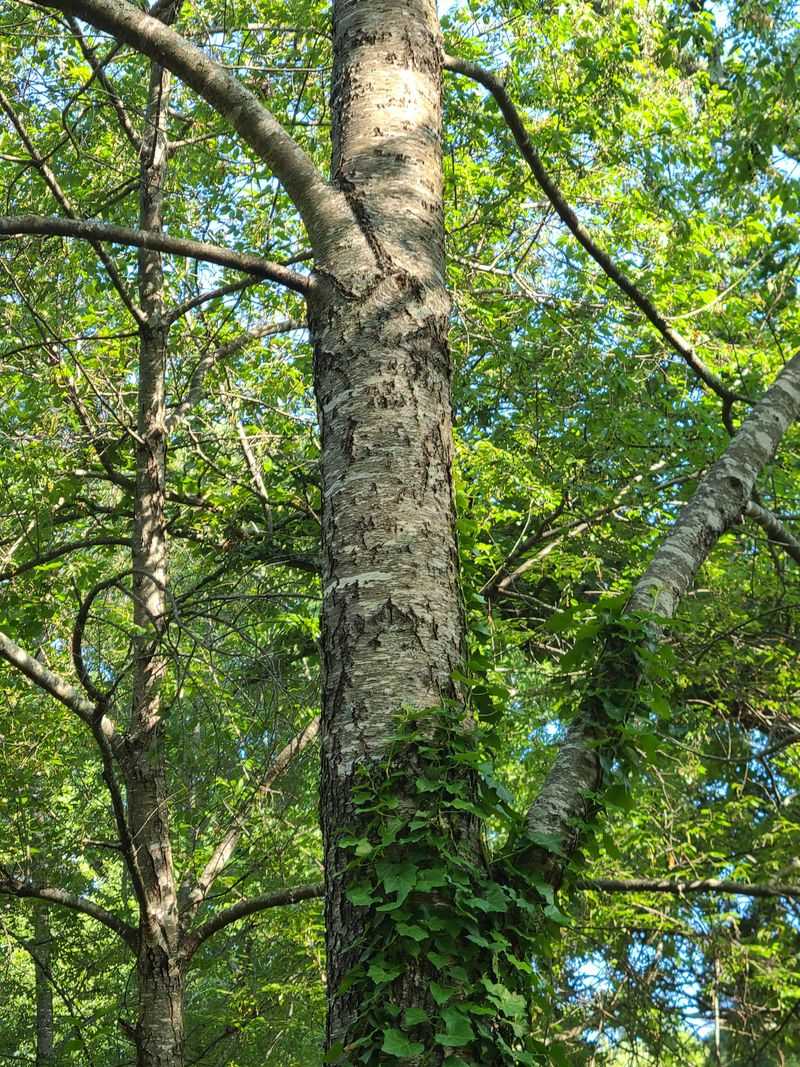
Walk along almost any old fence row in the Piedmont and you will probably spot it. The bark looks like burnt potato chips, and the leaves shine like they were waxed.
Most people see a volunteer weed tree that a bird dropped in the wrong place. I used to think the same thing until I learned what was going on in those branches.
The tree is the black cherry, Prunus serotina, a native that grows from the mountains to the coast. It is one of the most common trees in eastern forests, which is exactly why it gets overlooked.
What makes it special is not one flashy feature. It is the way the tree feeds wildlife through nearly every season of the year.
Spring brings flowers loaded with pollen and nectar. Summer brings caterpillars and ripe fruit, and fall brings yellow and orange leaves before the tree rests for winter.
Native plant experts at places like the North Carolina Wildlife Federation point to it as a top pick for backyard habitat.
So before you reach for the pruning saw, take a closer look at that scruffy tree by the fence. You might already own one of the best pollinator plants around.
2. Black Cherry Hosts Nearly 450 Kinds Of Butterflies And Moths
Close to 450 species of butterflies and moths can raise their young on cherry trees in the Prunus group, according to research by entomologist Doug Tallamy. Black cherry is a big part of that group, and it ranks near the top among native trees.
That matters because a pollinator is more than an adult on a flower. Most butterflies and moths can only lay eggs on certain host plants, and their caterpillars need those exact leaves to grow.
A yard full of pretty blooms but no host plants is a bit like a restaurant with no nursery next door. Adults stop by for a snack, then leave to find somewhere else to raise a family.
Black cherry fixes that problem. Eastern tiger swallowtails, red-spotted purples, coral hairstreaks, and spring azures all use it, along with hundreds of moths.
Some of those moths are giants, like the cecropia and the promethea. Many are tiny night fliers that help pollinate flowers after dark.
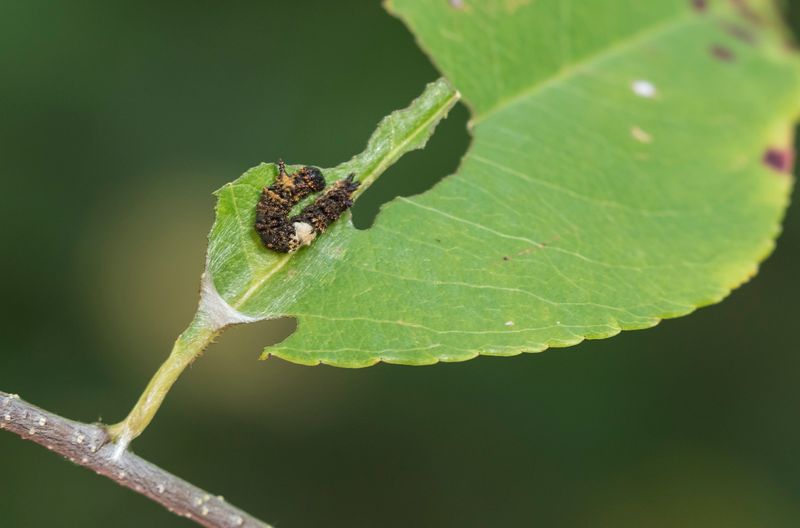
Fun fact: the red-spotted purple caterpillar looks like a bird dropping on purpose. That clever disguise helps it hide right out in the open on a cherry leaf.
3. Caterpillars On Cherry Leaves Turn Into Baby Bird Dinners
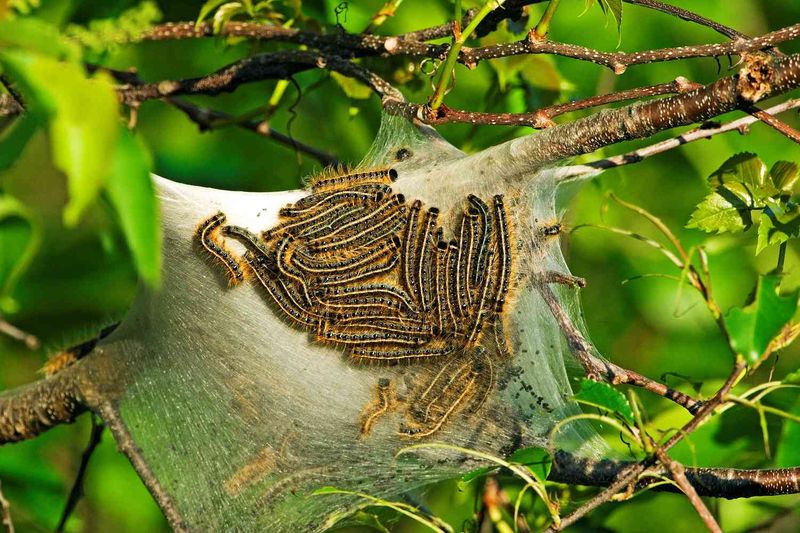
A single pair of Carolina chickadees may need several thousand caterpillars to raise one nest of chicks. Tallamy’s research put the number somewhere between 6,000 and 9,000.
Read that again and then look at your yard. Where would all those caterpillars come from? Baby songbirds mostly cannot eat seeds. They need soft, protein-packed food, and caterpillars are the perfect size and texture.
Black cherry turns into a caterpillar buffet every spring, right when nesting season kicks off. Parents can grab meal after meal without flying far from the nest, which saves them energy and keeps chicks safer.
Don’t panic if you see a few chewed leaves. A healthy tree handles that kind of nibbling just fine, and the holes mean the system is working.
Skip the broad insecticide sprays on and around your cherry. Those products cannot tell a pest from a future swallowtail, and they cut off the food birds are counting on.
I like to sit near my tree in May with a cup of coffee and watch. Wrens, warblers, and chickadees hop from branch to branch, busy as shoppers on a sale day.
4. Drooping White Cherry Blossoms Pull In Bees Every Spring
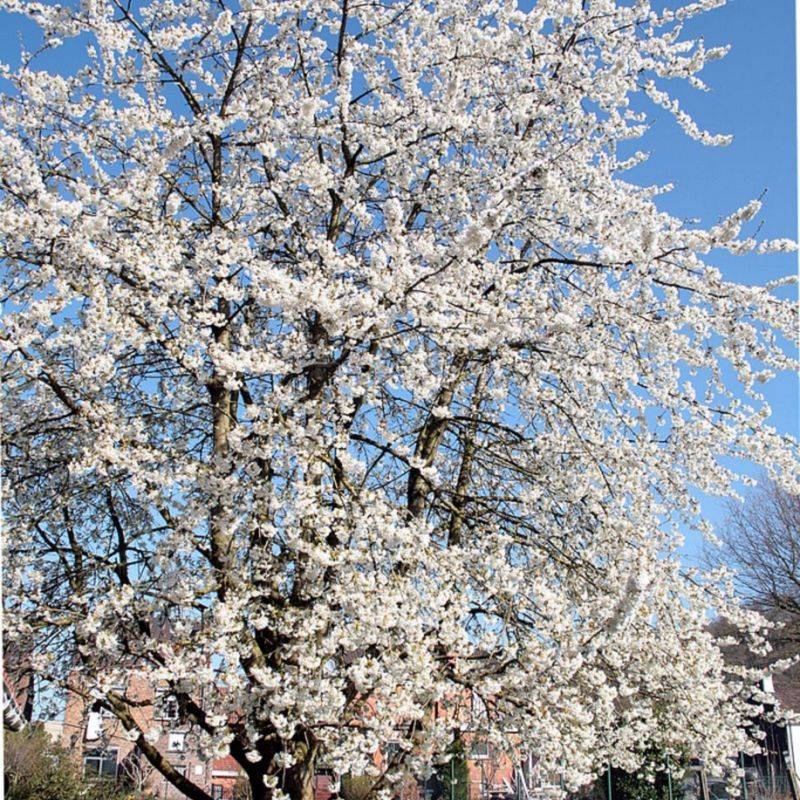
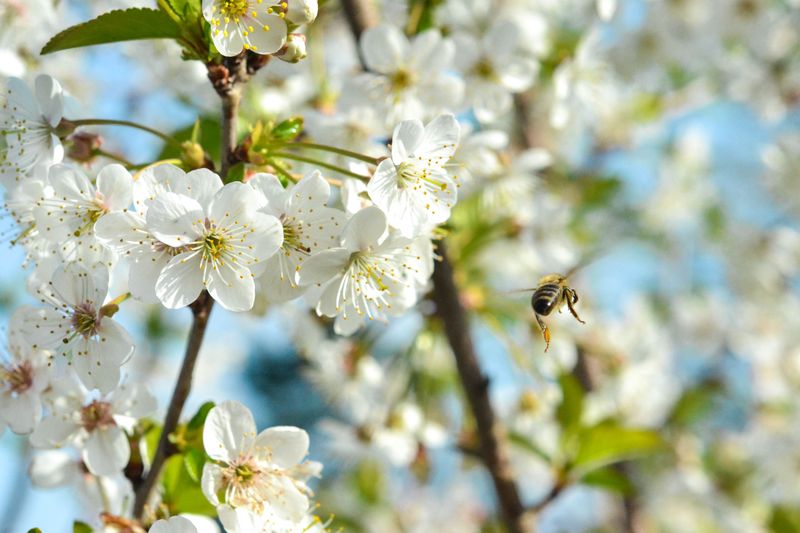
Spring in the Carolinas comes with a soft white fringe hanging from black cherry branches. The flowers grow in long, droopy chains about four to six inches long.
Each chain holds dozens of tiny five-petaled blossoms. Up close they smell faintly sweet, and on a sunny day they hum with activity.
Bloom time usually lands in April near the coast and Piedmont and a bit later in the mountains. That timing helps native bees that wake up early and need pollen to start their nests.
Mining bees, sweat bees, small carpenter bees, and bumblebee queens all visit. Flies, beetles, and early butterflies show up for a sip of nectar too.
Honey bees enjoy the flowers as well, though native bees are the real stars here. Many of them stay close to home, so a blooming tree in your yard can make a huge difference for them.
Here is a simple tip. Leave some bare soil and fallen leaves under or near your tree. About 70 percent of native bees nest in the ground, so that messy patch becomes a nursery right below their favorite spring snack bar.
5. Dark Purple Wild Cherries Feed Songbirds And Turkeys Too
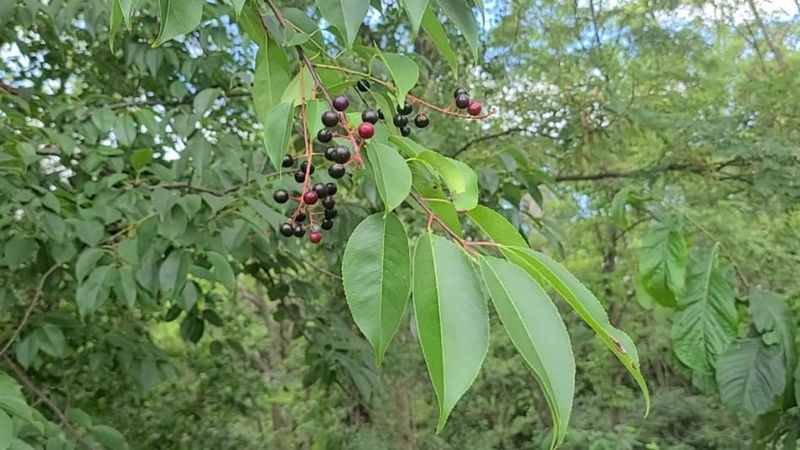
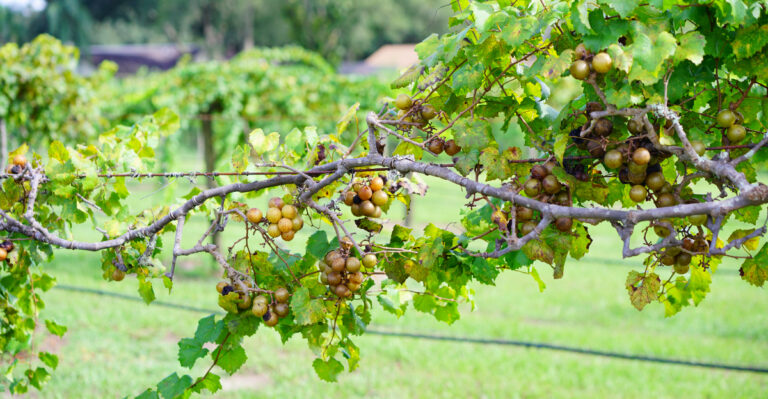
By late summer, those spring flowers have turned into small, shiny cherries. They start red and ripen to a deep purple that is almost black.
Birds seem to know the exact week they are ready. Cedar waxwings, robins, brown thrashers, bluebirds, and woodpeckers show up in waves.
On the ground, wild turkeys, quail, foxes, raccoons, and deer clean up whatever falls. It is basically a neighborhood cookout that runs for weeks.
Migrating birds benefit as well. Many songbirds head south in late summer and early fall, and they need high-energy fruit to fuel the trip.
The cherries are edible for people once fully ripe, with a tart, slightly bitter flavor. Folks have used them for jelly and syrup for generations, but the pits, stems, and leaves should not be eaten.
Fun history bit: the name serotina means late, because this cherry blooms and fruits later than many of its relatives.
Plan for a little purple mess if your tree hangs over a patio or driveway. A spot at the edge of the lawn or in a back corner keeps everyone happy, including you.
6. Planting A Young Black Cherry Tree Goes Best In Fall Or Winter
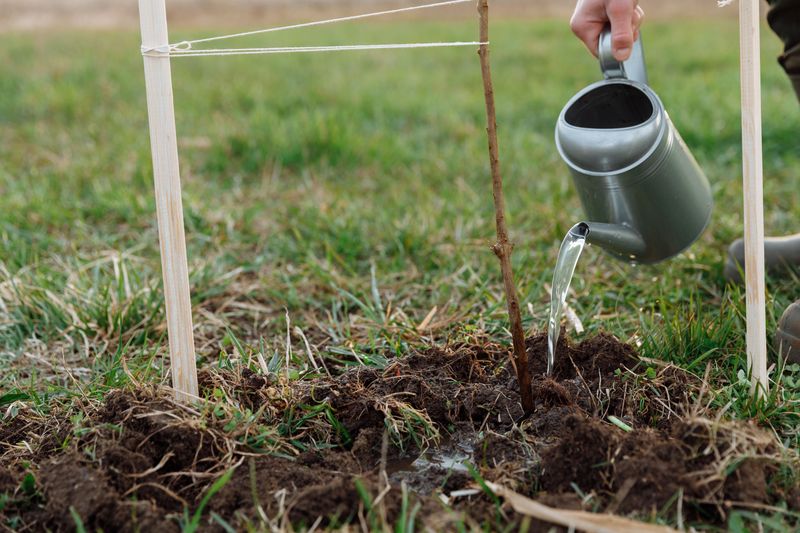
Timing is your best friend with this tree. Late fall through early spring is the sweet spot for planting black cherry in most of the state.
Cooler weather lets roots settle in before summer heat arrives. Winter rain also does a lot of the watering for you.
Pick a spot with full sun or partial sun. Black cherry grows in USDA zones 3 through 9, so it handles mountain, Piedmont, and coastal plain climates in North Carolina.
It prefers moist, well-drained soil but tolerates clay and sandy ground better than many trees. Avoid soggy low spots where water sits for days.
Give it room to grow. A mature tree can reach 50 to 80 feet in the wild, though yard trees often stay smaller.
Dig a hole wider than the root ball but no deeper. Spread two to three inches of mulch in a wide ring, keeping it a few inches away from the trunk.
Water deeply once a week during dry spells for the first two summers. After that, this tough native mostly takes care of itself. Look for plants at native nurseries, or simply let a bird-planted seedling grow where it pops up.
7. Wilted Cherry Leaves And Tent Caterpillar Nests Need A Little Caution
No tree is perfect, and black cherry has a couple of quirks worth knowing. Being upfront about them helps you plant with confidence.
First, the leaves, twigs, and seeds contain compounds that can release cyanide. Wilted leaves after a storm are the riskiest, especially for horses, cattle, goats, and other livestock.
If you keep grazing animals, NC State Extension advises keeping black cherry out of pastures or cleaning up fallen branches quickly. In a typical suburban yard with dogs and kids, it is far less of a concern, though nobody should snack on leaves or pits.
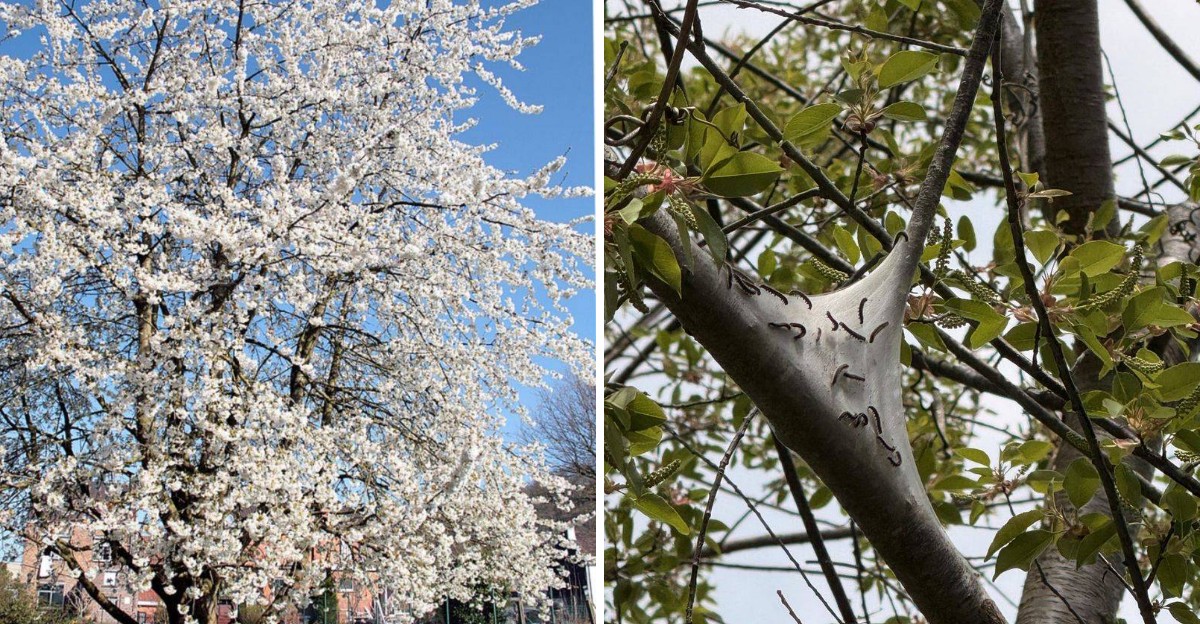
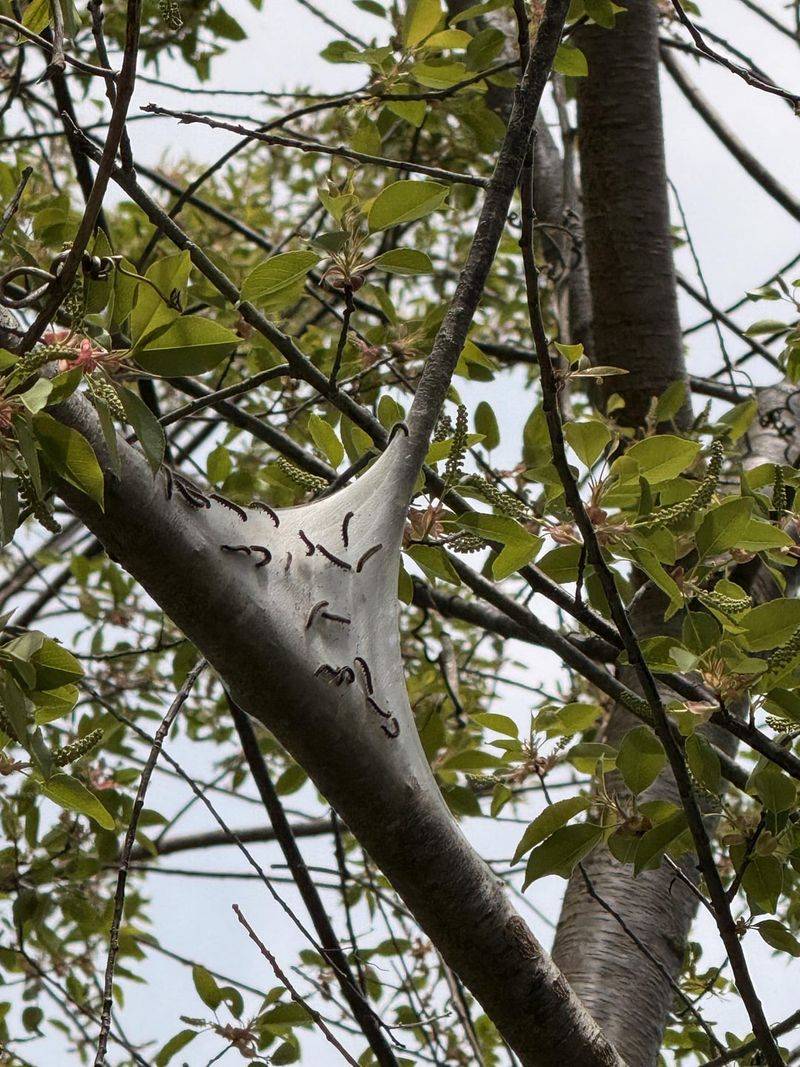
Second, you may notice silky white tents in branch forks each spring. Those belong to eastern tent caterpillars, a native insect that loves cherry.
They can look alarming, but healthy trees usually leaf out again within weeks. Cuckoos and other birds eat them, and you can pull reachable tents out by hand on a cool morning.
Black knot, a fungus that forms lumpy black swellings on twigs, sometimes shows up too. Prune infected twigs in late winter, cutting a few inches below the swelling, and toss them in the trash. Small hassles, big payoff.
8. One Black Cherry Can Anchor Your Whole Pollinator Garden
Ask me for one tree that gives the most back, and black cherry lands near the top of my list. It feeds bees in spring, caterpillars and birds in summer, and migrating wildlife in fall.
Think of it as the anchor of your yard. Everything else you plant can build around it.
Pair it with native flowers that bloom at different times. Golden ragwort and wild columbine shine early, while coneflowers, mountain mint, asters, and goldenrod carry pollinators through summer and fall.
Add a shrub layer with spicebush, blueberries, or native viburnums. Layers give birds places to nest and caterpillars places to hide.
Leave the fallen leaves under your tree when autumn arrives. Many moths and butterflies spend the winter tucked into that leaf litter as pupae or eggs.
Already have a wild cherry seedling popping up somewhere? Consider letting it stay if it has enough room to grow.
Small steps add up fast. When neighbors on the same street each plant a few natives, they create a patchwork of habitat that helps wildlife move safely across town. Your yard could be the first square in that quilt.