9 Bulbs Virginia Gardeners Can Still Plant Through November and Into December
A cold, wet flower bed in December can be the exact spot where next April’s flowers begin their lives. Those dormant lumps actually need weeks of winter chill to trigger the changes that lead to blooms.
Virginia stretches across USDA hardiness zones 5a through 8b, so planting windows shift as you travel east. Gardeners near the coast can often keep digging into December while mountain folks usually wrap up sooner.
Take it from someone who once left a whole sack in the garage until the holidays arrived. Those forgotten treasures went into chilly soil late, and they still put on a cheerful, colorful show by spring.
The real trick is cool soil sitting around 50 to 55 degrees that has not frozen solid yet. So which late-season picks deserve that last sunny weekend before the ground locks up across Virginia?
1. Daffodils
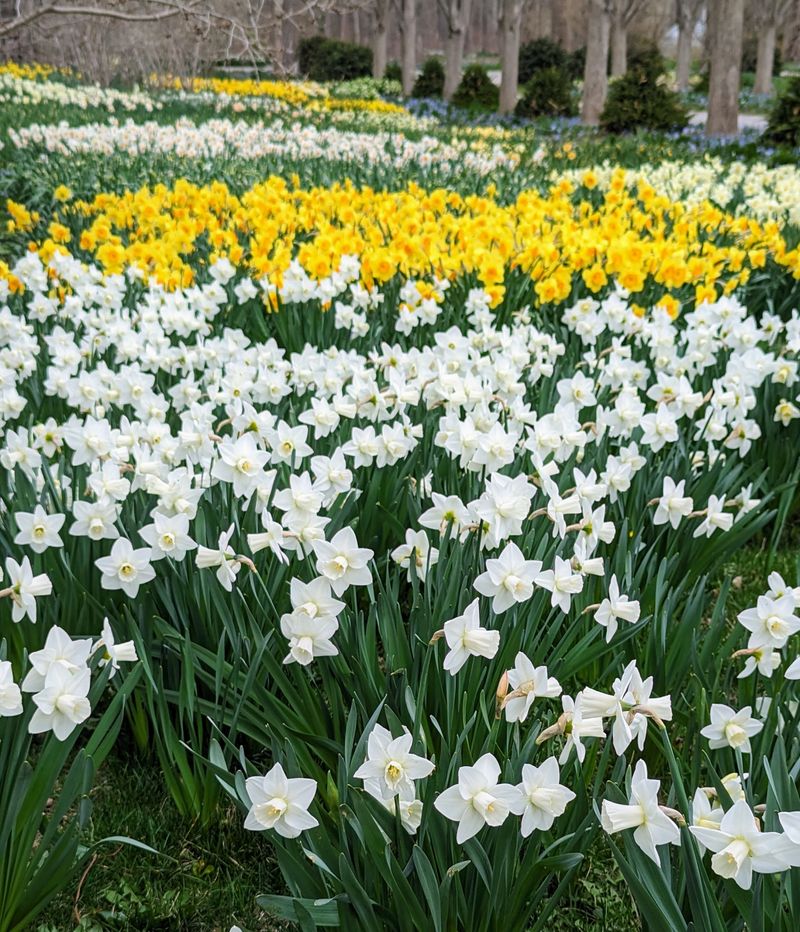
Deer will sniff a daffodil, wrinkle their noses, and walk away because the whole plant contains bitter, toxic compounds. I love that kind of built-in security, especially after watching my tulips vanish overnight one hungry spring.
Daffodils belong to the genus Narcissus, and they grow happily in every hardiness zone across Virginia. That means mountain gardeners and coastal gardeners can both count on them returning year after year.
Dig each hole about six inches deep and space the bulbs roughly six inches apart for natural clumps. Set the pointy end facing up, then cover the bulb with loose soil and press it down gently.
Well-drained soil enriched with compost keeps the bulbs from rotting during our soggy winter rain spells. Full sun gives the best show, although partial sun still produces plenty of trumpet-shaped flowers each spring.
Late planting works fine for these sturdy bulbs as long as the ground can still be worked. Roots form quickly in cool soil, so a December planting often blooms right on schedule in early spring.
Flowers often last four to six weeks, especially when you mix early varieties with later ones nearby. Over the years the clumps spread steadily, which gardeners call naturalizing, and it feels like free flowers.
Let the leaves stay green until they yellow on their own, since they feed next year’s blooms. Cutting them early is a mistake I made once, and the following spring looked pretty skimpy.
2. Tulips
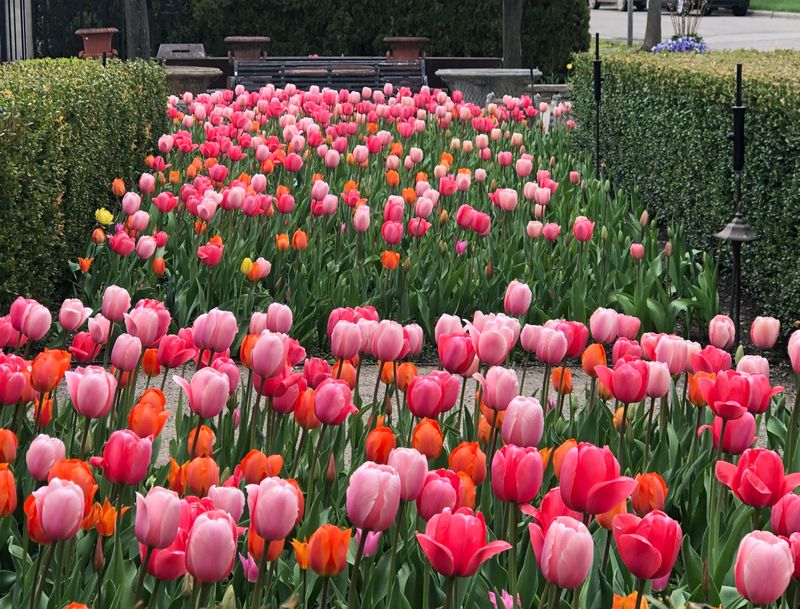
Tulips actually prefer to go into the ground late, once soil temperatures settle below about 55 degrees. Waiting until mid-November is often ideal here, which makes them a perfect pick for procrastinating gardeners like me.
Gardeners in warmer southern states often chill bulbs in the fridge first, but that step usually isn’t needed here. Our natural winter cold handles the job, giving the bulbs the long chill they need to flower.
Plant bulbs four to eight inches deep, with bigger bulbs going deeper, and space them about the same distance. Sandy, well-drained soil works best, since tulips tend to sulk and rot quickly in heavy, waterlogged clay.
Full sun helps stems grow thick and strong, and the flowers open larger and brighter in spring. A spot near a south-facing wall can warm up early and give you blooms a little sooner.
Between you and me, deer and squirrels treat tulips like a salad bar, so protection really matters. Lay chicken wire over the planting bed before mulching, or tuck bulbs among daffodils to confuse hungry visitors.
Many hybrid tulips bloom best in their first year and fade a bit in later seasons. Plenty of gardeners treat them as annuals, replanting fresh bulbs each fall for a dependable burst of color.
Species tulips, sometimes called botanical tulips, tend to return more reliably when tucked into sunny, well-drained spots. They are smaller and less showy, yet their cheerful little faces win me over every single spring.
3. Hyacinths
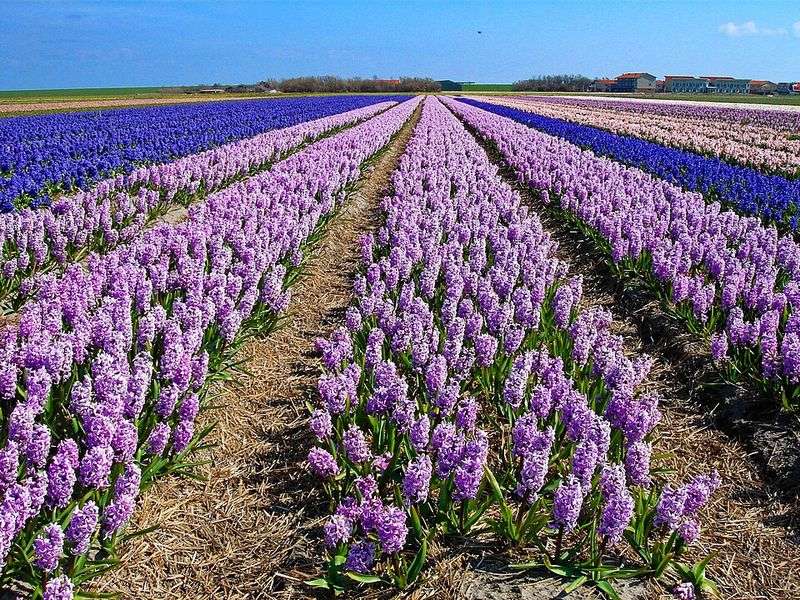
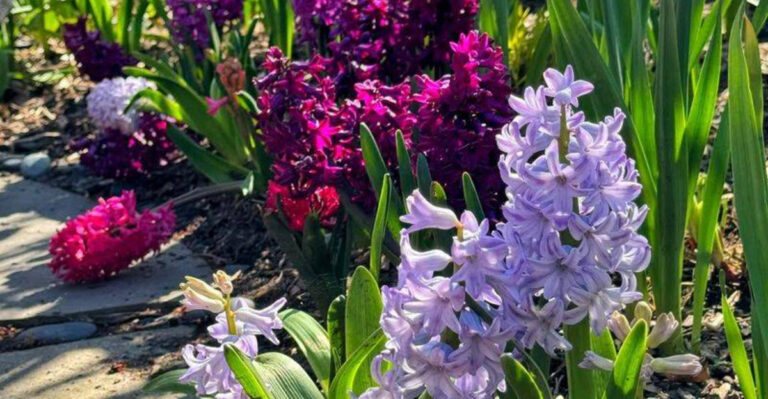
One hyacinth spike can perfume an entire front walk, and the scent drifts in whenever you open the door. Honestly, I plant a few near my steps just so I can enjoy that sweet smell in April.
Hyacinths, known botanically as Hyacinthus orientalis, need a long cold period to form their dense flower spikes. Winters across most of the state provide plenty of chill, making late fall planting a natural fit.
Wear gloves while handling the bulbs, since their papery skins can irritate sensitive hands and cause itching. I learned that lesson the hard way after an afternoon of bare-handed planting left my wrists red.
Set each bulb roughly six to eight inches deep and about four to six inches apart in the bed. Full sun keeps the stems upright and the colors rich, while shade often produces floppy, weaker spikes.
Drainage matters a lot, because these plump bulbs can rot if water sits around them all winter. Mixing compost into heavy soil before planting helps water move through instead of pooling around the roots.
Gardeners in the warmest coastal areas sometimes chill bulbs in the refrigerator for several weeks during mild winters. Keep them away from fruit like apples, which release ethylene gas that can harm the developing flower buds.
Deer and squirrels mostly leave hyacinths alone, which makes them a smart choice near wooded yards. Blooms usually arrive in mid-spring, and the second-year spikes often look looser but still smell wonderful.
4. Alliums
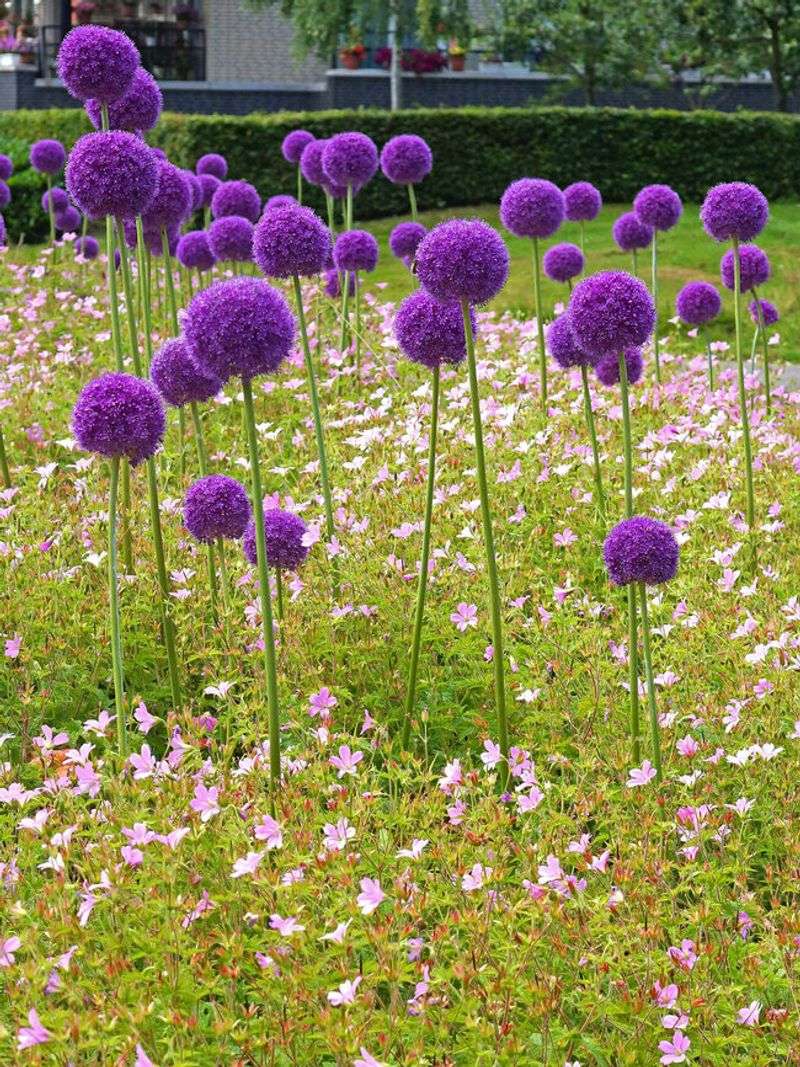
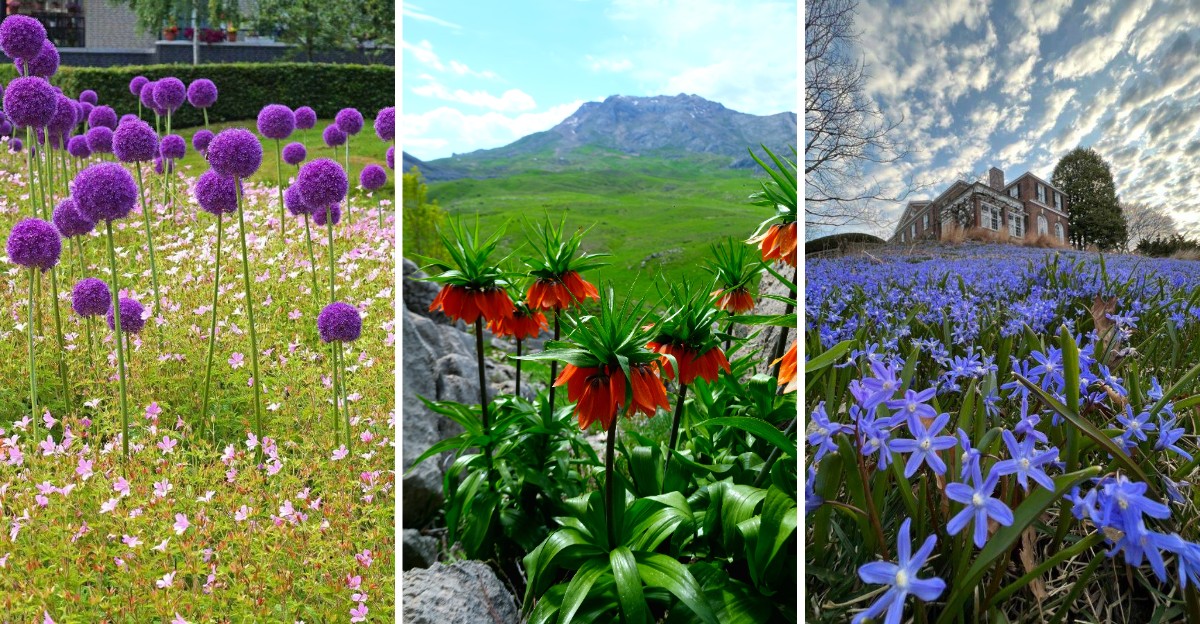
Purple globes the size of softballs bobbing above the garden in late spring often draw questions from neighbors. Those dramatic flowers are ornamental onions, and they come from the same family as the onions in your kitchen.
Alliums range from tiny six-inch varieties to towering types that can reach about five feet tall. Mixing a few heights creates a fun, layered look, with short ones in front and giants behind.
That oniony scent is a real bonus, because deer and rodents usually turn up their noses at it. If voles have raided your bulbs before, alliums are among the safest bets for a peaceful spring.
Plant each bulb about three times as deep as its height, which typically lands between four and eight inches. Larger bulbs go deeper, and smaller ones stay closer to the surface where they can push through easily.
Sunny spots suit them best, and fast-draining soil keeps the bulbs from turning mushy over winter. Heavy clay benefits from a few handfuls of grit or coarse sand mixed into each planting hole.
Blooms usually show up in late spring to early summer, filling the gap after tulips fade away. Pollinators adore them, and I often count several bees working a single flower head on warm afternoons.
Allium leaves often start yellowing while the flowers are still open, which can look a bit messy. Tuck them behind perennials like catmint or hostas so fresh foliage hides the fading leaves nicely.
5. Crocus
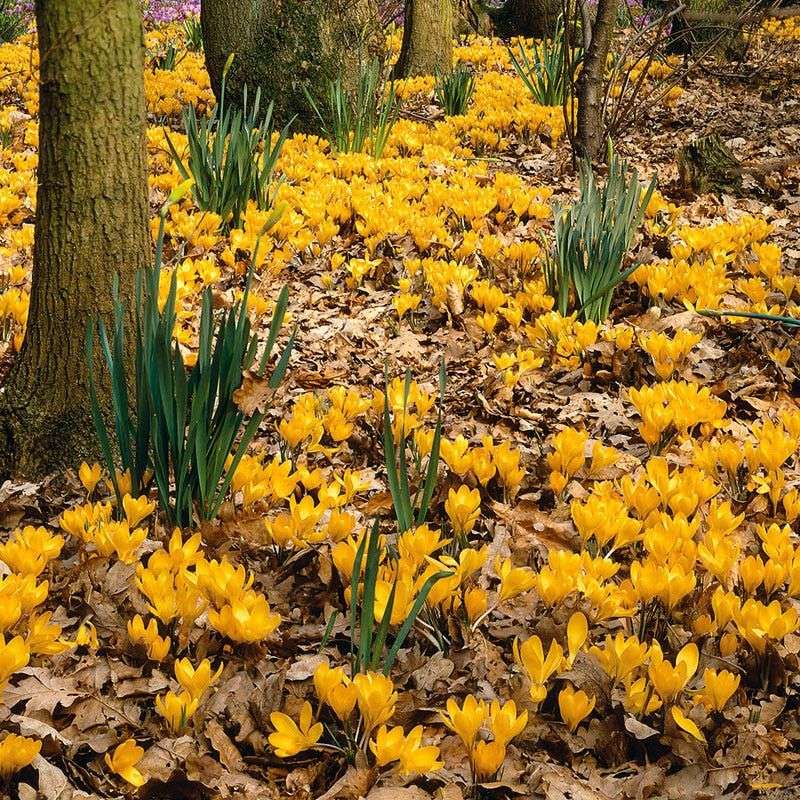
Few sights lift my winter mood like a crocus popping open on a sunny February afternoon. The petals close up at night and on cloudy days, then spread wide again once sunshine returns.
Crocus bulbs are technically corms, which are swollen underground stems that store food for the coming season. They are tiny and inexpensive, so planting a few dozen costs less than a single potted mum.
Dig holes about three inches deep and space the corms roughly four inches apart for a natural look. Scattering them by the handful and planting wherever they land creates a charming, random drift across the lawn.
Well-drained soil keeps them healthy, and they handle full sun or partial shade without much fuss. Spots under deciduous trees work nicely, since the branches stay bare while crocuses bloom in late winter.
Squirrels and chipmunks find crocus corms tasty, so a little protection after planting can save your investment. Laying a piece of hardware cloth over the area until spring discourages digging without blocking the shoots.
Let’s just say I lost an entire bag once to a single determined squirrel in my backyard. These days I water the bed right away, since fresh soil smells and loose dirt attract digging.
Bees appreciate crocuses too, because the flowers offer early pollen when little else is blooming nearby. Leave the grassy leaves alone after flowering so the corms can recharge and multiply for next year.
6. Snowdrops
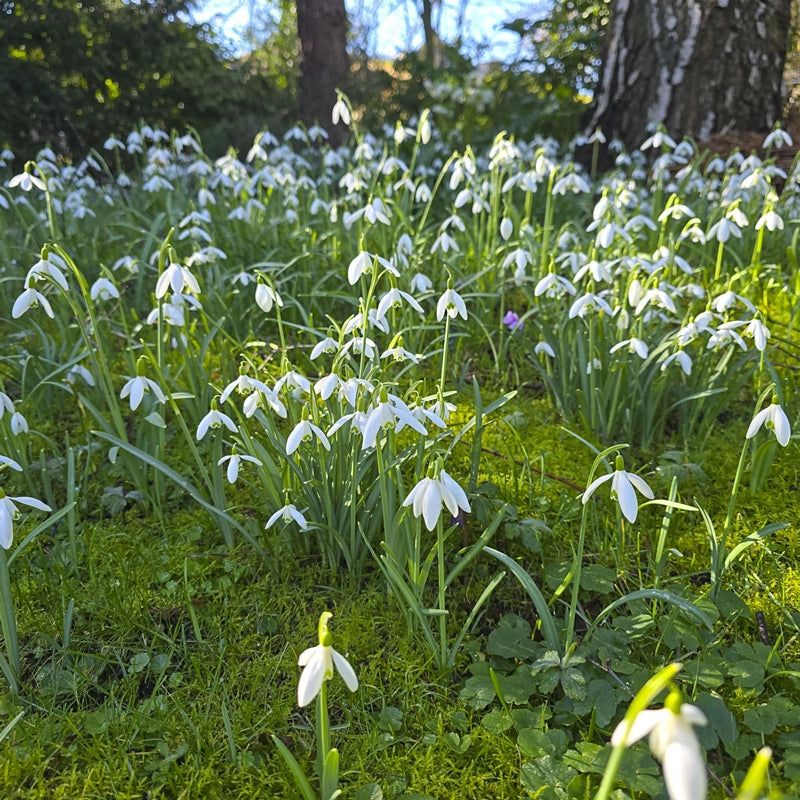
Snowdrops sometimes push their nodding white bells right through a thin layer of snow in late winter. That stubborn little act of bravery makes them one of my favorite surprises during the gray months.
Galanthus nivalis is the common snowdrop, and it grows well across USDA hardiness zones three through nine. That range covers the entire state, from the Blue Ridge Mountains down to the Tidewater coast.
Dry bulbs are best planted early in fall, so late plantings may bloom lightly the first year. For what it’s worth, my late batch still produced a few flowers and filled in nicely afterward.
Plant them about three inches deep and three inches apart in soil that drains well but stays slightly moist. Light shade under deciduous trees mimics their natural woodland home and keeps them comfortable as summer heat arrives.
Buy firm bulbs and plant them soon after purchase, since snowdrops dislike drying out in storage. Shriveled or soft bulbs rarely perform well, so check each one carefully before tucking it into the soil.
Experienced growers often move snowdrops in the green, meaning just after flowering while leaves are still growing. Friends with established clumps may happily share a few, and late winter is the perfect time to ask.
Deer generally avoid snowdrops, which helps in neighborhoods where hungry herds wander through backyards every single evening. Over several years, a small handful can spread into a sweeping white carpet beneath your trees.
7. Glory Of The Snow
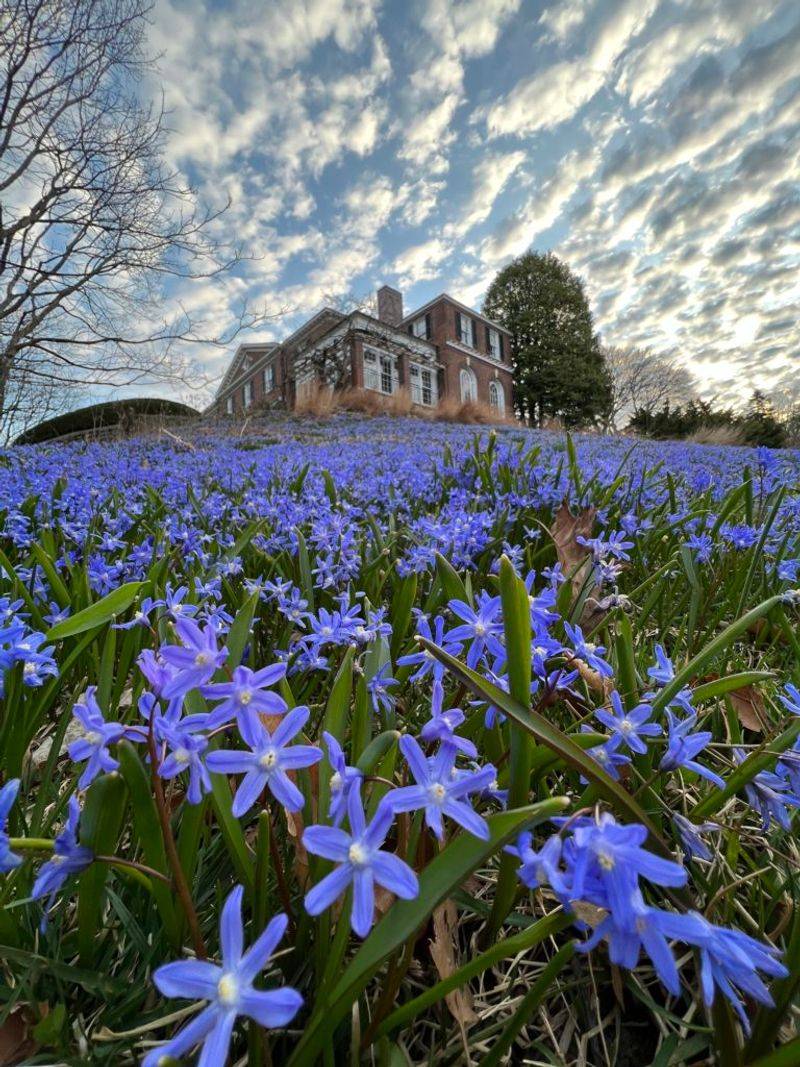
Starry blue flowers with bright white centers make glory-of-the-snow look like a scrap of sky fell into your garden. The name comes from its habit of blooming in mountain meadows as the snow melts away.
Chionodoxa forbesii is hardy in zones three through eight, which covers most home gardens across Virginia. The hottest corners of the southeast may push its limits, so a bit of afternoon shade helps there.
Plant the small bulbs about three to four inches deep, setting them close together for a fuller look. A tight grouping of twenty or more creates far more impact than a few scattered singles ever could.
Well-drained soil is essential, because these bulbs can rot in heavy ground that stays wet for weeks. Full sun or partial shade both work, and they look lovely tucked beneath shrubs that leaf out later.
Blooms arrive in late winter to early spring, often around the same time as the earliest daffodils. If you ask me, blue and yellow together is one of the happiest color pairings in the garden.
These little charmers naturalize readily, spreading by offsets and seeds into sweeping blue colonies over the years. Watch for small seedlings near the original planting, since they will flower once they mature in a few seasons.
Animals sometimes nibble the foliage or dig the bulbs, so planting near alliums or daffodils may offer cover. Their low height makes them great for rock gardens or the front edges of mixed borders.
8. Fritillaria
Checkered petals that look like a tiny game board make the snake’s head fritillary a real conversation starter. Guests at my garden often bend down twice, just to make sure those patterns are actually real.
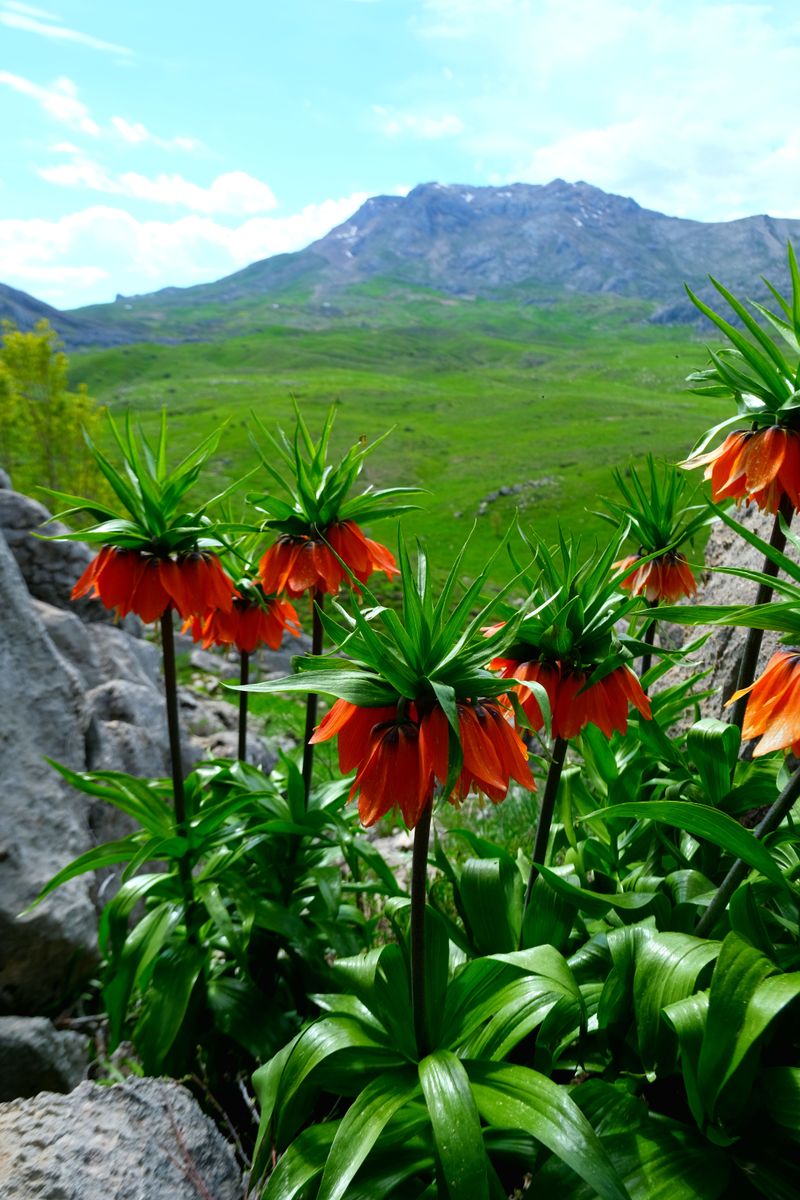
Fritillaria meleagris, also called checker lily, produces dainty nodding bells in maroon or white with a checkerboard pattern. Its taller cousin, Fritillaria persica, sends up dramatic plum-purple spires that can stand several feet tall.
Some species give off a musky odor, which many gardeners believe helps keep deer and rodents away. Animals tend to leave fritillarias alone, making them a handy choice where critters cause constant trouble.
Plant large bulbs five to six inches deep, while the smaller checker lily goes about three to four inches. Tilt the bulbs slightly on their sides so water cannot collect in the hollow crown and cause rot.
Sunny spots with fast-draining soil suit most types, and a handful of grit helps in heavy clay. Checker lilies are a bit unusual, since they tolerate moister ground than most spring bulbs do.
Fritillaria bulbs lack the protective papery coat found on tulips, so they dry out quickly in storage. Plant them soon after buying, ideally within a few days, rather than letting the bag sit around.
Bloom times vary by species, but most flower sometime in spring alongside tulips and other favorites. Don’t make my mistake of planting them too shallow, because the tall types flopped badly that first year.
9. Grape Hyacinths
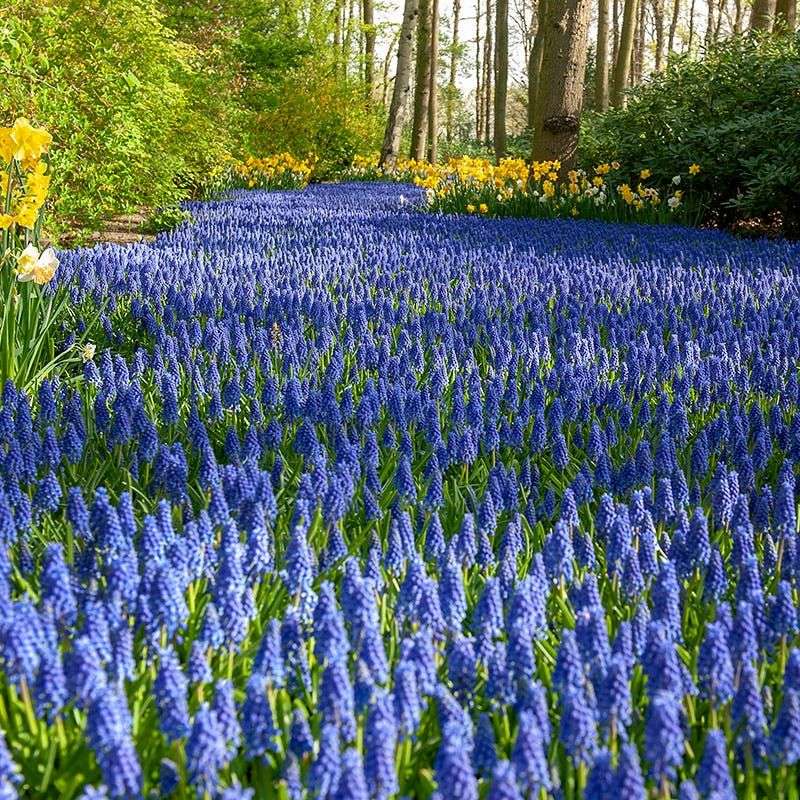
Grape hyacinths look exactly like tiny bunches of upside-down grapes, and some varieties even smell faintly fruity. Kids in my family love them, and honestly, I still smile every time the first blue clusters appear.
Muscari armeniacum is the most common species, and it grows easily in sunny gardens throughout Virginia. Despite the name, these flowers are not true hyacinths, although they belong to the same broader plant family.
Plant bulbs about three inches deep and two to three inches apart in well-drained soil. Small bulbs look best in generous groups, so plan on planting at least a couple dozen together.
Full sun produces the most flowers, though grape hyacinths handle partial shade better than many spring bulbs. They also make a lovely ribbon of blue along walkways, especially when planted in winding curved lines.
Deer usually ignore muscari, which makes them a reliable option for yards bordering woods or open fields. Their grassy leaves often appear in fall, so seeing green shoots before winter is perfectly normal.
Blooms typically arrive in mid-spring, often lining up with daffodils and early tulips for a bright combination. I like planting them as a blue skirt around taller bulbs, and the effect looks surprisingly professional.
Over time, muscari spreads by offsets and seeds, sometimes more enthusiastically than tidy gardeners might prefer. Snipping off the spent flower spikes limits reseeding, while the leaves keep feeding the bulbs for next spring.