This North Carolina Native Shrub Gives You Fall Color Without The Burning Bush Problem
Your neighbor’s shrub is spectacular right now.
Electric red, the kind of fall color that makes people slow down in the driveway to look at it.
It’s also probably showing up in the woods behind the neighborhood, and nobody planted it there.
That plant is burning bush, and North Carolina lists it as invasive for exactly that reason. Birds eat the fruit, carry the seed into forests and stream edges, and the shrub establishes where it competes with everything native.
Here’s the part worth knowing. There’s a shrub that delivers comparable fall color, belongs to this region, and does something burning bush never manages.
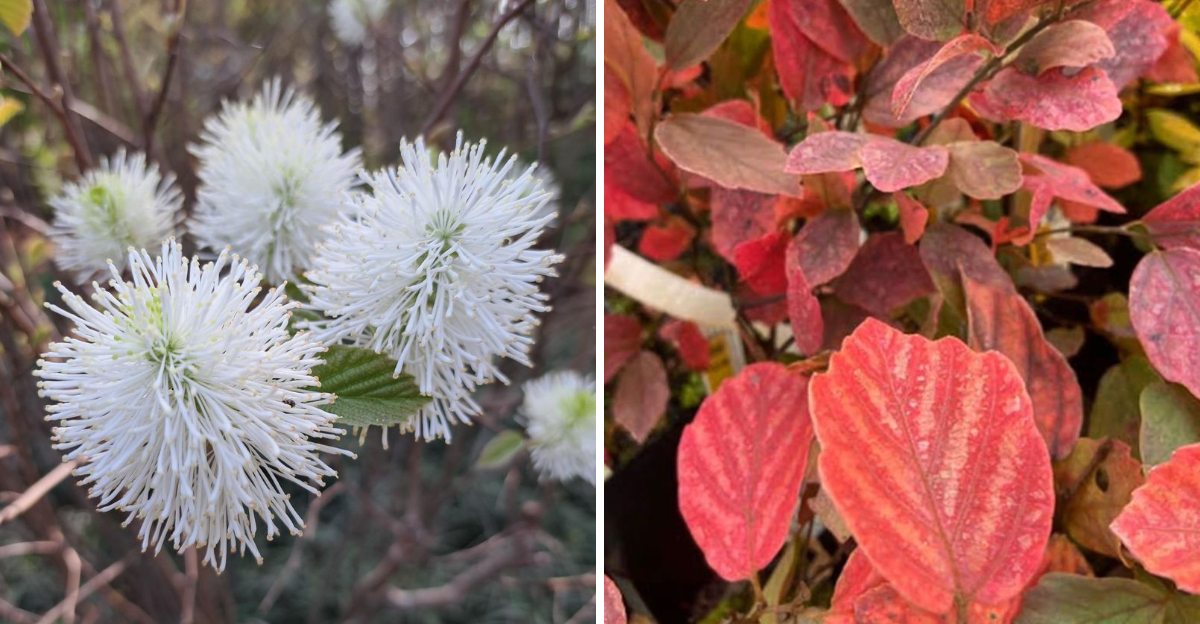
It flowers in spring. Fragrant white bottlebrush blooms on bare stems, weeks before most of the garden wakes up.
Two seasons of interest from one plant, and no risk to the woods down the road.
The name is Fothergilla, and most people have never heard of it.
Curious what you’ve been missing?
Fothergilla Brings Native Fall Color
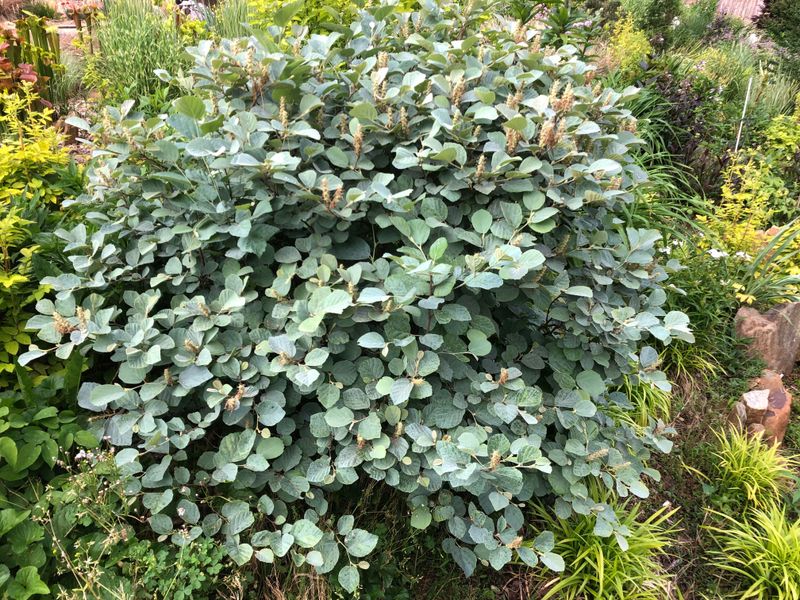
Anyone who thinks native shrubs are dull hasn’t seen Fothergilla in October.
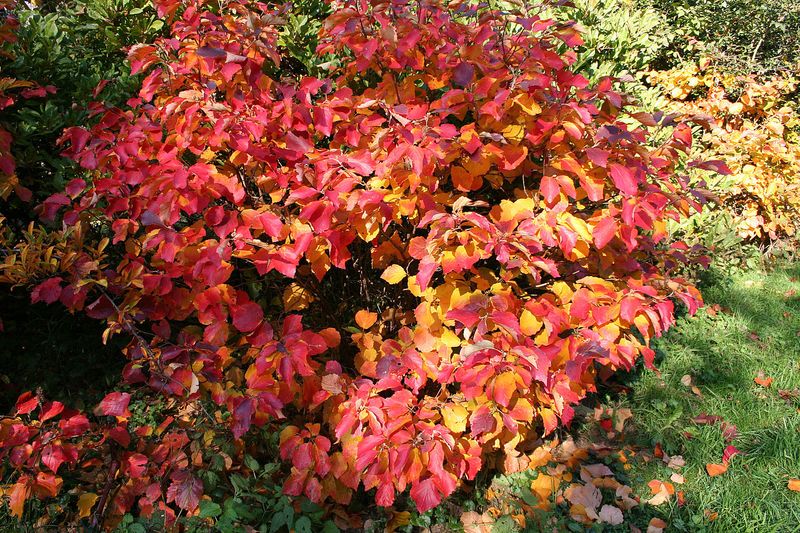
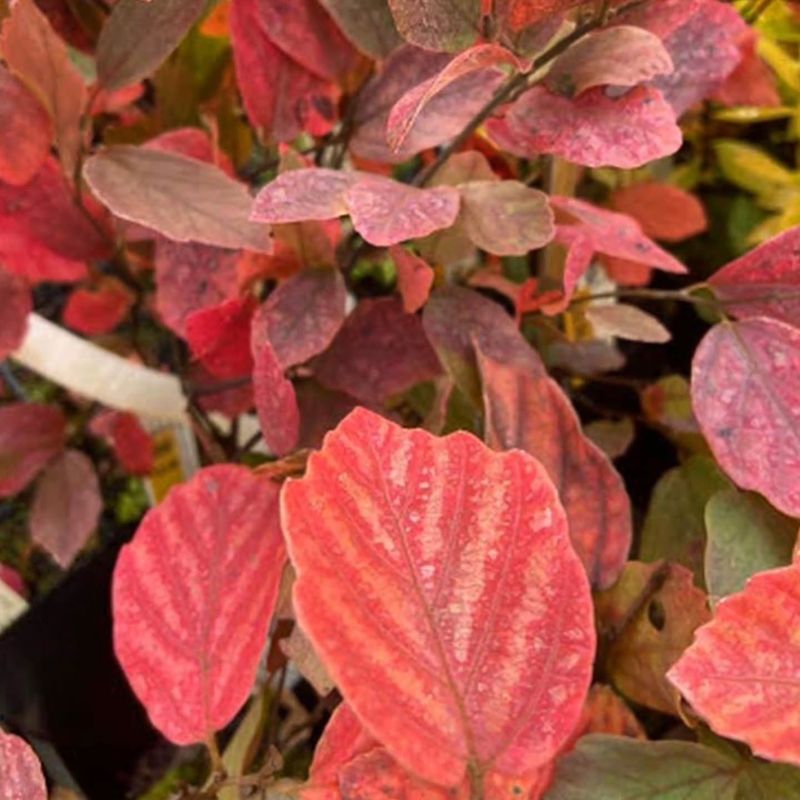
Leaves turn yellow, orange, scarlet, and sometimes deep wine red, often several colors on the same plant simultaneously.
That mixed display gives North Carolina gardeners the warm autumn color most people want from burning bush.
Fothergilla, sometimes called witch alder, is a genuine native alternative recommended by regional sources.
Two species matter here. Fothergilla gardenii is the dwarf form native to the coastal plain, while Fothergilla major grows larger and comes from mountain areas.
Mount Airy is the widely available hybrid selection, known for reliable fall color and consistent performance.
The shrub belongs to the witch hazel family, which explains both the flower shape and the fall color quality.
Honest advice matters though. Fothergilla doesn’t produce identical color every year.
Some plants glow with gold and red mixed together while others lean orange or yellow, and weather, soil moisture, and light all influence the result.
That variation isn’t a defect. It’s part of what makes a native planting feel connected to actual local conditions.
Partly sunny spots give softer tones while more sun intensifies the display, provided the soil doesn’t dry out.
Spring Blooms Add A Bonus Season
Fall color gets the attention and Fothergilla has a second act that catches people off guard.
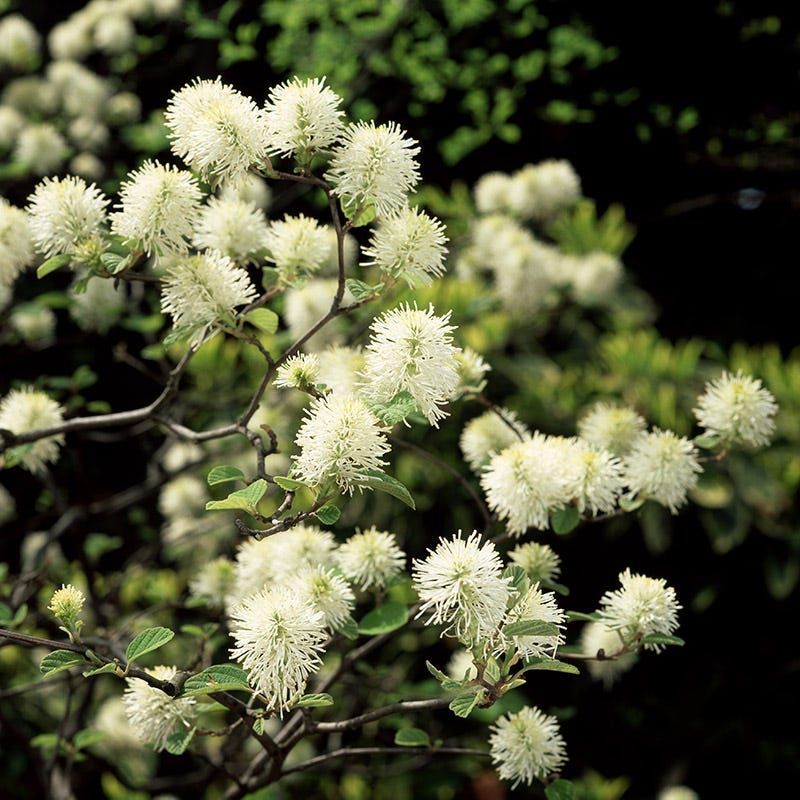
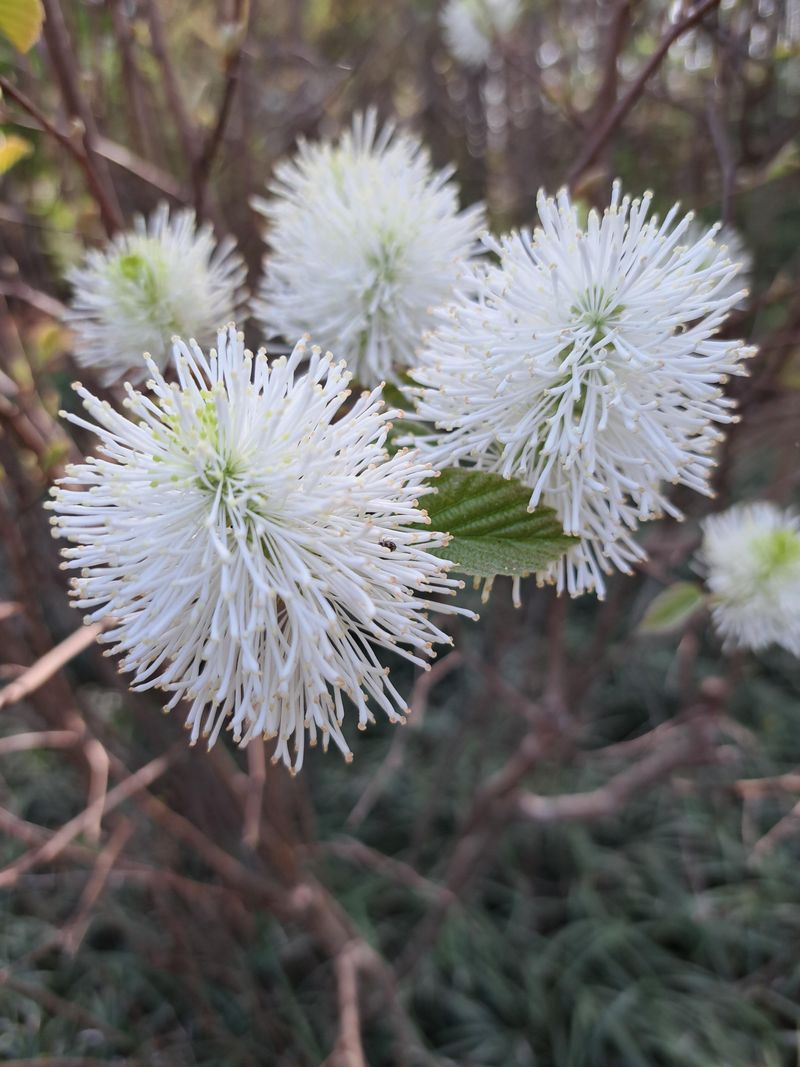
Before leaves fully open, white bottlebrush flowers appear on the branches, giving the shrub a fresh look burning bush never provides.
The blooms are fluffy and slightly odd, resembling small brushes dipped in cream.
They carry a light honey-like fragrance too, which makes a walkway or entry bed considerably more inviting during the first mild days of spring.
Timing is part of the appeal. Flowers open in March or April across most of North Carolina, before summer annuals have even been planted.
That extra season changes how useful the shrub feels in a landscape.
Burning bush is chosen almost entirely for autumn leaves, while Fothergilla earns its space twice over.
Your North Carolina Garden Changes Every Week. Your Plan Should Too.
Gardening in North Carolina changes quickly throughout the season. Every Friday you’ll receive a simple weekly plan showing exactly what to plant, prune, fertilize, harvest, and protect so you never miss the right timing.
Spring flowers first, colorful foliage later, all from the same square footage.
A shrub with two strong seasons matters especially in smaller yards where every plant needs to justify its position.
Place it near a porch, path, or window where the early flowers get noticed.
Since blooming happens on bare or nearly bare stems, the flowers stand out clearly without foliage competing.
One realistic note. Deer may browse spring flowers and tender growth in some areas, so young plants deserve watching where deer pressure runs high.
Fragrant Flowers Draw Early Pollinators
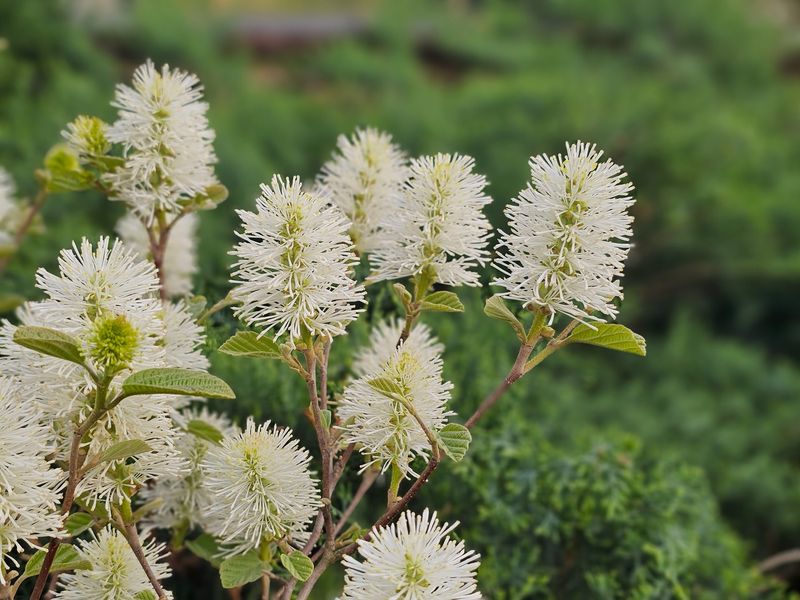
Early spring feels quiet in most gardens, then a blooming Fothergilla turns a bed into an active stop for insects.
Those white flowers open when pollinators are searching hard for dependable food, which makes the shrub more valuable than anything grown purely for leaf color.
Bees and other small pollinating insects work the fragrant blooms readily.
In a native planting, that early nectar and pollen supports activity well before most later-flowering shrubs and perennials begin.
Even a single plant adds motion to an otherwise calm March bed.
Native bees emerge earlier than many people realize, and early bloomers genuinely matter to them.
For anyone trying to make a yard friendlier to wildlife, this is a practical benefit rather than an abstract one.
Beauty is fine, and a shrub that also feeds pollinators contributes something back.
That counts in neighborhoods dominated by turf and imported ornamentals that provide very little for insects.
Placing Fothergilla near a patio or front walk lets you observe without crowding the plant.
On a warm afternoon you can hear the hum around the flowers, which is the kind of detail that makes native plants convincing to skeptics.
Skip broad-spectrum insecticides near the blooms, and keep the plant healthy with appropriate soil and moisture.
Compact Size Fits Most North Carolina Yards
Not every yard has space for a large shrub, which is where Fothergilla becomes particularly practical.
Many selections stay manageable enough for foundation beds, mixed borders, and small island plantings.
That gives North Carolina homeowners more freedom when planning around doors, walkways, and windows.
Mature size varies considerably by species and cultivar, ranging from compact dwarf forms to broader shrubs needing real room.
Fothergilla gardenii selections generally stay around two to four feet, while Fothergilla major can reach six to ten.
Mount Airy typically lands between them, around five to six feet tall and wide.
Reading the label matters because the common name alone tells you nothing about final size.
Plenty of gardeners buy a small shrub and later discover it wanted three times the space.
Checking expected height and spread avoids the constant pruning that ruins the plant’s natural form.
For a front yard, consider the viewing angle. Smaller forms suit steps, mailboxes, and low windows where you want color without a wall of branches.
Larger types work along property lines or in wider beds with room to mature.
Suckering habit is worth knowing too, since these shrubs spread slowly outward from the base, gradually forming a broader clump over years.
Acidic Moist Soil Keeps It Happy
A shrub can have every desirable trait and still struggle in the wrong site.
Fothergilla performs best when matched to conditions it prefers, particularly acidic soil and steady moisture without saturation.
North Carolina soils often run naturally acidic, which works in this plant’s favor across much of the state.
Rich well-drained soil with organic matter helps roots establish and supports healthy foliage through summer.
Pine bark or leaf mulch holds moisture and moderates soil temperature effectively.
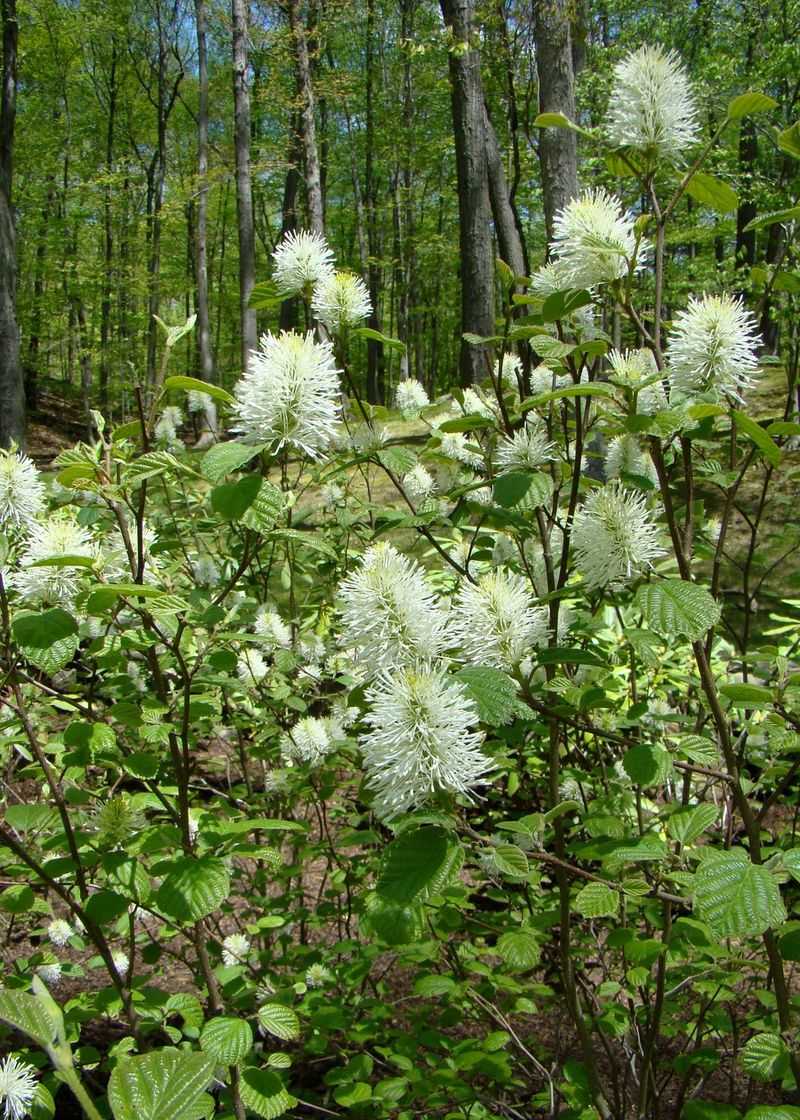
Think woodland edge rather than a hot parking lot island.
Full sun through part shade both work, with stronger fall color generally appearing where light is better.
Very hot dry sites cause stress, particularly during the first few years after planting.
Watering matters most during establishment. Deep soaking during dry spells beats frequent shallow applications.
That approach builds stronger roots and improves heat tolerance later.
Tired-looking leaves during drought suggest the site runs too dry for best results.
Before planting, watch how water moves through the area after rain.
Avoid spots that flood for extended periods, and avoid heavily limed soil where possible, since alkaline conditions cause chlorosis in this genus.
Slow establishment is normal, so don’t expect much growth the first year or two.
Pair It With Other Native Shrubs
One good shrub is fine, and a thoughtful grouping makes a whole yard feel more connected.
Fothergilla pairs well with other natives sharing similar light and soil requirements, producing a planting that reads as intentional rather than assembled.
Oakleaf hydrangea works particularly well in North Carolina gardens.
It prefers similar woodland edge conditions, contributes bold foliage and summer flowers, and develops good fall color of its own.
Placed nearby, the differing leaf shapes provide contrast without visual clutter.
Virginia sweetspire is another strong companion. Arching habit, fragrant spring flowers, and reddish fall tones all complement Fothergilla while occupying a different layer.
Sweet pepperbush fits where moisture is reliable, adding fragrant midsummer blooms that draw pollinators.
Native azaleas suit the same acidic woodland conditions and extend the bloom sequence further.
Arrange by height with taller shrubs behind and lower forms in front.
Leave room for mature spread so each plant keeps its natural shape rather than requiring correction.
Repeating two or three species through a bed usually looks calmer than collecting one of everything.
The payoff extends past appearance. Layered native plantings support more insects and birds, hold soil better, and require less intervention once established.
That’s a fair return for choosing a shrub that stays in your yard.
Planting And Care Without The Fussing
Getting Fothergilla established takes a little attention and then almost none.
Fall and early spring both work well for planting in North Carolina, since cooler soil lets roots settle before summer heat arrives.
Dig the hole two to three times as wide as the root ball and no deeper, with the root flare sitting at or slightly above grade.
Check container plants for circling roots before planting and tease them outward, since nursery stock frequently needs that correction.
Amend a broad area rather than just the hole, particularly in clay, since a loose pocket surrounded by dense soil collects water.
Water deeply after planting, then keep soil consistently moist through the first two growing seasons.
Mulch two to three inches deep with pine bark or shredded leaves, kept back from the stems.
That mulch does real work here, holding moisture and slowly acidifying as it breaks down.
Fertilizer is largely unnecessary. Fothergilla grows slowly by nature, and pushing it with nitrogen produces soft growth without improving the plant.
Compost worked in at planting covers most nutritional needs.
Pruning stays minimal. Removing spent or awkward stems right after flowering is generally all it wants, since the natural form is part of the appeal.
Suckers can be removed at the base if you want a tighter clump, or left to widen the shrub gradually.
Pest and disease problems are uncommon, which is another quiet argument for planting natives.