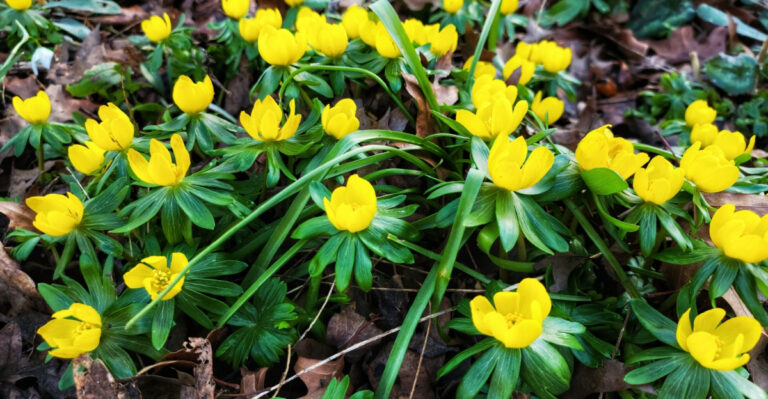
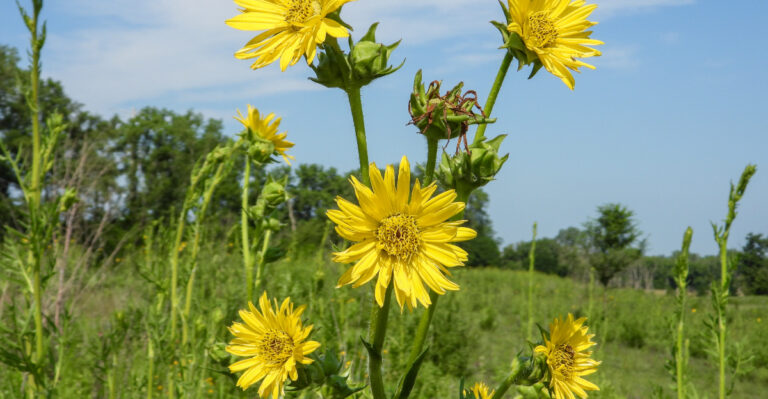
This Ohio Native Groundcover Turns Clay Soil Problems Into A Solved Problem
Many Ohio gardeners stare at their heavy clay soil and wonder if anything beautiful will ever grow there.
Shady spots that stay wet after rain feel like a gardening standstill. The grass fails, the mulch floats away, and whatever ornamental plants seemed promising in spring slowly sulk their way into disappointment by summer.
However, one tough native plant has a completely different opinion about those conditions. It does not just tolerate the soggy, shaded clay patches that frustrate many Ohio homeowners.
It actively thrives in them.
It blooms bright yellow in early spring when the garden is still mostly brown and bare. It covers bare ground under trees where nothing else will grow.
It feeds early pollinators during the hungiest gap of the season. And it does all of this in the exact conditions that send other plants into decline.
Once you understand what it can do, those difficult corners of your yard stop looking like problems. They start looking like the perfect place to plant something that was always meant to grow there.
Meet The Golden Ragwort
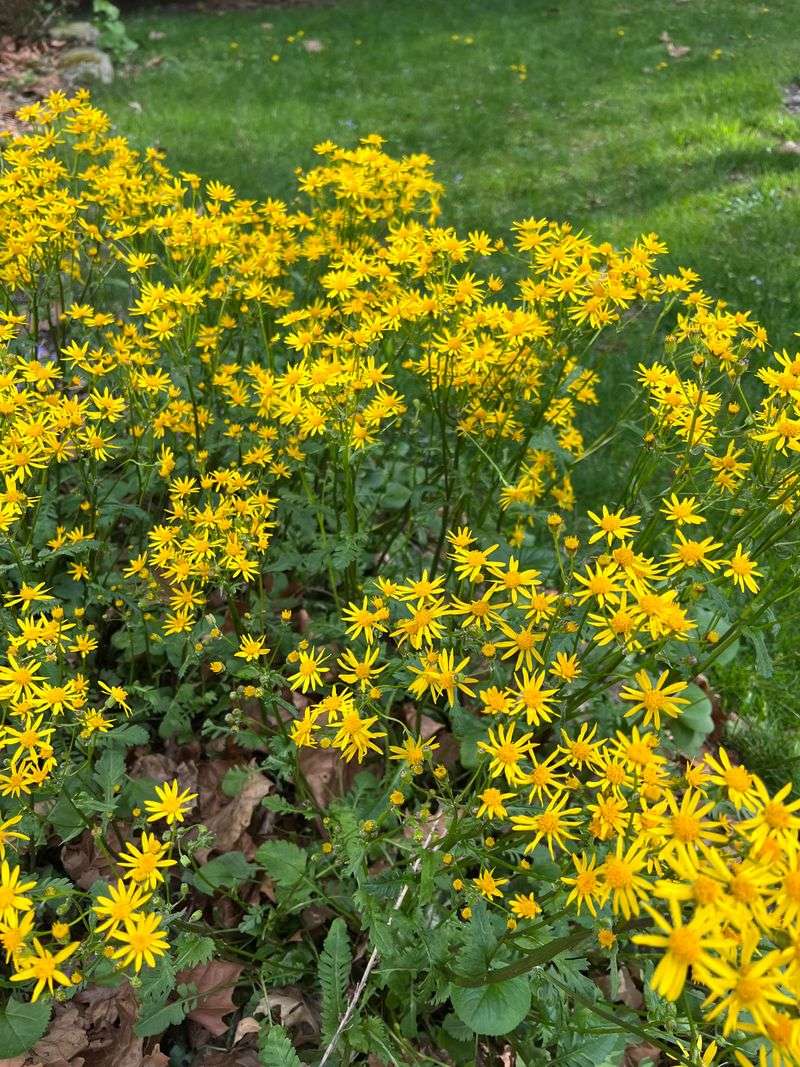
Not every plant earns a reputation for being genuinely tough, but golden ragwort has built one over centuries of growing wild across Ohio.
Packera aurea is a native perennial that belongs to the daisy family, and it has been thriving in Ohio woodlands long before anyone thought to put it in a garden bed.
You might spot it along creek banks, in floodplain forests, or tucked under the shade of mature oaks and maples.
The plant grows in a tidy rosette of dark green, heart-shaped leaves at the base.
From that rosette, slender stems shoot upward each spring, reaching roughly one to two feet tall. Each stem carries clusters of small, bright yellow flowers that look like tiny sunflowers dancing above the foliage.
Golden ragwort is not a picky plant.
It handles part shade to full shade without complaint. It spreads gradually through both rhizomes and self-seeding, which means it fills in bare ground over time without needing much help from you.
It is recognized as a reliable native groundcover suited to challenging landscape conditions in Ohio.
Gardeners who try it once rarely go back to struggling with non-native alternatives.
It is the kind of plant that makes you feel like a gardening genius, even when the soil is actively working against you.
Clay Soil Does Not Scare It
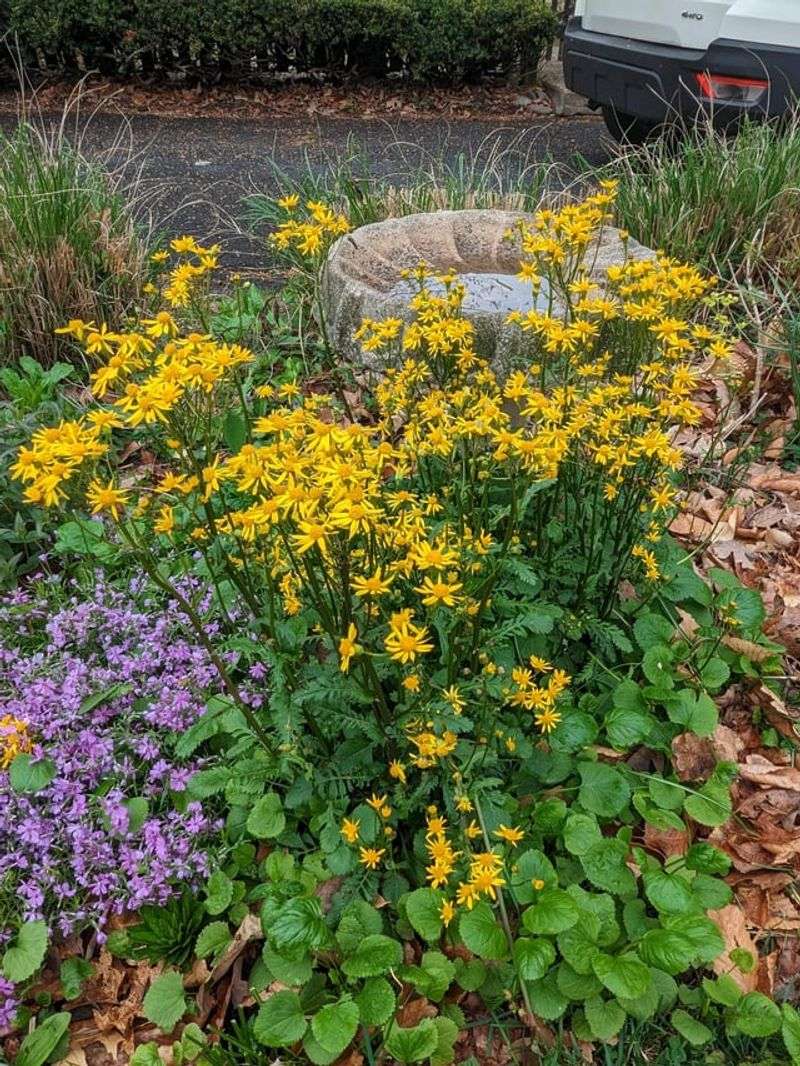
Clay soil has a way of humbling even experienced gardeners.
It compacts under foot traffic, drains poorly after rain, and bakes into something close to concrete during dry spells. Most ornamental plants sulk in those conditions, developing shallow roots and yellowing leaves.
Golden ragwort responds differently. It pushes roots right into heavy clay and keeps growing like the soil is doing it a favor.
The secret is in the plant’s native origins.
Packera aurea evolved in the floodplain forests and moist woodland edges of the eastern United States, where soils are often dense, wet, and slow to drain.
Ohio’s glacially deposited clay soils are not foreign territory to this plant. They are practically home turf.
Your Ohio Garden Changes Every Week. Your Plan Should Too.
Gardening in Ohio changes quickly throughout the season. Every Friday you’ll receive a simple weekly plan showing exactly what to plant, prune, fertilize, harvest, and protect so you never miss the right timing.
Research from Midwest native plant specialists confirms that golden ragwort performs well in clay without needing amendments, raised beds, or special drainage.
That does not mean you should ignore your soil entirely.
Loosening the top few inches before planting helps roots establish faster in the first season. After that, the plant handles itself.
One clever approach is to plant golden ragwort near downspouts or low spots where water pools after storms.
Those are exactly the places where clay causes the most trouble for other plants. Golden ragwort turns that clay liability into a lush, living carpet that looks intentional rather than accidental.
Clay gardening just got a little more satisfying.
Yellow Spring Flowers Brighten Shade
Spring arrives quietly in shaded Ohio gardens.
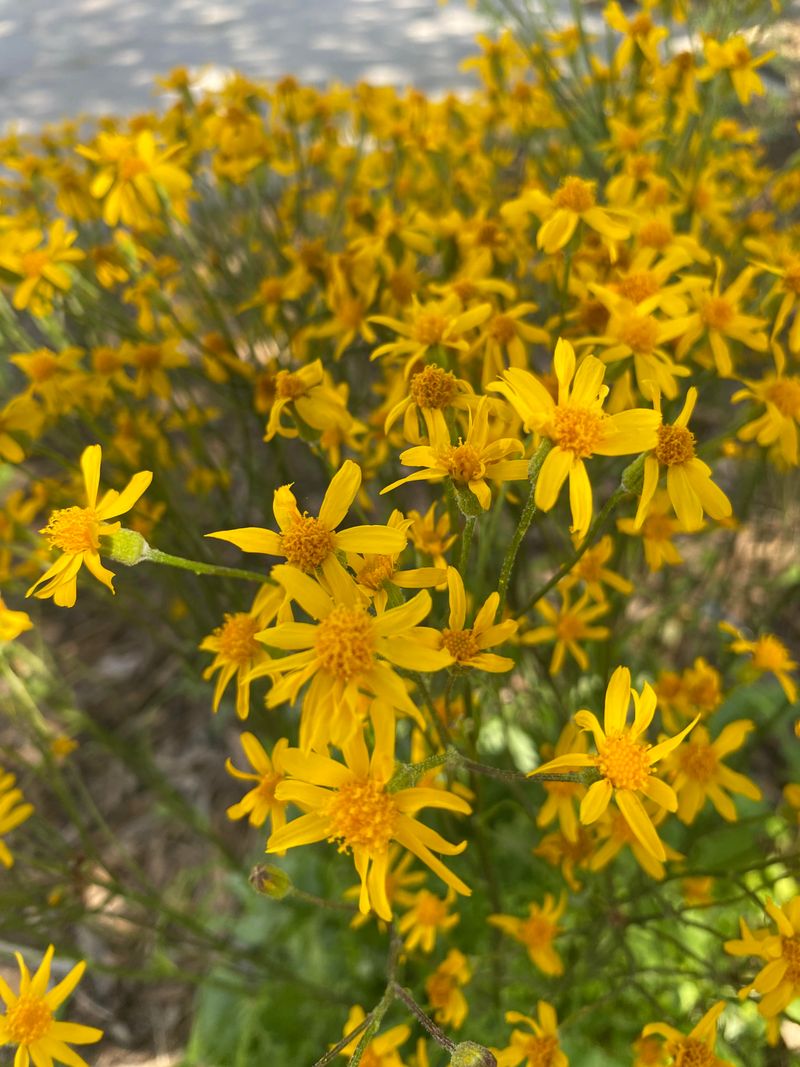
Most of the landscape is still brown and bare when golden ragwort sends up its cheerful yellow blooms, usually from late March through May depending on the location.
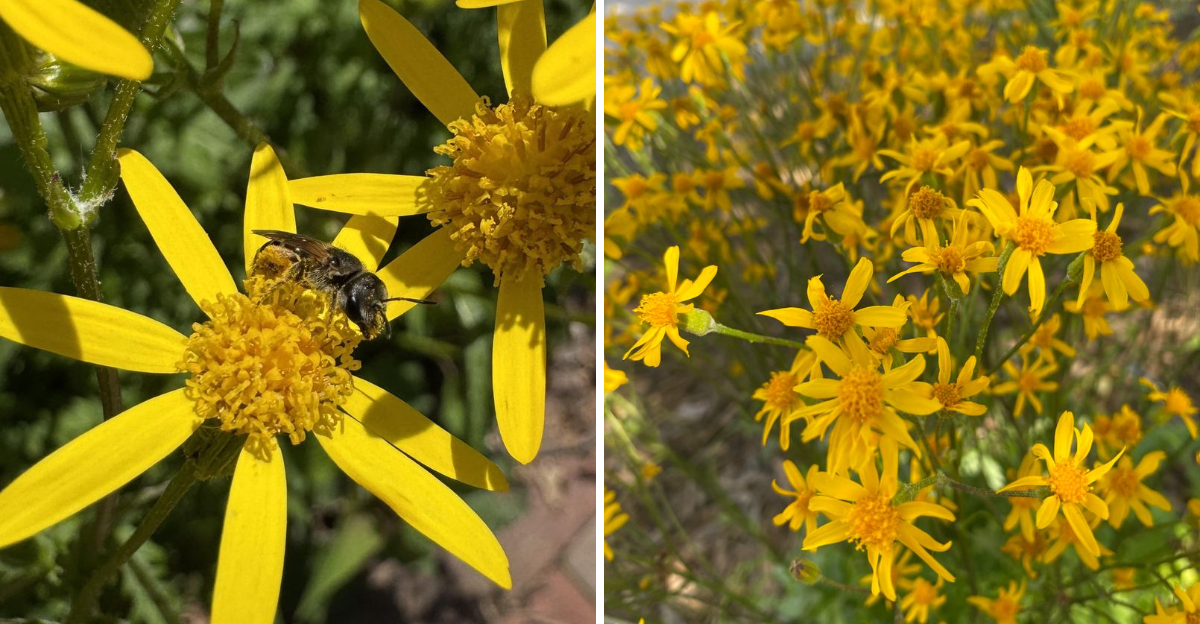
Those small, daisy-like flowers cluster at the tops of slender stems and create a warm golden glow in spots that otherwise feel dark and forgotten at that time of year.
The color alone makes a real difference.
Yellow reads as bright and energetic even under a dense tree canopy where light is limited. Planted in drifts or masses, golden ragwort can transform a dull shade bed into something that looks genuinely designed and cared for.
It pairs beautifully with blue-flowered wild blue phlox and the emerging foliage of native ferns, creating a layered spring scene that feels like a piece of Ohio woodland brought right to your backyard.
Bloom time also lines up with a period when most gardeners are hungry for color after a long Ohio winter.
Unlike many spring bulbs that require fall planting and careful storage, golden ragwort comes back on its own every single year without any effort on your part.
Once established, it simply shows up and performs.
The flowers last for several weeks, giving you a solid spring display before the plant shifts its energy back into its foliage.
That kind of reliability is genuinely hard to put a price on.
Basal Leaves Cover Bare Ground
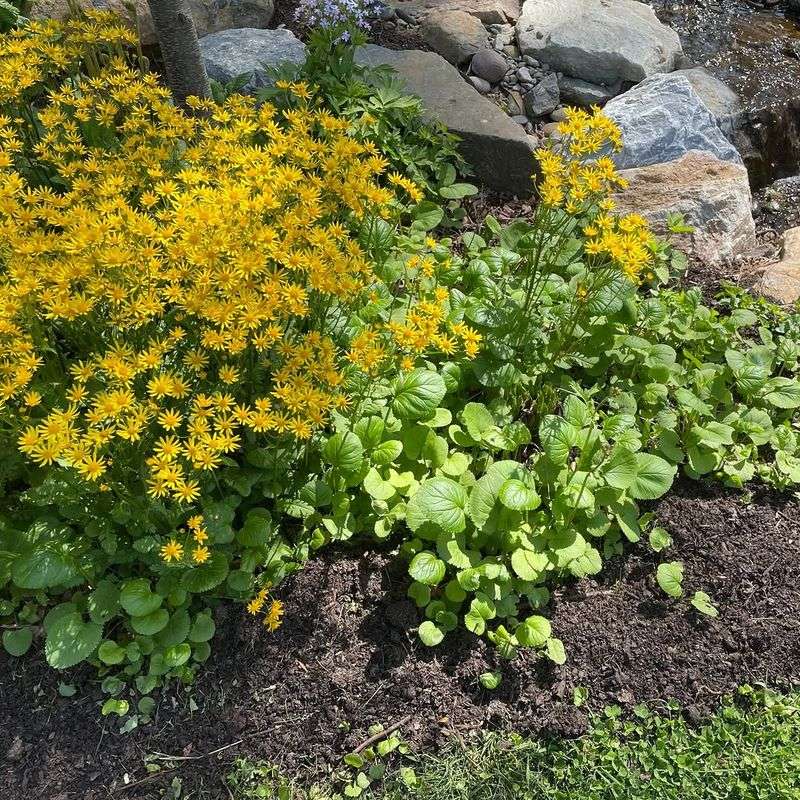
After the flowers fade, golden ragwort does not disappear or leave bare patches the way some spring bloomers do.
The basal rosette of leaves stays green and low to the ground throughout the growing season, continuing to cover soil and suppress weeds long after bloom time has passed.
That persistent foliage is one of the most practical things about this plant.
The leaves themselves are attractive.
They are dark green, heart-shaped at the base, and have scalloped edges that give them a slightly decorative look even without flowers. In mild Ohio winters, the foliage often stays semi-evergreen, providing some ground coverage even when temperatures drop.
That means you get visual interest from this plant across three seasons rather than just one short bloom window in spring.
Bare ground under mature trees is one of the most common frustrations in Ohio landscaping.
Tree roots compete aggressively for water and nutrients, making it nearly impossible to grow grass or most flowering plants in those spots.
Golden ragwort roots are adapted to coexist with tree roots in exactly those conditions.
Over two or three growing seasons, a small planting expands into a dense, weed-suppressing mat that makes the area under your trees look finished and purposeful.
Less weeding, less mulching, and more visual payoff.
The basal leaves are truly the unsung workhorse of this plant’s appeal, and they earn their keep every single month of the growing season.
Damp Spots Fit It Well
Low spots in the yard that stay wet for days after rain are usually landscaping headaches.
Grass turns patchy and muddy. Mulch floats away. Most flowering perennials struggle at the roots.
Golden ragwort sees that same soggy situation and settles right in like it ordered the conditions from a catalog.
Packera aurea is naturally found along stream banks, in bottomland forests, and in seasonally flooded areas across Ohio and the broader eastern United States.
Its root system is built for periodic waterlogging followed by dry spells, which is exactly the cycle that low-lying clay areas in Ohio yards tend to follow.
Rain gardens designed for Ohio’s rainfall patterns are excellent spots for golden ragwort because it handles both the wet phase after storms and the drier periods between them.
Part shade suits it best in moist locations.
Full sun combined with consistently wet soil can sometimes stress the plant, but in a shaded low spot with clay soil, it thrives without any fuss.
Planting it alongside other Ohio natives like swamp milkweed or cardinal flower creates a layered wet-area planting that supports local ecology while solving a genuine drainage problem.
The key is matching plants to conditions rather than fighting the site.
Golden ragwort is a plant that rewards you for working with your yard instead of against it. Soggy corners suddenly feel like an asset rather than an embarrassment.
Early Pollinators Find The Flowers
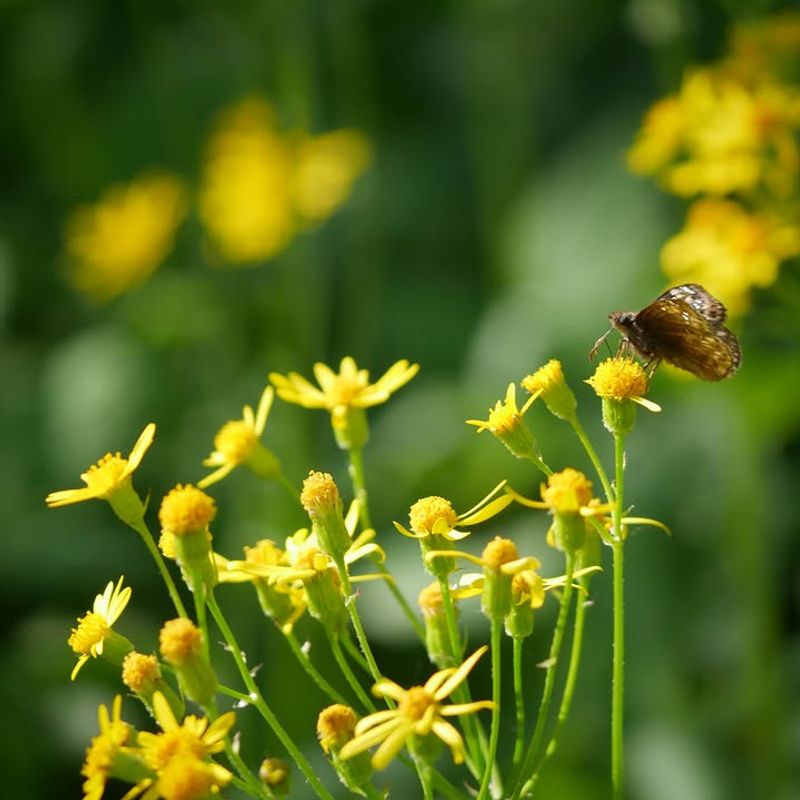
March and April in Ohio can be surprisingly tough for pollinators.
Queens of native bumblebee species emerge from overwintering sites hungry and searching for early nectar and pollen sources. Many common garden plants have not bloomed yet.
Golden ragwort is one of the reliable early providers that bridges that hungry gap between late winter and the fuller bloom of late spring.
The small daisy-like flowers are open and accessible, which matters more than many gardeners realize.
Complex flower structures can physically exclude smaller bees or short-tongued insects.
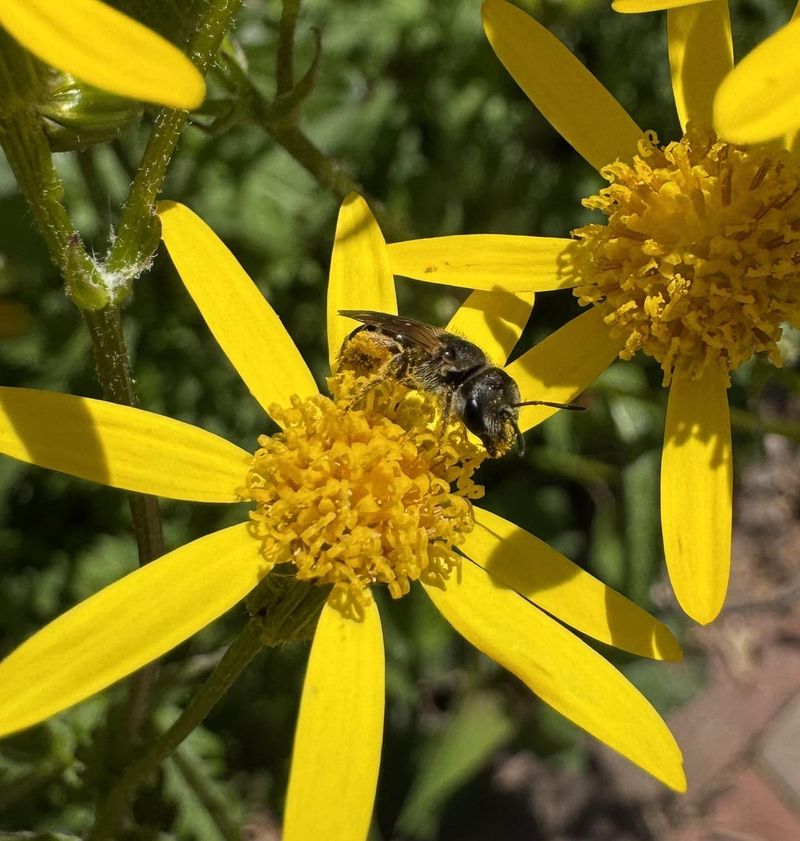
Golden ragwort’s simple, flat flower heads welcome a wide range of early visitors including native sweat bees, small carpenter bees, and several species of early-season flies that also provide pollination services.
Early-blooming natives like Packera aurea are recognized as disproportionately valuable in the spring pollinator calendar.
Planting golden ragwort in a shaded clay garden is not just a landscaping choice.
It is a small but meaningful act of ecological support. A patch of golden ragwort in bloom on a warm April afternoon can be buzzing with activity while nearby non-native plantings sit empty and quiet.
That ecological connection is part of what makes native plants so rewarding to grow.
You are not just filling space. You are feeding a food web that has been running in Ohio for thousands of years, and you get beautiful yellow flowers as a bonus.
Spread Works Best With Boundaries
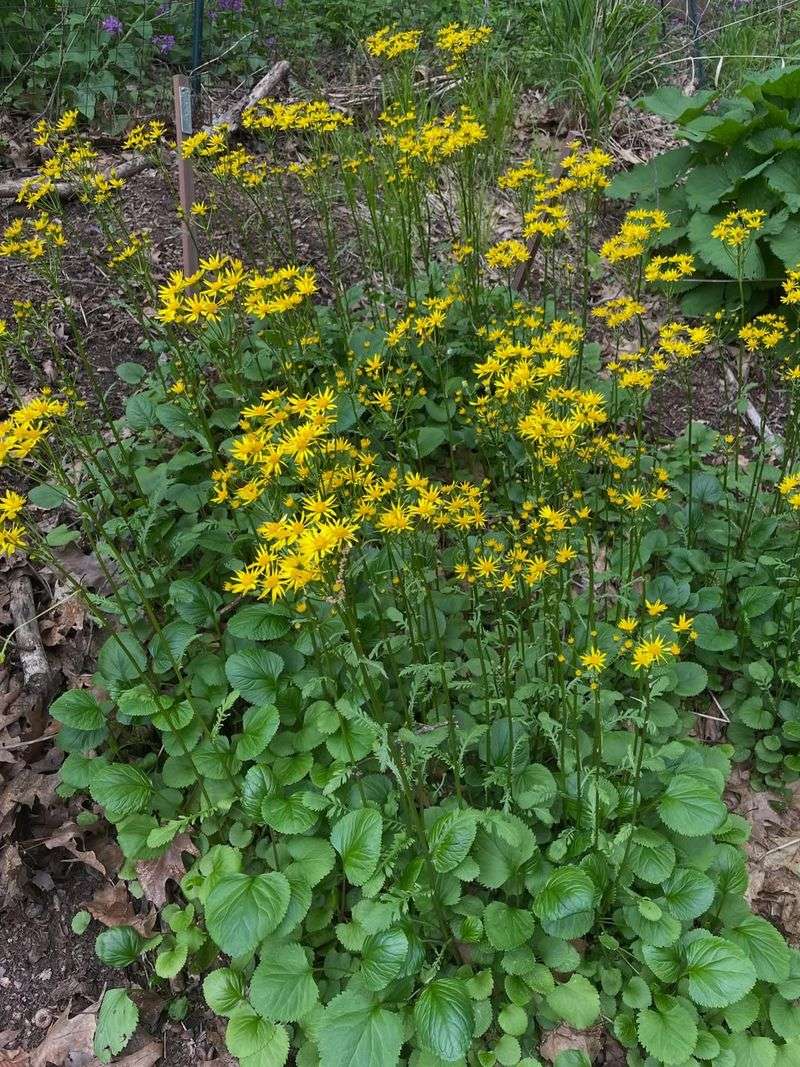
Golden ragwort is enthusiastic.
That is the polite way to say it spreads readily and will fill available space given enough time and the right conditions. For bare, shaded clay areas that need coverage, that spreading habit is exactly what you want.
In a mixed perennial border where other plants need room to grow, it requires a bit more management.
The plant spreads through two routes. Underground rhizomes creep outward from the parent plant, producing new rosettes nearby.
Seeds also disperse from the fluffy seed heads that follow the flowers, and those seeds are viable enough to establish new plants several feet from the original clump.
In open, moist woodland conditions, a single plant can expand into a sizable colony within three to five years.
Managing that spread is straightforward.
A simple metal or plastic edging strip buried several inches deep creates a physical barrier that slows rhizome spread. Trimming the spent flowers before seeds mature reduces self-seeding significantly.
Hand-pulling unwanted seedlings in spring is easy because the roots are shallow at that stage.
Golden ragwort is not invasive in the ecological sense. It does not outcompete other natives aggressively. It simply fills available ground, which is precisely its job in a clay shade garden.
Giving it a clearly defined area lets you enjoy all the coverage benefits without feeling like the plant is quietly running the yard.
A little boundary setting goes a long way here.