The One Thing You Must Do To North Carolina Fig Trees In July Before The Second Flush Of Fruit Sets
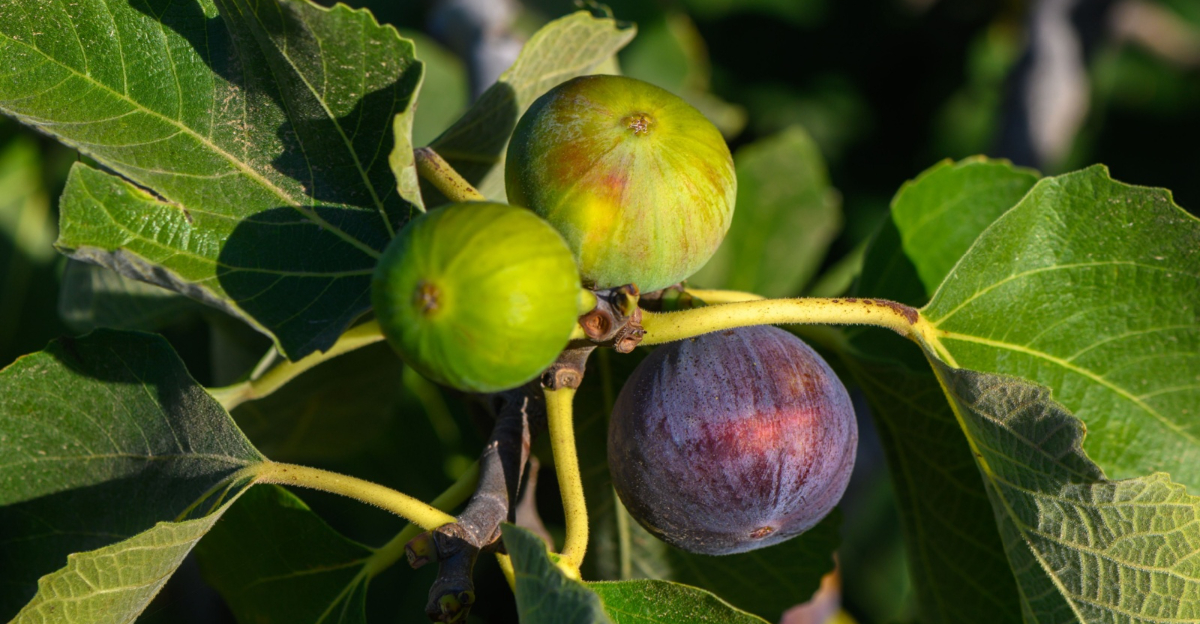
July in North Carolina is fig season crunch time, and if you are growing fig trees, this is genuinely not the month to take your eye off the ball.
Summer heat hits hard across the Piedmont, the Coastal Plain, and the mountain foothills, and dry spells have a sneaky way of showing up fast between rain showers.
Your fig tree might look perfectly fine on the outside while the soil around it is quietly drying out in ways that will cost you at harvest.
The single most important thing to focus on right now is keeping that soil consistently moist before your main summer crop starts sizing up.
Get this right and you are looking at a beautiful harvest of plump, ripe figs. Miss it and the tree may start dropping fruit before it ever gets there.
1. July Moisture Helps Figs Hold Fruit
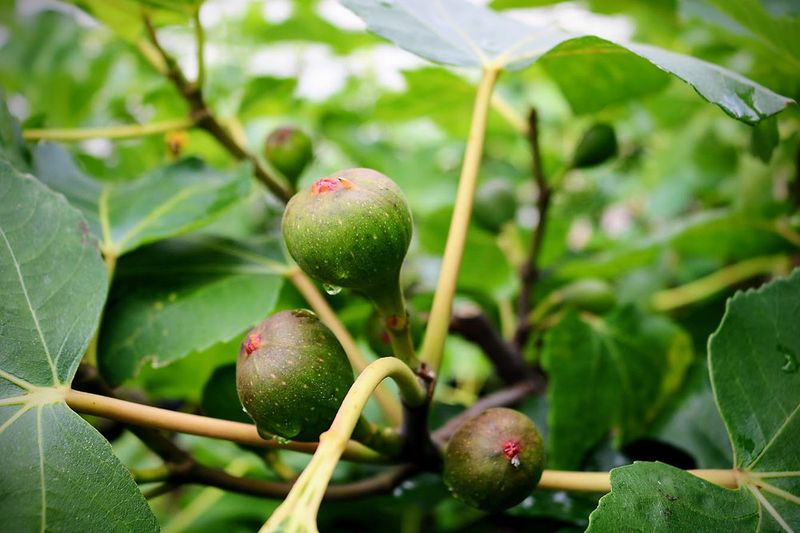
On a hot July afternoon in North Carolina, a fig tree loaded with small green fruit can look perfectly fine from a distance, but what is happening underground tells a very different story.
When the soil around the roots gets too dry during fruit development, the tree starts making decisions about which fruit to keep and which to let go.
Figs that are still sizing up are the first to suffer when moisture runs short.
Fig trees in North Carolina do have some tolerance for dry conditions once they are well established, but that tolerance has limits.
When fruit is actively forming and swelling, the tree needs a reliable supply of moisture to push nutrients and water into each fig. Without that steady supply, the fruit can stall, shrink, or fall from the tree before it ever softens.
Gardeners across North Carolina often notice this problem after a stretch of dry, sunny days in July when no rain has fallen for a week or more. The figs that were looking promising start to drop, and the tree seems to give up on the crop.
Keeping the soil consistently moist during this critical window gives the fruit the best chance of reaching full size and ripening properly on the tree rather than dropping prematurely to the ground below.
2. Dry Soil Can Lead To Fruit Drop
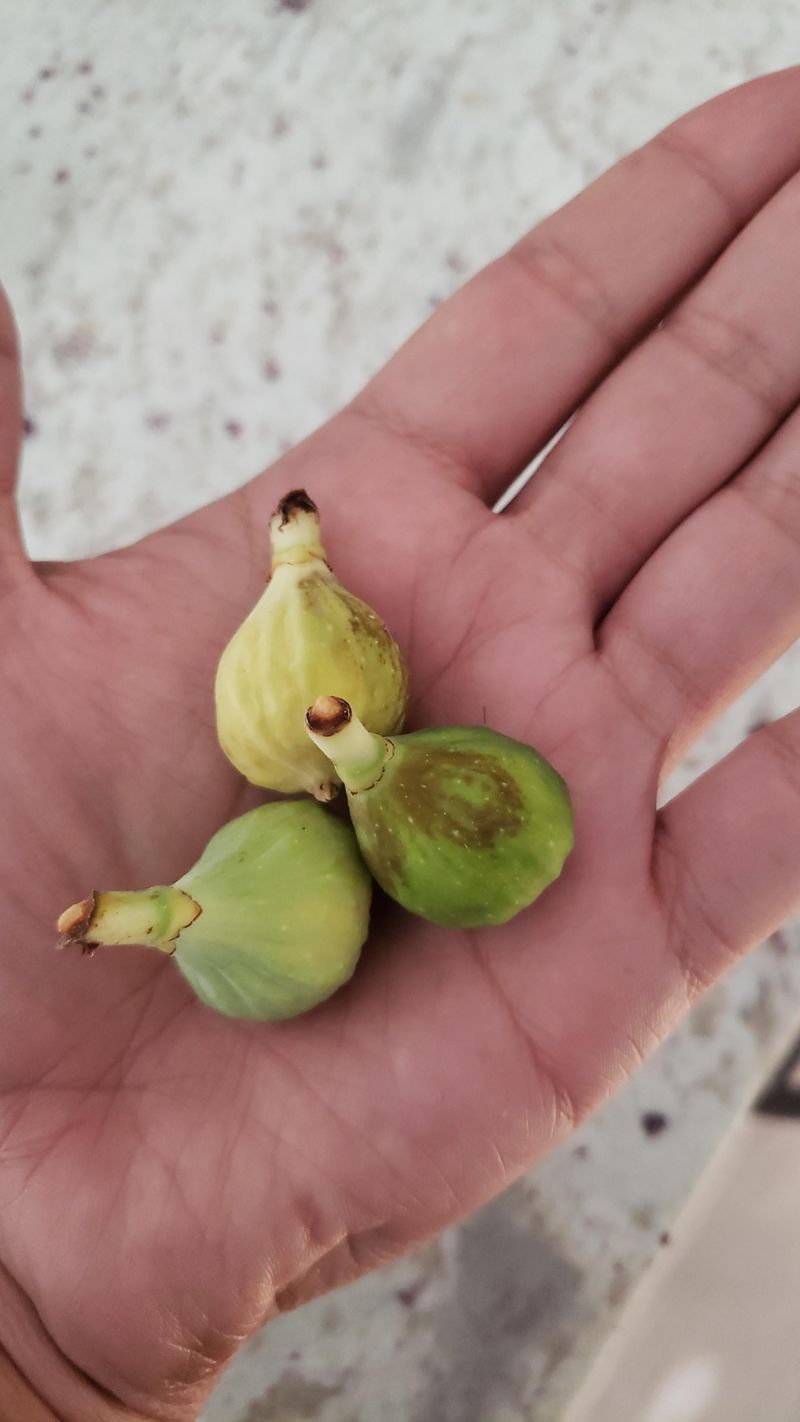
Walking out to check your fig tree after a week without rain and finding small green figs scattered across the ground is a frustrating experience that many North Carolina gardeners know well.
Fruit drop during the summer months is one of the more common problems backyard fig growers face, and dry soil is often one of the contributing factors.
The tree is not being difficult; it is simply responding to stress in a very practical way.
When soil moisture drops significantly during July, the fig tree can reduce the amount of water and energy it sends to developing fruit. The tree prioritizes its own survival, and the fruit ends up being the first thing it lets go.
This is especially true for younger fig trees that have not yet developed the deep, wide root systems that help established trees access moisture from a broader area of soil.
Your North Carolina Garden Changes Every Week. Your Plan Should Too.
Gardening in North Carolina changes quickly throughout the season. Every Friday you’ll receive a simple weekly plan showing exactly what to plant, prune, fertilize, harvest, and protect so you never miss the right timing.
In North Carolina, the combination of high summer temperatures and stretches without significant rainfall creates conditions where fruit drop can happen quickly and without much warning.
Gardeners in the Piedmont region often deal with clay soils that dry out unevenly, holding moisture near the surface but drying out deeper down where roots are actively feeding.
Checking the soil a few inches below the surface gives a much better picture of actual moisture levels than simply looking at the top layer.
Consistent watering before and during the fruit development period helps reduce the chances of losing a significant portion of the summer crop to stress-related drop.
3. Deep Watering Matters More Than Sprinkling
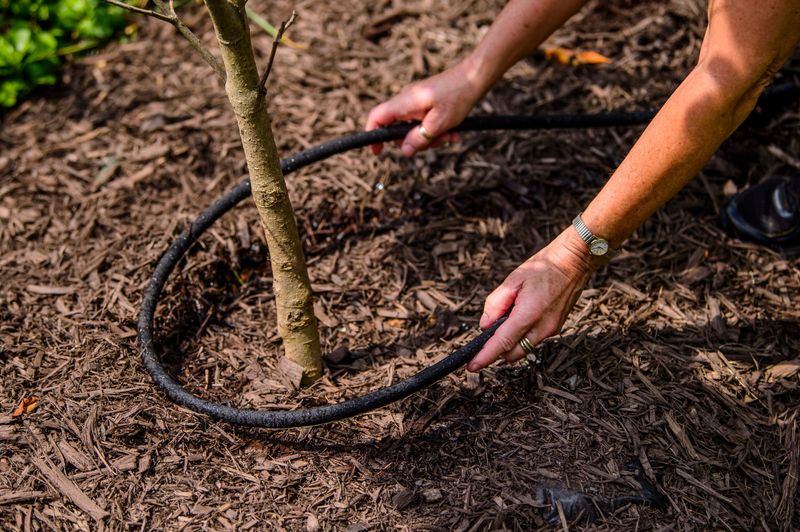
Sprinkling the surface of the soil around a fig tree for a few minutes each day might feel like enough, but it rarely gets moisture down to where the roots actually need it.
Fig trees develop roots that reach well below the surface, and a light sprinkle mostly wets the top inch or two before evaporating in the July heat.
That kind of watering can actually encourage shallow root growth, which makes the tree more vulnerable during dry spells rather than less.
Deep watering means applying water slowly and allowing it to soak down several inches into the soil profile.
A soaker hose laid around the drip line of the tree, or a slow trickle from a garden hose left in place for an extended period, does a much better job than a quick spray.
The goal is to wet the soil deeply so that roots have access to moisture well below the surface where it stays available longer between watering sessions.
North Carolina summers can be unpredictable, with heavy rains one week and no rain for the next two.
During those dry stretches, deep watering every few days can help bridge the gap and keep developing figs from experiencing the kind of moisture stress that leads to drop or poor sizing.
Checking the soil several inches down before watering helps avoid overwatering, which brings its own set of problems. The rhythm of deep, infrequent watering generally serves fig trees much better than shallow, daily sprinkling across the hot summer months.
4. Mulch Helps Keep Roots Evenly Moist
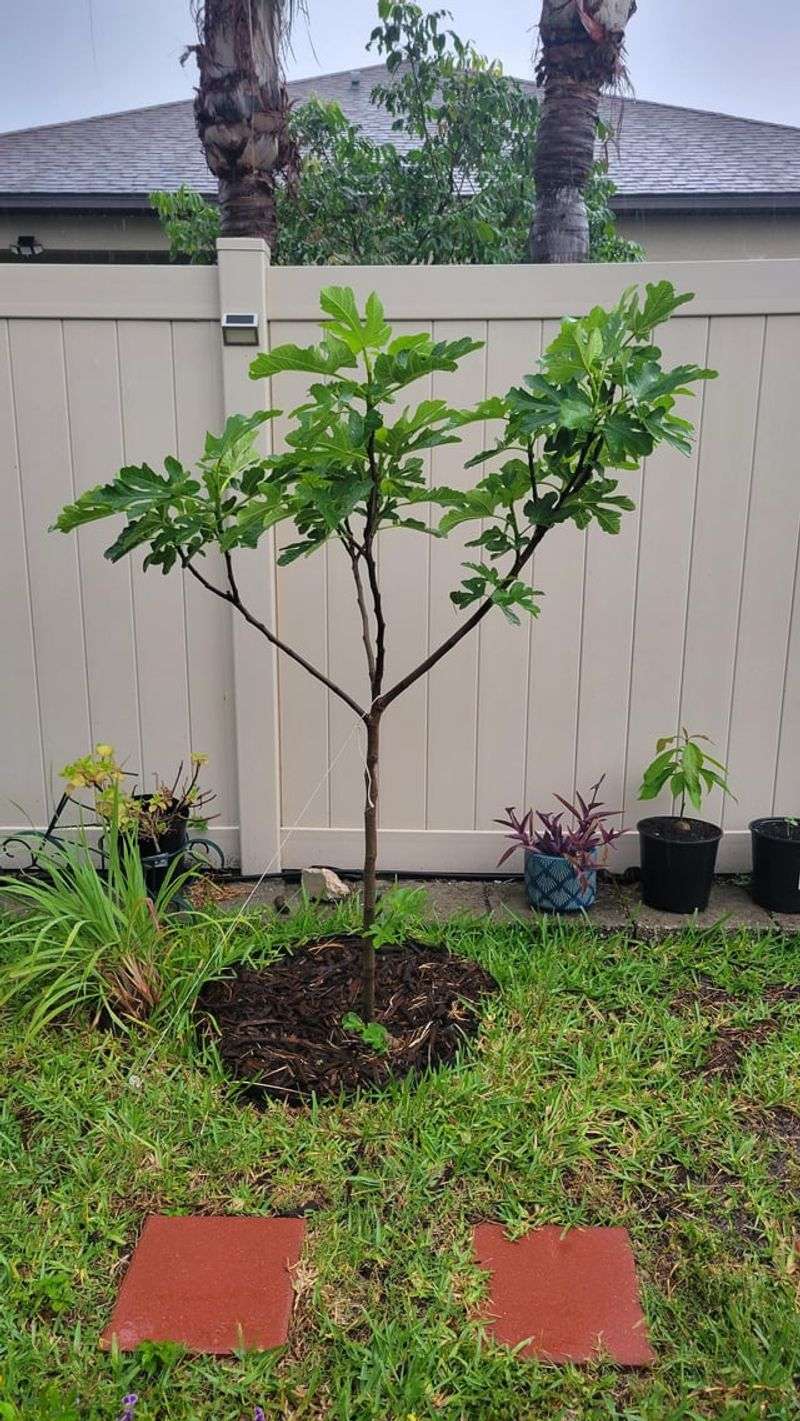
One of the most useful things a North Carolina fig grower can do in July costs very little and takes only a short amount of time. Spreading a generous layer of organic mulch around the base of the fig tree creates a buffer between the hot summer sun and the soil below.
That buffer slows down evaporation, keeps soil temperatures from spiking during the hottest part of the day, and helps the ground hold onto moisture much longer between watering sessions.
Wood chips, shredded bark, straw, or pine needles all work reasonably well as mulch materials for fig trees.
Applying a layer around three to four inches deep, spread out to the drip line of the tree but kept a few inches away from the trunk itself, gives the roots a much more stable environment to work in during July heat.
Pulling mulch back from the trunk helps prevent moisture from sitting directly against the bark where it does not belong.
Gardeners across North Carolina who use mulch consistently often notice that their fig trees seem to handle dry stretches better than trees growing in bare soil.
The mulch acts almost like a slow-release moisture reservoir, giving the roots steady access to water even when rain has been sparse for several days.
In areas with heavier clay soil, like parts of the Piedmont, mulch also helps prevent the surface from baking into a hard crust that sheds water instead of absorbing it. It is a simple practice with a meaningful payoff during the critical July fruit development period.
5. Well-Drained Soil Still Matters In Summer
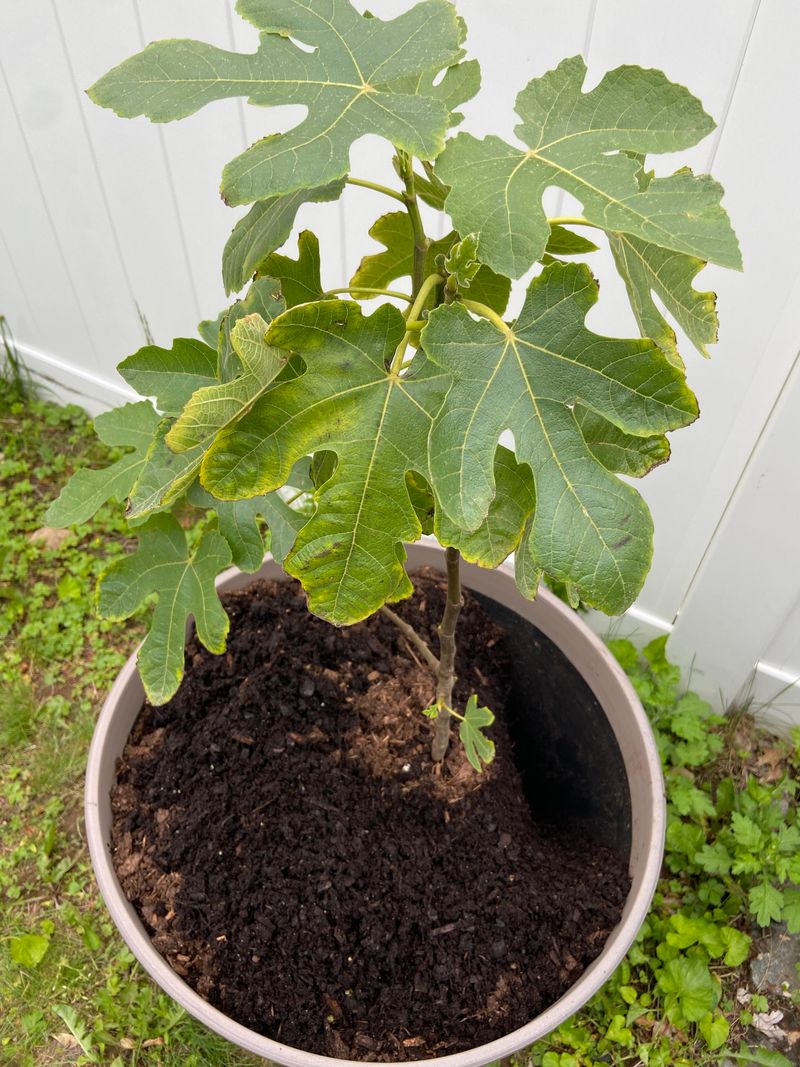
Keeping fig tree soil consistently moist in July does not mean keeping it wet all the time. There is an important difference between moist soil that drains well and soggy soil that holds standing water around the roots.
Fig trees are fairly sensitive to waterlogged conditions, and roots sitting in poorly drained soil for extended periods can develop root problems that eventually show up as wilting leaves, poor fruit development, or general decline in tree health.
North Carolina has a wide range of soil types, from the heavy clay of the Piedmont to the sandy, fast-draining soils of the Coastal Plain. Each comes with its own moisture management challenges during summer.
Clay soils can hold water too long after a heavy rain, while sandy soils may drain so quickly that moisture disappears before the roots can take full advantage of it.
Understanding which type of soil your fig tree is growing in helps you adjust your watering approach accordingly.
For gardeners dealing with heavy clay, amending the planting area or choosing a slightly raised planting site can make a real difference in drainage.
In sandier soils, adding organic matter over time helps the ground hold moisture more effectively without becoming waterlogged.
The goal throughout July is a soil environment that stays evenly moist without pooling water at the surface or remaining saturated for days after rain.
Fig trees that grow in well-drained soil with consistent moisture tend to size their fruit more reliably than those dealing with extremes in either direction during the heat of summer.
6. Container Fig Trees Need Closer Checks
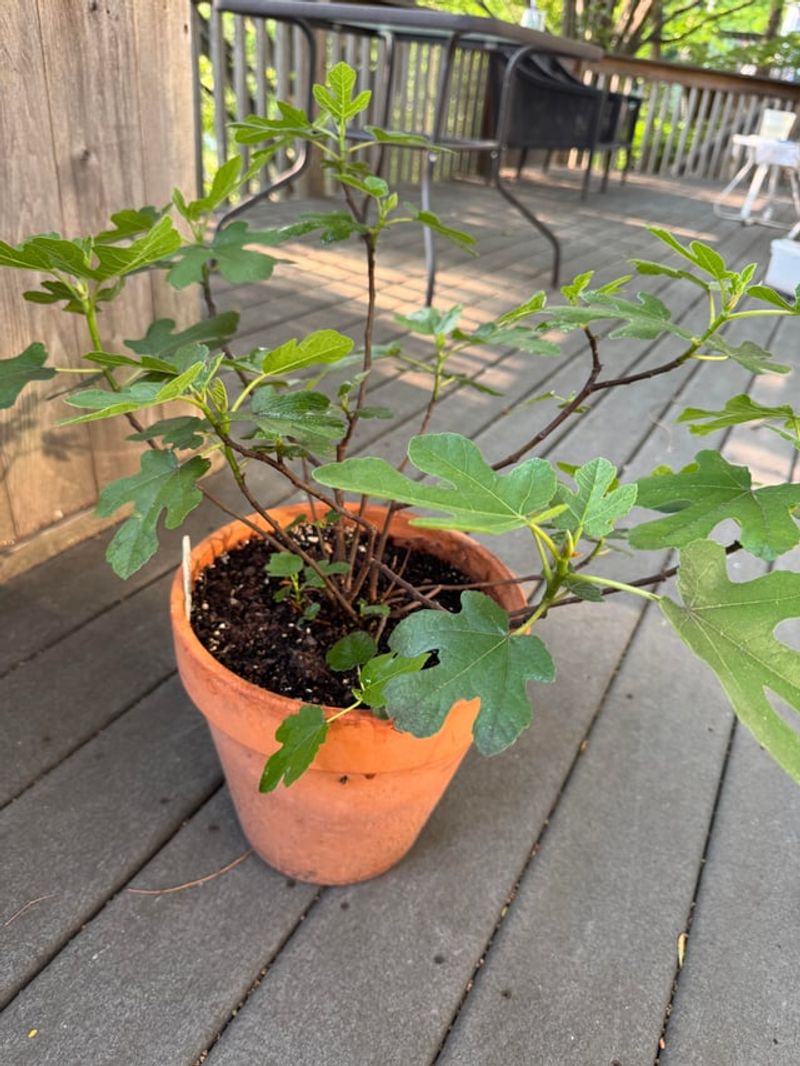
Potted fig trees sitting on a sunny North Carolina patio in July are dealing with a moisture challenge that in-ground trees simply do not face in the same way.
Container soil dries out dramatically faster than garden soil because the pot absorbs heat from all sides, and there is a limited volume of growing medium holding whatever moisture is available.
A container fig that felt adequately moist in the morning can be quite dry by late afternoon on a hot July day.
Gardeners who grow figs in pots often find that July requires daily checks rather than the every-few-days approach that works fine earlier in the season. Sticking a finger a couple of inches into the soil gives a quick read on actual moisture levels.
If the soil feels dry at that depth, it is time to water thoroughly until water runs freely from the drainage holes at the bottom of the container, which confirms that moisture has reached the full depth of the root zone.
Choosing containers with adequate drainage holes is essential, because even with careful watering, a pot without good drainage can trap water at the bottom and create soggy conditions that harm the roots.
Moving container figs to a spot with afternoon shade during the hottest weeks of July can also reduce how quickly the soil dries out, easing the watering burden without sacrificing the sun exposure the tree needs.
North Carolina patios and decks can get extremely hot in summer, so paying closer attention to container figs during July is simply part of keeping them productive through the season.
7. Steady Moisture Supports Better Fruit Size
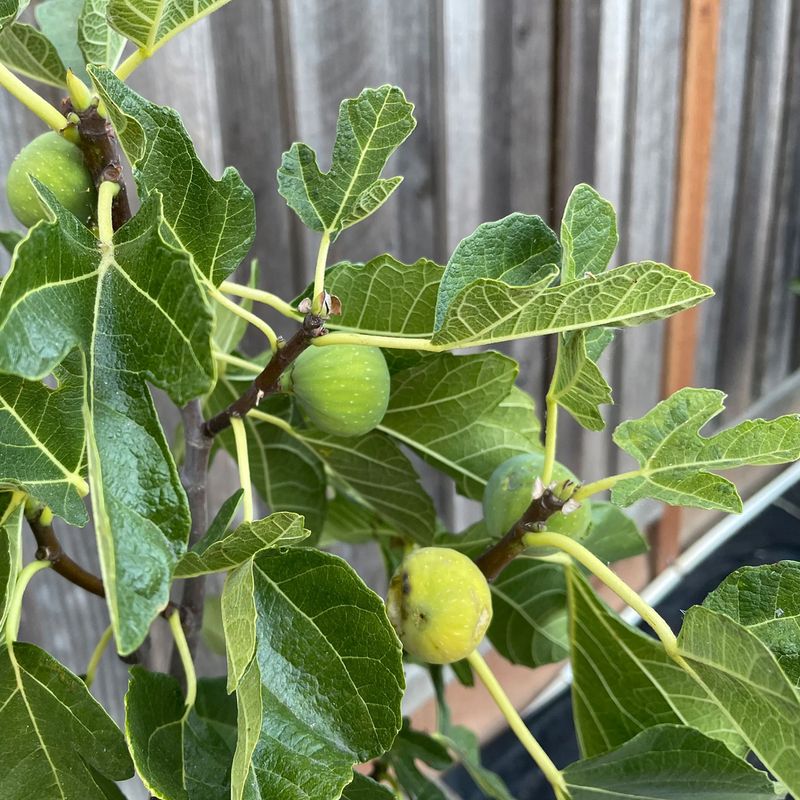
Young green figs that are actively sizing up in July respond noticeably to what is happening in the soil around them. When moisture stays reasonably consistent throughout the development period, the fruit tends to reach a fuller size before ripening.
When moisture swings wildly between wet and dry, the results often include smaller fruit, uneven ripening, or figs that crack when they finally do receive water after a dry stretch.
The connection between steady soil moisture and fruit quality is one reason why paying attention to watering in July pays off so clearly at harvest time.
A fig that develops slowly but steadily with consistent moisture available tends to be sweeter and more fully developed than one that has gone through repeated cycles of stress and recovery during the weeks it was sizing up.
This is true for in-ground trees in North Carolina gardens as well as for container-grown figs on patios and decks.
Getting into a reliable watering routine in early July, before the fruit is too far along in development, gives the tree the support it needs during the most demanding stretch of the season.
Watching the weather forecast, checking the soil regularly, and adjusting the watering schedule based on actual conditions rather than a fixed calendar interval all help keep moisture levels in a range that supports good fruit development.
North Carolina summer weather can shift quickly, so staying flexible and attentive is the most practical approach a backyard fig grower can take heading into the peak of the growing season.