This September Mistake Can Cut Georgia Mums’ Fall Blooming Short
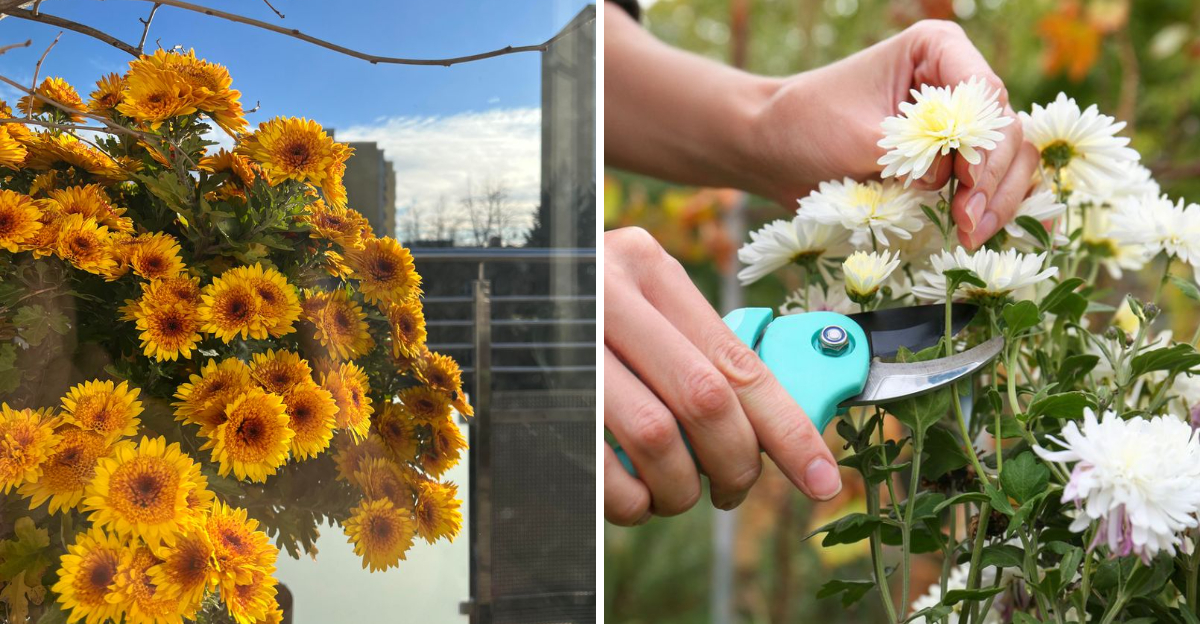
Mums covered in buds can promise weeks of color, but one September habit can interfere with that display. This is when restraint matters more than many gardeners realize.
Georgia gardeners may see fresh growth and assume their plants could use a quick trim. By this point, however, those stems are already preparing for the fall show.
Reaching for the pruners now can remove flower buds before they ever get the chance to open. That simple choice can leave plants with fewer blooms than expected.
Save shaping and pinching for earlier in the growing season. September is better spent supporting the buds that are already developing.
Keep an eye on moisture as warmer days continue, and avoid unnecessary stress. Healthy plants still need steady care while their flowers mature.
Knowing when to stop trimming can make a noticeable difference once blooming begins.
1. September Is Too Late To Keep Pinching Back Mums
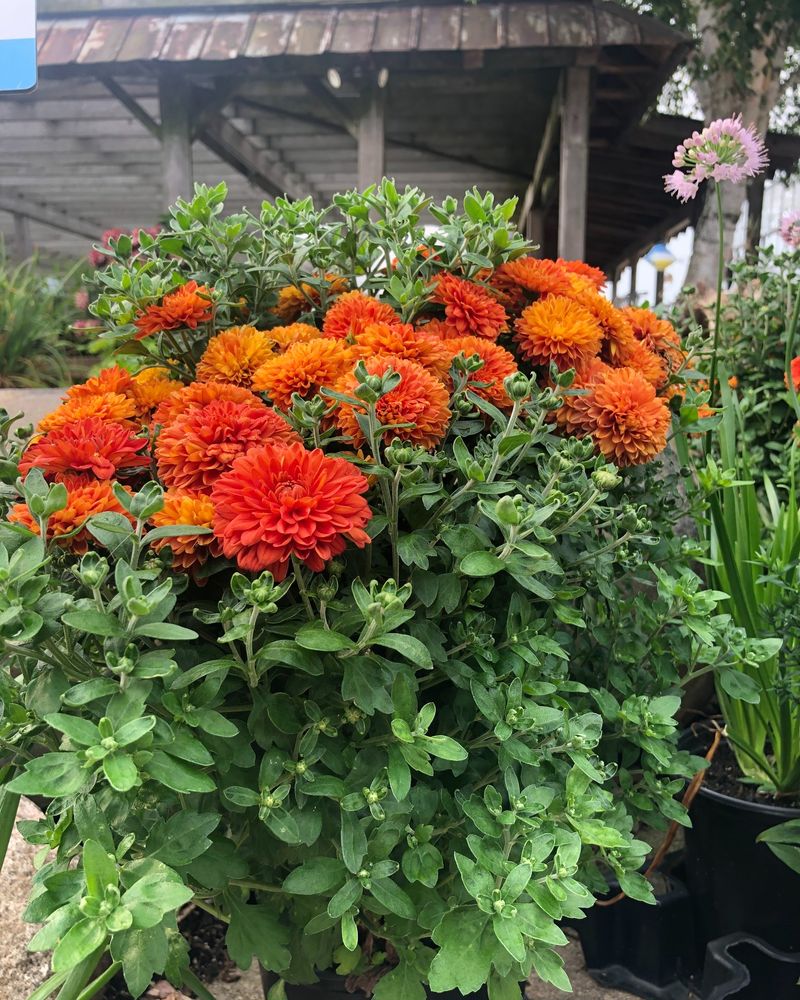
Pinching mums feels productive, but timing matters more than most people realize. Once September arrives in Georgia, that window for pinching has already closed.
Continuing to pinch after early August removes the very buds that were supposed to become your fall flowers.
Mums set their flower buds in response to shorter days. By late summer, those buds are forming whether you can see them or not.
Pinching them off at that stage means fewer blooms, or sometimes no blooms at all, depending on the variety and how late you pinch.
Good rule of thumb is to stop all pinching by late July or early August at the latest. Some gardeners in warmer southern areas continue pinching a little longer, but that can interfere with fall flowering.
Pinching too late is one of the most common reasons mums look leafy and full but produce almost no flowers in fall.
If you missed the cutoff this year, leave the plant alone. Resist the urge to tidy it up by pinching or trimming.
Let the buds develop naturally. You may still get blooms, just possibly fewer than expected.
Next season, start pinching in spring when new growth reaches about four to six inches, and keep at it every few weeks until mid-summer.
2. Flower Buds Are Already Developing For The Fall Show
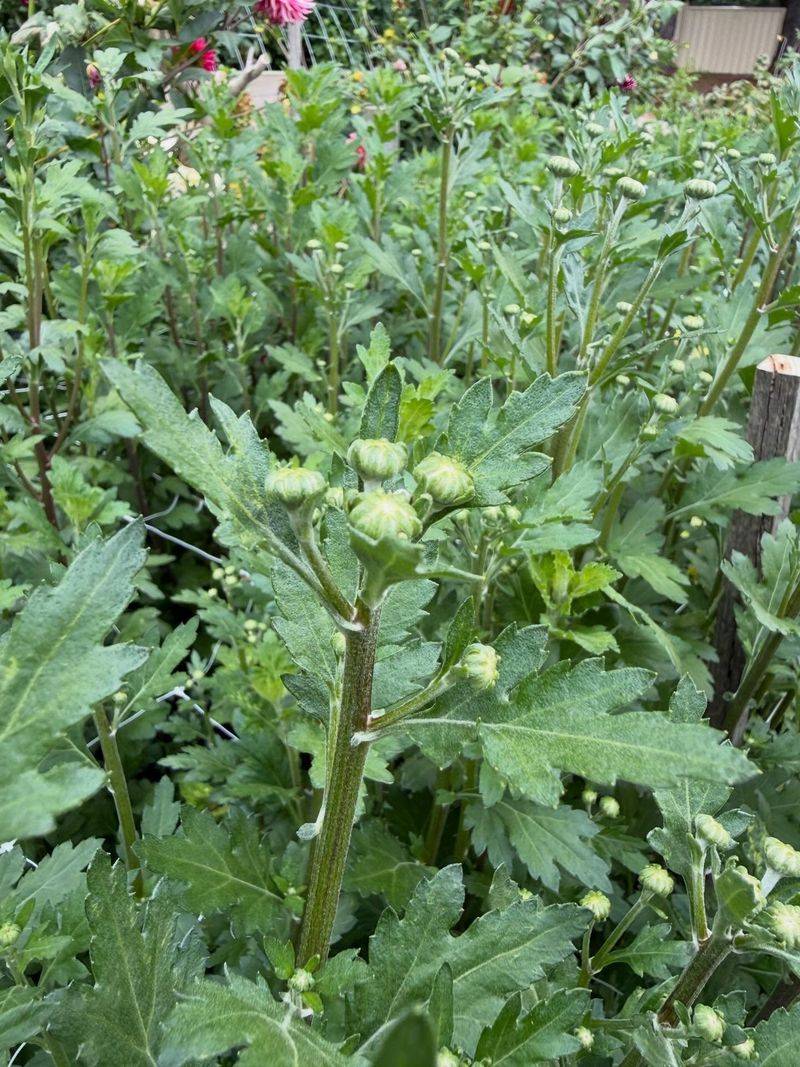
By early September, mum plants are quietly preparing their biggest performance of the year. Tiny flower buds have already begun forming along the stems, even when they are too small to spot easily.
Stressing the plant at this stage can delay or reduce blooming noticeably.
Bud development depends on stable conditions. Sudden changes in water, fertilizer, or pruning can interrupt the process.
Switching to a high-nitrogen fertilizer in September, for example, pushes leafy green growth instead of supporting bud formation. Phosphorus-focused fertilizers are a better fit once buds start forming.
Handling the plant roughly during this stage can also cause problems.
Bending stems, moving containers too aggressively, or letting the soil swing between soaking wet and bone dry puts unnecessary pressure on the plant right when it needs steady care most.
Your Georgia Garden Changes Every Week. Your Plan Should Too.
Gardening in Georgia changes quickly throughout the season. Every Friday you’ll receive a simple weekly plan showing exactly what to plant, prune, fertilize, harvest, and protect so you never miss the right timing.
Watch the plant closely through September. Buds should gradually swell and begin showing color within a few weeks.
If they stall or drop off, check for pests, inconsistent watering, or poor drainage first. Those are the most common culprits.
Keeping conditions stable and avoiding any major changes to the plant’s routine gives those developing buds the best chance of opening into the full, colorful display you were expecting when you planted them.
3. Shorter Days Help Trigger The Shift Toward Blooming
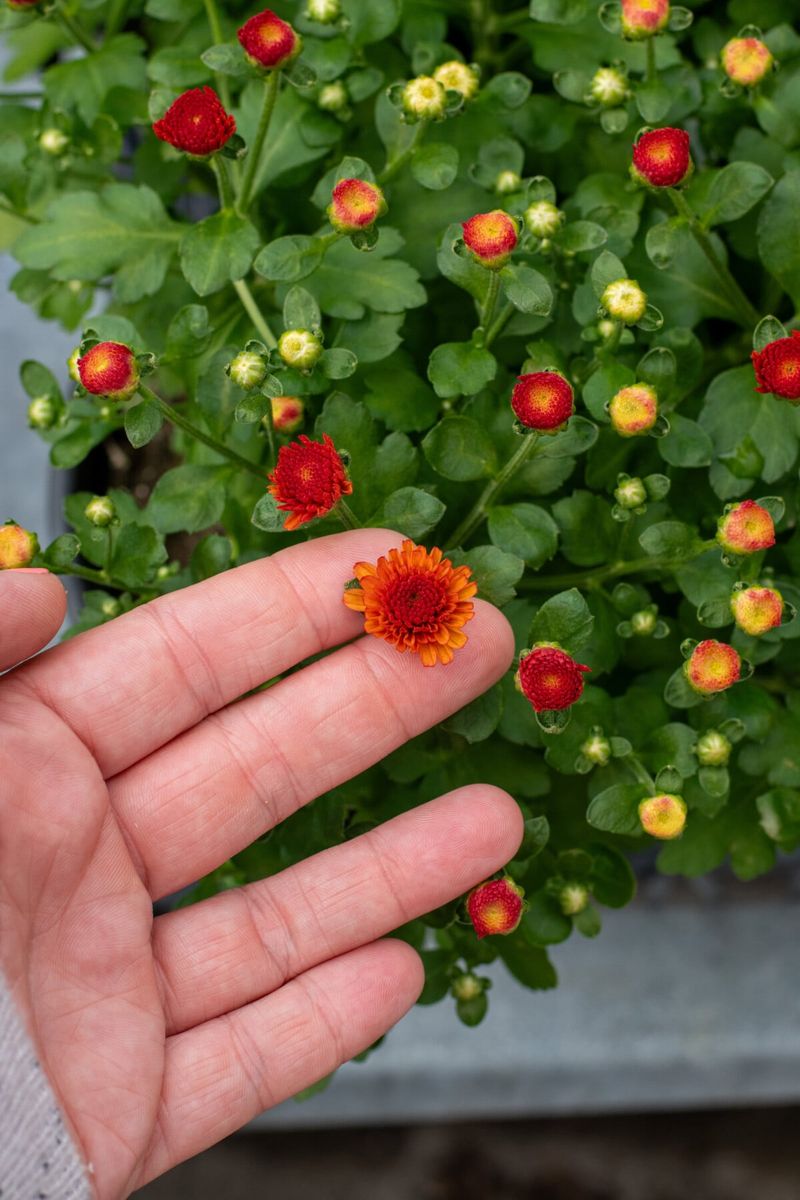
Mums are photoperiod plants, which means the length of daylight hours tells them when to bloom. As summer fades and days grow shorter, that shift in light signals the plant to stop producing leaves and start producing flowers.
It is a built-in biological clock.
Artificial light can interfere with this process. Porch lights, streetlights, or security lights shining on mum plants through the night can confuse them.
A plant receiving too much artificial light may bloom later than expected, or produce an uneven display across the plant.
Placement matters a lot here. Mums growing near a well-lit patio or under a bright outdoor fixture may lag behind plants in darker spots.
Moving containers away from light sources in late summer can help the plant receive the natural dark period it needs to trigger blooming on schedule.
Garden-planted mums have less flexibility since you cannot easily move them. If artificial light is a concern, consider shading the plant for part of the night using a lightweight cover.
Consistency is what the plant responds to best. Even a few nights of interrupted darkness can slow bud development slightly.
Paying attention to where your mums sit relative to outdoor lighting is a small step that can make a real difference in how well they bloom through fall.
4. Full Sun Gives Mums The Light They Need
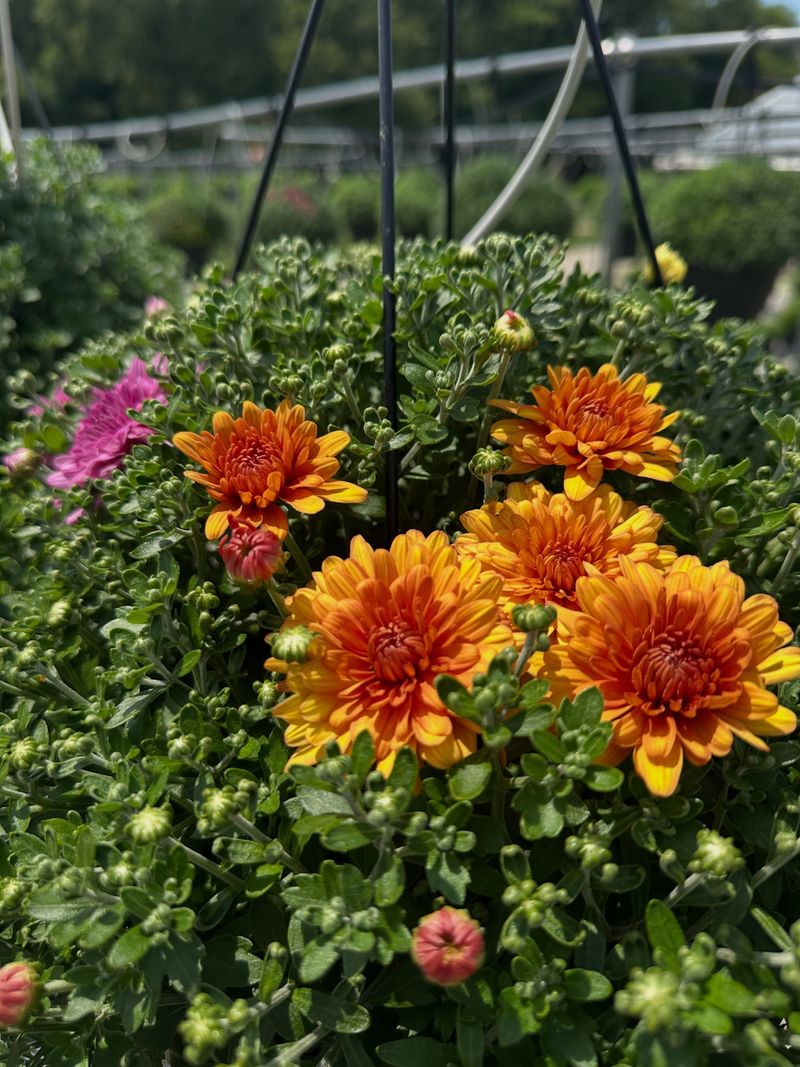
Mums are sun-loving plants. Six hours of direct sunlight per day is the general minimum, and more is usually better during the growing season.
Shade might seem harmless, but it quietly weakens the plant over time.
Low-light conditions lead to stretched, leggy stems that cannot support heavy flower heads. Plants in partial shade tend to produce fewer blooms, and the ones that do open may be smaller or fade faster.
Putting mums in a spot that only gets morning sun and afternoon shade often leads to disappointing results.
Across Georgia, summer sun is intense, so some afternoon shade can actually help prevent heat stress in the hottest months. However, by the time September arrives and temperatures start dropping, full sun becomes more beneficial than ever.
Adequate light at this stage supports strong bud development and vibrant color.
If your mums are in containers, repositioning them to a sunnier spot in early fall is worth trying. Garden-planted mums in shadier locations may simply need to be relocated next season.
Check the light conditions throughout the day before choosing a new spot. Morning sun alone is rarely enough.
A south-facing or west-facing location with open sky overhead generally gives mums the consistent sun exposure they need to bloom well and hold their color through the fall season.
5. Dry Soil Can Quickly Put Flowering Plants Under Stress
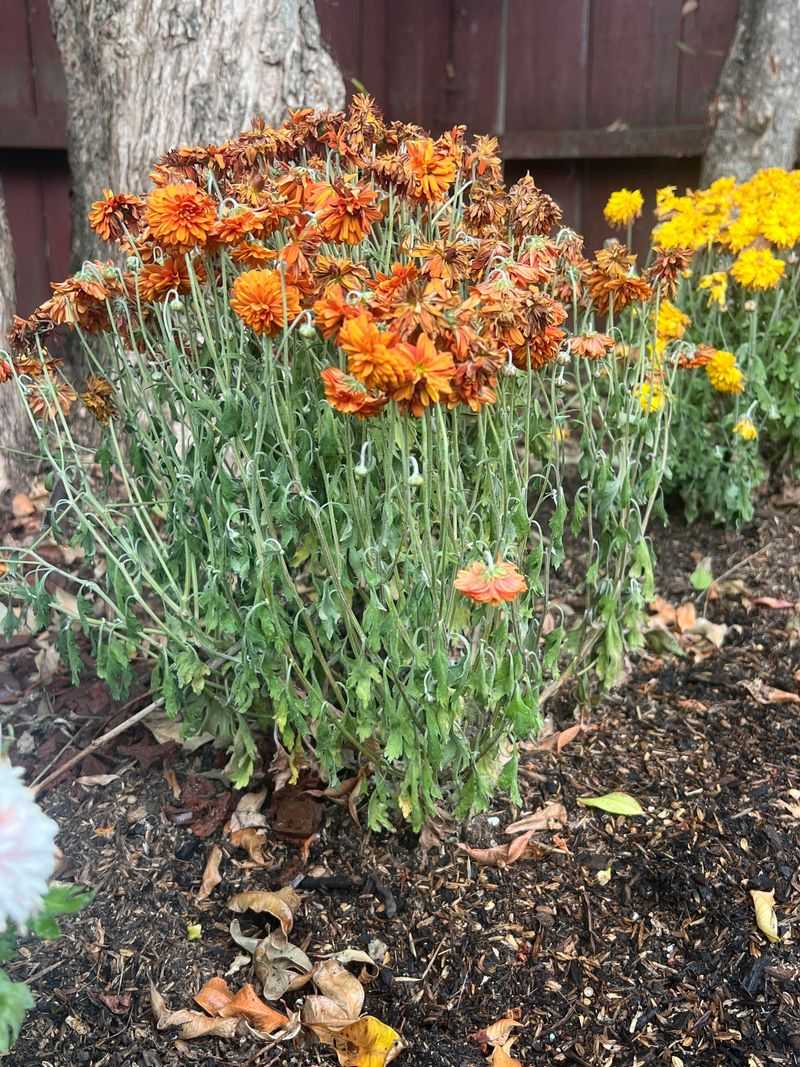
Mums have shallow roots, and that makes them more sensitive to dry soil than deeper-rooted plants. Missing even a few waterings during warm fall weather can stress the plant right when it needs steady moisture most.
Stress during bud development often leads to bud drop. Small buds that were forming just fine may shrivel and fall off if the soil dries out too severely.
Once those buds are gone, the plant cannot easily replace them mid-season. Consistent watering is one of the most important things you can do in September.
Checking soil moisture before watering is smarter than following a fixed schedule. Stick a finger about an inch into the soil.
If it feels dry at that depth, water thoroughly. If it still feels slightly damp, wait another day and check again.
Overwatering is just as damaging as underwatering for mums.
Mulching around the base of the plant helps retain soil moisture and keeps roots cooler during warm spells. A two-inch layer of straw, shredded leaves, or bark mulch works well.
Avoid piling mulch directly against the stems, since that can trap moisture and invite fungal issues.
Keeping the soil evenly moist, not soaking wet and not completely dry, is the straightforward goal that helps mums stay healthy through their most important blooming window of the year.
6. Good Drainage Keeps Roots From Sitting In Wet Soil

Standing water around mum roots is a serious problem. Waterlogged soil cuts off oxygen to the roots, and without oxygen, root function breaks down quickly.
Plants sitting in poorly draining soil often show yellowing leaves and wilting even when the soil looks wet.
Root rot is a real risk in heavy clay soils, which are common across parts of Georgia. If water pools in your garden bed after a rain and takes hours to drain, that spot may not be ideal for mums.
Raised beds or amended soil with added compost can improve drainage significantly.
Container-grown mums need drainage holes, and those holes need to stay clear. Blocked drainage holes cause water to pool at the bottom of the pot, creating the same waterlogged conditions as poorly draining garden soil.
Check containers regularly and empty saucers that collect standing water.
When planting mums in the ground, loosening the soil several inches deep before planting helps roots establish more easily and allows excess water to move away from the root zone.
Mixing in coarse sand or organic matter can also improve the soil structure over time.
Mums can handle regular watering well when drainage is good, but they struggle quickly when water has nowhere to go.
Getting drainage right from the start protects the root system through the entire fall blooming season.
7. Spent Flowers Can Come Off Once The Display Begins
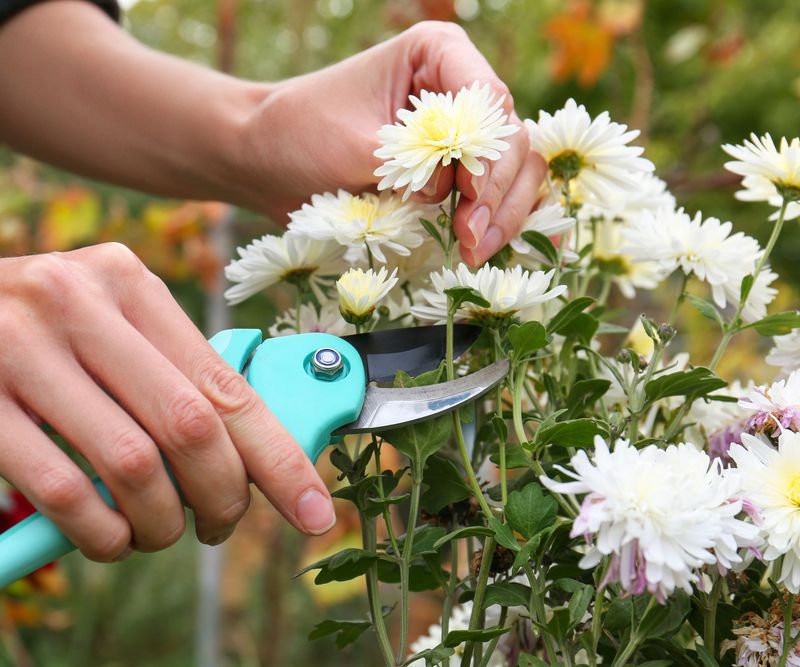
Once your mums start blooming, deadheading spent flowers can help extend the overall display. Removing faded blooms encourages the plant to redirect energy toward remaining buds instead of putting resources into seed production.
Deadheading does not require special tools. Pinching off spent flowers with your fingers or snipping them with clean scissors works fine.
Focus on removing blooms that have fully faded and turned brown. Leave buds and freshly opened flowers completely alone.
Timing matters here too. Removing spent blooms too aggressively or too early can accidentally take off buds that had not yet opened.
Look carefully at each stem before removing anything. Some varieties cluster their buds tightly, so it is easy to mistake a swelling bud for a fading bloom if you are moving quickly.
In Georgia, fall weather can stay warm well into October, which gives mums a longer window to keep producing flowers if they are cared for properly.
Regular deadheading during this period helps keep the plant looking fresh and encourages late-season buds to open fully. It is a simple habit that takes only a few minutes every few days but can noticeably extend how long your mums stay colorful.
Combining deadheading with steady watering and good sunlight gives fall mums the best possible chance to keep putting on a strong show right through the season.