Winter Wind Can Damage Georgia Evergreens Even Without Heavy Frost
A leaf can lose water on a sunny January afternoon while the soil below stays too cold to send much back up. That simple mismatch can scorch a healthy shrub in Georgia without a single hard freeze.
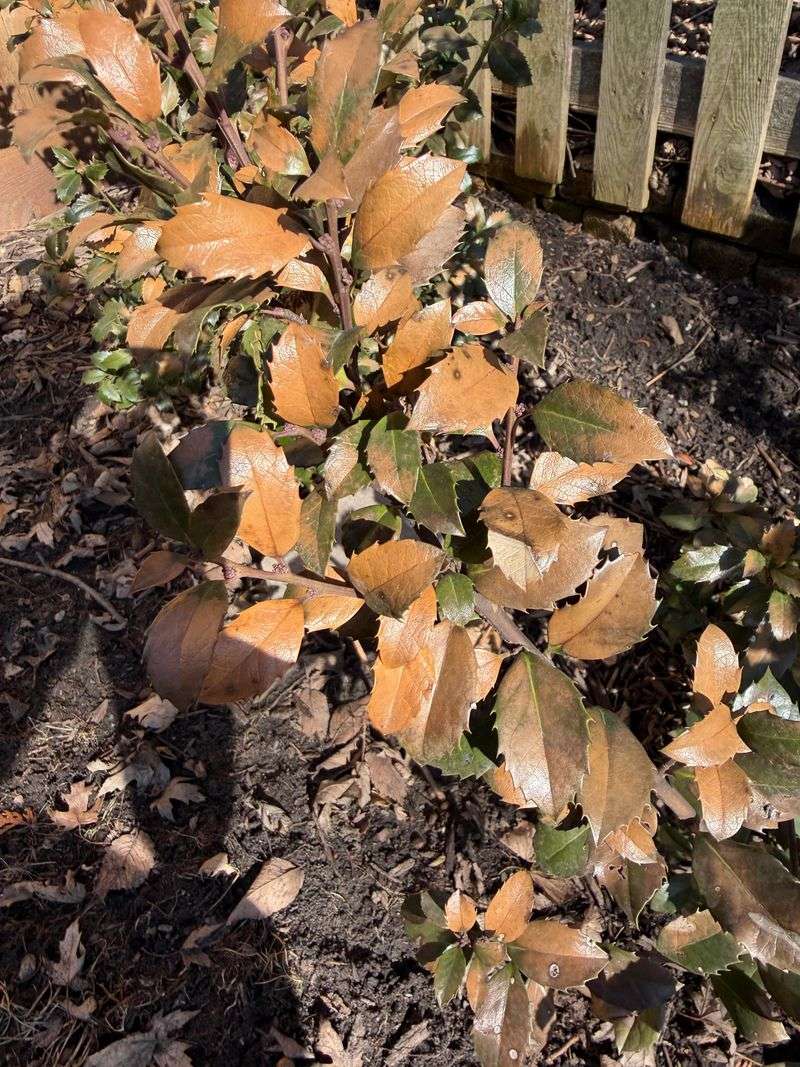
I learned this the hard way along a breezy fence line. My hollies looked fine in December, then turned crispy and bronze by late February.
No ice storm, no snow, just a steady wind that kept blowing for days.
The twist is how quiet the damage stays. Browning often shows up weeks after the windy spell, long after you’ve stopped worrying about the weather.
By then, most of us blame cold, pests, or bad luck.
You can spot the pattern once you know where to look. One side of the plant usually tells the whole story, and the fix is surprisingly simple.
So which side of your shrubs has been taking the hit?
1. Those Brown Holly Edges Started With A Breeze, Not A Freeze
Most gardeners blame cold when evergreen leaves turn brown in late winter. The real culprit is often something called winter desiccation, also known as winter burn.
Evergreens keep their leaves all year, so they keep losing water all year too. Leaves release moisture through tiny pores in a process called transpiration.
In summer, roots easily replace that water. In winter, cold soil slows roots down, and they struggle to keep up.
Add wind, and the problem speeds up fast. Moving air pulls moisture away from leaf surfaces much quicker than calm air does.
A steady breeze for several days can drain a shrub faster than its roots can refill it.
The result looks a lot like frost damage. Leaves turn tan, bronze, reddish, or yellow, and they may feel dry and papery.
Yet the thermometer might never have dropped low enough to freeze plant tissue.
I find this fascinating because it flips what we assume about winter. Temperature matters, but water balance matters just as much.
A plant can be thirsty while sitting in cool, damp-looking ground.
Knowing this changes how you protect your yard. Instead of only watching freeze warnings, you start paying attention to dry, windy stretches too.
2. Sunny, Windy Afternoons Pull Water Out Of Evergreen Leaves
Bright winter sun feels lovely on your face, but your shrubs see it differently. Sunlight warms leaves above the air temperature, which opens pores and boosts water loss.
Combine that sun with dry air and gusty wind, and you have a perfect recipe for moisture loss. Winter cold fronts in Georgia often bring low humidity right behind them.
Those crisp, clear, breezy days after a front passes are the ones to watch.
Meanwhile, the roots are not keeping pace. Cold soil makes water move slowly, and roots absorb less of it.
In the colder mountain areas, shallow soil can even freeze for short periods, locking water away from roots.
Picture a sponge being wrung out on top while the faucet below barely drips. That imbalance is what slowly scorches leaf tissue.
Small amounts of damage add up over several windy spells.
Drought makes everything worse. Fall and winter dry periods leave less moisture in the soil to begin with, so roots have even less to work with.
A quick habit helps here. When the forecast shows several dry, windy days, check your soil moisture.
That small step can save a lot of browning later.
3. Check The Windy Side Of Your Boxwoods And Junipers First
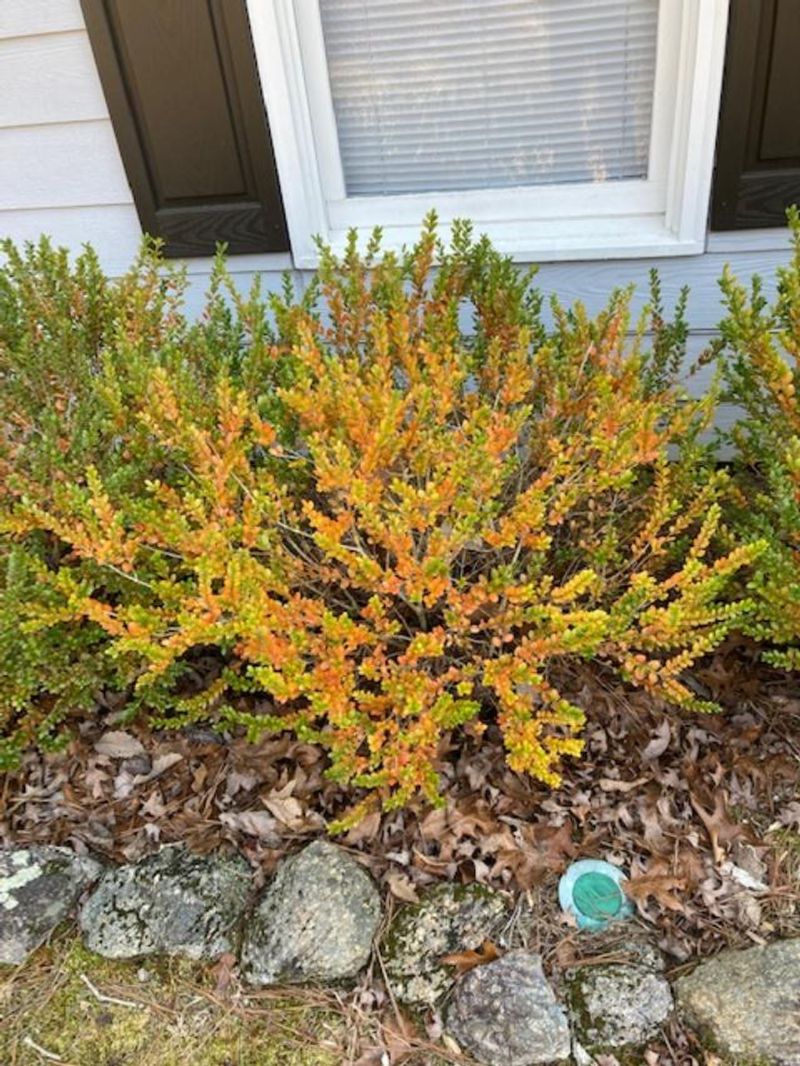
Here is a fun detective trick. Walk around a damaged shrub and compare one side to the other, and you will often find a clear pattern.
Winter burn usually shows up on the side facing the strongest wind or the most afternoon sun. In many yards, that means the south, southwest, or west side.
Plants near open lawns, corners of houses, or driveways tend to catch more wind.
Needled evergreens like junipers, pines, and arborvitae often brown at the tips first. The color may shift to orange, rusty red, or straw yellow.
Broadleaf types like boxwoods and hollies usually scorch along leaf edges or between veins.
Boxwoods are especially telling. Their foliage can turn orange, bronze, or tan during stressful winters.
Some of that bronzing is a normal winter color shift, and it often greens up again in spring.
Leaves on the sheltered side, or tucked inside the plant, usually stay greener. That one-sided pattern is a strong clue pointing to wind and sun, not a pest or disease.
If the damage is scattered evenly or spreading branch by branch, look closer. Root rot, scale insects, or drought can cause similar browning and deserve a check.
4. Big-Leaf Camellias And Gardenias Feel Dry Wind The Most
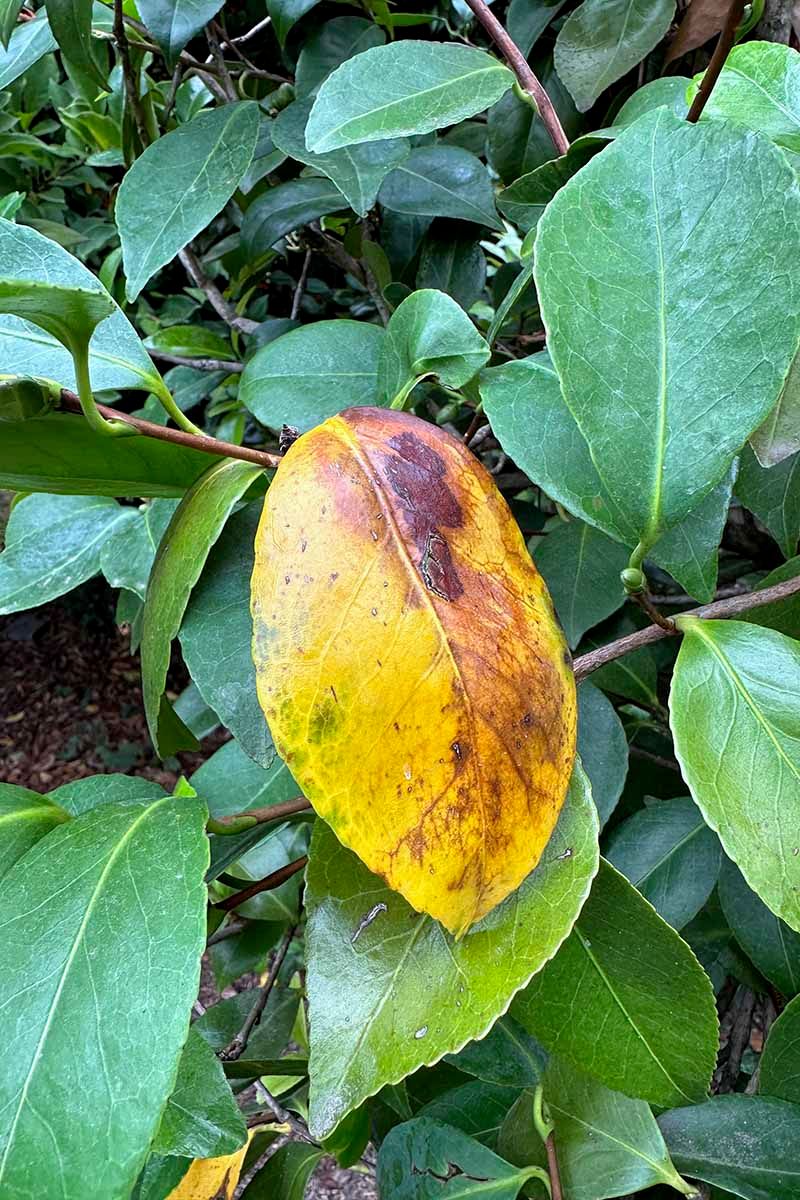
Leaf size plays a surprising role in winter trouble. Broadleaf evergreens have more surface area than skinny needles, which means more room for water to escape.
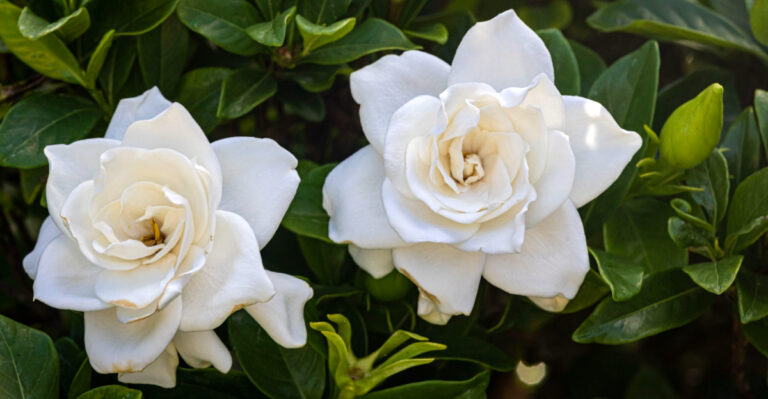
Camellias, gardenias, hollies, rhododendrons, azaleas, and boxwoods all fall into this group. They are Southern favorites, and they can show winter scorch after harsh, windy weather.
Gardenias in particular can struggle in north Georgia, where winters run colder.
Plant age matters too. Shrubs planted within the last year or two have small root systems.
They simply cannot pull up as much water as an established plant.
Container plants face extra risk. Pots dry out quickly, and roots in containers get colder than roots in the ground.
A potted camellia on a windy patio can lose moisture surprisingly fast.
Stressed plants are also more vulnerable. A shrub weakened by summer drought, poor drainage, pests, or heavy pruning has less reserve to handle winter stress.
Personally, I keep a mental list of my most at-risk plants. New plantings, potted evergreens, and anything on an exposed corner get first attention whenever a windy cold front rolls through.
That simple list makes winter care much easier to manage.
5. A Deep Drink Before Cold Fronts Protects Your Shrubs

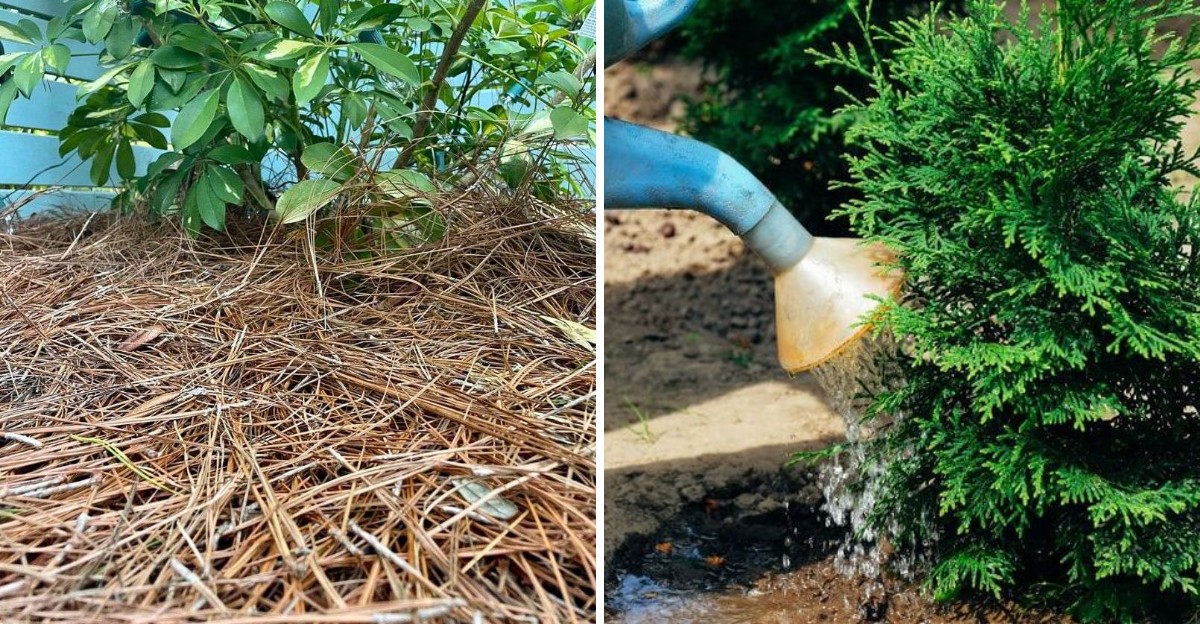
Water is your best defense, and it costs almost nothing. A well-hydrated evergreen handles drying wind far better than a thirsty one.
Start in fall. Give shrubs slow, deep soakings during dry stretches so moisture reaches the full root zone.
A soaker hose or slow trickle from a garden hose works well.
Keep going in winter when rain is scarce. Water on mild days when temperatures are above freezing, ideally in late morning.
That gives water time to soak in before nighttime chill.
Aim for about an inch of water a week during dry periods, including rainfall. New plantings and containers may need checks more often, since they dry out faster.
Not sure if the soil is dry? Push a finger or a screwdriver a few inches into the ground near the plant.
If it slides in easily and feels damp, hold off.
Be careful not to overdo it. Soggy, poorly drained soil can lead to root rot, especially in heavy Georgia clay.
The goal is evenly moist soil, not standing puddles.
One deep watering before a windy cold front can make a real difference. Keep an eye on the forecast and plan ahead.
6. Pine Straw Mulch And Burlap Screens Block The Worst Gusts
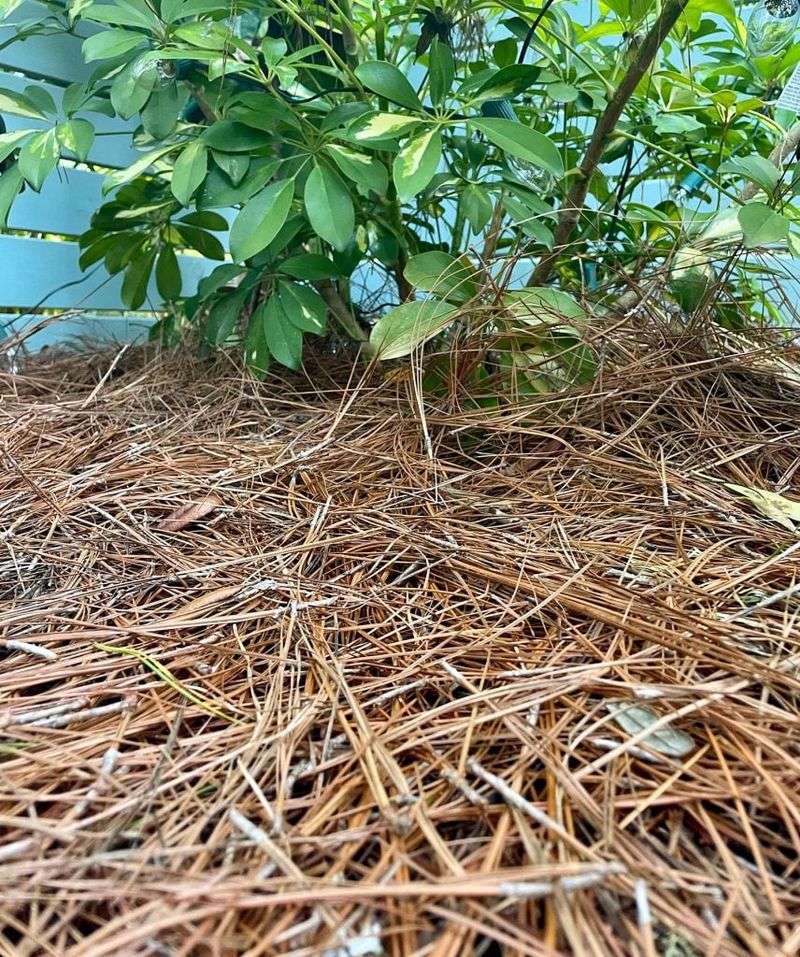
Pine straw is practically the official mulch of Georgia, and it earns its spot. A layer 2 to 4 inches deep helps soil hold moisture and keeps roots more even in temperature.
Spread mulch out to the plant’s drip line, where most active roots live. Keep it a few inches away from trunks and stems.
Mulch piled against bark can hold moisture and invite rot.
For plants in exposed spots, a simple windbreak helps. Set two or three stakes on the windward side and staple burlap to them.
Leave some space between the fabric and the foliage.
Avoid wrapping plants tightly in plastic. Plastic traps heat on sunny days and can cause more harm than good.
Breathable burlap or frost cloth works much better.
Windbreaks are most useful for young shrubs, new plantings, and container plants. Established, healthy shrubs in sheltered spots usually do fine without them.
You might also hear about anti-desiccant sprays. Research on them shows mixed results, so treat them as optional rather than a sure fix.
Moving potted evergreens near a wall or into a sheltered corner is another easy win. Grouping pots together also reduces wind exposure.
7. Scratch A Juniper Twig Before You Reach For The Pruners
Patience pays off with winter burn. Brown foliage looks alarming, but buds and stems underneath are often still healthy.
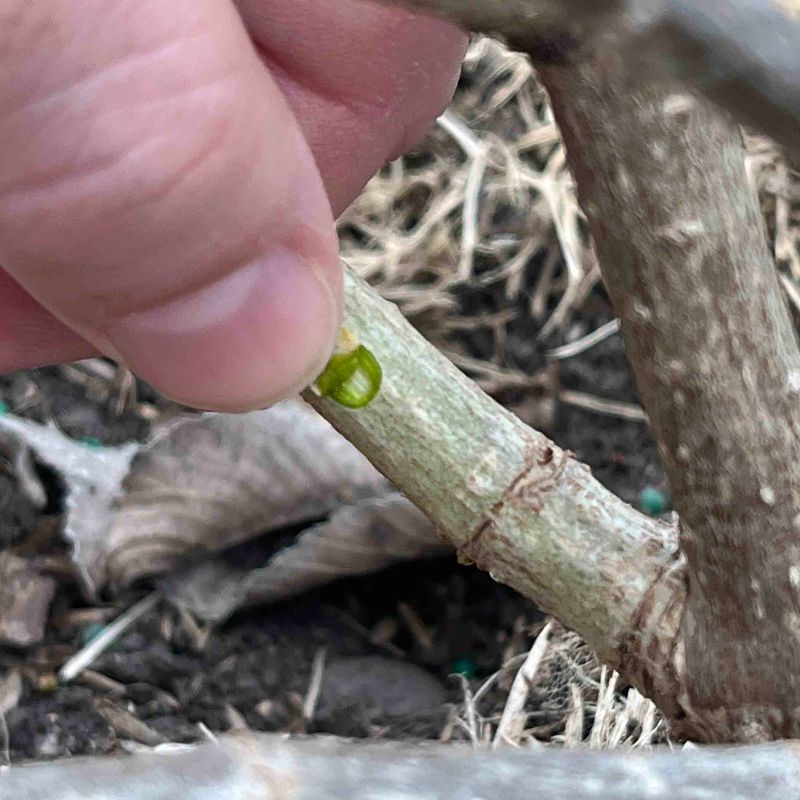
Try the scratch test. Gently scrape a small spot of bark on a twig with your fingernail.
Green, moist tissue underneath means that branch is alive and likely to push new growth.
If the tissue is brown and dry, move farther down the branch and test again. Eventually, you will find where healthy wood starts.
Wait until new spring growth appears before pruning. In much of Georgia, that means March or April, depending on your region.
Waiting shows you exactly which parts recovered.
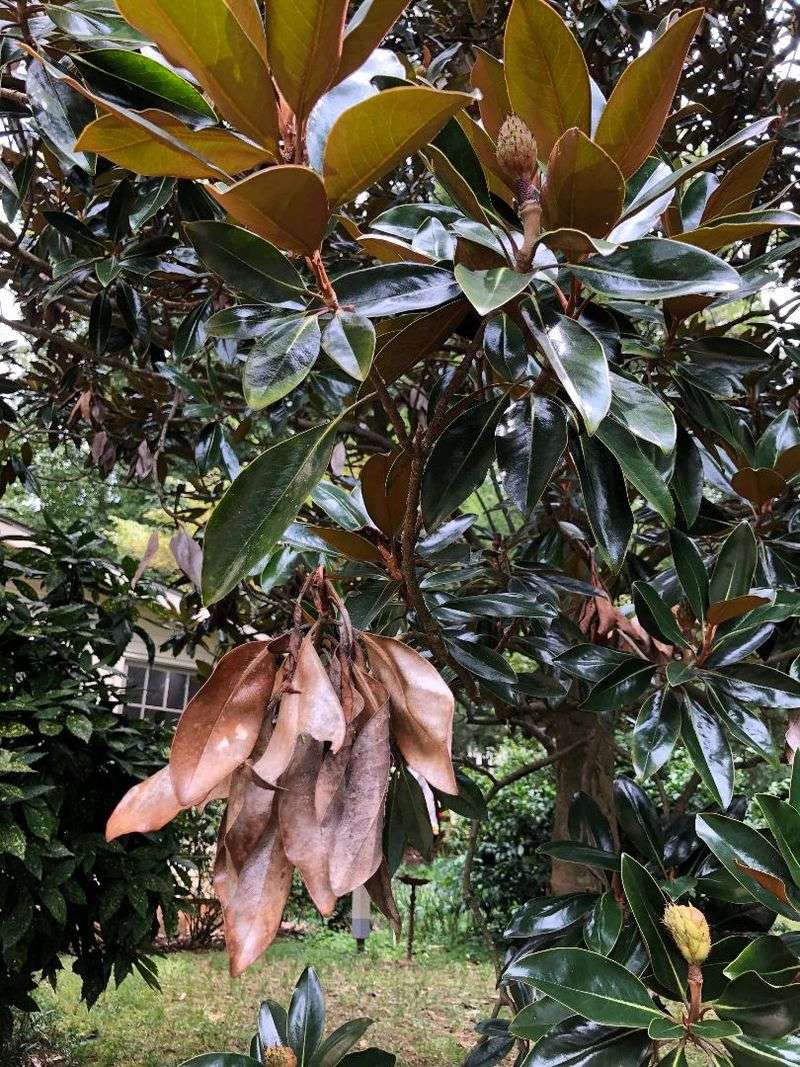
Broadleaf shrubs like hollies and camellias often drop scorched leaves and replace them. Boxwoods frequently green back up as weather warms.
Needled evergreens are different. Many conifers, including junipers and pines, do not sprout from bare, old wood.
If a branch is brown all the way back, new growth may not return there.
When you do prune, cut back to healthy tissue or a live side branch. Clean, sharp pruners make neat cuts that heal well.
Skip heavy fertilizer right away and let the plant recover at its own pace.
8. Smart Placement Keeps Evergreen Hedges Greener Every Winter
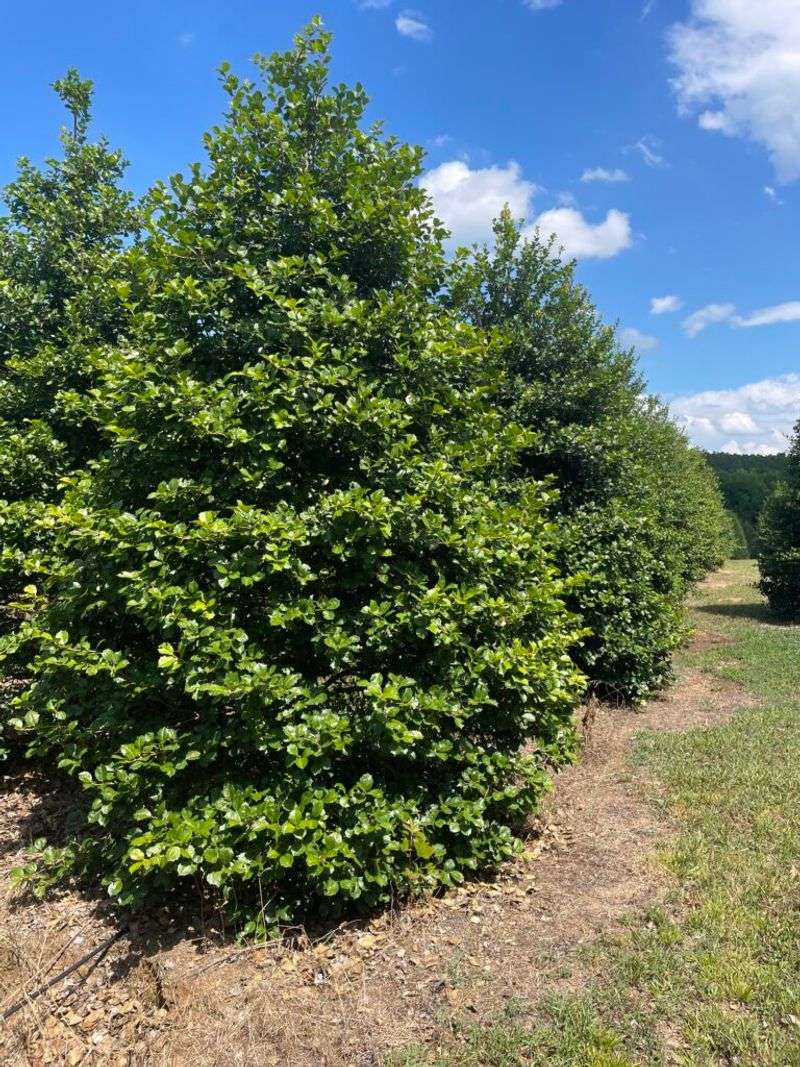
The best protection starts on planting day. Where you put an evergreen shapes how much wind and sun it faces every winter.
Before planting, notice which way winter winds usually blow across your yard. Open corners, hilltops, and spots between buildings often act like wind tunnels.
Tender broadleaf shrubs appreciate a more sheltered location.
Choose plants suited to your area. Georgia spans roughly USDA zones 6b in the northern mountains to 9a near the coast.
A shrub that thrives in Savannah might struggle on a windy ridge near Blairsville.
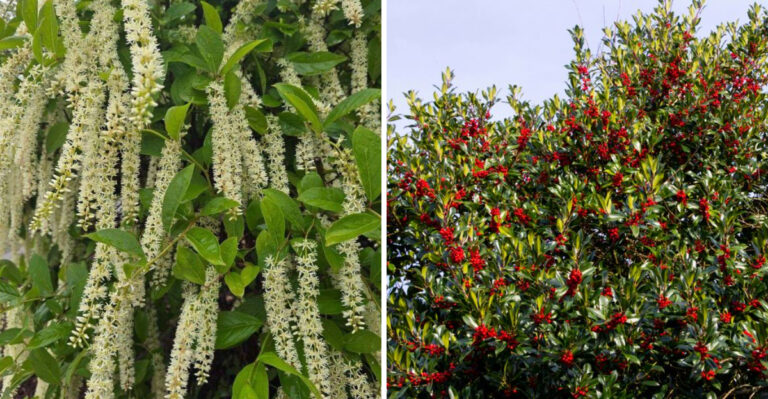
Native evergreens are worth a look. American holly, wax myrtle, inkberry, and eastern red cedar handle local conditions well and support wildlife too.
Plant in fall when possible. Cooler air and warmer soil help roots grow before the stress of winter and summer.
Strong roots mean better water uptake later.
Healthy soil supports everything else. Loosen compacted ground and improve drainage in heavy clay so roots can spread.
I like to think of winter care as a year-round habit. Good placement, steady water, mulch, and a little patience in spring add up to evergreens that stay lush through even the breeziest Georgia winters.