The Most Underrated September Flower In Texas Gardens
September in Texas gardens tends to feel like a transitional month rather than a peak one. The brutal summer is finally loosening its grip, the garden is recovering from months of heat, and most of the attention shifts toward fall planting and cool season preparation.
Meanwhile, one of the most beautiful and ecologically important flowering moments of the entire Texas garden year is quietly happening, and most gardeners are walking right past it.
There is a flower that peaks in September in Texas with a display that deserves far more recognition than it receives.
It blooms abundantly as temperatures begin to ease, draws in an impressive range of late season pollinators, and provides the kind of late summer color that most gardens desperately need right as the transition into fall begins.
It handles the Texas climate without complaint and asks very little in return for a performance that runs well into October.
Most Texas gardeners have never planted it specifically for September. That’s the oversight this article is here to fix.
Fall Aster Comes Alive Just As Summer Color Fades
Picture your garden in late August. Most of your spring flowers are long gone, the summer annuals look tired, and everything seems a little washed out.
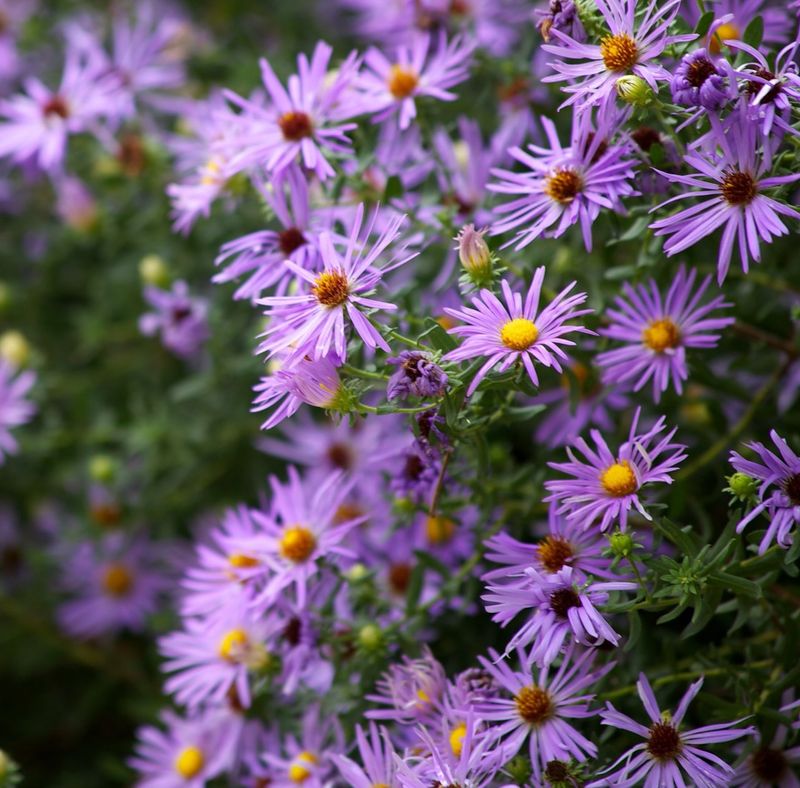
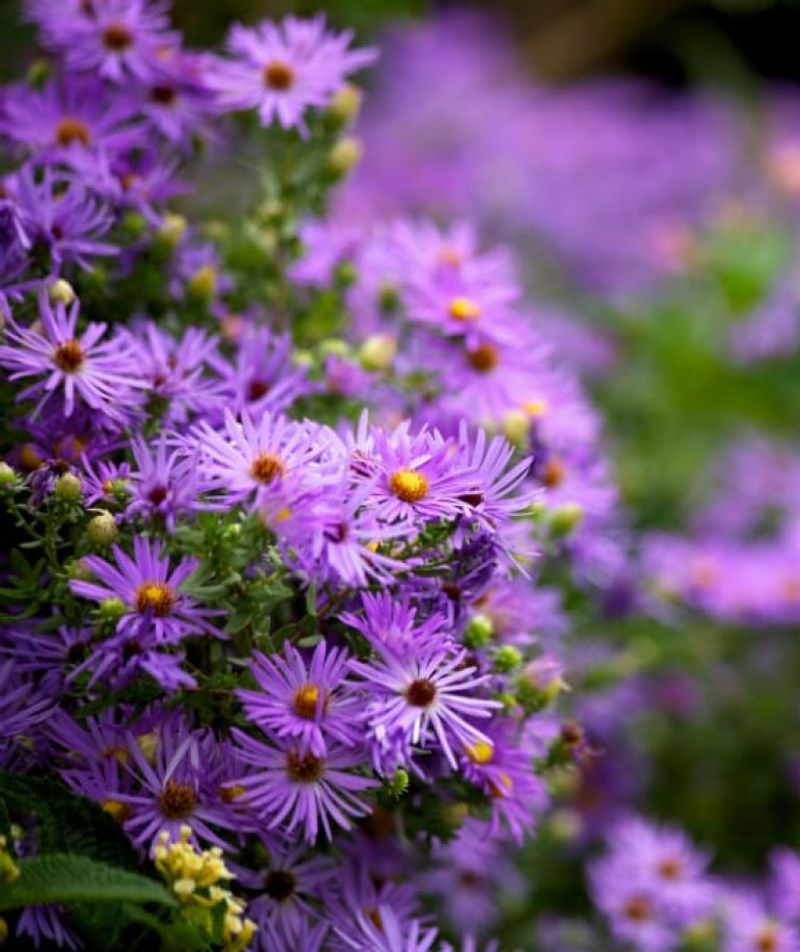
That is exactly when fall aster steps up and steals the show. Symphyotrichum oblongifolium begins flowering in late summer and carries its color strong through all of September, giving you a fresh burst of purple-blue blooms right when your yard needs it most.
Fall aster is a native Texas wildflower, which means it evolved to grow here naturally. You can spot it along roadsides, in meadows, and on rocky hillsides across the state.
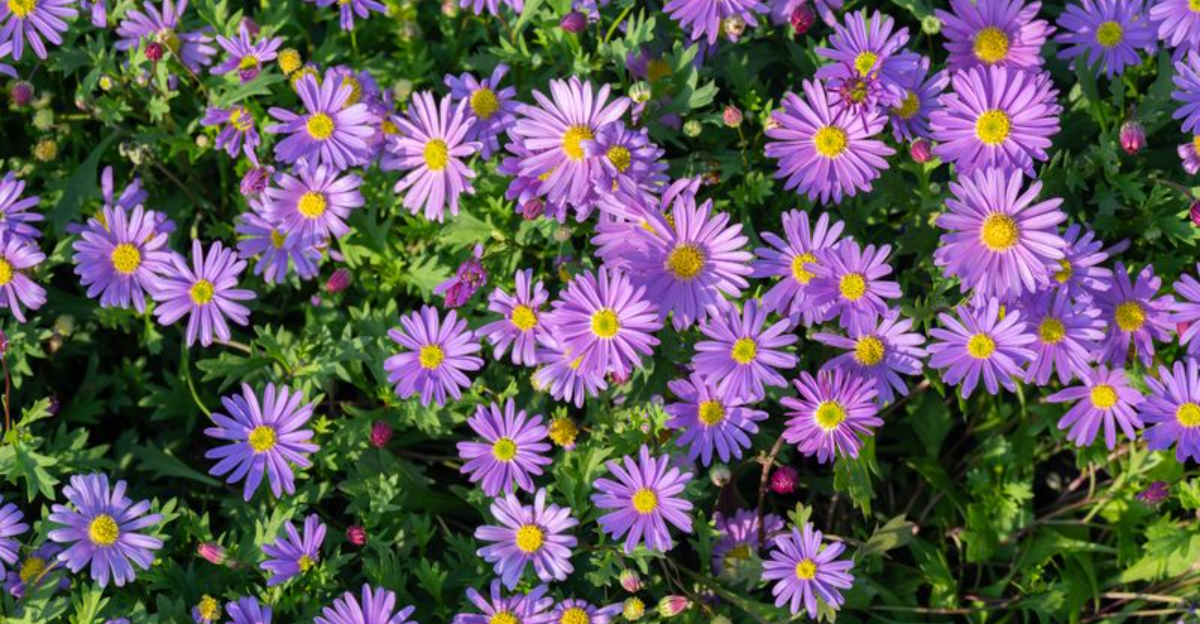
Bringing it into your garden is like inviting a little piece of wild Texas home. The flowers are small and daisy-like, with thin lavender petals surrounding a bright yellow center.
One of the best things about this plant is its timing. Most fall garden flowers need a lot of babying to look good in September heat.
Fall aster just does its thing without much fuss. It starts forming buds while summer is still holding on strong, then opens up into a full, colorful display as temperatures finally begin to drop.
Gardeners who plant it often say it feels like a surprise gift at the end of a long, hot season. Planting fall aster in groups makes the biggest visual impact. When several plants bloom together, the purple-blue color creates a stunning wave of color across a bed or border.
If you want your September garden to look alive and full of energy, fall aster is one of the smartest choices you can make.
It Handles Texas Heat Better Than Many Fall Flowers
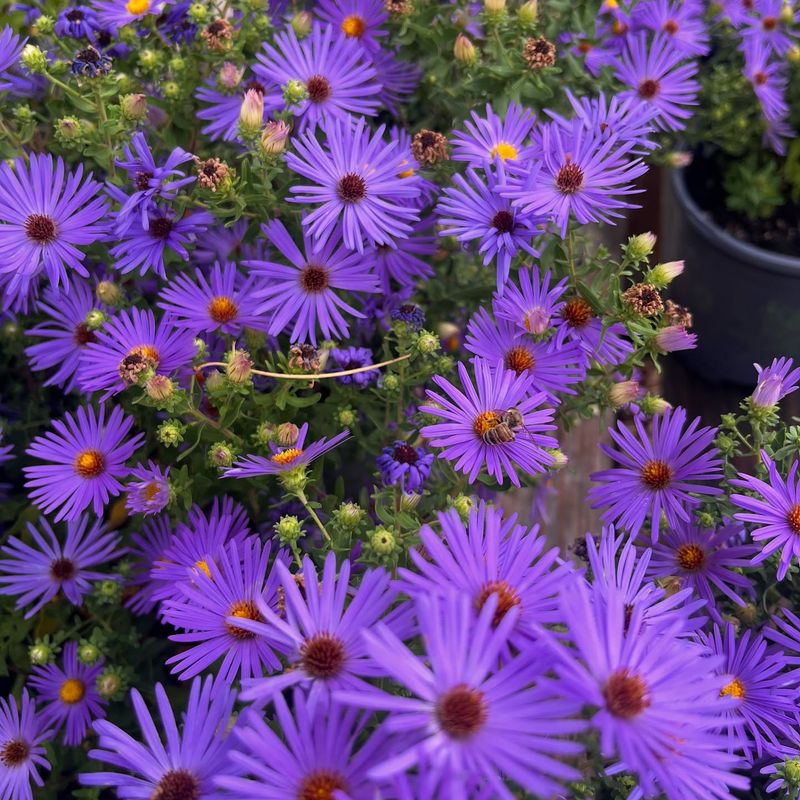
Texas summers are not for the faint of heart. Scorching temperatures, weeks without rain, and blazing sun can knock out even the toughest plants.
Yet fall aster takes it all in stride. Once established in your garden, this plant handles heat and dry conditions far better than most other fall-blooming flowers you could choose.
Your Texas Garden Changes Every Week. Your Plan Should Too.
Gardening in Texas changes quickly throughout the season. Every Friday you’ll receive a simple weekly plan showing exactly what to plant, prune, fertilize, harvest, and protect so you never miss the right timing.
That resilience is a big reason why Texas gardeners who discover it never want to be without it.
Full sun is where fall aster truly shines. Planting it in a spot that gets at least six hours of direct sunlight each day will produce the strongest, most impressive flowering.
Plants grown in too much shade tend to get leggy and produce fewer blooms. Give it plenty of light, and it rewards you with a thick, bushy plant covered in flowers from late summer through fall.
During its first growing season, giving it some extra water helps it settle in and build a strong root system. After that, you can mostly step back and let it fend for itself.
Established plants have deep roots that seek out moisture even when the surface soil is bone dry. That kind of toughness is rare in a flowering plant, especially one this pretty.
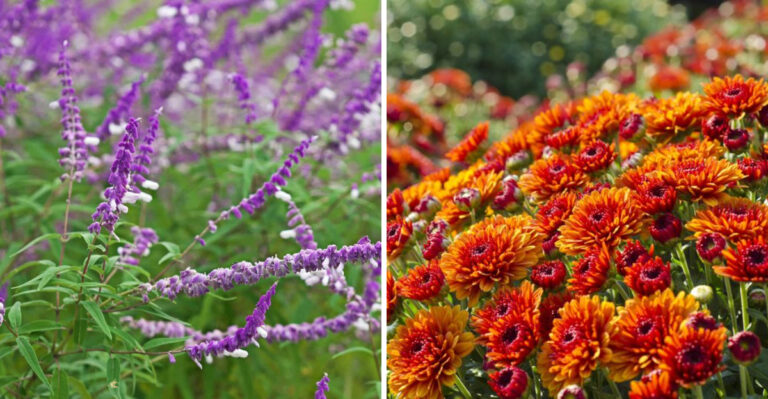
Compared to chrysanthemums or other popular fall flowers that need regular watering and careful attention, fall aster is refreshingly low-maintenance. You do not need special fertilizers or complicated care routines.
Just plant it in a sunny spot with decent soil, give it time to settle, and watch it take off. For busy gardeners who want big results without big effort, this plant is a perfect fit.
Pollinators Depend On Its Late-Season Blooms
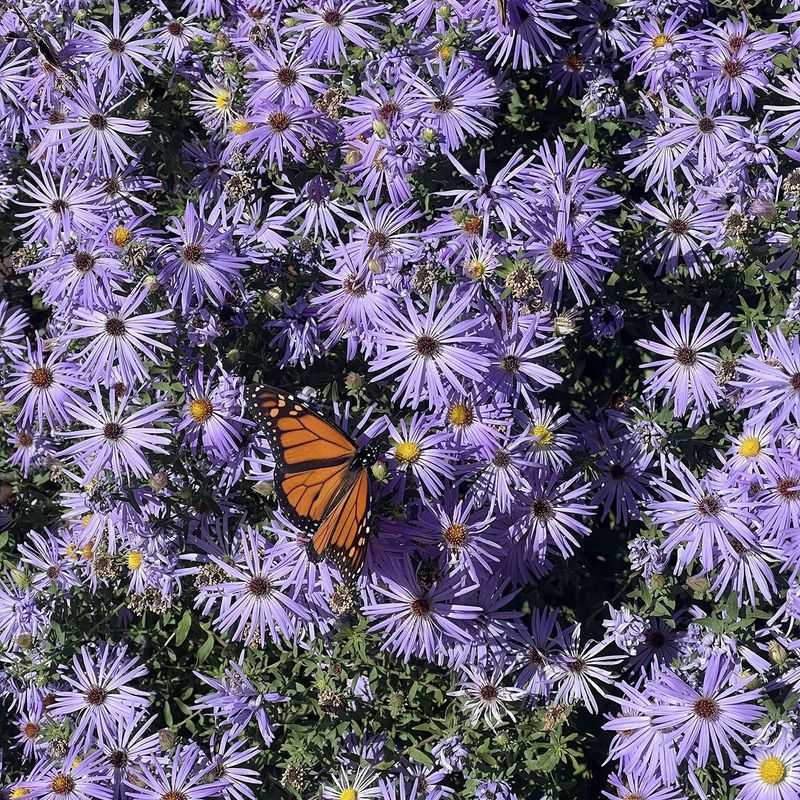
Walk up to a patch of blooming fall aster on a warm September morning, and you will hear it before you see all the action. The soft buzzing of bees moving from flower to flower fills the air.
Butterflies drift in and out, landing gently on the small purple blooms. Fall aster is not just pretty for people. It is a lifeline for pollinators when they need food the most.
By September, many of the summer flowers that bees and butterflies relied on are finished blooming. Nectar and pollen become harder to find.
Fall aster steps in at exactly the right moment, offering a generous supply of both. Monarch butterflies, which are migrating through Texas in September on their way south, frequently stop to feed on fall aster blooms.
Watching monarchs visit your garden is one of the most magical experiences a gardener can have.
Native bees, honeybees, and bumblebees also work fall aster flowers heavily. These pollinators are building up their energy reserves before cooler weather arrives.
A garden with fall aster becomes a buzzing hub of activity during the day, which is exciting to watch and great for the local environment.
Supporting pollinators is one of the most meaningful things a home gardener can do. Planting fall aster is a simple, affordable way to help.
You get beautiful color, and the bees and butterflies get the food they need. It is a win for everyone involved.
If you care about wildlife and want your garden to do more than just look nice, fall aster should absolutely be on your list.
It Works Well In Low-Water Landscapes
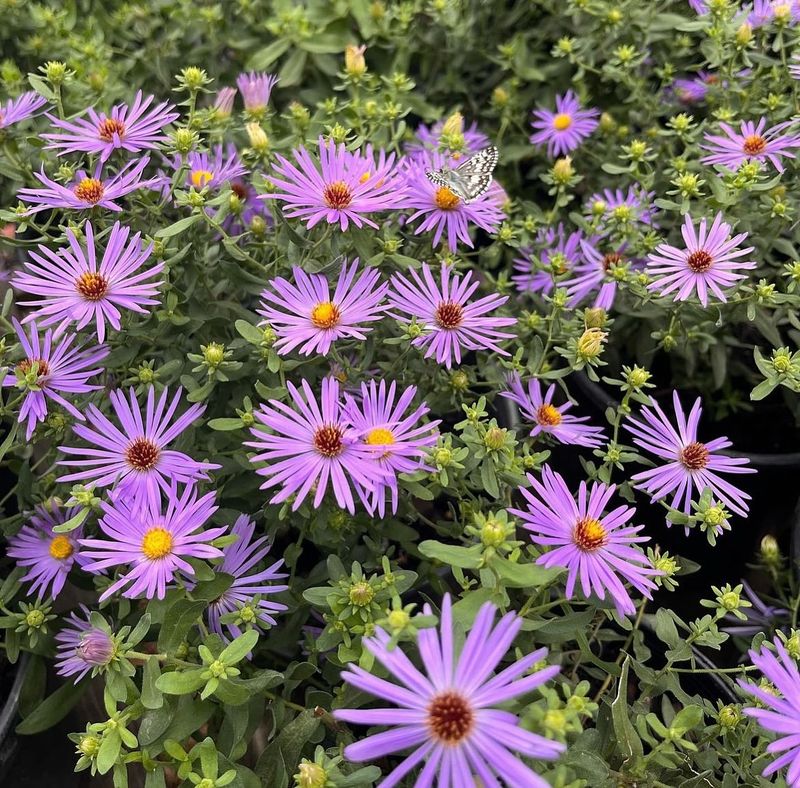
Water is precious in Texas. Droughts are common, water restrictions pop up every summer, and keeping a garden looking good without wasting water is a real challenge.
Fall aster fits beautifully into low-water and native plant garden designs, making it a smart choice for eco-conscious gardeners who want their yards to be both beautiful and responsible.
As a native Texas wildflower, fall aster evolved alongside the local climate. It knows how to survive on natural rainfall once it is established.
That means less time dragging out the hose and less stress about your water bill. Native plant gardens that include fall aster can look lush and colorful through September without the heavy irrigation that many traditional flower gardens demand.
Soil drainage matters a lot for this plant. Fall aster does not like sitting in soggy ground.
Well-drained soil helps the roots stay healthy and keeps the plant from developing rot problems.
If your yard has clay-heavy soil that holds water, mixing in some compost or coarse sand before planting can make a big difference. Raised beds also work well for gardeners dealing with poor drainage.
Pairing fall aster with other native plants creates a garden that looks intentional and works together as a system.
Plants like Texas sage, black-eyed Susan, and native grasses all share similar water needs and complement fall aster nicely. Together, they create layers of color and texture that look great from summer through fall.
Choosing plants that match your local climate just makes gardening easier. Fall aster proves that low-water gardening does not mean sacrificing color or beauty in your September landscape.
Give It Room To Spread
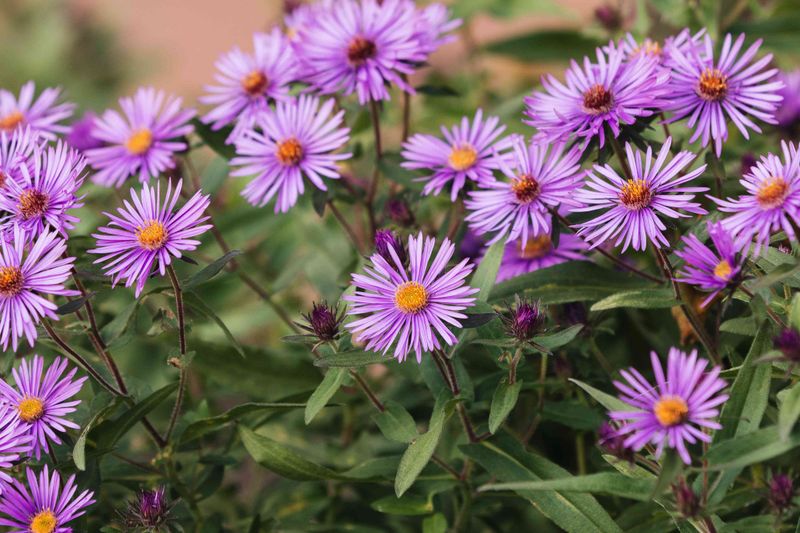
Here is something that surprises a lot of first-time fall aster growers. This plant does not stay small and neat forever.
Over time, established plants form broad, spreading clumps that can stretch two to three feet wide or even more. That spreading habit is actually one of its greatest strengths, but it does mean you need to plan ahead when you decide where to put it.
Borders and native plant beds are ideal spots for fall aster. When plants are given enough space to spread naturally, they fill in beautifully and create that lush, full look that makes a garden feel established and well-designed.
Informal mass plantings work especially well. Planting several fall asters close together in a large open area creates a sweeping carpet of purple-blue blooms in September that is truly eye-catching.
Avoid squeezing fall aster into tight spots between large shrubs or other aggressive plants. It needs room to breathe and spread without too much competition.
If you plant it with enough space, it rewards you by filling that space with healthy, vigorous growth each year.
Dividing clumps every few years keeps plants looking their best. As a clump grows large, the center can sometimes become woody and less productive.
Digging up the clump in early spring, splitting it into smaller sections, and replanting those sections gives each new division a fresh start. You end up with more plants for free, which you can spread around your yard or share with neighbors.
Fall aster is generous in every sense. Give it space, and it will give you back a bold, spreading display of color that makes your September garden feel full and alive.
Cut It Back Earlier For A Fuller Fall Display
Want to know a simple trick that most gardeners overlook? Cutting back your fall aster plants earlier in the growing season can make a huge difference in how full and impressive they look come September.
It sounds a little counterintuitive at first. Why would you cut a plant back if you want more flowers? But the logic is solid, and the results speak for themselves.
When you give fall aster a light trim in late spring or early summer, the plant responds by branching out more. Instead of sending up a few tall, lanky stems, it produces a denser, bushier shape with many more branch tips.
Each branch tip is a potential flower cluster. More tips means more blooms, which means a fuller, more spectacular display when September rolls around.
The key is stopping the pruning well before the plant starts setting its flower buds. A good rule of thumb is to make your last cut by early to mid-July.
After that, leave the plant alone and let it do its thing. Cutting too late in the season can remove developing buds and delay or reduce flowering, which is the opposite of what you want.
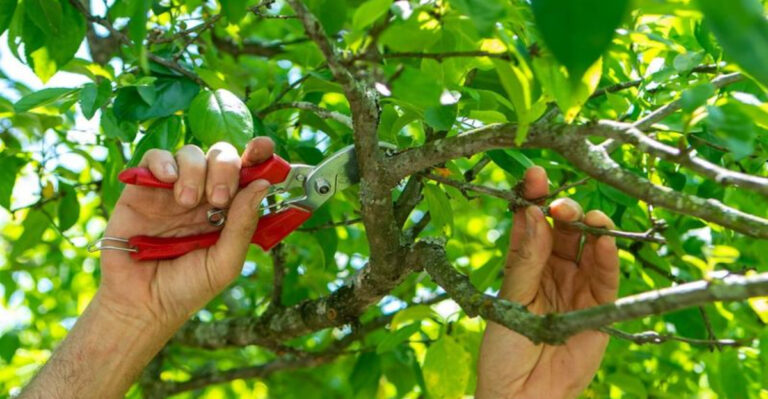
Hand pruners or even sharp garden shears work perfectly for this job. You do not need to take off more than a few inches of growth each time.
Think of it as a light haircut rather than a hard cutback. The plant recovers quickly and comes back stronger and more branched than before.
A little early effort pays off big in fall. With just a couple of well-timed trims, your fall aster plants can put on a September show that will have your neighbors stopping to ask what that beautiful purple plant is.