This Simple Plant Can Do More For Your Garden Than You Think
Somewhere in your garden, there is probably a plant doing far less work than it should. A pretty face, decent enough, but not exactly pulling its weight when things get tough.
Meanwhile, one particular plant keeps getting underestimated by almost every gardener who grows it.
Most people tuck it into a corner of the herb bed, use it once or twice in the kitchen, and more or less forget about it. That is a significant underestimation of what it is actually capable of.
What it brings to a garden goes well beyond the kitchen, and most of it happens without you doing anything extra. The pollinators already know. So do the vegetables growing nearby.
There is a reason experienced gardeners keep coming back to this one plant year after year, and it has very little to do with cooking.
Do you actually know what this plant can do for your garden?
The Flowering Herb Bees Keep Finding First
If you walk past this plant in bloom on a warm afternoon, you may hear it before you really notice it. That low hum around the flowers gives away the secret.
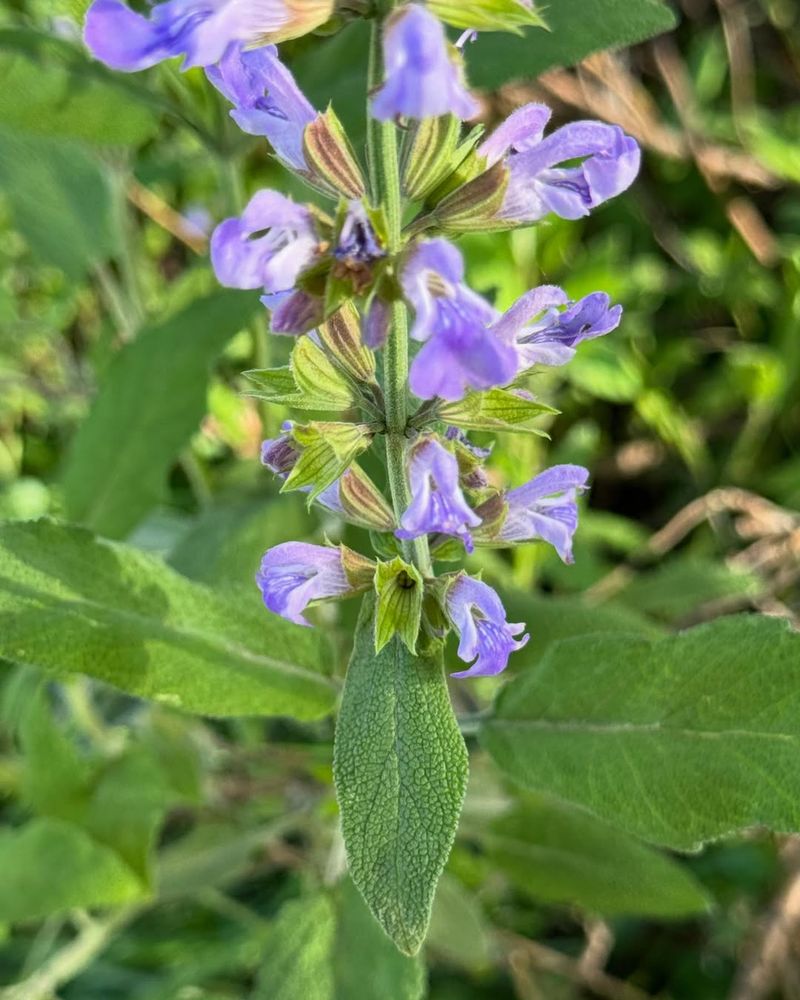
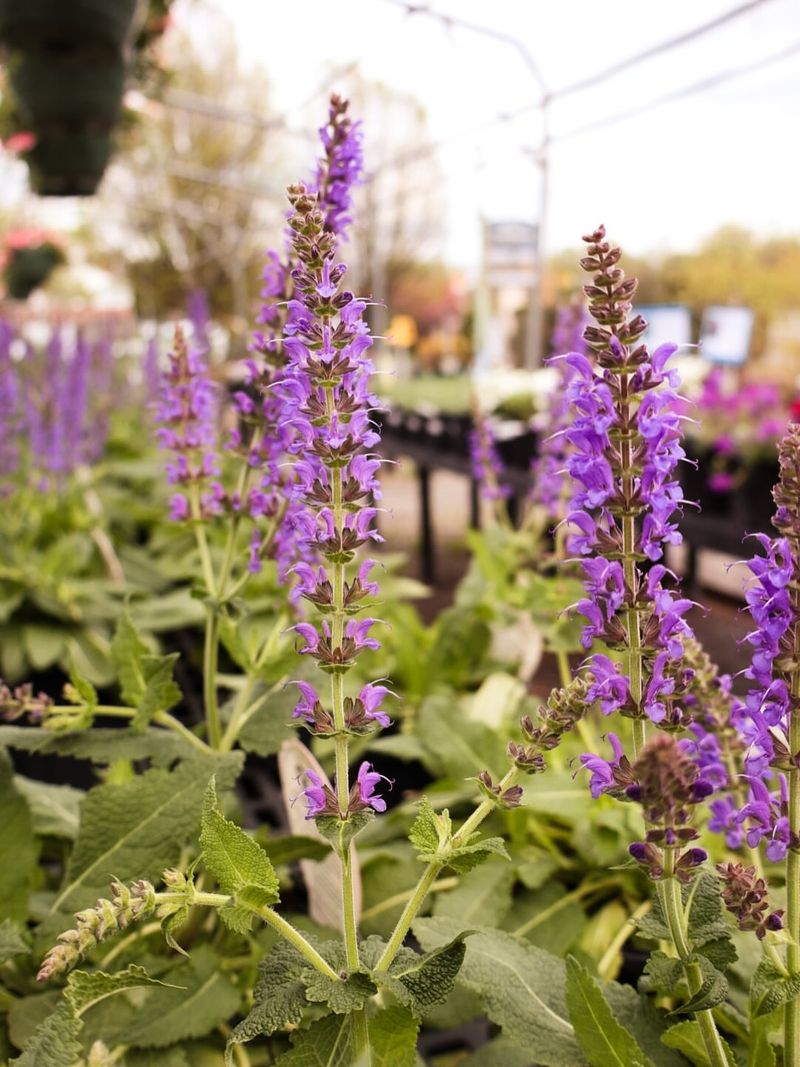
The plant is sage, and when it blooms, pollinators often seem to find it fast. Common garden sage sends up purple flower spikes that can bring bees, butterflies, and even hummingbirds into the garden.
Those flowers are not just pretty. Their tubular shape gives pollinators an easy path to nectar.
That makes sage especially useful in late spring and early summer, when many gardens are shifting from early blooms into warmer-season growth. If you grow vegetables nearby, this matters.
More pollinator activity can support crops like squash, cucumbers, strawberries, and tomatoes. Sage does not do all the work by itself, of course. But it can help make the garden more active and inviting.
You do not need a huge bed to see the effect. One healthy sage plant in a sunny container can still bring visitors to a patio or balcony. Several plants near a vegetable bed can create even more buzz.
Place sage where you can enjoy the action. Near a walkway, raised bed, or patio edge works beautifully. Just make sure it gets plenty of sun and good drainage.
Avoid planting it in a soggy corner. Sage prefers soil that dries a little between waterings.
Once the flowers fade, you can trim them back lightly. That keeps the plant tidy and may encourage fresh growth.
The result is a plant that feeds more than your kitchen. It gives pollinators a reason to visit and gives your garden a little extra wing power.
Drought Tolerance That Makes Other Plants Look Lazy
Some herbs need constant attention when summer gets intense. Sage is usually not one of them.
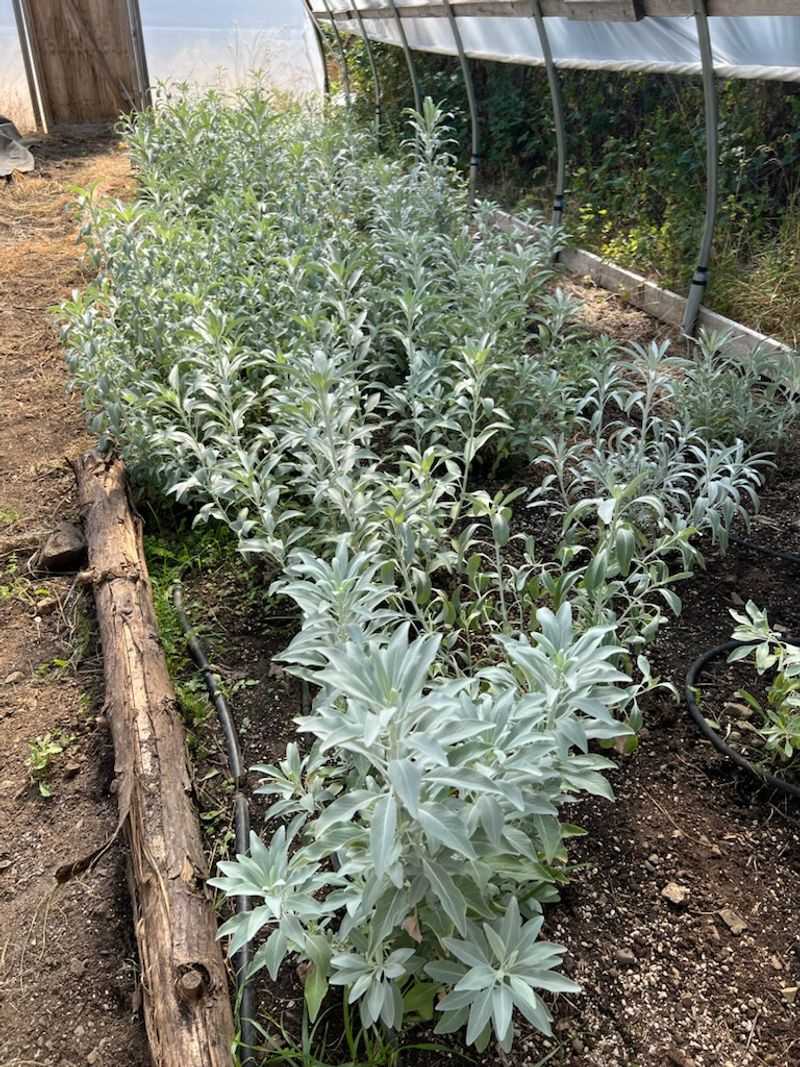
This plant comes from dry, rocky Mediterranean conditions, and you can see that history in the leaves. They are soft, slightly fuzzy, and often silvery green. That texture helps the plant handle sun and dry air better than many tender herbs.
Once established, sage often needs much less watering than plants like basil, parsley, or cilantro. That makes it useful for gardeners who want beauty and function without a high-maintenance watering routine. Still, the first season matters.
New sage plants need regular water while their roots settle. After that, you can usually ease back. The goal is deep, occasional watering rather than frequent shallow splashes. Good drainage is the dealmaker here.
Sage does not appreciate wet roots for long. If your soil stays heavy and damp, improve the planting area before adding it. Compost can help with structure, but do not turn the bed into a rich, soggy sponge.
Raised beds, containers, slopes, and gravelly herb gardens often suit sage well. A pot with drainage holes can work nicely, especially if your garden soil is clay-heavy.
If the plant looks tired during extreme heat, check the soil before watering. Dry soil several inches down may mean it needs a drink. Moist soil means you should wait.
Sage is also a good fit for water-wise gardens. It can sit beside rosemary, thyme, lavender, or oregano, since those herbs often prefer similar conditions.
This gives the garden a low-water section that still looks intentional and useful. The pun writes itself: sage knows how to save water wisely. For busy gardeners, that drought tolerance can feel like a small summer miracle.
Full Sun Is Its Happy Place
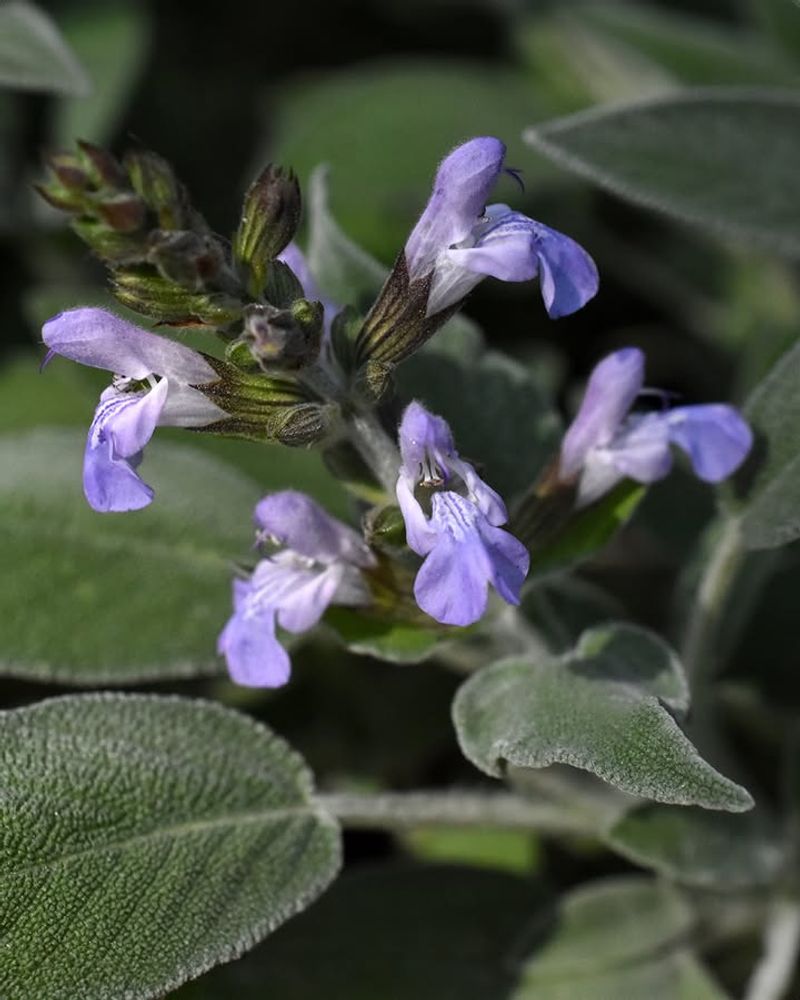
Sage is not shy about sunlight. Give it a bright, open spot, and it usually grows with better shape, stronger fragrance, and richer flavor. That makes sun exposure one of the most important choices you make before planting.
A spot with six or more hours of direct sun is often a strong fit. South-facing beds, sunny raised planters, and bright patio containers can all work well.
In too much shade, sage may stretch. The stems can become thinner, the plant may look looser, and the leaves may not taste as bold.
Sun does more than help the plant grow. It can also influence the aromatic oils in the leaves. Those oils are part of what gives sage its familiar savory scent and flavor. So if you are growing it for cooking, light matters.
A sunny plant often smells stronger when you brush the leaves. That is one of the little pleasures of growing herbs close to a path or kitchen door.
Containers are a great option if your garden beds are not sunny enough. You can move a pot to the brightest area of a patio, deck, or balcony.
Just choose the container carefully. It should have drainage holes and a potting mix that does not stay wet for too long.
A six-inch pot can work for a young plant, but sage may eventually want more space. A larger container gives the roots room and keeps moisture more stable during hot weather.
Avoid placing sage where sprinklers soak it every day. It prefers sun, airflow, and a little dryness between waterings.
If your sunny corner feels too harsh for softer herbs, sage may be exactly the plant to try there. It brings flavor where fussier plants may complain.
This is where the plant earns its place in the sun. More light can mean better growth, better scent, and better leaves for the kitchen.
Companion Planting Perks That Actually Hold Up
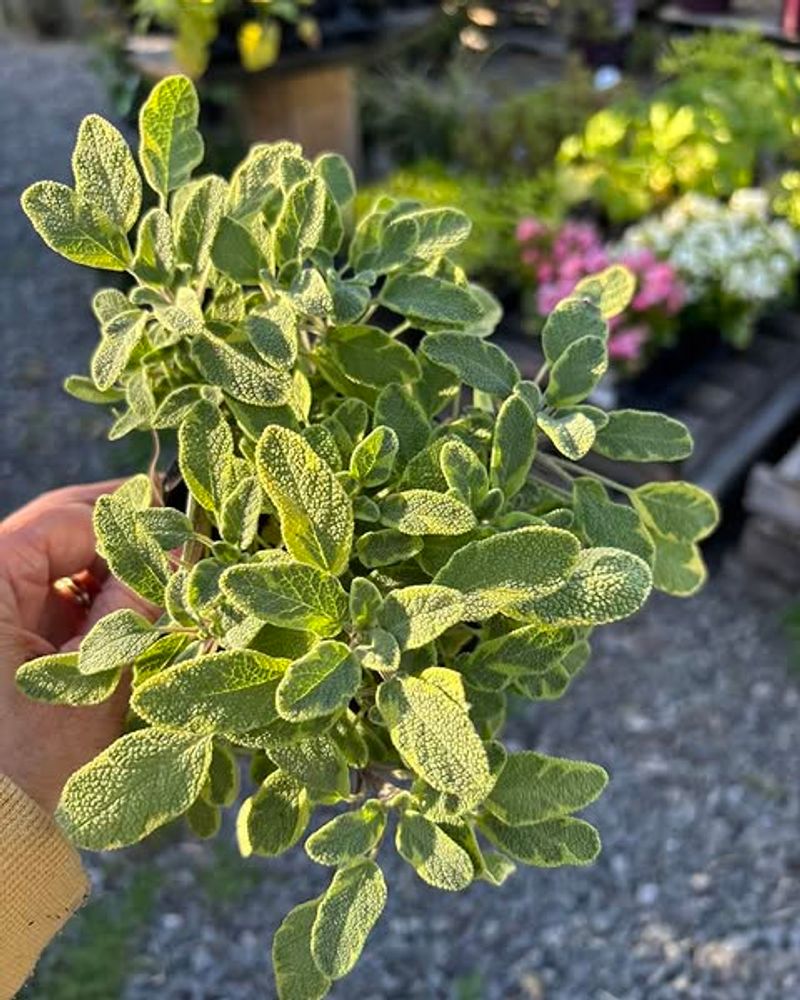
Sage has a long history in companion planting. Gardeners often tuck it near vegetables, especially brassicas like cabbage, broccoli, kale, and cauliflower.
The idea is that its strong scent may help confuse some insects that use plant smells to find their favorite crops. That does not make sage a magic pest shield.
No companion plant can protect a garden all on its own. But sage can still play a useful role in a more diverse planting.
A garden with different scents, heights, flowers, and textures is often more interesting to helpful insects. It may also be a little harder for certain pests to navigate. That is where sage becomes a helpful neighbor.
Plant it near brassicas if the conditions match. Just remember that sage likes drier, well-drained soil, while some vegetables may need more consistent moisture.
Do not place it where it will be soaked every time you water leafy crops. A nearby edge or raised mound can work better than the middle of a thirsty vegetable row.
Sage can also pair well with rosemary, thyme, oregano, carrots, and strawberries. These combinations can make sense because some of the plants enjoy similar sun and drainage.
Keep it away from herbs that want richer, wetter conditions. Basil and cilantro often need more frequent moisture, so they may not make the best bedmates.
Spacing matters too. Sage can become woody and broad over time. Give it enough room for airflow around the leaves. Crowded herbs can hold too much humidity, especially after rain or irrigation.
You can harvest lightly through the season to keep the plant bushier. That also prevents it from shading smaller neighbors too much.
This works like adding a strong-scented neighbor to the garden block. It brings diversity, flowers, aroma, and a little pest-confusion potential.
Sage advice for companion planting: use it as part of the plan, not the whole plan. That is where the perk becomes practical.
A Culinary Herb Worth Growing Fresh
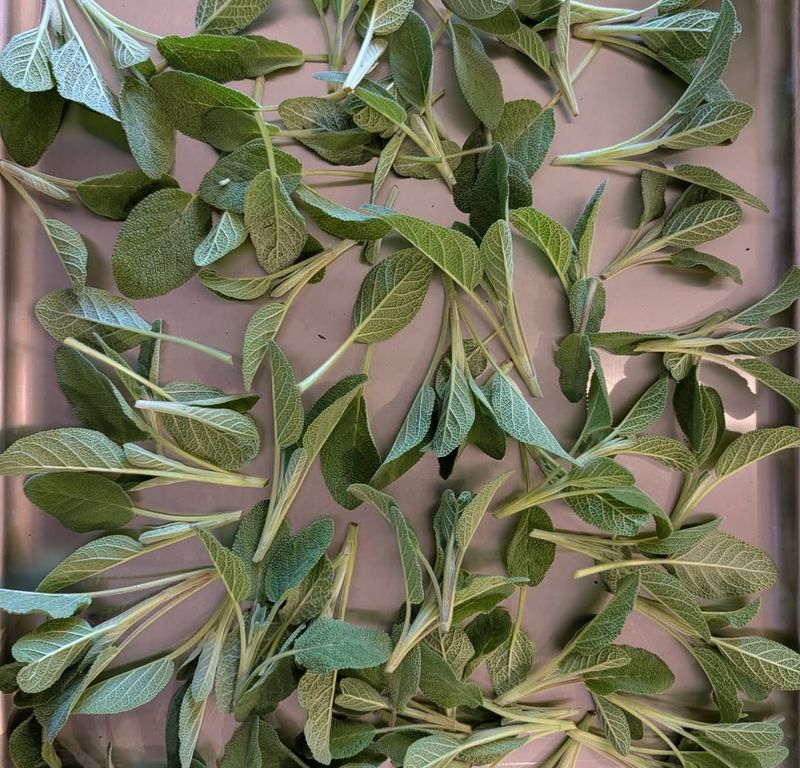
Dried sage from the spice aisle has its place, but fresh sage from your garden feels different.
The flavor is brighter, greener, and more aromatic. Rub one leaf between your fingers, and the scent is immediate. It is earthy, savory, slightly peppery, and rich enough to make a simple dish feel special. This is one of the biggest reasons to grow sage at home.
You can harvest only what you need. A few leaves for brown butter pasta. A small handful for roasted squash. A sprig for beans, poultry, pork, or potatoes.
Fresh leaves also fry beautifully. A quick sizzle in olive oil or butter turns them crisp and fragrant. They can finish soups, roasted vegetables, pasta, or even savory breads. That is a lot of flavor from one small plant.
Harvest in the morning after dew has dried if you can. The leaves often have strong flavor then, and the plant is less stressed than it would be in afternoon heat.
Use clean scissors or pruners. Snip stems rather than tearing leaves off roughly. Avoid taking more than about one-third of the plant at a time. That lets sage keep enough foliage to recover and continue growing.
Regular small harvests can encourage bushier growth. So if you cook often, you may actually help the plant stay fuller.
Sage also dries well at home. Cut small bundles, tie them loosely, and hang them in a warm, dry, airy place. Once the leaves are crisp, store them in a sealed jar away from light.
You can also freeze leaves in oil or butter for later use. That makes winter cooking feel a little more connected to your summer garden.
The result is a plant that works from bed to skillet. It looks good outside and brings serious flavor inside.
Ornamental Value That Earns Its Garden Real Estate
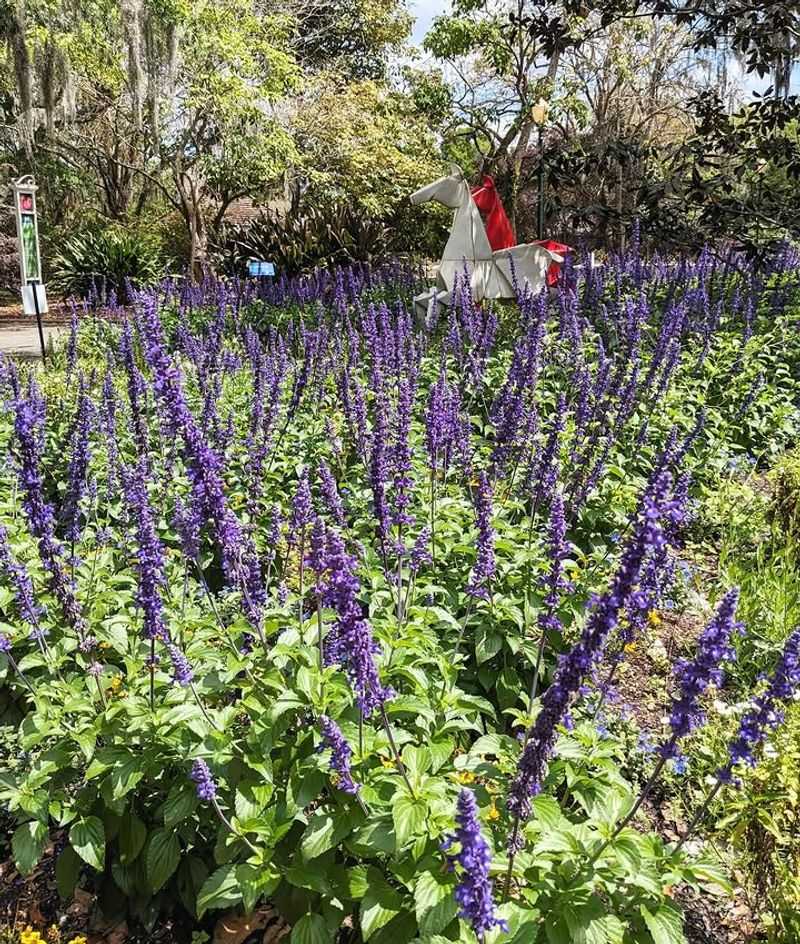
Sage does not need to stay hidden in the herb bed. It can be a beautiful ornamental plant too.
The leaves bring texture, color, and structure that work well in mixed borders, rock gardens, container displays, and edible landscapes.
Even common sage has a soft silver-green look that pairs nicely with flowers and grasses. There are also ornamental varieties that bring more drama.
Purple sage has dusky violet-toned leaves. Golden sage adds warm yellow-green color. Tricolor sage can bring cream, green, and rosy tones in one plant. Those foliage colors can make a garden feel more layered without adding much work.
The leaf texture matters too. Sage leaves are slightly fuzzy and matte, which contrasts nicely with glossy foliage, fine grasses, or smooth succulent leaves.
Use it near lavender, thyme, salvia, yarrow, catmint, or low ornamental grasses. The combination can look relaxed, sunny, and pollinator-friendly.
Sage usually stays fairly compact compared with many shrubs. That makes it easier to fit into smaller beds or along path edges.
When it blooms, the purple flower spikes add height and movement. They rise above the foliage and help connect the plant visually to other flowering perennials.
In mild climates, sage may stay evergreen or semi-evergreen. In colder areas, it may rest during winter and return with fresh growth in spring.
A light trim can keep it from becoming too woody or sprawling. Prune in early spring just above fresh growth, and avoid cutting too far into old woody stems.
This gives the garden form and function in one plant. You get edible leaves, pollinator blooms, and foliage that actually earns its real estate.
Perennial Power Means It Comes Back Every Year
Annual herbs can be fun, but they ask for a fresh start every year. In many climates, common garden sage grows as a perennial. That means one plant can return for several seasons when placed well and cared for properly.
You plant it once, help it establish, and then enjoy harvests year after year. It may grow larger, woodier, and more productive with time.
That long-term habit makes sage especially helpful for beginners. It builds confidence because it does not demand constant replanting or complicated care.
The first year is about settling in. Water regularly, keep weeds away, and avoid overharvesting. Let the plant build a strong root system.
By the second season, sage often feels much more independent. It may need only occasional watering during dry spells and a little pruning to keep it tidy.
As sage matures, the base can become woody. That is normal. A light spring trim just above fresh growth can encourage new shoots and better shape.
After a few years, the plant may become less vigorous. At that point, you can take cuttings, replace it, or start a new plant nearby. That keeps the sage patch productive without much effort.
Sage can also work beautifully in containers for several seasons. Refresh the potting mix when needed and make sure the pot drains well.
This gives the garden a dependable herb that keeps giving without asking to be replanted every spring.
The payoff is steady flavor, useful flowers, and a plant that becomes part of the garden’s rhythm. That is perennial power with a very sage return on investment.