8 Ways To Get A Tennessee Tree Stump Out Fast Without The Yard Damage
You won’t find another yard problem quite like this one. That stump isn’t going anywhere on its own. Every day you wait, roots dig deeper and spread wider.
Tennessee soil traps moisture, and decay spreads beneath the surface. Mowers meet hidden stumps and blades dull instantly. Kids sprinting across grass never see hidden roots coming.
Pests find decaying wood more inviting than fresh timber. Termites settle into stumps long before reaching your house. Homeowners across Tennessee spend more chasing methods that disappoint.
Chemical treatments continue for weeks without guaranteed results. Mechanical grinding costs plenty and leaves debris behind. Neither approach promises a clean, usable lawn afterward.
Your yard deserves faster answers than uncertain guesswork. Precision always beats forceful effort, no exceptions. Timing changes everything once you act.
Momentum matters most when you finally take action. Certain methods clearly outperform every other approach. Ignoring this decision will only cost you more.
1. Chemical Removers Speed Up Rotting
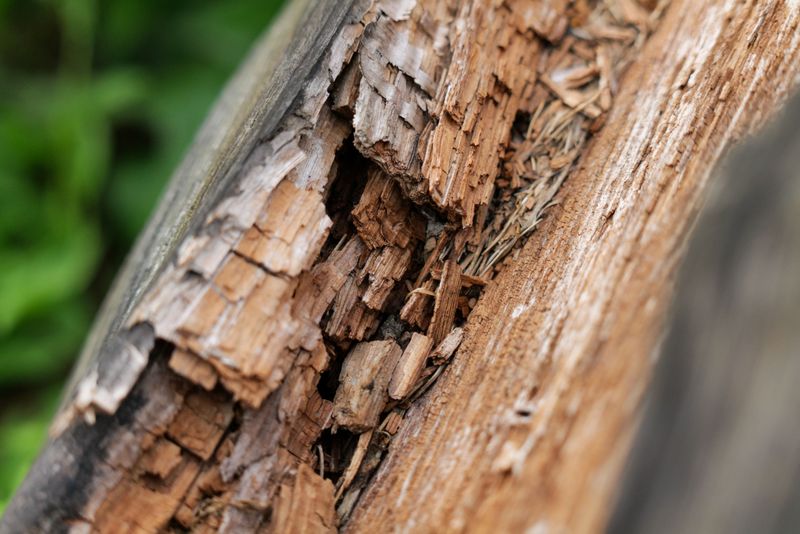
Grab a bag of stump remover and let chemistry do the heavy lifting. Chemical removers are potassium nitrate-based products that break down wood fibers from the inside out.
You drill holes into the stump first, then pour the granules in. Add water, and the chemical starts softening the wood over the next four to six weeks.
Once the stump gets spongy, you can chip it away with an ax or shovel. The process is slow but requires far less physical effort than digging or grinding.
Tennessee summers actually help speed things up because heat accelerates the chemical breakdown. Wet seasons also keep moisture levels high, which feeds the rotting process naturally.
This method works best on stumps that are not in a high-traffic area of your yard. You need time, patience, and a willingness to let the product do its job without rushing.
One big advantage is that chemical removers cause almost no lawn damage. You are not digging, grinding, or dragging heavy equipment across your grass.
Potassium nitrate-based stump removers are widely available at hardware stores across the state. Always follow label directions carefully and keep kids and pets away during treatment.
If you want a low-effort Tennessee tree stump solution, this one delivers solid results. The stump quietly disappears over time, and your yard stays looking clean throughout the whole process.
2. Manual Digging Works For Small Stumps
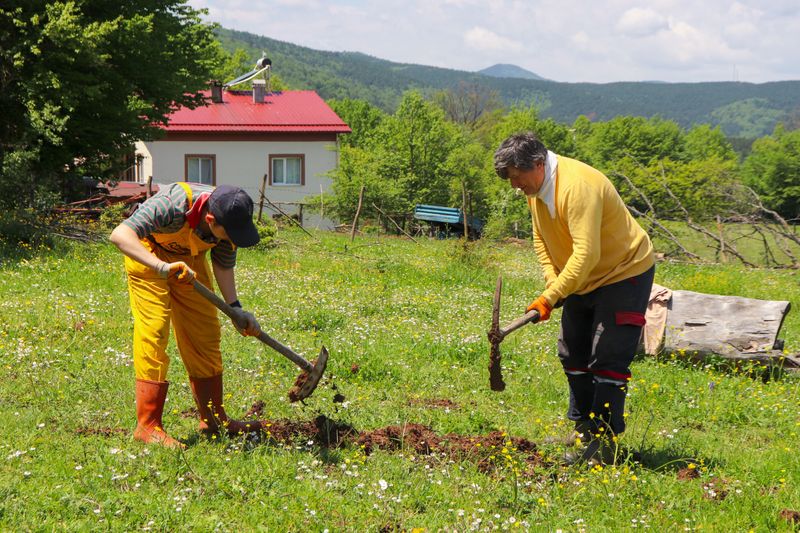
Small stumps are no match for a determined homeowner with the right tools. Manual digging is one of the oldest and most satisfying ways to remove a stump from your yard.
Start by cutting the stump as low to the ground as possible with a chainsaw. Lower stumps mean less leverage resistance when you start prying roots loose.
Use a mattock or a pointed digging bar to loosen the soil around the base. Work in a circle, exposing the main roots as you go deeper into the ground.
Once roots are exposed, cut them with loppers, a reciprocating saw, or a hand ax. Sever each root as far from the stump as possible to weaken its hold.
Your Tennessee Garden Changes Every Week. Your Plan Should Too.
Gardening in Tennessee changes quickly throughout the season. Every Friday you’ll receive a simple weekly plan showing exactly what to plant, prune, fertilize, harvest, and protect so you never miss the right timing.
After the roots are cut, use a pry bar to rock the stump back and forth. This loosens any remaining connections and makes the final pull much easier.
A stump under twelve inches in diameter is usually manageable for one or two people. Anything larger starts to require more time, muscle, and serious commitment.
Manual digging causes some yard disruption, but the hole left behind is easy to fill with topsoil and reseed. Your lawn bounces back quickly with a little care and watering.
For a Tennessee tree stump that is small and accessible, manual digging gives you full control. You finish the job in one afternoon and feel great about it afterward.
3. Stump Grinders Shred Wood Cleanly
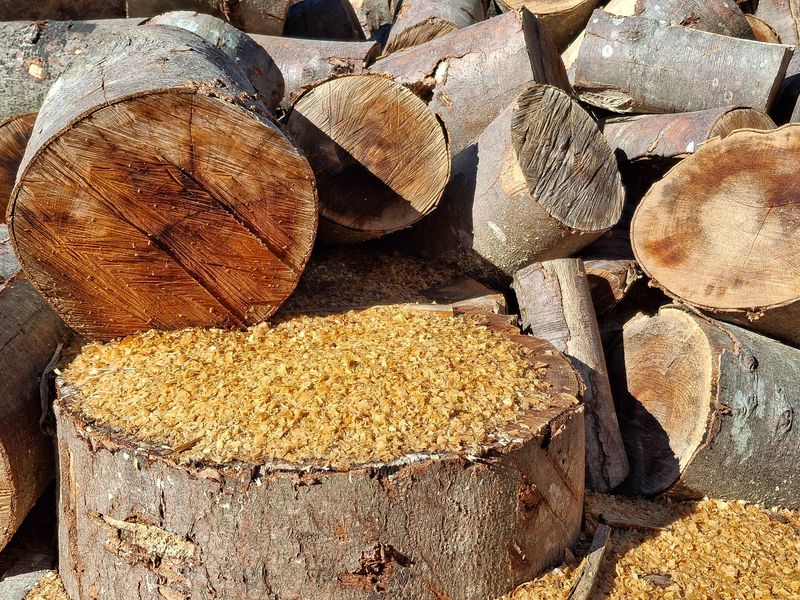
A grinder is one of the fastest ways to break down a stump. Stump grinders use a rotating cutting wheel with carbide teeth that shred wood down to chips in minutes.
The machine grinds the stump several inches below ground level, leaving behind a pile of fresh wood chips. Those chips can be raked away or used as mulch in your garden beds.
Grinders come in different sizes, from small walk-behind models to large ride-on machines. The size of your stump determines which machine will handle the job most efficiently.
One thing most people do not expect is how fast a grinder works. A stump that took a tree years to grow can be reduced to chips in under thirty minutes.
Tennessee clay soil can make root systems extra stubborn and wide-spreading. A grinder cuts through surface roots too, which helps prevent regrowth and keeps your lawn looking tidy.
The cleanup is straightforward since you are left with wood chips rather than a gaping hole. Fill any low spots with topsoil, then tamp it down and add grass seed.
Grinders do kick up debris, so always wear eye protection and keep bystanders at a safe distance. Clear rocks and debris from the area before you start the machine.
For fast, clean Tennessee tree stump removal without major lawn damage, grinding is hard to beat. The results are immediate, and your yard looks restored the same day.
4. Trying Epsom Salt: A Popular But Unproven Remedy
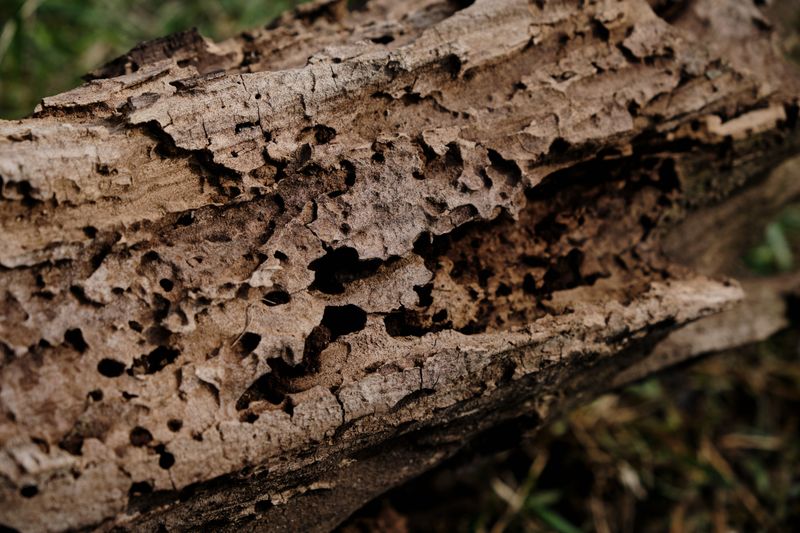
Epsom salt is not just for sore muscles after a long day of yard work. Some homeowners also use it as a home remedy to help soften a stubborn tree stump over time, though this method is not scientifically proven to work.
Some believe the magnesium sulfate in Epsom salt helps draw moisture out of the wood, though this effect is not well documented. If it does work as claimed, the wood would dry out and become more brittle over time.
Start by drilling holes across the top of the stump, spacing them about three to four inches apart. Make each hole at least eight inches deep to get the salt deep into the core.
Pour Epsom salt generously into each hole, then add just enough water to help it absorb. Cover the stump with a tarp or plastic sheet to keep rain from washing the salt away.
Reapply the salt every few weeks if you choose to continue the treatment. Anecdotal reports suggest some stumps soften within a few months, though timelines vary widely and success is not guaranteed.
This method is at least affordable, non-toxic, and unlikely to harm the surrounding lawn. Unlike chemical stump removers, it will not introduce harsh compounds into your soil, even if its effectiveness remains unclear.
Some Tennessee gardeners still try this method because it fits an organic yard care approach. Just go in with realistic expectations rather than counting on a guaranteed outcome.
Patience is required either way, since results are inconsistent and not backed by strong evidence. If this method does not work for you, pairing it with a chemical remover or tarp cover may improve your odds.
5. Covering With A Tarp Smothers Regrowth
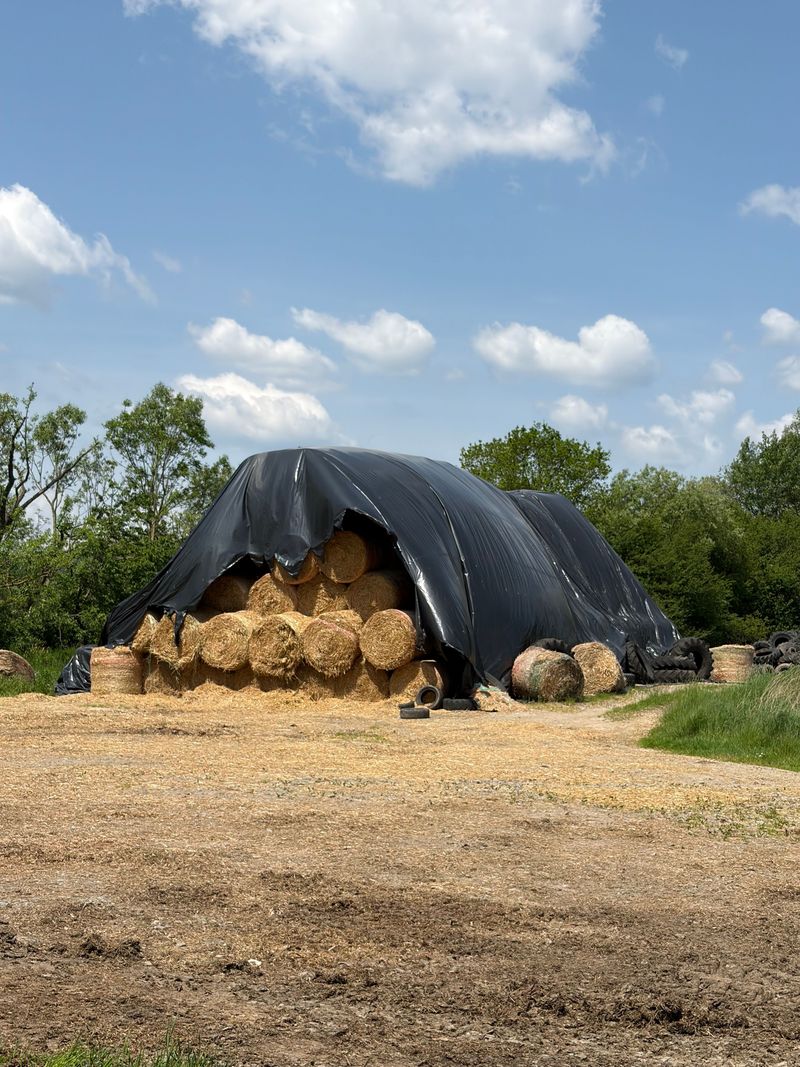
Blocking sunlight prevents the stump from regenerating. Block it out completely, and you take away the stump’s only real chance at sending up new shoots.
Covering a stump with a dark-colored tarp or heavy black plastic sheet cuts off light and traps heat beneath the surface. That combination creates conditions the stump simply cannot grow through.
This method works best after you have cut the stump as close to ground level as possible. A low, flat surface gives the tarp a better seal against the soil.
Weigh down the edges with rocks, bricks, or landscape staples to prevent wind from lifting the cover. The tighter the seal, the faster the smothering effect kicks in.
Over several months, the stump and its shallow roots will stop sending up new growth. Without photosynthesis, the root system slowly exhausts its stored energy and begins to break down.
Tennessee summers accelerate this process because heat under the tarp can reach extreme levels. That trapped warmth cooks the stump and speeds up natural decomposition beneath the cover.
Check under the tarp every few weeks to monitor progress and look for any stubborn sprouts. Pull any shoots that sneak out from the edges before they get established.
Combining this approach with a chemical remover can speed up the overall process. For Tennessee tree stump problems, layering methods always delivers faster, more complete results than any single technique alone.
6. Renting A Grinder Saves On Cost

Hiring someone to grind your stump costs money, but renting the machine yourself costs a fraction of that price. Most equipment rental shops across Tennessee offer stump grinders by the half-day or full day.
Walk-behind grinders are the most common rental option and can handle stumps up to about eighteen inches wide. Larger stumps may need a bigger machine, so measure before you head to the rental shop.
Rental staff will walk you through the basic operation before you drive off with the machine. Pay attention to the safety briefing because these machines are powerful and can throw debris hard.
Wear thick gloves, safety glasses, and steel-toed boots every single time you operate the grinder. Hearing protection is also smart since these machines run loud enough to cause damage over time.
Plan your grinding path before you start the engine. Work from one side of the stump to the other in overlapping passes to ensure even grinding across the full surface.
Go slowly and let the machine do the cutting rather than forcing it forward. Rushing causes the teeth to bounce, which is both dangerous and less effective than a steady pace.
Once finished, you will have a wide, shallow pit filled with wood chips and loose soil. Fill it in with topsoil, tamp it flat, and throw down some grass seed to finish the job.
For a Tennessee tree stump on a budget, renting a grinder gives you professional-level results at a DIY price. You save hundreds and still get a clean, damage-free yard.
7. Hiring A Pro Handles The Toughest Stumps

Some stumps are simply too large or complex for DIY methods, and that is perfectly fine. Calling in a professional tree service is a practical option when a stump is oversized, close to structures, or tangled in utility lines.
Professionals bring commercial-grade equipment that grinds deeper and faster than any rental machine available to homeowners. They also carry liability insurance, which protects your property if anything goes sideways during removal.
Getting multiple quotes is always a good idea before committing to one company. Most reputable Tennessee tree services offer free estimates and will explain exactly what the job involves before starting.
Ask whether the quote includes cleanup of wood chips and hauling away the debris. Some companies leave the chips for you to deal with, while others load everything and take it off-site.
Root removal is another question worth asking upfront. Surface roots that snake across your lawn can be ground down too, which prevents tripping hazards and future mowing problems.
Pros also know how to work around underground utilities, irrigation lines, and septic systems. That expertise alone is worth the extra cost when you are dealing with a stump near critical infrastructure.
Turnaround time is usually fast, often completed within a single morning. You leave for work with a stump in your yard and come home to a clean, level lawn ready for seeding.
For a no-stress Tennessee tree stump solution, a licensed professional delivers peace of mind along with the results. Sometimes the most efficient option is a phone call to someone who does this every day.
8. Drilling Holes Speeds Up Removal
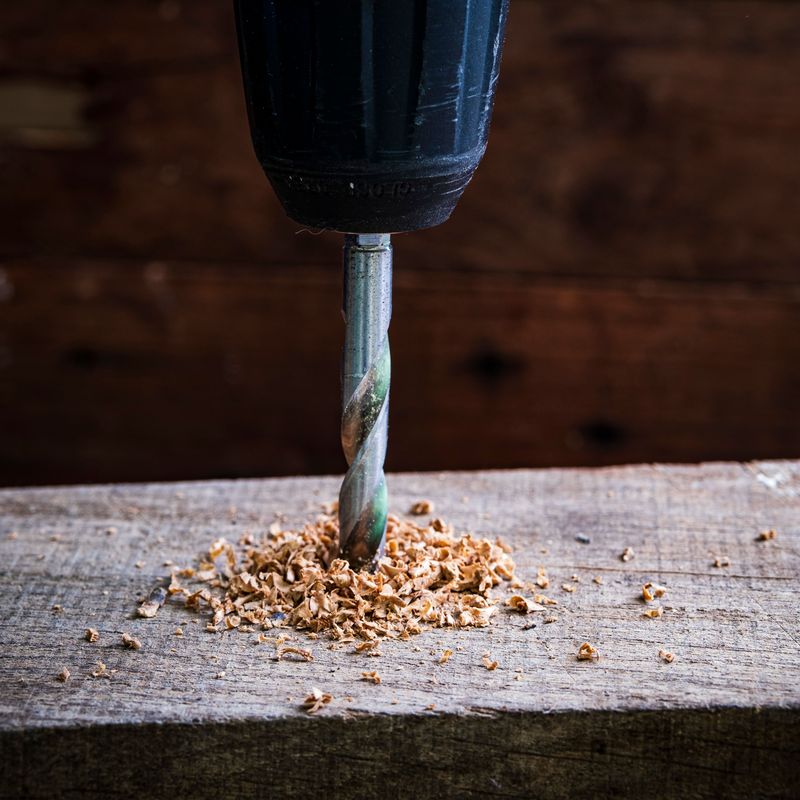
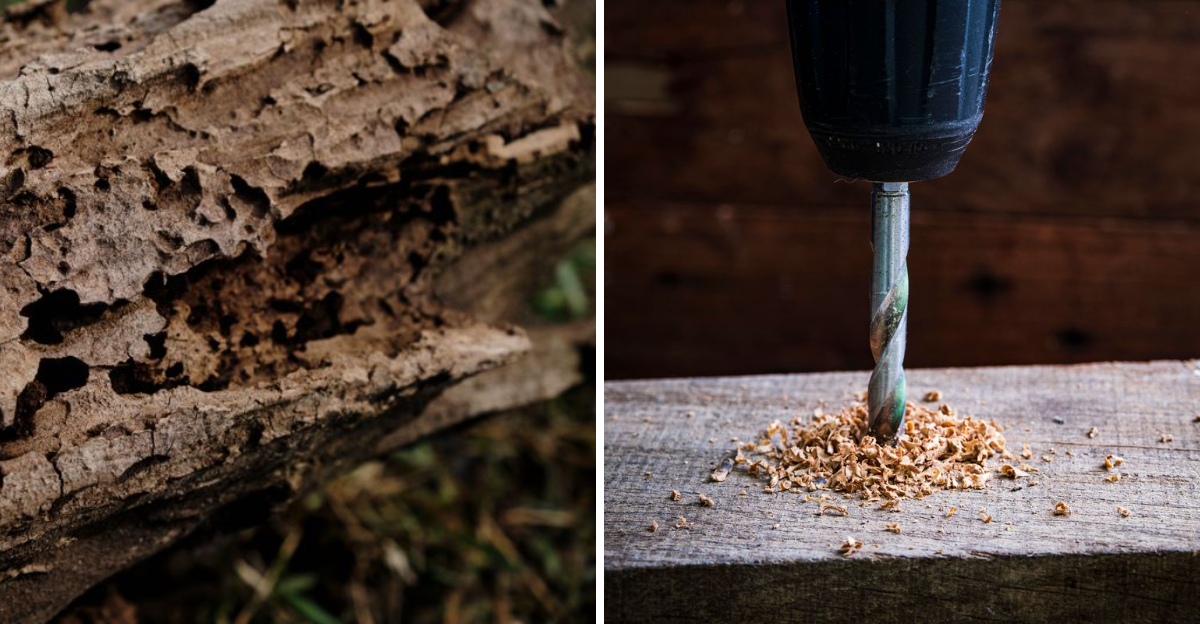
A power drill and a wide auger bit can transform how fast a stump breaks down. Drilling holes creates channels that let air, moisture, and treatment products reach deep into the wood’s core.
Use a drill bit that is at least one inch wide and drill holes about eight to twelve inches deep across the entire top surface. Space them roughly three inches apart for maximum coverage.
Once the holes are drilled, you can pour in Epsom salt, chemical stump remover, or even just water mixed with dish soap. Each option accelerates the breakdown of the wood fibers inside.
Drilling also works as a standalone method by exposing the interior wood to oxygen. Increased airflow speeds up the natural decomposition process that fungi and bacteria drive from within.
Tennessee’s humid climate is actually an advantage here because moisture feeds the microorganisms that break wood down. Drilling simply gives those organisms faster access to the material they need.
Repeat the drilling process every few weeks as the wood softens and shrinks. Fresh holes in new areas keep the breakdown moving forward rather than stalling out in one spot.
Combine this technique with a tarp cover to trap heat and block regrowth at the same time. Layering methods like this cuts the overall timeline significantly compared to using one approach alone.
Drilling holes is one of the most underrated steps in Tennessee tree stump removal. A simple tool, a free afternoon, and a little follow-through can have that stump gone before you know it.