Fall Is The Best Time To Move Georgia Shrubs Planted In Wrong Spots
Almost every yard has one shrub that ended up in the wrong place. Maybe it outgrew its window or keeps struggling in too much shade.
You have probably thought about moving it and then put the job off. That delay can work in your favor over the next few weeks.
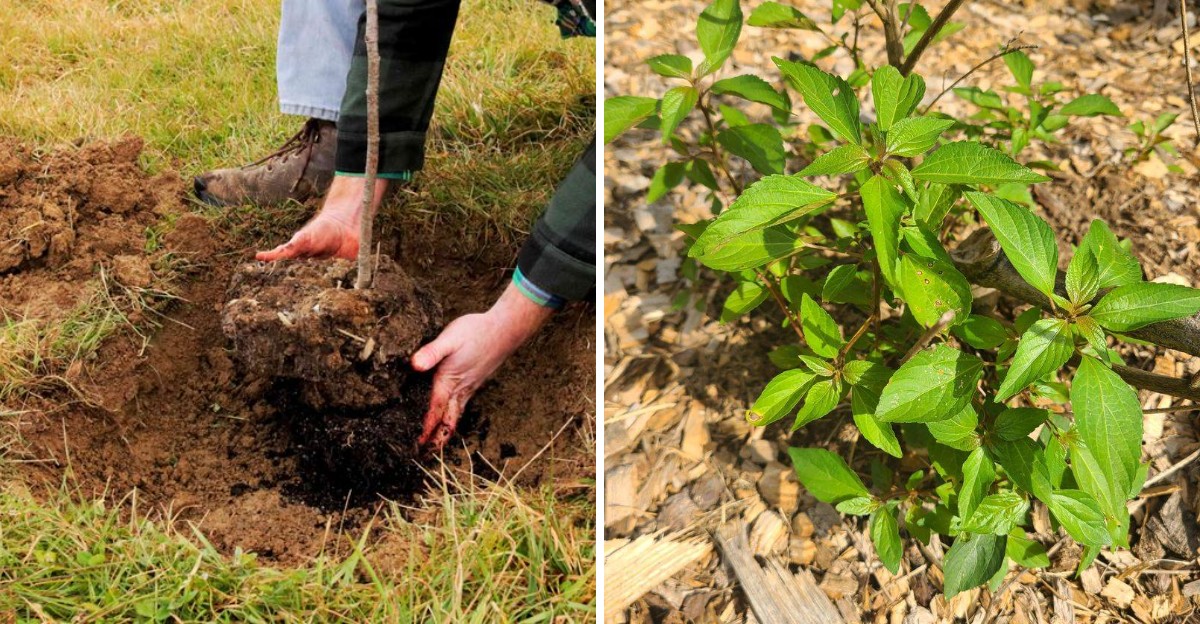
Shrubs handle being dug up better once the heat eases but the soil is still warm.
That combination lets the roots grow into a new spot without summer sun stressing the leaves.
Mild winters in Georgia help too, since the ground rarely freezes long enough to stop root growth. A shrub moved now usually settles in faster than one moved in spring.
Pick the one that bothers you most, and take an honest look at where it would do better.
1. The Wrong Location Only Gets Harder To Ignore
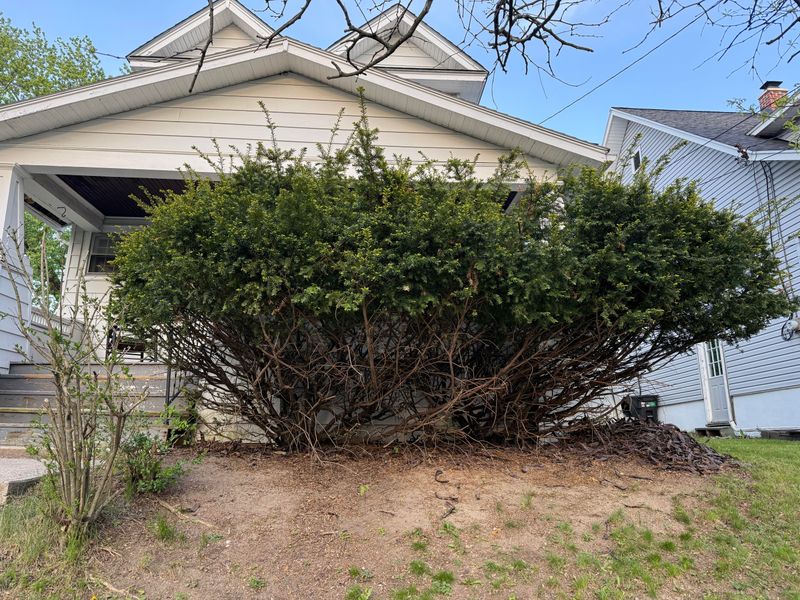
Shrubs rarely stay the size they were on planting day. A cute little holly by the front steps can turn into a prickly wall within a few seasons.
Waiting usually makes the problem bigger, and the fix gets harder with each passing year.
As a shrub grows, its root system spreads wider and anchors deeper into the soil. Moving a three-foot plant is a manageable weekend job, while moving a six-foot one might need extra help or equipment.
Heavy pruning is often the first thing people try.
Cutting back a shrub every year to keep it off a window or sidewalk can work for a while, but it tends to leave plants looking choppy. Some types also bloom less when you keep trimming off the wood that carries next year’s flower buds.
Here in Georgia, fast growers like certain hollies, ligustrum, and loropetalum can outgrow tight spaces surprisingly quickly.
Take a walk around your yard this fall and look honestly at each shrub. Ask whether it has room to reach its full mature size without crowding a house wall, a path, or another plant.
If the answer is no, moving it sooner rather than later is usually the kinder choice for both you and the shrub.
A plant that fits its space needs less work from you and generally looks healthier over time.
2. Poor Growth Can Reveal When A Shrub Needs A New Spot
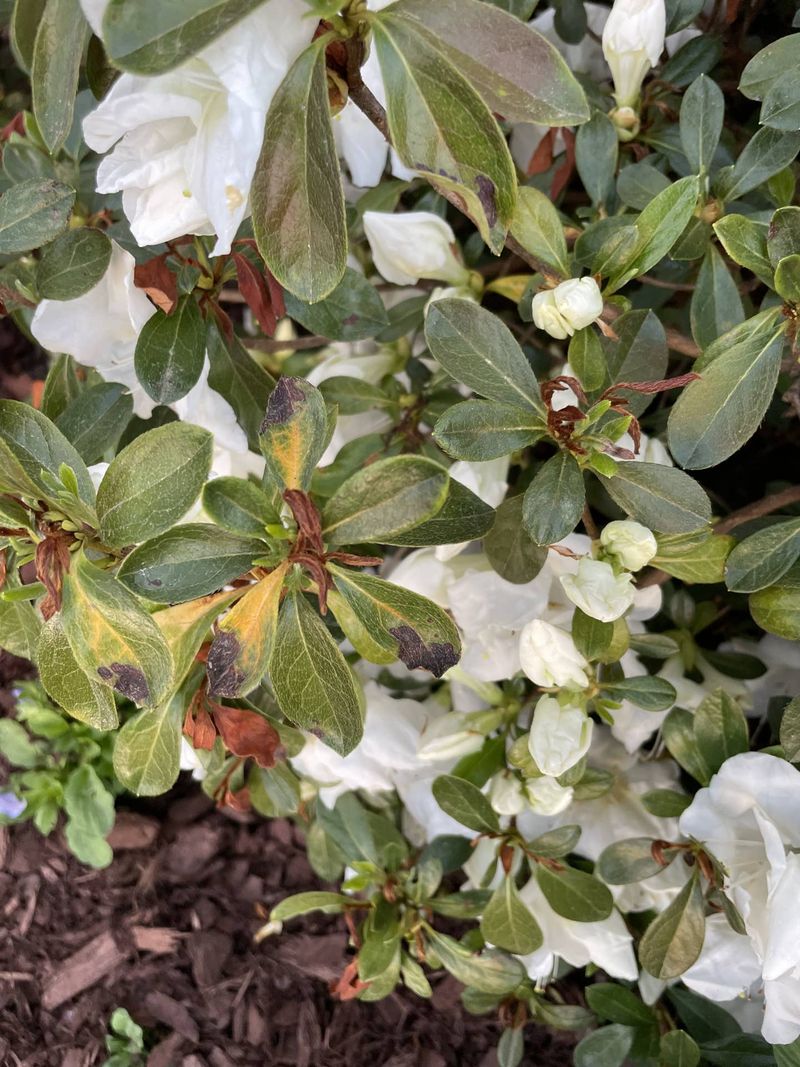
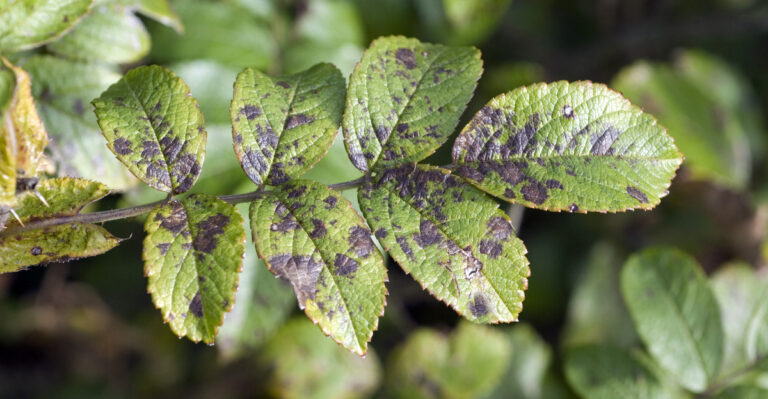
Sparse leaves tell a story. When a shrub looks thin, pale, or stretched out, the location might be the real issue rather than a lack of fertilizer.
Light is one of the most common mismatches.
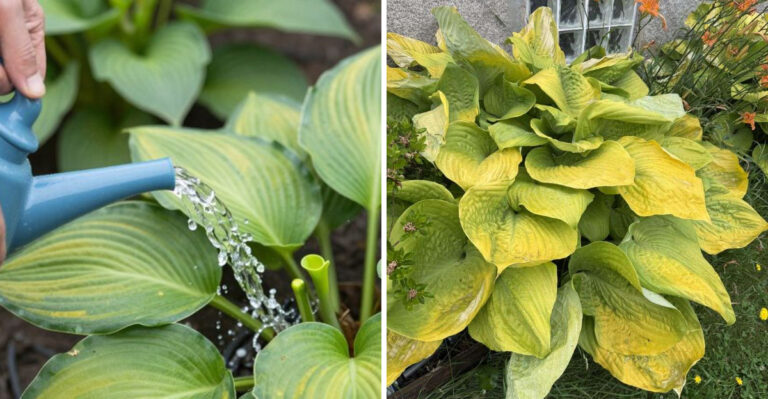
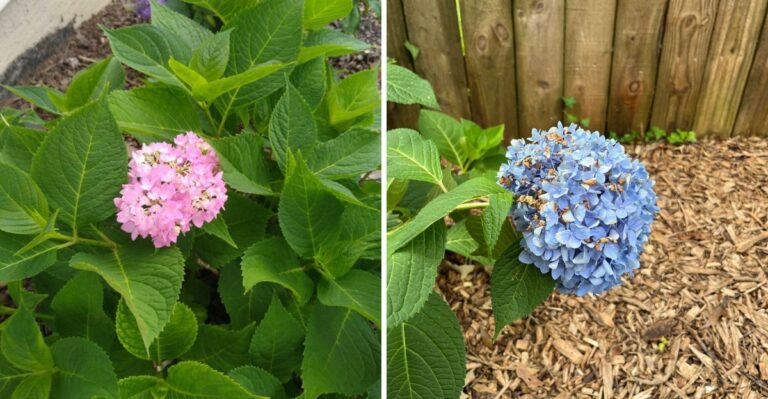
Azaleas and hydrangeas often struggle in hot afternoon sun, showing scorched leaf edges by midsummer. On the other hand, sun lovers like abelia or crape myrtle may grow leggy and flower poorly when stuck in heavy shade.
Drainage matters just as much, especially with the red clay found across much of Georgia.
Clay can hold water for a long time after a storm, and some shrubs react badly to soggy roots. Boxwoods, for example, can develop root problems in spots that stay wet.
Before blaming the location, rule out a few other causes.
Your Georgia Garden Changes Every Week. Your Plan Should Too.
Gardening in Georgia changes quickly throughout the season. Every Friday you’ll receive a simple weekly plan showing exactly what to plant, prune, fertilize, harvest, and protect so you never miss the right timing.
Pests, disease, and soil pH problems can create similar symptoms. A soil test through your county extension office is inexpensive and can clear up a lot of guesswork.
Once other causes are ruled out, compare the plant’s needs with its current conditions. Watch how many hours of direct sun the spot gets, and check whether water puddles there after rain.
If the numbers do not match what the shrub prefers, a fall move gives it a real shot at a fresh start somewhere better suited.
3. Cooler Air Reduces Stress During The Move
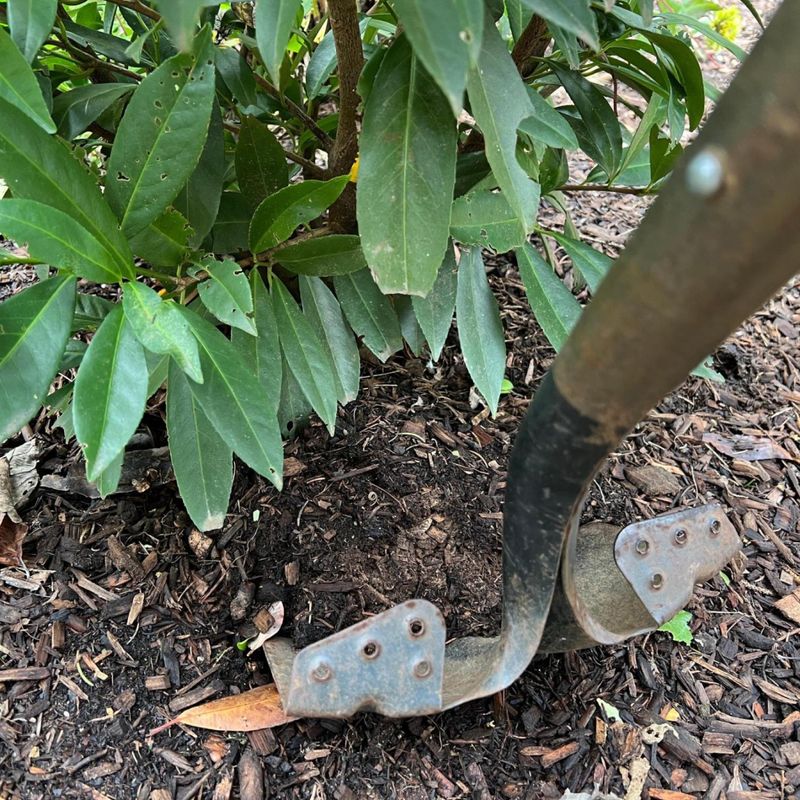
Digging up a shrub in July is rough on everyone involved. Heat pushes plants to lose water through their leaves fast, and freshly cut roots cannot keep up.
Cooler weather changes that balance in a helpful way.
When temperatures drop, leaves lose less moisture during the day. That gives a damaged root system less pressure while it recovers from being cut and moved.
Across Georgia, this shift usually arrives sometime in October, though it varies by region.
North Georgia mountains cool off earlier, while coastal and south Georgia areas can stay warm well into November. Watch the forecast rather than the calendar, and aim for a stretch of mild days.
Overcast or drizzly days are especially good for digging.
Less sun means less wilting while the roots are exposed. If you have to work on a bright day, try to start early in the morning and keep the root ball shaded with a tarp.
Your own comfort counts too, honestly.
Moving a heavy shrub is hard physical work, and doing it in pleasant weather makes it easier to take your time. Rushing tends to lead to broken root balls and sloppy planting holes.
Cool air will not fix every problem, but it gives the plant a calmer start in its new home.
4. Warm Soil Gives Roots Time To Settle Before Winter
Here is a detail that surprises a lot of gardeners. Soil cools down much more slowly than the air above it.
After a summer of heat, the ground in Georgia often stays warm enough for root growth well into late fall.
Roots can keep growing even when the top of the plant has slowed down for the season. In most parts of the state, the ground rarely freezes deeply, so roots may stay somewhat active during mild winter spells.
That window matters because the shrub is focusing energy underground rather than on new leaves.
New roots help the plant take up water more efficiently. By the time spring growth starts, a fall-moved shrub may already have a head start compared with one moved in April.
Timing still needs some care, though.
Moving shrubs in late fall is generally fine in middle and south Georgia. In the colder northern areas, try to finish transplanting at least several weeks before the ground is likely to get hard and cold.
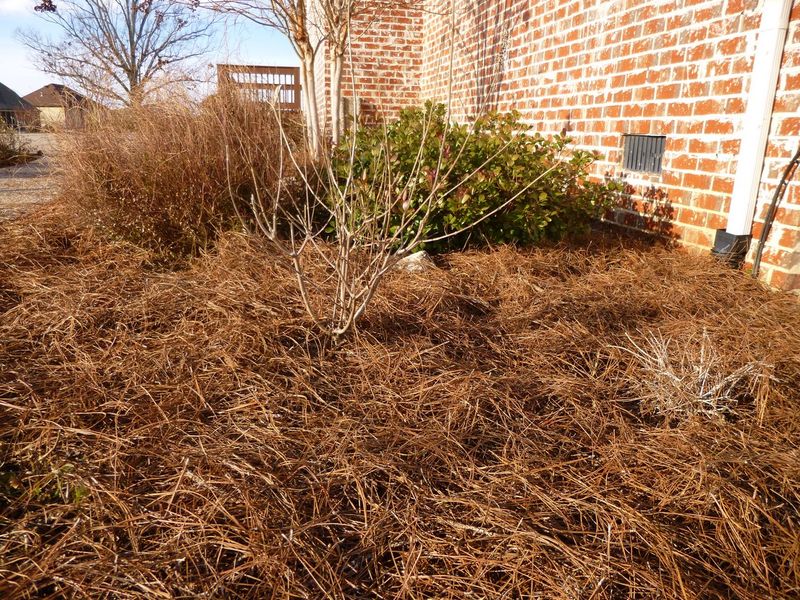
A layer of mulch helps hold onto that stored warmth.
Spread two to three inches of pine straw or shredded bark over the root zone, keeping it a few inches away from the stem. Mulch also slows moisture loss and helps protect shallow roots from sudden cold snaps.
5. Digging Wide Helps Preserve More Of The Root System
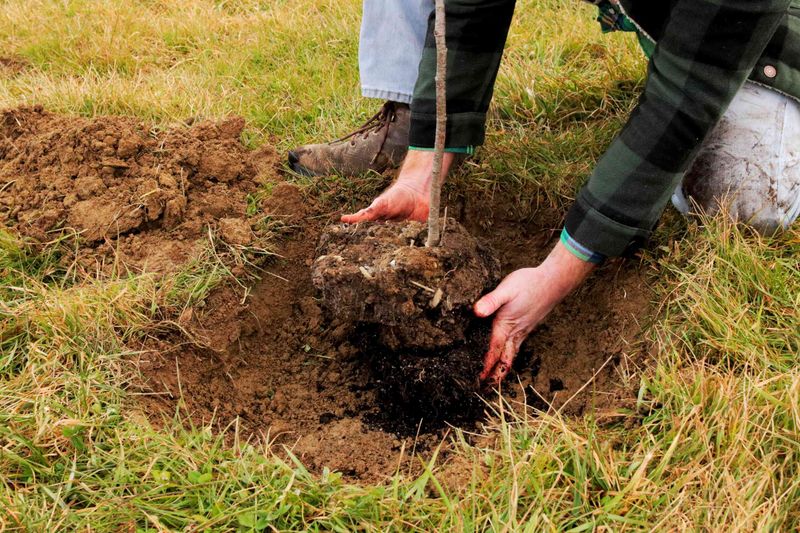
Most of a shrub’s feeder roots are not deep. They spread out near the surface, often reaching well past the edge of the branches.
So the width of your dig usually matters more than the depth.
A common guideline is to dig about ten to twelve inches of root ball width for every inch of trunk diameter. For multi-stemmed shrubs, many gardeners simply dig at or just beyond the drip line when practical.
Water the shrub deeply a day or two before digging.
Moist soil holds together better, which helps keep the root ball intact. Dry, crumbly soil tends to fall away and take fine roots with it.
Use a sharp spade to make clean cuts through roots instead of tearing them.
Once the circle is cut, work underneath to free the root ball. Slide it onto a tarp or burlap so you can drag it rather than lifting the whole thing by the stems.
Georgia clay can be heavy, so a large root ball may weigh more than you expect.
Get a helper if needed. In the new spot, dig the hole two to three times wider than the root ball but no deeper, and set the shrub at the same height it grew before.
6. Some Shrubs Adjust To Relocation Better Than Others
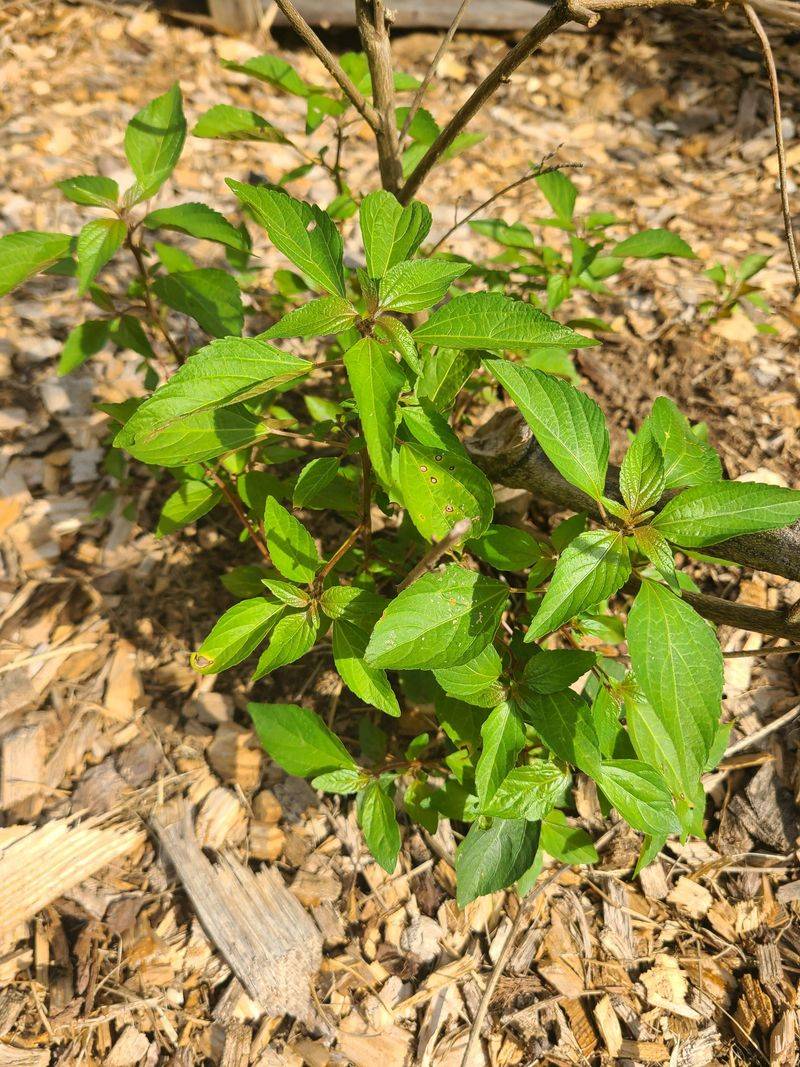
Not every shrub takes a move in stride. Some bounce back with barely a pause, while others sulk for a season or more.
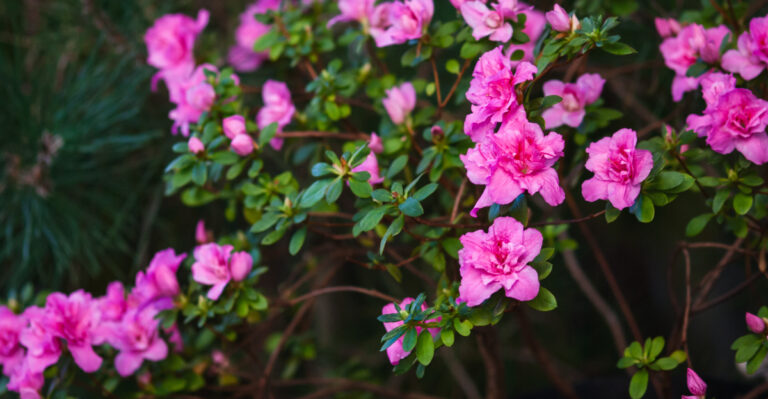
Azaleas are often among the easier ones to relocate.
Their roots tend to be shallow and fibrous, forming a compact mass that holds together well. That trait makes them a favorite for transplanting in Georgia gardens, where azaleas are everywhere.
Camellias, boxwoods, and many hollies also tend to handle a careful move reasonably well when they are not too large.
Younger plants generally recover faster than old, established ones. A shrub that has been in the ground for fifteen years has a much bigger root system to lose.
Plants with long taproots or wide-reaching roots can be trickier.
Gardenias can be fussy about disturbance, and some native shrubs with deep roots may take longer to settle. That does not mean you cannot move them, just that results are less predictable.
Timing around bloom also matters.
Spring bloomers like azaleas and camellias may flower less the season after a move. Fall-blooming sasanqua camellias might drop some buds if moved while flowering, so consider waiting until blooms finish.
When in doubt, call your local extension office or a trusted nursery for advice on your particular plant.
7. Proper Watering Helps The Shrub Head Into Spring Stronger
Moving the shrub is only half the job. What happens over the next few months often decides how well it recovers.
Right after planting, soak the root ball and surrounding soil slowly and thoroughly.
A slow trickle from a hose works better than a quick spray. Deep watering helps settle soil around the roots and removes air pockets that can dry them out.
After that, check moisture every few days by pushing a finger a couple of inches into the soil.
If it feels dry, water again. Fall in Georgia can bring dry spells, so do not assume rainfall will cover everything.
Overwatering causes problems too, especially in clay.
Soggy soil can starve roots of oxygen and lead to rot. Aim for evenly moist conditions, not a constant puddle around the base.
Keep watching through winter during long dry stretches, since evergreen shrubs still lose some moisture through their leaves.
Skip fertilizer for now. Feeding a stressed plant in fall can push tender new growth that may not handle cold well, so wait until spring when growth resumes.
With steady care, most well-moved shrubs are ready to push healthy new leaves when warm weather returns.
Expect the first year to be about recovery, with stronger growth often showing up the following season.