This Strange Yellow Growth On Coneflowers Is A Warning Sign For Iowa Gardens
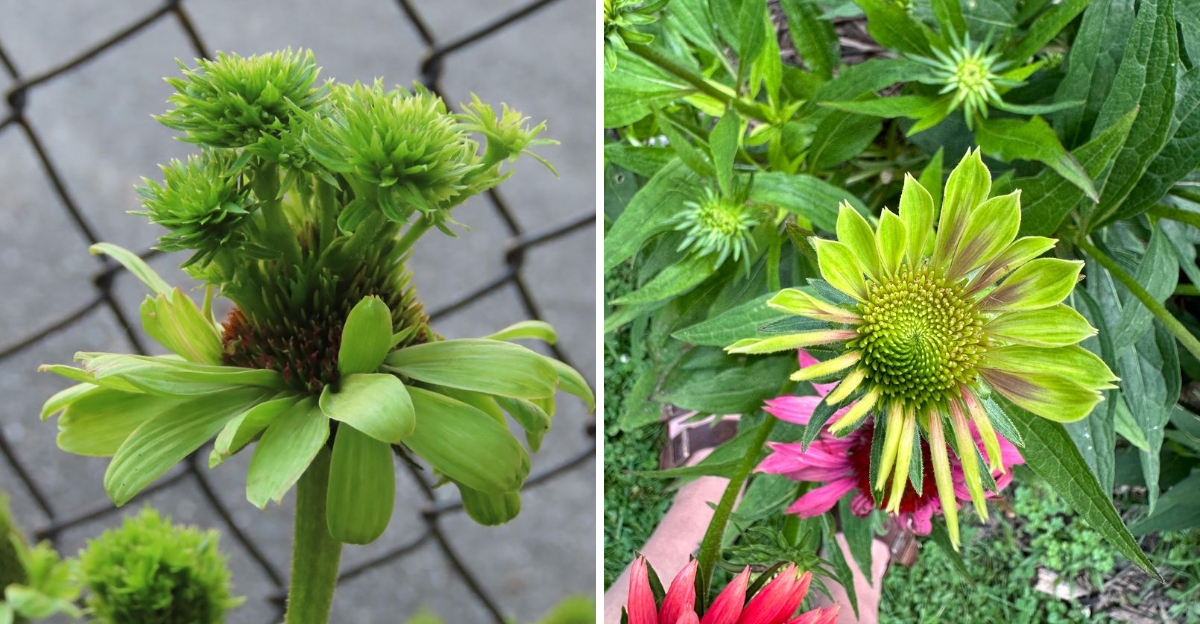
A twisted coneflower could spell trouble for you in Iowa. Yellow streaks now crawl across stems you thought were healthy.
Petals curl inward, refusing to open the way you expect. You spot it fast, and unease sets in. Nothing about this pattern feels natural to you.
Insects called leafhoppers seem to be behind what you’re noticing. Their bite alone can change every plant you own.
Something unnamed is moving through gardens across Iowa right now. Gardeners like you watch coneflowers twist and fade quietly. This mystery refuses to stop at any species you love.
Many favorites you rely on sit within its reach. Left unchecked, the change spreads to plants you cherish. Every symptom tells you something important is coming.
Ignoring the signs only speeds up what you’ll lose. Recognizing them early gives you real power to act. Understanding this mystery is the only way to save what you’ve grown.
What Is Aster Yellows Disease
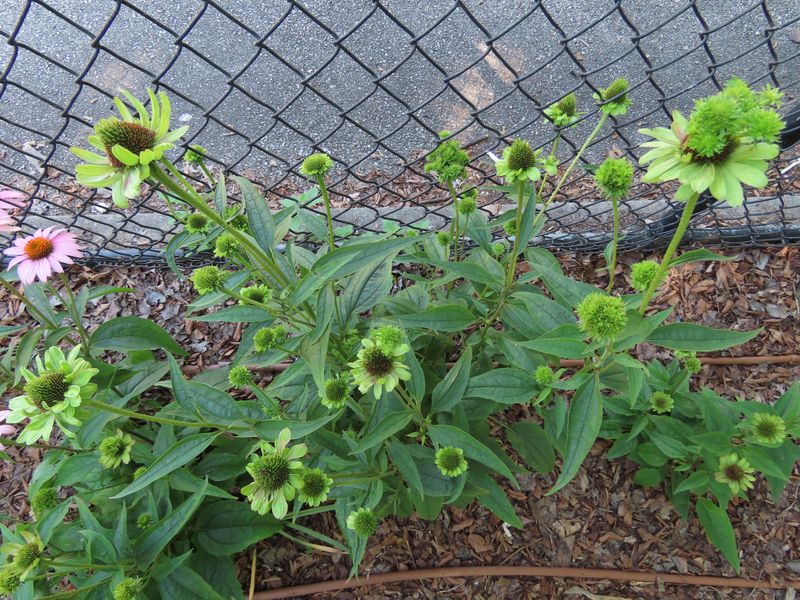
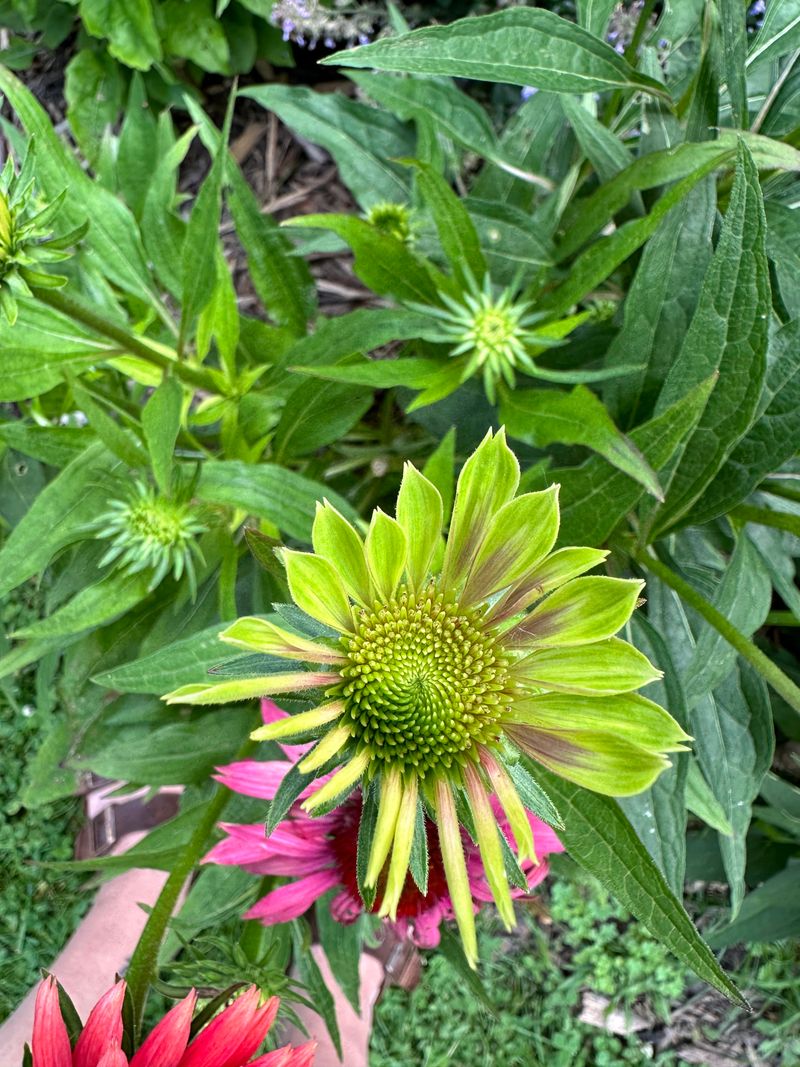
Your coneflower looks like it melted in the sun. The petals are twisted, the center is sprouting weird green tufts, and the whole bloom seems wrong. That is Aster Yellows, and it is not a fungus or a bug bite.
Aster Yellows is caused by a phytoplasma, which is a type of microscopic organism that lives inside plant tissue. It hijacks the plant’s own cells and rewires how the plant grows. Think of it like a bad software virus crashing a computer from the inside.
This strange yellow growth on coneflowers is a warning sign for Iowa gardens because the disease does not stay put. It spreads to other plants in your yard before you even notice the first sick bloom.
Phytoplasmas belong to a class of bacteria-like organisms without a cell wall. They cannot survive outside of a host, which means they need both a plant and an insect to keep moving.
Once inside a plant, the phytoplasma travels through the phloem, which is the tissue that carries sugar through stems.
The result is a plant that cannot grow normally. Flowers turn green or yellow, leaves curl, and stems produce extra shoots that look bushy and stunted.
Iowa gardeners often call this symptom “witch’s broom” because of how wild and tangled it appears.
Aster Yellows has been documented across North America for over a century. Knowing its name and nature is your first and most powerful line of defense.
How Leafhoppers Spread The Infection
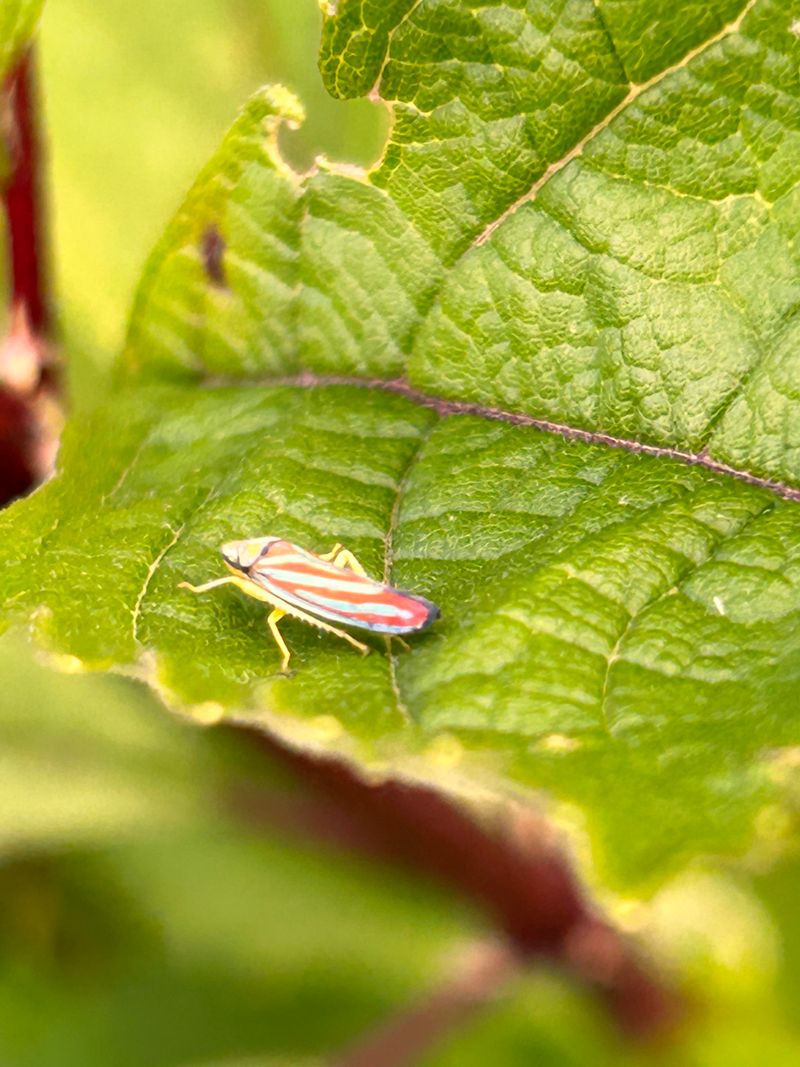
A bug smaller than your pinky nail is behind all of this. The aster leafhopper is the primary carrier of Aster Yellows phytoplasma, and it is remarkably efficient at spreading the disease.
Leafhoppers feed by piercing plant tissue and sucking out sap. When a leafhopper feeds on an infected plant, it picks up the phytoplasma along with the sap.
The organism then multiplies inside the insect over a period that can range from about ten days to three weeks, depending on temperature.
After that incubation window, the leafhopper becomes infectious for life. Every plant it feeds on after that point has a chance of becoming infected. One tiny insect can travel across an entire garden in a single afternoon.
Leafhoppers are champion travelers. They ride wind currents from southern states northward each spring, which is why Aster Yellows outbreaks in the Midwest often spike after warm, windy springs.
The insects arrive already carrying the phytoplasma from infected crops farther south. Spotting leafhoppers is tricky because they move fast. They jump sideways when disturbed, which is how they earned their name.
Look for pale green, wedge-shaped insects about an eighth of an inch long on the undersides of leaves.
Controlling leafhopper populations is one of the most important steps in managing this disease. Without the insect, the phytoplasma has no way to travel from plant to plant. Stopping the messenger is just as critical as treating the plant itself.
Signs To Spot On Your Coneflowers
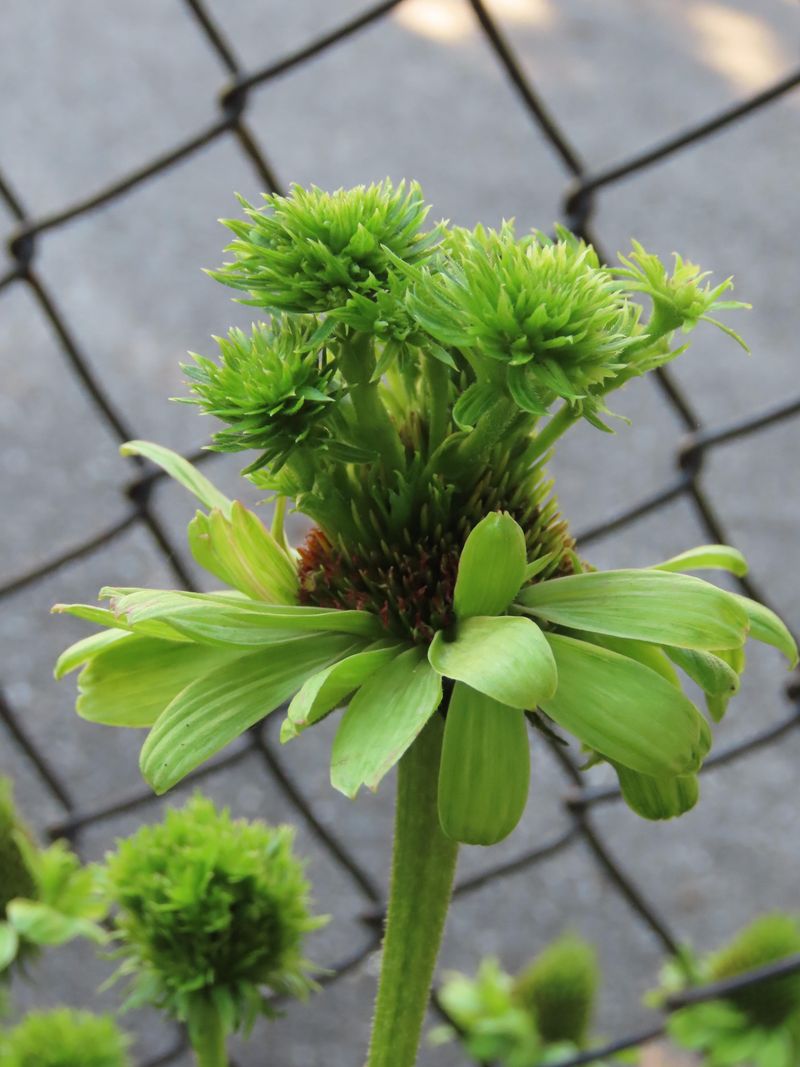
Not every struggling coneflower has Aster Yellows. Drought stress, poor soil, and pests can all make a plant look rough. Knowing the specific signs helps you act quickly and accurately.
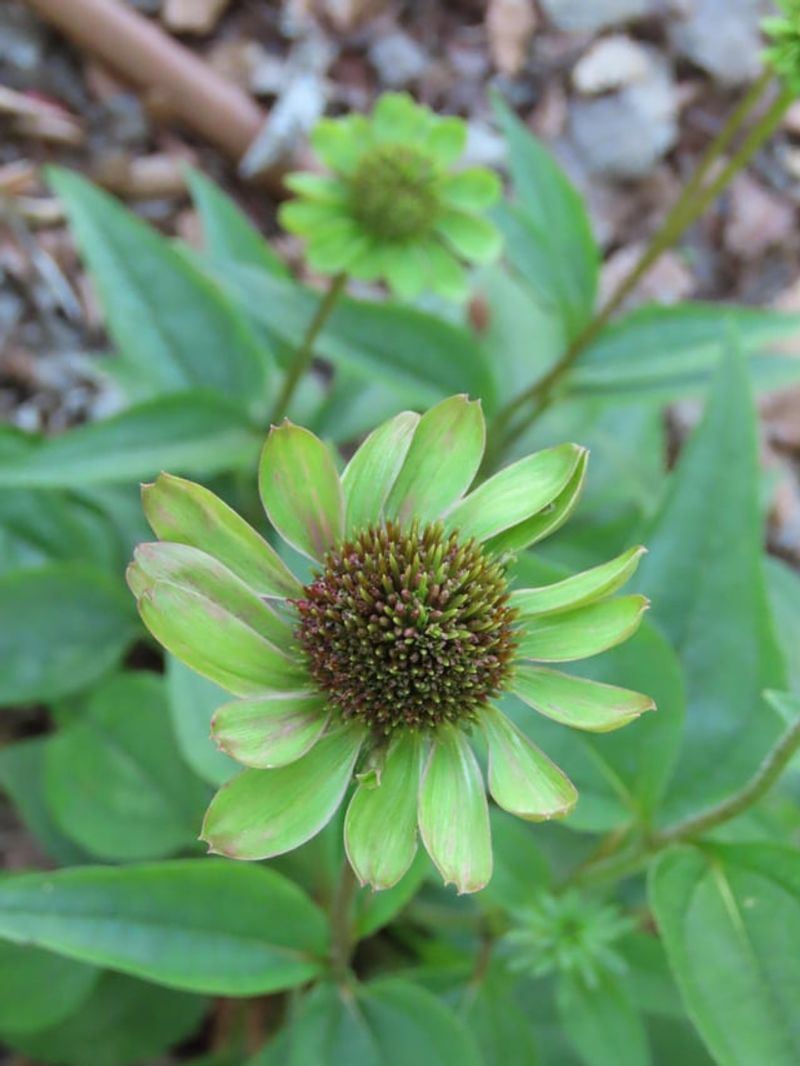
The most obvious symptom is a distorted flower. Petals may be replaced by small green leaf-like structures, or they may grow in twisted, uneven clusters.
The center cone often develops a strange tuft of green growth that looks nothing like a normal seed head.
Yellowing of the petals is another major clue. Unlike natural fading, Aster Yellows causes a sickly, uneven yellowing that starts early in the bloom cycle. The color looks washed out and off, not golden or warm.
Stems may also show signs. Infected plants often produce extra side shoots that are stunted and crowded together.
This bushy, abnormal branching pattern is the classic witch’s broom symptom that Iowa gardeners find so alarming.
Leaves on infected plants can curl, turn yellow along the veins, or develop a reddish tint. The plant may also stop growing at its normal rate, looking shorter and weaker than healthy neighbors nearby.
One key detail: symptoms often appear on only part of the plant at first. A single branch may look infected while the rest of the plant seems fine. Do not wait for the whole plant to look sick before taking action.
Catching these signs early gives you the best shot at protecting the rest of your garden from this fast-spreading disease.
Why This Problem Is Bigger Than It Looks
One sick coneflower feels manageable. But Aster Yellows does not stop at coneflowers, and that is where the risk grows for any gardener with a mixed planting.
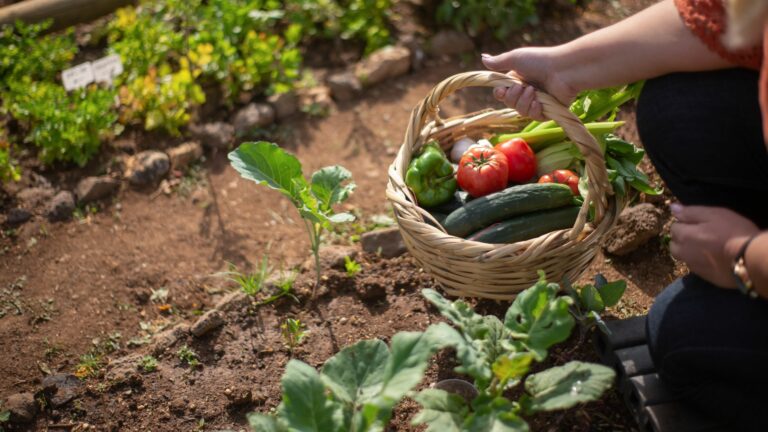
This phytoplasma infects over 300 plant species. Carrots, lettuce, celery, marigolds, zinnias, and asters are all on the list.
A leafhopper that feeds on your infected coneflower can carry the disease straight into your vegetable patch.
Vegetable crops hit by Aster Yellows show their own set of problems. Carrots grow hairy, bitter roots.
Lettuce heads fail to form properly. Celery stalks turn yellow and stunted. The same organism causes wildly different symptoms depending on the host plant.
The disease also has no cure once a plant is infected. There is no spray, no soil amendment, and no treatment that removes the phytoplasma from plant tissue. Every infected plant remains a reservoir for leafhoppers to pick up and spread further.
Outbreaks tend to be worse in years with high leafhopper migration. Weather patterns that push large numbers of leafhoppers northward from southern states can trigger widespread garden losses across the entire Midwest region.
Community gardens face a particularly tough challenge. When plants are packed closely together and leafhoppers are active, the disease can sweep through multiple plots in a short time.
Awareness and quick action from every gardener nearby makes a real difference. Understanding the full scope of this disease changes how you respond to that strange yellow growth on your coneflowers.
Treating Infected Plants The Right Way
There is no magic spray for this one. When a plant tests positive for Aster Yellows, the only effective response is removal.
Leaving infected plants in the ground keeps the disease active and available to every leafhopper that passes through.
Pull infected plants out by the roots as soon as you confirm the disease. Do not compost them.
Bag them in plastic and put them in the trash to prevent any chance of the phytoplasma lingering in your yard.
After removal, wash your hands and clean any tools you used. Although the phytoplasma does not spread through soil or tools the way fungal diseases do, good hygiene prevents other problems and keeps your Iowa garden routine sharp.
Focus next on reducing leafhopper populations around your remaining plants. Reflective mulch made from silver or aluminum materials confuses leafhoppers and discourages them from landing.
Row covers protect vulnerable seedlings during peak leafhopper season in late spring and early summer.
Insecticides labeled for leafhopper control can help reduce populations, but they work best as a preventive measure rather than a cure.
Once leafhoppers have already fed on a plant, the damage is done. Timing your treatments to coincide with peak leafhopper activity matters most.
Check your remaining coneflowers and nearby plants every few days during the growing season. Early detection is the single most effective tool you have against fast-spreading plant diseases like this one.
Acting fast and staying consistent is how you keep one bad plant from becoming a garden-wide problem.
Protecting Your Garden From Future Outbreaks

Prevention is generally more effective than treatment when it comes to Aster Yellows. Once you know how the disease moves, you can set up your Iowa garden to resist it season after season.
Start with plant selection. Choose coneflower varieties that show stronger resistance to leafhopper feeding.
While no variety is fully immune, some handle stress better and recover more vigorously when pressure is high.
Weed management plays a bigger role than most gardeners expect. Many common weeds, including wild carrot, are documented host plants for both the phytoplasma and the leafhoppers that carry it.
Keeping weeds out of your beds removes a major source of infection near your prized plants.
Encourage natural leafhopper predators in your Iowa yard. Spiders, lacewings, and parasitic wasps all feed on or parasitize leafhoppers.
Planting a diverse mix of flowering plants supports these beneficial insects and keeps leafhopper numbers in check naturally.
Monitor your garden consistently throughout the season. Walk your beds every few days and look at both the tops and undersides of leaves.
Consistent monitoring remains your strongest defense against diseases that spread this quickly.
Keep a garden journal and note when you first see leafhoppers each year. Over time, you will spot patterns that help you time your protective measures more precisely.
A little recordkeeping goes a long way toward smarter gardening decisions. That strange yellow growth on coneflowers is a warning sign, but it is also an invitation to garden with more intention and resilience going forward.