This Tiny Wasp Is Quietly Defending Maryland’s Ash Trees From An Invasive Pest
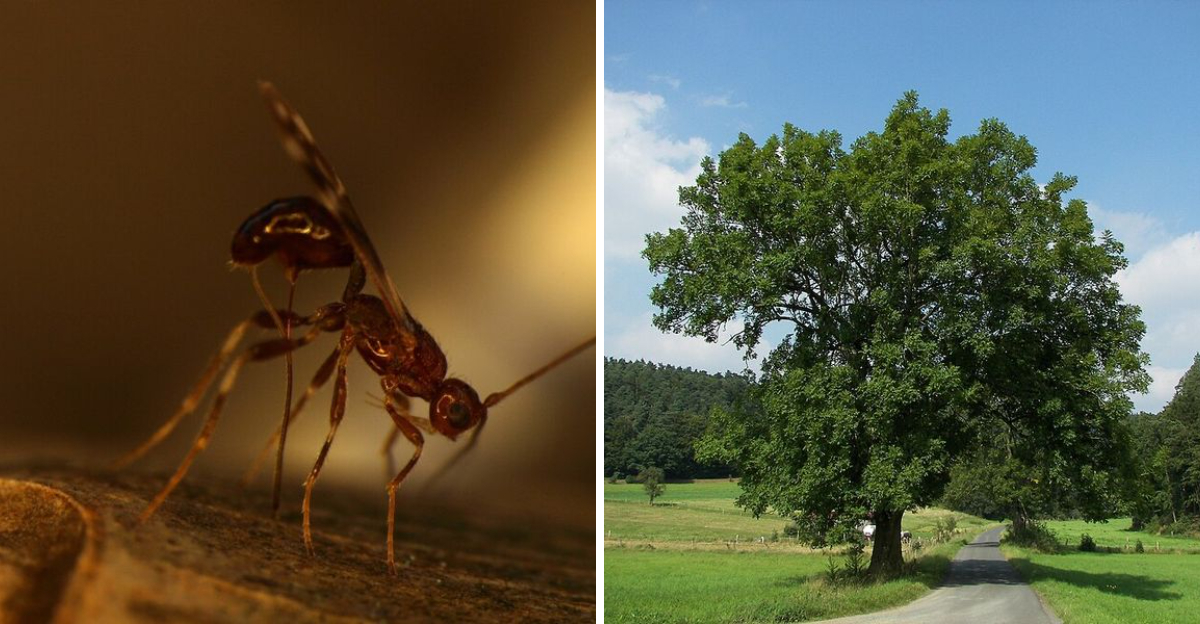
A wasp barely the size of a grain of rice just changed the odds. You might never notice it, but it could quietly change everything around you. Maryland just became part of an established insect-control effort.
Emerald ash borers have devastated countless trees across the country since arriving from Asia. Foresters now believe a parasitic ally can slow the damage. This parasitic wasp targets borer larvae with remarkable precision.
Its sting delivers a precise, targeted dose straight into the larvae’s body. According to USDA field release guidelines, crews have been releasing the wasp across Maryland’s woodlands as part of an ongoing program.
Nobody can promise this tiny ally will actually succeed. Every release still pushes the effort forward. Your trees, your parks, and your summer shade depend on this outcome.
Time is running out fast for what remains of the ash population. Nothing about this effort is guaranteed. What happens next could decide whether these forests endure at all.
What Is Threatening Maryland’s Ash Trees
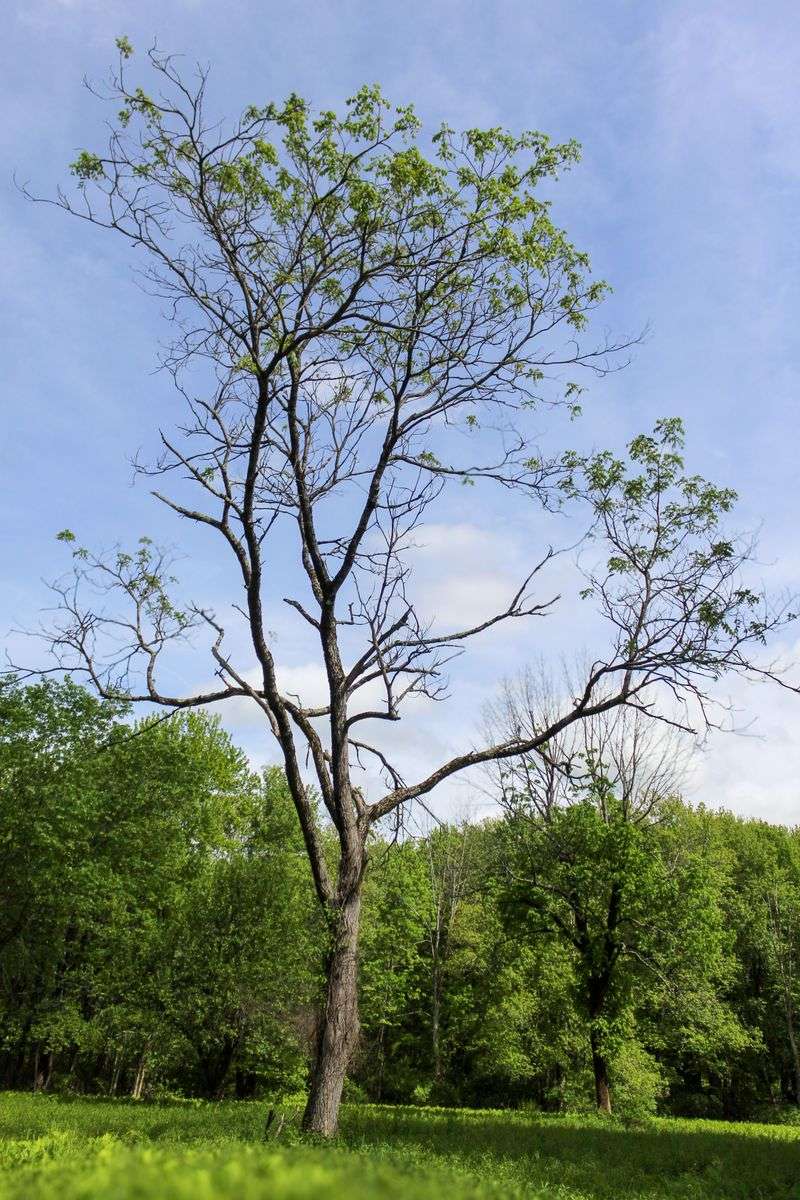
Picture a tree that looks perfectly healthy in spring and has lost all its leaves by fall. That is exactly what the emerald ash borer does to ash trees across the eastern United States.
The emerald ash borer, often called the EAB, is a metallic green beetle originally from Asia. It arrived in the U.S. around 2002, likely hidden inside wooden packing materials from overseas shipments.
Since then, it has spread to 38 states and the District of Columbia, including Maryland, and has destroyed hundreds of millions of ash trees. The damage is staggering, and forest managers have been scrambling for solutions ever since.
EAB larvae are the real troublemakers. They tunnel just beneath the bark of ash trees, carving winding S-shaped paths that cut off the flow of water and nutrients.
Without those nutrients, the tree slowly weakens from the top down. Branches decline first, then the trunk, and eventually the whole tree collapses.
Ash trees are not just pretty faces in the forest. They provide habitat for dozens of bird and insect species, and their wood has long been used for baseball bats, tool handles, and furniture.
Losing them changes entire ecosystems. Maryland alone has millions of ash trees at risk, making this one of the most urgent ecological threats the state has ever faced.
Understanding what is at stake helps explain why scientists turned to a tiny parasitic wasp as a potential answer to this growing crisis.
Spathius Galinae, A New Ally Against A Destructive Pest
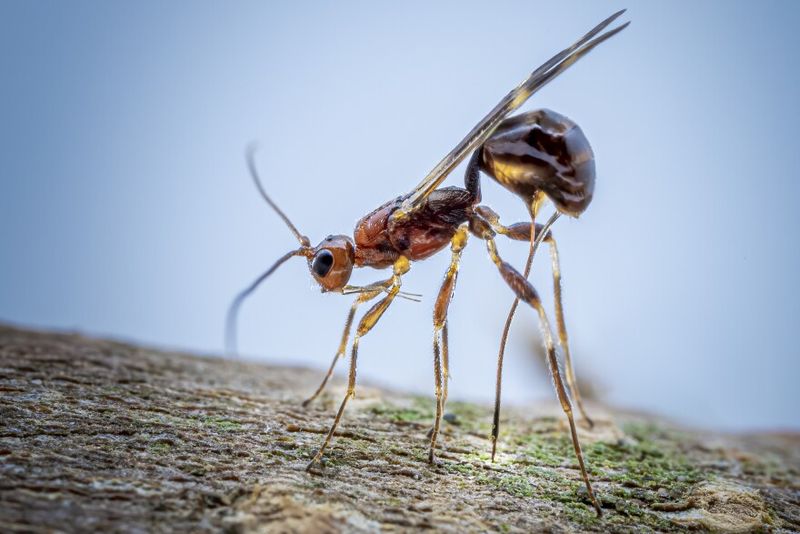
Meet the wasp that might just save Maryland’s forests. Spathius galinae is a parasitic wasp native to the Russian Far East, the same region where the emerald ash borer originally came from.
Scientists noticed something fascinating about this wasp in its home habitat. EAB populations there stay relatively low, partly because natural enemies like S. galinae keep them in check.
That balance took thousands of years to develop. When EAB arrived in North America without those natural enemies, it spread with almost nothing stopping it.
Your Maryland Garden Changes Every Week. Your Plan Should Too.
Gardening in Maryland changes quickly throughout the season. Every Friday you’ll receive a simple weekly plan showing exactly what to plant, prune, fertilize, harvest, and protect so you never miss the right timing.
Introducing S. galinae is a strategy called classical biological control. The idea is to bring a natural predator from the pest’s home region and release it where the pest has invaded.
S. galinae is a parasitoid, meaning it lays its eggs directly on or inside EAB larvae. The wasp’s offspring then feed on those larvae, preventing them from ever becoming adult beetles.
Researchers at the USDA Forest Service spent years studying S. galinae before approving its release. They needed to confirm it would target EAB specifically and not harm unrelated native insects.
After extensive testing, the wasp was approved for release in 2015. Maryland has since received releases as part of a coordinated federal and state biocontrol effort.
For a pest as destructive as the emerald ash borer, having a natural ally like this tiny wasp marks a notable development in ongoing control efforts.
How This Wasp Hunts And Stops Emerald Ash Borer Larvae
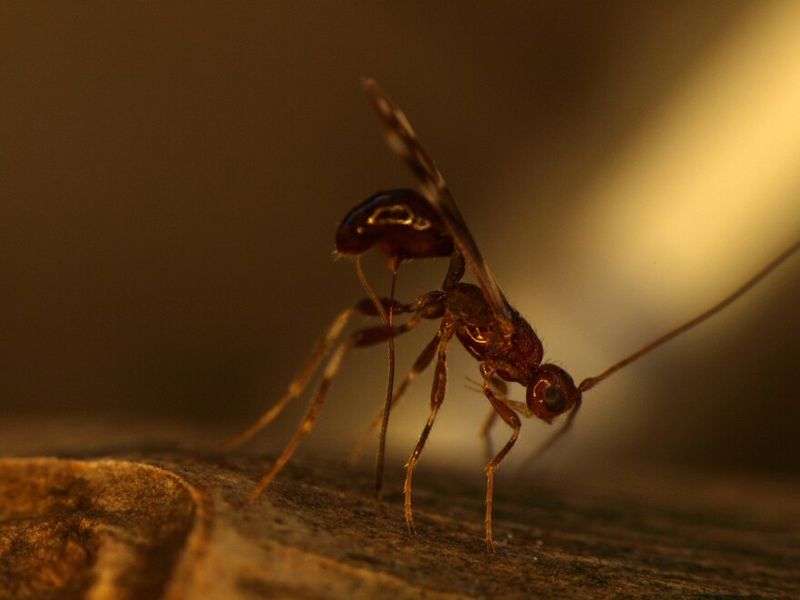
Watching S. galinae hunt is like watching a tiny, precise surgeon at work. The female wasp lands on an ash tree’s bark and begins tapping it with her antennae to sense what is underneath.
She is searching for EAB larvae hiding just below the surface. Her antennae pick up chemical signals and vibrations that reveal a larva’s exact location.
Once she finds her target, she uses her ovipositor, a needle-like egg-laying organ, to drill through the bark. This process can take several minutes, but she is remarkably accurate.
After breaking through, she deposits multiple eggs directly on the EAB larva. The larva cannot escape because it is already tunneling inside the tree.
When the wasp eggs hatch, the young wasps feed on the EAB larva from the outside. They consume it gradually, which keeps it alive just long enough to complete their development.
Eventually, the EAB larva is fully consumed and never survives to become an adult beetle. No adult beetle means no new eggs, and no new eggs means fewer infestations over time.
A single female S. galinae can parasitize dozens of EAB larvae during her lifetime. Multiply that across thousands of released wasps, and the impact on local EAB populations can become significant.
This hunting behavior is what makes S. galinae a promising tool against a pest that has been difficult to control through other methods alone.
Why This Wasp Was Selected For Maryland’s Biocontrol Program
Choosing the right biocontrol agent is not a simple process. Scientists spend years evaluating candidates before any insect is approved for release in a new environment.
Several parasitic wasps have been studied as potential EAB controls. Among them, S. galinae stood out because of its strong preference for targeting EAB larvae specifically.
Another wasp, Spathius agrili, was released earlier but proved less effective in cooler northern climates. S. galinae, from the colder Russian Far East, performs much better in regions with harsh winters like Maryland.
That climate compatibility matters enormously. A biocontrol agent that cannot survive local winters simply will not establish a self-sustaining population.
Maryland’s forests also have a mix of urban and rural ash tree populations. S. galinae can work in both settings, making it flexible enough for statewide deployment.
Cost is another factor. Chemical treatments for EAB exist but are expensive, require repeated applications, and only protect individual trees. A self-reproducing wasp population offers a longer-term, landscape-scale solution.
The USDA, Maryland Department of Agriculture, and Maryland Department of Natural Resources have coordinated releases at multiple sites. Spreading releases across different locations increases the chances of establishing stable wasp populations.
Choosing S. galinae was also about timing. With ash trees disappearing fast, managers needed an option that could scale up quickly and work alongside other strategies already in place.
Is This Wasp Safe For Humans And Other Insects
A wasp release program understandably makes some people nervous. Most of us picture wasps as stinging, aggressive insects that ruin backyard barbecues.
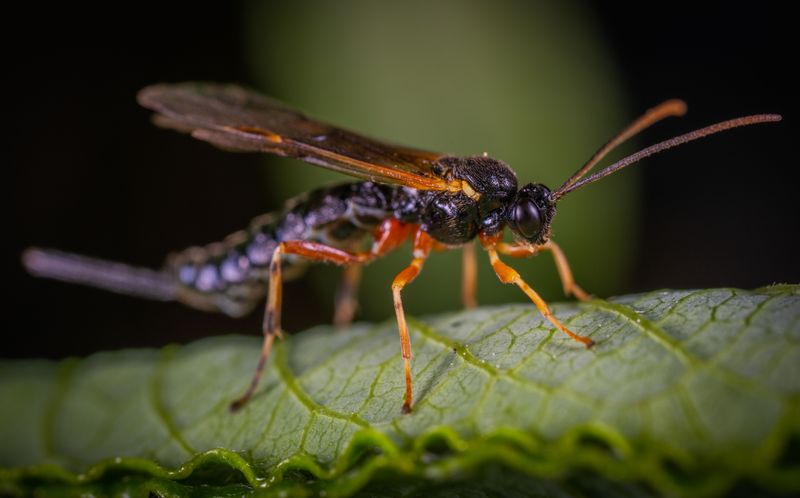
S. galinae is nothing like that. This wasp is so small it could sit comfortably on a fingernail, and it has no interest in humans whatsoever.
Females do have an ovipositor, but it is designed for drilling through bark, not for stinging people. The wasp simply cannot sting you even if it wanted to.
Before any biocontrol agent is approved in the U.S., it must pass rigorous host-specificity testing. Scientists expose the candidate insect to dozens of native species to check for unintended effects.
S. galinae passed those tests with strong results. It showed a clear preference for EAB larvae and showed little to no interest in native North American beetles or other insects.
That specificity is critical. Releasing a generalist predator could cause unintended harm to native species, which would trade one ecological problem for another.
Some people also worry about competing with native parasitoids that already target EAB. Research suggests S. galinae fills a niche that native wasps have not been able to exploit effectively.
For families, hikers, and gardeners near release sites, there is nothing to fear. This quiet little wasp is doing its job in the bark of trees, completely out of sight and out of mind.
What This Means For The Future Of Maryland’s Ash Trees
Nobody is claiming S. galinae will single-handedly rescue every ash tree in the state. Biocontrol works slowly, and results take years to measure accurately.
But early data from other states where the wasp has been released shows promising signs. Research published in the Journal of Economic Entomology found parasitism rates as high as 49 percent at some monitored sites.
Maryland forest managers are combining S. galinae releases with other tools. These include targeted chemical treatments for high-value trees and efforts to grow EAB-resistant ash tree varieties for future replanting.
The long game here is ecosystem recovery. If wasp populations establish and grow, they could suppress EAB enough to let surviving ash trees reproduce and spread naturally.
Researchers are also studying whether S. galinae populations can sustain themselves without ongoing human releases. A self-sustaining population would be a major milestone for the program.
Community involvement plays a role too. Homeowners can help by not moving firewood across county or state lines, since transported wood is a major way EAB spreads to new areas.
Planting diverse tree species in yards and neighborhoods also builds resilience. A forest or streetscape that relies entirely on one tree species is always one pest away from collapse.
The effort to defend Maryland’s trees from this invasive pest reflects a longer-term shift toward biological, rather than chemical, control.