What It Means When This Winged Pest Shows Up On Your Maryland Maples
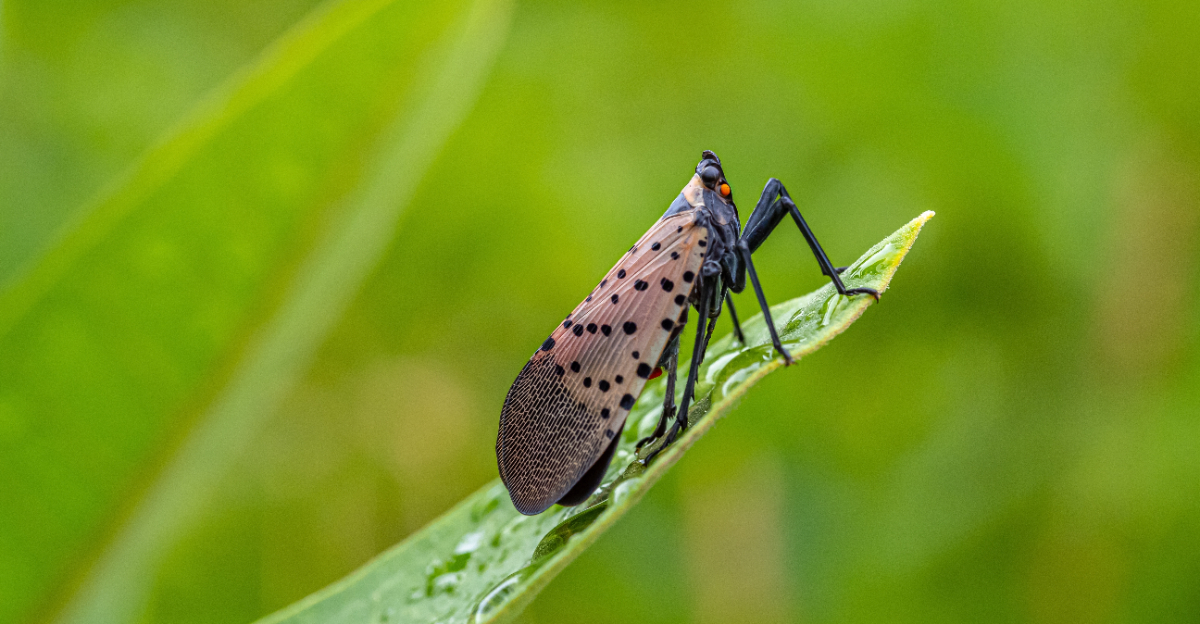
Maple bark rarely draws a closer look, until now. Maryland has become home to a colorful, unexpected traveler. You might already have this creature on your tree.
This visitor travels on bumpers, firewood, and patio furniture. Distance means nothing once it hitches a ride.
Nobody invited this guest, yet it keeps multiplying. Something small clings to bark and sips sap quietly.
Your maple could be feeding an entire colony right now. Trees tire fast under repeated feeding, especially maples. Officials across Maryland are working to track every sighting.
Identifying this creature correctly matters more than you think. Waiting only helps the intruder, never you.Every strange mark on your bark deserves a closer look.
Uncertainty spreads fast, but clarity changes your next move. Answers are closer than you expect right now.
Clarity helps you act before real trouble sets in. Look closely, because your maple already knows what you don’t.
What The Spotted Lanternfly Looks Like On Maples
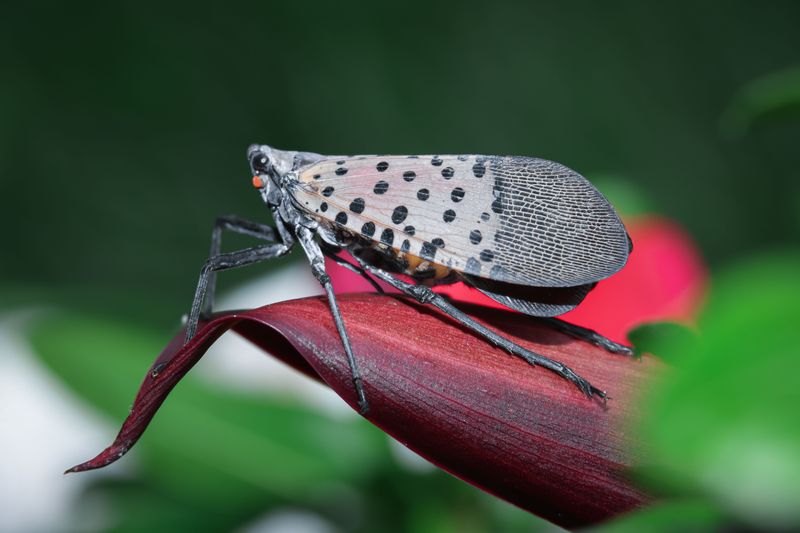
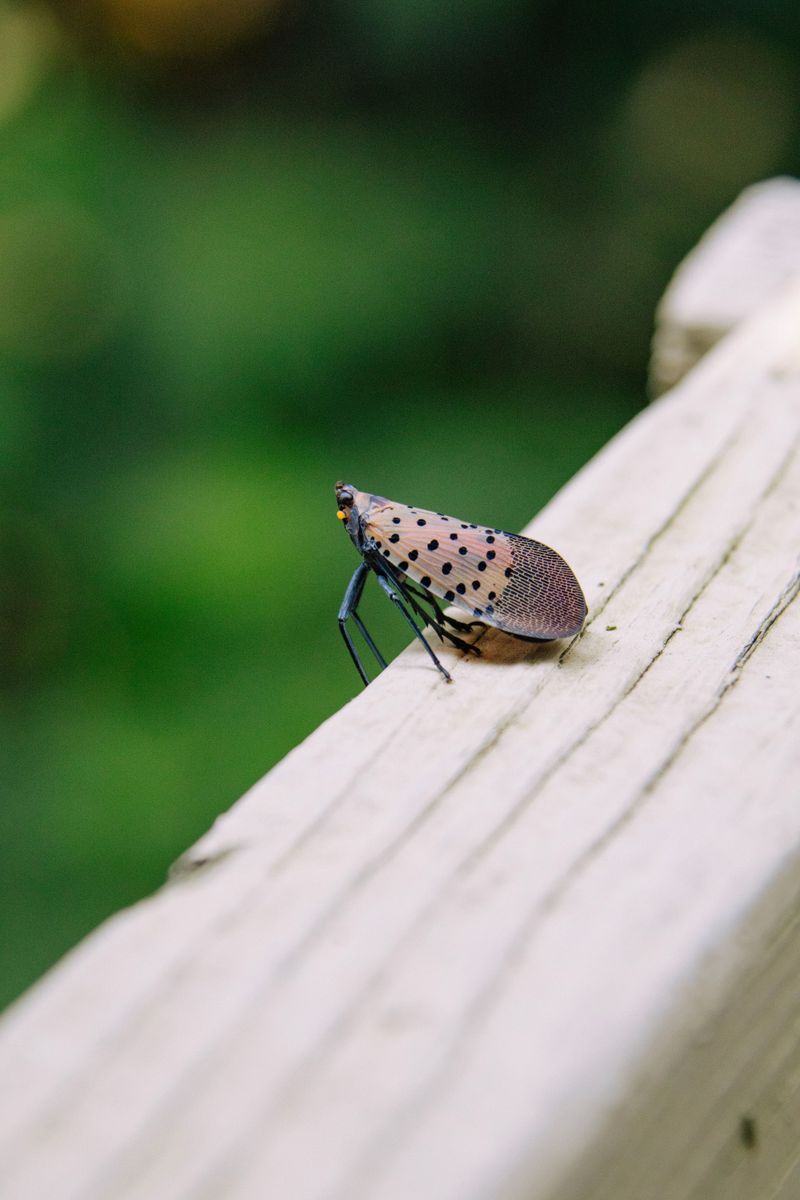
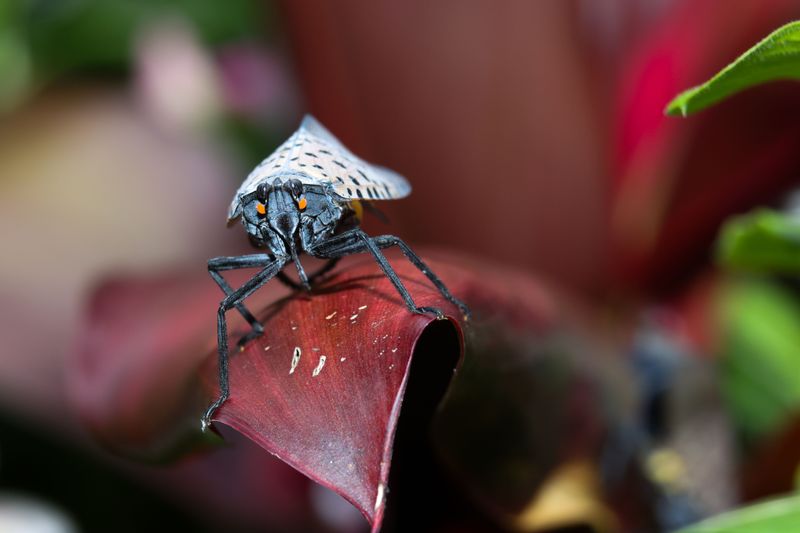
Bright wings catch your eye first. The spotted lanternfly is roughly an inch long, with pale gray forewings covered in bold black spots.
Flip those wings open and you will see a flash of red, white, and black underneath. That striking color pattern makes it one of the most visually distinct pests you will ever spot on a maple trunk.
Young nymphs look completely different from adults. Early-stage nymphs are tiny, jet black, and dotted with white spots, almost like a miniature polka-dot beetle crawling up your bark.
Later-stage nymphs develop patches of red before growing into full adults. Knowing each life stage helps you catch an infestation before it spirals out of control.
Adults appear by mid-to-late summer and stay active until the first hard frost. They tend to gather in large groups on tree trunks, especially toward dusk when temperatures cool down.
Seeing even one of these winged pests on your Maryland maples is a signal worth taking seriously. A single sighting often means many more are hiding nearby, just out of sight.
Why This Pest Has Spread Across Maryland

Nobody shipped this insect here on purpose. The spotted lanternfly arrived in Pennsylvania around 2014, likely hidden inside a stone shipment from Asia.
From there, it moved fast. Maryland confirmed its first sightings not long after, and the pest has since spread widely across the state.
The exact number of affected counties is best confirmed through current Maryland Department of Agriculture data.
Human movement is the biggest reason for its rapid spread. People unknowingly carry egg masses on lawn chairs, trailers, campers, and firewood stacked in car trunks.
Egg masses look like dried mud smears. They are easy to miss on a bumper or a fence post, which is exactly why this insect keeps showing up in new places.
The spotted lanternfly also has a wide appetite. It feeds on over 70 plant species, so it always finds something to eat no matter where it lands.
Maples rank among its preferred hosts, making Maryland neighborhoods especially vulnerable. Understanding how this pest travels is the first step toward slowing it down in your own yard.
Your Maryland Garden Changes Every Week. Your Plan Should Too.
Gardening in Maryland changes quickly throughout the season. Every Friday you’ll receive a simple weekly plan showing exactly what to plant, prune, fertilize, harvest, and protect so you never miss the right timing.
State agencies have placed the entire state under quarantine, along with public alert systems to track new sightings. Staying informed about local regulations helps you avoid accidentally spreading the problem further.
The Damage It Causes To Maple Trees

Your maple is not just a pretty yard feature. It is a living system, and the spotted lanternfly affects the tree from the outside in.
These insects use piercing mouthparts to suck sap directly from stems, branches, and trunks. Constant feeding drains the tree of the sugars it needs to stay strong through harsh winters.
Weakened maples struggle to push out healthy growth in spring. Leaves may appear smaller, curl at the edges, or drop earlier than usual in affected trees.
Heavy infestations can cause branches to weaken and decline over time. When dozens or hundreds of insects feed on one tree, the cumulative sap loss adds up quickly.
Young maples and newly planted trees face the highest risk. An established, mature maple can handle some stress, but a sapling has far fewer reserves to draw from.
The pest does not stop at one tree, either. It moves across a yard, feeding on multiple plants before settling on a favorite host for the season.
Recognizing early signs of feeding stress gives you a real advantage. Catching damage in its early stages means your maple has a much stronger chance of bouncing back fully.
How Sooty Mold And Sap Loss Signal Trouble
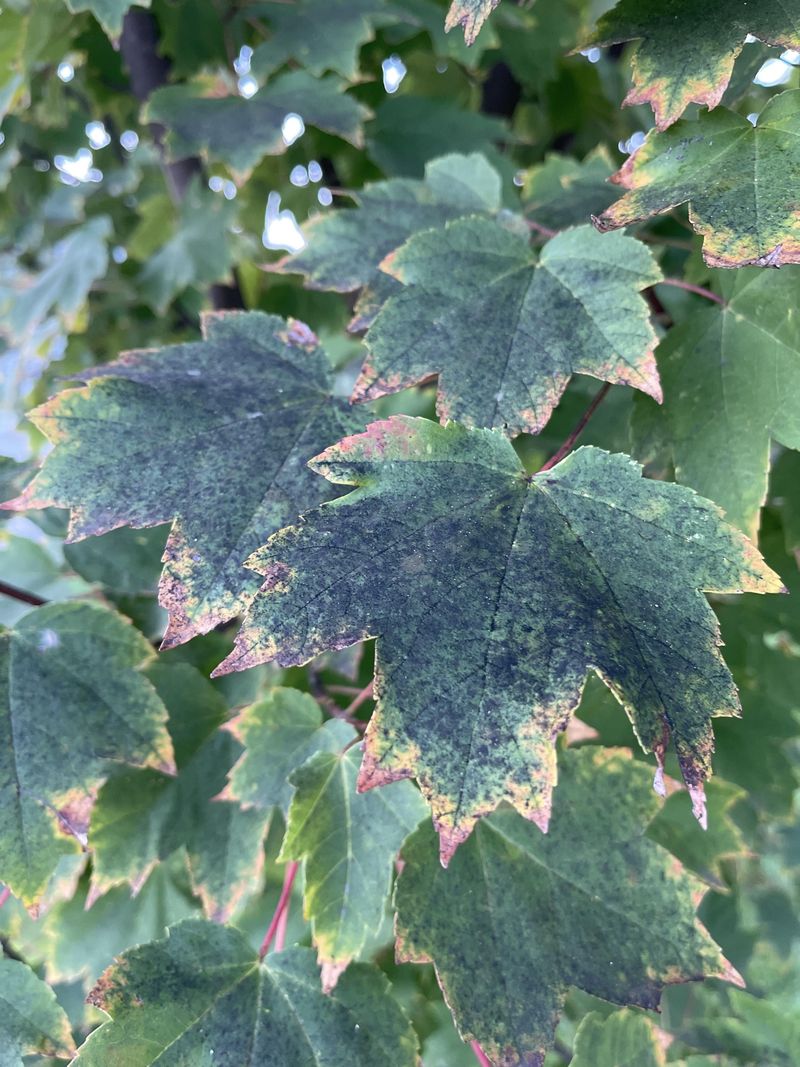
Notice a sticky, shiny coating on your maple leaves? That substance is called honeydew, and it is a direct byproduct of spotted lanternfly feeding.
As the insects suck sap, they excrete this sugary liquid waste onto everything below. Leaves, lawn furniture, cars, and sidewalks all end up coated in this glossy residue.
Honeydew creates the perfect environment for sooty mold to grow. This black fungal coating spreads across leaves and bark, blocking sunlight and reducing the tree’s ability to make food.
Sooty mold does not infect the tree directly. But it smothers leaf surfaces, which cuts off photosynthesis and leaves the maple produces less energy than usual.
Combined with sap loss from feeding, the combined stress adds up. A tree dealing with both issues at once has reduced ability to cope with other stressors.
Look for black, powdery patches on upper leaf surfaces and sticky ground beneath your maple. Those two clues together almost always point to a spotted lanternfly problem overhead.
Acting quickly after spotting these signs makes a real difference. Early intervention gives your maple the best shot at a full recovery before the next growing season begins.
Steps To Remove And Report Sightings
Found one? Do not just walk away. Maryland wants to hear about every confirmed sighting, and reporting takes less than two minutes online.
The Maryland Department of Agriculture has a dedicated pest reporting page. You can submit a photo and location, which helps state officials track the spread and respond faster.
Beyond reporting, you can take direct action in your own yard. Scrape egg masses off bark using a plastic card or putty knife, then drop them into a bag of hand sanitizer or rubbing alcohol.
Egg masses appear from fall through early spring, with most laid in October. They look like smears of dried gray putty and can hold 30 to 50 eggs each, so removing them early matters a lot.
For live adults and nymphs, a spray bottle filled with dish soap and water works surprisingly well. Coat the insects directly, keeping in mind this only affects insects that are sprayed, not the wider population.
Sticky bands wrapped around tree trunks can trap nymphs as they climb. Check these bands often and consider adding a wildlife guard, since birds and small animals can become trapped in them, a known and fairly common risk.
Avoid using broad chemical sprays without guidance from a licensed professional. Some pesticides harm pollinators and beneficial insects that your yard genuinely needs to stay healthy.
Long-Term Ways To Protect Your Maples

Protection starts before you see a single insect. Building a resilient yard now means your maples have better defenses when pest pressure increases each season.
Keep your trees well-watered during dry spells, especially in late summer when spotted lanternflies are most active. A hydrated tree handles stress much better than one already struggling from drought.
Mulch around the base of your maple to hold moisture and regulate soil temperature. A two-to-three inch layer keeps roots comfortable without creating conditions that attract other pests.
Avoid over-fertilizing with nitrogen-heavy products. Lush, fast growth actually attracts sap-feeding insects, so a balanced fertilizer schedule keeps your tree healthy without making it a target.
Plant native species around your maple to encourage beneficial predators. Birds like woodpeckers and chickadees may occasionally feed on insect eggs and nymphs, though this isn’t considered a reliable control method on its own.
Check your trees weekly from July through November. Catching a new infestation early is far easier than managing a full-blown population that has had weeks to settle in.
Stay connected with local extension programs and neighborhood alerts about spotted lanternfly activity. Protecting your Maryland maples is easier when the whole community works together on the same goal.
When To Call A Professional For Help
Some infestations go beyond what a garden hose and dish soap can handle. Knowing when to call in an expert saves your maple from months of unnecessary stress.
If you see hundreds of insects clustering on your tree at once, that is a sign the population has grown past DIY control.
A licensed arborist or pest management professional can assess the full scope of the problem. Professionals have access to targeted treatments that homeowners cannot buy off the shelf.
Systemic insecticides applied correctly can offer months of protection, though the exact duration depends on the product and timing. Care must be taken to avoid affecting pollinators and nearby beneficial insects.
Ask any professional you hire about their approach to pollinator safety. A good pest manager will time treatments carefully to avoid harming bees and other beneficial insects in your yard.
Tree injection is one method that keeps pesticide contained entirely within the tree. This approach reduces chemical exposure to the surrounding environment while still addressing the infestation effectively.
Get a written estimate and ask what follow-up looks like after the initial treatment. One visit is rarely enough when dealing with a pest that keeps migrating from neighboring properties.
Protecting your Maryland maples from this winged pest is absolutely doable with the right support. Whether you go the DIY route or hire a pro, acting early is always the smartest move you can make.