This Underused Native Maple Brings Stunning Fall Color To Georgia Yards
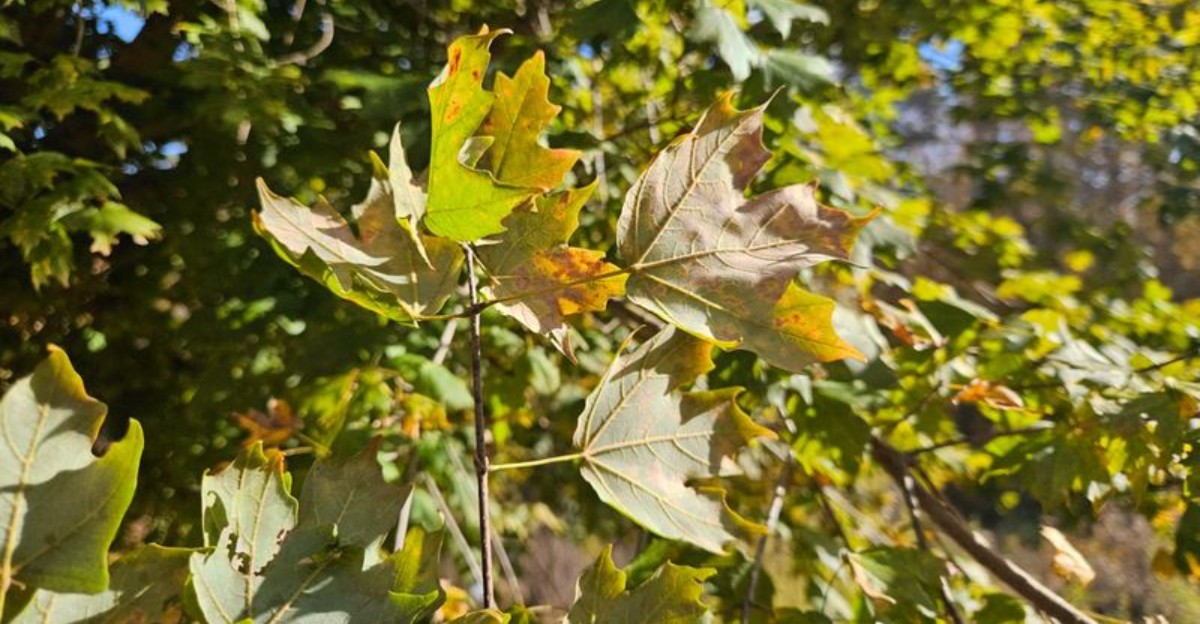
This native maple blazes orange and red every autumn and has been growing wild in Georgia forests for ages, yet most homeowners have no clue it exists. It hides along creek bottoms and shady ravines, quietly outshining the trees people actually buy.
I like how this tree handles stubborn red clay with barely a complaint. Its famous northern cousin often sulks through our long, sticky summers.
This one shrugs off the heat like a true Southerner.
You’re in for a big surprise when you see how small and tidy its leaves are. They have pale undersides that flash silver in a breeze.
I think that detail alone makes it worth a closer look.
Why do so few yards have one? Nurseries rarely push it, and it shares a confusing name with a more famous relative.
Maybe your yard has been waiting for exactly this tree.
1. That Fiery Fall Maple Glow Has A Southern Cousin Behind It
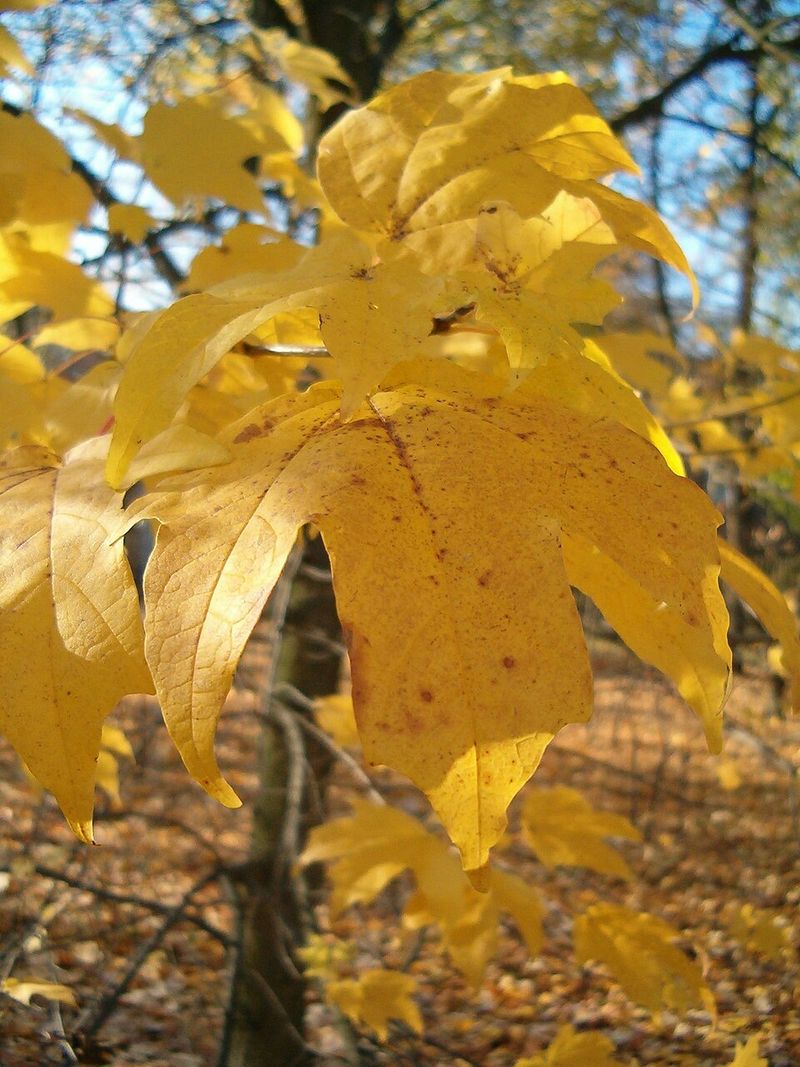
Plenty of gardeners believe real autumn fireworks belong to Vermont. I believed it too, until a Southern sugar maple lit up a creek trail near my place like a bonfire.
Acer floridanum is a native maple found across much of the Southeast, from Virginia down into Florida and west into Texas. It grows naturally in Georgia, mostly in rich woods, river bluffs, and ravines.
Many botanists once treated it as a variety of the northern sugar maple, and some still do, which partly explains why folks overlook it.
Its fall show runs from buttery yellow to deep orange, with some trees adding scarlet tints. Color varies from tree to tree, so buying one you see in fall can help you pick a winner.
Cool nights and sunny days usually bring out the richest shades.
The biggest perk is fit. Northern sugar maples often struggle with heat and humidity in the Piedmont and Coastal Plain.
This southern relative evolved with our summers, so it tends to hold up better through July and August.
In short, the colorful maple you crave already belongs here. You just need to know its name when you visit the nursery.
2. Plant Your Southern Sugar Maple Where Sun And Drainage Team Up
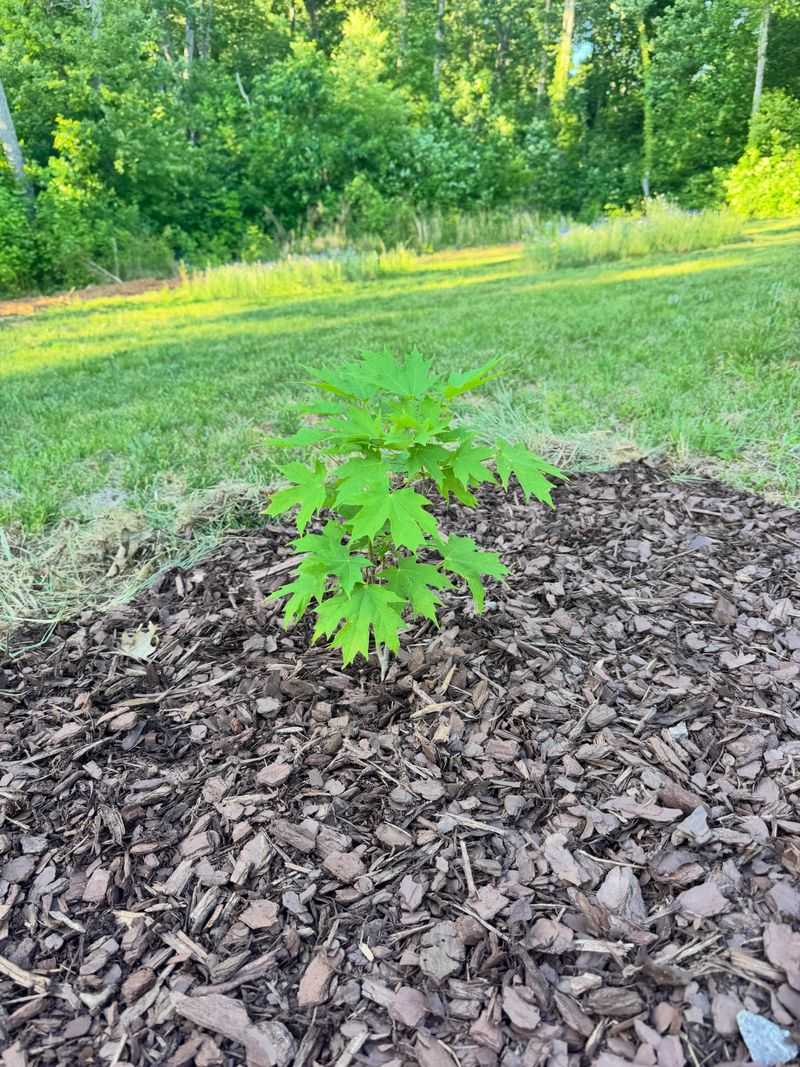
Location makes or breaks this tree. Full sun gives you the strongest fall color, though it handles partial shade well, especially afternoon shade in hot South Georgia.
Soil matters too. University extension sources describe it as tolerant of a wide range of soils, including clay, as long as water does not sit around the roots for long stretches.
If your yard puddles after storms, choose a slightly higher spot or loosen a wide area before planting.
Fall through late winter is the ideal planting window in Georgia. Cooler air and winter rain help roots settle in before summer stress arrives.
Dig a hole two to three times wider than the root ball but no deeper.
Keep the root flare, where the trunk widens at the base, sitting right at soil level. Spread two to three inches of mulch in a wide ring, pulling it a few inches away from the bark.
Give it room as well. A mature tree can reach roughly 20 to 30 feet tall in many landscapes and sometimes taller in the wild.
Plant it at least 15 feet from your house, driveway, or sidewalk so branches and roots have space.
3. Smaller Size Makes This Maple A Smart Pick For Suburban Lots
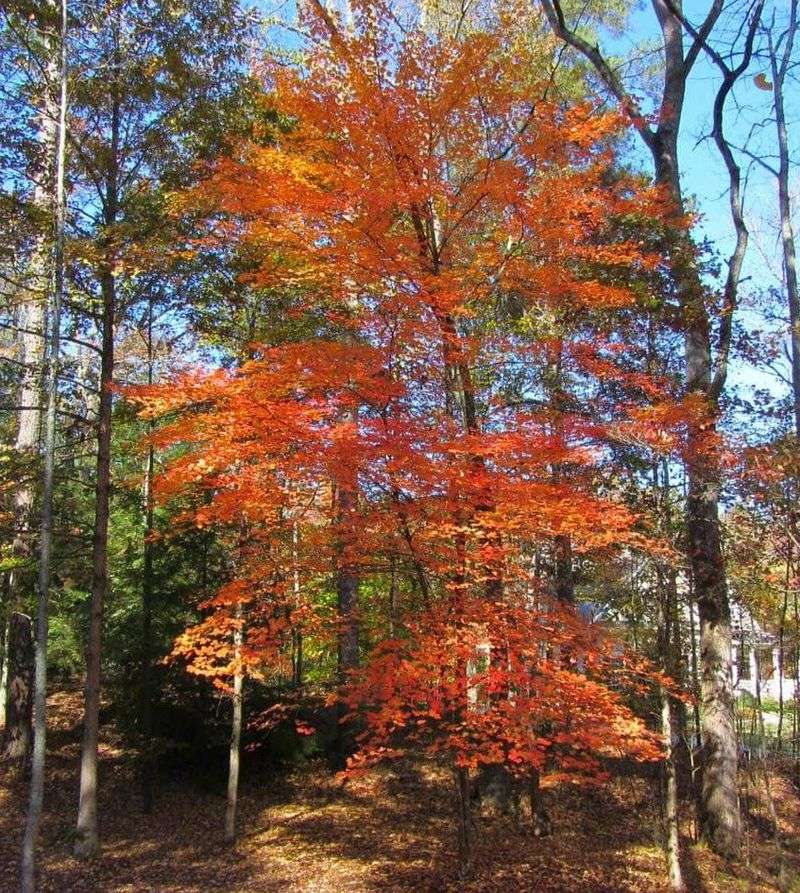
Ever planted a shade tree that later swallowed your whole yard? This maple rarely pulls that trick.
It stays more modest than many big oaks and northern sugar maples.
Most sources list a mature height around 20 to 30 feet in landscapes, with old forest trees reaching 50 feet or more. The crown is rounded and fairly dense.
That shape gives you real shade without overwhelming a typical neighborhood lot.
Growth is slow to moderate. You will not get instant shade, but slower trees often develop stronger wood than fast growers like Bradford pears or silver maples.
Fewer split limbs after summer storms is a fair trade for a little patience.
It works nicely as a specimen in the front yard, beside a patio, or near the edge of a woodland border. Some homeowners even plant two or three in a loose group for a mini forest feel.
Power lines deserve attention, though. Check overhead wires before you dig and call 811 to mark underground utilities.
A tree in the right spot from day one saves you headaches and pruning bills down the road.
4. Pale Undersides On Those Little Maple Leaves Give It Away
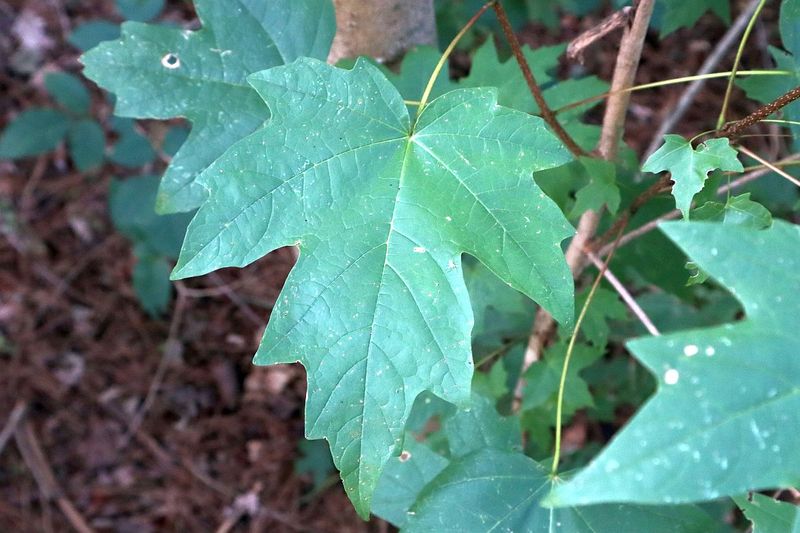
Flip a leaf over and you have your clue. The underside of a Southern sugar maple leaf is noticeably pale, often whitish and a bit fuzzy.
The leaves are small for a maple, usually about two to four inches across. Most have three to five lobes with fairly smooth, rounded edges.
Compare that to a northern sugar maple, which carries larger leaves with greener undersides.
Bark changes with age. Young trees have smooth gray bark, while older trunks develop shallow furrows and rough, plated sections.
Paired winged seeds, the classic helicopter samaras, ripen in late summer to fall.
Don’t confuse it with red maple, a common Georgia native. Red maple leaves have toothy, sharper edges, and its red flowers and seeds show up very early in spring.
Chalk maple, another close relative, stays smaller and shrubbier with similar pale-backed leaves.
My favorite trick happens on a breezy summer afternoon. When wind flips the leaves, the whole canopy flashes silvery for a second.
Once you notice that shimmer along a stream bank, you start spotting these trees everywhere on hikes.
5. Birds And Caterpillars Treat This Native Maple Like A Diner
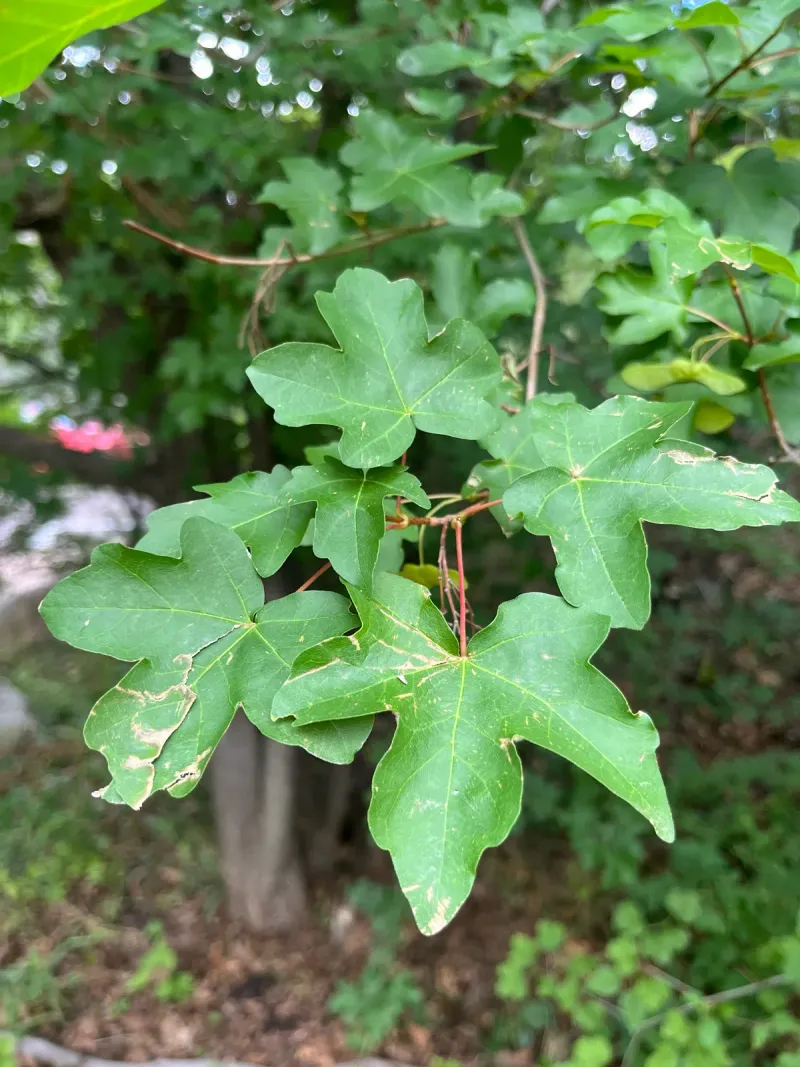
Native trees feed far more creatures than most imported ornamentals, and maples rank high on that list. Research by entomologist Doug Tallamy shows the maple genus supports hundreds of moth and butterfly caterpillar species in the eastern U.S.
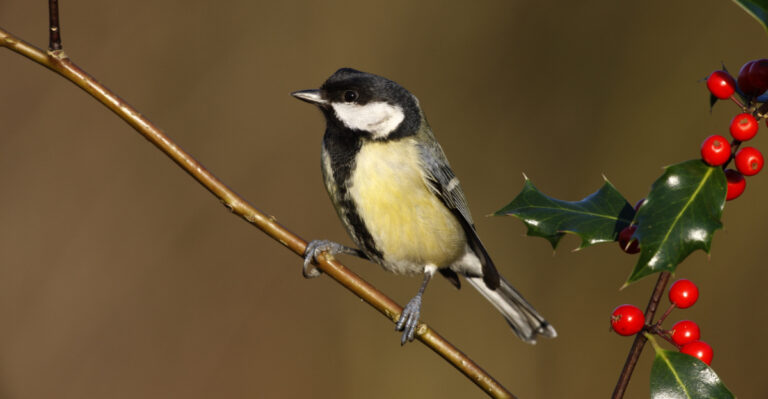
Why should you care about caterpillars? Nesting songbirds like chickadees and wrens rely heavily on them to feed hungry babies.
A single maple can act like a grocery store during spring nesting season.
The small yellowish flowers open in early spring, around the time leaves emerge. Bees and other early pollinators visit them when little else is blooming.
Later, the winged seeds become snacks for squirrels, chipmunks, and some birds.
The dense canopy also offers cover. Birds hide from hawks, rest during hot afternoons, and sometimes build nests in the forked branches.
You can boost those benefits easily. Skip broad insecticide sprays near the tree, since they reduce the very insects birds need.
Leave fallen leaves under it when possible, because many moth species spend winter in leaf litter. A messier corner often means a livelier yard.
6. Deep Watering Helps Young Maples Beat Georgia Summer Heat
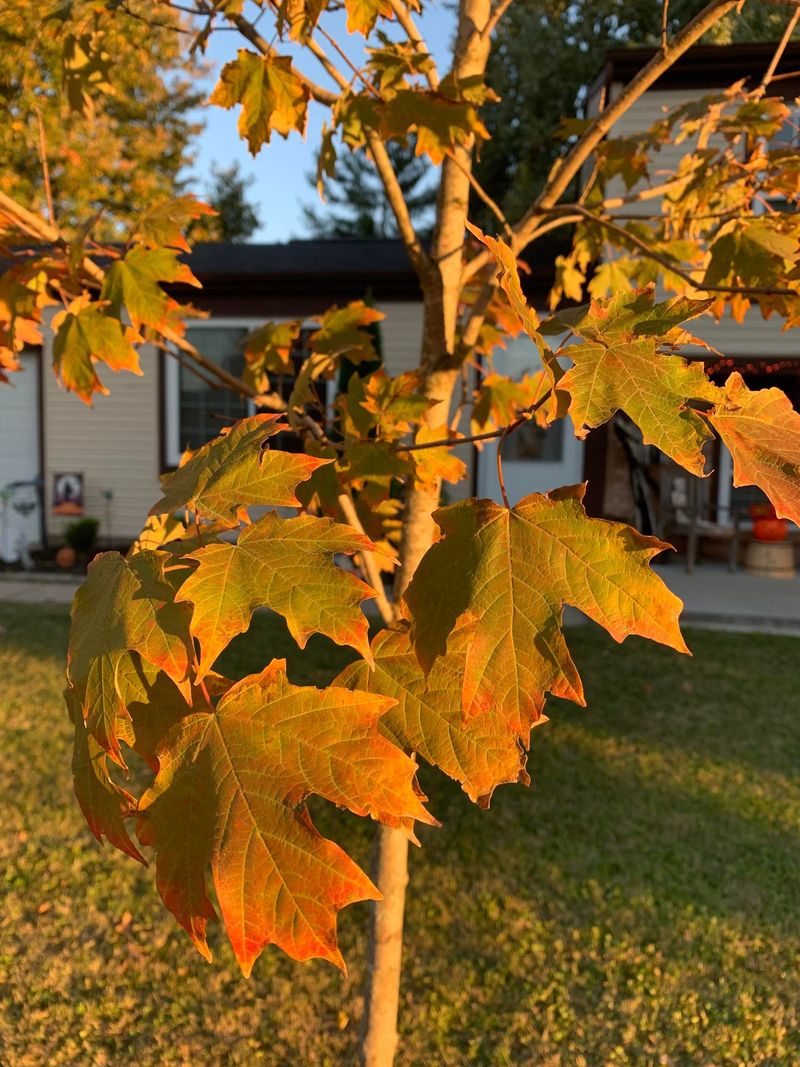
Hot, rainless weeks test every young tree. Your new maple needs extra help for the first two to three years while roots spread into native soil.
Water slowly and deeply rather than giving quick daily sprinkles. A soaker hose or a hose trickling at the base for 20 to 30 minutes works well.
Aim for about once or twice a week during dry spells, adjusting for rain and soil type.
Clay holds moisture longer, so poke a finger a few inches into the soil before watering. Sandy Coastal Plain soils dry out faster and may need more frequent soaking.
Watch for leaf scorch, which shows up as crispy brown edges in midsummer. It usually signals heat and water stress.
Established trees handle drought fairly well, but even mature ones appreciate a deep drink in long dry stretches.
Prune lightly and wisely. Early structural pruning in late winter can remove crossing branches and encourage one strong main trunk.
Pests and diseases are usually minor, though issues like verticillium wilt can show up. Ask your county UGA Extension office if branches suddenly wilt.
7. Mark Your Calendar For Peak Maple Color In Late Fall
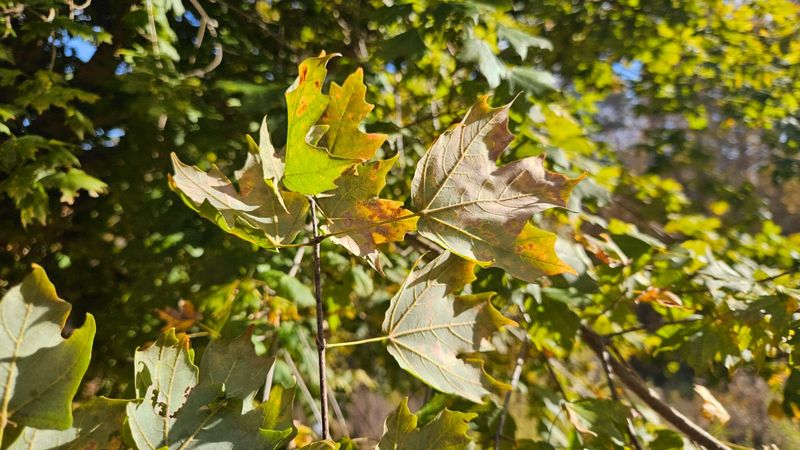
Patience pays off when the show finally arrives. In Georgia, this maple usually colors later than mountain trees, often from early to late November depending on where you live.
North Georgia peaks first, generally late October into early November. The Atlanta area and Piedmont tend to follow in mid November.
Middle and South Georgia may see color later and sometimes softer, since warm autumns can mute the reds.
Weather plays the biggest role each year. Sunny days and crisp nights help leaves build brighter pigments.
A severe drought or a sudden hard freeze can shorten the display.
Ready to add one? Look for Acer floridanum at native plant sales, specialty nurseries, and Georgia Native Plant Society events.
Ask by the scientific name, since some sellers label it as Florida maple or southern sugar maple.
My best advice is simple. Plant it this fall or winter, water it faithfully, and give it a few seasons.
Before long, your neighbors will slow down on their walks and ask what that glowing tree in your yard is called.