Arizona Residents Should Know Exactly What To Do If This Giant Lizard Wanders Into The Yard
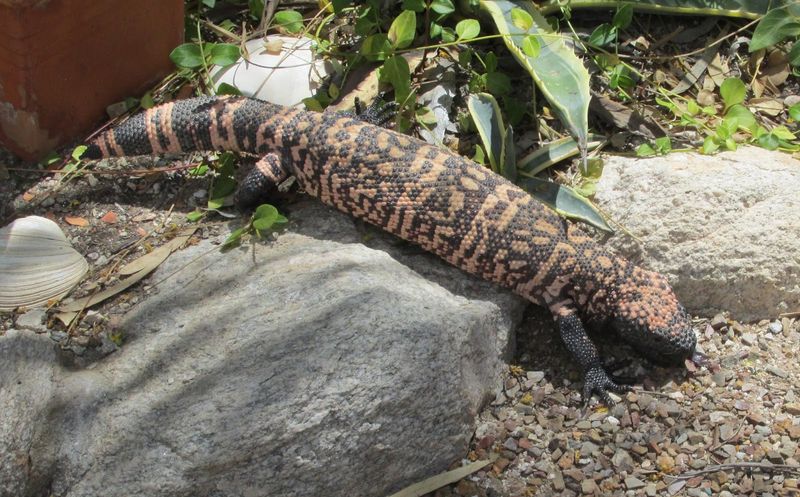
A big, bumpy lizard ambling across the patio can make anyone freeze. In Arizona, it might be a Gila monster, a venomous and protected desert native.
Knowing what to do, and what not to do, keeps your family, your pets, and the lizard safe. A calm plan takes just a minute to learn.
Is that large lizard a Gila monster?
Size alone will not tell you what is in your yard. Arizona has several big lizards, and the chuckwalla, a nonvenomous plant eater, can look quite hefty when it sits on a rock wall.
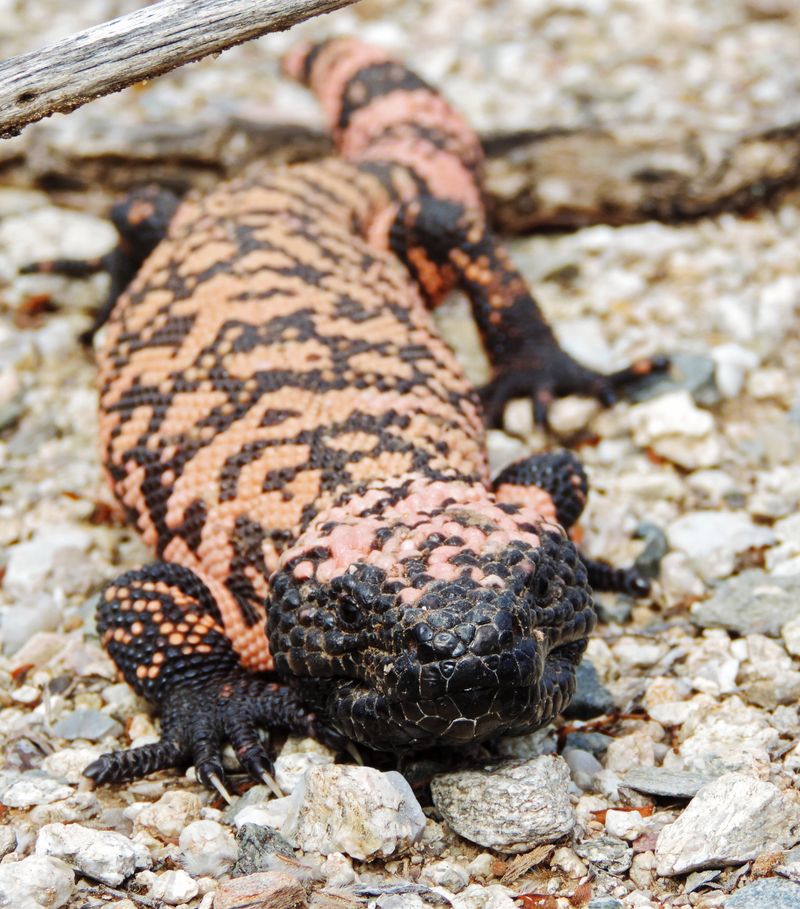
A Gila monster has a few clear traits. According to the Arizona Poison and Drug Information Center, it is a heavy-bodied lizard with rounded, bead-like scales and black skin patterned with yellow, orange, or coral markings.
A chuckwalla, by comparison, has a looser, baggier look and lacks that bold banded pattern, as described by Organ Pipe Cactus National Monument.
Here is the key point: do not step closer to get a better look. Stay back, use your eyes or a zoom lens from across the yard, and treat any large lizard as one that deserves space until it moves on.
Start by making the yard safer
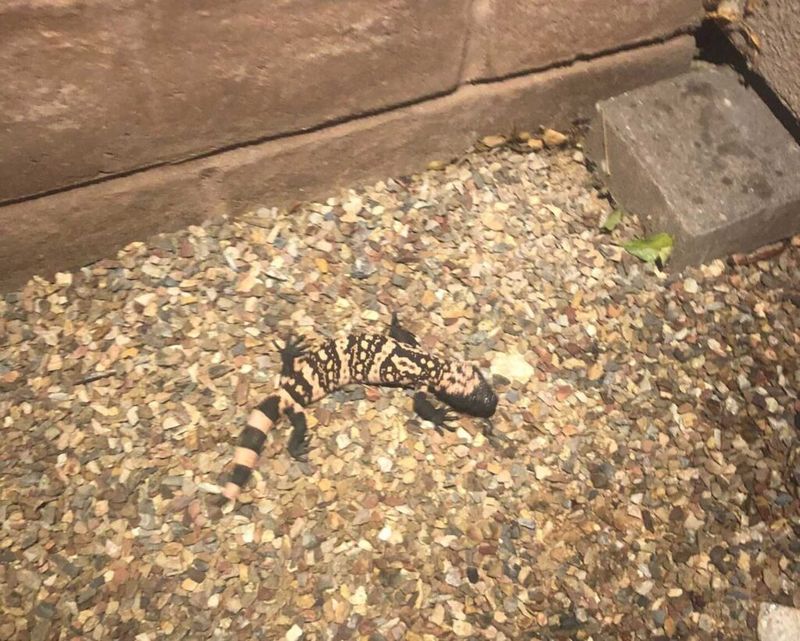
Seeing a lizard like this can be startling, so take a breath and move slowly. Your first job is simple: get everyone out of reach.
Call children inside or to the far side of the yard, and bring dogs and cats in or onto a short leash. A pet that sniffs or paws at the animal is the most likely way a bite happens, so keep curious noses away.
Then give the lizard room. Saguaro National Park notes that Gila monsters usually try to hide or move off, though they may bite if threatened.
They can also move faster than you might expect, which is another reason to keep your distance.
Skip the close-up photo, and do not try to herd the lizard with a broom, hose, or shovel. A zoomed shot from a window or patio door works fine.
Watch from a safe spot and let it wander back toward brush, rocks, or a burrow.
Why hands-off matters
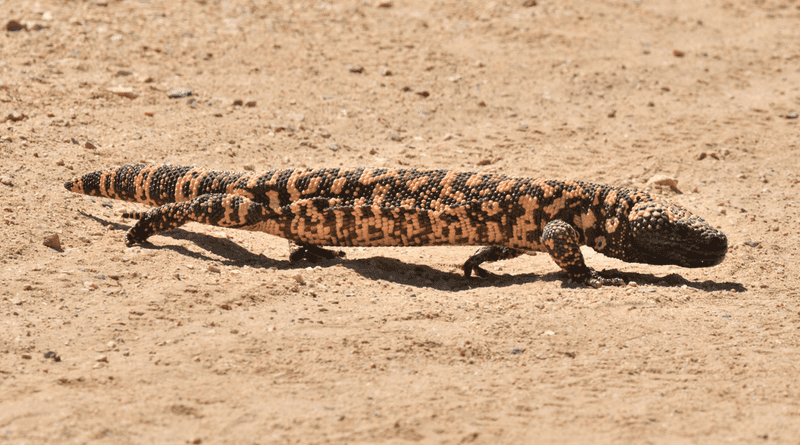
Gila monsters are venomous, but they are not out looking for trouble. They generally avoid people, and bites tend to happen when someone handles or threatens the animal.
That is why the rule is so firm: do not touch, chase, trap, capture, or try to move it. Even a well-meant rescue with a bucket or shovel can feel like a threat to the lizard, and a bite can follow.
The law points the same way. Tonto National Monument explains that Gila monsters are protected in Arizona, and the state prohibits harassing, harming, pursuing, trapping, or capturing them.
The Arizona Game and Fish Department also urges residents to enjoy wildlife from a distance.
Leaving the lizard alone protects everyone. You avoid a painful bite, your pets stay safe, and the animal gets to continue its slow walk to wherever it was headed.
Your Arizona Garden Changes Every Week. Your Plan Should Too.
Gardening in Arizona changes quickly throughout the season. Every Friday you’ll receive a simple weekly plan showing exactly what to plant, prune, fertilize, harvest, and protect so you never miss the right timing.
When should you call Arizona Game and Fish?
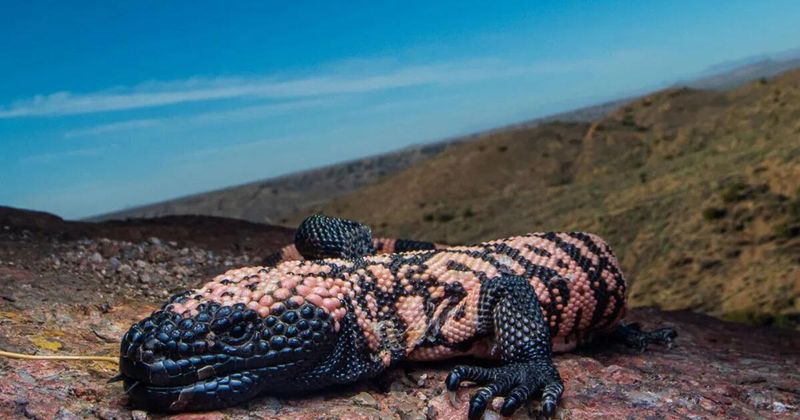
Most lizard visits do not need a phone call. The lizard wanders through, and within a short time it is gone.
The threshold for calling is an immediate public-safety threat, such as an animal acting aggressively toward people. In that case, the Arizona Game and Fish Department lists its 24-hour Communications Center at 623-236-7201.
Set your expectations realistically. The department says it responds to immediate public-safety threats, but it does not routinely capture or remove nuisance wildlife.
A call is not a guarantee that someone will arrive to relocate the animal.
While you wait for guidance, keep everyone indoors or well back, and keep watching from a distance. If the lizard simply sits in a corner of the yard, patience is usually your best tool.
A bite calls for urgent medical care
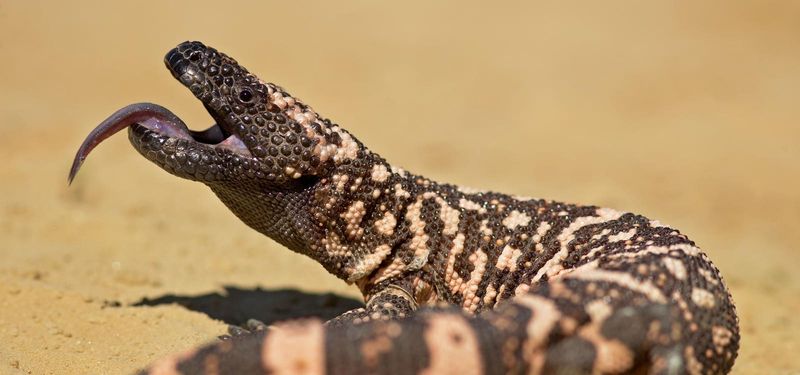
If anyone is bitten by a suspected Gila monster, treat it as a medical matter right away. Do not wait to see how it feels, even if the pain seems limited to one spot at first.
The Arizona Game and Fish Department advises calling 911 for a wildlife bite. You can also reach Poison Control at 1-800-222-1222.
According to the Arizona Poison and Drug Information Center, callers bitten by a Gila monster are directed to a medical facility. The center lists possible symptoms including pain, swelling, nausea, vomiting, weakness, and faintness.
A bite is not something to manage at home. Keep the person calm, get professional help moving, and leave any hands-on dealing with the lizard to trained responders.
Distance is the right final move
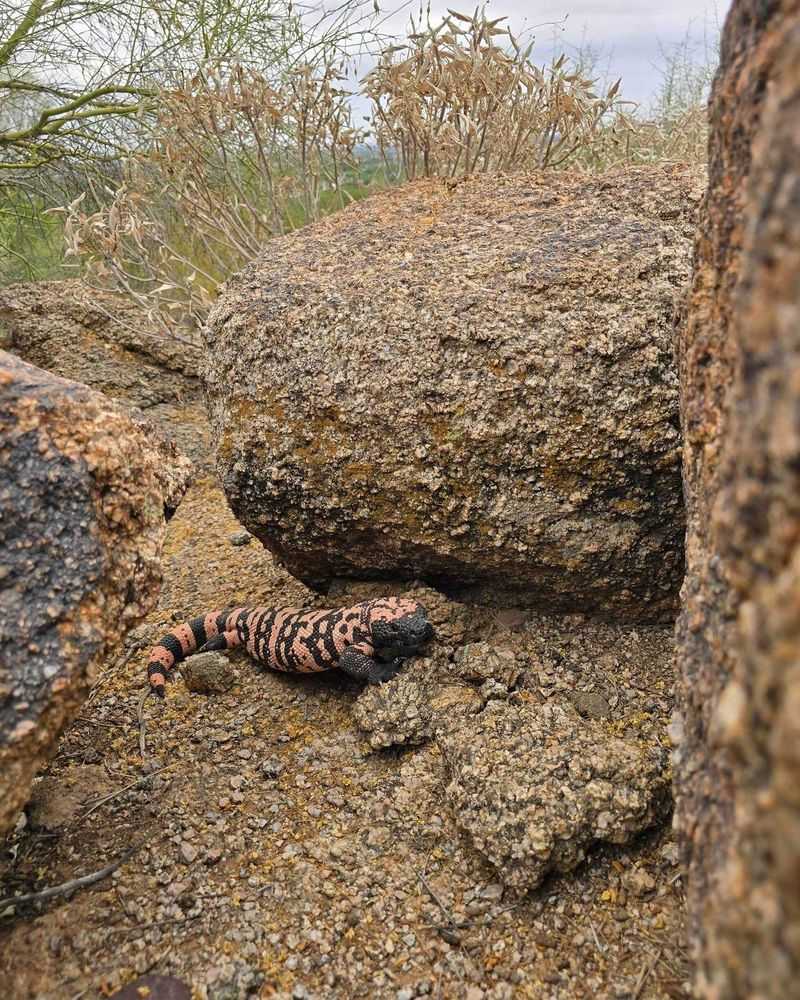
Keep people and pets back, leave the lizard untouched, and call Arizona Game and Fish only if it poses an immediate threat. If a bite happens, get medical care fast.
Most of the time, the story ends quietly, with a slow-moving desert resident heading back where it belongs.