Those Clustering Bugs On Your Minnesota Siding Are Planning To Move In
A single crack as thin as a credit card can let a whole parade of tiny squatters into your walls. I learned that the hard way one October, standing on my deck in Minnesota with a cup of cider.
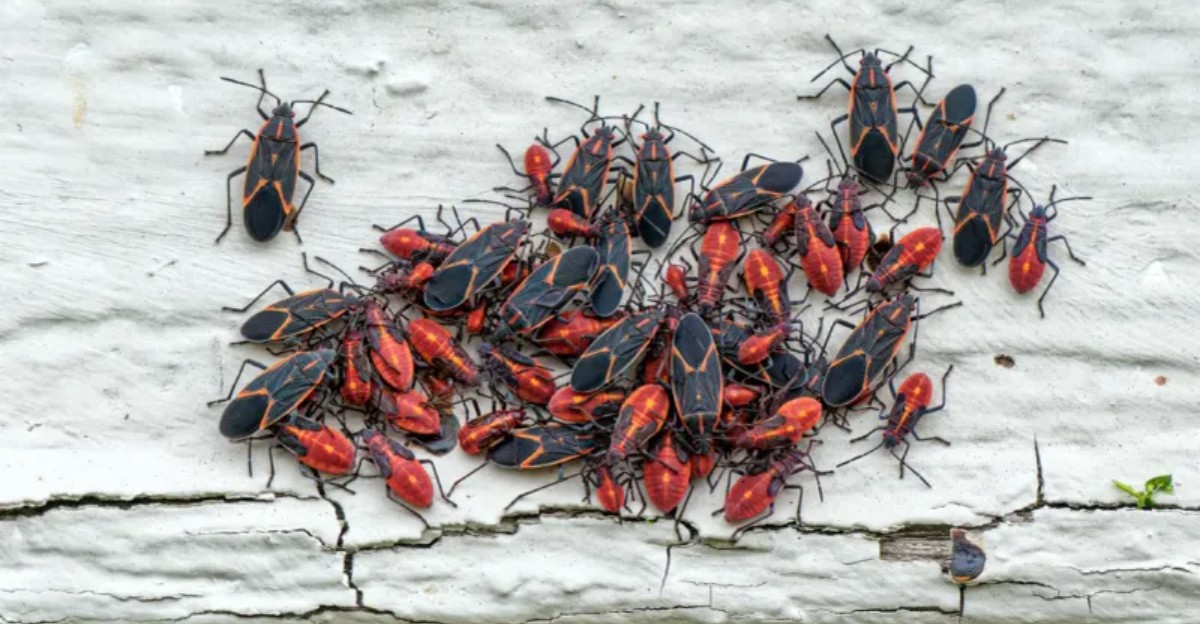
The south side of my house was speckled with bugs, all lined up in the afternoon sun. They looked lazy and harmless. Turns out they were scouting, and the warm siding was their front porch.
You might notice the same crowd showing up on your own walls right about now, especially if you live anywhere near Minnesota or other northern states where autumn arrives fast.
Some are red and black, some look like ladybugs, and some are shaped like tiny shields. A few even buzz like slow, sleepy flies.
I am surprised how organized they seem once you start paying attention. Who are these fall visitors, and how do you keep them on the outside of your cozy home?
That Bug-Covered South Wall Is Really A Moving Day Line
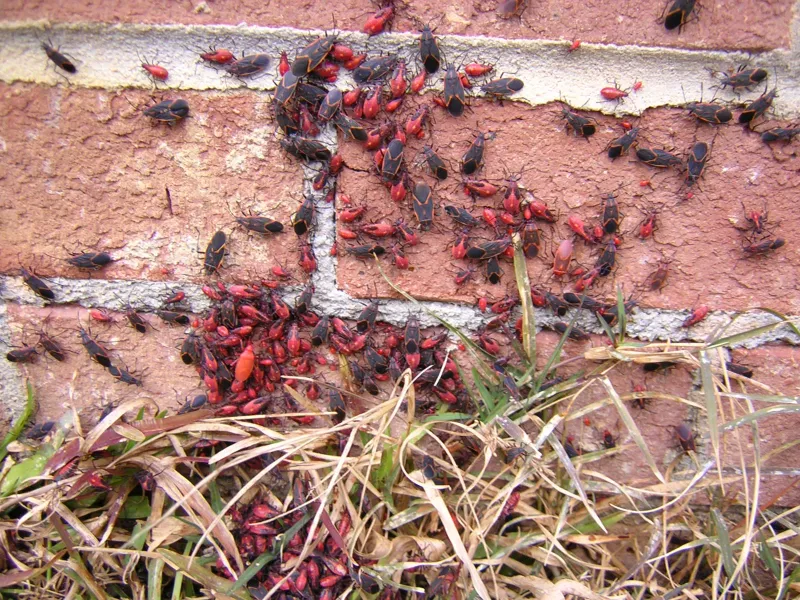
Bugs on a sunny wall in fall are not just taking a nap. They are lining up for winter housing, and your home is the apartment building they picked.
University of Minnesota Extension calls these insects overwintering pests. As days shorten and nights cool, they search for protected places to spend the cold months in a quiet, resting state.
Outdoors, they would tuck into tree bark, rock piles, or leaf litter. Your house just happens to offer a better deal.
South and west-facing walls soak up the most afternoon heat. That warmth draws insects in from surrounding yards and trees, so they gather in big, noticeable clusters. From there, they crawl into gaps around windows, siding seams, soffits, and vents.
Once inside wall voids or attics, most of them stay put until a warm winter day or early spring confuses them. That is when they wander into living rooms and kitchens, looking for a way back outside.
The comforting part is that these bugs rarely damage your home’s structure. They do not breed indoors, chew wood, or eat your food.
Still, nobody wants hundreds of surprise roommates, so spotting the clusters early gives you a real head start.
Sealing Cracks Around Windows And Siding Is Your Best Move
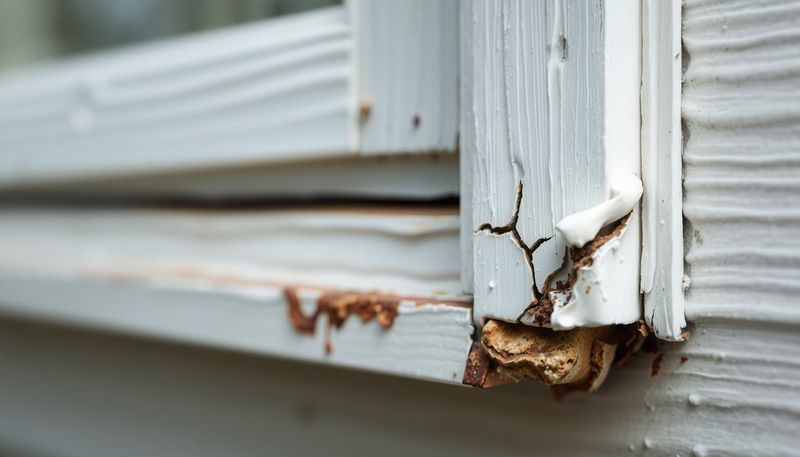
My caulk gun earns its keep every September. Prevention is the strongest tool you have, and Extension experts agree that keeping bugs out works far better than chasing them later.
Timing matters a lot. Aim to finish your sealing by late August or mid-September, before the heavy clustering begins. Once insects are already inside the walls, sealing can actually trap them in your house.
Walk around your home slowly and look for gaps. Check where siding meets the foundation, around window and door frames, and wherever cables, pipes, and dryer vents enter. Even an opening around one-eighth of an inch can let insects slip through.
Fill those cracks with a quality silicone or silicone-latex caulk. Larger gaps may need foam backer rod, copper mesh, or expanding foam first. Replace worn weatherstripping and add door sweeps to exterior doors.
Screens deserve attention too. Repair torn window screens and cover attic, soffit, and roof vents with fine mesh. Bathroom and kitchen fan vents should have working flaps that close tightly.
Do one side of the house each weekend if the job feels huge. Start with the sunny south and west walls, since those are the bugs’ favorite landing spots.
A Vacuum Outperforms A Fly Swatter For Bugs That Sneak Indoors
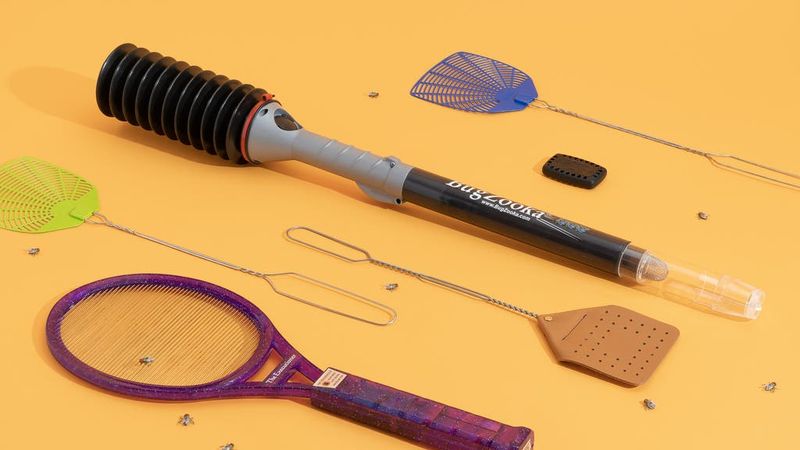
Squishing a bug feels satisfying for about two seconds. Then the smell or the orange stain shows up, and you instantly regret it.
Boxelder bugs, Asian lady beetles, and stink bugs can all leave marks or odors when crushed. A vacuum cleaner is the cleaner, calmer solution. It pulls them off windows, ceilings, and curtains without mess.
Here is a handy trick I use. Slip a knee-high nylon stocking into the vacuum hose and secure it with a rubber band. The bugs collect in the stocking, and you can tie it off and toss it in the trash outside.
If you use a bag vacuum without that trick, empty or remove the bag soon after. Otherwise, the critters can crawl back out or leave a funky odor in the machine.
Indoor bug sprays are rarely worth it. University of Minnesota Extension notes that sprays inside the living space offer little lasting control.
Insects hiding in wall voids keep emerging anyway, and some may end up in hard-to-reach places where they attract other pests like carpet beetles.
Keep the vacuum handy on sunny winter afternoons. That is when sleepy bugs wake up and head for the windows.
Red And Black Boxelder Bugs Love Your Sunny Siding Most
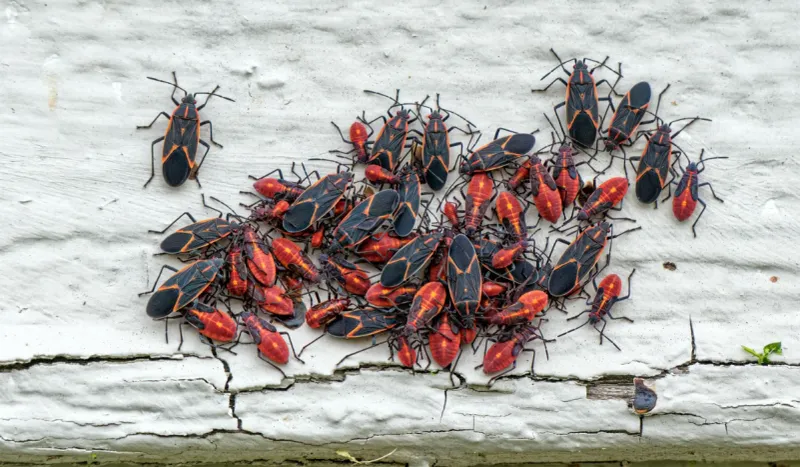
Ask almost any Minnesotan about fall bugs, and boxelder bugs come up first. These half-inch insects wear black bodies with red or orange lines, like tiny sports jerseys.
Young ones, called nymphs, are bright red and wingless. You often see adults and nymphs mixed together in the same sunny pile.
Through summer, boxelder bugs feed mainly on seeds of female boxelder trees. They also visit maples and sometimes ash.
They do not hurt these trees in any serious way, so there is no reason to panic about your landscape.
By September, adults gather on warm surfaces, especially walls facing south or west. Large groups can cover rocks, trunks, and siding near a seed-heavy boxelder tree.
Inside, boxelder bugs are pure nuisance. They do not bite people in any meaningful way, and they will not eat your houseplants. Their droppings can leave small reddish spots on curtains, walls, and light fabrics, though.
A spray of soapy water works on outdoor clusters, according to Extension guidance. Mix about five tablespoons of liquid dish soap per gallon of water and spray bugs directly. It only works on contact, so expect to repeat it.
Spot The Little M On Asian Lady Beetles Before They Swarm
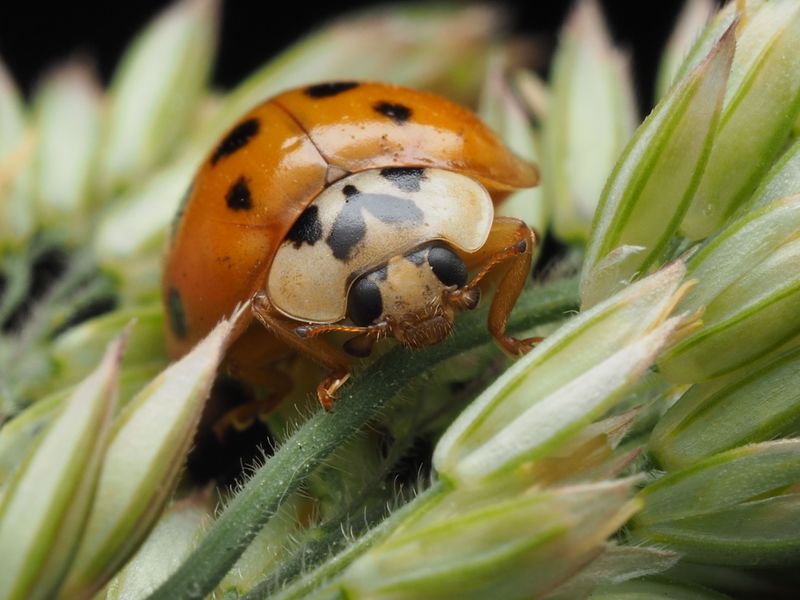
Not every ladybug is a sweet garden helper you want indoors. The multicolored Asian lady beetle looks friendly, yet it can arrive by the hundreds.
Look closely behind the head. These beetles usually show a black M or W shape on a white area. Their colors range from pale yellow to deep red, and the spot count varies a lot.
Fun fact: this beetle was released in the United States decades ago to help control aphids on crops and trees. It still does that job well outside. The trouble starts when it looks for winter shelter.
In Minnesota, they typically fly toward buildings from late September through October. Warm, sunny afternoons after a cold snap often trigger big flights. Light-colored houses near woods or fields tend to attract more of them.
When disturbed, they can give a small pinch that feels like a pin prick. They also release a yellow fluid with a sharp smell that can stain surfaces.
Some people develop allergies to these beetles. If anyone in your home sneezes, wheezes, or gets itchy eyes around them, mention it to a doctor and stay extra careful about sealing gaps.
Shield-Shaped Stink Bugs Are A Newer Minnesota Houseguest
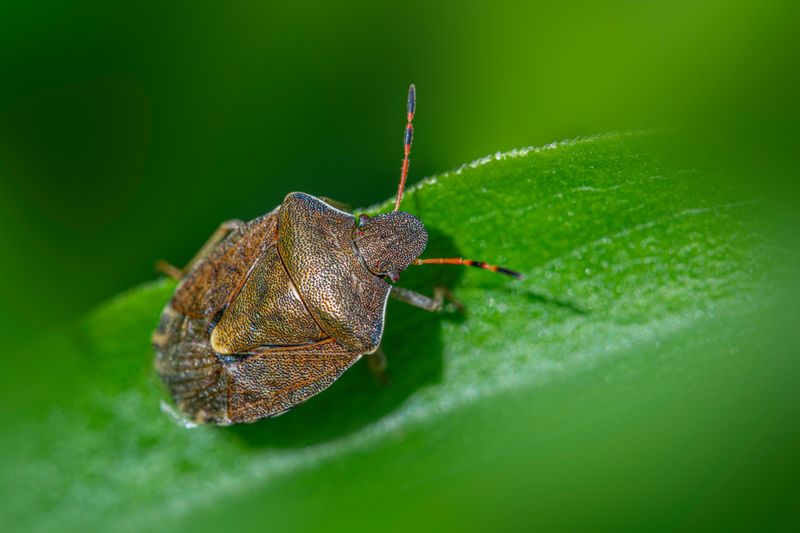
A few years back, I found a bug on my curtain that looked like a tiny brown shield. It was a brown marmorated stink bug, and it lived up to its name the moment I bumped it.
This species is native to Asia. It was first confirmed in Minnesota in 2010, and Extension experts have tracked it spreading since then. Populations are still mostly smaller here than in eastern states.
You can identify it by a few clues. Look for a mottled brown-gray body, light bands on the antennae, and alternating light and dark patches along the edges of its abdomen.
Native stink bugs look similar, so check those antenna bands carefully. Green stink bugs and some brown native species rarely invade homes the same way.
Outdoors, this invader feeds on fruits, vegetables, and many ornamental plants. Gardeners may see scarring on tomatoes, peppers, or apples where it has fed.
Indoors, it is a smelly nuisance, nothing more. It does not bite or breed inside. If you spot one in a new area, you can report it to the Minnesota Department of Agriculture, which helps track invasive insects across the state.
Sluggish Cluster Flies On Windows Started Life In Your Lawn
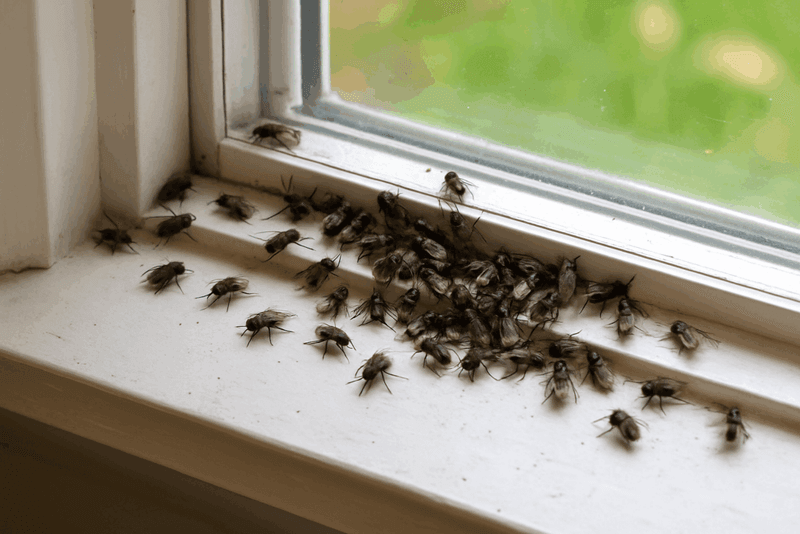
Picture a house fly that drank too much chamomile tea. That is a cluster fly, buzzing slowly and bumping into windows like it forgot where it was going.
These flies are a bit bigger than house flies. They have dark gray bodies with golden hairs on the thorax, and their wings overlap neatly when they rest.
Their life story is odd and kind of fascinating. Cluster fly larvae live in the soil as parasites of earthworms. So a crowd of them in your attic has nothing to do with dirty dishes or messy trash.
Homes surrounded by lawns and fields often see more of them. In late summer and fall, adults gather on sunny walls, then squeeze through gaps into attics and wall spaces.
They usually appear indoors on bright winter days or in early spring. Upstairs rooms and attic windows are common hangouts.
Treating the lawn is not a practical fix, since earthworms are good for your soil. Sealing gaps and vacuuming the flies works better. A simple window fly trap or sticky strip can also help in attics where they gather.
Tidy Foundation Beds And Smart Tree Choices Keep Next Fall Calmer
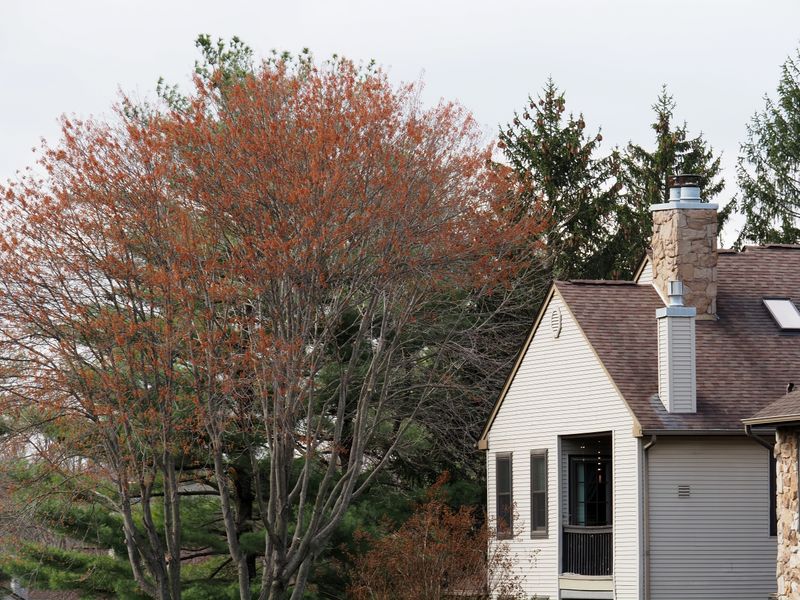
A little yard work now pays off next autumn. Your garden choices shape how many bugs feel at home near your walls.
Start at the foundation. Pull thick mulch, leaf piles, and stacked firewood a few feet away from the house. Those cozy spots act like waiting rooms right next to your siding cracks.
Leave leaves elsewhere in the yard if you like supporting pollinators and wildlife. Just keep the strip along the house a little cleaner. Trees matter too. Female boxelder trees produce the seeds that boxelder bugs feed on.
If you are planting new shade trees close to the house, choose other native options like hackberry, basswood, or a native oak.
Skip the online myths about scaring bugs away with sage or mums. Research does not back up plant-based repellents as reliable control. Sealing gaps remains the proven method.
For heavy yearly problems, a licensed pest professional can apply exterior treatments in late summer. Ask them to target the outside only, timed before insects move in.
Mark a reminder for mid-August next year. A weekend with a caulk gun and rake beats a winter of vacuuming bugs off your windows.