Garden Designers In Tennessee Reveal The Small Water Features Replacing Big Ponds
Sprawling lawns used to be the badge of honor for homeowners across Tennessee. Weekly mowing, endless watering bills, and chemical treatments kept that green carpet alive.
The payoff rarely matched the effort. Landscapers in Tennessee are now steering clients away from grass altogether.
They’re pushing pocket-sized native plant beds instead. These beds thrive on rainfall alone.
They barely need a second glance once established. Clusters of coneflowers, black-eyed Susans, and switchgrass do more than get by.
They pull in butterflies and can meaningfully reduce water use. They turn a flat yard into something with actual texture and movement.
Homeowners who made the switch aren’t just saving weekends once lost to yard work. They’re watching their properties come alive in ways a mowed lawn never could.
The shift feels small on paper. But the difference shows up fast. And once neighbors start asking questions, it rarely stays a secret for long.
1. Waterfalls
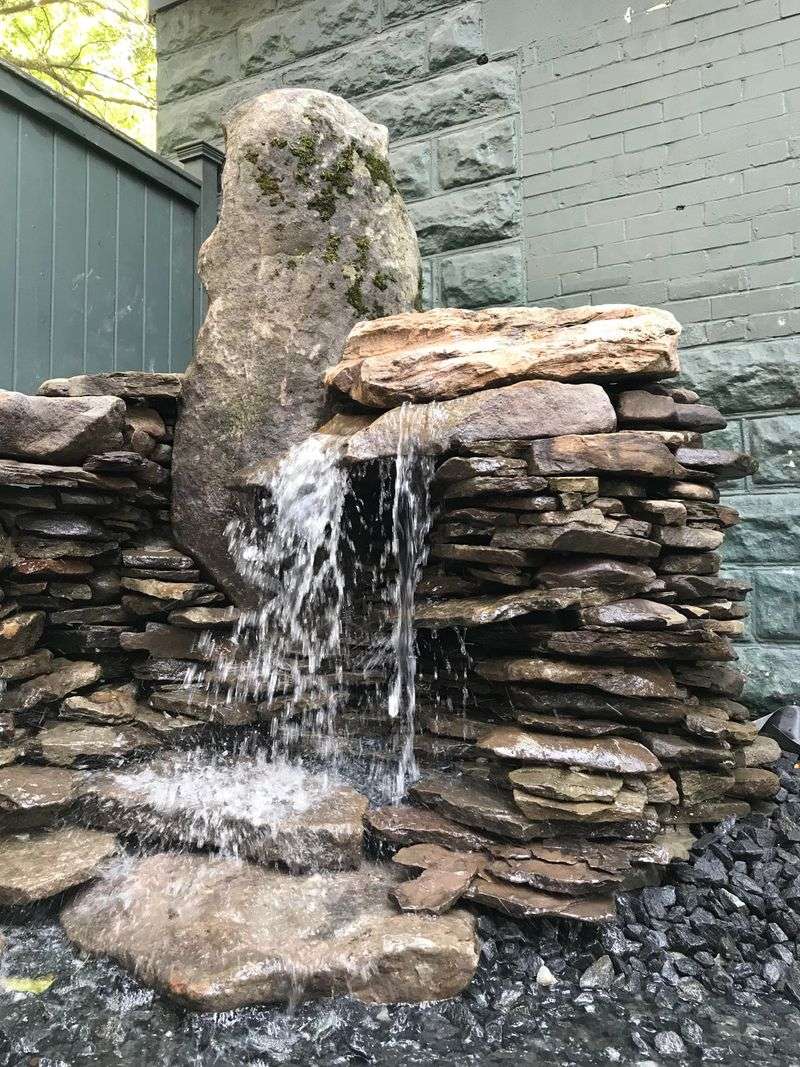
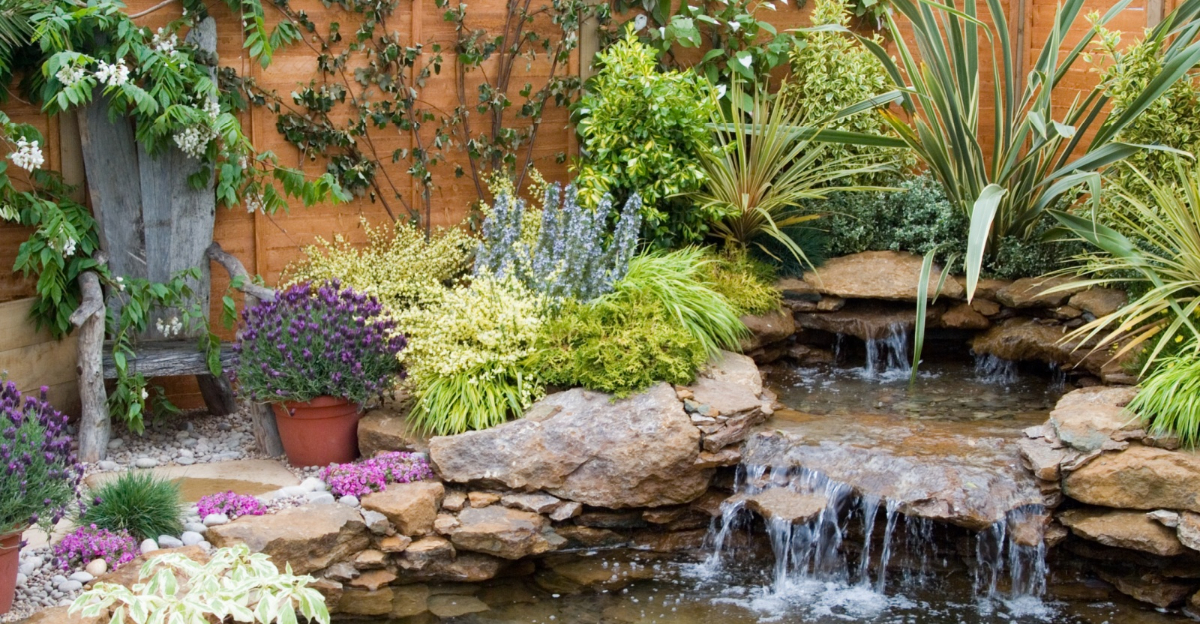
Few things draw attention in a backyard as quickly as the sound of rushing water nearby. Small waterfalls have become one of the most requested features among garden designers across the Volunteer State.
A compact waterfall does not need a massive pond to work its magic. Designers often tuck them into sloped corners, letting gravity do the heavy lifting while plants soften the edges beautifully.
The sound alone justifies the investment for most homeowners. Water moving over layered stone creates a calming white noise that drowns out traffic and neighborhood chatter effectively.
Installation costs far less than a traditional pond setup. A well-built small waterfall can be completed over a single weekend with the right materials and a basic pump system.
Maintenance is refreshingly simple compared to larger water setups. You top off the basin occasionally, clean the pump filter monthly, and enjoy the feature year-round without major effort.
Tennessee gardens benefit especially from waterfalls because of the region’s naturally rocky terrain. Local fieldstone and limestone blend seamlessly into the landscape, making installations look like they have always been there.
Designers recommend pairing waterfalls with native ferns, mosses, and hostas for a lush, layered look. These plants thrive in the moist microclimate that forms naturally around the feature.
A small waterfall transforms even the most ordinary backyard into a place worth lingering in every single day.
2. Spillways
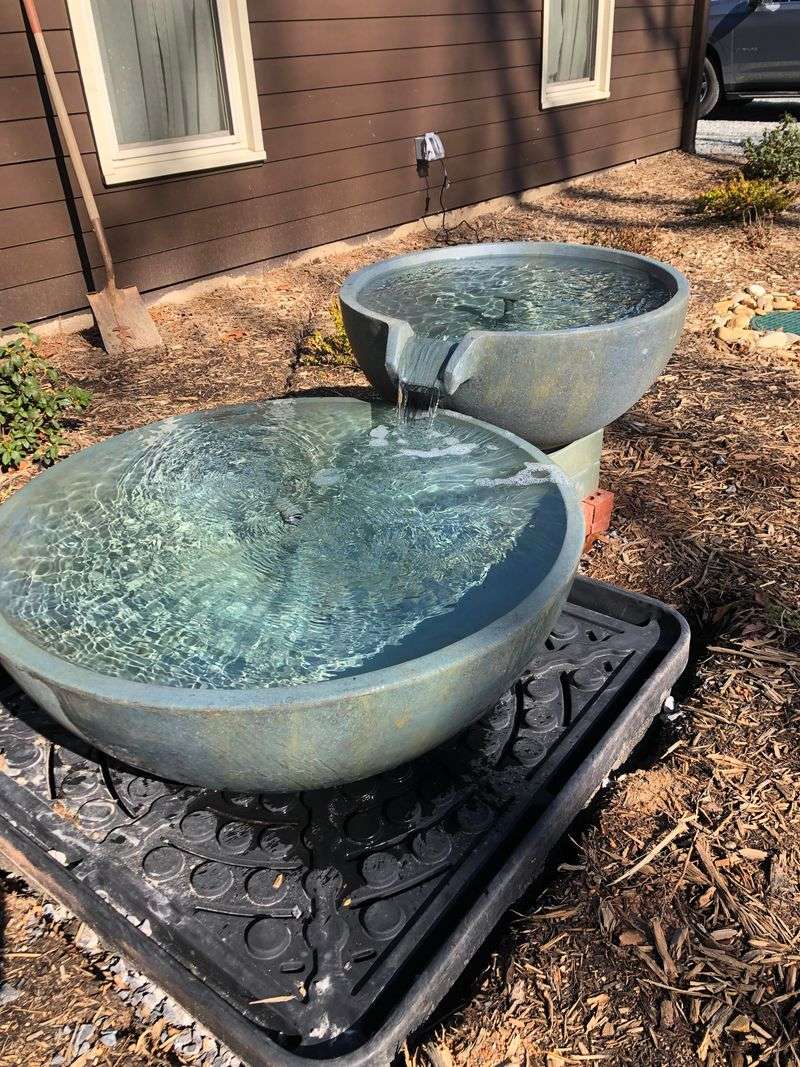
Spillways are the sleek, architectural cousins of traditional waterfalls. They deliver a sheet of water in one clean, dramatic pour rather than a tumbling cascade over rocks.
Garden designers in Tennessee love recommending spillways for clients who prefer a modern aesthetic. The crisp, linear look pairs beautifully with contemporary homes and clean-lined patios.
A spillway can be mounted on a raised planter wall, a retaining structure, or even a standalone decorative panel. Placement flexibility makes them a go-to choice for yards with unusual shapes or limited space.
The sound a spillway produces is distinct from other water features. Water hitting a basin below creates a steady, rhythmic splash that feels both energizing and meditative at the same time.
Your Tennessee Garden Changes Every Week. Your Plan Should Too.
Gardening in Tennessee changes quickly throughout the season. Every Friday you’ll receive a simple weekly plan showing exactly what to plant, prune, fertilize, harvest, and protect so you never miss the right timing.
Materials range from natural stone slabs to polished stainless steel to molded concrete. Each option gives the feature a completely different personality, suiting everything from rustic cottages to ultra-modern retreats.
Spillways are also surprisingly affordable to maintain. The pump system is compact, energy-efficient, and easy to access for routine cleaning without professional help.
One underrated benefit is how spillways handle algae growth. The constant movement of water reduces stagnation, keeping the basin cleaner than a still pond ever could.
Adding underwater LED lighting to a spillway turns it into a nighttime focal point that consistently impresses guests. Your backyard stops being just a yard and starts feeling like a destination worth returning to.
3. Reflecting Bowls
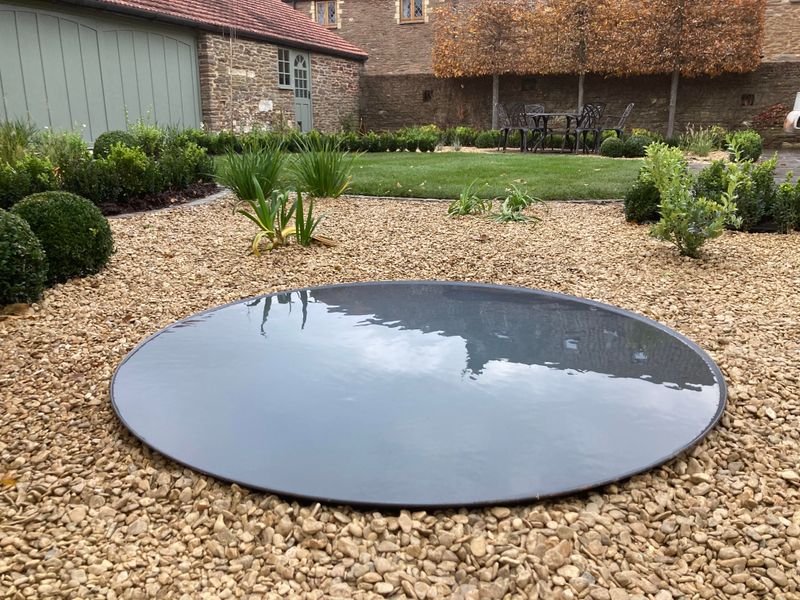
Reflecting bowls are proof that stillness can be just as powerful as movement. These wide, shallow vessels filled with calm water create a mirror effect that makes gardens feel noticeably larger.
Designers across the state have started placing them strategically near seating areas. The visual effect of sky, trees, and blooms appearing in the water surface is visually striking up close.
Unlike many water features, reflecting bowls require almost no mechanical components. No pump, no tubing, no electrical hookup in most cases, making setup incredibly straightforward for any homeowner.
The bowls come in glazed ceramic, cast stone, concrete, and even resin. Each material offers a different texture and color palette, so matching your garden style is effortless regardless of the look you love.
Seasonal interest is another strong selling point for this feature. In autumn, fallen leaves float on the surface and create a stunning, painterly scene that changes daily without any effort from you.
Birds absolutely adore reflecting bowls, using them as bathing stations and drinking spots throughout the warmer months. Watching wildlife interact with the feature adds a whole new layer of enjoyment to your outdoor space.
Mosquito control is easy with a small amount of mosquito dunks or a simple solar-powered agitator. Keeping the water moving slightly prevents standing water issues without disrupting the reflective quality significantly.
A reflecting bowl placed near a bench invites you to slow down, breathe deeply, and actually enjoy the garden you worked so hard to build.
4. Fountains
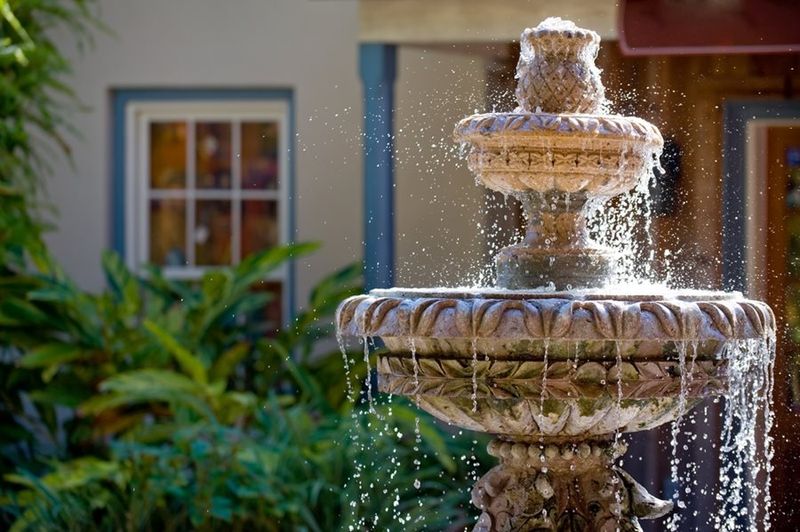
Fountains have anchored gardens for centuries, and their appeal has never faded. A well-chosen fountain becomes the visual and acoustic centerpiece of any outdoor space instantly.
Tennessee garden designers often recommend fountains for clients who want maximum impact with minimal square footage. Even a modest-sized fountain commands attention and creates a sense of occasion in the yard.
The variety available today is wide-ranging. From classical tiered stone designs to abstract modern sculptures, there is a fountain style that fits every personality and architectural preference imaginable.
Self-contained fountain kits have made installation easier than ever before. Most versions come with a built-in reservoir, pump, and all necessary fittings, so setup takes just a few hours on a Saturday morning.
Solar-powered options have grown dramatically in popularity over recent years. They significantly reduce electrical costs and work well in sunny Southern gardens where panels charge efficiently throughout the day.
Placement matters enormously when it comes to fountains. Centering one at the end of a garden path or at a natural sightline from your back door creates a powerful sense of intention and design.
The gentle burbling of a fountain also masks unpleasant outdoor sounds like HVAC units or road noise. Homeowners consistently report feeling more relaxed in their yards after adding one of these features.
Small water features like fountains prove that you do not need a massive installation to create a garden that leaves a strong visual impression.
5. Water Channels
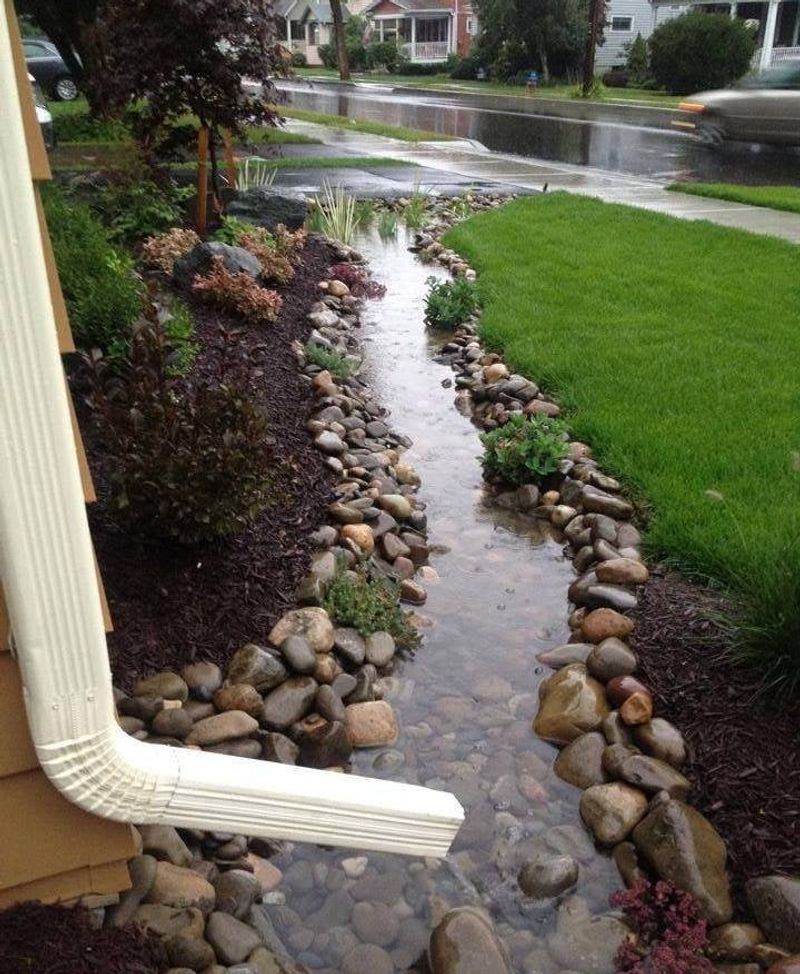
Water channels carry a quiet elegance that most people have never considered for their own backyard. Borrowed from ancient Persian and Moorish garden traditions, these narrow streams of flowing water bring timeless structure to any outdoor space.
A channel is essentially a shallow, linear trough that moves water from one point to another. The simplicity of the concept is exactly what makes it so versatile and visually satisfying in modern gardens.
Tennessee designers have started incorporating channels into formal garden layouts with striking results. Running a channel down the center of a garden path flanked by low hedges creates a sense of ceremony and arrival.
Materials commonly used include cut limestone, brick, concrete, and steel edging. Each choice shifts the mood dramatically, from rustic farmhouse charm to crisp contemporary precision without changing the overall concept.
Water channels work especially well on flat properties where topography does not naturally lend itself to dramatic waterfalls or cascades. The horizontal movement of water adds energy to an otherwise static landscape.
Maintenance involves keeping the channel clear of debris and the pump running cleanly. A simple screen filter at the intake point prevents leaves and dirt from clogging the system during fall months.
Adding small aquatic plants like water iris or dwarf cattails along the channel edges softens the structure beautifully. The combination of hard stone and soft foliage creates a balance that feels both designed and natural.
Channels reward slow walkers who notice details, making your garden feel like a place worth exploring again and again.
6. Wall Fountains
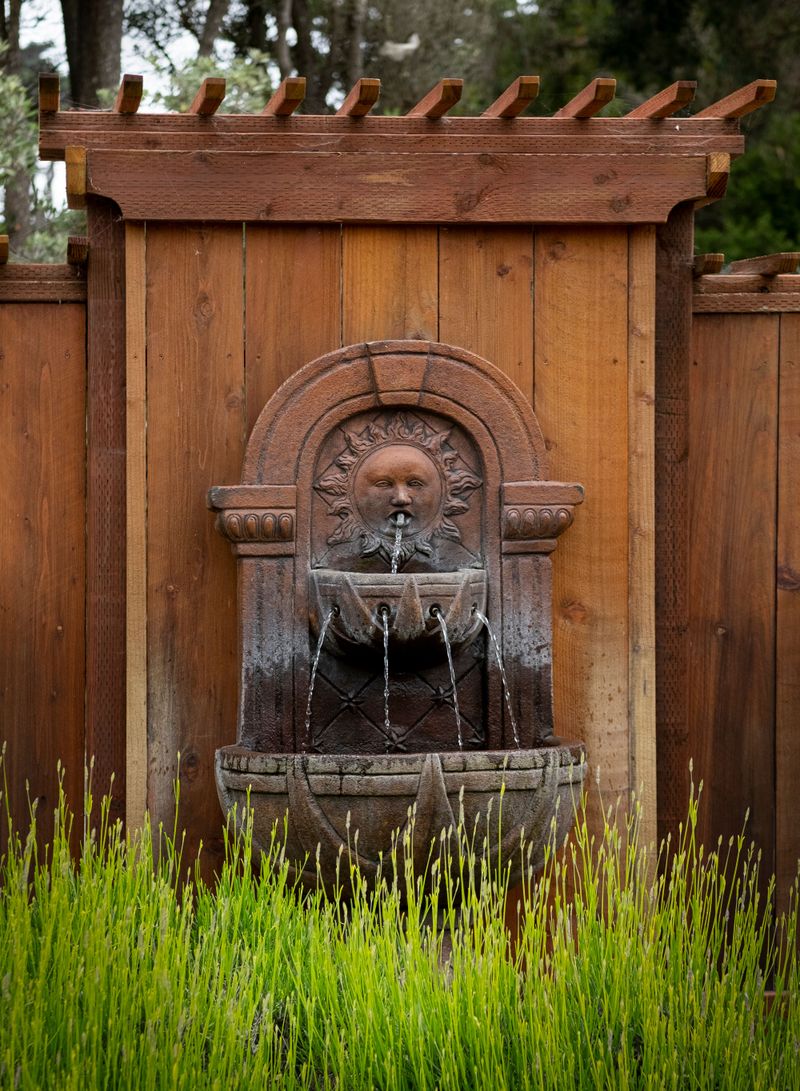
Wall fountains are the ultimate space-saving water feature for compact yards and tight urban gardens. They mount directly onto a fence, garden wall, or standalone panel, keeping the entire feature vertical and off the ground.
The design options for wall fountains range from whimsical to sophisticated. Cast iron lion heads, sleek stainless steel panels, and hand-painted ceramic tiles all serve as popular spout styles depending on the garden’s personality.
Tennessee designers frequently recommend wall fountains for small courtyard gardens and enclosed patios. When floor space is precious, going vertical is always the smartest move a homeowner can make.
The sound produced by a wall fountain is intimate and close, almost like a whisper compared to a full waterfall. That soft, nearby sound of water creates an immediate sense of privacy even in a densely populated neighborhood.
Installation requires minimal plumbing knowledge for most standard kits. A recirculating pump sits hidden in the basin below, and a short tube runs water back up behind the wall to the spout.
Pairing a wall fountain with climbing plants like climbing hydrangea or hardy clematis creates a striking layered effect.
The fragrance from blooming vines combined with the sound of water is a sensory experience unlike anything else.
Lighting a wall fountain from below with a small submersible LED creates dramatic evening ambiance. Dinner parties on the patio take on an entirely different atmosphere when that soft glow and gentle sound are present.
Garden designers in Tennessee agree that wall fountains deliver outsized charm for their footprint every single time.
7. Streams
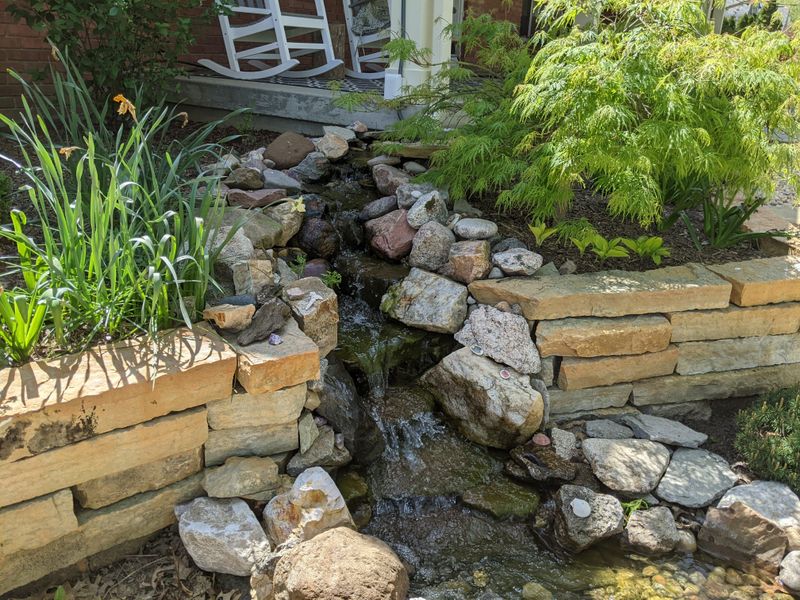
A winding garden stream is one of the most immersive water features a designer can create. It does not just add sound and movement, it tells a story as it curves through the landscape.
Unlike straight channels, streams follow a natural, organic path that mimics what you would find in the wild. That sense of authenticity makes the garden feel less like a designed space and more like a discovered one.
Tennessee designers often build streams to connect two separate garden areas, creating a journey between spaces. Walking alongside a stream from your patio to a seating area at the back of the yard turns a simple stroll into an experience.
The construction uses a flexible liner hidden beneath a generous layer of smooth river stones and pebbles. Water flows over and between the stones, creating that signature bubbling sound that never gets old on a warm evening.
Native plantings along the stream banks are both beautiful and functional. Plants like cardinal flower, blue flag iris, and river oats stabilize the edges while attracting pollinators throughout the growing season.
Streams can be scaled to almost any yard size, from a gentle ten-foot trickle to a twenty-foot meandering feature with gentle grade changes. The pump size adjusts accordingly, keeping energy consumption reasonable regardless of the stream’s length.
Wildlife responds quickly once a stream is established. Frogs, fireflies, and songbirds often appear within the first season, turning your garden into a living ecosystem.
A garden stream does not just add water, it adds genuine wildness to even the most suburban backyard.
8. Pondless Waterfalls
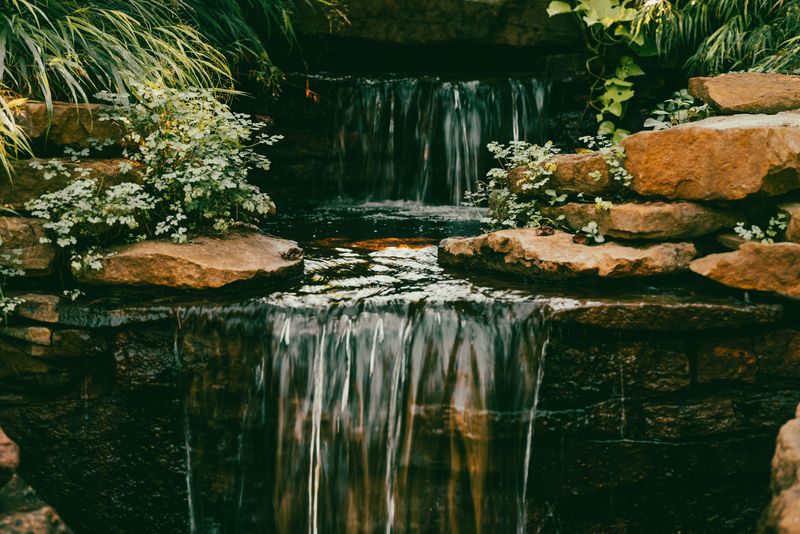
Pondless waterfalls are one of the more practical, well-designed options in modern garden design. They give you all the drama and sound of a traditional waterfall without an open pond sitting in your yard.
The secret lies underground, where a buried reservoir holds the water that cycles back up to the top through a hidden pump. From the surface, all you see is water rushing beautifully over rocks and disappearing into the ground.
Tennessee garden designers recommend pondless waterfalls to families with young children or pets. Without an open water body, the safety concerns that come with traditional ponds are essentially eliminated entirely.
The maintenance burden is dramatically lower than a pond as well. No fish to feed, no pond liner to monitor for leaks, and algae is easier to manage year-round.
Boulders are the star material in most pondless waterfall builds. Large, locally sourced fieldstone or Tennessee limestone stacked naturally creates a feature that looks like it belongs in the landscape rather than sitting on top of it.
The flow rate of the pump controls how dramatic or gentle the waterfall appears. A high flow rate creates a thundering cascade, while a lower setting produces a soft, meditative trickle suited for quiet mornings.
Energy costs are modest, especially with modern variable-speed pump technology. The exact cost of running the feature for several hours daily depends on pump size and local electricity rates, but it typically remains low.
Small water features replacing big ponds found their perfect champion in the pondless waterfall, a feature that delivers strong visual impact while requiring relatively little upkeep.