10 Tiny Plants Well Suited To A Tabletop Garden This Fall
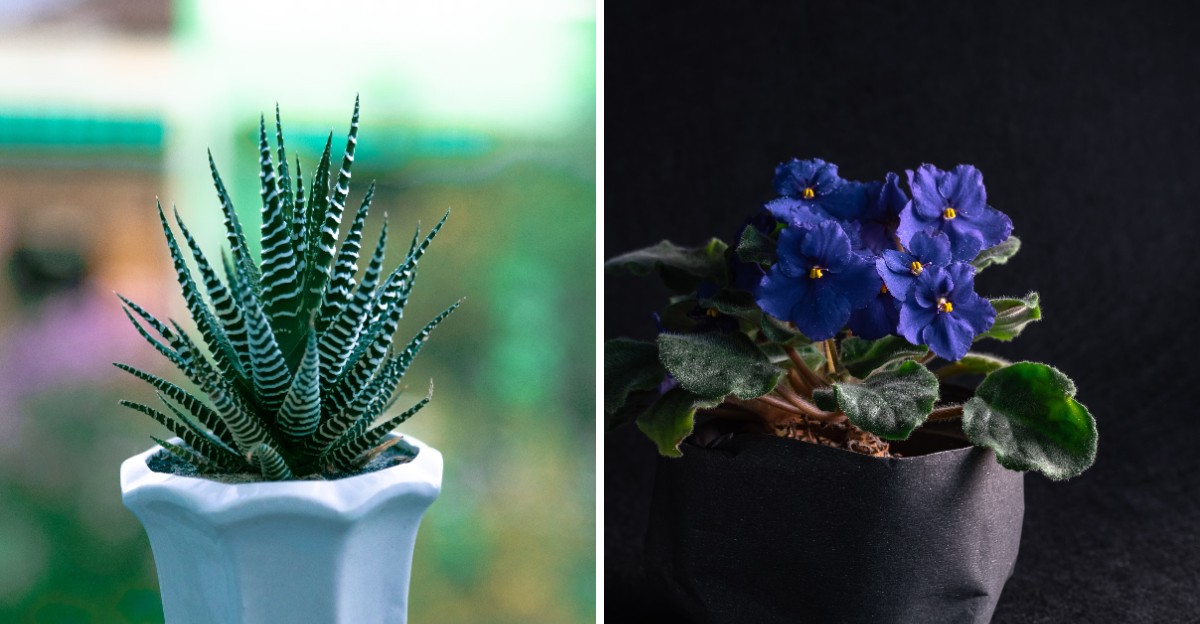
Autumn has already reached town, yet you can still grow vivid color indoors. You can set a velvety African violet on a windowsill in minutes.
Pick shallow dishes, because succulent roots spread wide, not deep. Echeveria and striped haworthia reward you when the glass faces south.
Affordable starter plants fit nearly any budget, and you choose the color and shape. Bright polka dot plants, nerve plants, and baby tears sit within your arm’s reach.
Tiny leaves bring a fresh, green look that changes how you feel indoors. Winter evenings get long, so you deserve a green corner that grows on schedule.
Jars, takeout lids, and old bowls become charming planters in your hands. Soon you will trim your jungle while guests wonder where it came from. Choose the plant that suits your window, and you will enjoy greenery this week.
1. Polka Dot Plant With Freckled Pink Leaves
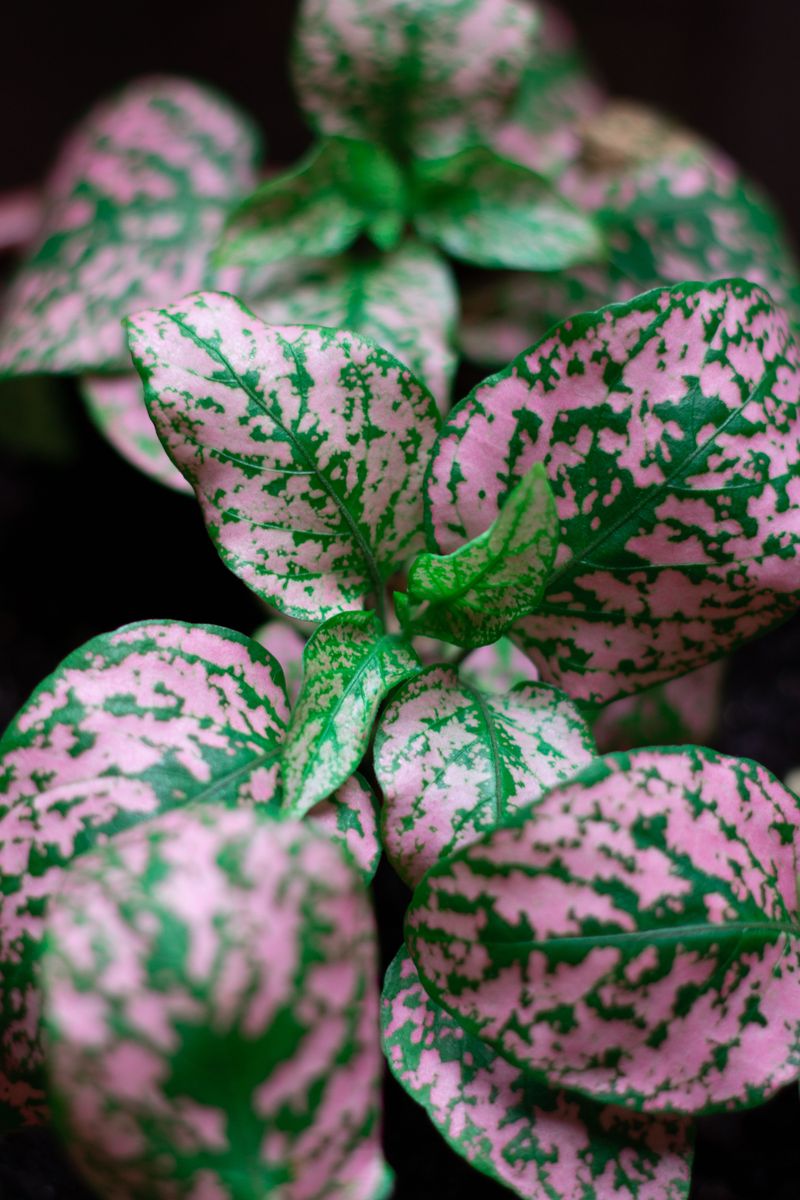
Freckles are adorable on kids, and they look just as cute on a houseplant. Polka dot plant wears pink, red, or white speckles across its leaves.
Its full name is Hypoestes, and it comes from Madagascar. Most potted ones stay between six and twelve inches tall, which makes them great for small tabletop gardens.
Bright, indirect light keeps those spots looking bold and colorful. Too little sun, and the leaves fade back to plain green over a few weeks.
Water when the top half inch of soil feels dry to your fingertip. Droopy leaves can mean thirst or too much water, so check the soil first. A thirsty plant perks up within hours.
Pinch off the tips every couple of weeks to keep it bushy and compact. Skipping this step lets the stems stretch out and get leggy.
October air indoors can be dry once the heater kicks on. A small tray of pebbles and water underneath the pot adds a little moisture nearby.
Pair it with a neutral pot so the pink speckles steal the show. Guests may think the pattern is painted by hand, and you can let them wonder.
2. Nerve Plant Showing Bold Veined Foliage
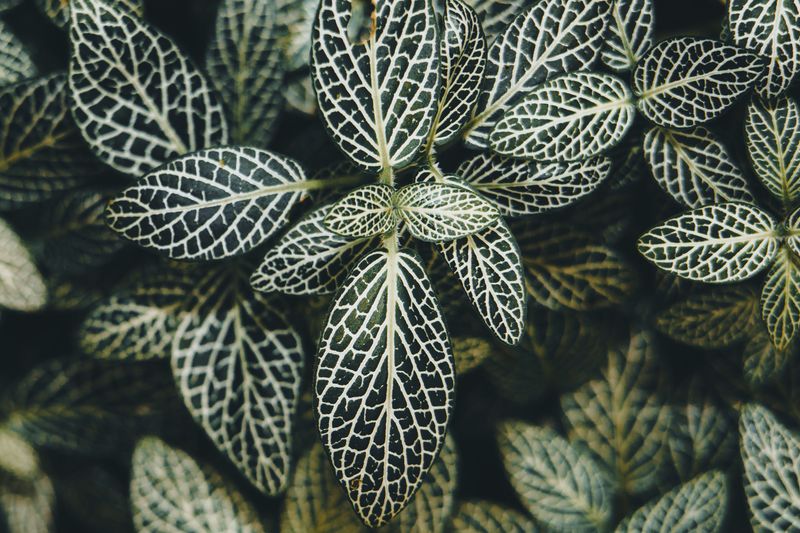
Fall calls for a plant with vividly colored veins. Nerve plant, or Fittonia, delivers that effect with white, pink, or red lines.
Native to rainforests in Peru and nearby countries, it loves warm, humid air and gentle shade. Most varieties grow only three to six inches tall, so they fit almost anywhere. Here is a useful trait of this little plant. When it gets thirsty, it wilts noticeably.
Give it a drink, and within a few hours it stands back up as if nothing happened. That quick recovery makes it a great teacher for beginners.
Keep it out of direct sun, which can damage its delicate leaves. A bright spot near a north or east window works nicely during the fall months.
Fittonia also thrives inside glass jars and closed terrariums where moisture stays trapped. A mini cloche on your table creates a tiny jungle you can admire daily.
Mist lightly, keep soil evenly moist, and avoid letting it sit in soggy water. Treat it kindly, and those bright veins will stay vivid all season long.
3. Echeveria Shaped As Tidy Rosettes
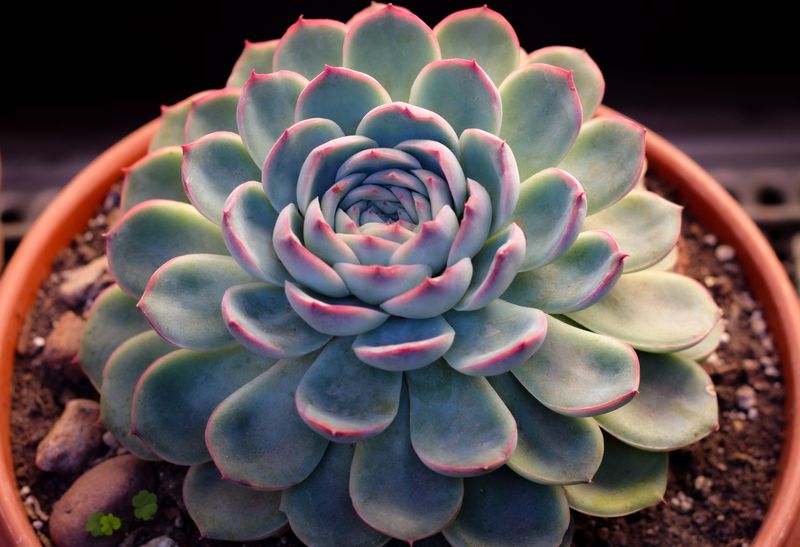
Shaped like a stone rose, echeveria looks strikingly symmetrical. Its plump leaves spiral outward in neat layers of blue, green, or soft purple.
The species originally comes from the dry, rocky hills of Mexico, Central America, and northwestern South America. Many types stay under four inches wide, perfect for a shallow dish garden.
Sunlight plays a major role in keeping the rosettes tight, compact, and tidy. Place yours in your brightest window, ideally one facing south or west.
Watering is simple once you learn the soak and dry method. Drench the soil fully, then wait until it feels fully dry before you water it again.
In fall and winter, growth slows down, so the plant needs even less water. Every two to three weeks is often plenty when days get shorter.
Use a gritty cactus mix and a pot with a drainage hole. Waterlogged roots are a common problem for these chubby plants.
Group several colors together for a little desert scene on your coffee table. Add a few pebbles or a tiny pumpkin, and the display feels seasonal and cheerful.
4. Baby Tears Forming Soft Green Carpets

Running your fingers over baby tears feels like petting a tiny green cloud. Thousands of round leaves, each smaller than a grain of rice, form a soft mat.
Botanists call it Soleirolia soleirolii, a long name for a small plant. It grows only an inch or two tall but spreads happily sideways.
That creeping habit makes it ideal for filling the ground in a fairy garden. Tuck it around miniature houses or stones, and it becomes a lush little lawn.
Moisture is the secret to keeping it happy and bright. Let the soil dry out once, and those delicate leaves can crisp up quickly.
Check the pot every couple of days, especially once indoor heating starts in October. A clear dome or glass bowl helps hold humidity around the leaves.
Medium, filtered light works better than hot, direct sun for this delicate grower. An east window or a spot a few feet from a bright window suits it well.
Trim the edges with small scissors if it starts spilling over the rim. Keep it in a pot, since it can spread aggressively outdoors in mild climates. Some gardeners even shape it into mounds that look like soft little green hills.
5. Peperomia Offering Easy Care Texture
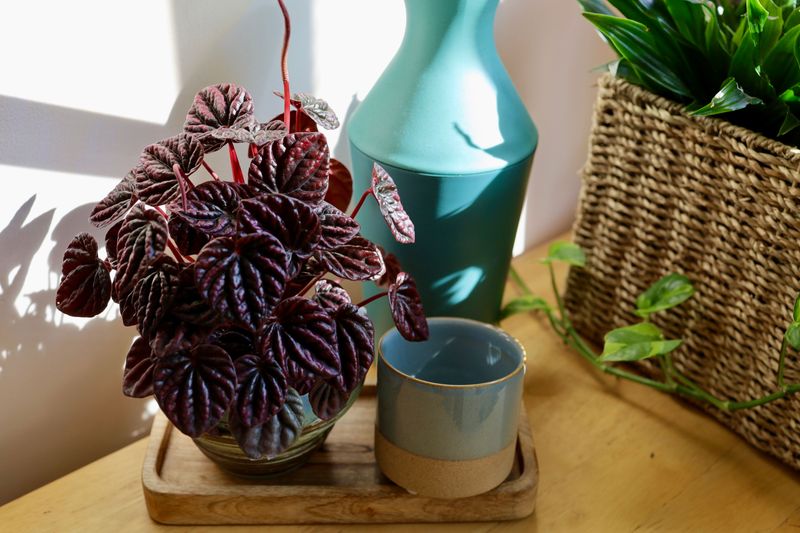
Anyone new to plant care should meet peperomia first. Forgiving and sturdy, it handles a forgotten watering or two without much fuss.
More than a thousand species exist, so the variety of looks is huge. Some have rippled leaves, some look like watermelon rinds, and some are glossy and round.
Many of them stay small and compact, usually under a foot tall, though a few trailing types grow longer. That small size makes peperomia a natural fit for desks, nightstands, and kitchen tables.
Their thick, fleshy leaves store water, much like a succulent’s leaves do. Let the top inch or two of soil dry out before reaching for the watering can.
Medium to bright indirect light keeps the colors rich and the growth steady. Strong afternoon sun can fade the leaves, so a sheer curtain helps on sunny days.
Watermelon peperomia is a favorite for fall because its striped leaves look playful and bold. Ripple peperomia adds texture with its deep, crinkled leaves in dark green or red.
Mix two or three types in matching pots for an easy tabletop collection. Each one brings its own personality while still looking neat and organized together.
6. Haworthia Bringing Striped Rosette Charm
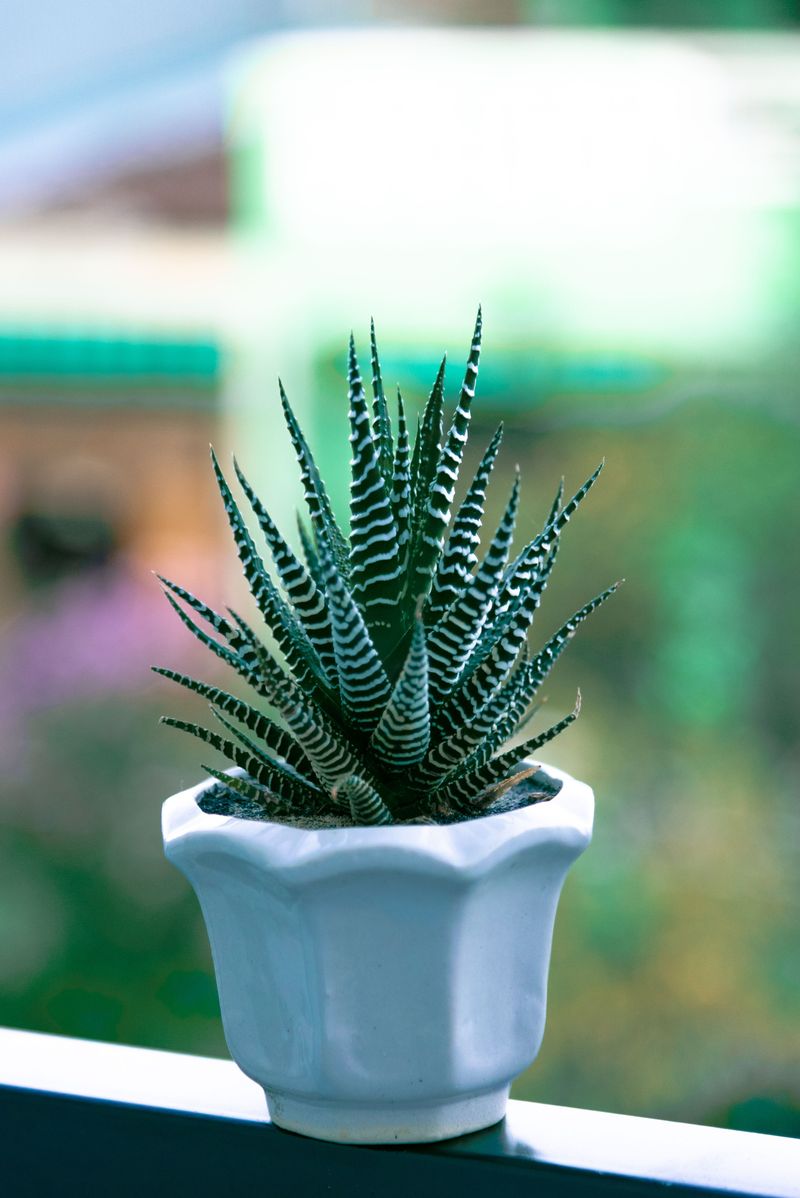
With white stripes that look like zebra fur, haworthia seems ready for a costume party. Its pointed rosettes grow slowly and usually stay under eight inches tall.
Native to South Africa, this little succulent handles lower light better than most of its cousins. That trait makes it a smart pick for shorter October days.
A bright windowsill works well, but it does not need blazing sun. Too much direct light can turn the leaves reddish or brown at the very tips.
Water deeply, then wait until the soil is fully dry before giving it more. During cooler months, that might mean watering only once every three weeks.
Small offsets, often called pups, pop up around the base over time. Gently separate them in spring, and you have free plants to share with friends or classmates.
Pick a shallow, wide pot with a drainage hole and fast-draining cactus soil mix. Clay pots help extra moisture escape, which keeps the roots healthy and firm.
Haworthia looks striking next to smooth stones or a few dried autumn leaves. Its graphic pattern adds a bit of edge to an otherwise cozy fall table setup.
7. Mini African Violet Packed With Fuzzy Leaves And Blooms
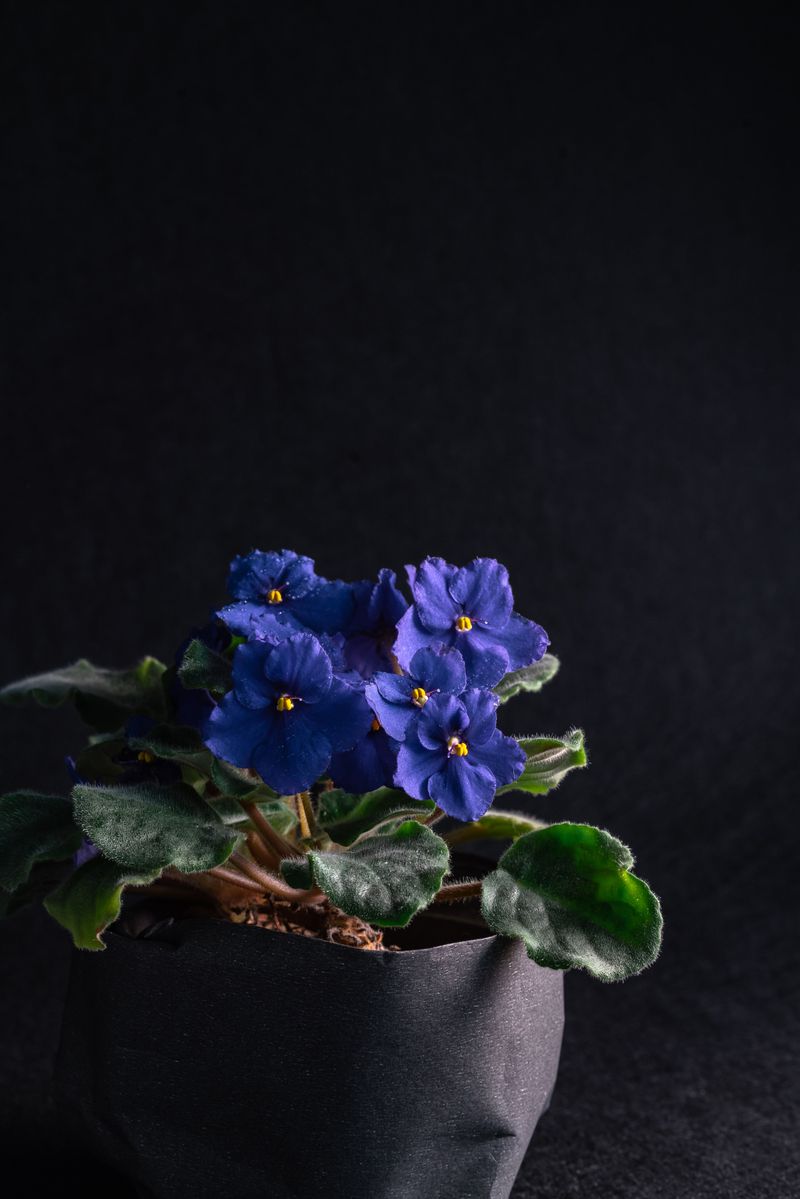
Grandma’s windowsill might have held a row of fuzzy purple blooms just like these. Mini African violets bring that same cozy charm in a smaller package.
Their full-size relatives are popular, but the miniature types stay under six inches wide. Some fit inside a teacup, which makes them perfect for petite tabletop displays.
Blooms come in purple, pink, white, blue, and even two-toned patterns. With good care, they can flower on and off all year, including through the fall.
Bright, indirect light encourages steady blooming without scorching the soft leaves. An east window or a spot under a simple grow light works wonderfully.
Water from the bottom to keep drops off the fuzzy foliage. Cold water on the leaves can leave pale spots, so use room temperature water instead.
Self-watering pots made for violets make the job much simpler. The plant pulls up moisture as needed, so you worry less about overwatering.
Remove faded flowers and old outer leaves to keep it tidy. Small effort brings big rewards when fresh buds open on a chilly October morning.
Give the pot a quarter turn each week so every side gets light. That small habit keeps the plant growing evenly instead of leaning toward the window.
8. Air Plant Decor Without Soil
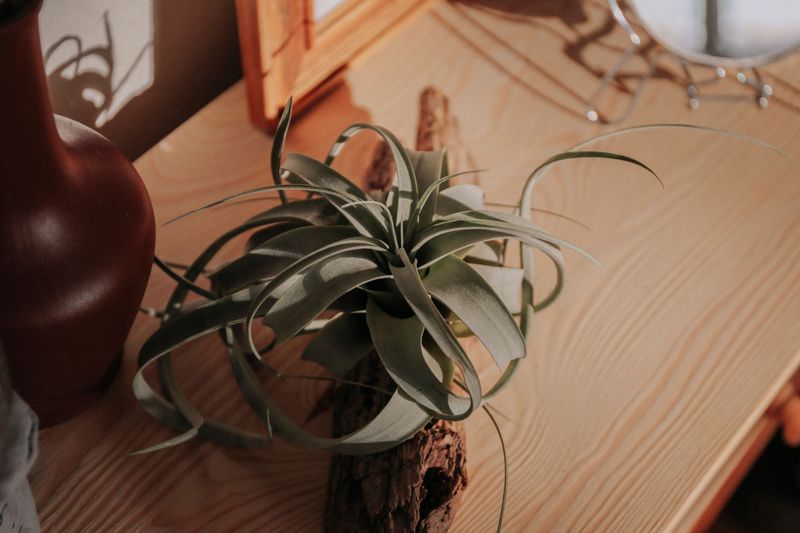
No dirt, no pots, and no mess make air plants refreshingly simple. They grab water and nutrients through tiny scales on their leaves instead of roots.
Called Tillandsia by scientists, they grow wild on trees across the Americas, from the southern US to South America. Many stay between two and six inches, so they sit nicely on most tables.
Watering them is part science and part relaxing spa day. Soak them in a bowl of room temperature water for about twenty minutes once a week.
Afterward, shake them gently and let them dry upside down for a few hours. Water trapped in the center can harm the plant, so this step really matters.
Bright, filtered light keeps them healthy and sometimes encourages colorful blooms. A spot near a window, but not baking in direct sun, works best for most varieties.
Get creative with displays, since they need no soil at all. Rest them in seashells, mini pumpkins, open glass bowls, or even a small piece of driftwood.
Avoid copper holders and sealed globes, which harm air plants. For a fall look, nestle a few inside a hollowed gourd or pinecone cluster. Friends will ask how you got plants to grow on a pinecone.
9. Miniature Cyclamen Blooming Through Autumn
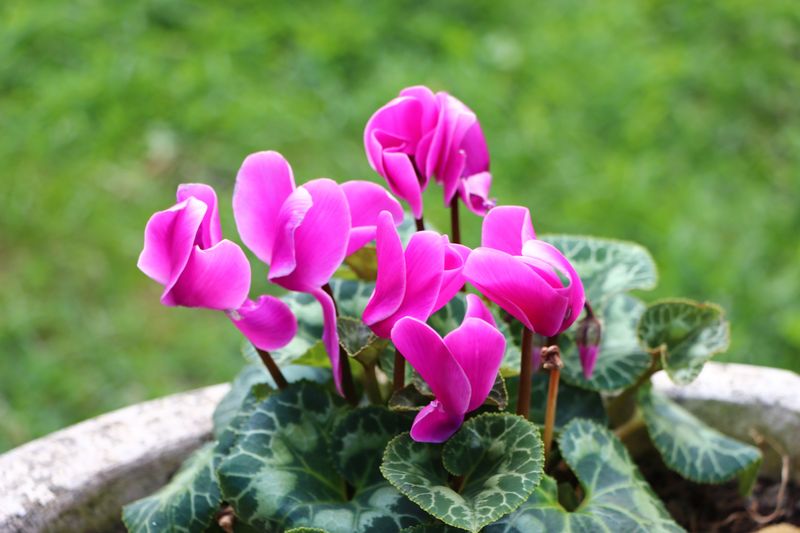
Fall is when most plants slow down, but cyclamen is just getting started. Its swept-back petals look like tiny butterflies landing on a bed of heart-shaped leaves.
Miniature varieties stay about six to eight inches tall, perfect for a centerpiece. Blooms come in white, pink, red, and deep magenta that matches autumn decor.
Cool temperatures are the secret, since it prefers rooms between fifty and sixty-five degrees Fahrenheit. A cool entryway or bright sunroom can be a good spot, as long as it stays out of cold drafts.
Keep it away from heaters and fireplaces, which make the flowers fade fast. Bright, indirect light keeps buds opening one after another for many weeks.
Keep cyclamen away from cats and dogs, since the plant, especially the tuber, is toxic to pets.
Water around the soil edge rather than straight into the center of the plant. Pouring over the crown, where stems meet the tuber, can cause rot.
A neat trick is to water from below by setting the pot in a saucer. After twenty minutes, pour away any extra so the roots stay comfy.
Snap off spent blooms with a gentle twist right at the base. Doing this encourages new flowers and keeps your table looking fresh through the holidays.
10. Friendship Plant Wrapped In Quilted Leaves

Gardeners often share cuttings of this plant, which is how it earned a friendly nickname. Botanists know it as Pilea involucrata, a cousin of the trendy pancake plant.
Its leaves look quilted, with bumpy texture and bronze or copper tones. Those warm shades blend beautifully with pumpkins, candles, and other fall table decor.
Most plants stay six to twelve inches tall and spread into a bushy mound. That size fits nicely in a terrarium or a small ceramic bowl.
Humidity helps it thrive, so it enjoys bathrooms or kitchens with steady moisture. A nearby humidifier works best when heaters run, and a pebble tray adds a little extra moisture.
Keep the soil lightly moist, but not soggy, through the fall season. Medium indirect light works best, since harsh sun can burn the textured leaves.
Pinch back stems regularly to keep the plant full and compact. Each pinched piece can root in water within a couple of weeks.
Pot those rooted cuttings in tiny containers and hand them out as gifts. A living plant you grew yourself makes a personal gift.
Teachers, coworkers, and grandparents all appreciate a small green surprise on their desk. Add a ribbon, and your gift looks ready for any autumn celebration.