Tips For Growing Cucumbers In Minnesota (And Actually Harvesting Them)
Minnesota summers reward you with around 100 frost-free days. And guess what?
Cucumbers will use every single one, if you set them up!
Gardeners across the state grow crisp, abundant cucumbers every year. Through surprise cold snaps.
In heavy clay soil.
Despite a May that still acts like February. They’ve figured out the timing, the varieties, and a few soil tricks most people skip.
The difference between a struggling plant and a productive one usually comes down to decisions made before anything goes in the ground.
Variety selection, indoor seed starting, soil prep, these things matter more than most gardening advice lets on.
None of it is complicated. It just helps to know where to start.
This is that starting point, practical, specific, and built around what actually works in a Minnesota garden.
1. Minnesota’s Challenges For Cucumber Growers
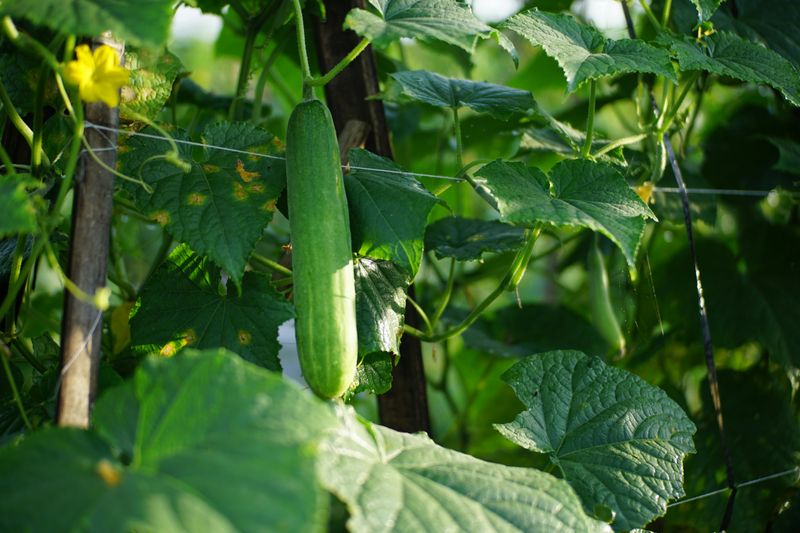
Minnesota summers are beautiful but brutally short. Cucumbers are not forgiving of the cold.
The average last frost in the Twin Cities area falls around mid-May. Northern parts of the state can see frost well into late May or even early June.
Cucumbers are warm-season crops that absolutely need soil temperatures above 60 degrees Fahrenheit to thrive.
Planting too early can stunt growth, cause yellowing leaves, or wipe out seedlings entirely. Heavy clay soils common across the region hold too much moisture and drain poorly.
That creates the perfect conditions for root rot and fungal diseases. The humidity in summer months also invites powdery mildew, a white coating on leaves that slows the plant down significantly.
Most Minnesota gardeners work with only 90 to 100 frost-free days. That is a tight window, and every single week counts.
A late planting in June can still produce a solid harvest if you choose the right variety and stay consistent with care. Understanding these obstacles upfront is what separates gardeners who struggle from those who succeed.
Knowing what you are up against is the first step toward outsmarting the season entirely.
2. Best Cucumber Varieties For A Short Season
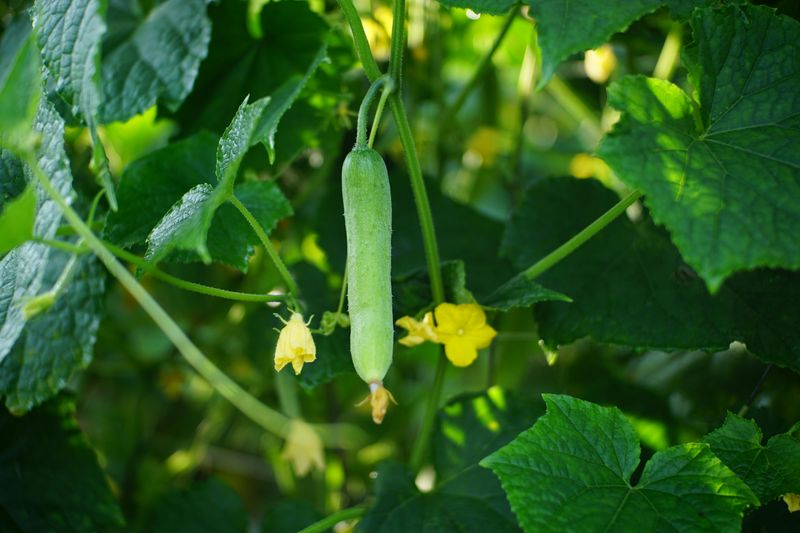
Not every cucumber variety is built for a Minnesota summer. Some need 70 or more days to mature, which sounds fine until you realize your frost-free window might only give you 90.
Choosing a variety with a shorter days-to-maturity number is one of the smartest decisions you can make before the season even starts. Look for varieties that mature in 50 to 60 days.
Marketmore 76 is a reliable slicing cucumber that handles cooler temperatures better than most. Spacemaster is compact and productive, which makes it a great option for smaller gardens.
Straight Eight is a classic for a reason, consistent, flavorful, and forgiving of imperfect conditions.
For pickling, Calypso and National Pickling are both fast-maturing and well-suited to Minnesota’s climate. Bush Pickle is another solid choice if you are working with limited space.
If you want to experiment, Armenian cucumber and Miniature White are worth trying, ideally in warm spots or with season extension. They tend to be more heat-tolerant and mature quickly, which gives them a real advantage in a short season.
Your Minnesota Garden Changes Every Week. Your Plan Should Too.
Gardening in Minnesota changes quickly throughout the season. Every Friday you’ll receive a simple weekly plan showing exactly what to plant, prune, fertilize, harvest, and protect so you never miss the right timing.
Whatever variety you choose, always check the seed packet for days to maturity. Aim for 60 days or under.
That single number can make the difference between a full harvest and a plant that never quite catches up.
3. Start Seeds Indoors At The Right Time
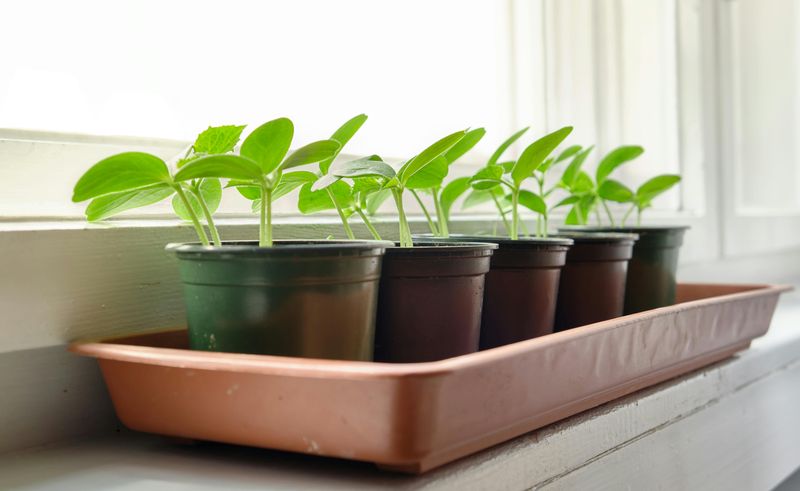
Starting cucumber seeds indoors gives you a head start that the short growing season absolutely demands. The sweet spot for indoor seed starting in Minnesota is about three to four weeks before your last expected frost date.
For most of the state, that means getting seeds into pots sometime between late April and early May. Starting too early leads to leggy, root-bound plants that struggle after transplanting, so resist the urge to go earlier.
Use small biodegradable peat pots or coir pots so you can transplant the whole container without disturbing the roots. Cucumbers hate having their roots messed with, and transplant shock can set them back by weeks.
Fill pots with a quality seed-starting mix, plant two seeds per pot about half an inch deep, and water gently. Place pots under a grow light or in the sunniest south-facing window you have.
Soil temperature matters more than air temperature for germination, so a heat mat set to around 75 to 80 degrees Fahrenheit speeds things up nicely. Seeds typically sprout in five to ten days under warm conditions.
Once seedlings emerge, keep the light close to prevent stretching, and thin to one strong plant per pot. A well-started seedling is practically unstoppable once warm weather arrives.
4. Prepare Your Soil And Choose The Right Spot
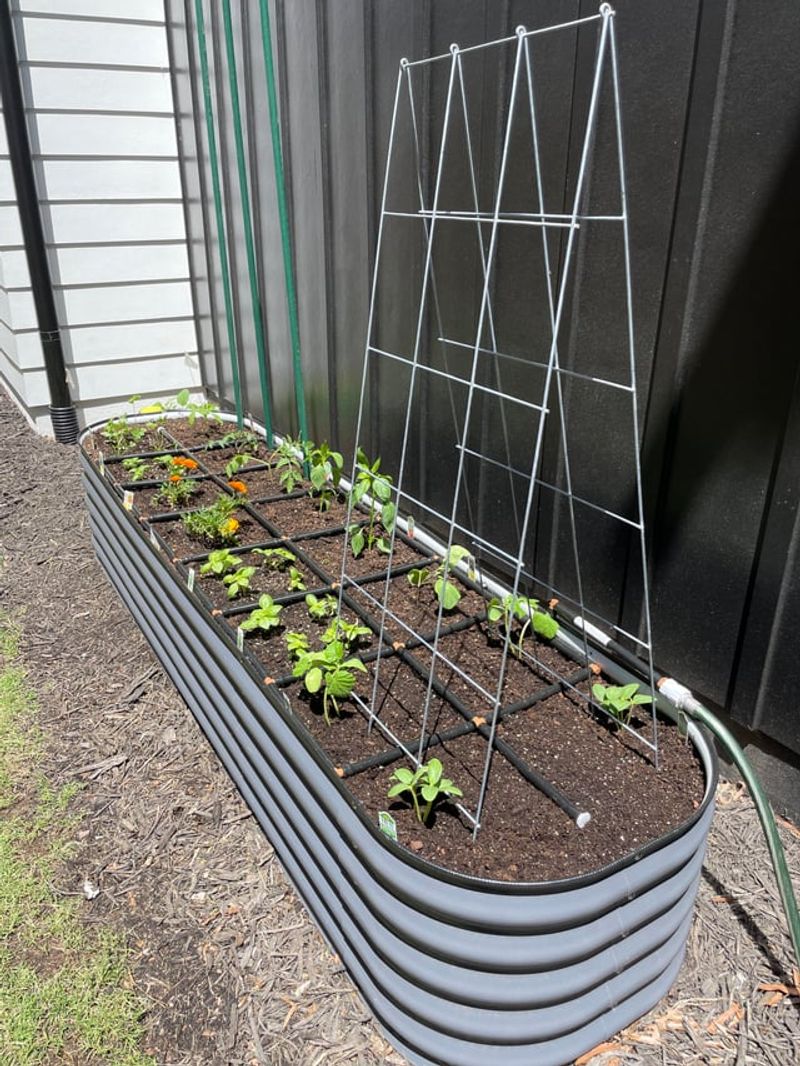
Cucumbers are picky about their roots, and giving them the right foundation makes everything else easier. Pick a spot that gets at least six to eight hours of direct sun each day.
Full sun is non-negotiable for cucumbers because they need that warmth to fuel fast, productive growth. A south-facing bed that slopes slightly is ideal since it warms up faster in spring and drains well after heavy rain.
Most native soils in the upper Midwest are either heavy clay or sandy loam, neither of which is perfect straight out of the ground. Working in two to three inches of finished compost improves drainage in clay soils and boosts moisture retention in sandy ones.
Aim for a slightly acidic to neutral pH between 6.0 and 7.0 for the best nutrient uptake. Raised beds are a popular choice for cucumber growers in cooler climates because the soil warms up faster than in-ground beds.
A raised bed filled with a blend of compost, topsoil, and perlite creates the loose, fluffy texture cucumbers love. Loosen the soil at least twelve inches deep before planting because cucumber roots reach down farther than most people expect.
The effort you put into soil prep pays dividends all season long in stronger plants and heavier harvests.
5. Transplant Smart And Direct Sow As A Backup
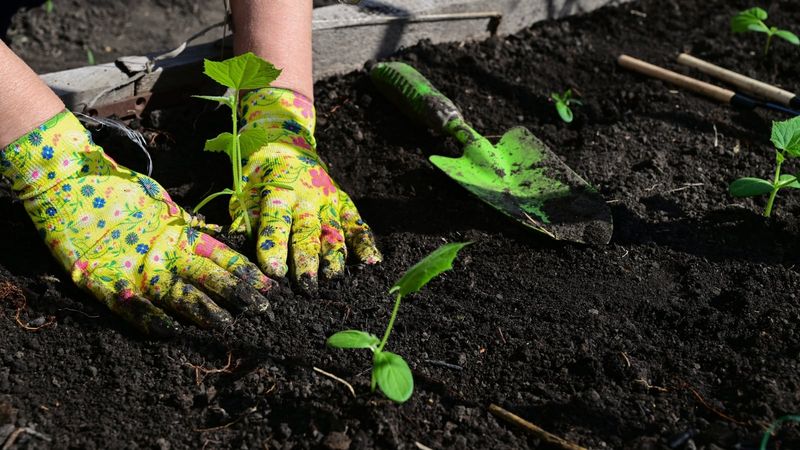
Transplanting day feels like a celebration after weeks of babying seedlings under grow lights indoors. Wait until soil temperatures have consistently reached at least 60 degrees Fahrenheit before moving plants outside.
A cheap soil thermometer from any garden center takes the guesswork out of this decision entirely. For most of the state, safe transplanting falls somewhere between late May and early June.
Harden off seedlings for seven to ten days before transplanting by setting them outside in a sheltered spot for a few hours each day. Gradually increase their outdoor exposure so they adjust to wind, direct sun, and temperature swings without going into shock.
Transplant on a cloudy day or in the evening to reduce stress on the plants. Direct sowing is also an option if you prefer skipping the indoor setup.
Sow seeds directly into warm garden soil about one inch deep, spacing them twelve to eighteen inches apart in rows. Direct-sown plants can sometimes catch up to transplants quickly once the soil is consistently warm.
For a backup strategy, try direct sowing a row alongside your transplants. Different growth stages mean cucumbers keep coming in waves, and in a Minnesota summer, that is exactly how you want it.
6. Water Deep, Feed Smart, And Always Mulch
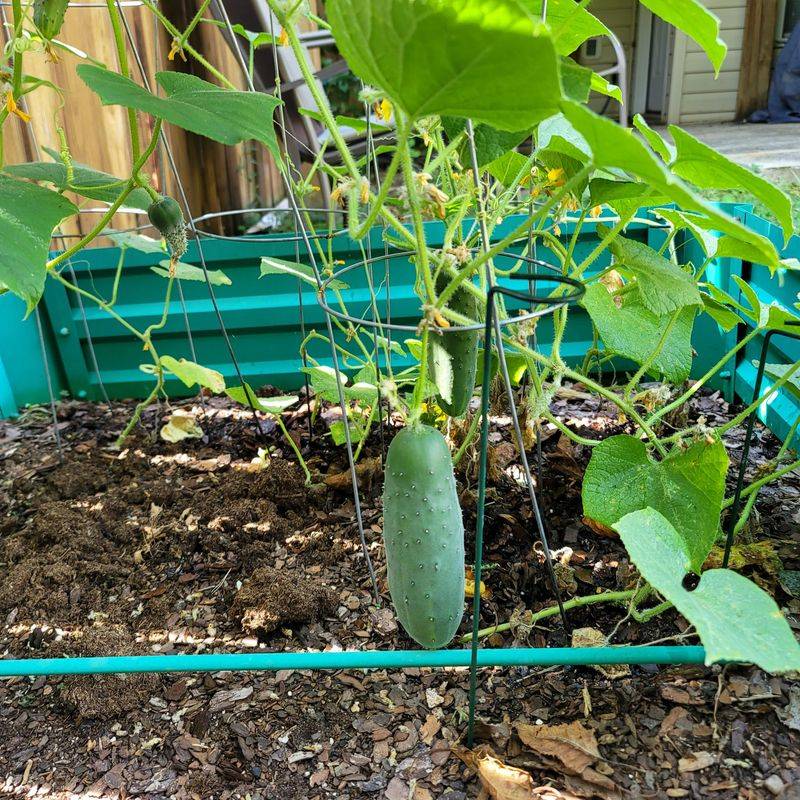
Cucumbers are thirsty, hungry, and a little high-maintenance. They will absolutely let you know when they are not happy.
Consistent moisture is their number one need. Aim for about one to two inches of water per week, delivered slowly and deeply at the base of the plant.
Overhead watering wets the leaves and invites mildew and fungal issues. A drip hose or soaker hose is a smart investment that pays off all season.
Morning watering is best. Any moisture that splashes onto leaves has time to dry off before evening.
Feed plants with a balanced 10-10-10 granular fertilizer at planting time. Once flowers appear, switch to a lower-nitrogen, higher-phosphorus formula.
Too much nitrogen late in the season pushes leafy growth at the expense of fruit. A liquid kelp or fish emulsion drench every two weeks keeps nutrients steady without overdoing it.
Mulching around the base of plants is one of the easiest wins in the cucumber patch. A three-inch layer of straw, shredded leaves, or wood chips keeps moisture stable, suppresses weeds, and moderates soil temperature.
Mulch also reduces soil splash onto leaves during rain, cutting down on disease pressure. Stay consistent with watering, feeding, and mulching and your plants will reward you from first flower to the end of the season.
7. Watch For These Common Pests And Problems
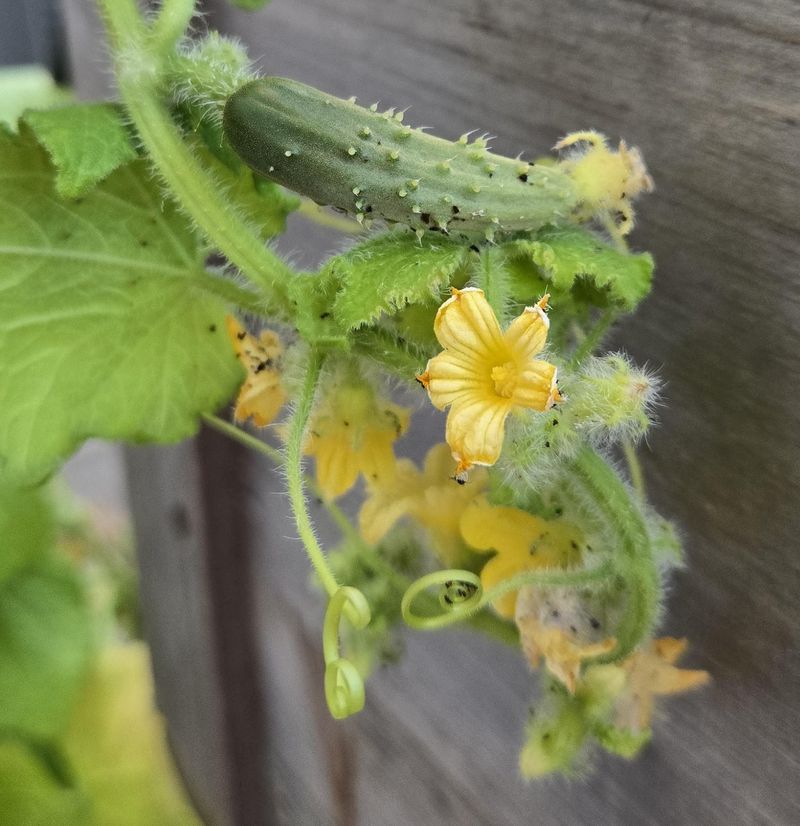
Striped cucumber beetles are small, fast, and absolutely relentless once they find your garden.
These yellow-and-black striped insects chew on leaves and stems but the bigger threat is what they carry: bacterial wilt, a disease that can collapse an entire plant in days.
Row covers made of lightweight fabric are the most effective early-season defense, keeping beetles off plants entirely until they start to flower. Once flowers open, remove the covers to allow pollination.
Squash vine borers occasionally show up in cucumber beds too, though they prefer squash. Aphids cluster on the undersides of leaves and suck out plant juices, causing curled, yellowed foliage and sticky residue.
A strong spray of water or insecticidal soap handles most aphid outbreaks without harming beneficial insects. Powdery mildew shows up as white, dusty patches on leaves and is probably the most common fungal problem in late summer.
Proper spacing, good air circulation, and avoiding overhead watering all reduce the risk. Inconsistent watering can contribute to bitter, misshapen, or poor-quality cucumbers.
Keeping moisture levels steady throughout the season prevents this problem entirely. Staying observant and catching issues early keeps your plants producing long past when neglected gardens give up.
8. Read These Signs Before You Pick
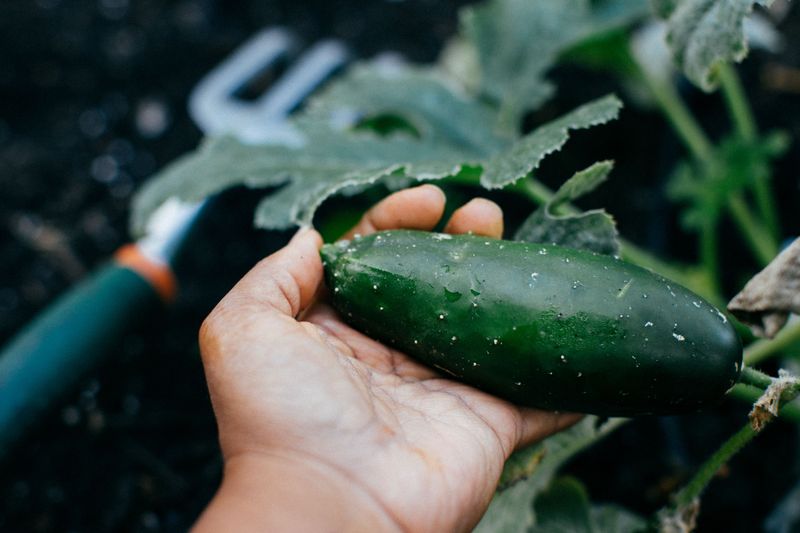
Picking cucumbers at the wrong time is one of the most common mistakes home gardeners make, and it costs them more than they realize.
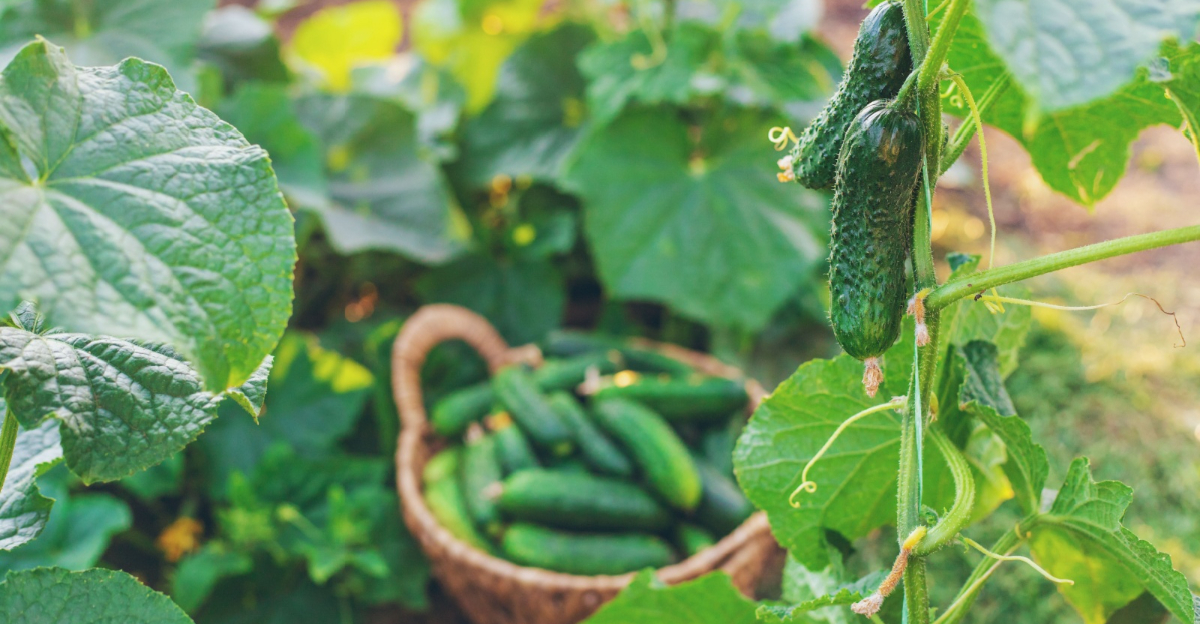
Most slicing cucumbers are ready when they reach six to eight inches long and the skin is a deep, uniform green. The surface should feel firm when you give it a gentle squeeze, and the color should be consistent from stem to blossom end.
Avoid waiting for cucumbers to turn yellow, because by that point they are overripe, seedy, and bitter. Pickling types are typically harvested smaller, around two to four inches, for crisp texture and tight seeds.
Thumb-sized cucumbers make the best whole pickles, while slightly larger ones work well for spears. If you are growing a specialty variety like lemon cucumber, look for a creamy yellow color about the size of a tennis ball.
One reliable test is to check the blossom end of the fruit. If the dried flower blossom falls off easily and the tip feels slightly soft, the cucumber is at peak ripeness.
Firm skin, bright color, and the right size are the three signals that rarely lead you astray. Learn to read them and you will never leave a cucumber on the vine too long again.
9. Harvest Often To Keep Production Going
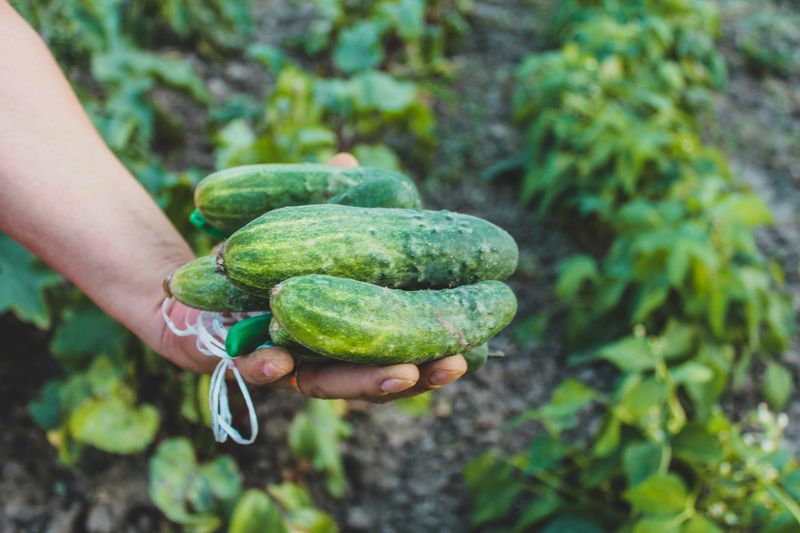
Here is the secret most new gardeners learn the hard way: the more you pick, the more the plant produces.
Cucumber plants are programmed to set seed and stop producing once a fruit matures fully on the vine. Leaving even one overripe cucumber on the plant sends a signal to slow down or stop flowering altogether.
Checking plants every single day during peak season is not obsessive, it is the strategy that keeps harvests rolling. Use a pair of clean garden scissors or pruning shears to cut cucumbers from the vine rather than pulling or twisting.
Pulling can damage the vine and introduce entry points for disease. Leave about a half-inch of stem attached to the fruit to extend shelf life after picking.
Store freshly picked cucumbers wrapped in a paper towel inside a plastic bag in the refrigerator for up to a week. Stagger planting dates by two weeks to keep a fresh wave of plants coming as older ones wind down.
This relay approach stretches the harvest season significantly in a climate where every warm week is precious.
With consistent harvesting and a little planning, your cucumber patch will keep producing long after your neighbors have given up on theirs.