9 Tomato Varieties Worth Growing In Maine’s Short Summer Season
Growing tomatoes in Maine is a bit like dating someone who’s leaving town in August. Thrilling while it lasts, but you’d better make the most of it. The season is short, the nights cool down faster than you’d like, and every August you find yourself side-eyeing the forecast like it owes you money.
But here’s the thing: Maine gardeners have an unlikely ally. Decades of plant breeding, driven by growers in Scandinavia, Canada, and the American Northwest, have produced tomato varieties that genuinely love a short, cool summer. These aren’t consolation-prize tomatoes.
They’re early, flavorful, and remarkably productive when given even a modest head start indoors.
These nine varieties are the ones worth betting on this season, no matter how much space you are working with.
Scotia
Scotia is basically the workhorse of the cool-climate garden, and Maine growers have had a soft spot for it for decades.
Bred in Nova Scotia, Canada, this variety was built for short, unpredictable summers where frost can sneak in without much warning.
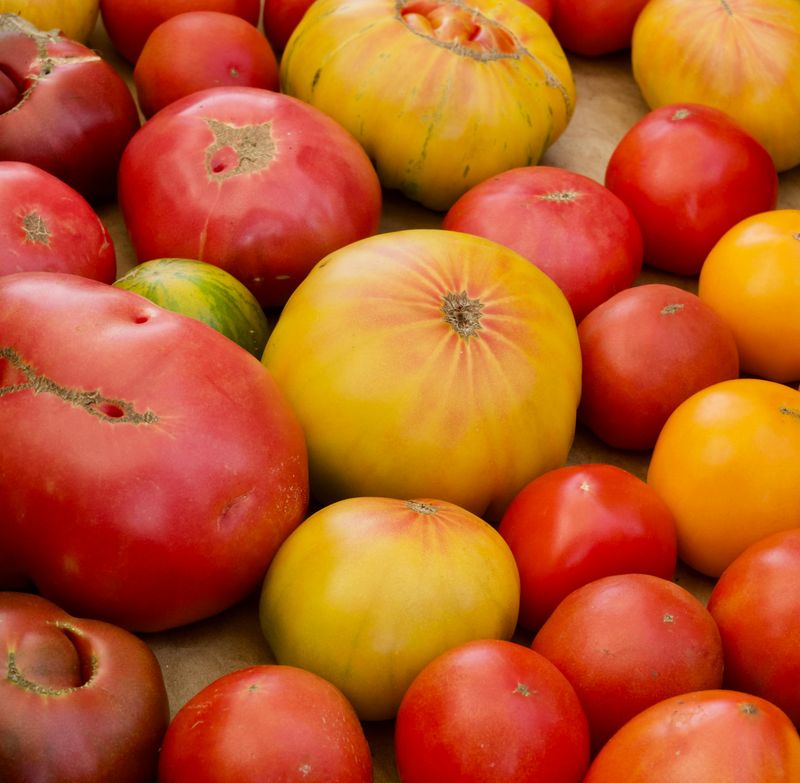
It produces medium-sized, smooth red fruits that are firm, flavorful, and ready to harvest in just 60 to 65 days.
What makes Scotia stand out is how reliably it sets fruit even when temperatures drop at night.
Many tomatoes sulk in cool weather and refuse to produce, but Scotia just keeps going.
It is the kind of variety that does not ask for perfect conditions, it simply gets on with it and delivers.
The plants stay compact, which is great if your garden space is limited or you prefer growing in raised beds.
The flavor is classic: bright, slightly tangy, and satisfying on a sandwich or sliced fresh from the garden.
Scotia is also a solid canning variety if you end up with a bumper crop.
Plant it in a sunny spot with well-drained soil and water it consistently.
Do that, and Scotia will keep delivering straight through to the first hard frost.
Glacier
While other varieties are still figuring out the weather, Glacier is already setting fruit.
This early-season variety can start producing ripe fruit in as few as 55 days from transplant. And guess what?
It’s one of the fastest options available for northern gardeners.
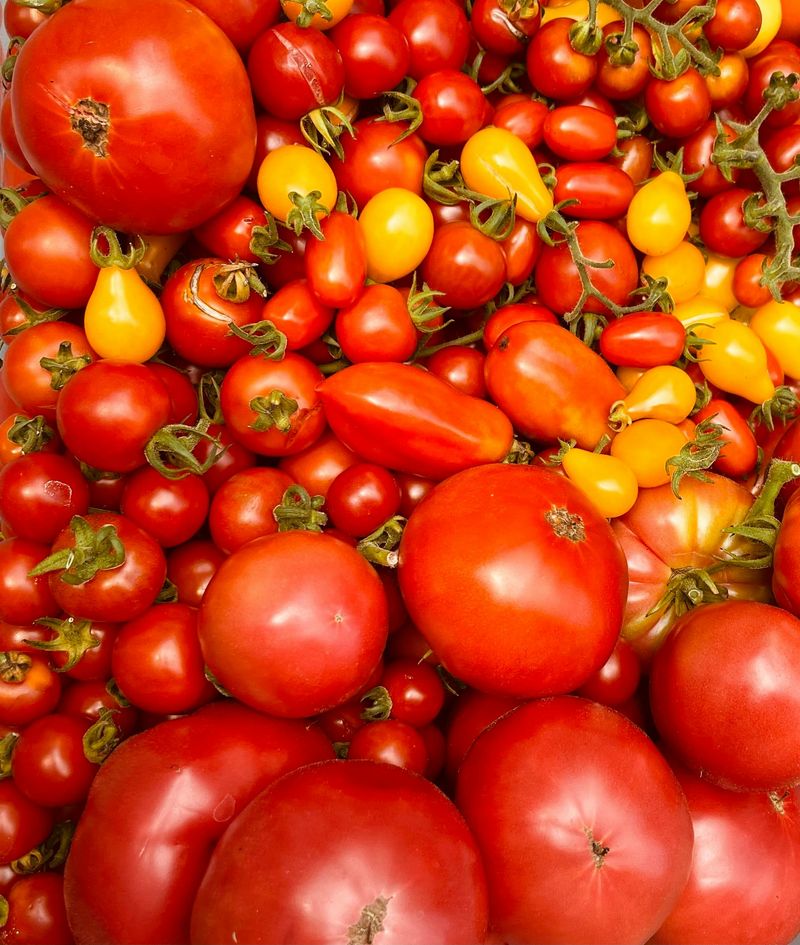
The fruits are small to medium in size, with a mild, sweet flavor that works beautifully in salads and fresh snacking.
Glacier plants are naturally compact and bushy, which means they do not need a lot of staking or caging.
That low-maintenance growth habit is a huge bonus when you are juggling everything else a summer garden demands.
The plants also handle cool nights without throwing a fit, continuing to set fruit even when temperatures dip into the low 50s.
Gardeners who have grown Glacier often mention how surprised they are by the sheer number of fruits one plant can produce.
For its small size, the yield is genuinely impressive.
Pair it with a layer of black plastic mulch to warm the soil early in the season, and you will push the harvest even earlier.
Your Maine Garden Changes Every Week. Your Plan Should Too.
Gardening in Maine changes quickly throughout the season. Every Friday you’ll receive a simple weekly plan showing exactly what to plant, prune, fertilize, harvest, and protect so you never miss the right timing.
Glacier is also forgiving for newer gardeners who are still finding their footing.
It does not demand perfect soil, precise fertilizing, or constant attention, just a decent amount of sun and a little patience.
Plant it early, give it sun, and dare your neighbors to keep up.
Polar Beauty
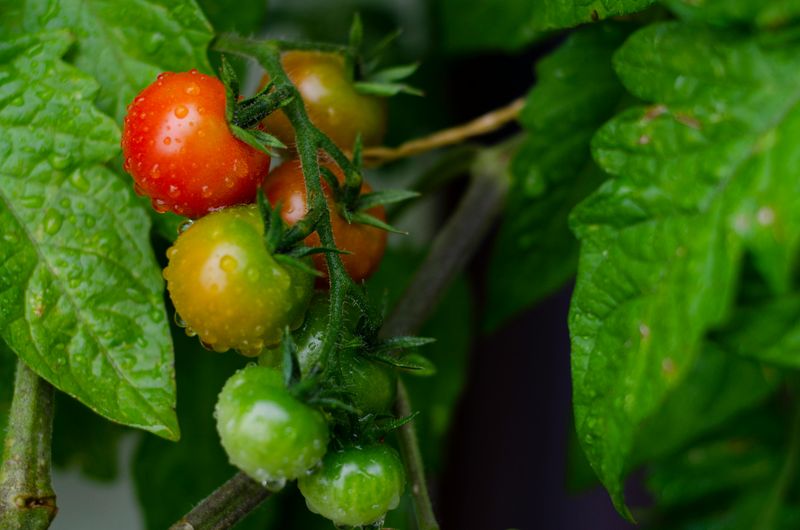
Polar Beauty isn’t just a name, it’s a promise.
This variety was developed specifically for cold northern climates, and it handles chilly nights and short growing windows with remarkable ease.
The fruits are reported to ripen to a warm golden-yellow color with a mild, sweet flavor. For a variety built for rugged northern conditions, that sweetness feels almost tropical.
One of the most appealing things about Polar Beauty is its visual charm in the garden.
Those golden clusters hanging against dark green foliage are genuinely stunning, and they make a beautiful addition to any summer garden.
Slice them onto a plate next to a deep red variety and you have a spread that looks like it belongs at a farmers market, not a backyard garden.
The flavor profile is lower in acidity than many red varieties, which makes it a great choice for people who find regular tomatoes a bit sharp or hard on the stomach.
Polar Beauty matures in around 60 days, putting it comfortably within reach for a Maine growing season.
The plants respond well to consistent moisture and a good layer of organic mulch to keep the soil temperature stable.
If you want something that looks as good as it tastes and handles tough growing conditions without missing a beat, Polar Beauty belongs in your garden this year.
Stupice
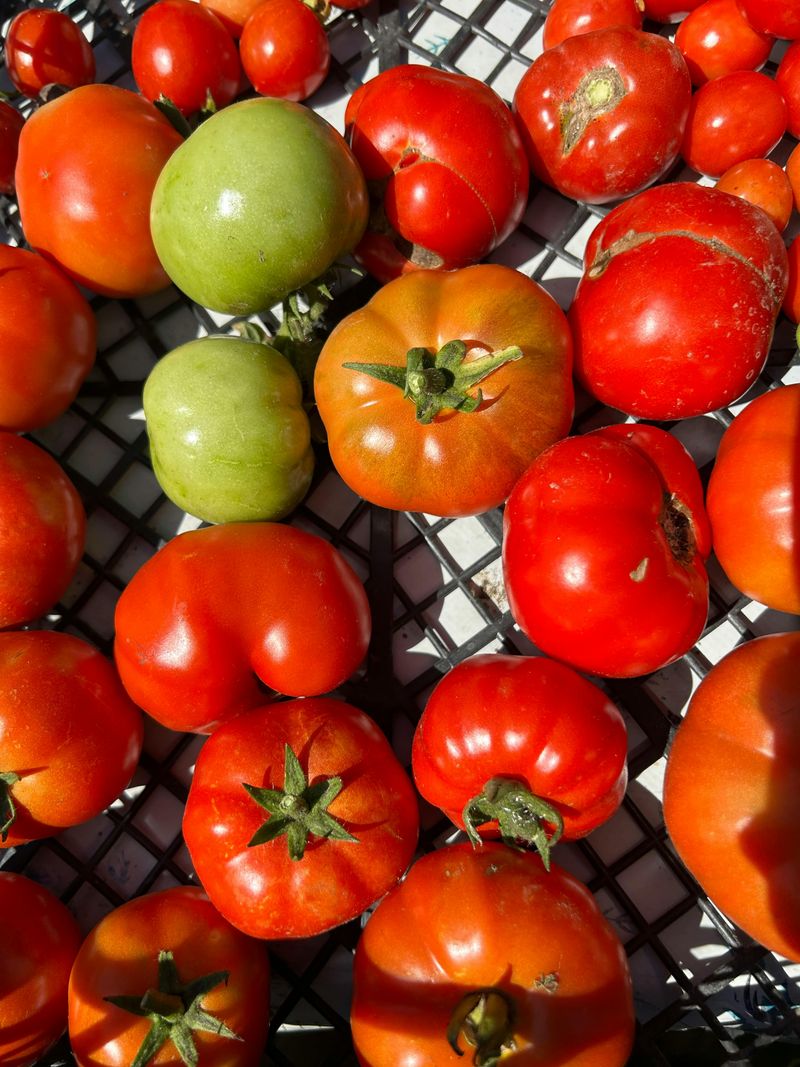
Stupice has a name that trips people up the first time they read it, but once you grow it, you will never forget it.
This heirloom variety comes from Czechoslovakia, where it was bred to survive cold temperatures and short growing seasons.
It brings that same toughness to American gardens, especially in northern states where summer feels like it blinks by too fast.
The fruits are small to medium, deep red, and packed with a rich, complex flavor that heirloom fans absolutely adore.
Stupice is often described as one of the best-tasting early tomatoes available, which is a bold claim, but most gardeners who grow it agree completely.
It ripens in about 52 to 65 days, making it one of the earliest heirlooms you can grow in a cool climate.
Beyond the flavor, Stupice is a prolific producer that keeps pumping out fruit across the entire season.
The plants are indeterminate, meaning they keep growing and setting fruit until frost stops them.
Support them with a sturdy cage or stake, water consistently, and give them a spot with at least six hours of full sun daily.
For heirloom lovers who thought cool-climate gardening meant sacrificing flavor, Stupice is proof that you never had to.
Siletz
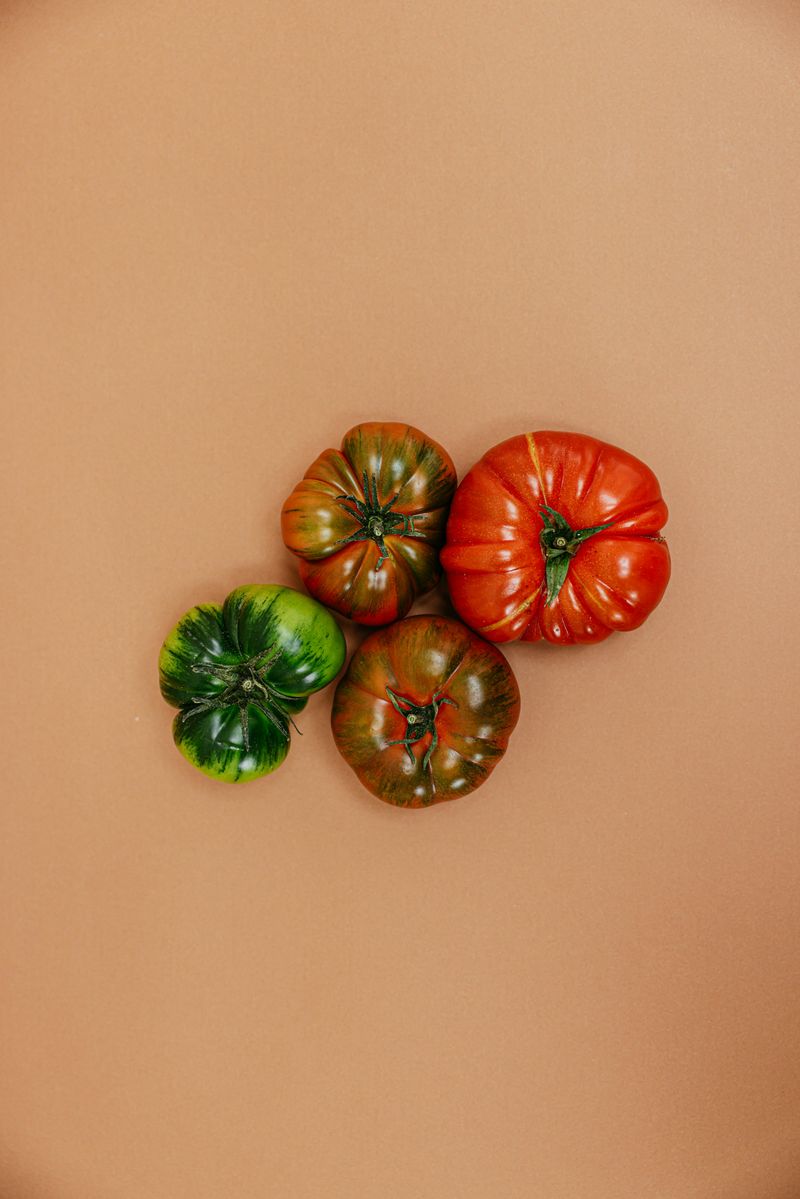
Most gardeners assume big, beefy fruits need a long, hot summer to develop properly. Siletz disagrees.
Developed by Oregon State University specifically for cool, short growing seasons, this variety produces large, meaty slicers in just 52 to 70 days.
The fruits can reach a full pound each, which is seriously impressive for a variety that thrives in cool conditions.
Siletz is a determinate variety, meaning it ripens most of its fruit in a relatively concentrated window.
That makes it excellent for gardeners who want to do a big batch of canning or sauce-making all at once.
The flesh is thick and meaty with very few seeds, which is exactly what you want when you are cooking them down into a rich sauce or paste.
Flavor-wise, Siletz delivers a balanced, classic taste that works equally well raw or cooked.
The plants are sturdy and disease-resistant, which matters a lot in the damp, variable weather that northern gardens often deal with in summer.
Give Siletz plenty of room to spread and warm the soil before transplanting.
The results will surprise anyone who thinks Maine summers are too short for a proper tomato.
Sub-Arctic Plenty
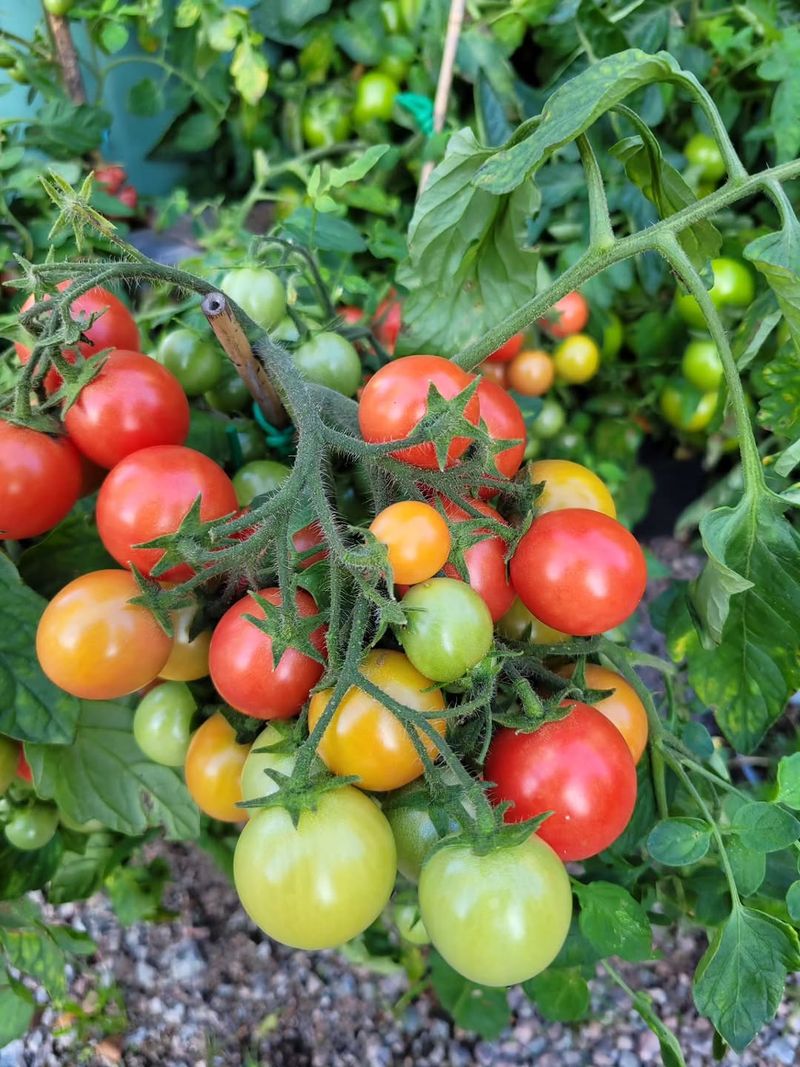
If there were a trophy for the toughest tomato in the north, Sub-Arctic Plenty would have a strong case for the win.
This Canadian-bred variety was developed to handle some of the coldest growing conditions in North America. It produces ripe fruit faster than almost any other variety on the market.
We are talking 55 to 60 days from transplant, which means you could be eating homegrown tomatoes by mid-July even in a challenging northern climate.
The fruits are small, round, and bright red, with a pleasant, mild flavor that is great for snacking and salads.
Sub-Arctic Plenty is a determinate variety, so the plants stay short and manageable, rarely needing much staking or support.
That compact habit makes it an excellent option for container gardening on a deck or patio where space is tight.
One thing gardeners consistently love about this variety is how well it handles temperature swings.
Cool nights, cloudy stretches, and unpredictable weather do not seem to slow it down much at all.
Start seeds indoors six to eight weeks before your last frost date, harden the transplants off carefully, and get them in the ground as soon as conditions allow.
Start it indoors early and Sub-Arctic Plenty will reward you right when you need it most.
Bloody Butcher
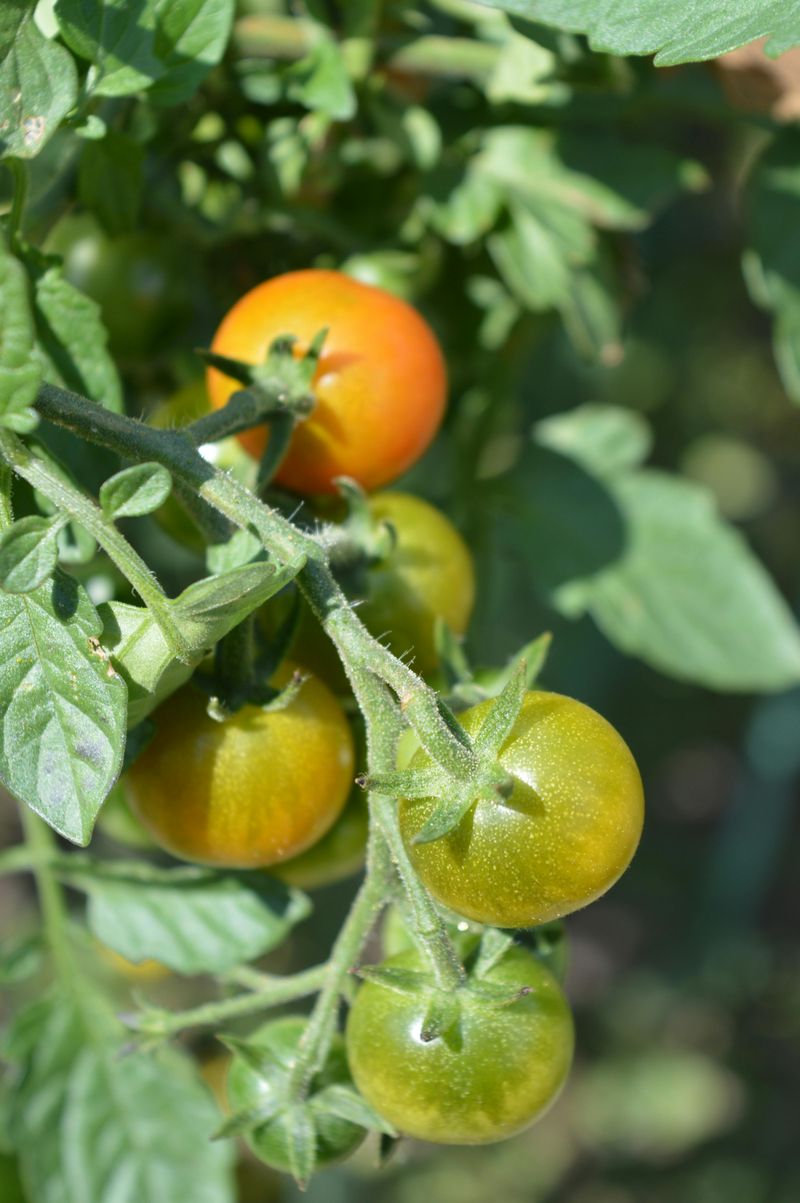
Don’t let the name scare you off.
Bloody Butcher is an old American heirloom variety that produces deep red, two-inch fruits in clusters that look almost like grapes hanging from the vine.
For an heirloom, it ripens surprisingly fast, often in just 55 to 60 days, which puts it firmly in the running for cool northern gardens.
The flavor is where Bloody Butcher really separates itself from the early-season crowd.
These little tomatoes are rich, sweet, and intensely flavored in a way that many modern early varieties simply cannot match.
They are fantastic eaten straight off the vine, but they also roast beautifully if you have a surplus to use up.
Either way, very little goes to waste.
Plants are indeterminate and can get quite tall over the course of the season, so plan on giving them a sturdy support structure from the start.
Blood Butcher is also known for producing prolifically across the whole season, not just in one big rush.
Grow it in full sun, feed it once it starts flowering, and watch it become the most talked-about plant in your garden. The name is dramatic.
The harvest is better.
Cosmonaut Volkov
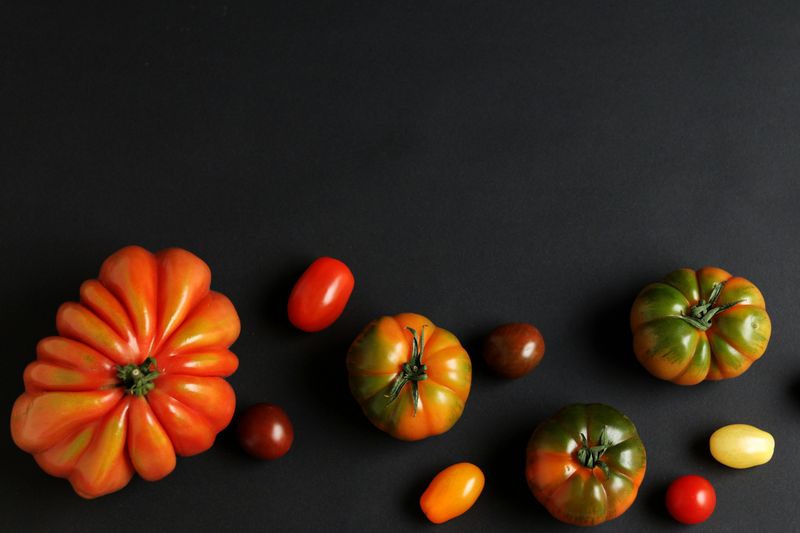
Named after a Soviet cosmonaut, this Ukrainian heirloom carries a story as rich as its flavor.
Cosmonaut Volkov was originally bred in Ukraine and became popular among gardeners who needed a tomato that could handle short, cool growing seasons without sacrificing the kind of deep, complex flavor you normally only get from long-season varieties.
It ripens in about 60 to 70 days, making it a solid fit for a northern garden with some planning.
The fruits are large, often reaching six to eight ounces, with a gorgeous deep red color and very few cracks or blemishes.
The flavor is outstanding: sweet, rich, and full-bodied with just enough acidity to keep things interesting.
Gardeners who have grown this variety often say it tastes like what a homegrown fruit is supposed to taste like. That is high praise in a world full of bland supermarket options.
Cosmonaut Volkov is an indeterminate plant that benefits from consistent pruning and strong staking throughout the season.
Keep the suckers trimmed to direct the plant’s energy into fruit production rather than endless leafy growth.
A warm, sheltered spot in the garden will help this variety reach its full potential.
For anyone chasing big, flavorful fruits in a short northern season, Cosmonaut Volkov is worth every bit of extra attention it asks for.
Legend
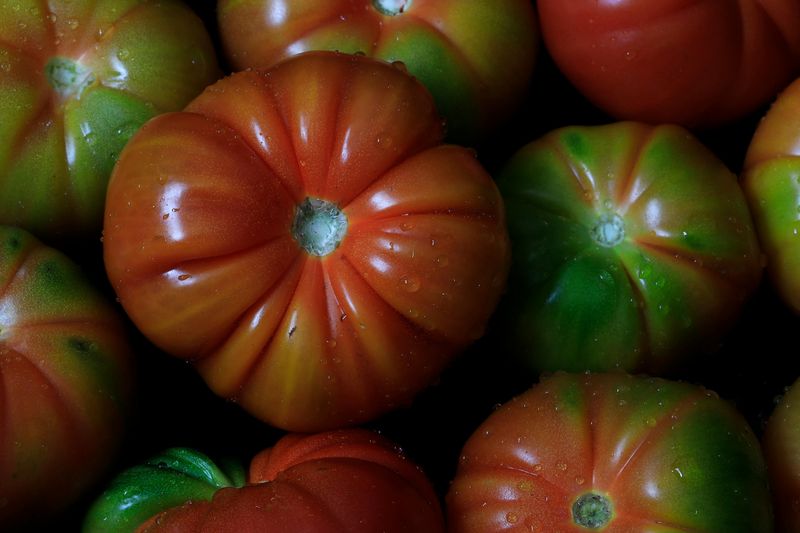
Legend is not just a dramatic name, it is a tomato variety that has genuinely earned its reputation among northern gardeners.
Developed by Oregon State University, Legend was bred to resist late blight, one of the most destructive diseases in cool, wet climates.
For anyone gardening in a region where damp summers make blight a constant threat, that resistance alone makes Legend worth growing.
Beyond disease resistance, Legend produces large, meaty, deep red fruits that ripen in about 68 days.
The flesh is thick-walled with a rich, balanced flavor. It works equally well for fresh eating, sandwiches, and cooking.
Legend is a determinate variety, so the plants stay manageable in size and tend to ripen a big portion of their fruit within a focused window of time.
These tomato varieties worth growing in short northern seasons do not get much more practical than Legend.
It handles the cool, wet conditions that can devastate other varieties without breaking a sweat.
Plant it in full sun, space the plants well for good air circulation, and water at the base rather than overhead to keep the foliage dry.
Legend rewards careful growing with a harvest that is reliable, flavorful, and satisfying. The name, it turns out, is well earned.