Tomatoes Still Green in August? These 8 Reasons Could Be Slowing Them Down
August rolled in hot and heavy, and up and down the street every fence line turned red, orange, gold. Baskets are filling up. Sandwiches are getting stacked.
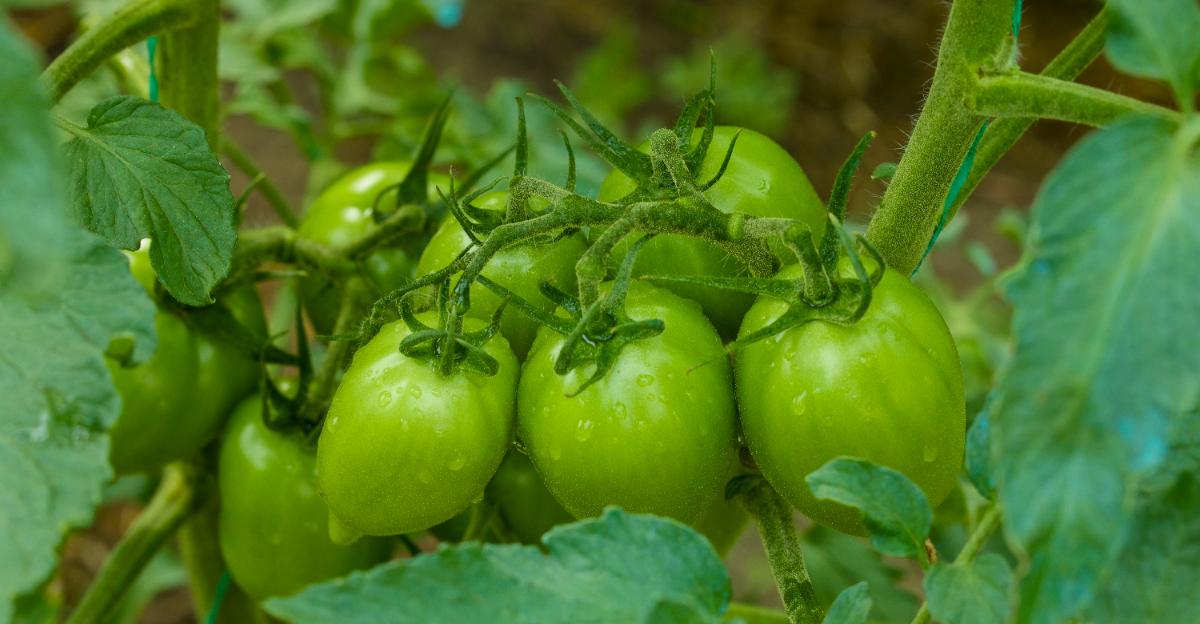
Yours didn’t get the memo. You did everything right, yet those tomatoes are frozen in time, green as the day they formed.
Something’s holding them back, and it has nothing to do with luck or the weather. A handful of small things can cause this, each one easy to miss unless you know exactly where to look.
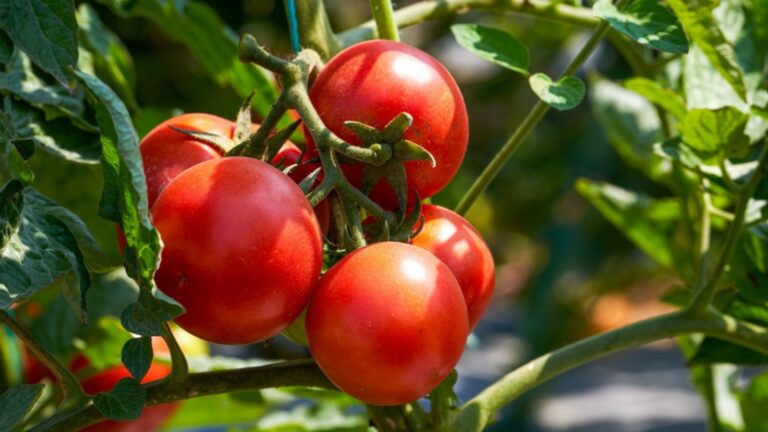
So before you start blaming the season or giving up on the whole patch, grab a tomato off the vine and take a closer look. The real answer has been sitting in plain sight the entire time.
1. Cooler Nighttime Temperatures Slow Ripening
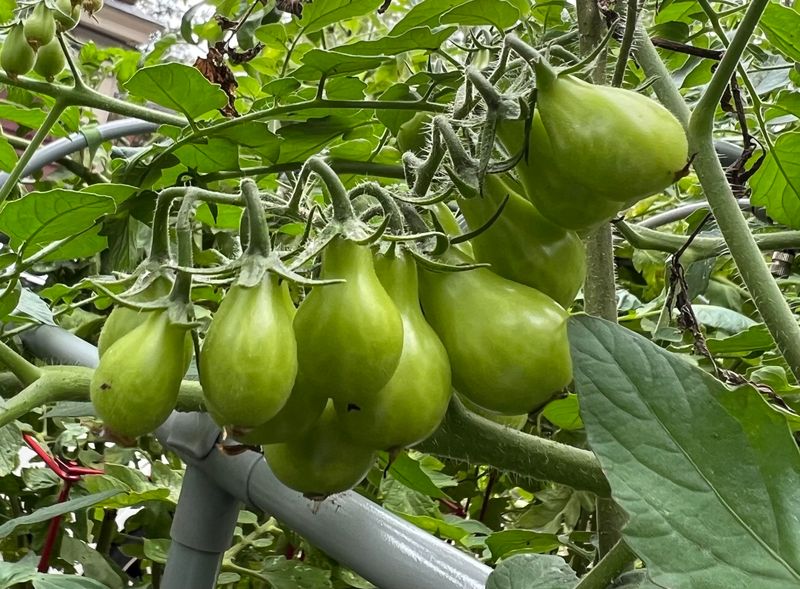
Chilly nights work against ripening tomatoes without much warning. Tomatoes need consistent warmth to produce lycopene, the pigment that turns them red.
When nighttime temps drop below 55 degrees Fahrenheit, the ripening process basically hits pause. The fruit just sits there, green and waiting, until warmth returns.
Late summer in northern states can bring surprisingly cool nights, even when days feel warm. That temperature swing confuses the plant and slows the color change significantly.
You can protect plants by covering them with a frost cloth or garden blanket after sundown. These covers trap ground heat and keep the fruit warmer through the night.
Black plastic mulch around the base of your plants also helps. It absorbs heat during the day and releases it slowly after the sun goes down.
Raised beds tend to stay warmer than in-ground plots, so they can give tomatoes a slight ripening advantage. If you garden in containers, move them to a south-facing wall at night for extra warmth.
Monitoring your nighttime lows with a simple outdoor thermometer is a smart habit. If you see readings below 55 degrees regularly, your tomatoes are likely stalling because of temperature, not disease or neglect.
A little extra warmth at night can be the fastest way to nudge stubborn green fruit toward color.
2. Too Much Nitrogen Favors Leaves Over Fruit
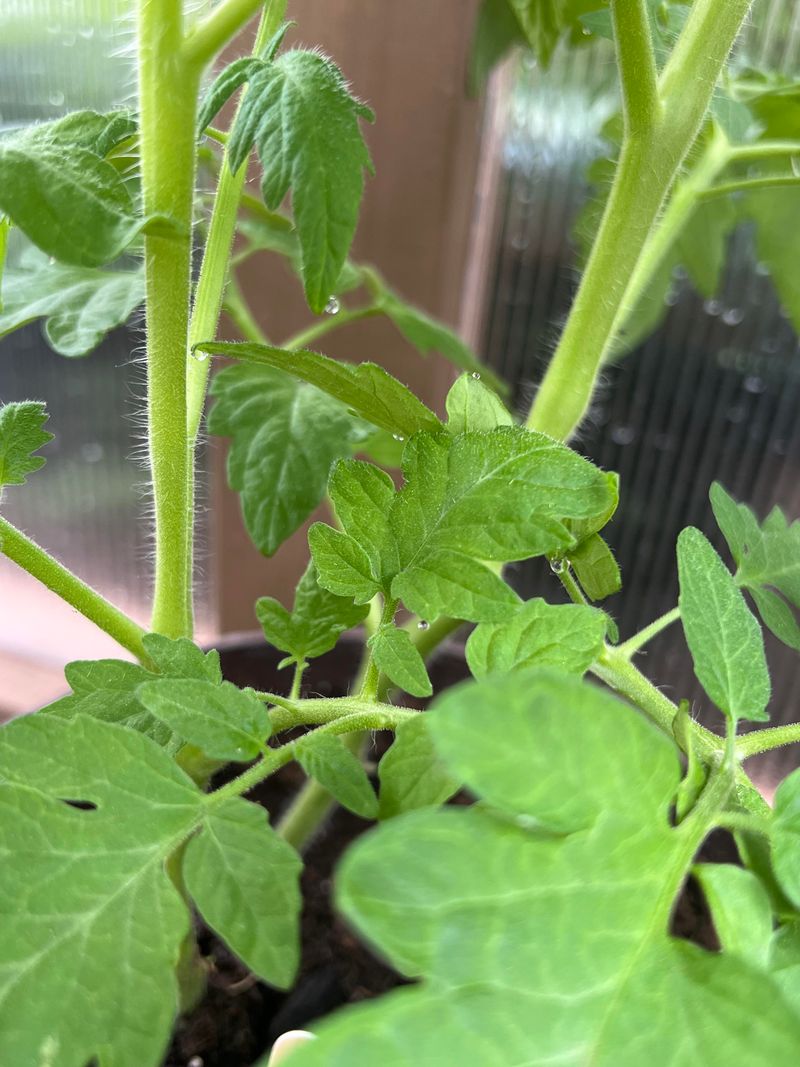
Picture a tomato plant so leafy it looks like a jungle shrub. That is what happens when nitrogen levels are too high in your soil.
Nitrogen is the nutrient that fuels green, leafy growth. When there is too much of it, the plant puts all its energy into stems and leaves instead of ripening fruit.
Many gardeners over-fertilize early in the season with high-nitrogen blends, thinking more food means more tomatoes. The result is actually the opposite, especially as summer moves along.
If your plants look incredibly lush but the fruit refuses to color up, excess nitrogen is a top suspect. A soil test from your local extension office can confirm this quickly and inexpensively.
Switch to a fertilizer higher in phosphorus and potassium after fruit has set. These nutrients support root strength and fruit development rather than leafy top growth.
Avoid adding compost heavy in fresh grass clippings or manure mid-season. Both release a surge of nitrogen that can tip the balance away from fruiting.
Letting the soil dry slightly between waterings can also help. Dry conditions slow nitrogen uptake and nudge the plant toward focusing on its fruit.
Cutting back on feeding entirely for a few weeks sometimes gives the plant the signal it needs to stop growing leaves and start finishing its tomatoes instead.
3. Overcrowded Plants Blocking Sunlight From Fruit
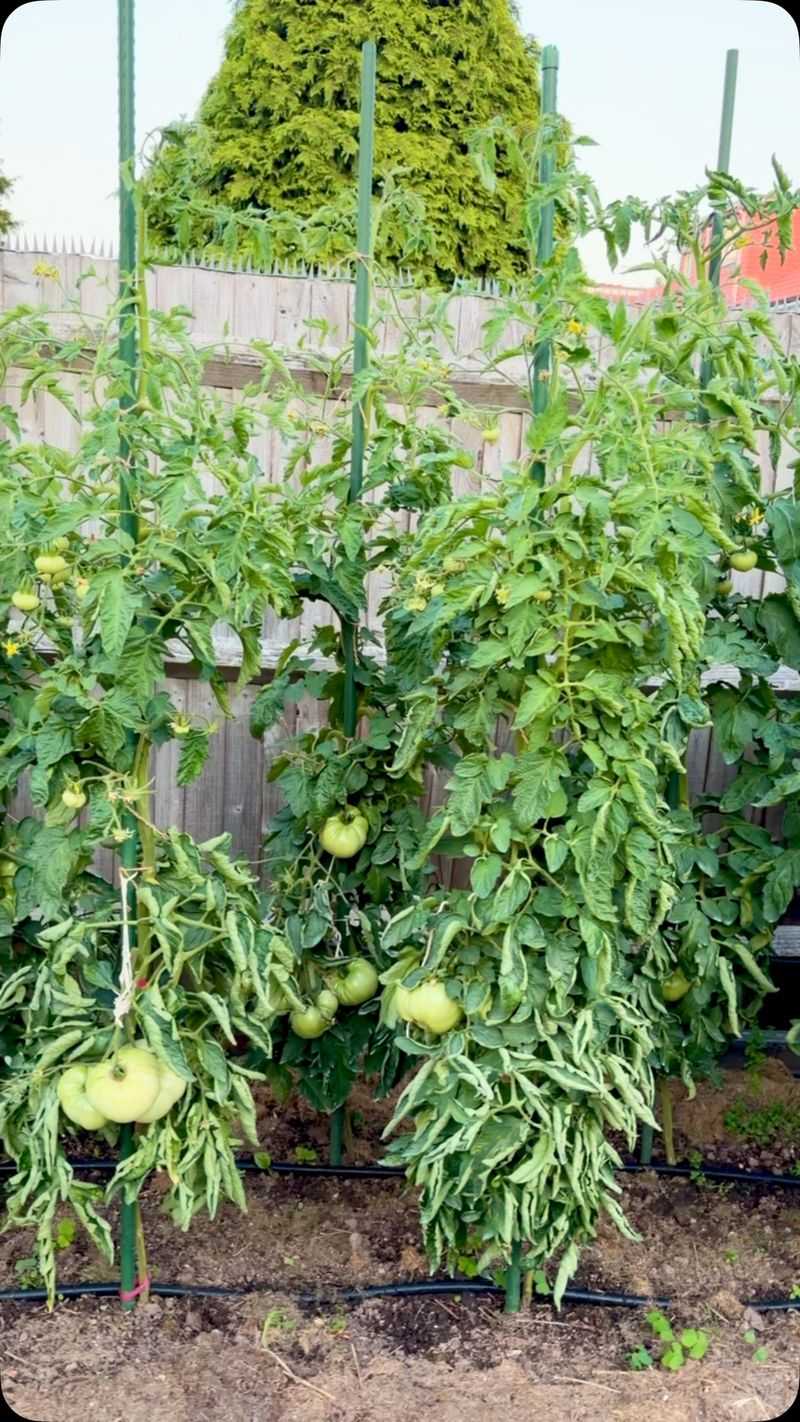
Tomatoes love sunshine almost as much as they love warm soil. When plants grow too close together, the fruit ends up stuck in the shade all day.
Sunlight hitting the fruit directly helps trigger color change. Without it, green tomatoes can hang on the vine for weeks without shifting toward red, orange, or yellow.
Most full-sized tomato varieties need at least 18 to 24 inches of spacing between plants. When gardeners crowd them together hoping for a bigger harvest, the opposite often happens.
Thick canopies of leaves block the sun from reaching lower clusters. The plant may look healthy from above, but the fruit below is essentially living in a shaded cave.
Pruning some of the larger fan leaves that hang over the fruit can make a big difference. You do not need to strip the plant bare, just open up some breathing room and light lanes.
Tying vines up higher on a stake or cage also helps lift the canopy and expose more fruit to direct sun. A few minutes of training your plants pays off in faster ripening.
If you are already dealing with overcrowding this season, selective pruning is your best tool. Remove the biggest shade-creating leaves first and watch the fruit start to shift color within days.
Next season, resist the urge to plant extra seedlings, since crowded fruit often needs more room and light to finish strong.
4. Varieties That Naturally Take Longer To Ripen
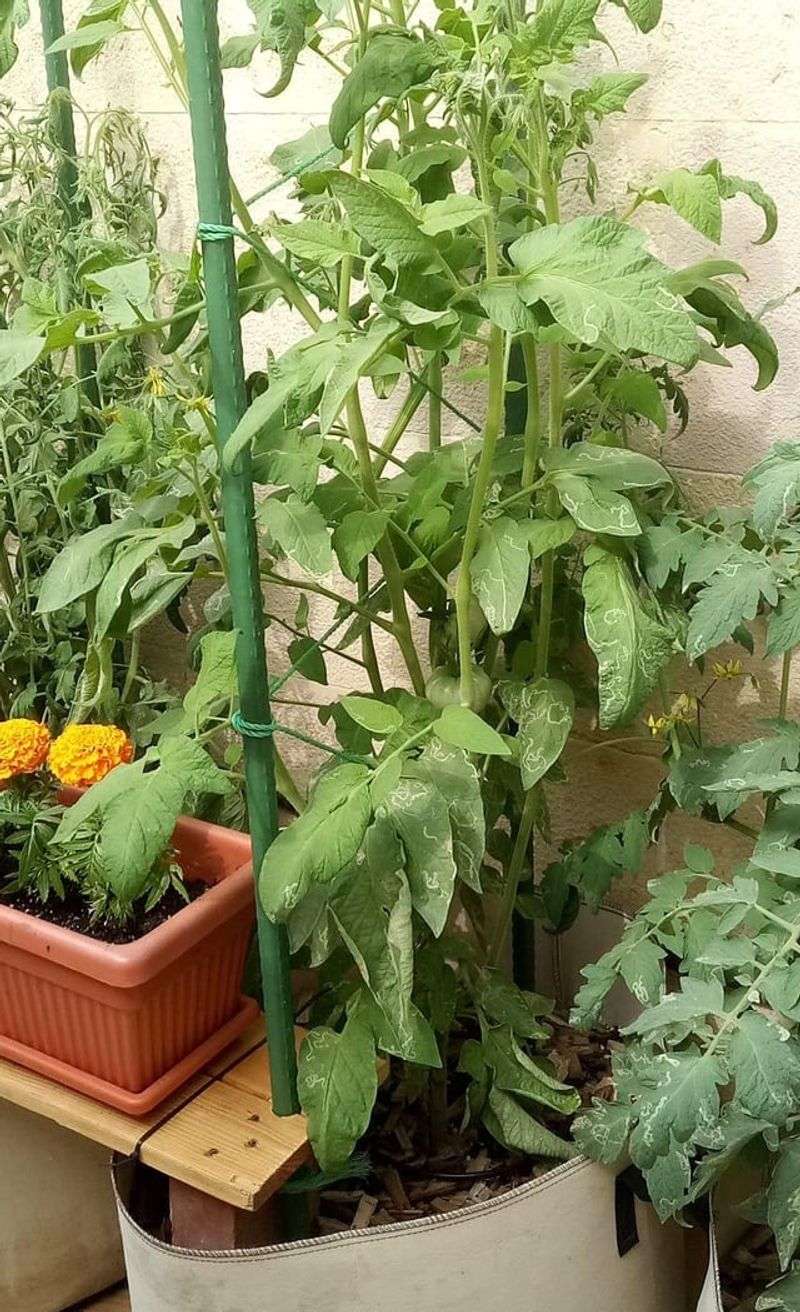
Not all tomatoes are created equal when it comes to ripening speed. Some varieties are simply bred to take longer, and that is perfectly normal.
Large beefsteak types, for example, can take 85 to 100 days from transplant to harvest. If you planted them late or had a slow spring, August is right on schedule for them to be just turning.
Heirloom varieties are another group known for longer maturity windows. Their complex flavors often come with a trade-off in speed, requiring more patience than modern hybrids.
Cherokee Purple, Brandywine, and Mortgage Lifter are beloved heirlooms that routinely take 80 to 90 days. Gardeners new to these types often panic in August not realizing they are right on track.
Checking the seed packet or plant tag for the days-to-maturity number is a smart first step. Count forward from your transplant date and see where you land on the calendar.
If your variety legitimately needs more time, the best thing you can do is stay consistent with watering and feeding. Stressing the plant now will only push ripening back further.
Faster-ripening cherry tomatoes like Sungold or Sweet Million can serve as a backup for impatient gardeners. Planting one fast variety alongside your slower ones keeps the harvest feeling steady all summer long.
Your variety is half the battle, and sometimes the fruit simply needs a little more time on the vine.
5. Inconsistent Watering Delaying Color Change
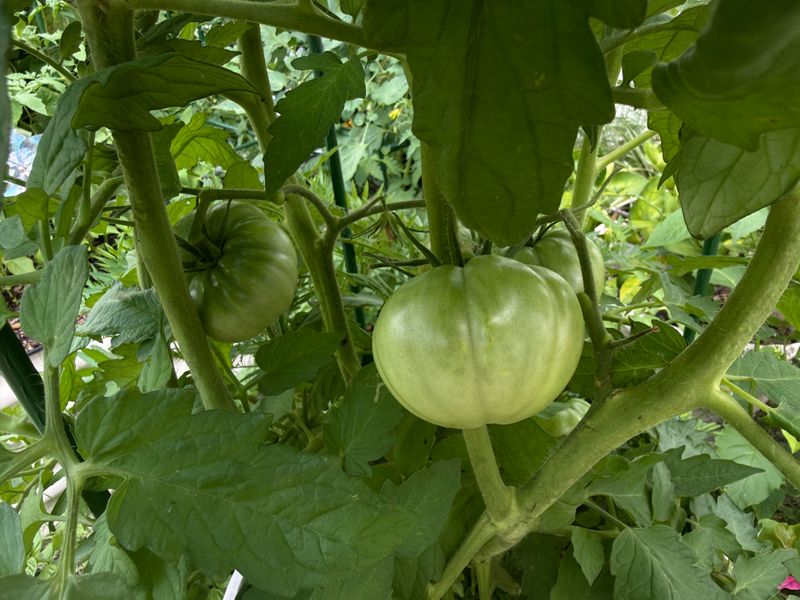
Watering your tomatoes like a forgetful houseplant owner is a recipe for slow ripening. Feast-and-famine watering cycles stress the plant in ways that delay fruit maturity.
When soil goes bone dry and then gets flooded, the plant shifts its energy toward survival mode. Instead of finishing its fruit, it focuses on stabilizing roots and preventing further stress damage.
Consistent moisture is what tomatoes crave most during the ripening phase. A steady supply of water keeps the plant calm, focused, and able to direct energy toward color development.
Aim for about one to two inches of water per week, delivered evenly through drip irrigation or a slow, deep hand-watering session. Shallow sprinkles do not reach the root zone where it matters.
Mulching around the base of your plants helps lock in moisture between watering sessions. A two-inch layer of straw or wood chips can dramatically reduce soil moisture swings.
Erratic watering also causes blossom end rot and cracking, two issues that signal the plant is under hydration stress. These problems often appear at the same time green tomatoes stall out.
A soil moisture meter is an inexpensive tool that takes the guesswork out of watering schedules. Stick it into the root zone before each watering session to check if the soil actually needs more water.
Getting your watering rhythm steady could be the single fastest fix for fruit that’s stalled on otherwise healthy-looking vines.
6. Heat Stress Pausing Ripening Temporarily
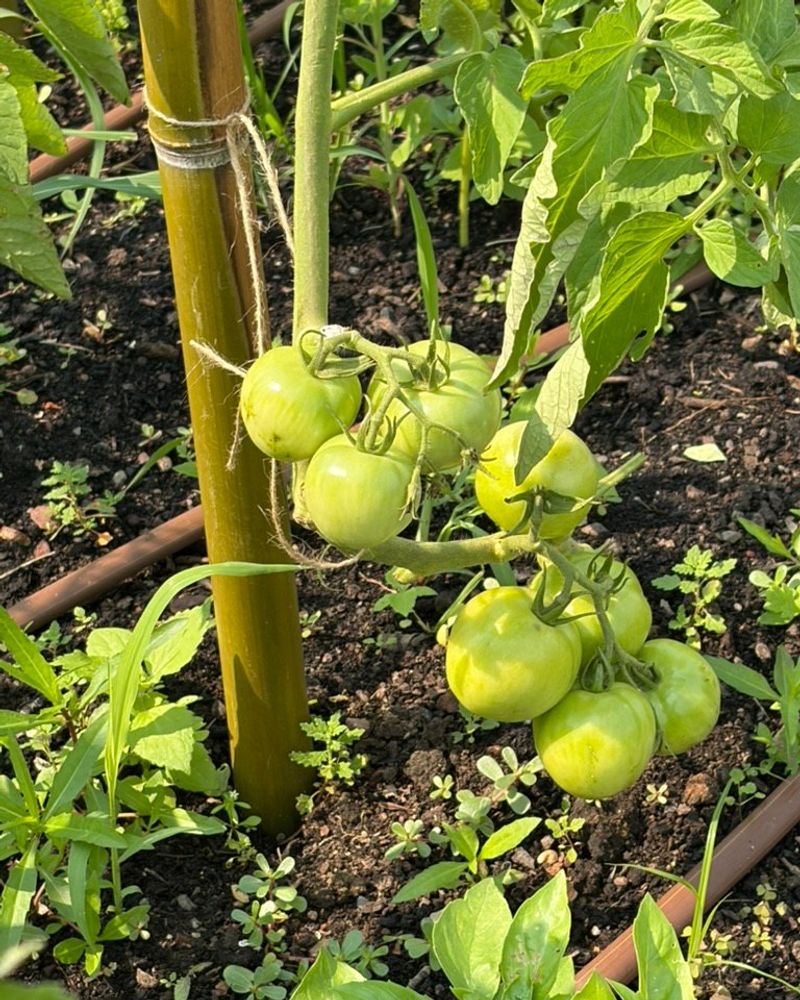
Extreme heat sounds like it should speed things up, but it actually does the opposite for tomatoes. When temperatures climb above 95 degrees Fahrenheit, lycopene and carotene production slows dramatically.
These are the pigments responsible for turning tomatoes red and orange. Without them actively forming, your fruit just stays green no matter how sunny and warm the days feel.
This heat pause is temporary, which should ease some of the frustration for gardeners waiting it out.
When temperatures drop back into a comfortable range, ripening resumes on its own without any extra intervention needed.
Shade cloth stretched over your tomato bed during peak heat hours can help protect the fruit. A 30 to 40 percent shade cloth still lets plenty of light through while cutting the harshest heat.
Watering early in the morning helps keep soil temperatures manageable throughout the day. Wet soil absorbs heat more evenly and keeps root-zone temps from spiking too high.
Reflective mulch, like silver plastic sheeting, bounces excess heat away from the soil surface. Some commercial growers use this trick to keep fruit temperatures in the sweet spot for ripening.
Avoid fertilizing heavily during a heat wave since the plant cannot process nutrients well under stress. Feeding during extreme heat can actually make things worse by pushing the plant further off balance.
Patience plus a little shade management can get stalled fruit moving toward a colorful and satisfying harvest before the season ends.
7. Pruning Habits That Slow Down Fruit Maturity
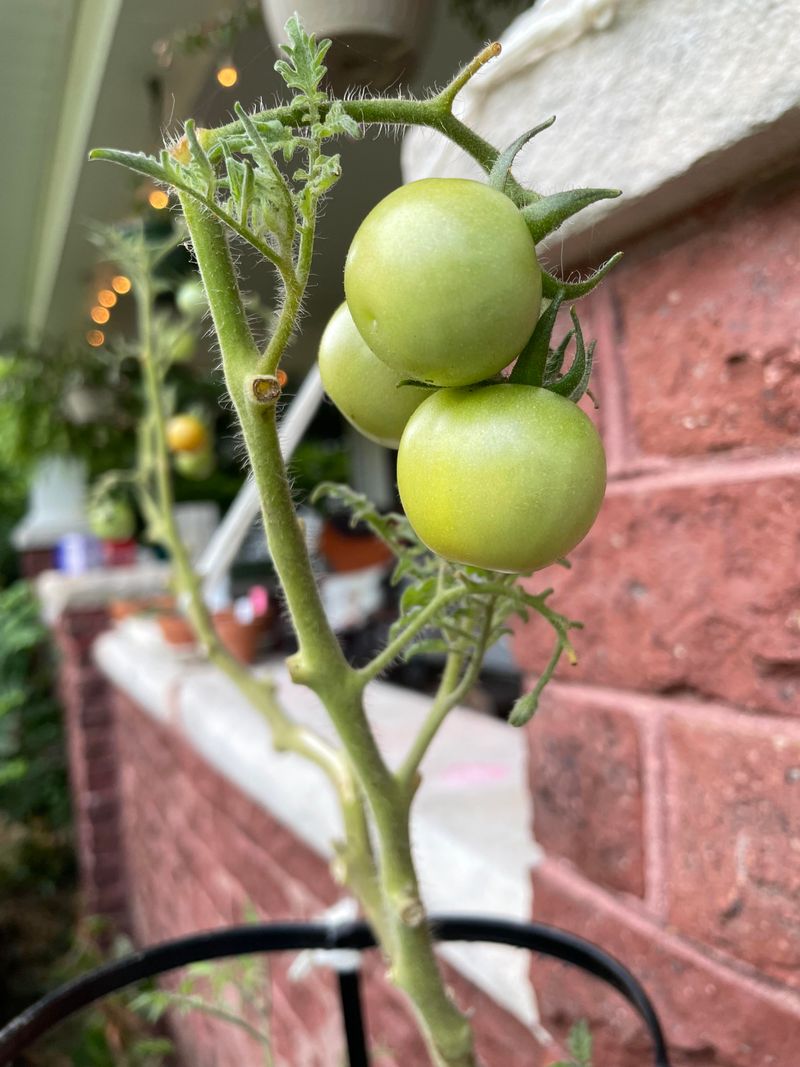
Pruning tomatoes is equal parts art and science, and getting it wrong can slow ripening in ways you would not expect. Removing too many leaves strips the plant of the energy it needs to finish its fruit.
Leaves are the plant’s solar panels. They capture sunlight and convert it into the sugars and energy that fuel fruit development and color change.
Over-pruning is a common mistake among gardeners who have heard that stripping leaves improves airflow. Airflow matters, but the plant still needs a healthy leaf canopy to function properly.
A good rule of thumb is to avoid removing more than one-third of the plant’s leaves at one time. Gradual pruning allows the plant to adjust without shutting down its ripening process.
Suckers, the small shoots that grow between the main stem and branches, are the safer targets for removal. Pinching them off redirects energy toward existing fruit without sacrificing important leaf coverage.
Timing also matters when it comes to pruning decisions. Late-season pruning done too aggressively can leave fruit exposed to sunscald, a condition where direct sun bleaches and damages the outer skin.
If your plants are already heavily pruned and fruit seems stuck at green, give the plant a few weeks to recover its leaf coverage before making more cuts. New growth can help restore the energy balance.
Smarter pruning habits now can make a real difference for fruit that’s just waiting for the right conditions to color up.
8. Soil Potassium Levels Affecting Ripening Speed
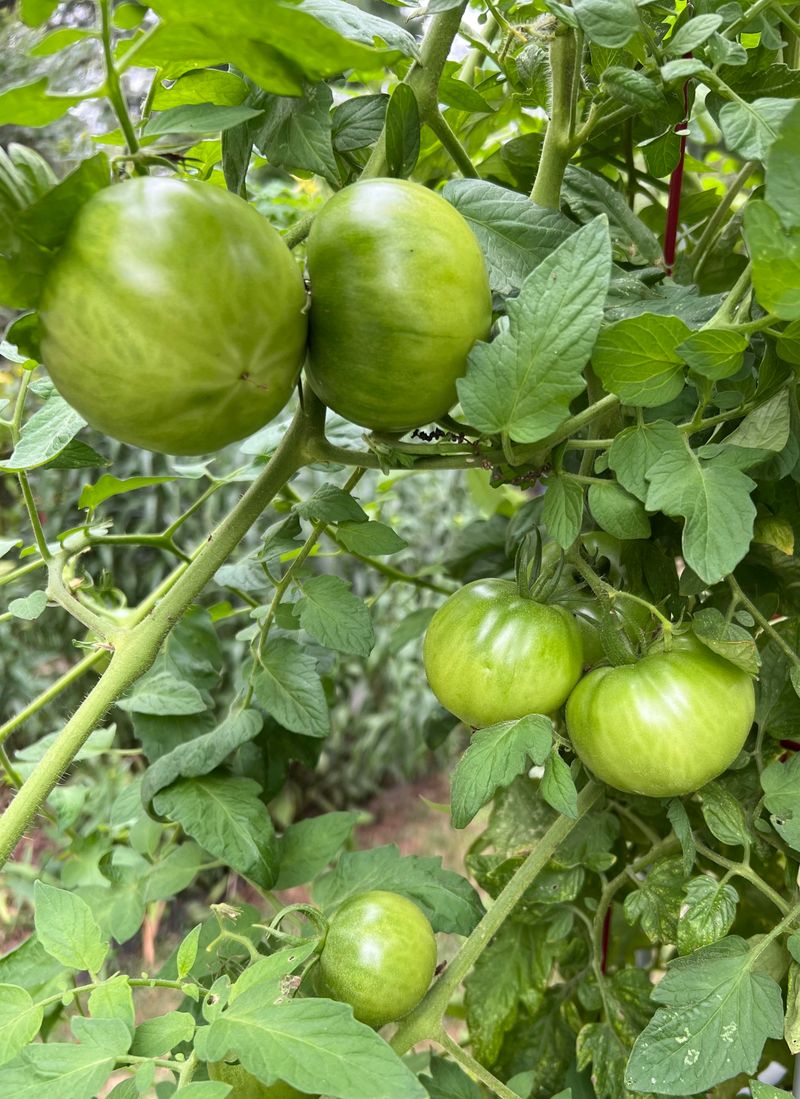
Potassium is the quiet powerhouse behind tomato ripening. Most gardeners focus on nitrogen and phosphorus, but potassium is what actually drives sugar production and color development in fruit.
Low potassium in your soil means the plant struggles to move sugars efficiently from leaves into developing fruit. The result is fruit that stays green far longer than it should.
Signs of potassium deficiency include yellowing leaf edges, weak stems, and fruit that colors unevenly or very slowly. These clues often show up together, making the pattern easier to spot.
A basic soil test will tell you exactly where your potassium stands. Tests are available at most garden centers and through university extension programs for just a few dollars.
If your levels are low, a potassium-rich fertilizer like potassium sulfate or a product labeled as a tomato booster can help correct the imbalance. Follow label directions carefully to avoid overshooting.
Wood ash sprinkled lightly around the base of plants is a natural potassium source many organic gardeners swear by. Avoid applying too much since it also raises soil pH, which can create new problems.
Kelp meal is another organic option that delivers potassium along with trace minerals that support overall plant health. It works more slowly but is gentle enough to use regularly without risk.
Fixing your soil’s potassium balance could be the missing piece for fruit that has plenty of sun, water, and warmth but just will not turn.