Top 10 Resilient Plants And Flowers You Can’t Destroy In Oregon
Oregon gardeners deserve plants that do not collapse the second the weather gets weird. Spring rain lingers, summer turns dry, and shady corners can feel like their own tiny climate zone. Some flowers throw a fit over that.
Others shrug it off and keep growing like nothing happened. Those are the plants every busy gardener secretly wants.
They bounce back after neglect, handle imperfect soil, and forgive the kind of watering schedule that starts with good intentions.
A resilient garden does not have to look boring either. Tough plants can bring bold blooms, fresh leaves, and plenty of charm without demanding constant attention.
They are perfect for new gardeners, forgetful gardeners, and anyone who wants beauty without daily plant drama.
If your yard has already humbled a few picky plants, these sturdy Oregon favorites may be exactly the comeback crew it needs.
1. Lavender Thrives On Sunshine And Neglect
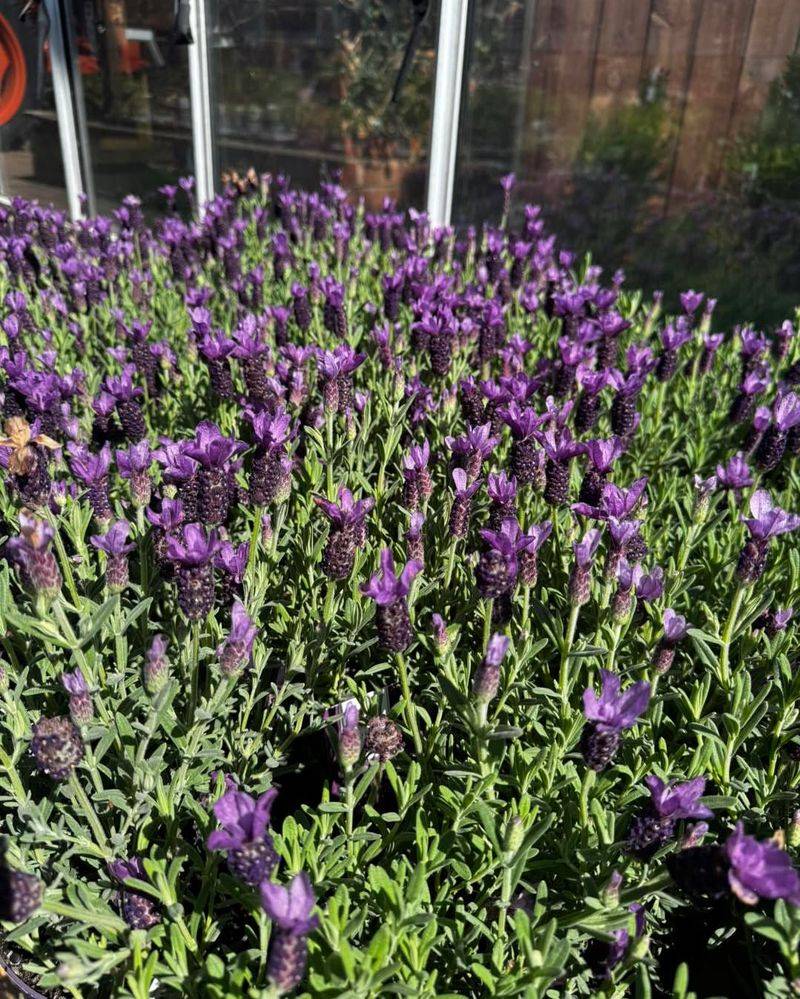
Few plants make a yard smell as amazing as lavender does on a warm summer afternoon. It is one of those rare plants that actually prefers when you leave it alone. Too much water, too much fuss, and it starts to struggle.
Give it sunshine and well-drained soil, and it rewards you with waves of purple blooms every single year.
Lavender loves our state’s dry summers. Once it gets established, it rarely needs watering at all. It grows well along roadsides, on hillsides, and in rocky spots where other plants would give up fast.
It is also deer-resistant, which is a huge bonus if you live near wooded areas or rural land.
Planting lavender is simple. Choose a spot with full sun, at least six hours a day, and soil that drains well. Sandy or gravelly soil works great.
Avoid heavy clay soil unless you mix in some grit or gravel to improve drainage. Give plants about two feet of space so air can circulate around them freely.
Trim the stems back by about a third after blooming to keep the plant looking tidy and encourage fresh growth. Lavender also works beautifully as a low hedge or border plant. Pollinators absolutely love it.
Bees will visit constantly during bloom season. It is one of the easiest, most rewarding plants you can add to any sunny garden bed.
2. Sedum Shrugs Off Dry Soil Like A Pro
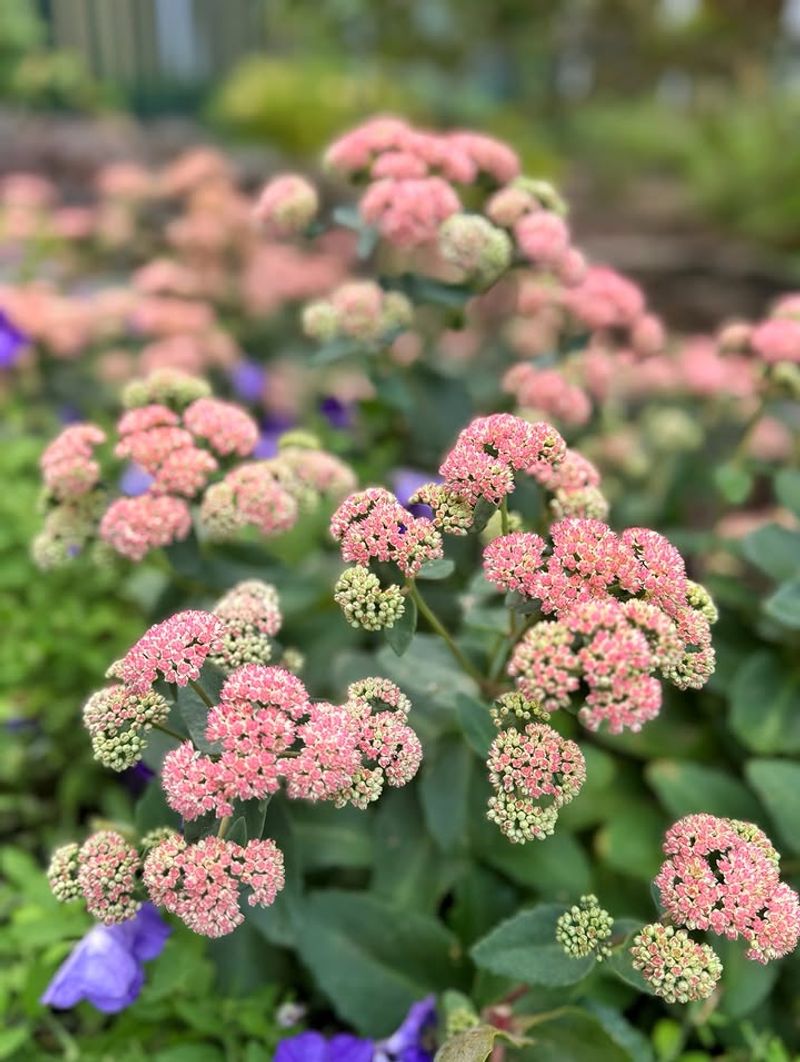
If you have ever had a patch of garden that gets baked by the sun and never seems to hold moisture, sedum is your answer.
Also called stonecrop, this tough little plant stores water right inside its thick, fleshy leaves. That means it can go weeks without rain and still look completely healthy.
It is practically made for our dry summer conditions. Sedum comes in dozens of varieties.
Some stay low and spread across the ground like a living carpet. Others grow upright and produce big, showy flower clusters in late summer and fall.
The flowers range from soft pink to deep red to golden yellow, depending on the variety you choose. Even after blooming, the dried seed heads look attractive through winter.
Your Oregon Garden Changes Every Week. Your Plan Should Too.
Gardening in Oregon changes quickly throughout the season. Every Friday you’ll receive a simple weekly plan showing exactly what to plant, prune, fertilize, harvest, and protect so you never miss the right timing.
Planting sedum is straightforward. It grows well in containers, rock gardens, green roofs, and sloped areas where erosion is a concern. Poor soil is not a problem for this plant.
In fact, rich, over-fertilized soil can actually cause it to flop over. Less is truly more when it comes to feeding sedum.
Bees and butterflies are drawn to the flower clusters in late summer, making sedum a solid choice for pollinator gardens.
It also spreads naturally over time, filling in gaps without much help. Divide clumps every few years to keep things tidy and share extras with neighbors. Sedum is one of the most low-effort, high-reward plants available to home gardeners.
3. Yarrow Keeps Blooming When Other Plants Quit
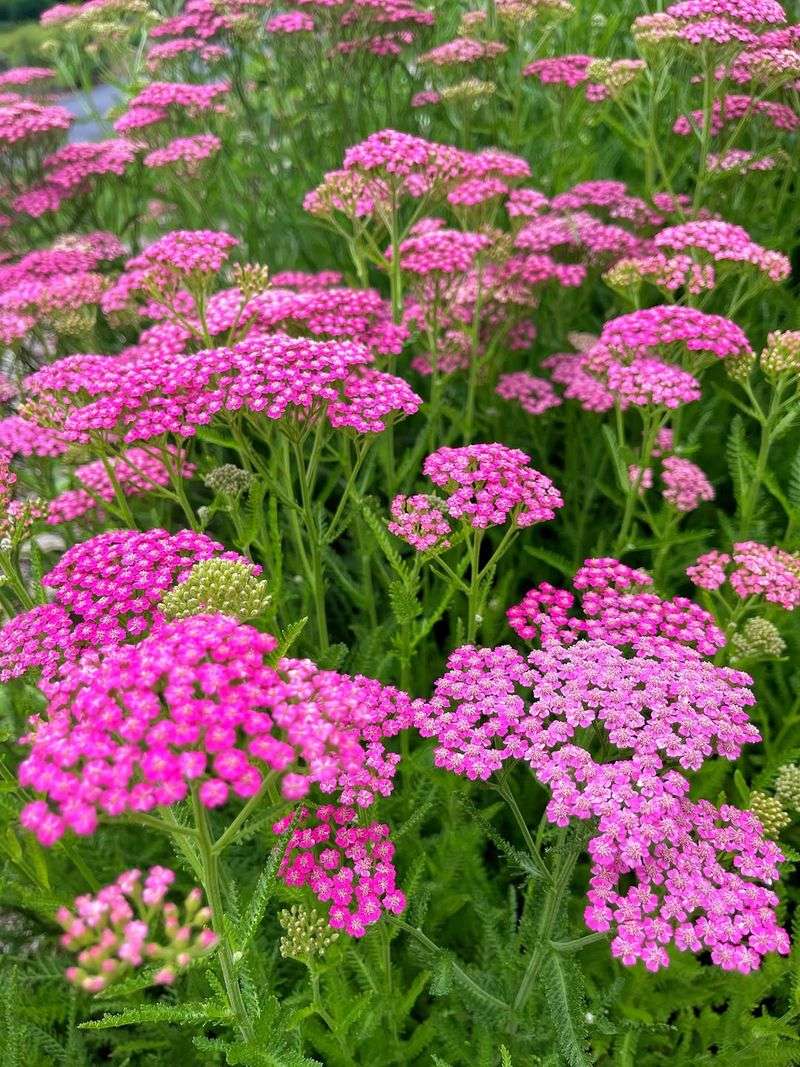
There is something almost stubborn about yarrow. While other flowers fade in the summer heat, yarrow just keeps going.
It produces flat-topped clusters of tiny flowers in shades of yellow, white, pink, and red, and it blooms for months at a time.
Even when you cut it back, it pushes out new flowers within weeks. It is genuinely hard to slow down.
Native to many parts of North America, yarrow has been growing wild across our state for centuries.
It tolerates poor soil, drought, and even foot traffic better than most garden plants. You will often spot it growing along roadsides and in open fields where nothing else seems to bother thriving.
That toughness translates perfectly to home gardens. For best results, plant yarrow in full sun. It handles light shade but blooms much better with direct sunlight most of the day.
Once established, it rarely needs watering except during extreme dry spells. Avoid overwatering, as soggy soil is one of the few things that can actually set it back.
Yarrow spreads through underground roots and self-seeding, so give it some space or plan to divide it every couple of years.
The good news is that divisions transplant easily and make great gifts for other gardeners. Butterflies, bees, and beneficial insects visit the flowers regularly.
Cut stems also dry beautifully, making yarrow a favorite for dried flower arrangements and wildflower-style garden designs.
4. Oregon Grape Is Tough, Native, And Evergreen
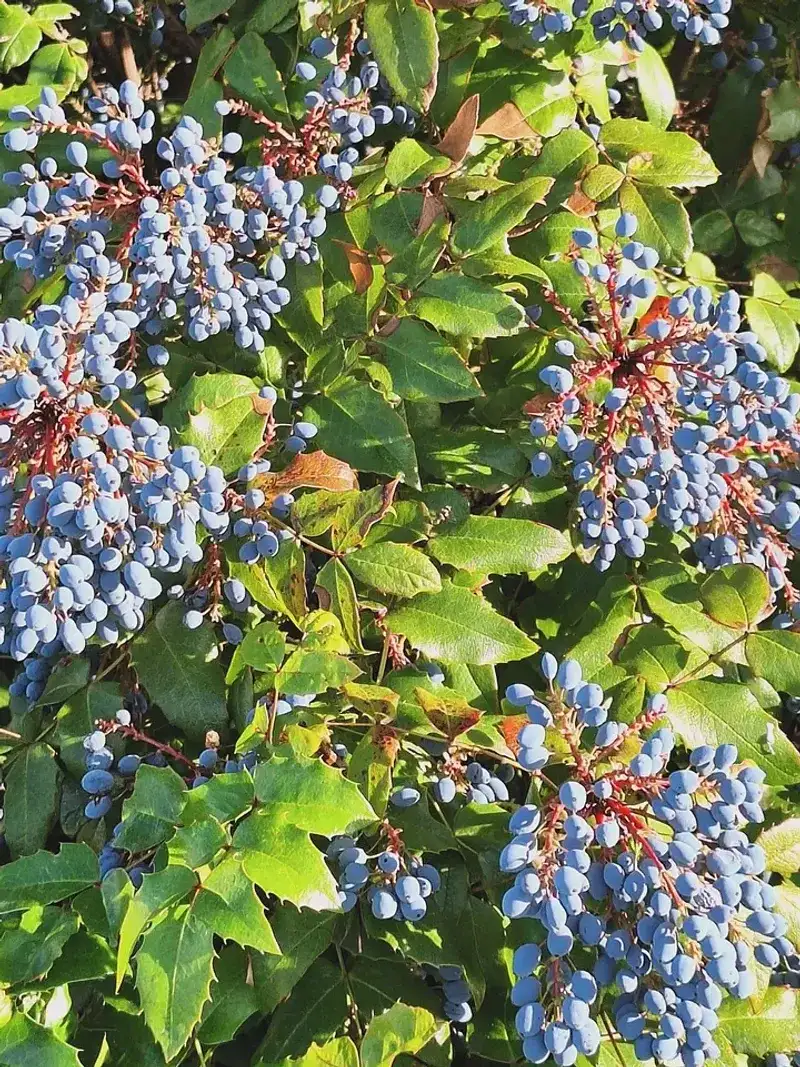
Named right after our state, Oregon grape is one of the most dependable native shrubs you can plant. It stays green all year, handles deep shade with ease, and produces cheerful yellow flowers in early spring before most other plants even wake up.
By late summer, those flowers turn into clusters of deep blue-purple berries that birds absolutely love.
Oregon grape grows naturally in forests across the Pacific Northwest, which tells you a lot about how tough it is.
It thrives under tall trees where sunlight is limited and competition from other plants is fierce. It handles poor, rocky soil and rarely needs fertilizer.
Once established, it can go through dry summers without supplemental water, which makes it a great fit for low-maintenance landscapes.
Two main varieties are common in home gardens. Tall Oregon grape can reach six to eight feet and works well as a privacy screen or backdrop plant.
Low Oregon grape stays closer to the ground and makes an excellent ground cover for slopes and shaded areas.
Both varieties produce the same cheerful flowers and attractive berries. Wildlife benefits from this shrub in multiple ways.
Birds eat the berries, and early pollinators rely on the flowers for nectar. The spiky leaves also provide shelter for small animals.
From a design standpoint, the glossy, holly-like foliage looks sharp year-round. It pairs beautifully with ferns, salal, and other native plants in a classic Pacific Northwest garden design.
5. Nasturtiums Practically Grow Themselves
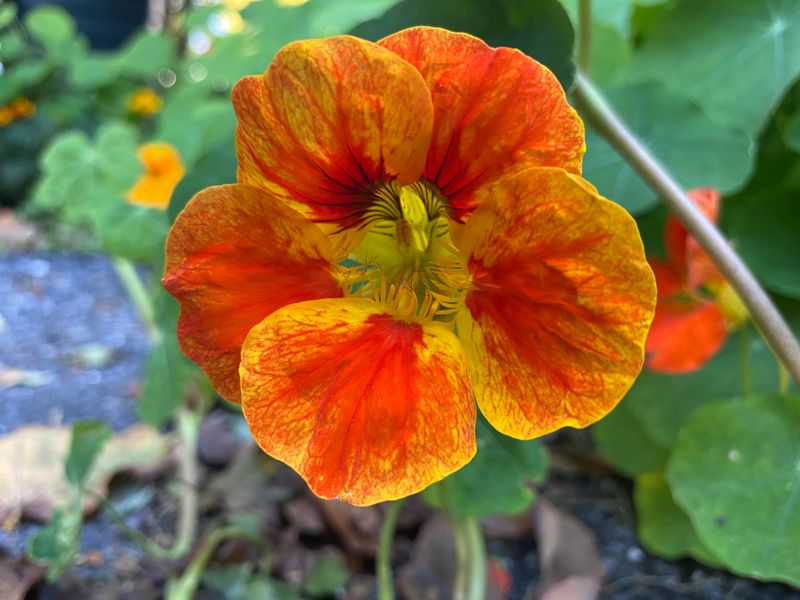
Honestly, nasturtiums might be the easiest flowering plant on this entire list. Drop a few seeds into the ground in spring, give them a little water to get started, and then just wait. Within a few weeks, round green leaves begin to appear.
Shortly after, cheerful flowers in shades of orange, yellow, and red start popping up all over the place. It almost feels like magic.
What makes nasturtiums especially fun is that they actually prefer poor soil. Rich, fertilized soil causes them to grow lots of leaves but fewer flowers.
So if you have a tough patch of ground that nothing else seems to like, nasturtiums will likely love it there.
They also work well in containers, hanging baskets, and window boxes where trailing varieties can spill over the edges beautifully.
Both the flowers and the leaves are edible, with a peppery flavor similar to watercress. Toss them into salads, use them as a garnish, or just enjoy them in the garden.
They also attract aphids away from other plants, acting as a natural trap crop that protects your more sensitive vegetables and herbs.
Nasturtiums are annuals, meaning they complete their life cycle in one season. But they self-seed so freely that they often come back on their own the following year without any effort on your part.
Plant them once, and you may never need to buy seeds again. Few plants offer this much color and personality for so little work.
6. Daylilies Come Back No Matter What
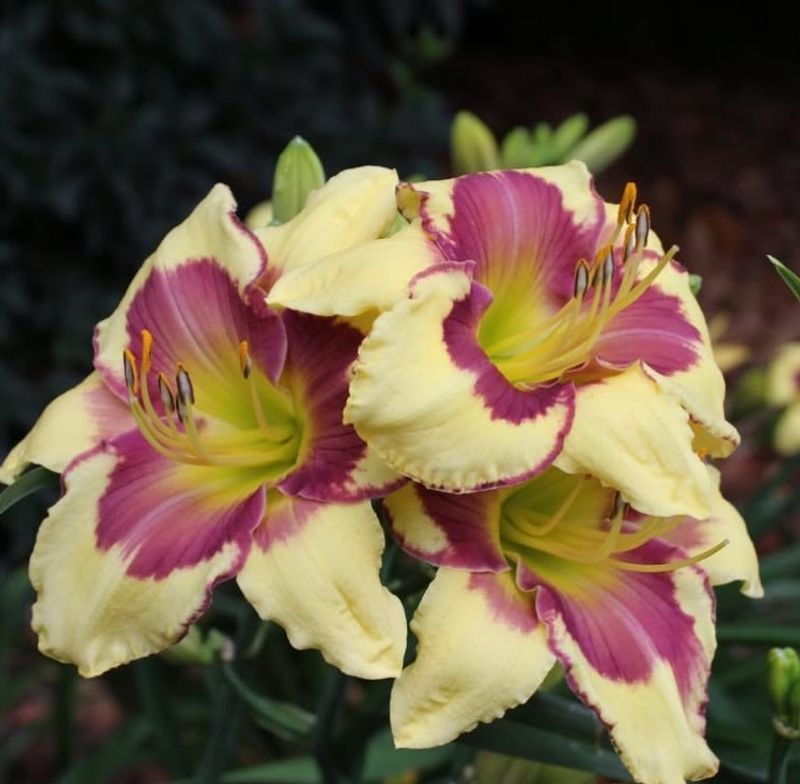
Daylilies have earned their reputation as one of the most forgiving perennials in the gardening world.
Plant them once, and they come back year after year without much help from you at all. They spread slowly over time, filling in garden beds with bold, strap-like foliage and large trumpet-shaped flowers.
Each individual bloom lasts only one day, but the plant produces so many buds that the show goes on for weeks.
Our state’s climate suits daylilies very well. They handle both wet winters and dry summers without complaint. They grow in full sun or partial shade, though more sun generally means more flowers.
Even in clay-heavy soil, which is common in many parts of the Willamette Valley and other regions, daylilies manage to establish themselves and spread.
Varieties range widely in color, from pale yellow and soft peach to deep burgundy and vibrant orange.
Modern hybrid varieties even come in near-purple and ruffled forms. Heights vary too, from compact dwarf types to tall varieties that reach four feet or more.
With so many options, it is easy to find one that fits your space and style perfectly. Maintenance is minimal.
Deadhead spent blooms to keep the plant looking tidy, and divide clumps every three to four years to keep them vigorous. Divisions transplant easily and can be shared with friends or moved to fill bare spots elsewhere in the yard.
Few plants deliver this much reliable color with this little effort season after season.
7. Rosemary Handles Heat, Wind, And Forgetful Watering
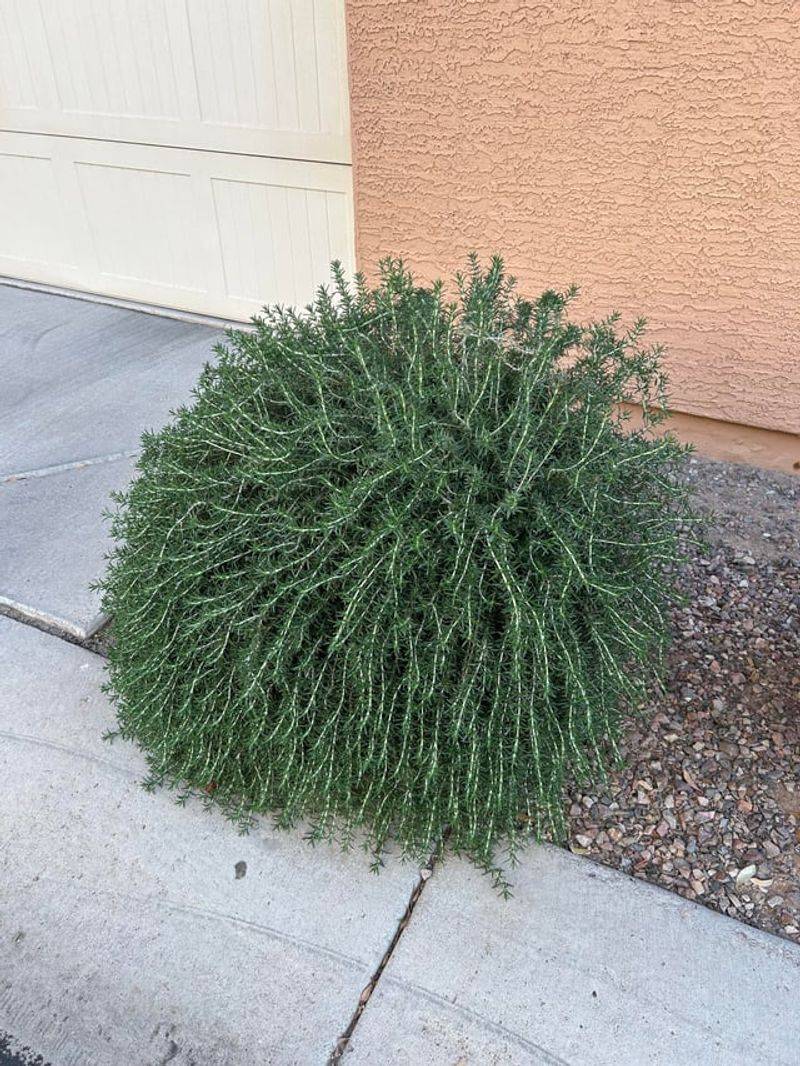
Walk past a rosemary bush on a warm afternoon and brush against its needled leaves. The scent that releases is one of the most satisfying things in any garden.
Beyond its amazing fragrance, rosemary is one of the most drought-tolerant and wind-resistant plants you can grow in our state.
It handles the dry east side of the Cascades just as well as the milder western valleys. Rosemary is native to the Mediterranean region, where summers are hot and dry and winters are mild.
Our state’s western side mimics that climate closely enough that rosemary thrives there with almost no help.
In colder northern regions and higher elevations, it may need some winter protection, but in most populated areas of the state, it grows year-round without issue.
This plant does double duty as both an ornamental shrub and a culinary herb. Use the leaves fresh or dried to season roasted vegetables, meats, breads, and soups. The more you harvest, the more the plant bushes out.
Trim it regularly to keep it from getting too woody and leggy over time. Bees are strongly attracted to rosemary flowers, which appear in late winter or early spring when few other plants are blooming.
That makes it an especially valuable plant for supporting pollinators during the hungry gap between seasons.
Plant rosemary near a sunny wall or pathway where you can enjoy the scent as you pass by. It truly earns its place in any garden.
8. Black-Eyed Susans Bring Color Without Complaints
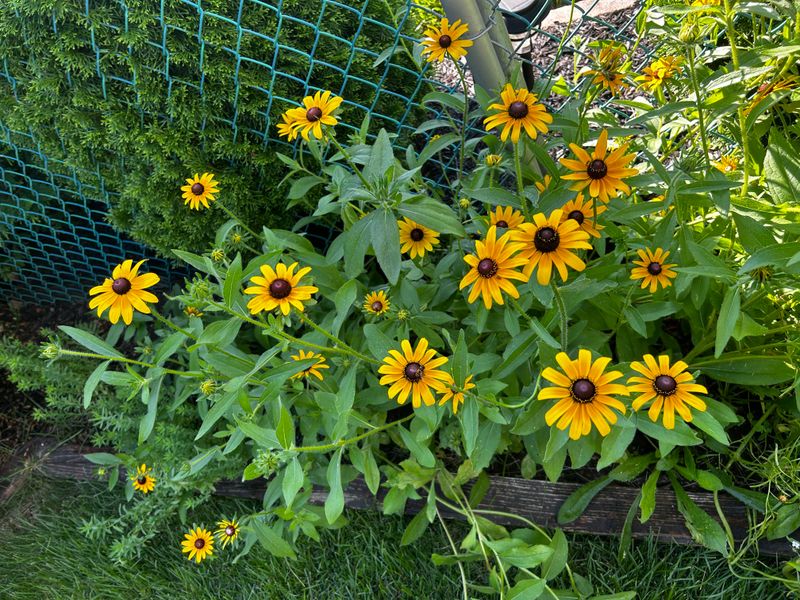
Few flowers are as cheerful and carefree as black-eyed Susans. Their bright golden-yellow petals surrounding a dark brown center make them instantly recognizable, and they bloom from midsummer all the way into fall.
While other flowers start fading as the season winds down, these sunny blooms just keep going. They are one of the most reliable sources of late-season color in any garden.
These plants handle heat, drought, and poor soil better than most flowering perennials. They are native to North American prairies, so tough conditions feel natural to them. Once established in our state’s climate, they rarely need extra watering.
They also resist most common pests and diseases, which means less time troubleshooting and more time enjoying the garden.
Plant black-eyed Susans in full sun for the best results. They tolerate partial shade but tend to get a bit floppy without enough direct light. Space plants about eighteen inches apart to allow good air circulation.
They spread by seed and by underground rhizomes, so you may find new plants popping up nearby each season, which is usually a welcome surprise.
Goldfinches and other seed-eating birds will visit the dried seed heads in fall and winter, so consider leaving some stems standing after bloom season ends.
It adds winter interest to the garden and provides a food source for wildlife. Pair these with ornamental grasses, yarrow, or catmint for a low-maintenance, wildflower-inspired garden that looks great from spring through frost.
9. Catmint Is Pretty, Pollinator-Friendly, And Nearly Bulletproof
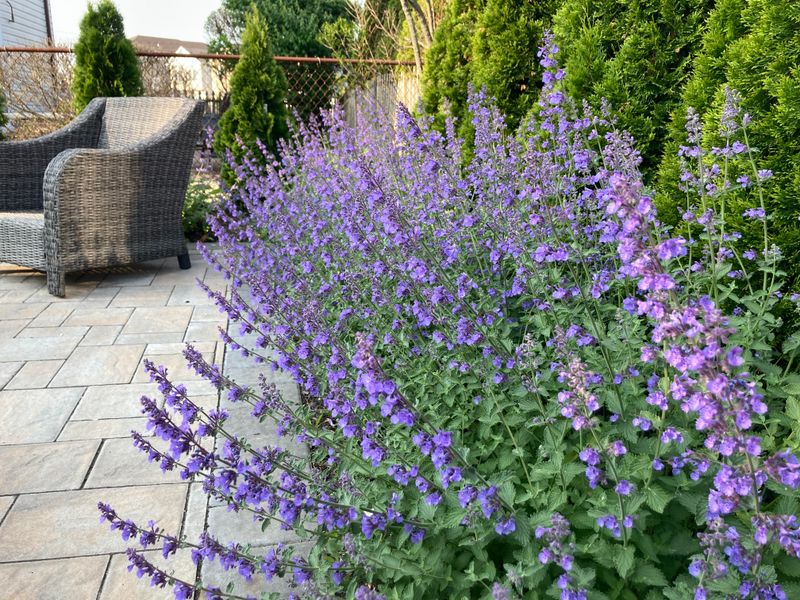
It forms soft, mounding clumps covered in tiny lavender-blue flowers from late spring through early summer, and if you cut it back after the first flush, it blooms again in late summer.
The silvery-green foliage smells faintly of mint and looks attractive even when the plant is not in bloom.
Drought tolerance is one of catmint’s biggest strengths. After the first season, it rarely needs supplemental watering in most parts of our state. It thrives in full sun but handles partial shade reasonably well.
It also shrugs off wind, poor soil, and the occasional cold snap without showing much stress. Few ornamental plants are this forgiving across such a wide range of conditions.
Pollinators go absolutely wild for catmint. Bees, butterflies, and hummingbirds visit the flowers constantly during bloom periods. If you want to support native pollinators in your yard, this plant is one of the best choices you can make.
It blooms during key periods when many pollinators are actively foraging and need reliable nectar sources nearby.
As the name suggests, cats are also attracted to this plant, though not as intensely as they are to catnip.
Deer tend to avoid it, which is a practical bonus in areas where deer browse through garden beds.
Use catmint along pathways, at the front of borders, or cascading over low walls. It softens hard edges beautifully and adds a cottage garden feel to any space.
10. Salal Handles Shade Better Than Most Garden Favorites
Deep shade is one of the trickiest gardening challenges in our state, especially under tall Douglas firs and western red cedars where almost nothing seems to grow.
Salal is one of the few plants that actually thrives in those dark, root-filled conditions. It is a native Pacific Northwest shrub that has been carpeting forest floors for thousands of years, and it brings that same toughness to home landscapes.
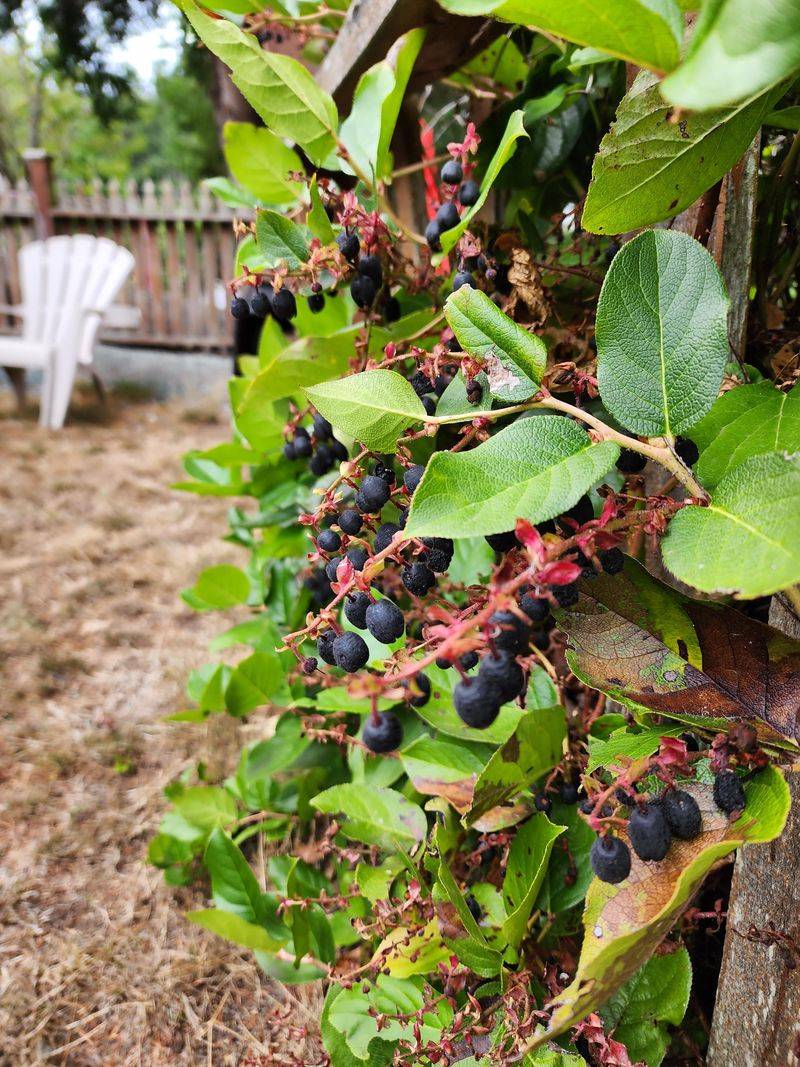
Salal grows slowly but steadily, spreading through underground stems to form dense, weed-suppressing mats of glossy evergreen foliage.
The oval leaves stay dark green year-round and have a leathery texture that holds up well through wet winters and dry summers alike. In spring, small bell-shaped flowers appear in clusters, ranging from white to soft pink.
By late summer, dark purple-black berries follow, which are edible and were an important food source for Indigenous peoples across the region.
Wildlife loves salal. Birds eat the berries, and the dense foliage provides excellent cover for small animals. The plant also supports native pollinators during its spring bloom period.
From a garden design standpoint, it pairs beautifully with sword ferns, Oregon grape, and trillium for a naturalistic Pacific Northwest understory planting.
Salal is also used heavily by the floral industry. You have probably seen its glossy leaves used as filler in bouquets and flower arrangements. Growing your own means you always have fresh, beautiful foliage on hand for cutting.
It is slow to establish, so patience is key, but once it settles in, it takes care of itself almost completely.