The Fall Window To Control Alabama’s Most Troublesome Grass Is Open Now, But Drought Could Cut It Short
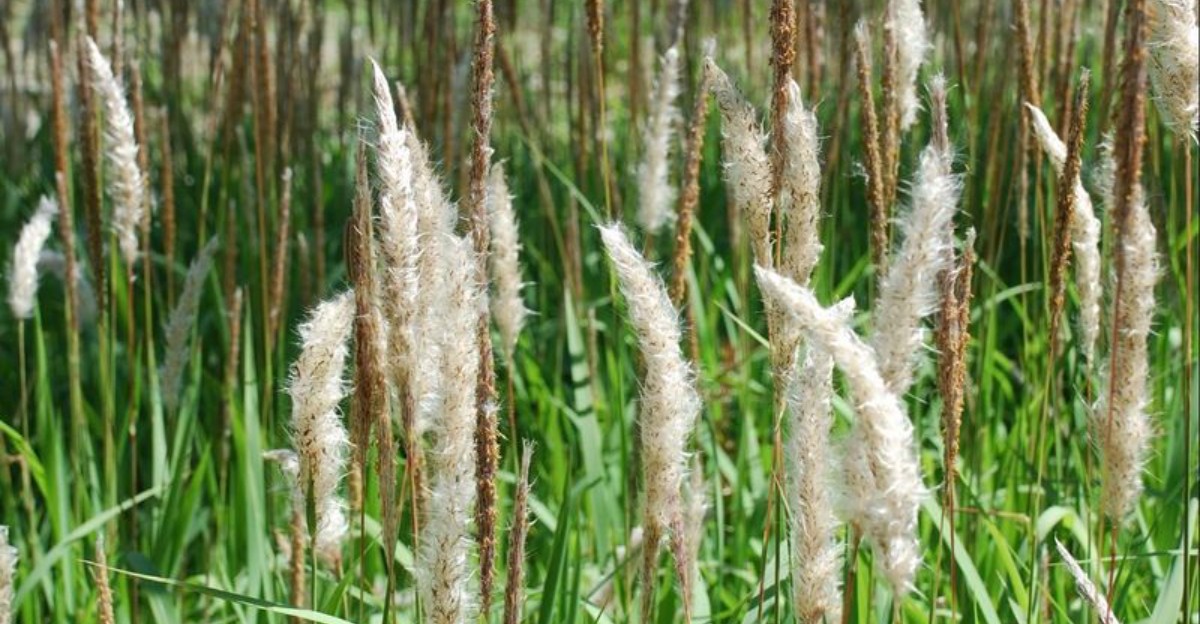
That lime green patch may be spreading beneath your land while you admire it. Underground, pointed rhizomes push through the roots of your trees.
Wildfire risk rises too, since this grass fuels hotter fires than native grasses. Your tractor and mower can carry rhizome pieces to fresh ground.
Across Alabama, you are facing a plant federal officials regulate as an invasive weed. Right now, though, you hold real leverage.
During fall, this grass sends sugars down to its roots before frost arrives. Glyphosate or imazapyr you spray now rides that flow straight into the rhizomes.
Dry weather, however, complicates your timing across Alabama this season. Thirsty leaves absorb less herbicide, letting the rhizomes rebound by spring.
You get better results spraying actively growing grass after a generous rain. Steady patience pays off, since you will likely treat again for several years.
Late Summer Into Early Fall Is The Prime Spraying Season
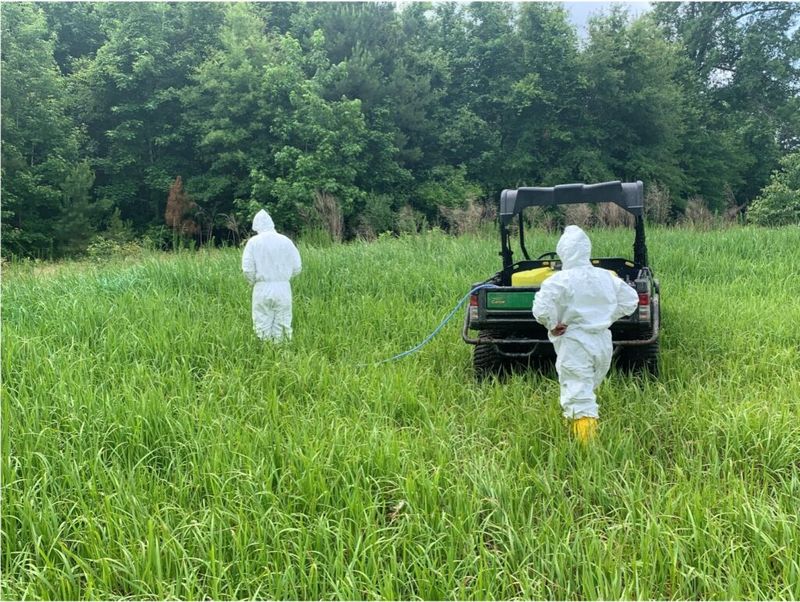
Ask any county extension agent in Alabama, and you will hear the same advice about timing. Late August through October is the best stretch of the year to treat cogongrass with herbicide.
During these weeks, the plant starts sending sugars down to its roots for winter storage. Spray that lands on the leaves rides along with those sugars, straight to the underground network.
Spring treatments can help, but they mainly affect the top growth while the roots recover and regrow. Fall is the moment when the plant accidentally helps you do the job.
Look for green, healthy blades that are still putting out new growth before you spray. Brown or frosted leaves absorb little herbicide, so late spraying can cost you product and money.
The first hard frost usually marks the end of the good window across much of the state. In south Alabama, that might stretch into November, while north Alabama closes sooner.
Mark your calendar now instead of waiting for a cool, comfortable weekend in late fall. A little planning in September beats scrambling after the leaves have already turned tan.
Check the weather forecast too, since rain within a few hours can wash spray off the leaves. Many labels list a rain-free period, so read yours before heading out.
Fall is the plant’s storage season, when it stocks its roots with food. Your goal is to get herbicide into the roots before the plant settles into winter rest.
A Plant Built To Hoard Energy Underground
Cogongrass reached Grand Bay, Alabama, around 1912 as packing material in a shipment from Japan. Farmers in Mississippi and Florida later planted it on purpose for cattle forage and erosion control.
That plan had unintended results, since cattle graze little on the sharp blades once they mature. Today, the grass covers well over a million acres across the Southeast.
The real secret lives below the dirt in a thick mat of white, pointy rhizomes. Those underground stems can make up more than half of the plant’s total weight.
Rhizome tips are so sharp they can poke through tree roots and even potatoes. Each piece stores food, so a tiny chunk left behind can sprout a whole new patch.
Your Alabama Garden Changes Every Week. Your Plan Should Too.
Gardening in Alabama changes quickly throughout the season. Every Friday you’ll receive a simple weekly plan showing exactly what to plant, prune, fertilize, harvest, and protect so you never miss the right timing.
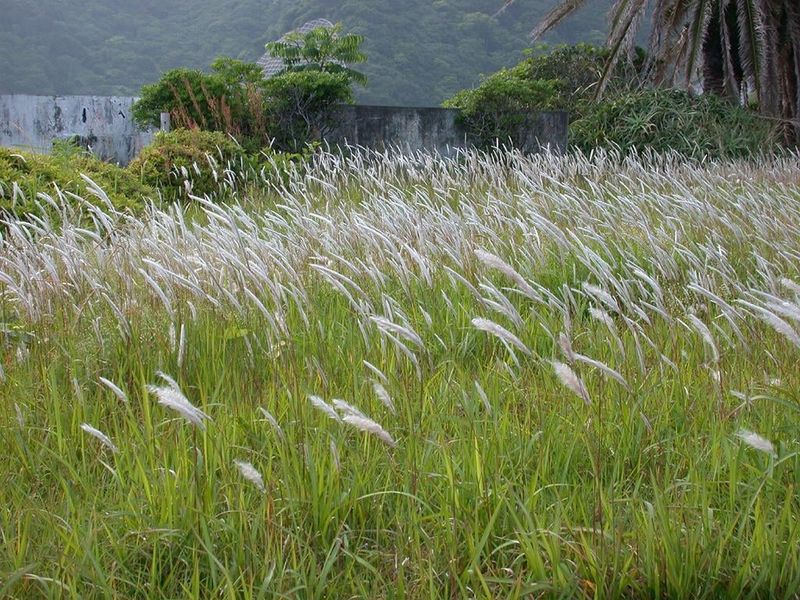
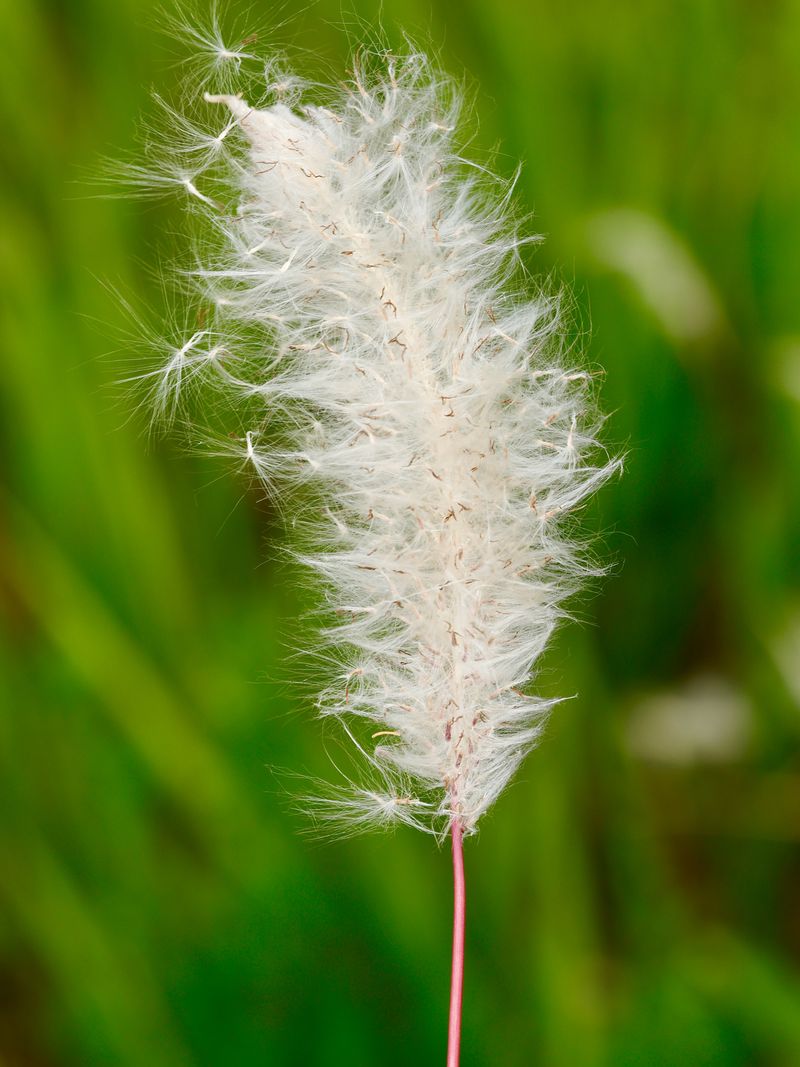
Above ground, you can spot it by the off-center white midrib running down each yellow-green blade. Fluffy white seed heads show up in spring, and the wind carries them to new ground.
When a fire moves through, this grass fuels hotter flames than native plants do. Pine seedlings and wildlife habitat often decline, which is a serious concern for Alabama timber owners.
A single round of pulling or tilling often spreads the grass by breaking rhizomes into more pieces. Each fragment can grow into a new plant, so small patches can quickly multiply.
Understanding that hidden root bank explains the whole strategy behind fall spraying. Your real target is the underground storage, not the pretty green leaves waving on top. Knowing how this plant grows helps you pick the best time to treat it each fall.
Dry Soil And Stressed Leaves Limit Herbicide Uptake
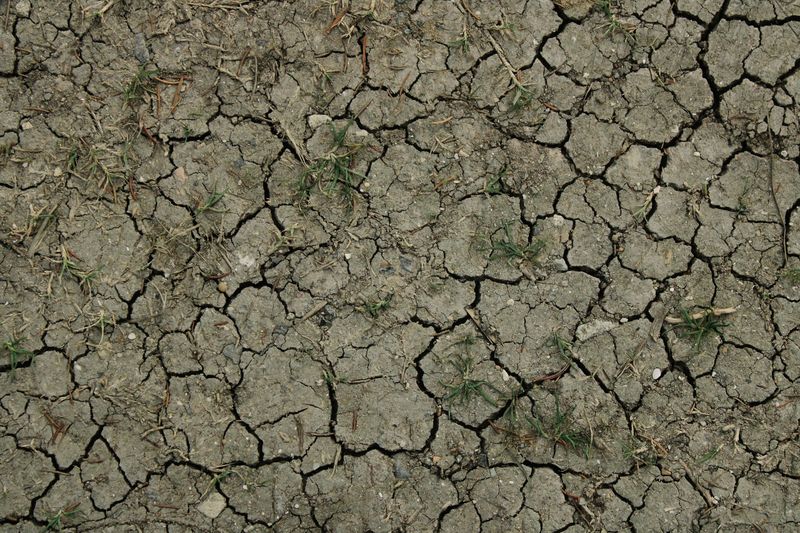
Anyone who has watered a thirsty tomato plant knows how droopy leaves look in a dry spell. Cogongrass reacts to drought in a similar way, just with less obvious wilting.
When soil moisture drops, the grass slows down and closes tiny pores on its leaves to save water. A stressed plant also moves far less food, and far less spray, down to its roots.
When you spray a drought-stressed stand, little herbicide reaches the roots, even if the leaves look treated. The underground network stays largely untouched.
Parts of Alabama often turn dry by early fall, and many counties are running short on rain right now. Check the U.S. Drought Monitor map online to see conditions in your area.
A good approach is to spray a few days after a steady rain of about an inch. Give the grass time to perk up and push out some fresh green growth first.
If rain does not arrive, avoid raising the herbicide rate on the patch to make up for it. Higher rates can injure nearby trees and still fall short of reaching the roots.
Small patches near a hose can get a deep watering several days before treatment. That trick will not work for a forty-acre pasture, but it helps in a backyard.
Keep an eye on the leaves themselves as your most honest guide before spraying. Rolled, grayish, or crispy blades signal that the plant is stressed and that you should wait for rain.
Mowing Right Before Treatment Wastes The Effort
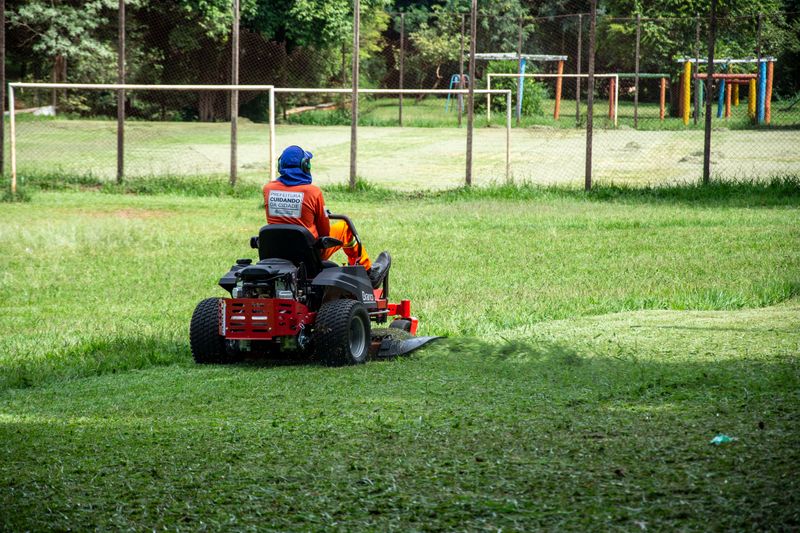
Picture a landowner who mows a cogongrass patch on Saturday and sprays it on Sunday. The job feels finished, but by the next spring the patch returns denser than before.
This is a common mistake, and plenty of Alabama landowners make it. Fresh mowing cuts away the leaf surface the herbicide needs to land on.
Without enough green blades, there is simply not much for the spray to grab. Your herbicide ends up on stubble and bare dirt, with little effect.
Mowing or prescribed fire can help when it happens several months ahead of the fall spray. A summer mowing or prescribed fire prompts the plant to push fresh growth.
New blades take up herbicide better than old, tough thatch. Many experts suggest letting regrowth reach about knee height, or roughly three months, before treating.
Another common mistake involves the mower itself, especially after it leaves an infested field. Blades and wheels carry rhizome bits to clean ground, spreading the grass with each pass.
Some folks also try disking or tilling right before spraying, hoping to loosen the roots. That approach spreads the grass and leaves little leaf area to treat.
Patience is the key factor here, even if a shaggy patch bothers you. Let it grow tall and green, then treat it with your spray tank.
Your mower can rest while the patch grows back. Once you wait for tall, green regrowth, your fall spray has a much better chance of reaching the roots.
The Glyphosate And Imazapyr Game Plan
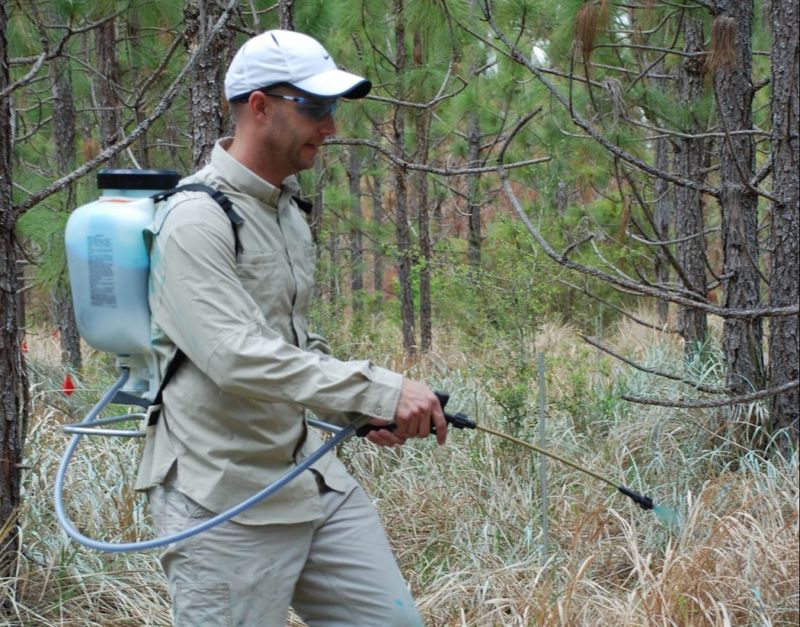
Two herbicides handle much of the work of controlling cogongrass in Alabama pastures and yards. Glyphosate and imazapyr each have strengths, and knowing the difference saves headaches later.
Glyphosate binds tightly to soil and has little activity there. It is a safer choice near trees, gardens, and landscape plants, as long as spray stays off their leaves. Check labels, since some familiar brands no longer contain glyphosate.
Imazapyr, found in products like Arsenal and Habitat, stays active in the soil much longer. That staying power helps against rhizomes but can also injure nearby trees and shrubs.
Imazapyr suits open fields and some pine stands, while yards usually call for glyphosate. Some landowners use a mix, especially on established, older patches.
Aim for thorough coverage of the green blades without drenching the patch until it drips. A nonionic surfactant, if the label allows, helps spray grip waxy leaves.
Spray several feet past the edge of the visible patch too. Rhizomes often creep outward underground before new shoots poke up and reveal them.
Read the product label from top to bottom before mixing anything. The label is the law, and it lists rates, safety gear, and where you can spray.
The Alabama Cooperative Extension System offers free guides with specific mixing rates. A call to your county office can clear up confusion fast.
Gloves, long sleeves, and eye protection belong on each spray day, even for a small backyard job. Your skin will thank you later.
Follow-Up Visits And Clean Equipment For Lasting Results
Landowners who have managed this grass for decades tend to share a common lesson. One fall spray seldom finishes the job, no matter how well you time it.
Many patches need three years or more of repeat treatments to wear down the rhizome bank. Each round weakens the roots a little more and shrinks the stored food supply.
Walk the area next spring and summer, looking for fresh shoots poking through. Flag those spots so you remember exactly where to aim next fall.
Prevention matters just as much as spraying, since the grass hitchhikes easily. Mowers, tractors, and bush hogs carry rhizome pieces and seeds from one property to another.
Wash equipment thoroughly with a pressure washer before leaving an infested area. It takes a few minutes and could spare a neighbor years of work.
Be picky about fill dirt, pine straw, and hay brought onto your land too. Ask sellers where materials came from, and inspect loads for those telltale white rhizomes.
Once the grass fades, fill the empty ground with native grasses, pines, or healthy turf. Bare soil invites new invasive plants, while thick cover leaves them little room.
Report new infestations to the Alabama Forestry Commission or your county extension office. Mapping those patches helps experts track the spread and warn nearby landowners.
Bringing cogongrass under control takes time, steady effort, and a bit of planning. The reward is land that looks like yours again, with healthy cover you chose yourself.