October Is A Great Time To Plant Trees In Alabama, And These Are Worth Picking
Soil temperature is quietly handing you a head start in Alabama. Air cools fast, yet the ground under your boots holds summer heat for weeks.
Roots keep growing in that warmth while branches rest above. Plant now, and you give your newcomer months of anchoring before heat returns.
Spring planters race against heat; you get a calm runway. Choose a tree or shrub that suits your Alabama clay, not a catalog photo.
Check mature height before you dig, because neighbors notice towering surprises. Test drainage by filling a hole with water and timing your wait.
Pooling water stresses roots and shows up as yellow leaves by summer. Loosen the planting hole wide, but keep the depth matched to the root ball.
Mulch generously, yet leave a gap around the trunk so bark breathes. Water deeply, then watch your neighbor squint.
1. Southern Live Oak Builds A Shady Legacy
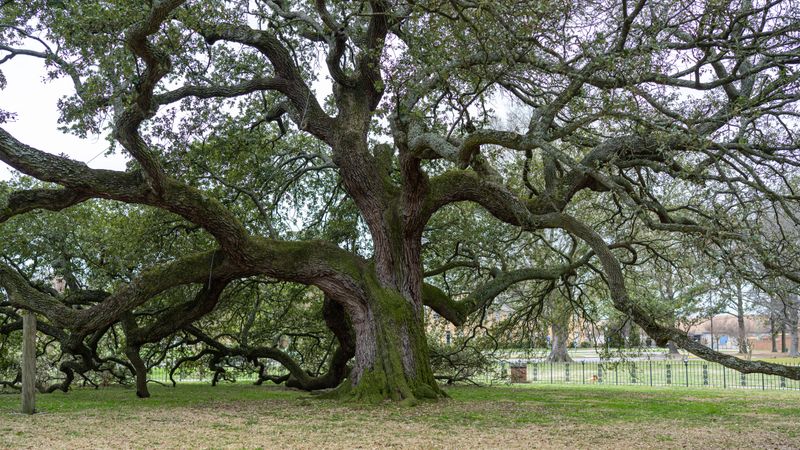
Picture a giant oak draped in Spanish moss along Mobile Bay. That classic Southern scene took generations to grow, and you can start yours with a young tree planted in fall.
Live oaks are tough trees that handle Alabama heat, humidity, and even strong coastal winds. Their wide branches can stretch over 100 feet across.
October planting gives the roots months of cool weather to settle in. Warm soil helps roots spread before summer stress shows up.
Pick a spot with plenty of room, at least 30 feet from your house and more if you can. These trees grow big and want space for their wide crowns.
Dig a hole two or three times wider than the root ball. Keep the hole only as deep as the root ball itself.
Water deeply about once a week in fall if rain is light, and check soil moisture before watering in winter. Spread mulch around the base, but keep it off the trunk.
Live oaks keep most of their leaves through winter, so your yard stays green. They drop old leaves in spring as new ones push out.
Many live oaks in the South are over 200 years old. Planting one now is a gift for your grandkids and maybe their kids. Few yard trees live longer.
Give it patience in the early years. Growth is moderate, and the tree fills out steadily over the years.
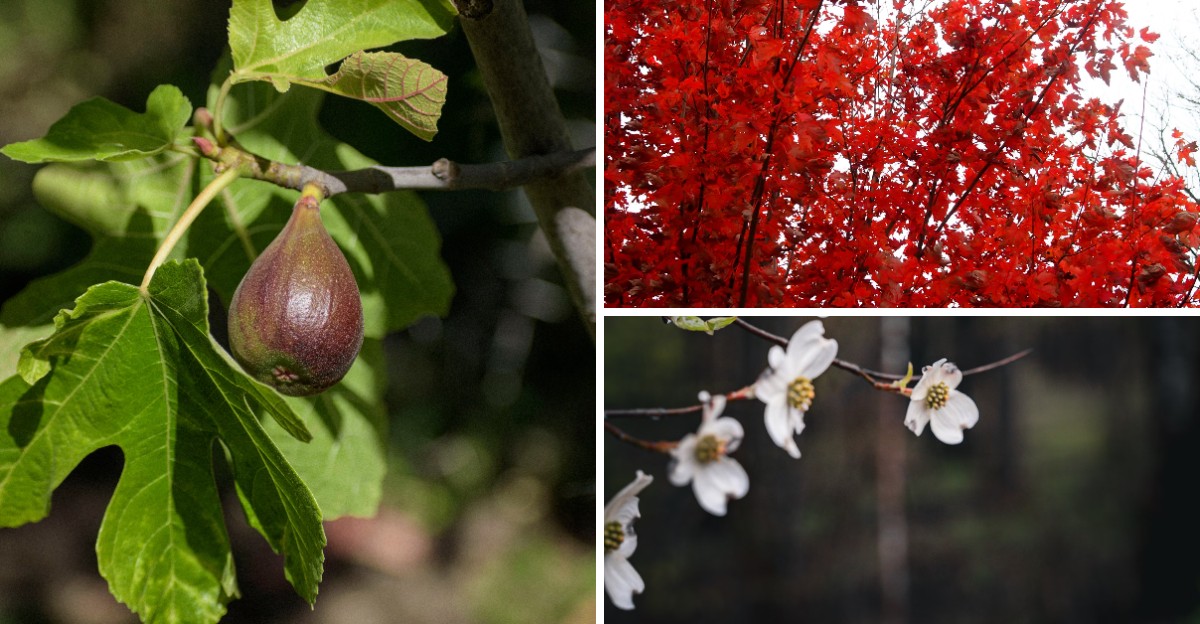
2. Red Maple Brings Vivid Fall Color
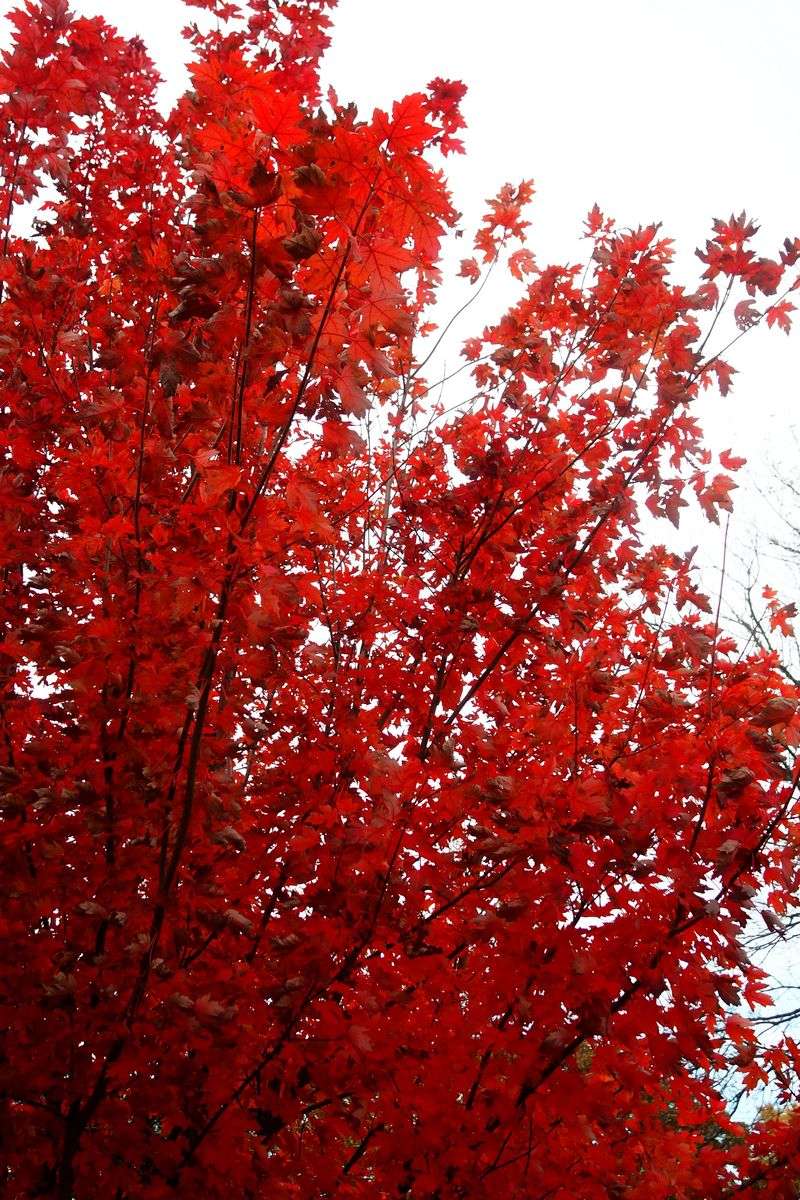
Red maples add strong color in November. Their leaves turn shades of scarlet, orange, and gold over a few weeks.
Red maples grow well across all of Alabama, from Huntsville down to the Gulf. They handle wet soil better than many other trees.
That makes them a smart pick for low spots that stay soggy after storms. They can even grow near ponds and creeks.
Look for named types like October Glory or Red Sunset at local nurseries. These varieties are known for strong fall color, though results vary by year and site.
Plant your maple in full sun for the brightest fall show. Shady spots often lead to dull, yellowish leaves instead.
Your Alabama Garden Changes Every Week. Your Plan Should Too.
Gardening in Alabama changes quickly throughout the season. Every Friday you’ll receive a simple weekly plan showing exactly what to plant, prune, fertilize, harvest, and protect so you never miss the right timing.
Red maples grow fairly fast, often one to two feet each year. Your yard can have real shade in just a handful of seasons.
Keep them away from sidewalks and driveways, though. Their roots sit close to the surface and can lift concrete over time.
In early spring, tiny red flowers appear before the leaves. Bees and other early pollinators visit them eagerly.
Water newly planted maples every week during dry spells this fall. A two-inch layer of mulch helps hold moisture and block weeds.
Kids love raking those colorful leaves into piles for jumping. That alone might be reason enough to plant one this month. Each autumn will feel brighter once your maple settles in. The color returns every year.
3. Dogwood Adds Spring Blooms Under Taller Trees
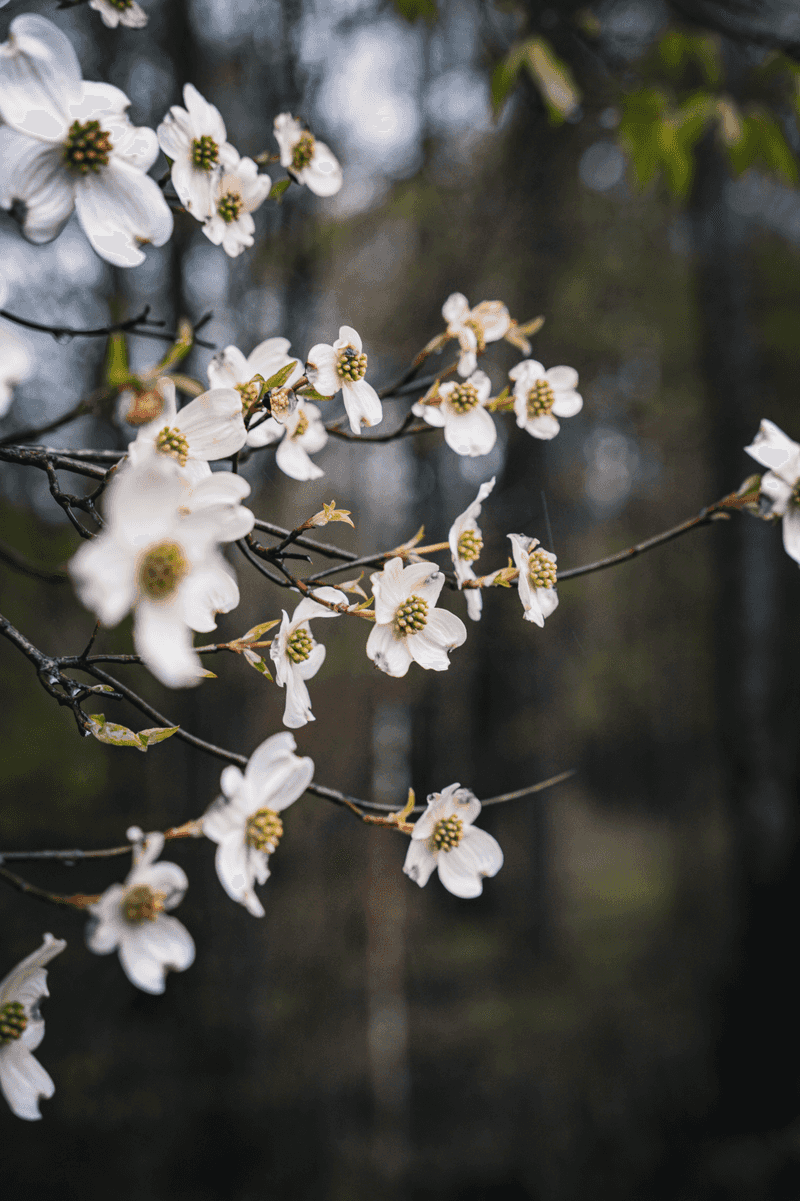
Dogwood is a long-time Southern favorite in Alabama. Those white spring blooms feel like old Southern tradition.
Flowering dogwoods are native to Alabama woods. They grow naturally under taller trees, so they like a little afternoon shade.
Morning sun with afternoon shade is the sweet spot. Too much hot sun can scorch the leaves in July.
Fall planting gives dogwoods a big head start. Their shallow roots need time to settle before summer heat arrives.
Plant them slightly high, with the top of the root ball just above ground. Dogwoods need well-drained soil and struggle in heavy clay.
If your soil is hard and red, loosen it well and work in a small amount of compost. Loose, rich soil supports healthy root growth.
Dogwoods stay small, usually 15 to 25 feet tall. That makes them great near patios, porches, or small yards.
In fall, the leaves turn deep red and purple. Bright red berries appear too, and songbirds eat them.
Many families plant a dogwood to celebrate a new baby or new home. Watching it bloom each April becomes a sweet yearly ritual.
Give your tree a deep drink once a week until winter rains arrive. Keep lawn mowers and trimmers away from the thin bark.
With good care and airflow, your dogwood can bloom for many years, though anthracnose can be a risk. Spring will feel extra special when those white blooms open.
4. Southern Magnolia Offers Big Blooms And Year-Round Green
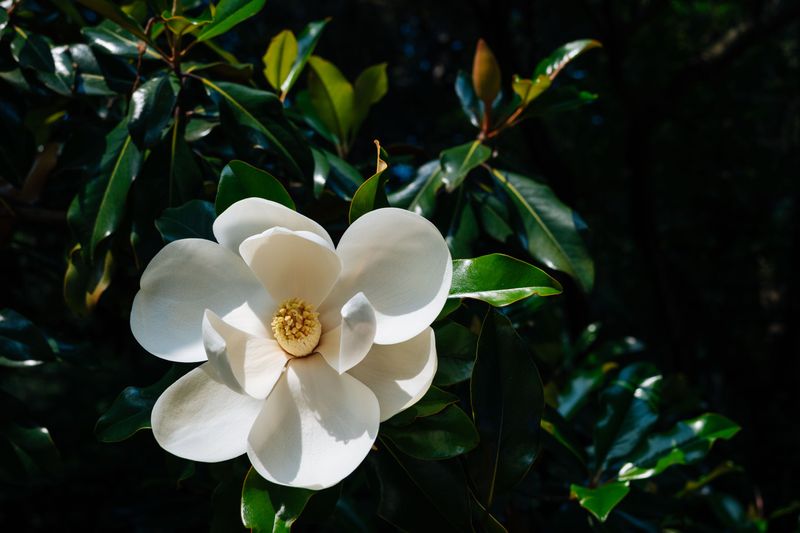
Magnolia blooms have a strong, pleasant fragrance. The flowers smell like lemon and sweet cream mixed together.
Southern magnolias are evergreen, so their glossy leaves stay green all year. That makes them perfect for privacy screens.
Alabama soil and weather suit these trees very well. They grow happily from the mountains in the north to the sandy coast.
October is a good month to plant a container-grown magnolia. The tree can grow roots all winter while its top stays calm.
Full sun gives the most flowers, though partial shade works too. Choose a spot with good drainage and room to spread.
Full-size magnolias can reach 60 feet or more. If your yard is small, try a compact type like Little Gem.
Little Gem tops out around 20 to 30 feet. It still gives you those big, creamy blooms without taking over.
Magnolias drop leaves year-round, which means regular cleanup. Many folks let the leaves stay under the branches as natural mulch.
Avoid planting grass right under the tree. Thick shade and roots make it hard for lawns to grow there.
Magnolias are among the oldest flowering plants on Earth. Beetles are still among their pollinators today.
Water your new magnolia often during its first year. Once settled, it will reward you with blooms for generations.
5. Wet Spots Meet Their Match In Bald Cypress
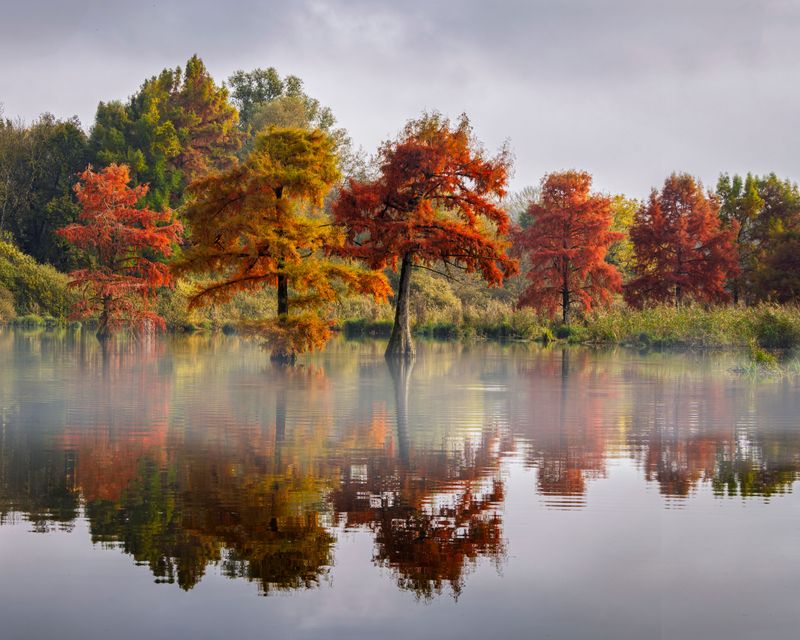
Have a wet corner where many plants struggle? A bald cypress might be the answer you have been hoping for.
These trees love water and grow wild in Alabama swamps and rivers. Yet they also do fine in normal yard soil.
That flexibility makes them adaptable. You can plant one near a pond or in a dry front yard.
Bald cypress has soft, feathery needles, but unlike a pine, it drops them each fall. They turn a rusty orange first.
That is where the name bald comes from. The tree goes bare each winter, then greens up again in spring.
Near water, some cypress trees grow knobby knees from their roots. These bumps poke up from the ground and look a bit like gnomes.
Plant in full sun for the best growth. Bald cypress grows fairly fast and reaches 50 to 70 feet tall.
October planting helps the roots grow strong before spring. Water weekly until the winter rains take over the job.
These trees resist strong winds well, which matters along the coast. Their wide root systems help them hold steady during storms.
Bald cypress can live for hundreds, even thousands, of years. Some ancient trees in the Southeast are older than most cities.
Planting one is like starting a living history book. Your tree could still stand long after your house gets a new roof or three.
6. Small Yards Get Pink Blossoms From Eastern Redbud
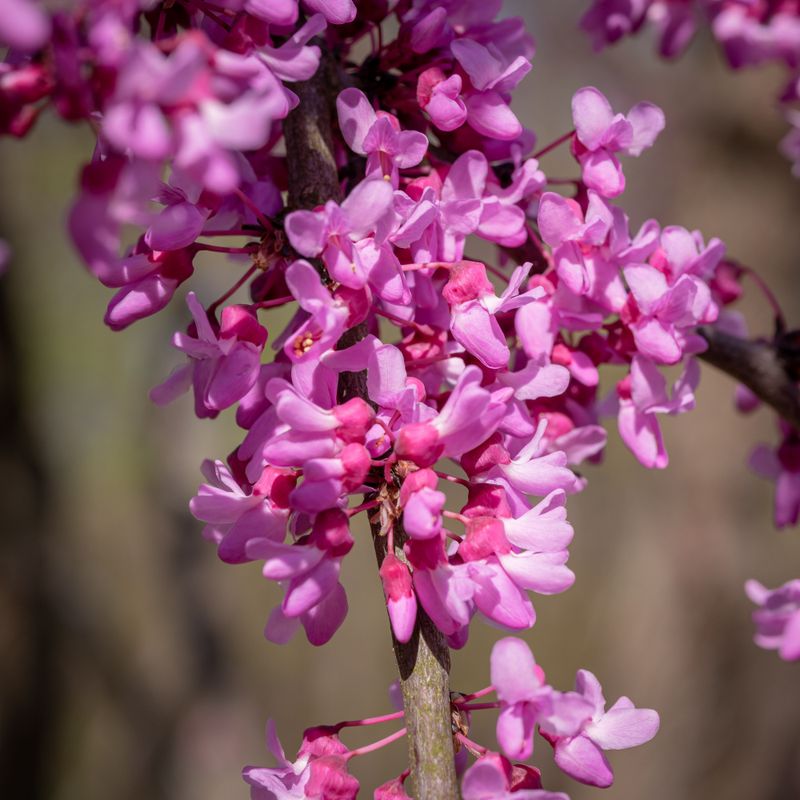
Early spring in Alabama often looks pink, and redbuds are the reason. Their bare branches burst with tiny purple-pink flowers.
The bloom shows up before most other trees wake up. It signals the end of winter. Redbuds are native, small, and easy to grow. Most reach about 20 to 30 feet, which suits small yards nicely.
Their heart-shaped leaves add charm all summer long. In fall, they turn a soft yellow color. Plant redbuds in full sun or light shade. They handle many soil types, including Alabama clay, as long as water drains.
Fall planting lets their roots settle before spring growth begins. That helps young trees establish.
Try newer varieties for extra flair. Forest Pansy has purple leaves, and some types weep downward like a fountain.
The flowers are edible too. Some people sprinkle them on salads for a pop of color and a slightly sour taste. Bees love redbud blossoms, especially early in the season. Your garden helpers will be busy.
Keep young trees watered through dry fall weeks. A ring of mulch helps protect the trunk from mower bumps.
Redbuds grow quickly at first, so you will not wait long for blooms. Many start flowering within just a few years.
7. Fig Trees Reward You With Sweet Homegrown Fruit
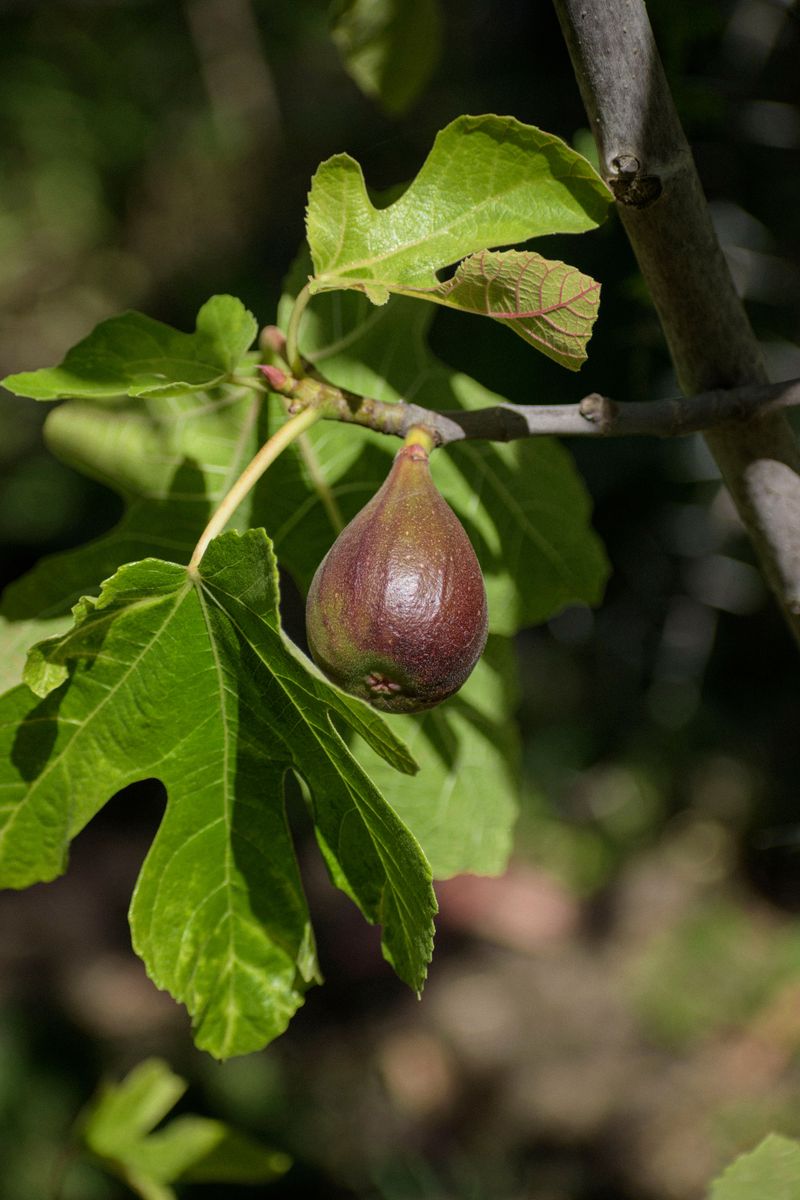
A backyard fig tree is a long-time tradition in many Alabama families. Summer mornings meant sneaking sweet figs straight off the branch.
Figs grow very well in central and south Alabama. They love heat and do not need much fuss. Celeste and Brown Turkey are popular picks for the South. Both handle humid weather and produce tasty fruit.
Plant your fig in a sunny spot near a south-facing wall if you can. The warmth helps protect it during cold snaps.
In north Alabama, winter cold can damage young fig branches. A thick layer of mulch around the base helps protect the roots.
In central and south Alabama, October planting gives the roots time to settle before spring growth. In the north, wait until late winter or early spring. Water weekly, but avoid soggy soil.
Figs grow into wide bushy trees, around 10 to 15 feet tall. You can prune them to stay smaller and easier to pick.
Many fig trees give fruit within two or three years. The harvest usually comes in mid to late summer. Birds love figs as much as people do. Some gardeners use light netting to save their share.
Fresh figs work well in jam, and they taste great in pies. Many Southern cooks guard their fig preserve recipes like treasure.
Once your tree settles in, it can feed your family for decades. That is a sweet return for one fall afternoon of digging.
8. Longleaf Pine Is A Proud Alabama Native
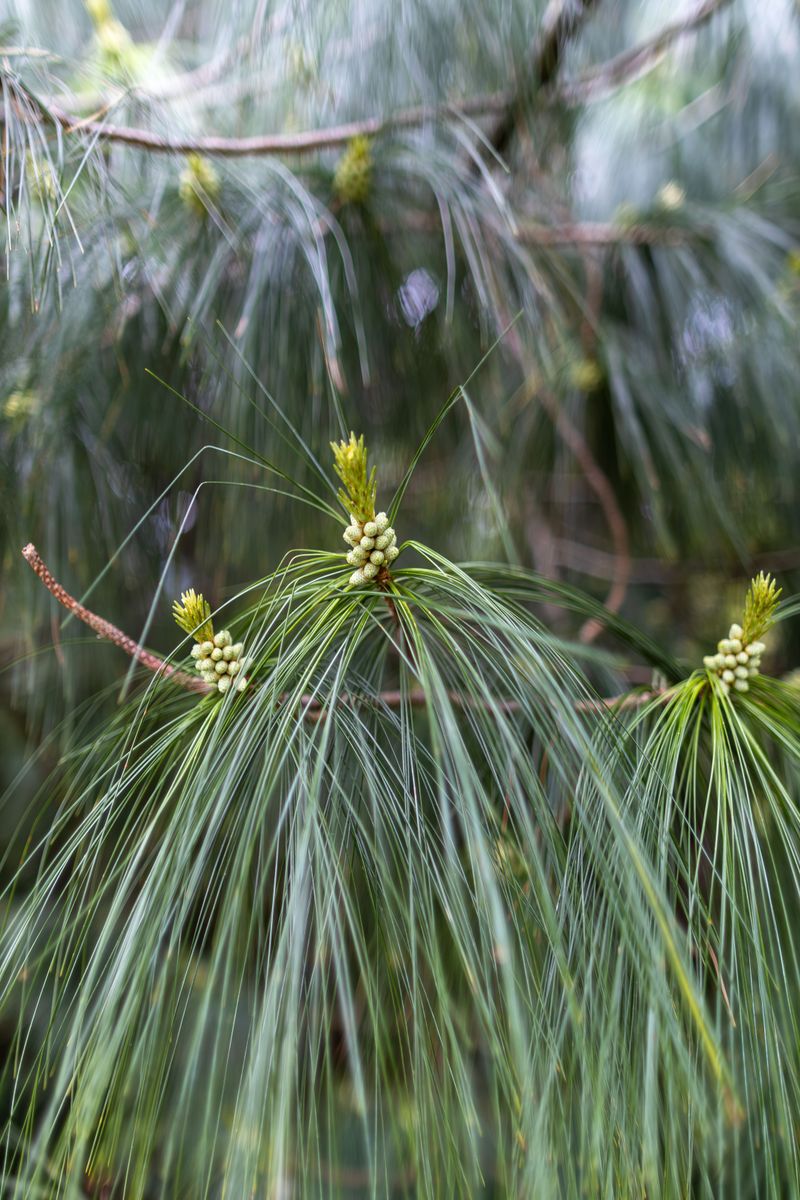
Alabama picked the longleaf pine as its official state tree for good reason. These pines once covered huge parts of the South.
Today, people are working hard to bring longleaf forests back. Planting one at home helps that effort in a small way.
Young longleaf pines go through a grass stage. For a few years, they look like a big clump of grass.
During that time, the tree grows deep roots underground. Then it suddenly shoots upward, sometimes several feet a year.
Longleaf pines have the longest needles of any eastern pine. They can grow over a foot long and look beautiful in sunlight. Plant in sandy or well-drained soil. These trees need full sun.
Late fall through winter is the usual window for planting seedlings. Check with the Alabama Forestry Commission for your area. Keep the bud just at ground level, not covered with soil.
Longleaf pines handle drought, heat, and storms better than many other pines. Their strong trunks bend instead of snapping in high wind.
Wildlife loves these trees too. Red-cockaded woodpeckers, gopher tortoises, and many birds depend on longleaf habitats.
The big pinecones make great fall decorations. Kids enjoy collecting them for crafts and holiday wreaths.
Growing a longleaf pine connects your yard to Alabama history. It is a living symbol of the state standing tall right outside your window.