Toxic Plants That Might Already Be Growing In Your Indiana Garden
Back in 1818, a plant growing in southern Indiana woods made the milk of local cows harmful to drink. Nancy Hanks Lincoln, the mother of Abraham Lincoln, fell sick from that milk in the fall of that year.
Some of the most harmful plants in our yards look a lot like harmless wild carrot or tidy parsley. I find it wild that a plant so common along Indiana roadsides can be confused with a salad herb.
Another sneaky trick involves plant sap that reacts with sunlight and leaves skin blistered for days after contact. You need to know that the burns can leave brown marks on your arms that last for months.
October is a smart month to walk your yard, since many of these plants still stand tall and visible. So how many of them have you already brushed past while raking leaves or pulling weeds this fall?
1. Your Fence Row Might Be Hiding Poison Hemlock
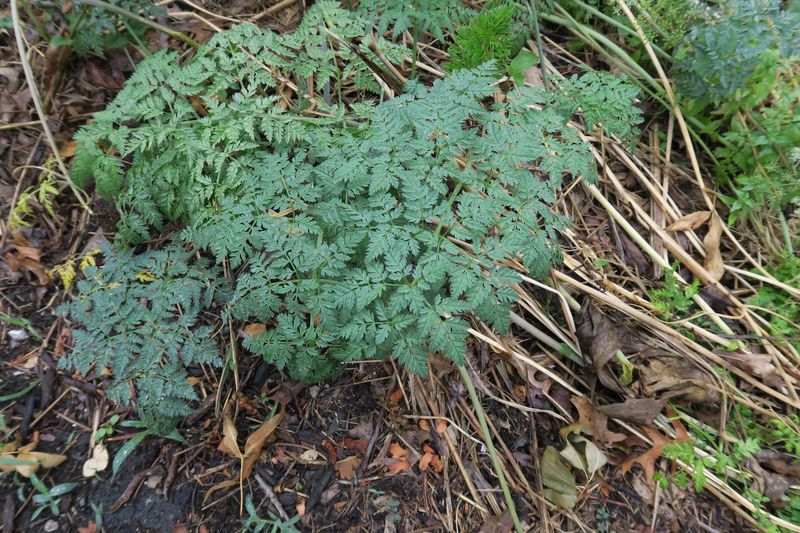
Poison hemlock is the plant that tops this list, and it grows widely across Indiana. Purdue Extension notes that every part of the plant contains alkaloids that can harm people, pets, and livestock.
Fence rows, ditches, and field edges suit it well, because mowers often skip those narrow, weedy strips. The plant is a biennial, so it spends its first year as a low clump of lacy green leaves.
In October, those first-year rosettes are easy to spot, since much of the surrounding grass has already slowed down. Look for smooth stems with purple blotches, which help separate poison hemlock from look-alikes such as wild carrot.
Leaves crushed between gloved fingers often give off a musty smell that some people compare to mice. The second-year plant can reach six to ten feet tall, with white umbrella-shaped flower clusters in late spring.
Fall is a great time to control young rosettes, because they are small and their roots are still shallow. Dig them out with a shovel, or ask your county extension office about herbicide options labeled for this weed.
Wear gloves, long sleeves, and eye protection while working, since toxins can enter through cuts or be swallowed accidentally. Bag the pulled plants and place them in the trash rather than the compost pile or a backyard burn barrel.
Check the same fence row again next spring, because seeds in the soil can sprout for several years. Steady attention over a few seasons usually reduces the patch until only a few stray plants pop up.
2. Overgrown Yard Edges Can Shelter Wild Parsnip
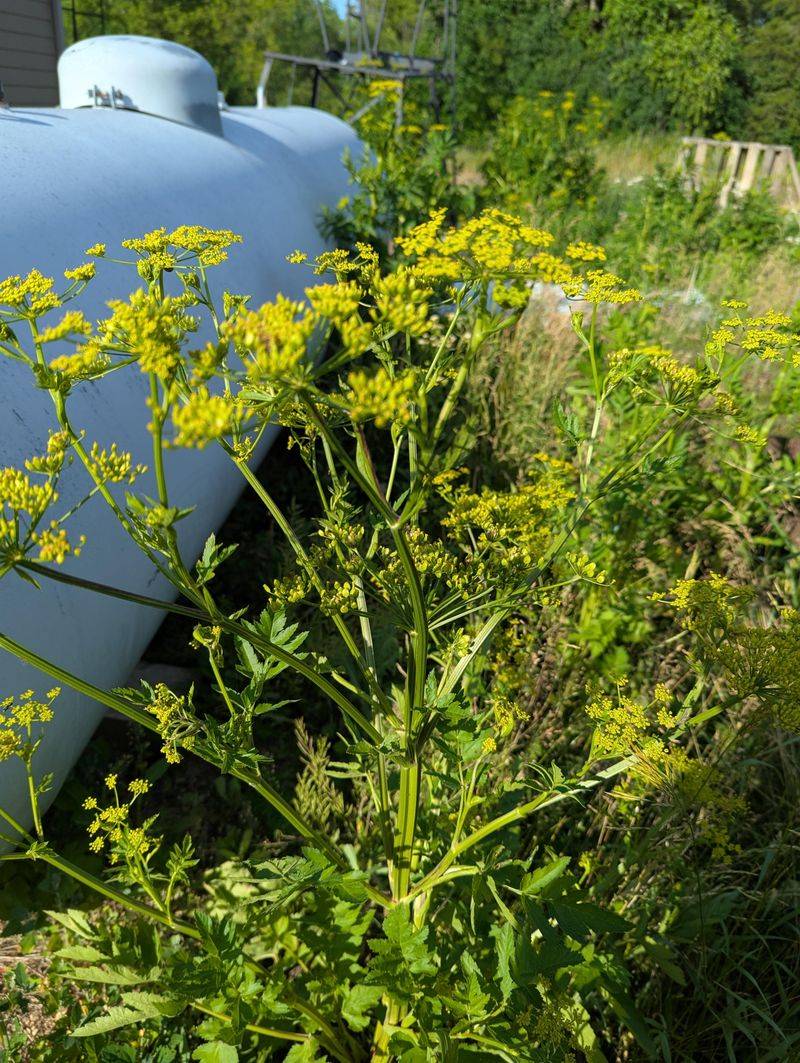
A single brush against wild parsnip on a sunny afternoon can leave a burn that looks like a scald. The sap contains chemicals called furanocoumarins, which react with sunlight and cause a skin reaction called phytophotodermatitis.
Indiana DNR lists wild parsnip as an invasive plant that spreads along roadsides, old fields, and unmowed yard edges. It belongs to the carrot family and produces flat clusters of yellow flowers in early summer rather than white.
By October, most flower stalks have turned brown, but the hollow stems can still hold sap inside them. First-year plants sit low to the ground as rosettes of toothed leaflets that resemble a celery plant’s leaves.
Your Indiana Garden Changes Every Week. Your Plan Should Too.
Gardening in Indiana changes quickly throughout the season. Every Friday you’ll receive a simple weekly plan showing exactly what to plant, prune, fertilize, harvest, and protect so you never miss the right timing.
Blisters often show up a day or two after contact, and they can leave brown patches for many months. If sap touches your skin, wash it with soap and water right away, then keep the area out of sunlight.
Fall is an ideal time to dig rosettes, since cooler weather makes long sleeves and gloves much more comfortable. Use a sharp spade to cut the taproot about one to two inches below the soil surface.
Purdue specialists suggest working on cloudy days when possible, because bright sun increases the chance of a skin reaction. Bag the plants, especially any with seeds, so you do not spread them to other parts of your yard.
Mowing yard edges regularly next year helps, though cutting can spray sap, so protective clothing still matters. Over time, steady digging and mowing often reduce a parsnip patch to a manageable handful of plants.
3. Shady Woods Near Your Yard May Grow White Snakeroot
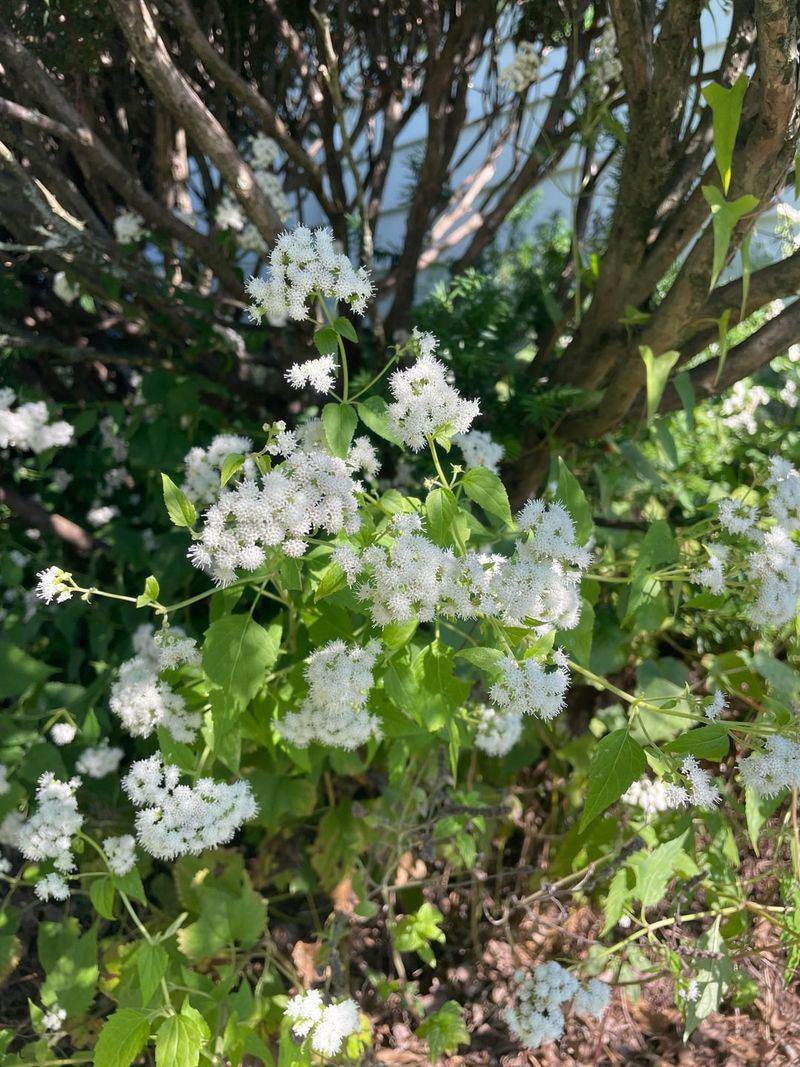
Pioneer families in Indiana feared a mystery illness called milk sickness, and white snakeroot turned out to be the cause. Cows that grazed the plant passed a toxin called tremetol into their milk, which then sickened the people drinking it.
That illness struck Nancy Hanks Lincoln in 1818, near the family’s home in Spencer County. Today, pasteurized milk from large dairies makes milk sickness rare, but the plant still harms grazing animals and horses.
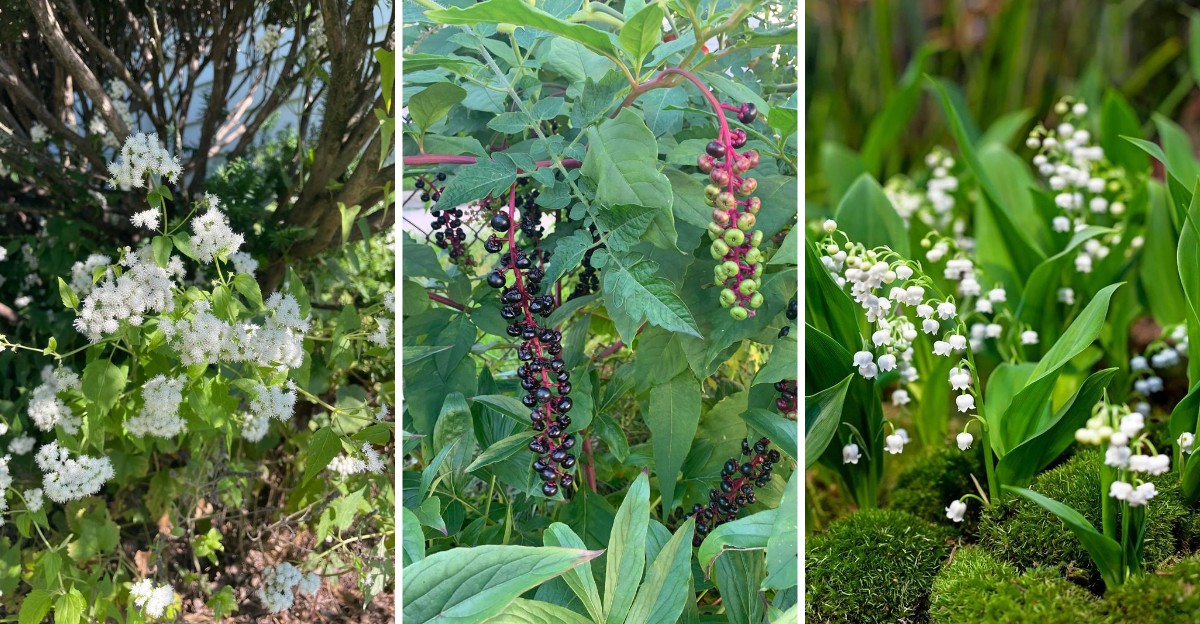
White snakeroot loves partial shade, so look along wooded lot lines, shady fence corners, and the edges of trails. October is prime viewing season, because the plant blooms from late summer into fall with fuzzy white flower clusters.
Leaves are oval with toothed edges, and they grow in pairs along stems that reach about three feet tall. Many gardeners mistake it for a harmless native aster, since both carry bright white blooms during the cooler months.
Pollinators do visit the flowers, so some native gardeners keep it in areas away from horses, goats, or cattle. If you keep small livestock, removing white snakeroot from pastures and nearby woods edges is a wise step this fall.
Pull plants by hand while wearing gloves, making sure to lift the shallow, fibrous root system along with the stem. Bag any flowering stems before seeds ripen and drift away on small, fluffy tufts carried by the autumn wind.
Your county extension office can help confirm identification if you are unsure what is blooming in the shade.
4. Those Purple Berries In Your Garden Corner Deserve A Second Look
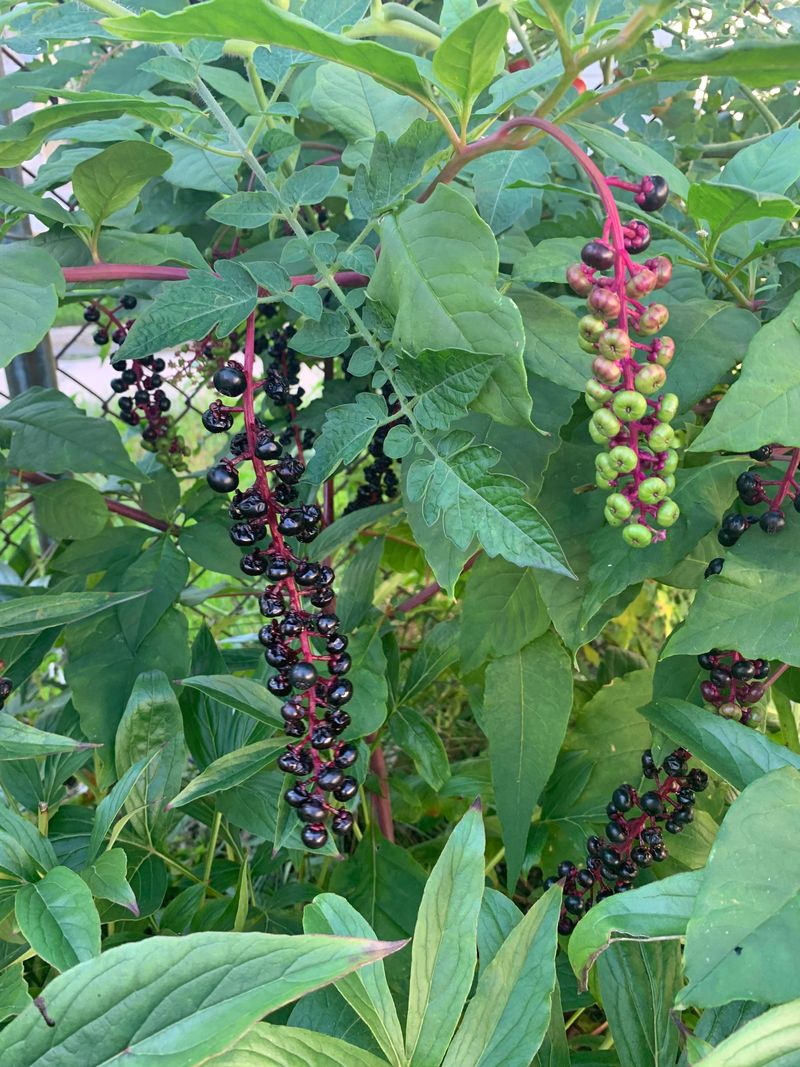
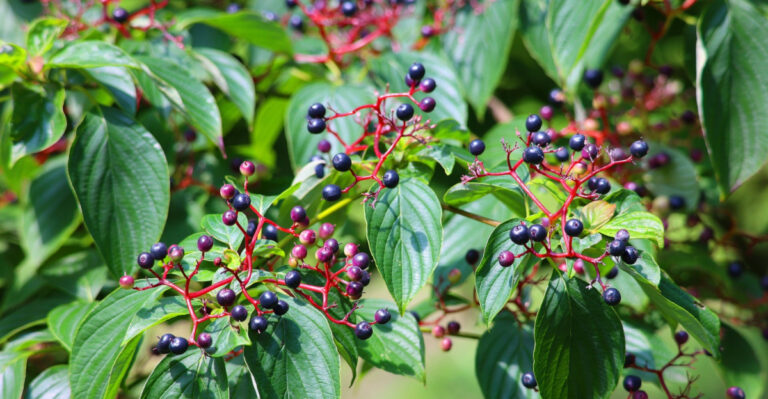
Kids love squishing pokeweed berries for purple ink, but those juicy clusters are toxic when eaten by people. Purdue and other extension sources report that the roots are the most toxic part, followed by mature leaves and stems.
Pokeweed is a native perennial that shows up in neglected garden corners, along fences, and beneath trees where birds perch. Birds eat the berries without trouble and drop the seeds, which explains how new plants appear in surprising places.
In October, the plant is hard to miss, with bright magenta stems and drooping clusters of dark purple berries. Mature plants can stand six to ten feet tall, and they often look more like a small shrub than a weed.
Eating the berries or roots can cause stomach pain, vomiting, and other symptoms that need a call to Poison Control. The national Poison Help line is 1-800-222-1222, and saving it in your phone is a helpful habit for families.
Fall cleanup is a fine time to remove pokeweed, since the large taproot is easier to dig from moist soil. Use a shovel or garden fork and lift as much of the white root as you can manage.
Wear gloves, since the sap can irritate skin, and keep the berries away from nearby children. Bag the berry clusters before tossing them, because loose fruit on the ground can sprout new plants next spring.
Some people keep pokeweed for wildlife, and that choice can work in a back corner far from play areas. Either way, teach kids to look but not taste, which is a simple rule that works for many plants.
5. Your Foundation Shrubs Could Be Hiding A Toxic Classic
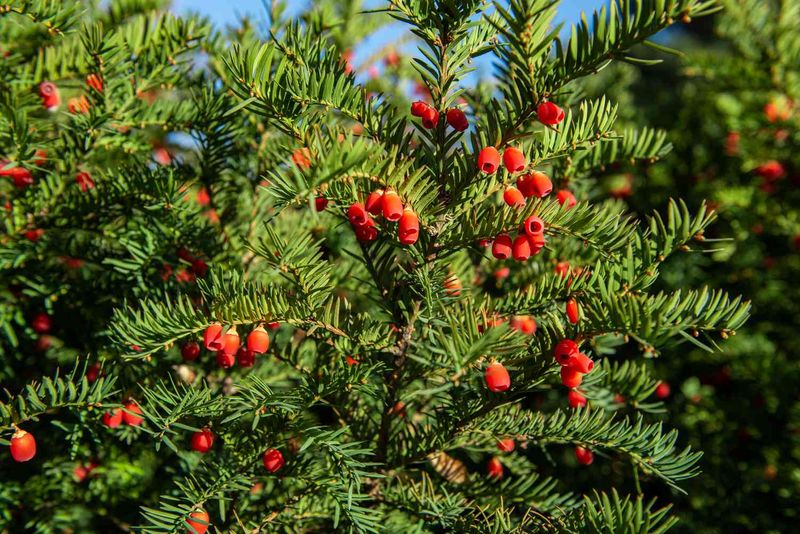
Plenty of Indiana homes have yew shrubs tucked along the foundation, and many owners have no idea they are toxic. The ASPCA and extension sources note that nearly every part of a yew contains taxine, which affects the heart.
Needles, bark, and seeds hold the toxins, while the fleshy red cup around each seed lacks them. That red cup still wraps around a toxic seed, so no part of the berry should be treated as a snack.
Fall is when those red berries stand out most against the dark green needles near your front steps. Kids may be tempted to pick them, so a quick conversation about garden safety can go a long way.
Horses, cattle, and goats are especially at risk, and even a small mouthful of clippings can harm them seriously. Dogs and cats can also get sick from chewing yew branches, so keep an eye on curious pets outside.
If you trim yews this fall, gather every clipping, since piles left near a pasture can tempt hungry livestock. Avoid tossing branches over a fence line, because neighbors with animals may not realize what has landed in their field.
You do not need to remove healthy yews, especially if your household has no grazing animals or very young children. Some families choose to replace them over time, after checking a new shrub’s safety with their extension office.
Keep the Poison Control number, 1-800-222-1222, on the fridge where babysitters and visiting relatives can find it quickly. Your veterinarian is the right call for pets, so add that number to the same list as well.
6. Your Pretty Foxglove Carries A Powerful Secret
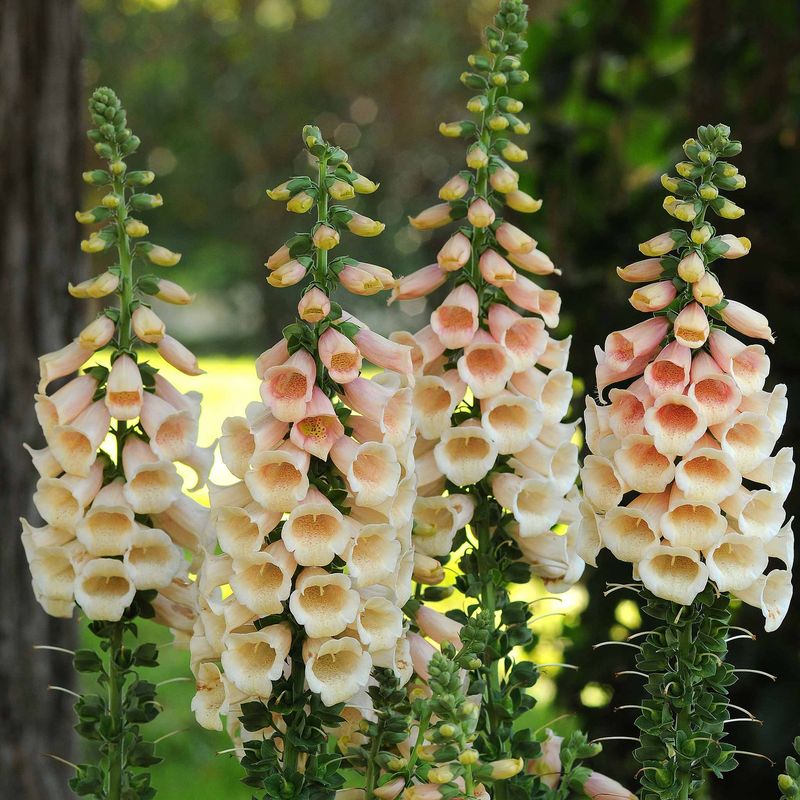
Foxglove has a long history in medicine, since heart medicines such as digitalis and digoxin come from plants in the Digitalis genus. That same power makes the plant toxic to people and pets when any part of it is chewed or swallowed.
Many Indiana gardeners grow foxglove for its tall spikes of spotted, bell-shaped flowers in pink, purple, and white. It is usually a biennial, which means it forms a leafy rosette one year and blooms the next summer.
In October, you may only see fuzzy, gray-green leaves near the ground, which can look like comfrey or lamb’s ear. That resemblance matters, because people have accidentally eaten foxglove leaves after mistaking them for a harmless herb.
Symptoms can include nausea, an upset stomach, and changes in heart rhythm that need quick medical help from professionals. Pets that chew the leaves may drool or vomit, so call your veterinarian if you suspect your dog nibbled some.
Fall is a smart time to move foxglove rosettes away from play areas, vegetable rows, and herb patches. Keep the plant toward the back of the border, where its height shows off well and little hands rarely reach.
Wear gloves while dividing, weeding, or transplanting, and wash your hands before snacking or touching your face afterward. Remove spent bloom stalks before seeds scatter if you want fewer surprise seedlings popping up near the garden path.
Foxglove can stay in a family garden with some planning, since the flowers feed bumblebees in early summer. Clear labels on plant markers also help visitors and young gardeners know which plants are for looking only.
7. Sweet Little Bells Can Spread Through Your Shady Ground Cover
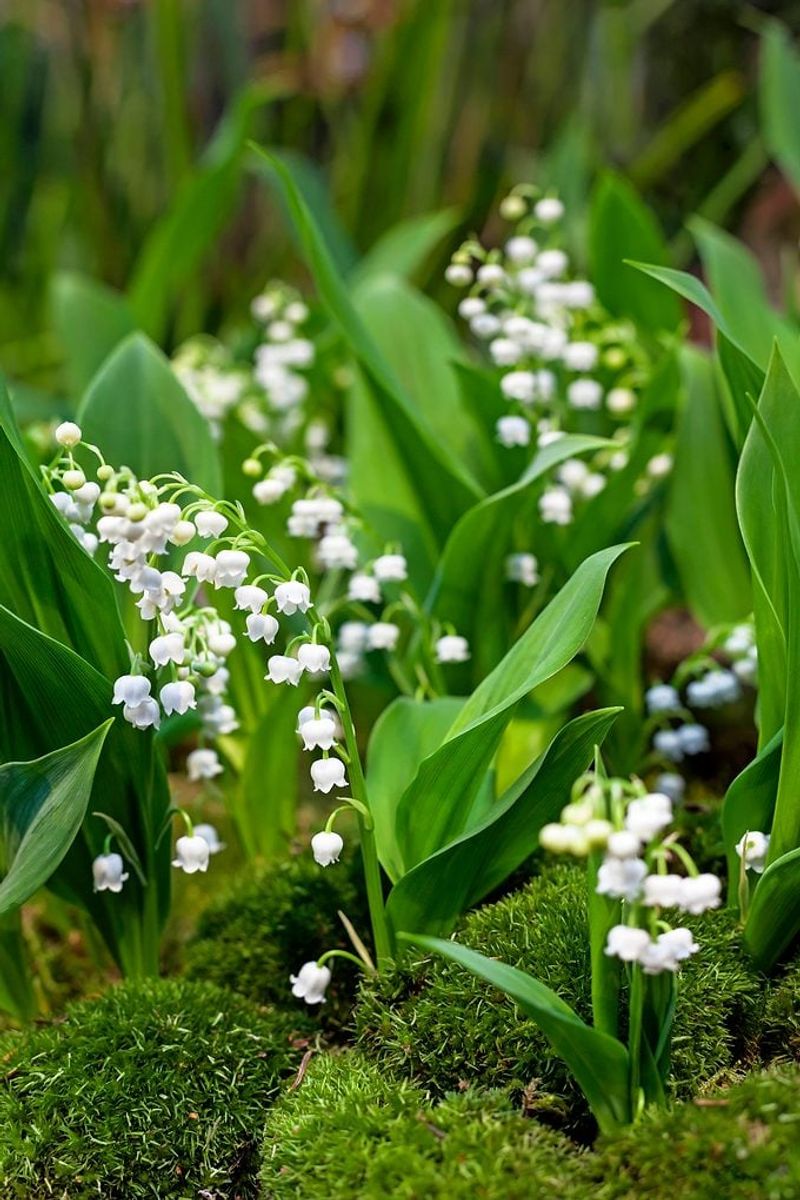
Lily of the valley smells lovely in a May bouquet, but the whole plant contains compounds called cardiac glycosides. These chemicals affect heart rhythm, which places this tiny woodland flower in the same toxic group as foxglove.
Older Indiana neighborhoods often have big patches of it under trees, near porches, and along shady north walls. The plant spreads by underground stems called rhizomes, so a small clump can become a thick carpet over years.
By October, the broad leaves turn yellow and tan, and some plants hold small round berries that ripen orange-red. Those berries can catch a child’s eye during fall yard work, so take a moment to check your shady beds.
The ASPCA lists lily of the valley as toxic to dogs and cats, with risks to heart health after chewing. Even water from a vase holding the flowers may cause problems, so place spring bouquets where pets cannot drink.
Fall is a practical time to thin crowded patches, since fading foliage makes the rhizomes easy to reach. Lift sections with a garden fork, then bag them for the trash instead of sharing with pet owners.
Some gardeners replace patches near play areas with native ground covers like foamflower or woodland sedges for shade. Your local extension office or a native plant nursery can suggest choices that suit shady spots in your region.
Gloves are a smart idea during this job, since the plant juices can irritate sensitive skin for some people. A little fall effort now means fewer berries to worry about when the patch wakes up next spring.
8. Bulbs You Plant This Month Deserve A Safety Check
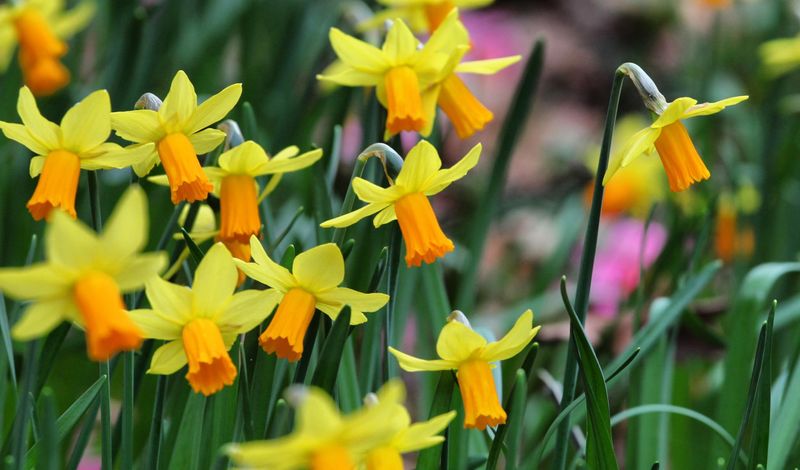
October is prime planting time for daffodil bulbs in Indiana, and many gardeners tuck dozens into beds each fall. Every part of the daffodil is toxic, but the bulb holds the highest amount of a compound called lycorine.
Dogs that dig up freshly planted bulbs can end up with vomiting, drooling, and stomach pain, according to the ASPCA. Larger amounts may cause heart rhythm changes or breathing trouble, so a quick vet visit matters if digging happens.
People get sick too, often when a daffodil bulb is mistaken for an onion and stored in the kitchen. Keep bags of bulbs labeled and stored in the garage or shed, away from cooking supplies and curious pets.
Plant bulbs about six inches deep, which suits daffodils and protects them during the coming winter months. Laying chicken wire over a fresh bed for a few weeks can also slow down dogs that love to dig.
Wear gloves while planting, since the sap can cause a rash some florists call daffodil itch on sensitive skin. Wash your hands well afterward, especially before eating, because traces of the sap can transfer from fingers to food.
Daffodils do have one helpful trait, since deer and rodents usually leave them alone because of that same toxin. That makes them a solid choice for gardens with heavy deer pressure, as long as pets and kids stay supervised.
Mark the planting spots with small stakes so you do not dig into the bulbs while working next spring. A little planning this month keeps your spring color bright and your yard a safer place for everyone.