This Is the Best Time to Plant Trees in Virginia, and It’s Right Now
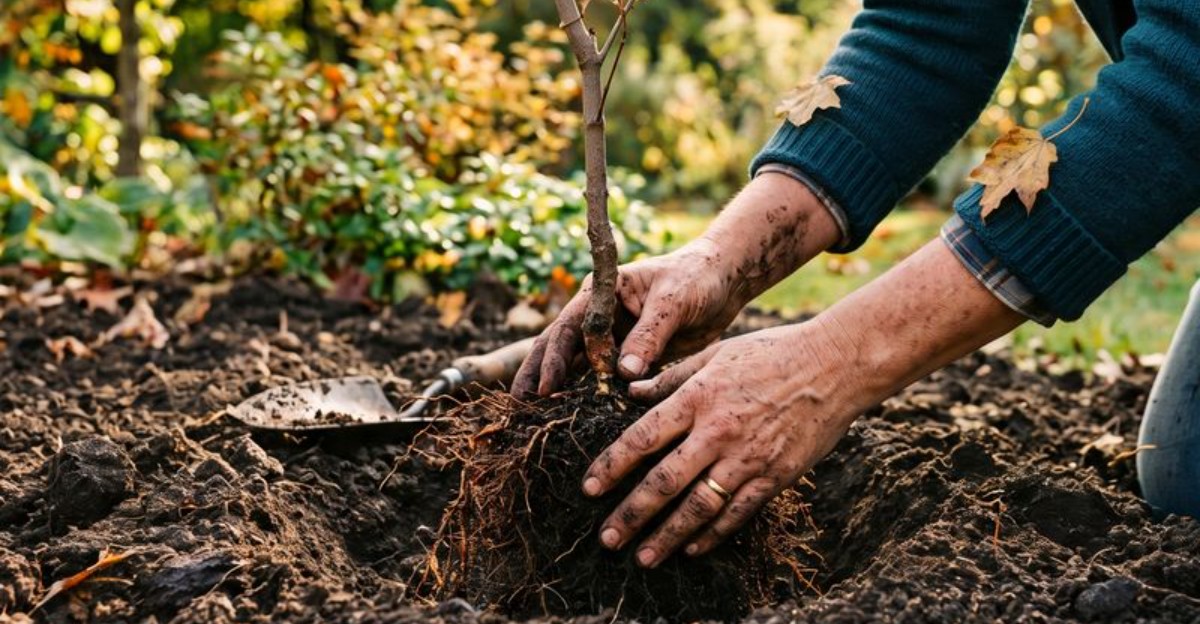
Tree roots can keep growing in soil as cool as 40 degrees. The branches above might look sleepy, but the action below is far from over.
That detail changed how I garden. The air turns crisp right now across Virginia. The ground still holds a good chunk of summer heat.
I love how a young tree can quietly settle in during these weeks. You get to skip the brutal July watering marathon. Your new tree gets months to build a sturdy base before the hot season returns.
Personally, I think this window is the most underrated part of the gardening year. The leaves are putting on a show overhead. So what exactly is happening down in the dirt this month?
Something Big Is Happening Under Your Feet Right Now
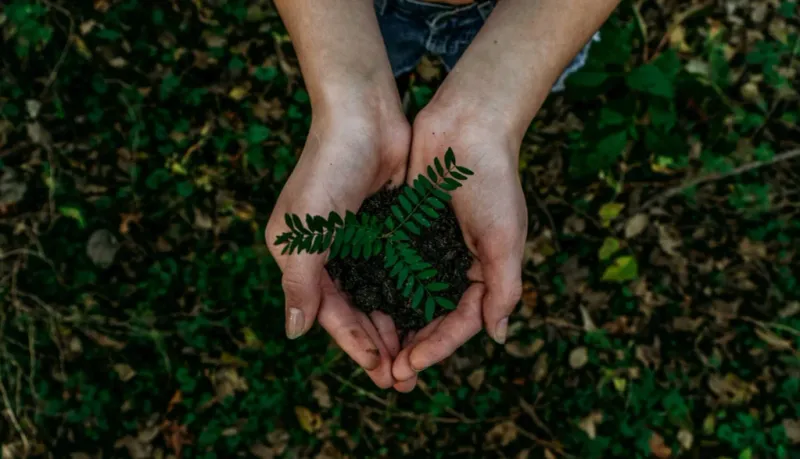
Most people rake leaves in October and call it a season. Meanwhile, the soil is busy hosting one of the best growth spurts a young tree will ever get.
Above ground, trees slow down in fall. They stop pushing out new leaves and shoots.
That frees up energy for something else, and roots happily take it.
Roots do not follow the same schedule as branches. They can keep stretching out as long as the soil stays above roughly 40 degrees.
In much of Virginia, that often lasts well into December and sometimes beyond.
So a tree planted now is not just sitting around waiting for spring. It is reaching into new soil, making fine root hairs, and getting cozy with its surroundings.
By the time buds open next year, it has a real head start.
I find this part fascinating. You cannot see any of it, yet it shapes how well your tree handles its first summer.
A tree planted in spring has to grow roots and leaves at the same time. A fall tree gets to focus on one job first, and that makes a huge difference.
Cool Air and Warm Soil Give Your Tree an Easy Start
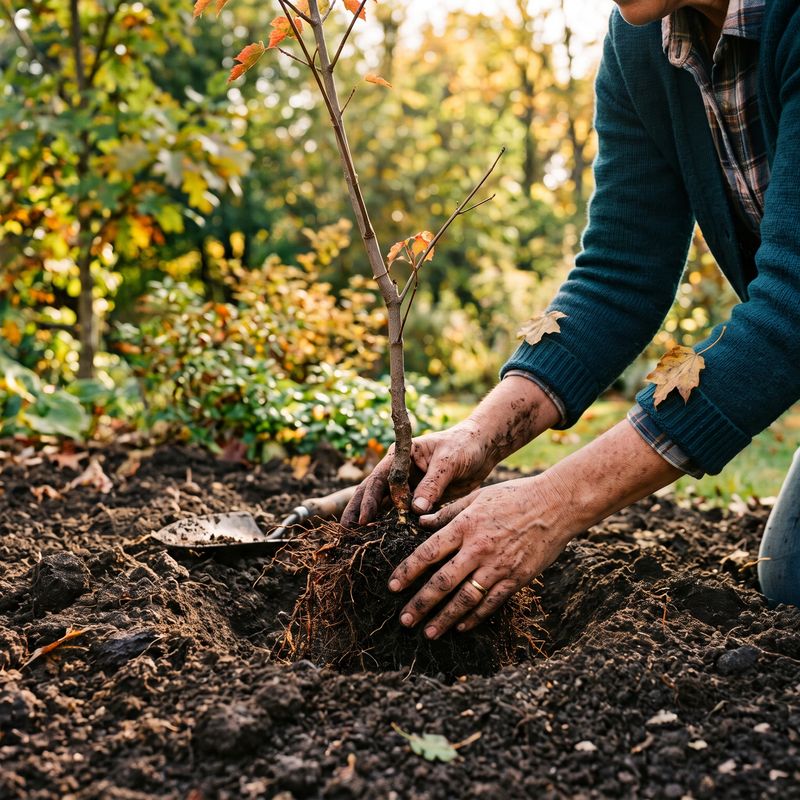
Moving day is rough for trees. Digging, shipping, and replanting all cause stress known as transplant shock.
Fall conditions soften that blow in a big way.
Cooler air means leaves lose less water through evaporation. The tree does not have to scramble to pull moisture from roots that are still getting settled.
Shorter days and gentler sun also help it relax.
Meanwhile, the soil is a different story. It warms up slowly over summer and cools slowly in fall.
That leftover warmth keeps roots active and growing, almost like a heated blanket for the root ball.
Rain also tends to be steadier in autumn across much of the state. Fewer heat waves mean you water less often.
Your tree spends less energy on survival and more on building its root system.
Spring planting can work too, but it comes with a catch. Soil is still chilly early in the year, and summer heat can arrive fast.
Fall flips that order, giving roots a warm start and leaves a cool break. Honestly, it feels like the season was designed with new trees in mind.
Your Virginia Garden Changes Every Week. Your Plan Should Too.
Gardening in Virginia changes quickly throughout the season. Every Friday you’ll receive a simple weekly plan showing exactly what to plant, prune, fertilize, harvest, and protect so you never miss the right timing.
Strong Roots Now Mean a Tougher Tree Next Summer
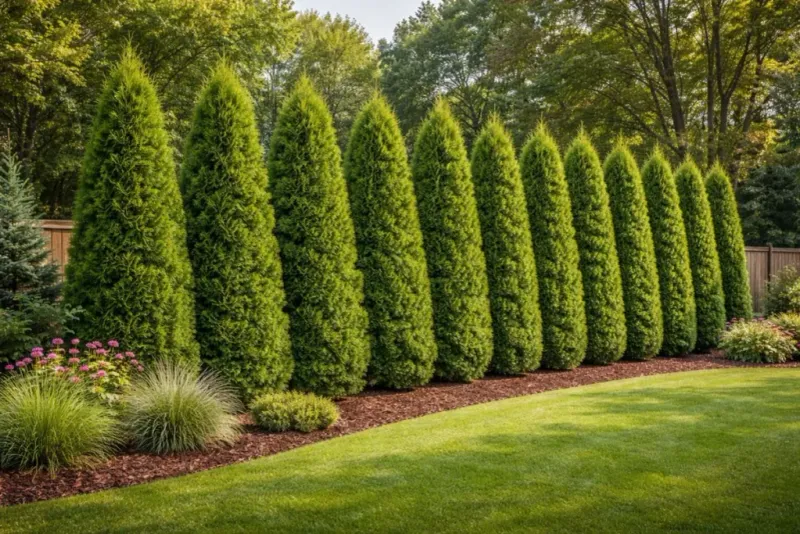
Last July, my spring-planted dogwood drooped every afternoon. My fall-planted redbud next to it barely flinched.
That side-by-side lesson stuck with me.
Summer is the hardest test a young tree faces. Virginia summers bring heat, humidity, and dry spells that can stretch for weeks.
A tree with a small root system struggles to keep up with the water its leaves demand.
Fall planting gives roots several extra months to spread out. By next June, those roots reach more soil, find more moisture, and anchor the tree more firmly.
Leaves stay perky and the trunk stays steady in storms.
Think of it like training before a race. The runner who started months earlier usually handles the hot miles better.
Your tree works the same way.
There is a bonus too. A well-rooted tree is often less bothered by pests and disease, since stress makes plants an easier target.
You will likely spend less time hauling hoses and worrying. Instead, you can enjoy watching it grow.
A little patience in autumn tends to pay off when the thermometer climbs.
Mark Your Calendar for This Sweet Planting Window
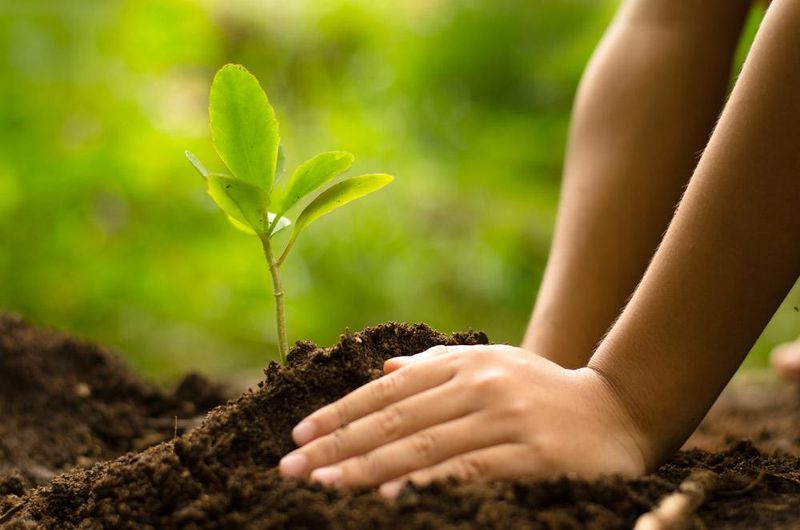
Timing is everything, and the sweet spot is pretty generous. Across most of the state, mid-September through early November works best for planting trees.
Location still matters, though. Virginia stretches from cool mountain valleys to the mild coast.
Zones run from about 5b in the high western counties to 8a near the shore.
Out in the mountains, aim for the earlier part of the window. The ground cools sooner there, so late September through mid-October is a smart target.
In the Piedmont, October is a great month to dig.
Down in Hampton Roads and the Eastern Shore, you have more wiggle room. Soil stays warm longer, so planting into November often works fine.
A simple rule helps. Try to plant at least six weeks before the ground freezes.
That gives roots time to grip the soil before winter slows everything down.
If you are reading this in October, you are right on schedule. Visit a local nursery soon, since fall sales often bring good deals on trees.
Waiting too long can shrink your options and squeeze that precious root-growing time.
How You Dig the Hole Matters More Than You Think
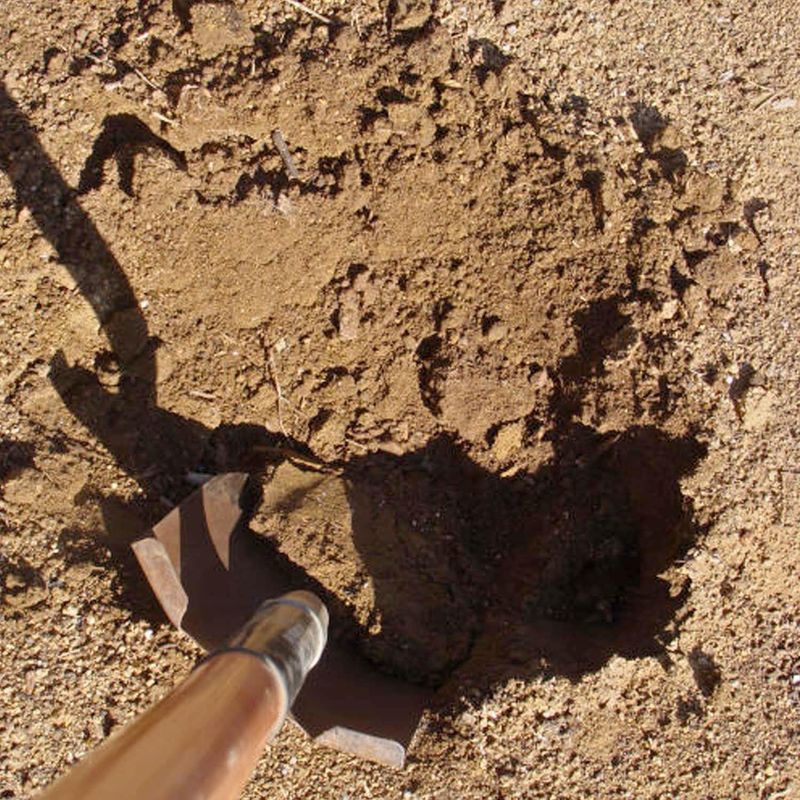
Deep holes feel right, but they cause plenty of trouble. Trees actually prefer a hole that is wide and fairly shallow.
Start by finding the root flare. That is where the trunk widens out at the bottom.
It should sit at ground level or slightly above it once planted. Burying it too deep is one of the most common mistakes, and it can slowly weaken the tree.
Dig the hole two to three times wider than the root ball. Keep the depth no deeper than the root ball itself.
Roots love spreading sideways into loose soil.
Next, remove any wire, twine, or plastic. Pull burlap away from the top of the root ball.
If roots circle the pot, gently tease them apart or make a few shallow cuts.
Fill the hole with the same soil you dug out. Extension experts at Virginia Tech suggest skipping heavy amendments, since roots may stay put in rich backfill instead of exploring.
Firm the soil lightly with your hands to remove big air pockets. Then give it a slow, deep drink to help everything settle.
A Little Aftercare Goes a Long Way
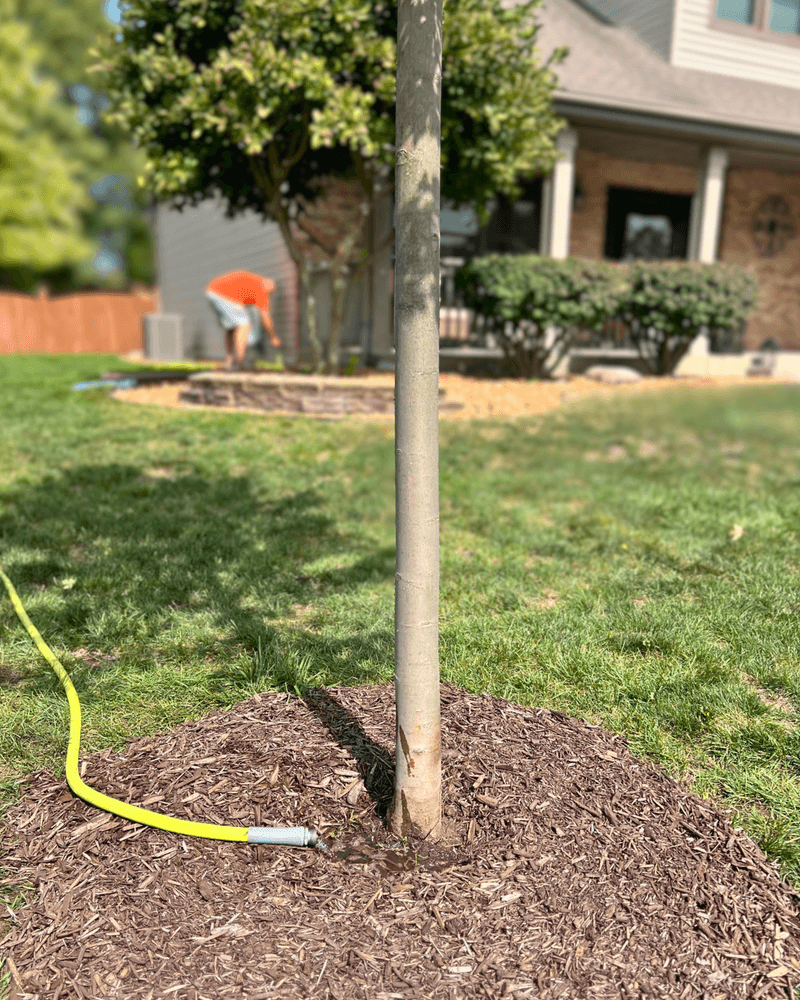
Planting day feels like the finish line. In reality, the next few months decide how well your tree settles in.
Water comes first. Give your tree a deep soak about once a week if rain is scarce.
Roughly 10 gallons works well for many young trees. Keep it up until the ground freezes, and check again during dry winter spells.
Mulch is your next best friend. Spread two to three inches of wood chips or shredded bark in a wide circle.
Keep it a few inches away from the trunk. Piling mulch against the bark, often called a mulch volcano, can invite rot and pests.
Skip the fertilizer for now. A newly planted tree needs to grow roots, not a burst of leafy growth.
Fertilizer can wait until a soil test shows a need.
Staking is often unnecessary. Only stake if your site is very windy or the tree leans badly, and remove stakes within a year.
If deer roam your neighborhood, a trunk guard or small fence can protect bark from antler rubbing this fall.
Native Picks Make Your Yard Feel Like Home
Flowering dogwood is the official state tree, and for good reason. It handles local soil, feeds birds with its red berries, and puts on a lovely spring show.
Native trees often thrive with less fuss because they evolved here. They also support butterflies, caterpillars, and songbirds far better than many imported species.
One native oak can host hundreds of caterpillar species, which feed baby birds.
Some great options include eastern redbud, red maple, white oak, blackgum, serviceberry, and American holly. River birch is lovely for damp spots.
Sweetbay magnolia works nicely in smaller yards with moist soil.
Skip invasive trees like Bradford pear, tree of heaven, and princess tree. They spread aggressively and crowd out native plants.
The Virginia Department of Conservation and Recreation keeps a helpful list of species to avoid.
Before buying, check your sun, soil, and space. Look up the mature height and width, then keep trees away from power lines and foundations.
Your local extension office can test soil and suggest a good match. Choose wisely now, and that tree may shade your porch for decades.