8 Trees That Plant Best in Virginia in Late Fall, Not Spring
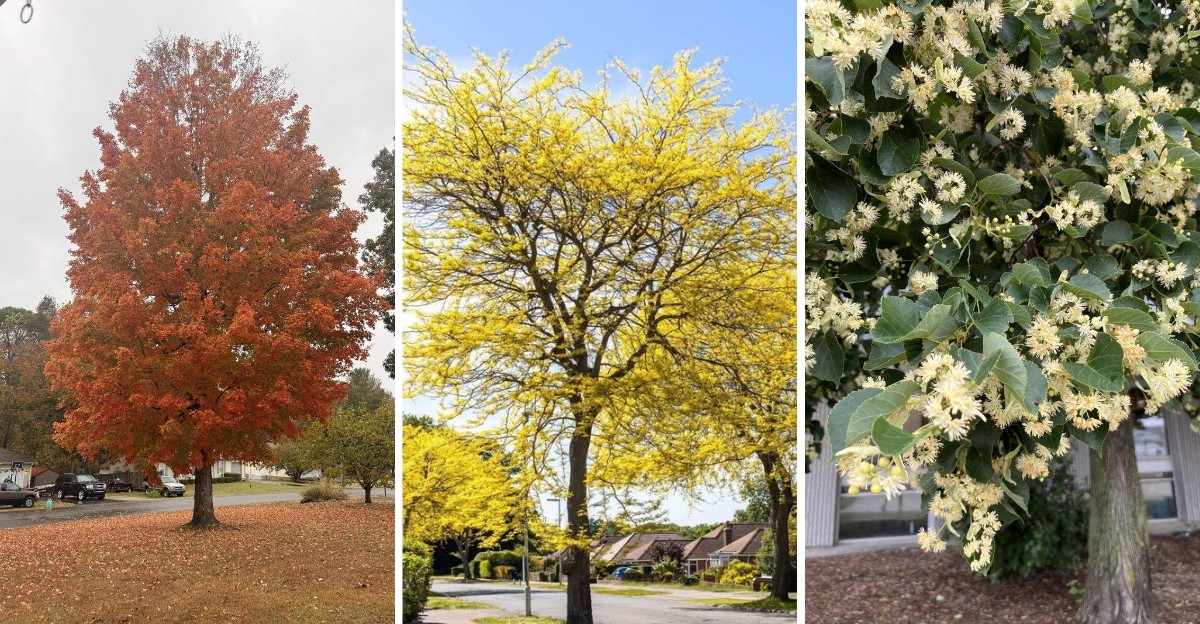
Tree roots can keep growing underground in soil above roughly forty degrees, long after the branches look asleep. That quiet underground work is the secret reason many experts prefer planting certain trees once the leaves drop.
Virginia Cooperative Extension points out that cool fall air eases stress on new trees while warm soil encourages roots. Spring planting skips that head start, so young trees face summer heat with shallow, unsettled root systems.
Take it from someone who once planted a sapling in May and watered it nervously through a scorching July. Looking back, I should have waited for chilly October mornings and let autumn rain handle that job.
Not every tree loves fall planting, and a few famous favorites actually do better in spring instead. So which tough, easygoing trees deserve a shovel and a sunny spot before the ground turns hard and cold?
1. Red Maple
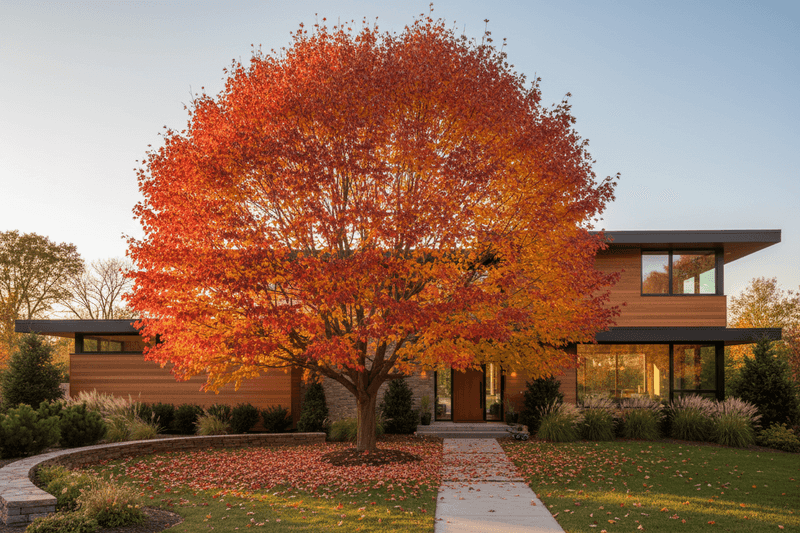
Tiny red flowers often appear on red maple branches in late winter, months before most trees even wake up. I love spotting them against gray skies, and the early bees seem just as thrilled as I am.
Acer rubrum grows wild across most of Virginia, from swampy lowlands to dry mountain ridges, which shows its flexibility. Extension specialists rank it among the easiest native trees to transplant, so it handles fall planting with very little fuss.
Expect a mature height around forty to sixty feet, with a rounded crown that offers welcome summer shade. Fall color varies from tree to tree, so shop for named cultivars like October Glory or Red Sunset.
Planting after leaf drop lets the shallow, spreading roots stretch into warm soil while the top rests quietly. Dig a hole about twice as wide as the root ball, but no deeper than the ball itself.
Slightly acidic soil keeps leaves green, while alkaline ground can cause yellowing known as iron or manganese chlorosis. Wet spots rarely bother this maple, which earned it the nickname swamp maple in many old field guides.
Between you and me, the surface roots can lift sidewalks, so give it plenty of room away from pavement. A spot at least fifteen feet from driveways and foundations keeps everyone happy for decades to come.
Spread two to three inches of mulch in a wide ring, keeping it a few inches off the trunk. Water deeply every week or so until the ground freezes, then let winter rain take over the job.
2. Sugar Maple
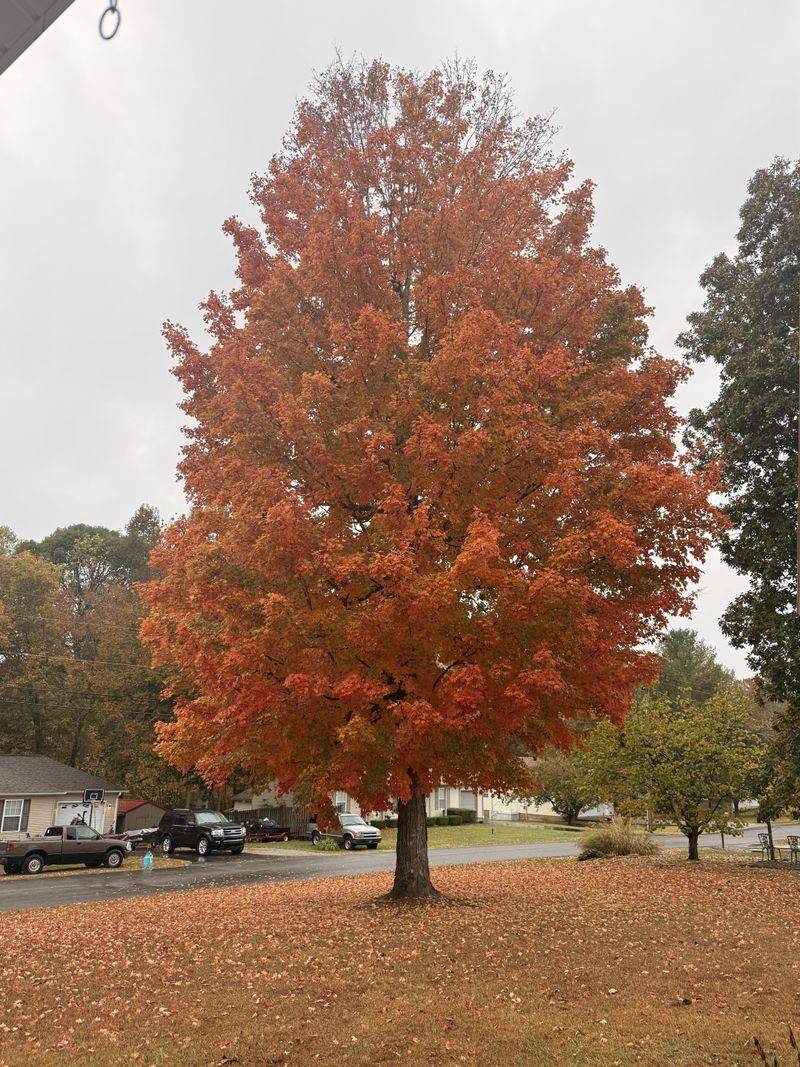
Highland County holds a maple festival each March, and sugar maples are the reason those pancake breakfasts taste so sweet. Watching steam rise from those sugar shacks made me want a sugar maple of my own right away.
Acer saccharum grows best in cooler areas, so the mountains and Piedmont suit it better than the hot coastal plain. Gardeners near the coast might find it sulks in summer heat, and a red maple could serve them better.
Mature trees usually reach sixty to seventy-five feet tall, with a dense oval crown that casts deep shade. Autumn brings blazing orange and gold leaves, a show many people consider the finest fall color in America.
Fall planting gives this maple a calm stretch to grow roots before facing its first hot, demanding summer. My garden taught me that a slow-growing tree rewards patience, especially when its roots settle in early.
Choose deep, fertile, well-drained soil with steady moisture, since compacted clay or soggy ground leads to decline. Road salt also bothers sugar maples, so keep them away from streets that get treated during icy winters.
Set the root flare level with the soil surface, because burying the trunk invites rot and girdling roots. Loosen circling roots gently with your fingers before backfilling the hole with the same native soil you removed.
Skip fertilizer at planting time, since new roots need moisture and oxygen more than extra feeding right now. A deep weekly drink through late fall keeps the soil from drying out before winter dormancy truly sets in.
3. Swamp White Oak
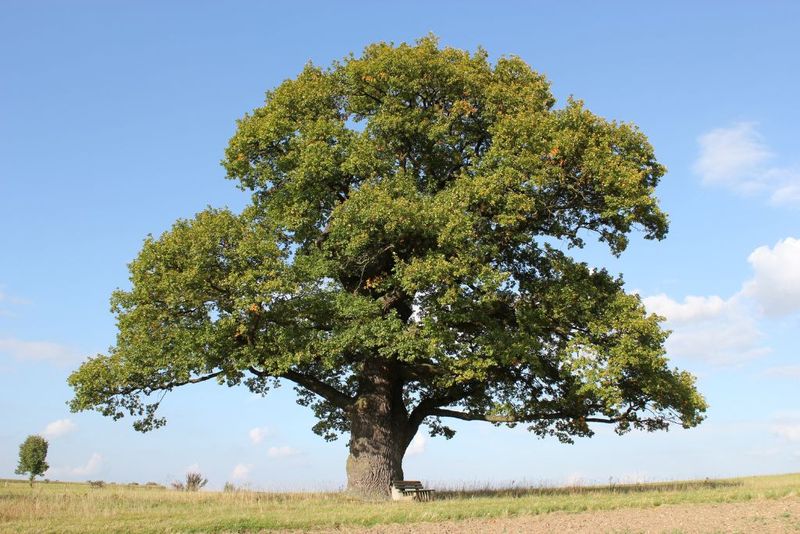
Flip a swamp white oak leaf over and you will find a silvery underside, which explains the scientific name Quercus bicolor. On breezy days the whole canopy shimmers green and silver, and I could watch it for hours.
Most oaks grow a deep taproot that makes moving them tricky, but this one has a shallower, fibrous root system. That trait helps it transplant more easily than many relatives, which makes autumn planting a smart, low-stress choice.
Mature height usually lands between fifty and sixty feet, with a broad rounded crown and handsome flaky bark. Despite the name, it handles both soggy low spots and drier summer stretches once its roots get established.
For what it’s worth, oaks host hundreds of caterpillar species, according to research from entomologist Doug Tallamy. Those caterpillars feed nesting songbirds, so one oak can turn your backyard into a busy bird cafeteria.
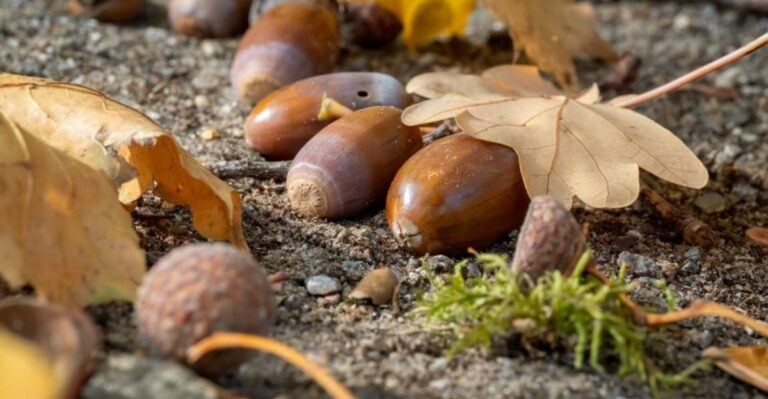
Acorns sit on long, slender stalks, which is a handy trick for identifying this species on autumn walks. Blue jays and squirrels gobble them up quickly, often burying extras that sprout into new seedlings.
Pick a sunny spot with slightly acidic soil, because alkaline ground can turn the leaves pale and yellow. Give it plenty of elbow room, since a mature crown can spread nearly as wide as it grows tall.
Water deeply once a week through fall whenever rain runs short, then ease off after the ground freezes solid. Expect steady growth in spring, when those fall-grown roots help the young oak push out fresh leaves with confidence.
4. American Linden
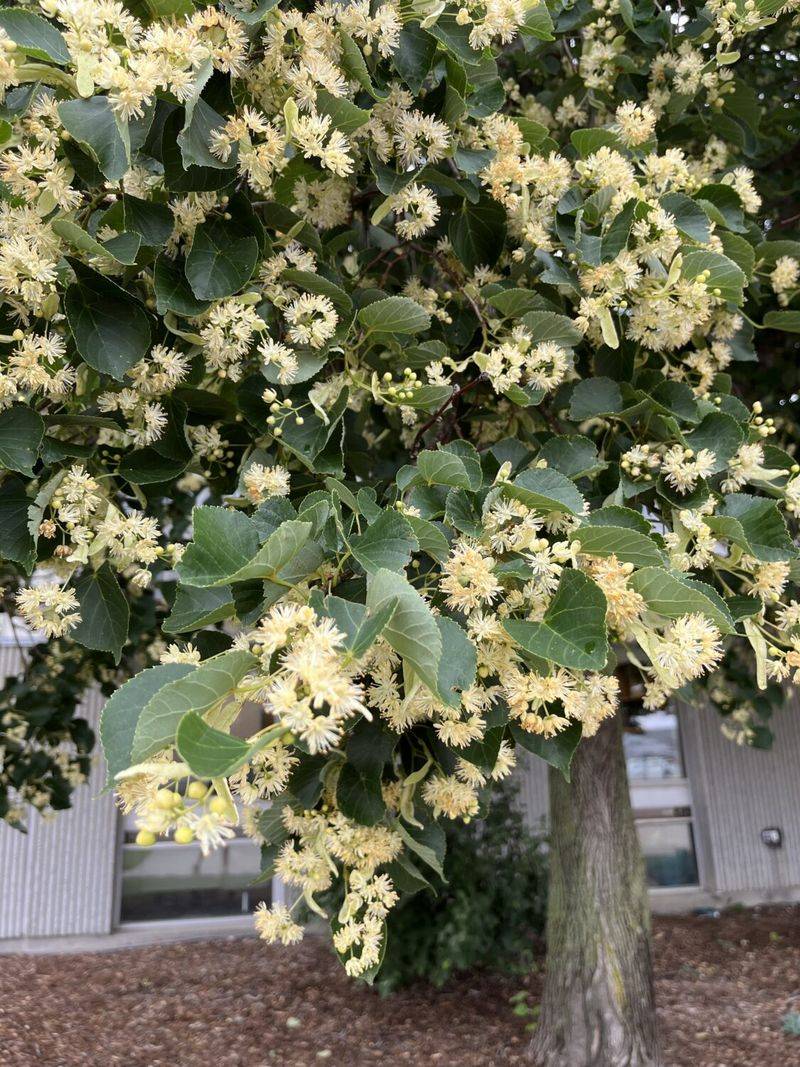
Stand under a blooming American linden in June, and the hum of bees sounds almost like a distant engine. Those pale, fragrant flowers dangle beneath a leafy wing, and beekeepers prize the light honey they produce.
Tilia americana, also called basswood, is native to eastern North America, with wild stands scattered through mountain and Piedmont forests. Woodcarvers love its soft, even-grained wood, and many traditional duck decoys and carvings started as basswood blocks.
Large heart-shaped leaves create dense shade, and mature trees often reach sixty to eighty feet in height. That size calls for an open lawn or park-like space, not a cramped corner beside the house.
Lindens transplant readily according to several university extension services, so fall planting usually goes smoothly for home gardeners. Cool weather lets the fibrous roots spread out while the bare branches rest and save their energy.
Deep, moist, well-drained soil suits this tree best, although it tolerates many soil types fairly well. Hot, dry sites and heavy compaction cause stress, so avoid planting beside parking lots or busy sidewalks.
Aphids sometimes visit in summer and drip sticky honeydew, so think twice before planting over a patio or car. Let’s just say I learned that lesson after scrubbing sticky spots off my windshield for an entire July.
Mulch a wide circle and water weekly until the soil chills, adding a stake only on very windy sites. Remove any stakes after one growing season, since lingering ties can rub bark and weaken the young trunk.
5. Thornless Honeylocust
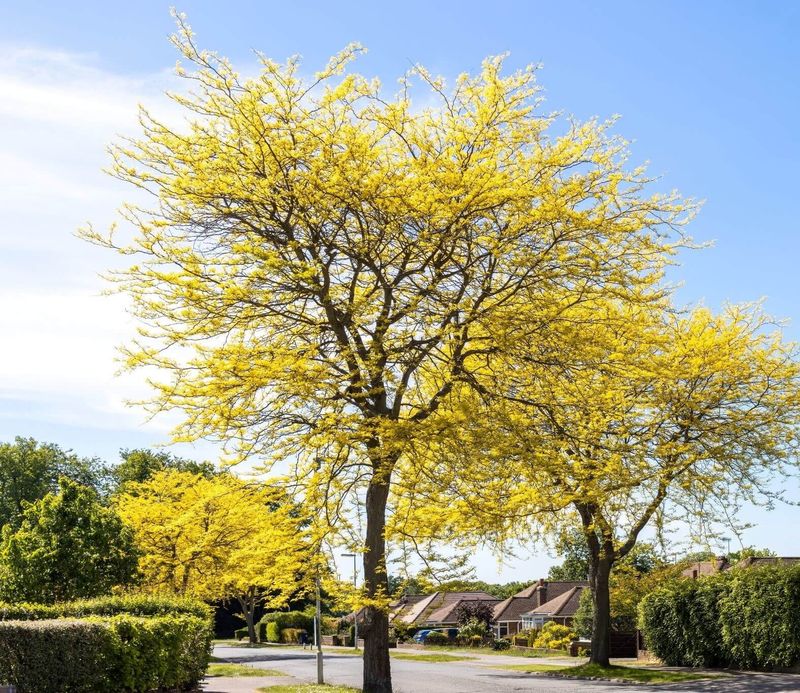
Wild honeylocusts grow fearsome branched thorns that can stretch several inches long, which is why nurseries sell thornless versions. Choosing the variety called inermis, Latin for unarmed, saves your hands and your mower from a prickly surprise.
Gleditsia triacanthos is native to the eastern United States and turns up naturally in parts of western Virginia. Popular cultivars like Shademaster and Skyline produce few or no seedpods, which means far less raking each fall.
Tiny leaflets cast light, dappled shade, so grass usually grows well right up to the trunk. If you ask me, that airy canopy feels perfect for a patio where you want comfort without gloom.
Honeylocust transplants easily, and it handles drought and road salt better than most shade trees in tough spots. Those strengths make it a favorite street tree in cities where compacted soil frustrates fussier species.
Expect a height of thirty to seventy feet, depending on the cultivar and the growing conditions in your yard. Leaves turn soft yellow in autumn and drop early, so cleanup goes quickly before the holidays arrive.
Planting after leaf drop helps because roots stay active in warm soil while the open crown loses little water. Full sun is a must, and well-drained ground keeps the roots healthy through wet winter stretches.
Watch for mimosa webworms in summer, since these caterpillars can tie leaves together and brown the canopy. Avoid planting too many honeylocusts in one neighborhood, because diverse plantings help limit pest spread over time.
6. Downy Serviceberry
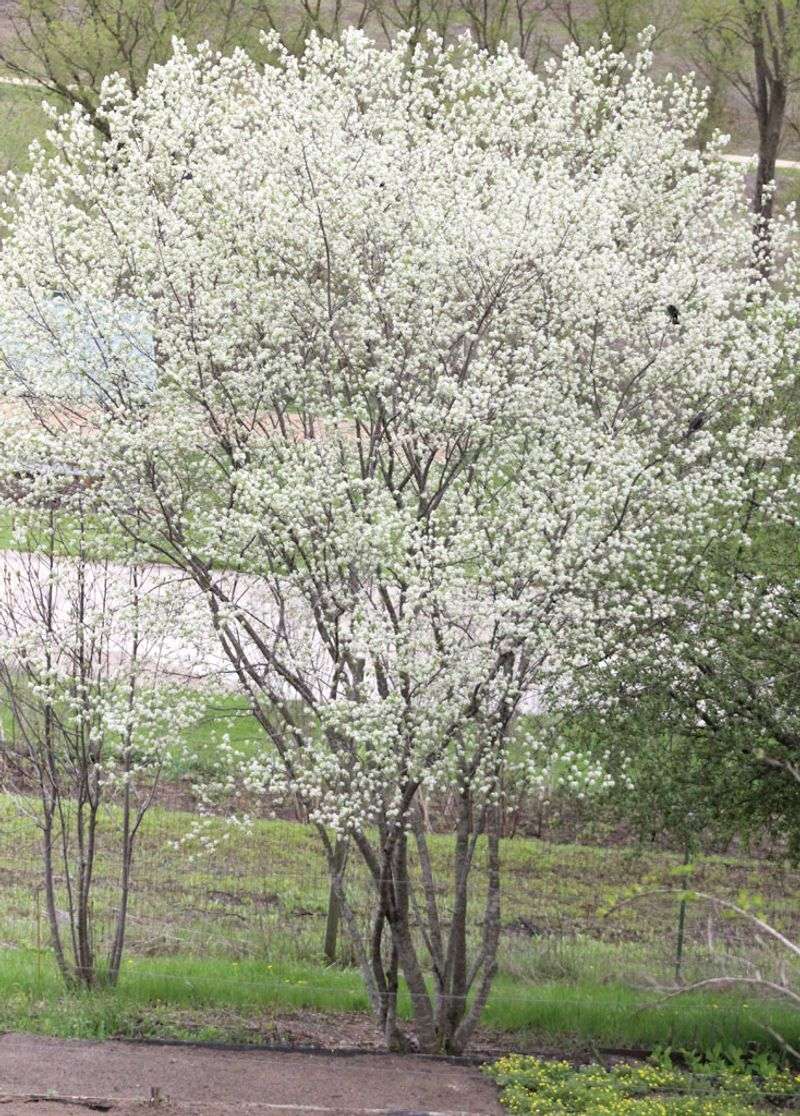
Old-timers called it shadbush because its white blossoms opened just as shad fish swam upriver to spawn each spring. I still think that bit of folklore makes this little tree feel like a living calendar.
Downy serviceberry, Amelanchier arborea, is a native small tree that usually reaches fifteen to twenty-five feet tall. Its modest size fits neatly into suburban yards where a towering shade tree would feel crowded.
Clouds of white flowers appear in early spring, often before the leaves fully unfold on the slender branches. By early summer, small purple berries ripen, and they taste a bit like sweet blueberries with almond notes.
Don’t make my mistake of waiting to pick them, because robins and cedar waxwings clean the branches overnight. Sharing the harvest with birds is half the fun, though a few handfuls for muffins feels well earned.
Fall color is another treat, as the leaves blaze orange and red when the weather cools. Smooth gray bark with subtle streaks keeps things interesting after the leaves drop for the season.
Container-grown serviceberries settle in nicely when planted in autumn, giving roots months to grow before spring flowering begins. Sun or light shade works, though more sunlight usually means heavier flowering and a bigger berry crop.
Moist, well-drained, slightly acidic soil keeps this tree happiest, and a layer of mulch helps hold steady moisture. Water weekly during dry fall spells, and expect quick establishment compared with larger, slower shade trees.
7. American Elm
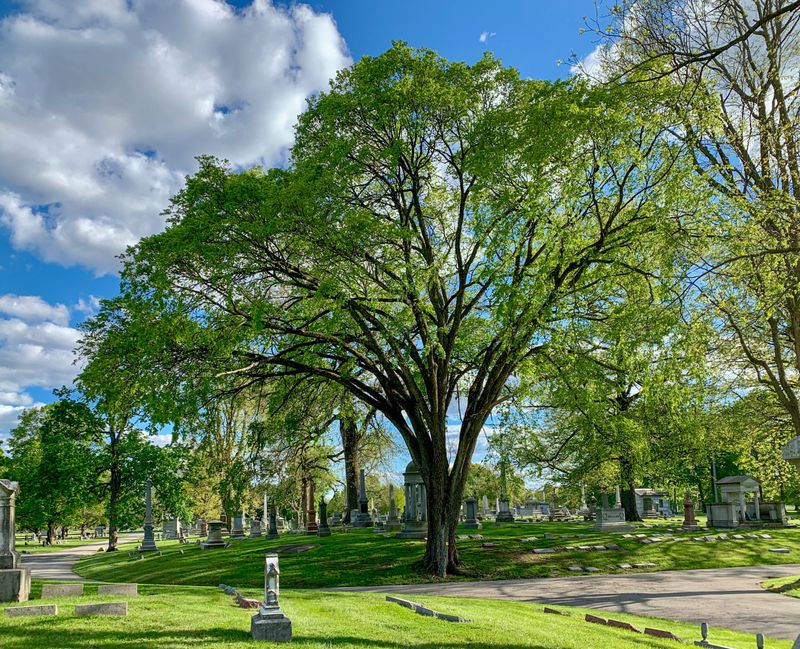
Grand vase-shaped elms once arched over Main Streets across America, forming leafy green tunnels that people still remember fondly. Dutch elm disease swept through in the twentieth century, and most of those beloved street trees declined and disappeared.
Plant breeders refused to give up, and they selected resistant cultivars that bring this classic shape back to yards. Valley Forge and Princeton showed strong tolerance in testing, making them popular picks for new plantings today.
Ulmus americana is native to Virginia and much of eastern North America, often growing along rivers and floodplains. Mature trees reach roughly sixty to eighty feet, so give them a wide lawn or a spacious streetside strip.
Elms transplant with ease, and their fibrous roots grow happily in the cool, moist soil of late autumn. Between you and me, few trees rebound so cheerfully from the shock of moving into a new home.
Adaptable roots handle heavy clay and occasional flooding, which makes this elm useful in low, soggy yards. Full sun produces the strongest growth and the classic arching form that made elms famous in the first place.
Prune young trees during dormancy to keep one central leader and well-spaced branches climbing along the trunk. Early training pays off later, because good structure helps big limbs resist breaking during ice storms and summer winds.
Resistance is not immunity, so watch for wilting, yellowing leaves in early summer and call an arborist if needed. My garden taught me that a little watchfulness goes a long way with any tree carrying such history.
8. Ginkgo

Ginkgo leaves often drop almost all at once in autumn, sometimes within a single day, leaving a golden carpet below. I once raced outside with my phone just to photograph that bright yellow puddle before the wind scattered it.
Ginkgo biloba belongs to a plant lineage dating back roughly two hundred million years, long before flowers appeared. It is native to China, yet it has no reputation for spreading aggressively into wild areas here.
Fan-shaped leaves with a notch in the middle make this tree easy to recognize, even for beginners. Mature ginkgos can reach fifty to eighty feet, though they grow slowly during their first several years.
Choose a male cultivar like Autumn Gold or Princeton Sentry, because female trees drop fleshy seeds with a foul smell. Trust me, nobody wants that odor drifting across the driveway every October when the seeds ripen and split.
Ginkgos transplant readily and shrug off urban challenges like compacted soil and air pollution far better than most trees. Sun and well-drained ground keep them happiest, though they adapt to clay and to acidic or alkaline conditions.
Late fall planting suits this patient tree, since roots grow quietly while the bare branches wait for spring. Water deeply through the first season or two, and resist the urge to prune much while it settles.
Pests and diseases rarely bother ginkgos, which helps explain why so many old specimens line city streets in Virginia. Plant one this season, and future generations might rake those golden leaves long after you hang up your shovel.