8 Vegetables You Can Still Plant in Arizona Right Now for a Late-Winter Harvest
Phoenix gardeners often plant their biggest vegetable crops in fall, while most of the country is busy pulling up tired plants. Here in Arizona, our true growing season quietly begins when the triple-digit days finally fade.
I love how the soil still holds summer warmth, which helps seeds sprout fast before the cool nights arrive. University of Arizona planting calendars list October as prime time for many crops that hate our brutal summer heat.
Personally, I think fall is the friendliest season for desert gardening, since fewer pests show up and the watering eases. You might notice your hose gets a well-earned break once evenings cool down into the comfortable sixties.
So which crops still have time to grow strong and reward you with fresh flavor by late winter? I picked eight dependable favorites, and a couple of them might surprise even the most seasoned backyard growers.
1. Lettuce
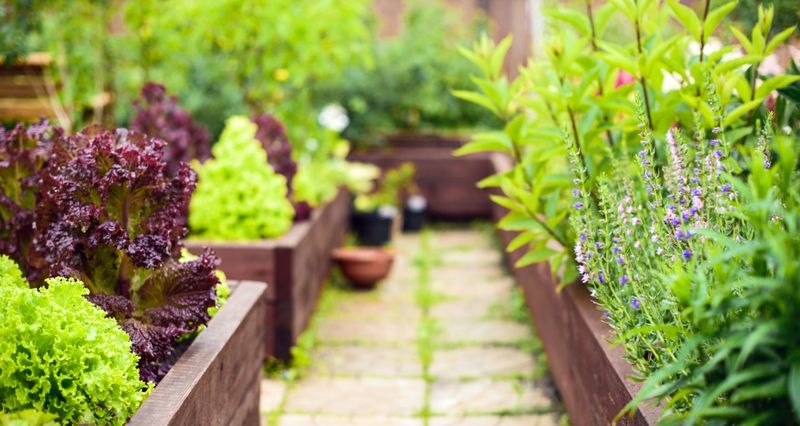
Leaf lettuce can be ready for its first snip in about thirty days, which feels like a little desert miracle. I love how a single row of mixed red and green leaves brightens a sunbaked backyard bed.
University of Arizona guides list fall as the prime lettuce window for low desert gardens across the state. Lettuce bolts and turns bitter in heat, so our cool winter months give the sweetest, most tender leaves.
You need to sow seeds shallowly, since lettuce seeds need some light to germinate and sprout evenly. Keep the top inch of soil lightly moist until seedlings appear, which often takes about a week in October.
Loose-leaf types like oakleaf or Black Seeded Simpson handle our shifting temperatures better than tight iceberg heads often do. Personally, I harvest the outer leaves first, letting the center keep growing for many weeks of fresh salads.
Sow a short row every two or three weeks through fall for a steady supply instead of one huge flush. Light afternoon shade helps on warmer October days, and frost cloth protects young leaves during occasional cold snaps.
2. Carrots
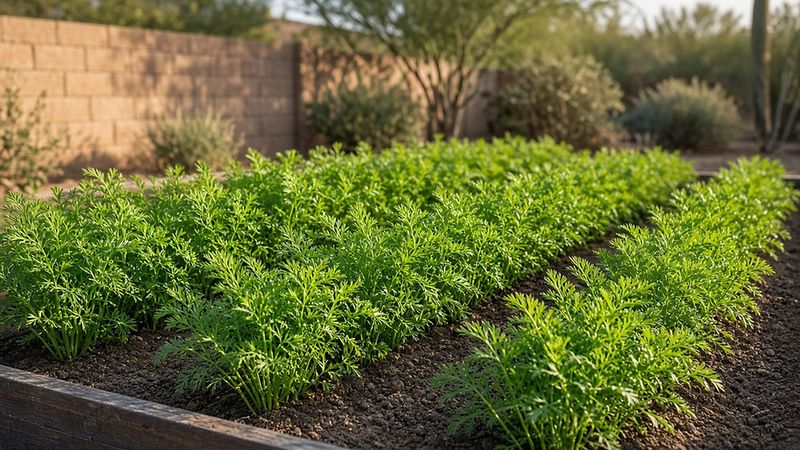
Cold nights trigger carrots to store more sugar in their roots, so winter carrots often taste noticeably sweeter. I have to admit that pulling a crisp orange root from cool soil feels like finding buried treasure.
Carrots grow slowly, often needing seventy days or more, so October sowing lines up nicely with a late-winter harvest. Our soil is still warm enough this month for decent germination, which can stall once winter really settles in.
You need loose, deep soil, because carrots fork and twist when they hit rocks or heavy desert caliche. Raised beds filled with sifted compost and sandy loam make a huge difference in getting long, straight roots.
Tiny carrot seeds dry out quickly, so cover them lightly and keep the surface damp for one or two weeks. A thin board or burlap laid over the row helps hold moisture until the feathery seedlings poke through.
Thin seedlings to about two or three inches apart once they reach a few inches tall. Shorter types like Danvers or Chantenay handle tougher soil better, and they fit nicely in deep containers on a patio too.
3. Beets
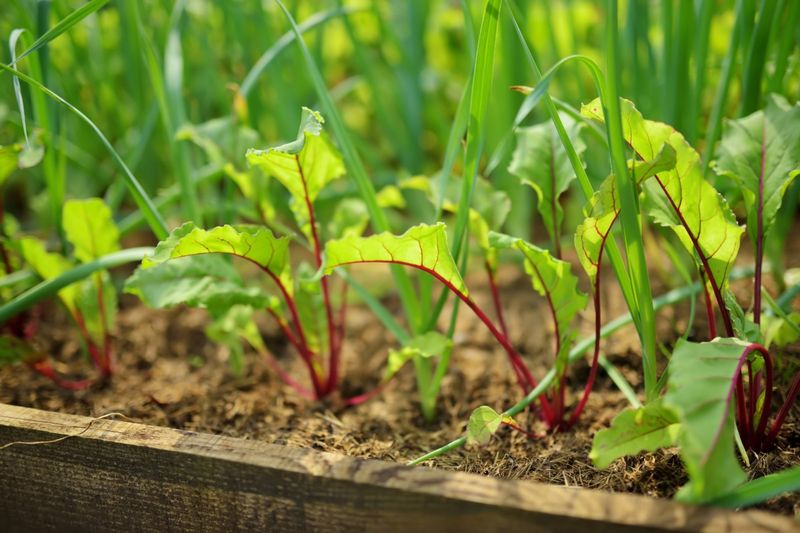
Each wrinkled beet seed is a cluster holding several seeds, so one planting spot often sprouts a small crowd. I love that quirky surprise, though it does mean you will spend a few minutes thinning later.
Beets give you two harvests from one plant, since the young greens taste wonderful sautéed like tender spinach. You can snip a few leaves from each plant while the roots keep swelling below the soil line.
Soaking the corky seeds overnight before planting helps them soften and sprout faster in warm fall soil. Plant them about half an inch deep, then keep the bed evenly moist until the red-tinged seedlings appear.
Thin plants to roughly three or four inches apart so each root has room to grow round and smooth. Uneven watering can cause tough, woody roots, so a drip line on a timer works beautifully for beets.
Most varieties mature in about fifty to seventy days, which fits nicely before late-winter warmth returns again. Personally, I adore golden beets because they roast beautifully and do not stain cutting boards like the deep red ones.
4. Kale
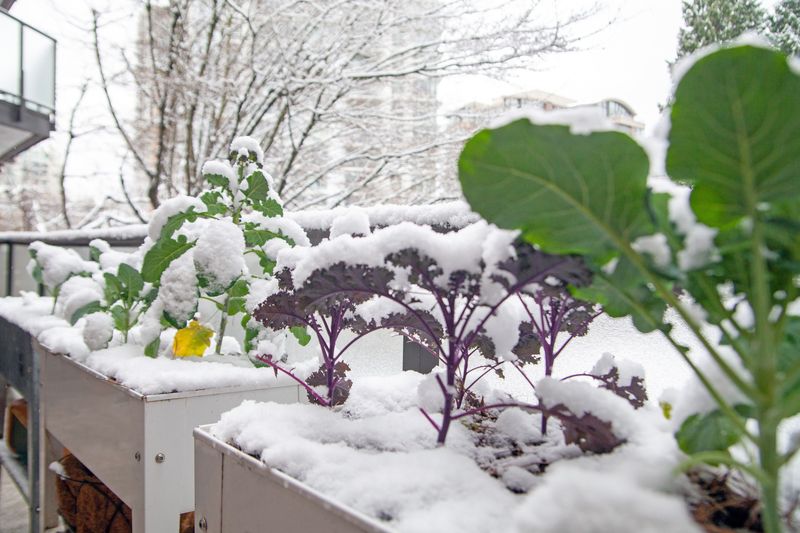
Light frost can actually make kale taste sweeter, because the plant converts starches into sugars as nights turn chilly. You might notice the leaves lose some bitterness after a few crisp January mornings in your garden.
Kale belongs to the same species as cabbage and broccoli, all bred over centuries from one wild coastal plant. I find it amazing that such different vegetables share one ancestor, Brassica oleracea, from the cliffs of Europe.
Transplants give you a head start in October, though seeds also sprout quickly while the soil stays warm. Space plants about twelve to eighteen inches apart, since mature kale can grow surprisingly wide by late winter.
Harvest the lower leaves first and leave the central bud alone, so the plant keeps producing new growth. One healthy plant can supply leaves for months, which makes kale a smart choice for small backyard beds.
Watch for cabbage loopers and aphids, which often show up on the undersides of leaves during warmer fall weeks. A strong spray of water or hand picking usually manages them, and lacewings help with aphids too.
5. Swiss Chard
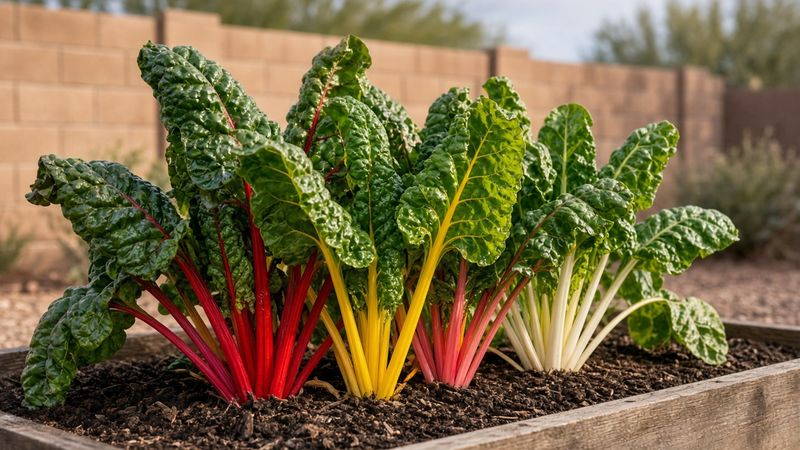
Rainbow chard looks so cheerful that many desert gardeners tuck it into flower beds instead of hiding it in vegetables. I can’t imagine a prettier edible, with glowing stems in shades of ruby, gold, and soft pink.
Chard is actually a close cousin of the beet, bred for its leaves and stems rather than for roots. That family connection explains why the seeds look identical and why both crops sprout as little clusters together.
What surprises me most is how well chard handles warmer spells that send lettuce and spinach rushing to bolt. In mild winters, plants often keep producing well into spring, giving you a much longer harvest than most greens.
Plant seeds about half an inch deep, or set transplants roughly a foot apart in rich, well-draining soil. Cut outer stalks near the base when they reach about eight inches, and fresh leaves will keep rising from the center.
Steady watering keeps the leaves tender, though mature plants tolerate brief dry spells better than many leafy crops. Personally, I chop the colorful stems separately and sauté them first, since they need a few extra minutes to soften.
6. Broccoli
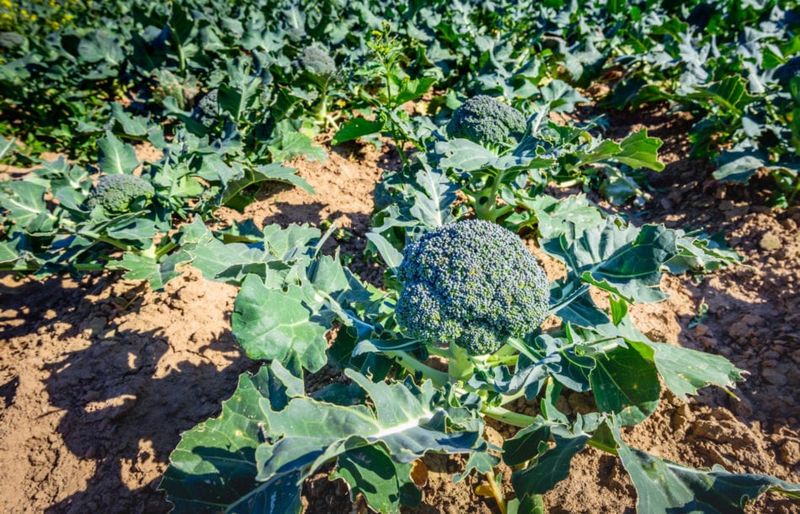
Broccoli heads are actually clusters of tiny unopened flower buds, so timing your harvest matters quite a bit. You need to cut them while the buds stay tight, before any little yellow flowers start to peek through.
In the low desert, transplants set out in early October usually have enough time to form solid heads by winter. Higher elevation gardens have a shorter window, so check local frost dates before planting this slower crop this month.
Give each plant about eighteen inches of space and plenty of sun, since broccoli grows into a surprisingly large plant. Rich soil and a little nitrogen fertilizer a few weeks after planting help leaves grow big enough to feed the head.
I love how the plant keeps working after you cut the main head about five or six inches down the stem. Smaller side shoots often appear for several more weeks, giving you bonus snacks for stir-fries and roasted dinners.
Keep frost cloth nearby for the coldest winter nights, especially while the heads are still forming and tender. Cabbage worms can also chew the leaves, but checking undersides regularly helps you catch them early and keep damage low.
7. Peas
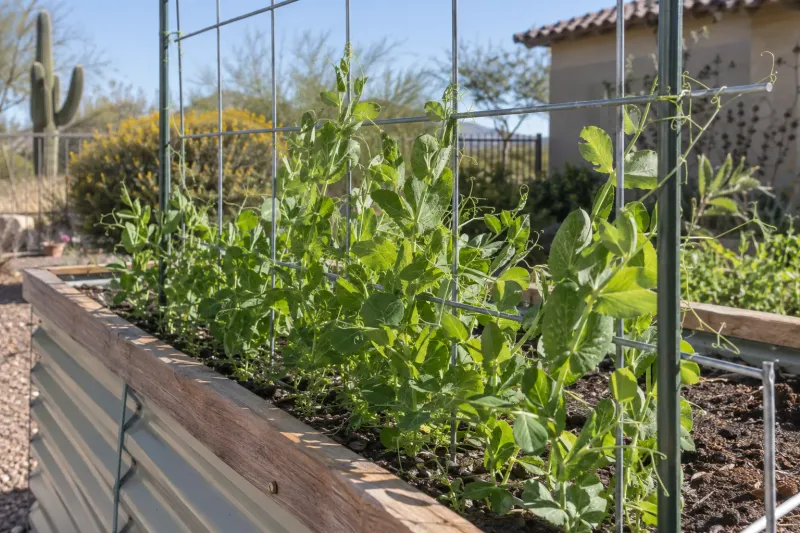
Pea plants partner with soil bacteria that pull nitrogen from the air and store it in small root nodules. I like how that teamwork leaves your soil a bit richer for whatever crop you plant there next spring.
Peas dislike hot weather, so our mild desert winter suits them far better than any summer ever could. Planting seeds in October or early November usually gives you sweet pods by late winter in lower elevation gardens.
Sow seeds about one inch deep and two inches apart, then water well and wait for curly green shoots. Soaking seeds for a few hours before planting can speed things up, but avoid letting them sit wet too long.
Most snap and shelling varieties climb, so set up a trellis or fence before the tendrils start reaching around. Even dwarf types benefit from a little support, since heavy pods can pull the slender vines down onto damp soil.
Personally, I rarely make it back to the kitchen with sugar snaps, because they taste incredible right off the vine. Pick pods every couple of days, since frequent harvesting encourages the vines to keep flowering and producing more.
8. Radishes
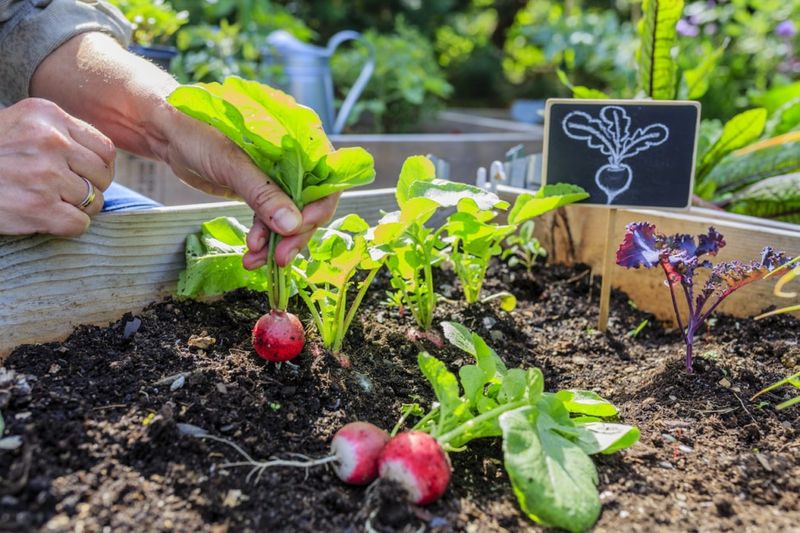
Some radish varieties are ready to eat in about twenty-five days, making them the speediest crop on this list. You’re in for a fun surprise when tiny seeds turn into crunchy pink globes before your other crops even settle.
Radishes make wonderful row markers, since they sprout fast and show you where slower carrots are hiding below. By the time the carrots really need space, you will have already pulled and eaten most of the radishes.
Sow seeds about half an inch deep and one inch apart in loose soil that gets plenty of sunshine. Thin crowded seedlings early, because radishes packed too tightly often grow leafy tops with skinny, disappointing roots underneath.
Even moisture keeps radishes mild and crisp, while dry spells can make them woody, cracked, or unpleasantly spicy. Harvest promptly once roots reach full size, since radishes left too long in the ground tend to turn pithy.
I like sowing a small batch every week or two, which keeps fresh radishes coming through late winter. Try daikon or watermelon radish too, since those larger types take longer but store beautifully in the refrigerator for weeks.