8 Flowering Shrubs That Bloom Better In Partial Shade In Georgia
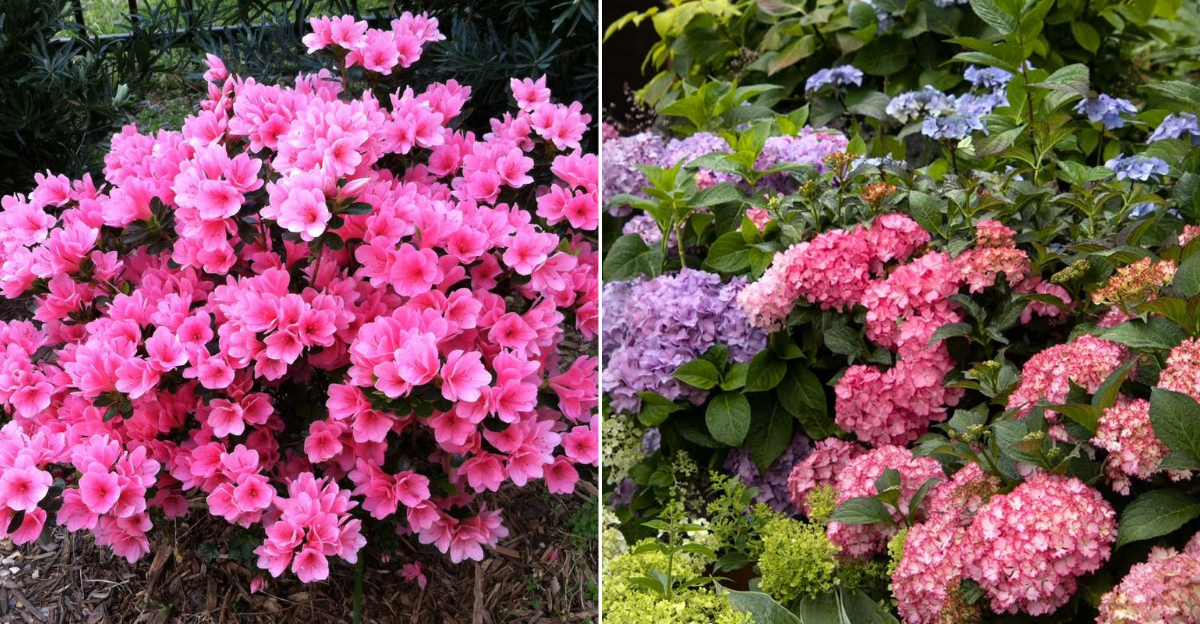
There is always that one spot in a Georgia yard that never gets full sun. Maybe it sits under tall trees, along the side of the house, or near a fence that blocks the afternoon light.
It can feel like a tricky place to plant, especially when so many flowering shrubs seem to want bright, open space to really perform.
Still, partial shade does not mean giving up on color. Some shrubs actually settle in more comfortably with a bit of protection from the strongest sun, especially during Georgia’s warmer months.
They hold onto their blooms longer, keep foliage looking fresh, and often avoid the stress that full exposure can bring.
For gardeners who want that softer, layered look without constant fuss, these kinds of shrubs can make a big difference. The right choices can turn those in-between light areas into some of the most inviting parts of the yard, starting with a few that tend to surprise people.
1. Kurume Azaleas Bring Classic Spring Color
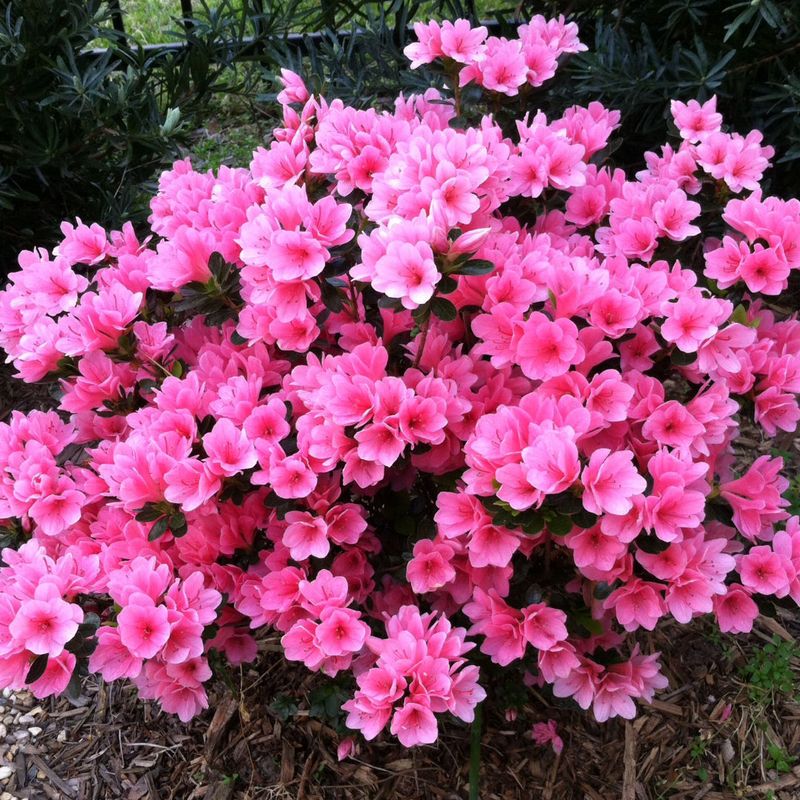
Few plants say “Georgia spring” quite like a Kurume Azalea bursting into bloom. These compact, dense shrubs are covered from top to bottom in small but incredibly vivid flowers, creating a wall of color that stops people in their tracks.
Kurume Azaleas are a Japanese variety that found a very happy home across Georgia, thriving especially well in the Piedmont and coastal regions.
What makes Kurume Azaleas stand out is their preference for morning sun with afternoon shade, which is easy to find in many Georgia yards under tall pines or hardwood trees. They bloom in mid-spring, usually between March and April, and the colors range from bright red and deep pink to soft lavender and white.
Their compact size, typically three to six feet tall, makes them easy to tuck into borders or use as foundation plantings.
For best results in Georgia, plant Kurume Azaleas in well-drained, acidic soil with a pH between 4.5 and 6.0. Adding a layer of pine straw mulch helps keep the roots cool and the soil moist during Georgia’s warm summers.
Water them regularly during dry spells, especially in the first year after planting. Avoid heavy pruning, but a light trim right after blooming helps keep them tidy and encourages strong new growth for the following season.
2. Girard Hybrid Azaleas Pack In Bold Blooms
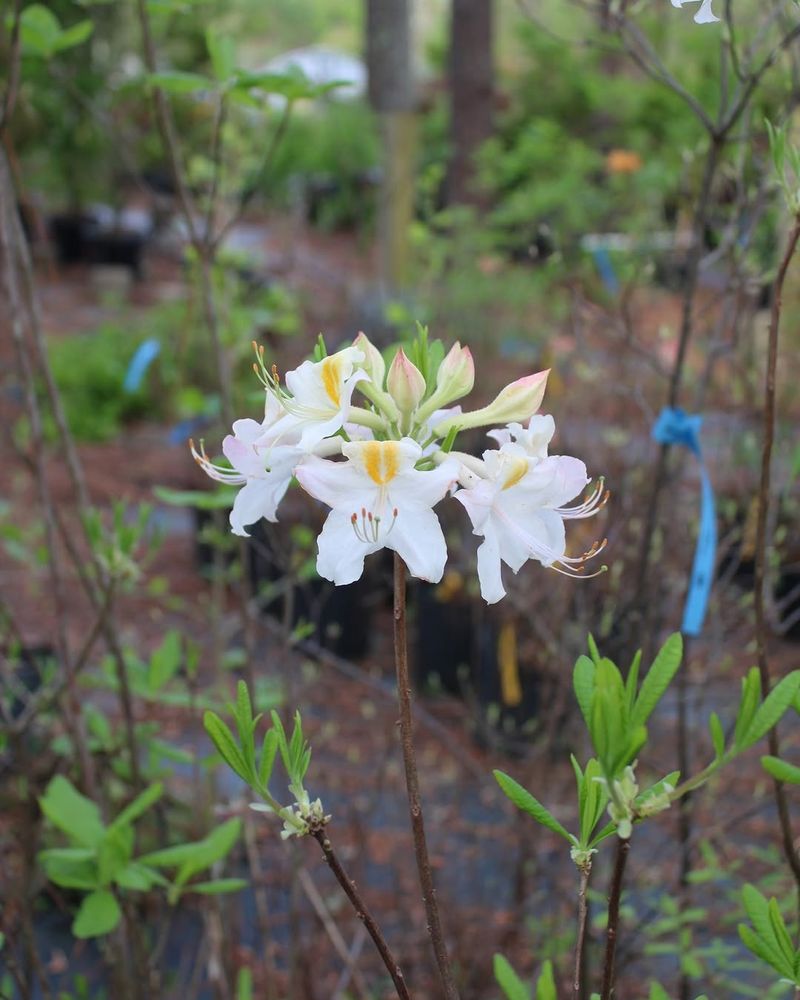
Bold, reliable, and surprisingly tough, Girard Hybrid Azaleas have earned a loyal following among Georgia gardeners who want big blooms without a lot of fuss. Developed by Peter Girard in Ohio, these hybrids were bred to handle colder temperatures, which makes them a great fit for north Georgia where winters can be a bit more harsh.
They carry the beauty of classic azaleas but with added resilience.
Girard Hybrids bloom in mid to late spring and come in a wide range of colors including deep red, bright orange, salmon pink, and soft white. The flowers are noticeably larger than many other azalea varieties, which gives the plant a bold, eye-catching look.
Plants typically grow between three and five feet tall and wide, making them well-suited for hedges, borders, or as accent plants near a porch or walkway.
Your Georgia Garden Changes Every Week. Your Plan Should Too.
Gardening in Georgia changes quickly throughout the season. Every Friday you’ll receive a simple weekly plan showing exactly what to plant, prune, fertilize, harvest, and protect so you never miss the right timing.
Partial shade is where these shrubs truly shine. Too much direct afternoon sun in Georgia’s hot summers can scorch the leaves and reduce blooming, so placing them under the filtered light of trees is ideal.
They prefer moist, acidic, well-drained soil and benefit from a good layer of organic mulch around the base. Feed them in early spring with an azalea-specific fertilizer to boost flower production.
With minimal care, Girard Hybrid Azaleas reward Georgia gardeners with a stunning seasonal display year after year.
3. Sweet Shrub Brings Fragrance With Southern Charm
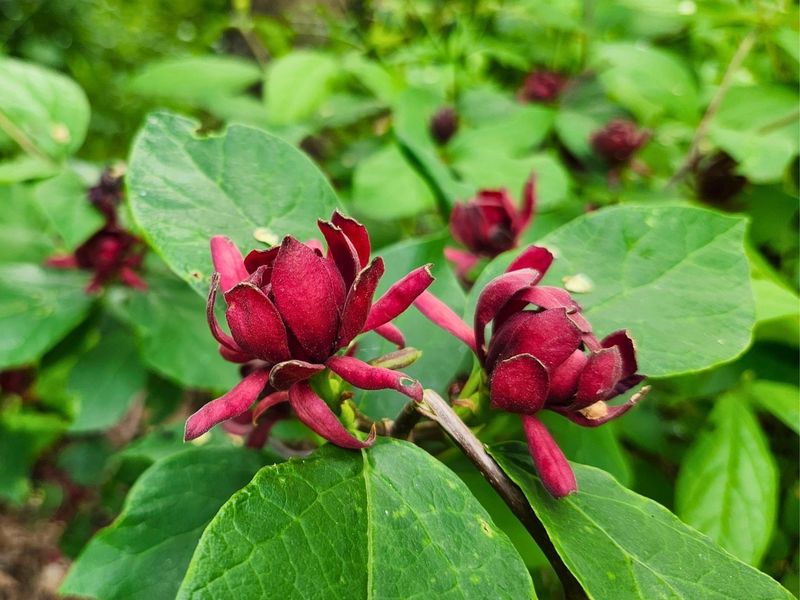
Long before fancy hybrid plants were popular, Sweet Shrub was already growing wild in the forests of the southeastern United States, including right here in Georgia. Also known by its scientific name Calycanthus floridus, this native shrub has been a garden favorite for centuries, and it is easy to understand why.
The flowers are unlike anything else you will find in a typical garden, with deep burgundy-maroon petals that look almost tropical and carry a sweet, fruity fragrance.
Sweet Shrub blooms in mid-spring, and the flowers continue to appear sporadically through summer. The scent is often described as a mix of strawberry, banana, and spice, which makes it a wonderful choice near patios, windows, or garden paths where you can enjoy the fragrance up close.
The shrub grows between six and nine feet tall and has an attractive, rounded shape with large, deep green leaves that stay handsome all season long.
One of the best things about Sweet Shrub is how well it adapts to the conditions found across Georgia. It tolerates a range of soil types, including clay-heavy soils that frustrate many other plants.
Partial shade suits it perfectly, and it can even handle deeper shade better than most flowering shrubs. Water it regularly until it gets established, after which it becomes quite drought-tolerant.
Pruning is rarely needed, but removing older stems at the base every few years encourages fresh, vigorous new growth.
4. Ruby Spice Summersweet Adds Scent And Soft Color
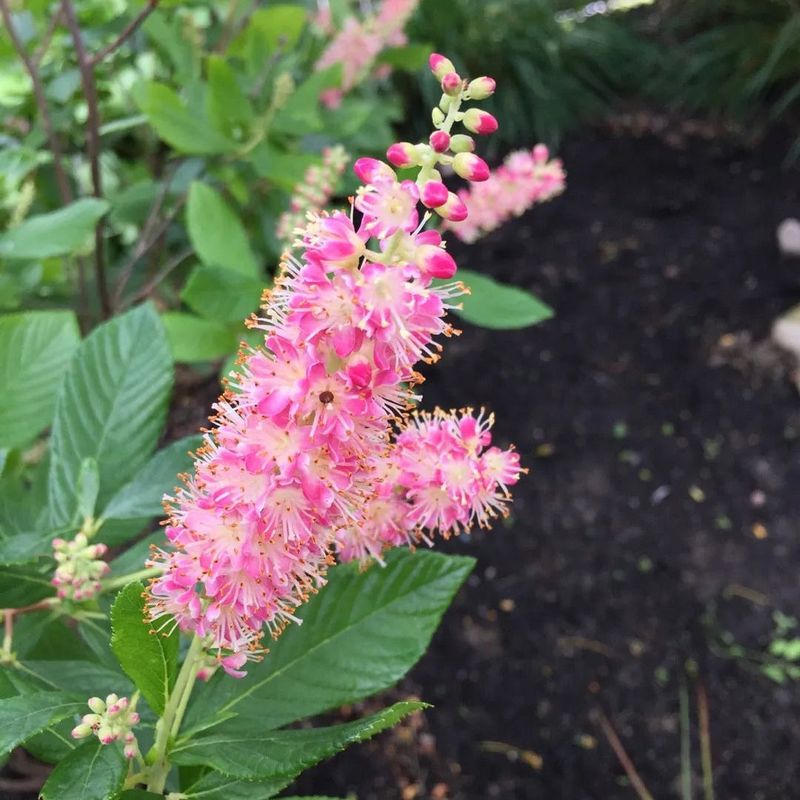
When most flowering shrubs have already finished their show for the year, Ruby Spice Summersweet is just getting started. This standout variety of Clethra alnifolia blooms in mid to late summer, filling the garden with upright spikes of deep rosy-pink flowers that are absolutely packed with fragrance.
Bees and butterflies go wild for it, making it one of the best pollinator plants you can add to a Georgia garden.
Ruby Spice grows between three and five feet tall and has a naturally tidy, upright form that fits nicely into mixed shrub borders or naturalized garden areas. The glossy dark green leaves turn a warm golden yellow in fall, so the plant earns its place in the landscape across multiple seasons.
It is a cultivar that was specifically selected for its deeper pink flower color, which holds up better in heat than many other Clethra varieties.
Across Georgia, Ruby Spice Summersweet performs especially well in moist, partially shaded spots, making it a smart choice for low-lying areas or spots near a downspout where water tends to collect. It prefers acidic, organically rich soil and responds well to a layer of compost worked in at planting time.
Regular watering during dry stretches in Georgia’s hot summers keeps it looking its best. Fertilize lightly in spring, and prune old stems back in late winter to encourage a fresh flush of blooms each season.
5. Cape Jasmine Fills Shady Spots With Perfume
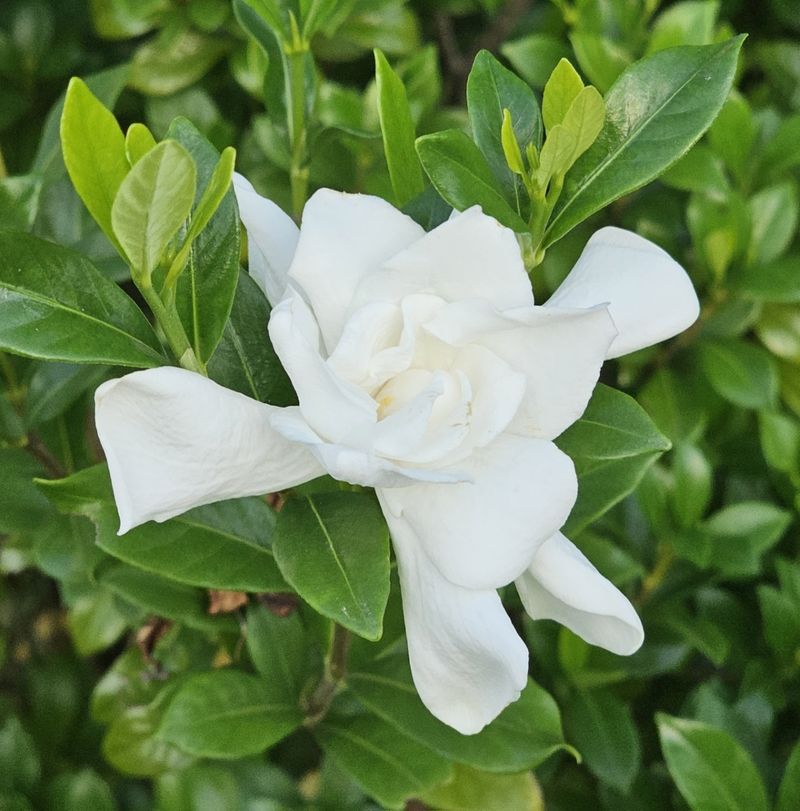
Walk past a Cape Jasmine in bloom and the fragrance alone is enough to stop you mid-step. Known more commonly as Gardenia, Cape Jasmine is one of the most beloved flowering shrubs across Georgia, celebrated for its large, creamy white flowers and that unmistakable sweet scent that drifts through warm summer evenings.
It is the kind of plant that feels tied to Southern living, and for good reason.
Cape Jasmine blooms from late spring through early summer, with some varieties continuing to produce flowers into midsummer. The waxy, deep green leaves stay on the plant year-round, giving it a tidy, polished look even when it is not in bloom.
Plants typically grow between two and six feet tall depending on the variety, and they work beautifully as foundation plantings, container specimens, or low hedges along walkways.
Partial shade is actually a key ingredient for success with Cape Jasmine in Georgia. Full afternoon sun tends to stress the plant, causing yellowing leaves and fewer flowers, while morning sun with afternoon shade keeps it healthy and blooming generously.
Gardenias need acidic, well-drained soil with a pH between 5.0 and 6.0, so amending with sulfur or using an azalea-type fertilizer helps a lot. They also appreciate consistent moisture and high humidity, both of which Georgia provides naturally.
Watch for common pests like whiteflies, and treat early with neem oil to keep the plant thriving.
6. French Hydrangea Brings Big Blooms To Shadier Spots
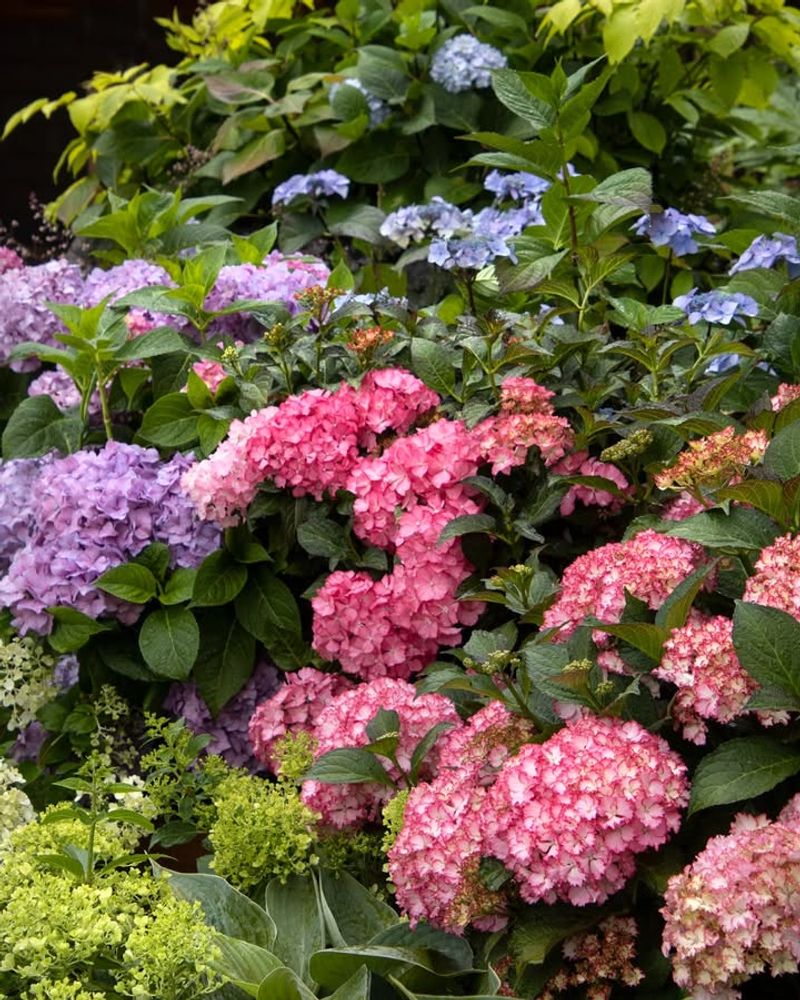
There is something almost magical about the big, round flower heads of a French Hydrangea, and Georgia gardeners have been falling in love with them for generations. Also called Bigleaf Hydrangea or Hydrangea macrophylla, this shrub produces enormous clusters of flowers in shades of blue, purple, pink, and white depending on the soil pH.
In parts of Georgia with naturally acidic soils, you may get shades of blue and purple, though soil pH varies across the state and may need adjustment.
French Hydrangeas bloom in early to midsummer and can reach four to six feet tall and wide when happy. The large, deeply veined leaves give the plant a lush, tropical look that adds texture to shaded garden beds.
Varieties like Endless Summer and Nikko Blue are especially popular across Georgia because they bloom reliably and hold up well in the summer heat.
Partial shade is where French Hydrangeas do their best work in Georgia. The intense afternoon sun common across the state can cause the blooms to fade quickly and the leaves to wilt, even with regular watering.
Morning sun with shade in the afternoon is the sweet spot. Keep the soil consistently moist and rich with organic matter, and mulch heavily to protect the roots from heat.
Prune lightly after flowering, removing only spent blooms rather than cutting back hard, to protect next year’s flower buds. A slow-release fertilizer in spring gives them a great head start each season.
7. Mountain Laurel Adds Native Beauty With Spring Flair
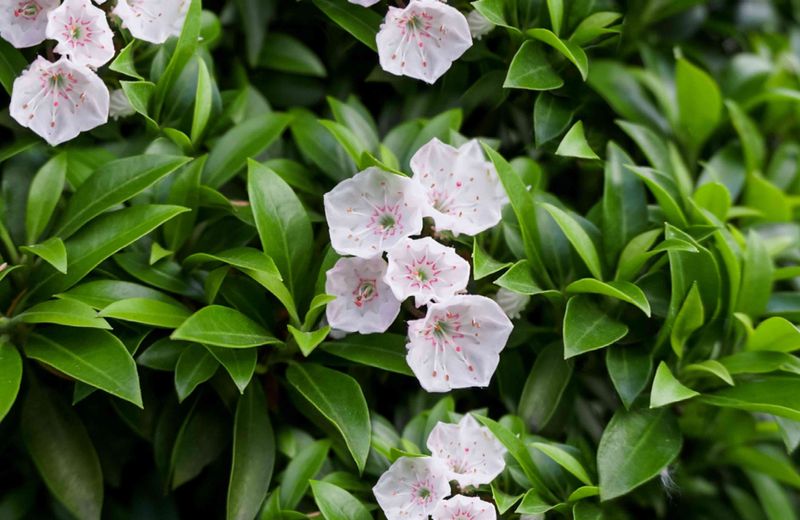
Up in the north Georgia mountains, Mountain Laurel puts on one of the most breathtaking wildflower shows in the entire state. This native evergreen shrub, known scientifically as Kalmia latifolia, produces clusters of intricate cup-shaped flowers in shades of white, pink, and deep rose.
Each individual bloom is almost architectural in its detail, with tiny pockets that release pollen when touched by visiting bees.
Mountain Laurel blooms in late spring, typically from May into June, and the display can last for several weeks. It grows slowly but can eventually reach six to fifteen feet tall in ideal conditions, developing a beautifully gnarled, multi-stemmed form that looks stunning in naturalized or woodland garden settings.
The glossy, leathery evergreen leaves stay attractive throughout the year, even in winter.
Partial shade under tall trees closely mimics the conditions where Mountain Laurel grows naturally in Georgia’s forests, which is why it performs so well in those settings. It needs acidic, well-drained soil and does not like having wet feet, so avoid planting it in low spots where water collects.
In Georgia’s warmer southern regions, extra afternoon shade helps protect it from heat stress. Mulch generously with pine bark or pine straw to keep roots cool and soil moisture consistent.
Mountain Laurel rarely needs fertilizing, but a light application of an acid-forming fertilizer every spring keeps the foliage a rich, deep green and supports healthy blooming.
8. Florida Azalea Lights Up Partial Shade With Grace
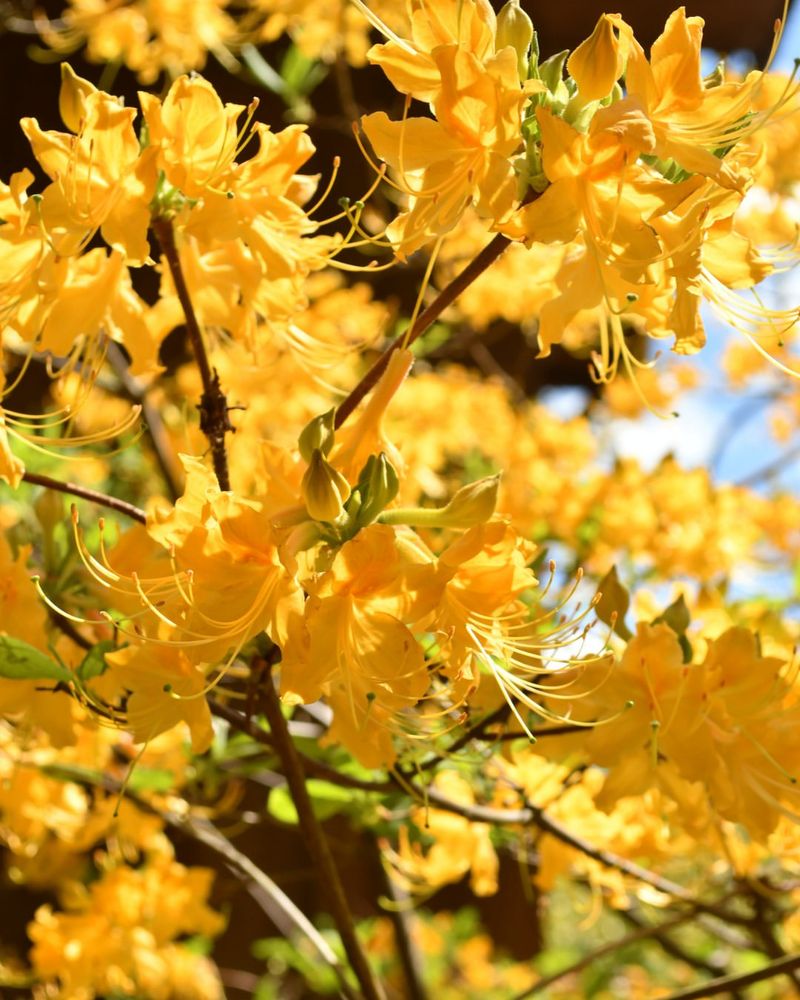
Most people picture hot pink or red when they think of azaleas, so spotting a Florida Azalea for the first time is a genuine surprise. This native deciduous azalea, Rhododendron austrinum, blooms in early spring before its leaves even open, covering bare branches with clusters of tubular flowers in warm shades of yellow, gold, orange, and soft peach.
The fragrance is sweet and honeysuckle-like, carrying through the garden on a warm Georgia morning.
Florida Azalea is native to the southeastern coastal plain, which means it is perfectly adapted to the conditions found across south and central Georgia. It grows naturally along stream banks and at the edges of forests, which tells you a lot about what it likes: partial shade, moist but well-drained soil, and plenty of organic matter.
Plants typically grow six to ten feet tall and have an open, airy structure that fits beautifully into naturalized garden designs.
Unlike many cultivated azaleas, the Florida Azalea is remarkably tough and low-maintenance once it gets established in Georgia’s landscape. It tolerates the humidity and heat of Georgia summers far better than many exotic varieties.
Plant it where it gets morning sun and afternoon shade, and amend the soil with compost to improve drainage and fertility. Water deeply but infrequently after the first season, allowing the roots to grow deep and strong.
Avoid heavy pruning to preserve its graceful, natural form, and enjoy the early spring color show it delivers faithfully each year.