Turn Your Alabama Halloween Pumpkins Into Free Compost For Your Fall Garden The Morning After
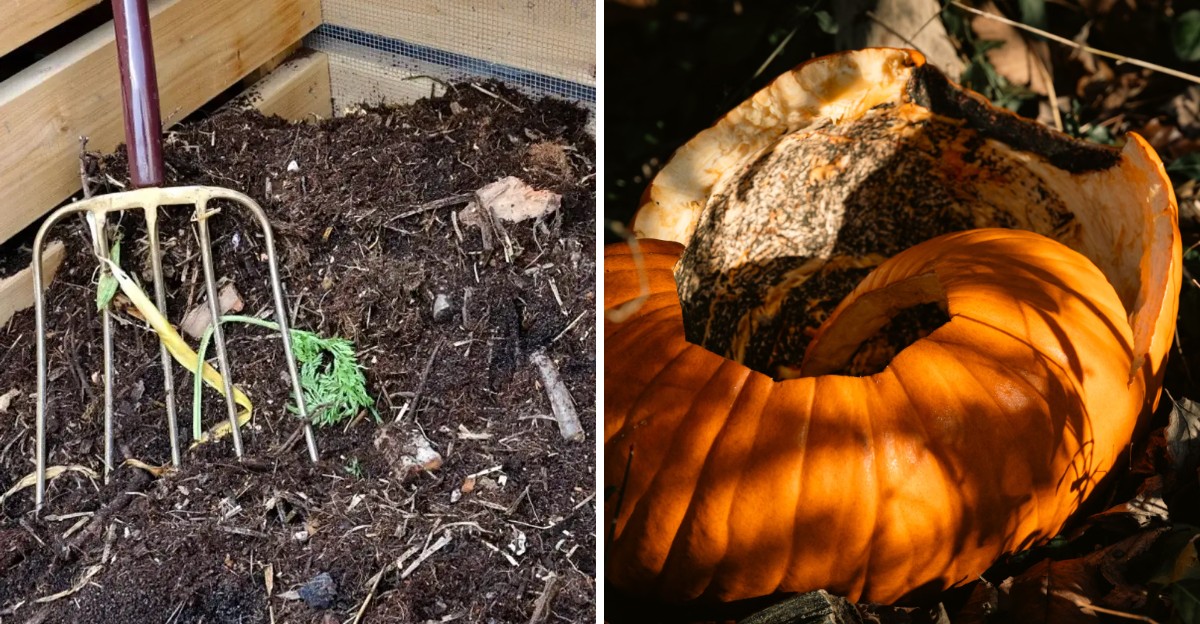
Those grinning faces on your front porch start sagging within days because their flesh is mostly water. By mid-November, many of them end up in trash bags headed straight for crowded landfills across the country.
Smothered under trash, all that soggy orange flesh rots without air and releases methane, a powerful greenhouse gas.
Down in Alabama, our warm fall days speed up that slumping, so the sad faces collapse even faster.
I really don’t like seeing something so rich in nutrients tossed away when my garden beds are hungry for it.
I believe every carved gourd deserves a second job after trick-or-treaters head home with their candy.
You’re in for a big surprise at how little effort it takes to turn that mess into something valuable. Could your Halloween leftovers become the secret ingredient behind the best Alabama fall garden you have grown yet?
1. Scrape Candle Wax And Paint Off Your Jack-O’-Lantern

Glitter looks magical on a porch, but in a compost pile it becomes tiny bits of plastic that linger. Your soil worms deserve better, so the first job is giving each pumpkin a careful cleanup.
Start by peeling away candle wax drips with a butter knife or a plastic scraper from the kitchen drawer. Wax breaks down very slowly, and paraffin comes from petroleum, so it belongs in the trash instead.
Painted pumpkins need extra attention, because acrylic craft paint forms a plastic film that soil microbes cannot digest. I like to slice off painted skin in thin strips and toss those pieces with the regular garbage.
Check for hidden extras too, such as pushpins, googly eyes, battery tea lights, and stickers tucked under leaves. Even a single forgotten thumbtack can turn up later and poke your hand while you spread compost.
Pumpkins sprayed with bleach or commercial preservative sprays to slow rotting are better kept out of the pile. Those chemicals can discourage the helpful bacteria and fungi that do most of the breakdown work for you.
Personally, I give each pumpkin a quick once-over on the porch before carrying it to the backyard bin. That two-minute habit keeps your future garden soil clean, and it feels oddly satisfying, like tidying a closet.
2. Scoop Pumpkin Seeds Before They Sprout In Your Pile
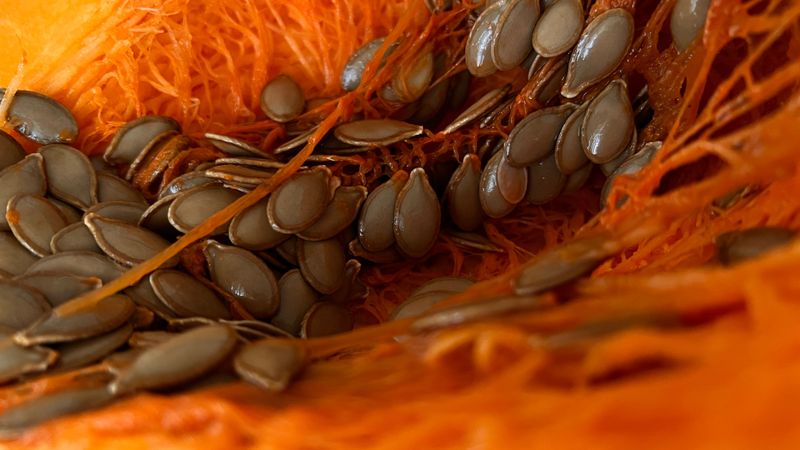
Every pumpkin hides hundreds of slippery seeds, and each one is a tiny plant waiting for its chance. Toss them in a cool compost pile, and you may find a surprise vine sprawling across your yard next summer.
Some gardeners love those volunteer plants, but they often cross-pollinate and grow fruit that looks nothing like the parent. I have to admit my own mystery squash once produced lumpy green gourds that nobody in my family wanted.
To skip that gamble, scoop out the seeds and stringy pulp with a large metal spoon before composting. The pulp itself can go into the bin, since the stringy fibers break down quickly once mixed in.
Hot compost piles that reach roughly 130 to 160 degrees Fahrenheit usually stop most seeds from sprouting later. Backyard heaps rarely stay that hot throughout, so the outer edges can still shelter seeds that survive the season.
Your Alabama Garden Changes Every Week. Your Plan Should Too.
Gardening in Alabama changes quickly throughout the season. Every Friday you’ll receive a simple weekly plan showing exactly what to plant, prune, fertilize, harvest, and protect so you never miss the right timing.
Rather than wasting those seeds, rinse them, toss them with a little oil, and roast them for a crunchy snack. Only roast seeds from fresh pumpkins, though, not ones that have been sitting carved on a warm porch.
You can also save a few dried seeds for wildlife, since squirrels and many songbirds happily eat them. Spread them on a platform feeder away from the house, and enjoy watching who shows up for breakfast.
3. Use A Shovel To Chop Your Pumpkin Into Small Chunks
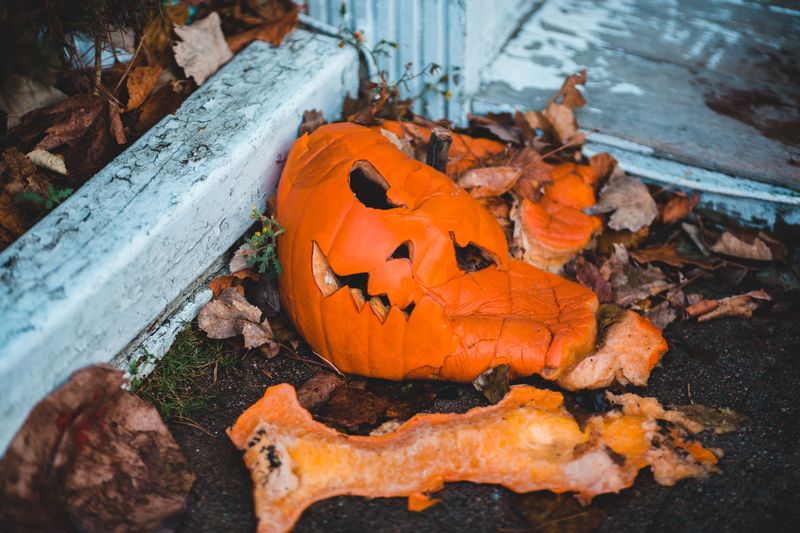
Nothing beats the satisfying thud of a pumpkin hitting the ground after a long month of guarding your porch. Kids especially love this part, and honestly, I find it a pretty good way to release some stress too.
Smashing matters because microbes work on surfaces, so a whole pumpkin gives them only its tough outer skin. Break it into fist-sized chunks, and suddenly millions of bacteria have far more soft flesh to munch on.
A sturdy flat shovel or a spade works well for chopping, especially once the pumpkin starts softening after Halloween. Set it on a tarp or directly on the compost pile so juicy splatter stays contained.
Thick rinds from large field pumpkins break down slowest, so chop those pieces smaller than the rest. Pieces about two or three inches across tend to disappear much faster than big curved slabs of shell.
Wear closed-toe shoes and keep little helpers a safe distance away whenever someone is swinging a sharp shovel. Gloves are handy too, because soft spots and mold can get slimy and smell a bit funky.
You might notice the stem resists every chop, since it is woody and much tougher than the flesh. Snap it off and break it into bits, or tuck it into the pile and let time handle it.
4. Pile Crunchy Fall Leaves Around The Orange Pieces
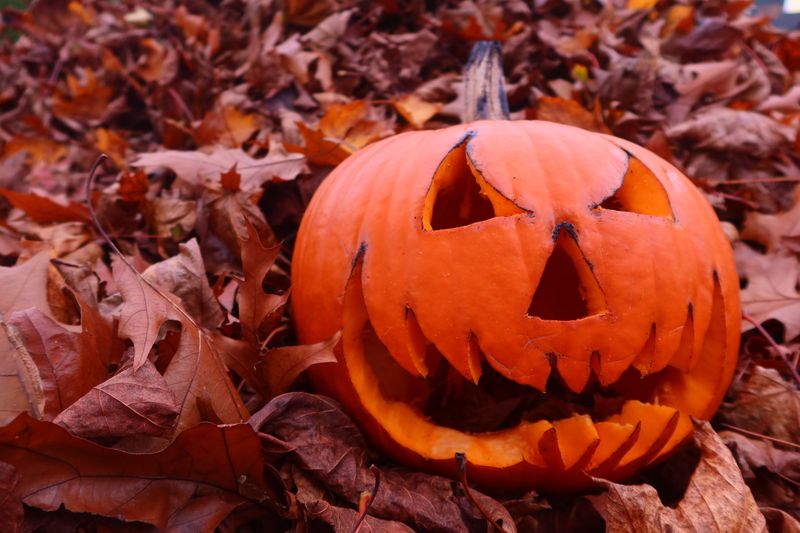
Fresh pumpkin flesh is about ninety percent water, which makes it a soggy green ingredient in compost terms. Green does not mean color in this case, because it simply describes moist materials that are rich in nitrogen.
Browns are the dry, carbon-rich partners that balance things out, and October hands us plenty of them for free. Crunchy oak and maple leaves piling up in your yard right now are perfect for this important job.
Many extension experts suggest roughly two to three parts browns for every one part greens, measured by volume. With wet pumpkins, I lean toward the higher end, since extra browns soak up that sloppy moisture nicely.
Shredded newspaper and plain cardboard also work well if your trees have not dropped their leaves yet. Avoid glossy printed paper and cardboard with plastic tape, since those pieces linger in finished compost for ages.
Layer your pumpkin chunks between thick blankets of browns, a bit like building a giant leafy lasagna. Running a lawn mower over leaves first shreds them into small flakes that break down much more quickly.
Too few browns lead to a slimy, smelly mess that attracts fruit flies and makes neighbors wrinkle their noses. Get the balance right, and your pile will smell earthy and pleasant, like a forest floor after rain.
5. Tuck Pumpkin Chunks Deep To Keep Critters Away
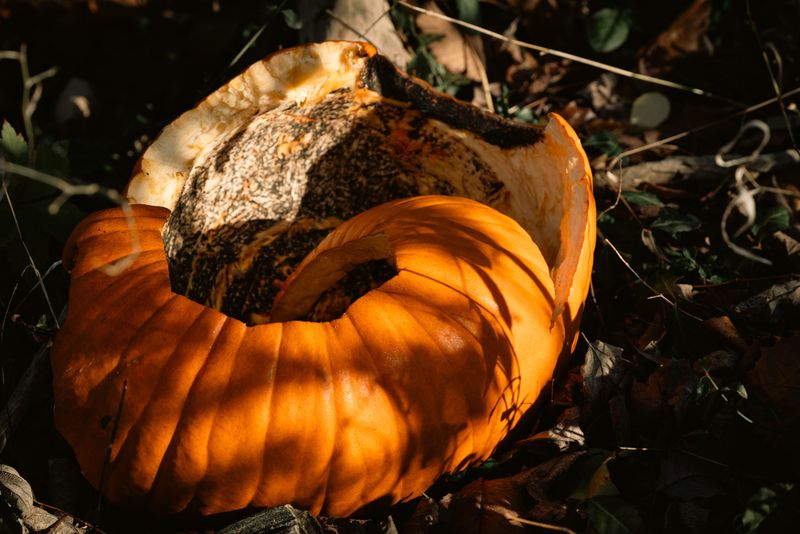
Raccoons have nimble front paws and sharp noses, and a pile of sweet pumpkin is basically a buffet invitation. Opossums and roaming dogs may join the party too if those orange chunks sit out in the open.
The simple fix is burying pumpkin pieces in the center of your pile, at least eight to twelve inches deep. Dig a hole with a garden fork, drop the chunks inside, and cover them with older compost or leaves.
That covering layer hides the sweet smell, which keeps curious critters and buzzing fruit flies from finding a feast. It also traps warmth in the core, where microbes are most active and do their best breakdown work.
Mixing the pieces gently with surrounding material helps too, because it spreads moisture and nitrogen more evenly. Pockets of pure pumpkin tend to turn slimy, while well-mixed chunks blend into the pile much more smoothly.
If animals keep raiding your heap, a bin with a lid or a hardware cloth enclosure makes a big difference. Personally, I switched to a closed bin after one bold raccoon dragged pumpkin rinds across my patio.
Keep meat and greasy leftovers out of the same pile, since those scraps attract even more unwanted visitors. Plain plant material like pumpkins and leaves stays much less tempting once it is tucked deep inside.
6. Squeeze A Handful To Check Compost Moisture
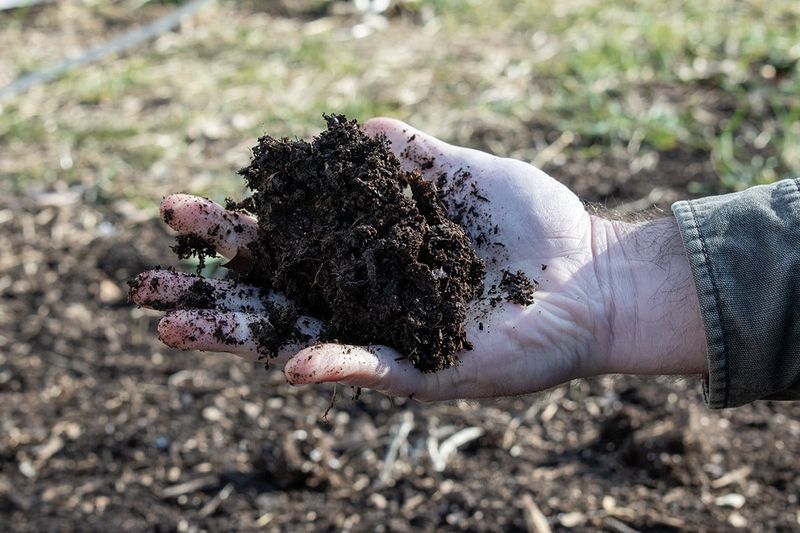
Grab a handful from the middle of your pile and squeeze it hard, just like wringing out a kitchen sponge. A few drops of water should appear, but a steady trickle means things have gotten far too wet.
Pumpkins release a surprising amount of juice as they soften, so your pile can go soggy fast after Halloween. Soggy compost runs low on air, and that is when sour, rotten egg smells start drifting across the yard.
Alabama fall weather can swing between dry, sunny stretches and heavy rain, so checking weekly is a smart habit. During dry spells, sprinkle the pile with a hose until the material feels damp without any dripping.
When rain or pumpkin juice makes things too wet, mix in extra dry leaves or shredded cardboard right away. Those browns act like a giant sponge, pulling moisture away from the soggy spots in the pile.
A loose tarp over the pile during long rainy stretches keeps it from turning into a muddy swamp. Just remove the tarp when weather clears, because the pile still needs fresh air to keep microbes happy.
I love how quickly a balanced pile responds, often warming up within a few days of a moisture fix. Your hand becomes the best tool for this job, and after a few squeezes, you will judge moisture like a pro.
7. Turn The Compost Pile With A Garden Fork
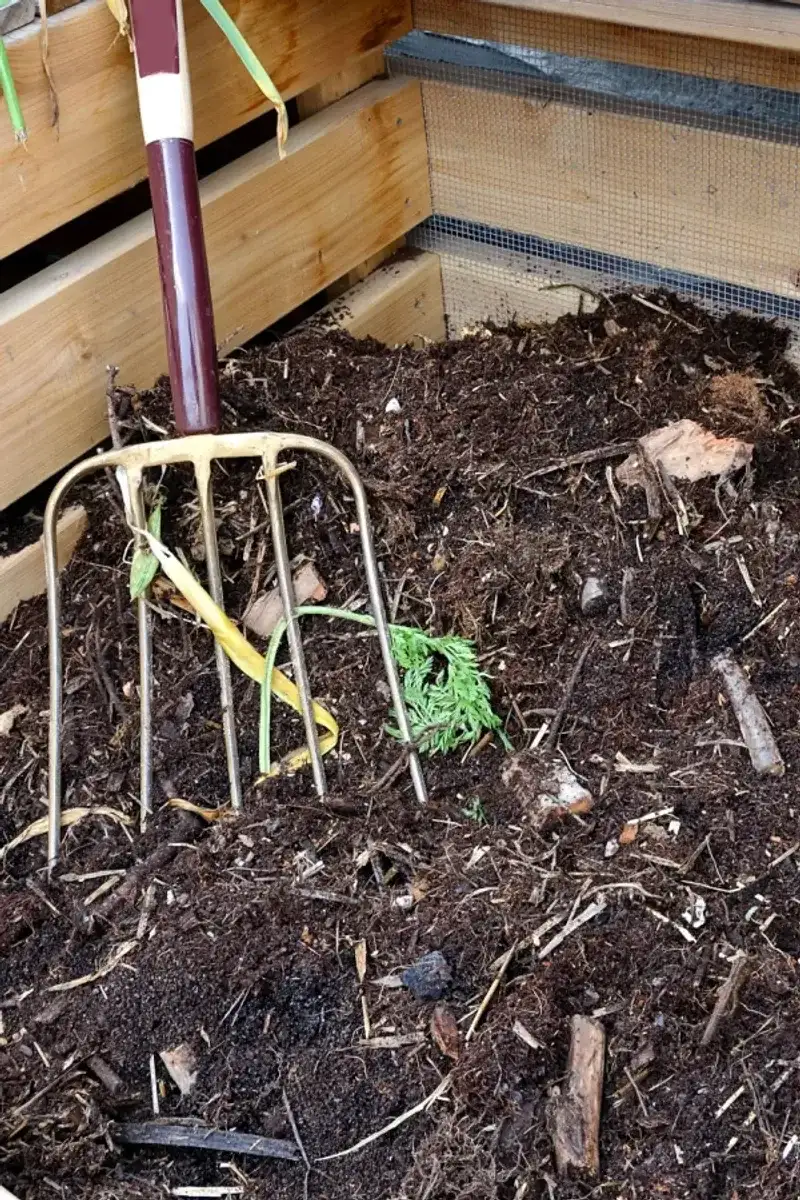
Steam rising off a freshly turned compost pile on a cool October morning is a gardener’s favorite magic trick. That warmth comes from billions of busy microbes, and they need oxygen to keep the process running strong.
Composting is an aerobic process, which means the best decomposers breathe air just like we do. Over time, materials settle and pack down, squeezing out oxygen and slowing everything to a sluggish crawl.
Turning the pile every one to two weeks brings fresh air into the center and keeps decomposition moving. A garden fork or pitchfork works best, since the tines slide through tangled leaves much easier than a shovel.
Move material from the cooler outer edges into the hot middle, and shift the center out toward the sides. That swap gives every pumpkin chunk a turn in the warmest zone, where breakdown happens much faster.
A long compost thermometer is a fun, inexpensive gadget that shows exactly when your pile needs some attention. Once the core temperature starts dropping after a hot spell, that usually signals it is time to turn again.
Tumbler bins make this job easier on your back, because a few spins mix everything without heavy lifting. I believe turning a pile is good exercise too, and it beats raking leaves for the third time.
8. Wait For Dark Crumbly Finished Compost
Patience might be the hardest step, especially when you are eager to see those pumpkins turn into rich soil. Chopped pumpkin chunks in an active pile can soften and break down within a few weeks to a couple months.
The whole pile, though, usually needs several more months before it becomes fully finished and ready to use. Pumpkins you compost in early November will likely be ready for garden beds sometime around spring planting season.
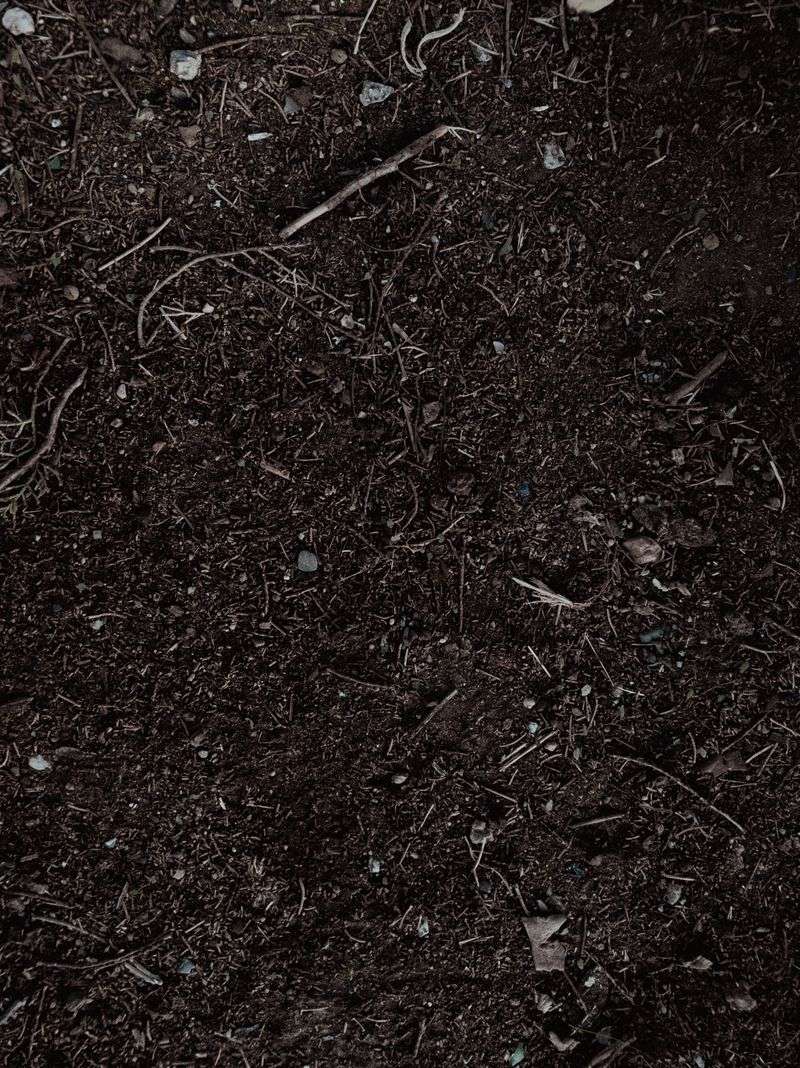
Finished compost looks dark brown and crumbly, and it smells sweet and earthy instead of sour or rotten. You should not recognize any pumpkin pieces, although a few stubborn stems or seeds may still hang around.
Cooler winter weather slows microbes down, but mild winters across much of Alabama keep piles working longer than up north. Even on chilly days, a well-built pile often stays warm in the center, quietly working while you rest.
Some gardeners skip the bin and bury chopped pumpkins in a trench about a foot deep inside empty beds. By spring, those pieces are often gone, leaving behind softer soil that earthworms seem to adore.
Personally, I mark trench spots with a small stake, so I remember where my buried treasure is resting. Unfinished compost can tie up nitrogen near young roots, so give it time before planting tender seedlings.
9. Spread Compost Over Fall Vegetable Beds
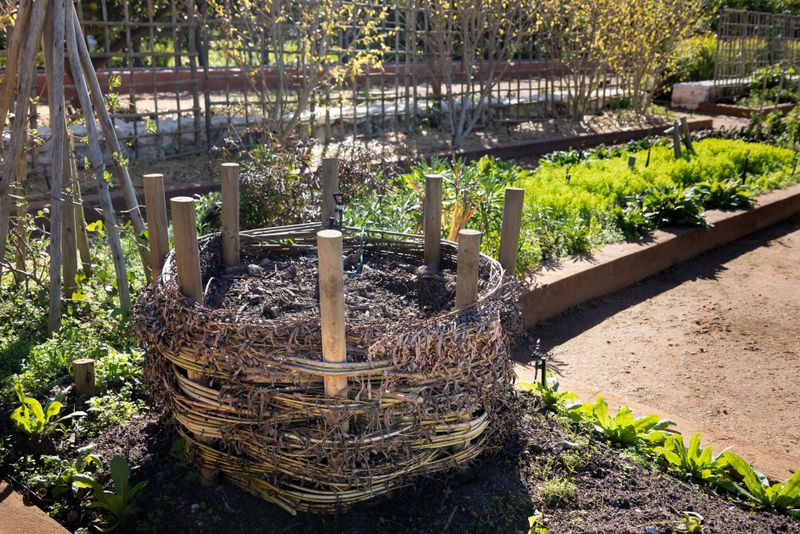
Collards love cool weather, and they taste sweeter after a light frost thanks to stored sugars in the leaves. Your fall vegetable beds can benefit right now from compost, even while this year’s pumpkins are still breaking down.
If you have finished compost from last spring’s batch, spread about one to three inches over your beds. Work it gently into the top few inches of soil with a garden fork before planting or around existing crops.
Compost adds organic matter, which helps sandy soil hold water and helps heavy clay drain better after storms. Alabama gardeners deal with both soil types, from Coastal Plain sand to the stubborn red clay of the Piedmont.
October is prime time for planting garlic cloves, and they appreciate loose, compost-rich soil to grow plump bulbs. Kale and cabbage transplants also settle in nicely when compost gives their young roots a softer start.
Compost supplies modest amounts of nutrients, so a soil test through Alabama Cooperative Extension shows what else your garden needs. Those affordable tests reveal pH and nutrient levels, helping you add fertilizer only where it truly matters.
I can’t imagine a more satisfying cycle than watching last fall’s porch decorations feed this season’s greens. Next spring, your new pumpkin compost will be ready, and the whole cycle can begin again.