The Evergreen Hedge Plant Sneaking Across Alabama Is Dropping Blue Berries Right Now
The Semi-Evergreen Hedge Plant Spreading Across Alabama Is Dropping Blue Berries Right Now
You hear the chatter before you spot any feathers. Robins and waxwings feast on dusty blue berries while you walk past.
Those berries linger into winter, so you watch flocks return daily. Shiny leaves cling to the branches long after you watch the oaks turn brown.
Privet looks polite, even pretty, trimmed neatly along your property line. Birds carry those seeds and scatter them across Alabama, far beyond your fence.
Seedlings sprout along creek banks, in pastures, and under forest canopies you thought were safe. Dense thickets then quietly overshadow the wildflowers and saplings you hoped to see.
Trim it low and it resprouts quickly, which challenges you. Gardeners planted it for fast privacy, and you may know the planter.
Alabama forests now host an ornamental shrub you may have admired. Picture those blue berries again, then ask where they landed.
Chinese Privet Is The Hedge Behind The Blue Berries
Ligustrum sinense goes by the friendlier name Chinese privet, and it sits behind many of those blue berries. Gardeners first brought it to the United States from China around 1852.
Nurseries sold it for decades because it grew fast and handled heat, drought, and poor soil. Southern homeowners loved a hedge that stayed green most of the year with very little effort.
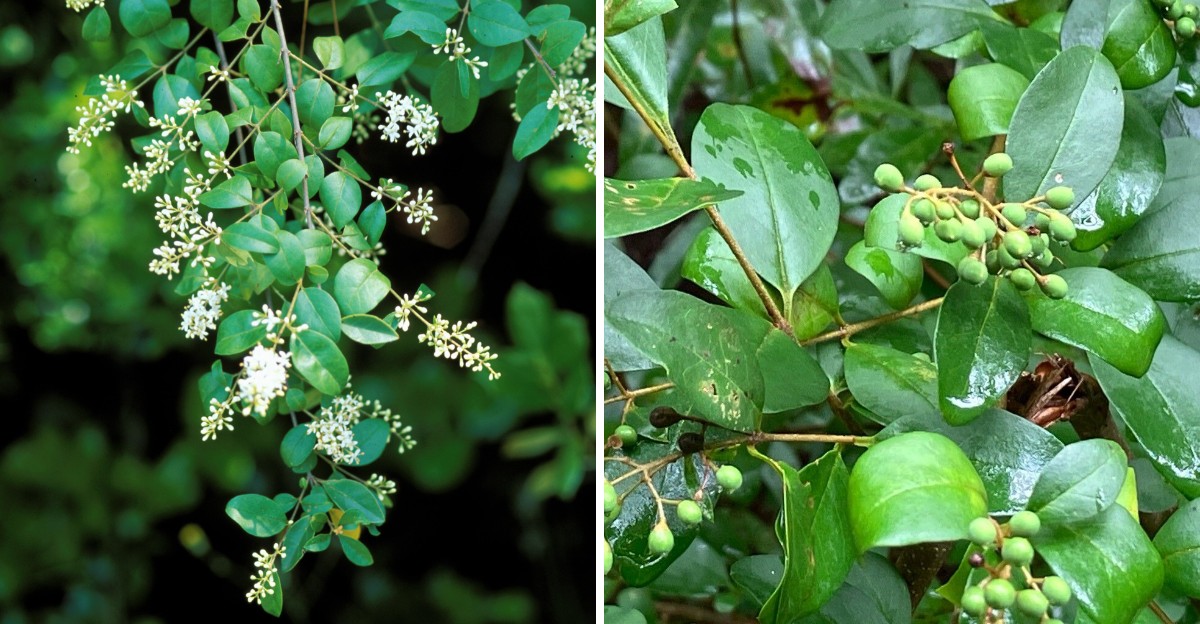
The shrub usually grows ten to fifteen feet tall when left alone, though some reach thirty feet. Its leaves are small, oval, and arranged in opposite pairs along thin stems.
Young twigs often feel slightly fuzzy if you run a finger gently along them. That soft fuzz helps separate it from glossy privet, a taller cousin with much bigger leaves.
In spring, the plant covers itself in creamy white flower clusters with a strong, sweet smell. Plenty of people find that scent heavy, and people with allergies often notice it fast.
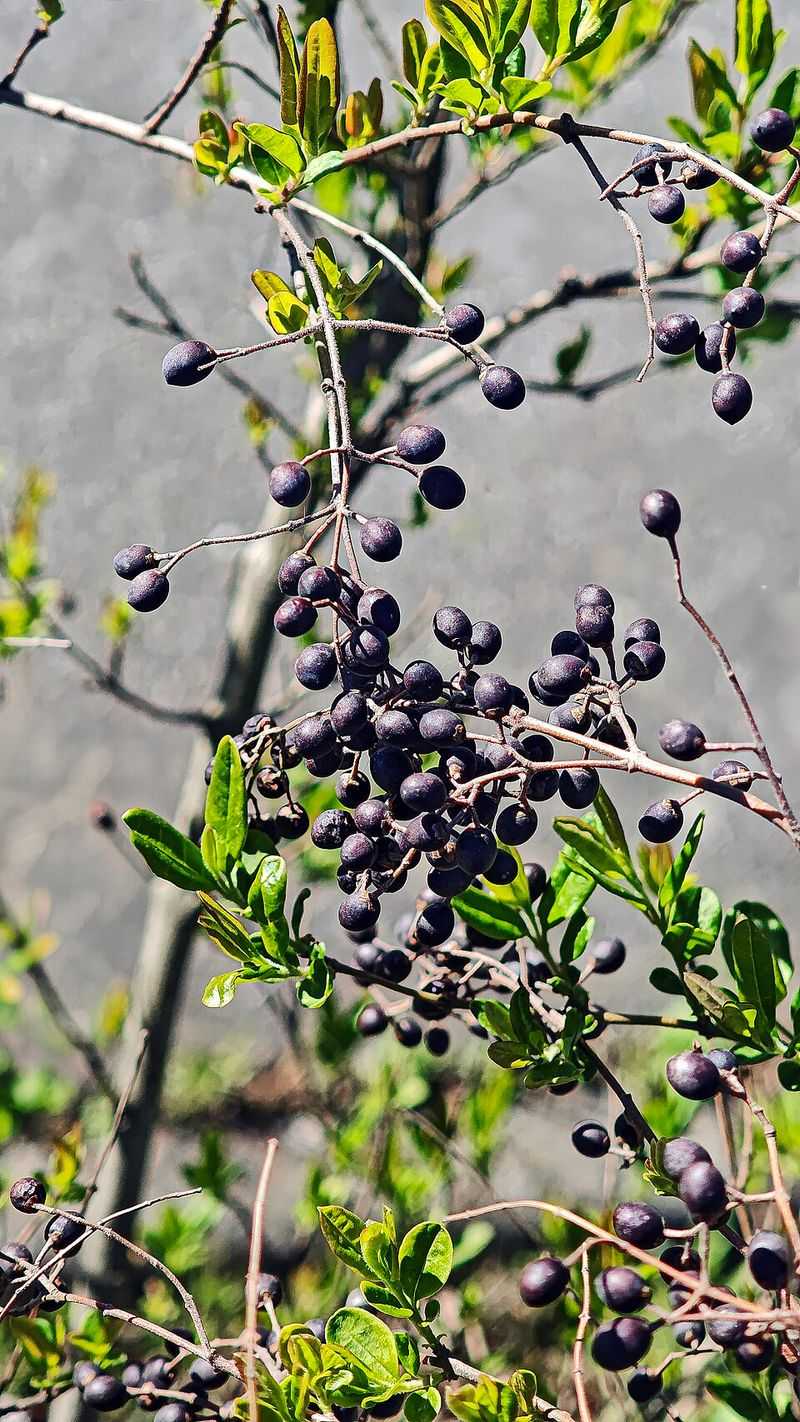
Those faded flowers turn into the dark blue fruit you see hanging right now. Each berry is about the size of a small pea and holds one to four seeds.
The Alabama Invasive Plant Council lists it among the more problematic invasive plants in the state. Spotting it is the first step toward keeping your own yard and the nearby woods healthy.
October Berry Season Across Alabama Yards
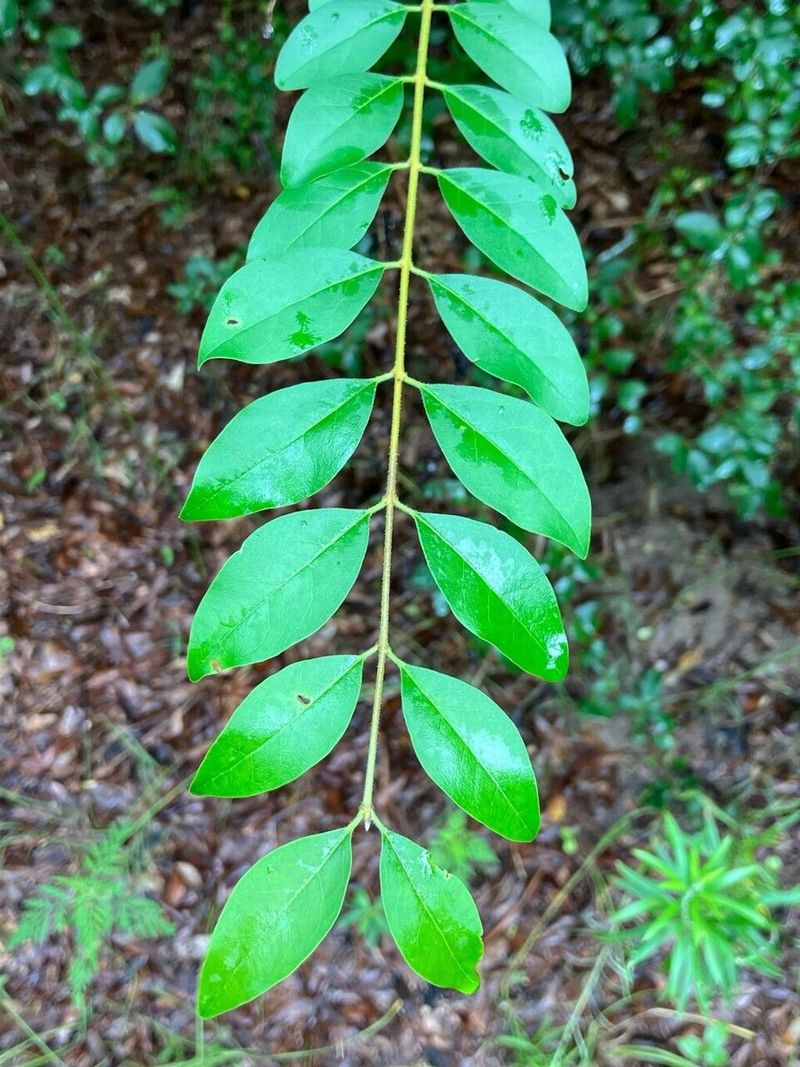
Cool mornings in October bring football, pumpkin stands, and heavy clusters of privet fruit across Alabama. The berries start green in summer and slowly darken through early fall.
By mid-October, most clusters have turned a deep blue-black with a light, powdery coating. Some branches sag under the weight, especially on shrubs growing in full sunshine.
The fruit does not drop all at once, which is part of the problem. It hangs on through winter, giving birds a steady snack from now until about March.
One healthy shrub can produce thousands of berries in a single season. Multiply that by the privet hedges in your neighborhood, and the numbers add up quickly.
Your Alabama Garden Changes Every Week. Your Plan Should Too.
Gardening in Alabama changes quickly throughout the season. Every Friday you’ll receive a simple weekly plan showing exactly what to plant, prune, fertilize, harvest, and protect so you never miss the right timing.
Walk outside after a windy night and you may find berries scattered across sidewalks and driveways. Purple smudges on car hoods and patio chairs are a common side effect.
Late fall is also a smart time to spot the plant in the woods. Many native trees lose their leaves, while privet often stays green and easy to see.
Take a slow drive down a country road this month and count the green patches under bare trees. Many of those patches are privet thickets that are easy to overlook.
Snap a few photos while the berries are easy to see. Those pictures will help you map problem spots before winter cleanup starts.
Birds As The Seed Delivery Service
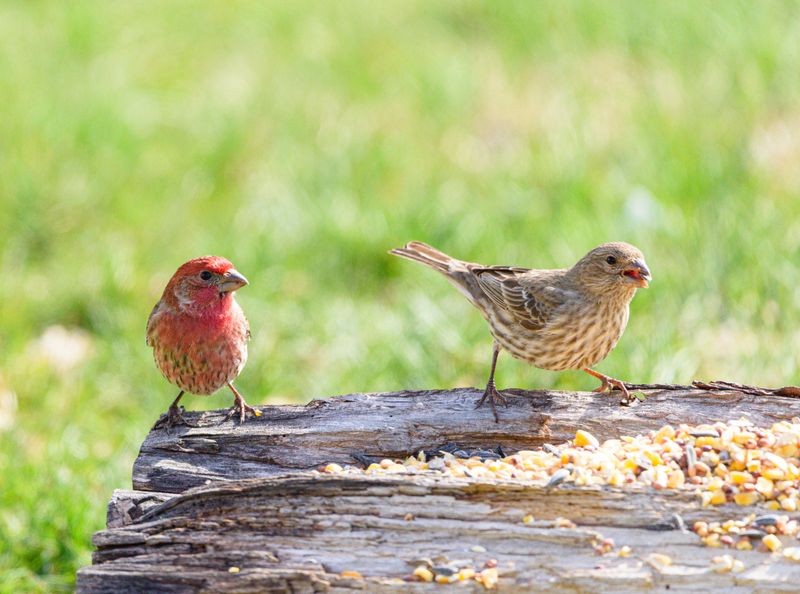
Picture a cedar waxwing with a belly full of berries and a long flight ahead. That little bird is about to plant privet somewhere miles away, free of charge.
Birds swallow the berries whole, digest the soft pulp, and pass the hard seeds later. Robins, mockingbirds, starlings, and bluebirds all join the feast when cold weather arrives.
Seeds often land under fence lines, power lines, and tree branches where birds like to perch. Those spots soon sprout neat little rows of privet that nobody planted.
Privet berries are not especially nutritious for birds compared with many native fruits. Think of them as a lower-quality food source that is plentiful and easy to grab.
Creeks and rivers help too, carrying seeds downstream during heavy rains. Alabama floodplains and stream banks often hold some of the densest privet stands in the state.
Seeds in the soil, along with sprouts from roots and cut stumps, can bring privet back in spring. A single cleanup may not be the end of it.
None of this means you should discourage friendly birds from visiting your yard. Giving them better berry options, which comes later, is a much kinder plan.
Your feathered visitors are simply following their hungry stomachs through the cold months. The real fix starts with the shrubs that keep feeding them.
The Trouble With Letting It Spread
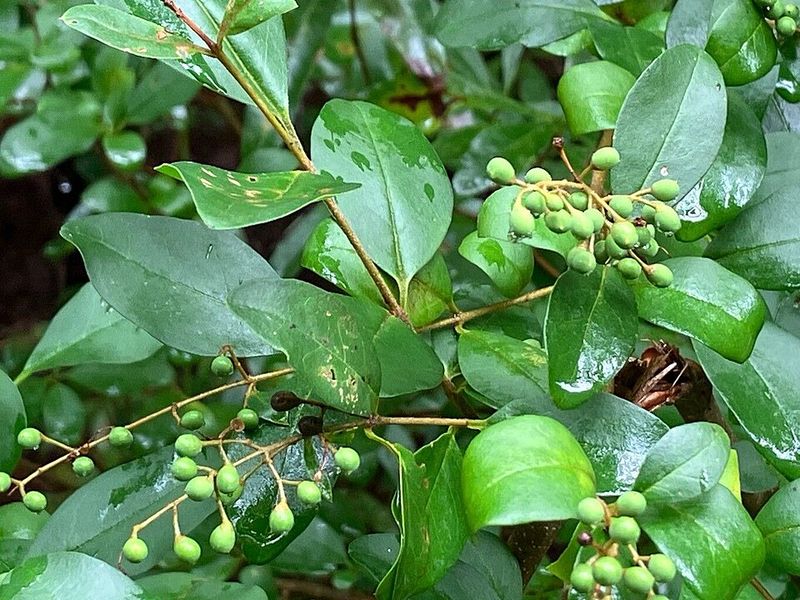
Step into an Alabama creek bottom dense with privet and the quiet is noticeable. Wildflowers, ferns, and young oak seedlings are missing from the ground below.
The shrub forms dense stands of stems that limit sunlight reaching the forest floor. Native plants that need light struggle to keep up and decline over time. Pollinators lose the early blooms they rely on when native wildflowers disappear.
Forest Service research in the Southeast found fewer native bees in heavy privet stands. After privet was cleared, bee numbers recovered within a few years.
Thickets also make walking, hunting, and fishing access much harder along streams. Anyone who has pushed through a privet tangle knows it snags clothes and gear.
Landowners pay a price as well when privet crowds out timber and pasture grass. Clearing a heavily infested acre can take days of hard work or costly equipment. Thickets that began as a few seedlings can take years to remove.
The berries and leaves are also considered toxic to people, pets, and livestock if eaten. Keep curious toddlers and dogs away from fallen fruit on the lawn.
According to U.S. Forest Service surveys, privet has spread across millions of acres in the South.
As it spreads, cleanup tends to grow larger and costlier. Acting early keeps a small chore from becoming a much larger project. Early action protects woodlands, pastures, and household budgets alike.
Effective Removal Methods For Privet
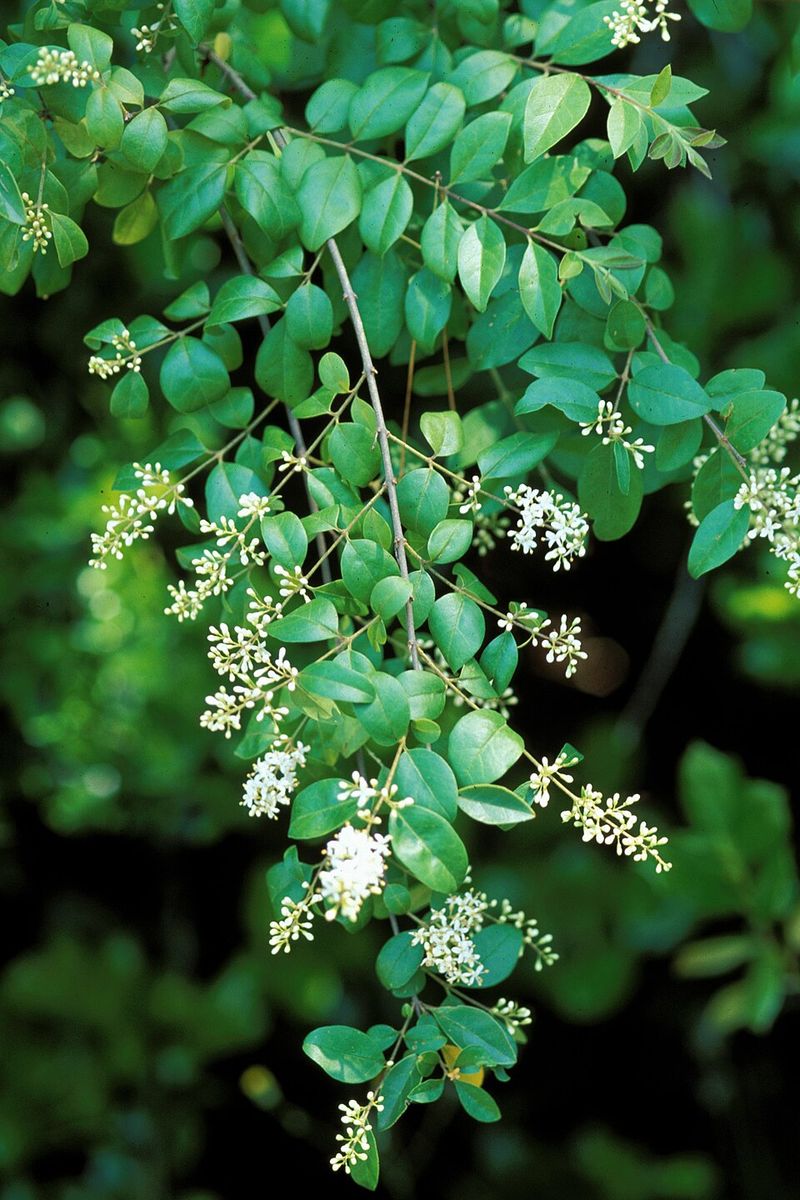
Grab a pair of gloves and some patience, because privet is persistent and resists removal. The right method depends on how big each plant has grown.
Small seedlings under a foot or two tall can be pulled by hand after a good rain. Moist soil lets the roots slide out in one piece instead of snapping.
Medium shrubs often come out with a weed wrench, a lever tool that grips the trunk. Leave root pieces behind, and new sprouts usually pop up within weeks.
Larger shrubs work best with a cut-stump treatment done carefully. Cut the trunk close to the ground, then paint the fresh stump with an herbicide containing glyphosate immediately after cutting.
Fall and early winter are ideal for this job in Alabama. Privet is pulling energy down into its roots, so the treatment travels deep where it counts.
Read and follow every direction on the herbicide label before you start. Wear eye protection, and keep the spray away from nearby flowers, vegetables, and water.
Bag up branches loaded with berries instead of tossing them on a brush pile. Seeds on discarded limbs can still sprout or get carried off by birds.
Expect to check the same spot again next spring and summer. A quick follow-up visit catches stragglers before they grow into the next persistent hedge.
Native Shrubs To Plant In Its Place
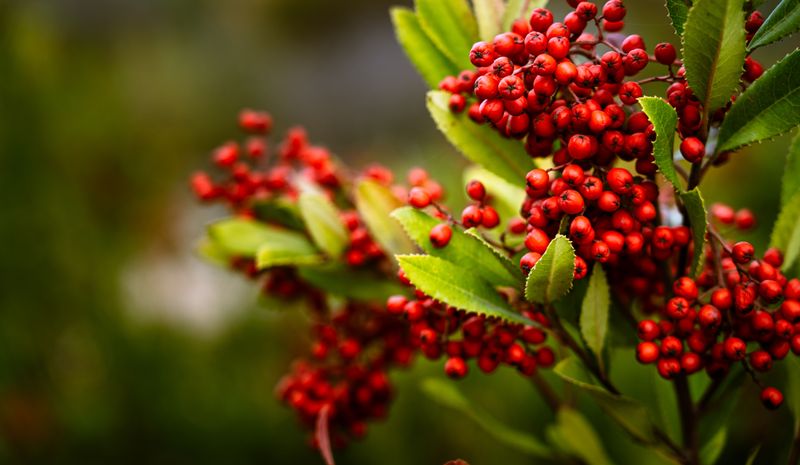
An empty spot along the fence after removal is an open invitation. Fill it with natives, and both your privacy and your local birds come out ahead.
Yaupon holly makes a tough evergreen hedge and offers bright red berries in winter. It handles Alabama heat, sandy soil, and dry spells with very little fuss. Its berries feed hungry songbirds when other food runs short.
Wax myrtle grows quickly into a dense screen with a pleasant spicy scent. Birds such as yellow-rumped warblers love its waxy gray-blue berries during the colder months.
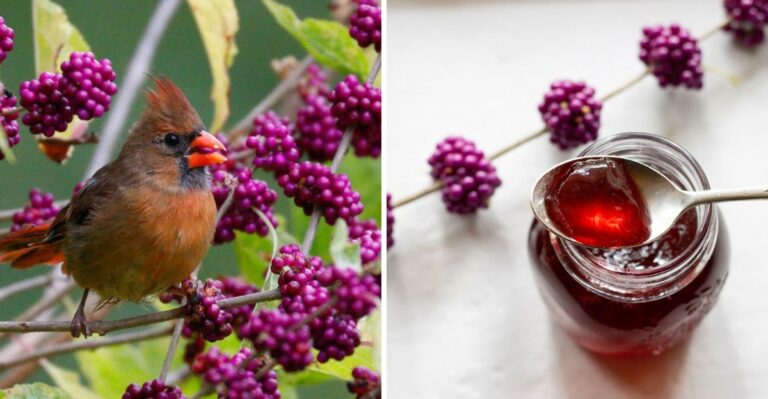
American beautyberry brings a burst of bright purple fruit each fall. It loses its leaves in winter, so mix it with evergreens if privacy matters.
Inkberry holly is a good pick for damp spots and shady corners. Its small black berries feed birds without crowding out the plants growing nearby.
Fall is planting season in Alabama, so October is a good month to start. Cooler air and warm soil help roots settle in before summer heat returns. Water new plantings weekly during their very first year.
Ask your local extension office or native plant society for advice on what grows best near you. Some counties host plant sales with healthy natives at friendly prices.
Swapping one hedge can feel small, yet neighbors often notice and follow along. Before long, the birds on your street may be planting something better.