Two Silent Culprits Are Threatening The Illinois Vegetable Garden Season
Something is quietly affecting Illinois vegetable gardens right now. You water, you weed, you wait, and then one morning your plants just look wrong.
Two silent culprits are threatening the Illinois vegetable garden season before you ever see them coming. Knowing what they are and how to fight back can mean the difference between a sad, empty garden bed and a table full of fresh food.
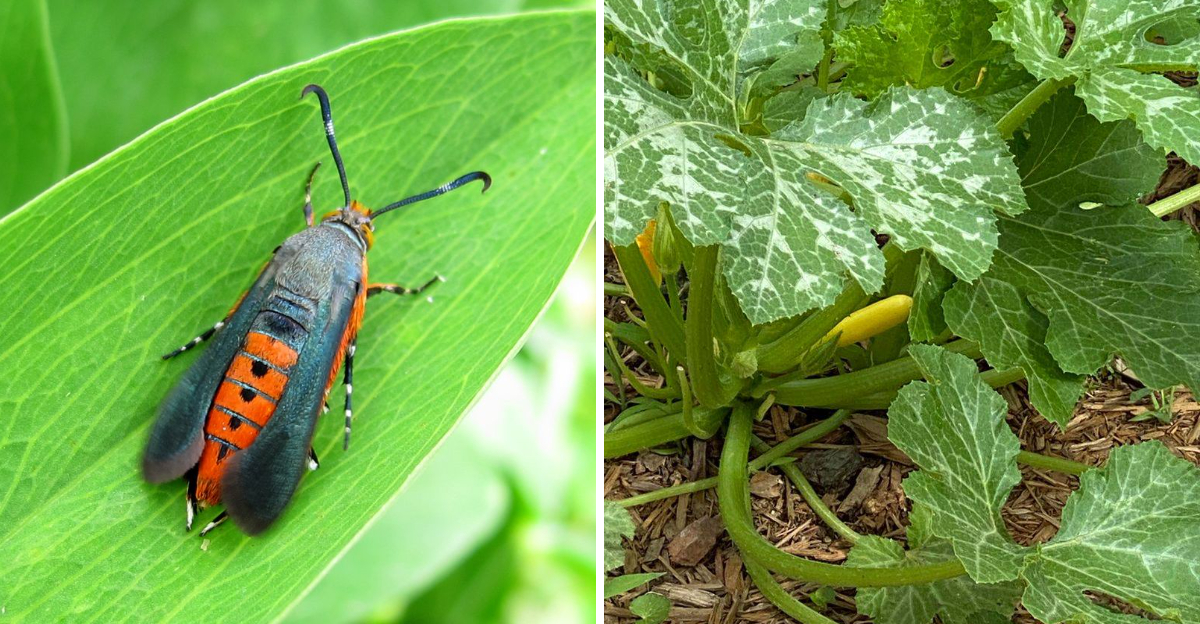
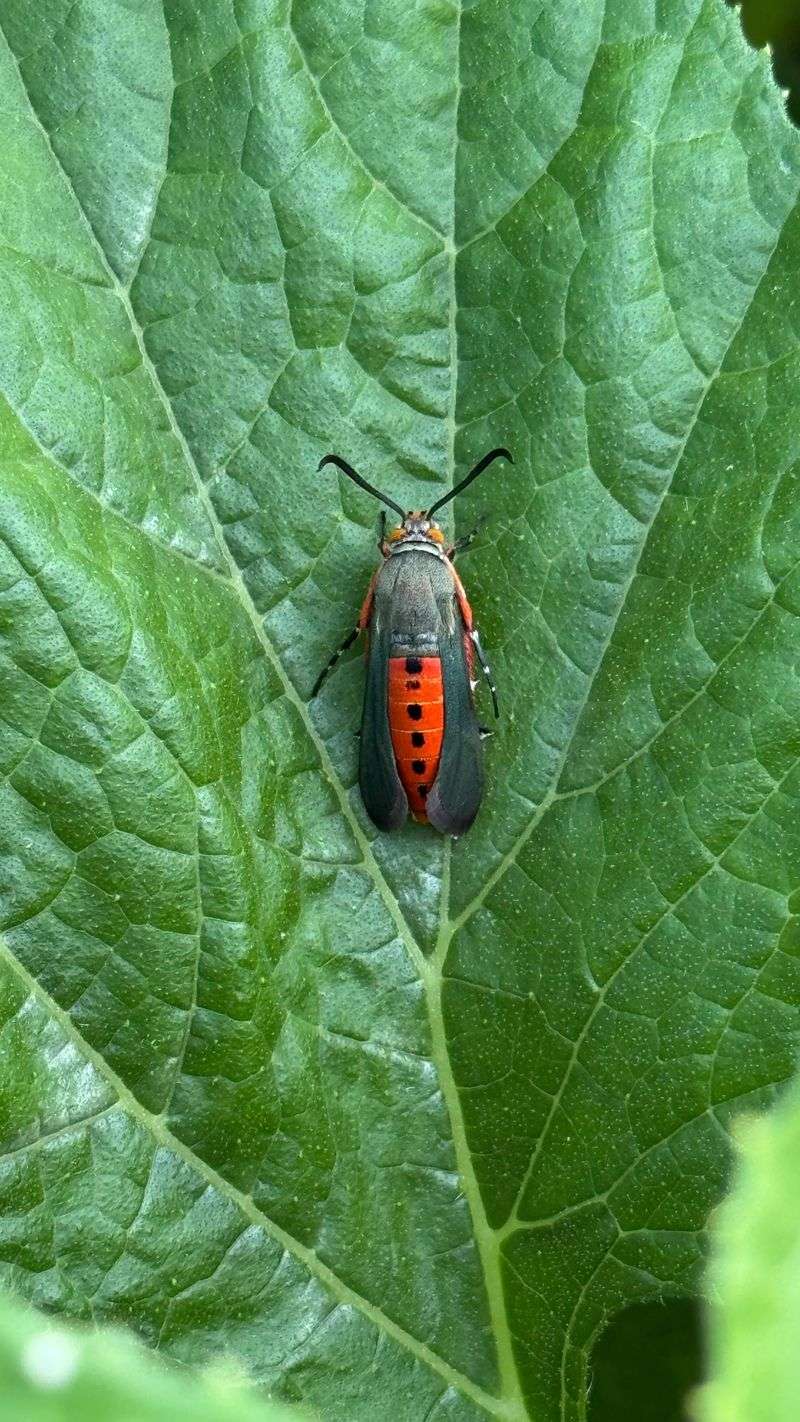
Squash vine borers and powdery mildew are the two troublemakers most Illinois gardeners never see until serious damage is already done. One is a sneaky insect that works from the inside out, hollowing squash stems day and night.
The other is a fungal disease that coats your leaves in white powder and gradually weakens your plants. Both strike hardest in late summer, right when your harvest should be at its peak.
Understanding their habits, their warning signs, and your best countermoves helps protect your garden. This guide breaks down both threats clearly so you can act fast, save what you have, and grow smarter next season.
What’s Threatening The Illinois Vegetable Garden Season Early
Late summer hits, and gardens start falling apart. Two invaders are usually to blame. Squash vine borer strikes first, tunneling into stems. Powdery mildew follows close behind, coating leaves in white.
Neither problem is rare in home gardens. Both show up almost every single year. What makes this timing so frustrating is the overlap. Just as harvest ramps up, both threats hit hardest.
One works from the inside, out of sight. The other spreads across leaves in plain view. Together, they can end a vegetable garden’s productive stretch early. Fall crops planned for later often get skipped entirely.
Home gardeners across the region notice the pattern every August. Vines wilt, leaves gray, and harvests shrink fast. Understanding why helps you respond faster. Recognizing the signs early can save your remaining harvest.
This section breaks down what’s really going on. Knowing the cause is the first step toward a fix. Both problems love the same weather conditions. Warm days and humid nights fuel them equally.
Dense plant canopies make things worse for airflow. Poor airflow lets mildew spread even faster. Meanwhile, vine borer larvae work in near silence. By the time you notice, damage may already be done.
So what exactly should you be watching for? The next sections walk you through every warning sign. Illinois summers create the perfect storm for both. That combination is exactly why late season losses happen so fast.
Squash Vine Borer Warning Signs To Watch For
One vine looks perfect. The next morning, it’s collapsed. That sudden wilt is the first big clue. Healthy vines don’t collapse overnight without reason.
Check the base of the stem closely. Look for a small hole with sawdust-like residue. That residue is called frass, and it’s a clear giveaway. Larvae leave it behind as they tunnel inward.
Gently squeeze the stem near the soil line. A hollow or mushy feel means trouble. Eggs get laid at the stem base in late June and July. Larvae hatch fast and burrow straight into the plant.
Your Illinois Garden Changes Every Week. Your Plan Should Too.
Gardening in Illinois changes quickly throughout the season. Every Friday you’ll receive a simple weekly plan showing exactly what to plant, prune, fertilize, harvest, and protect so you never miss the right timing.
From there, they feed from the inside out. Water and nutrients stop moving properly. Watch for wilting on just one vine at a time. Neighboring vines often stay completely healthy.
That’s a strong clue it’s borer damage, not drought. Drought usually affects the whole plant evenly. Catch it early, and you can still save the vine. Slit the stem, remove the larvae, and mound soil over it.
New roots often form at that buried point. The vine can recover and keep producing. Wait too long, though, and recovery gets harder. Once tunneling spreads, the stem structure weakens fast.
Row covers placed before mid-June help block egg-laying moths. That single step can prevent an infestation before it starts.
Weekly stem checks starting in June make all the difference. Spot it early, and your squash plants stand a real chance.
How Powdery Mildew Spreads Across Late-Summer Leaves
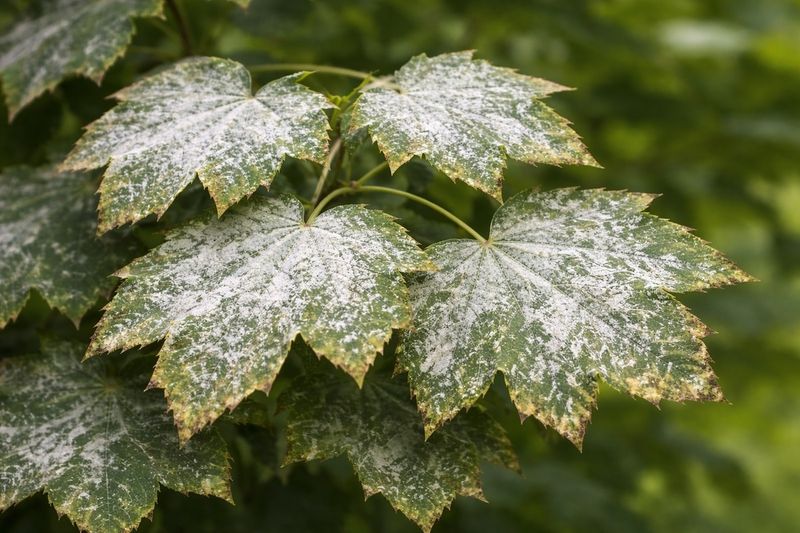
White dust on leaves rarely means good news. It’s usually powdery mildew moving in. This fungal disease shows up fast in late summer. Small white or gray spots start the trouble.
Within days, those spots merge into a full coating. Whole leaves can turn pale and dusty. It doesn’t just hit squash, either. Cucumbers, melons, and some ornamentals are at risk too.
Unlike many fungal diseases, this one skips standing water. It spreads through humidity and still air instead.
Warm days and humid nights create ideal conditions. Dense foliage with poor airflow makes things worse.
Left untreated, the fungus blocks the leaf’s ability to function. Photosynthesis slows, and the plant weakens fast.
Leaves start yellowing, curling, and declining early. Fruit size and flavor often decline as a result. The good news is that mildew rarely spreads overnight. You usually get a window to respond.
Spacing plants out improves airflow immediately. Pruning dense foliage helps just as much. Water at soil level, not overhead, all season long. Wet foliage often invites fungal problems.
Potassium bicarbonate is a well-supported option, and a diluted milk spray may offer some help too, though evidence for it is mixed. Sulfur-based treatments work too, applied at first sight of spots.
Resistant varieties make next season easier from the start. Choosing them now saves work later on. Air circulation matters more than most gardeners realize. A few extra inches of spacing changes everything.
Why Both Threats Peak At The Same Time In Illinois
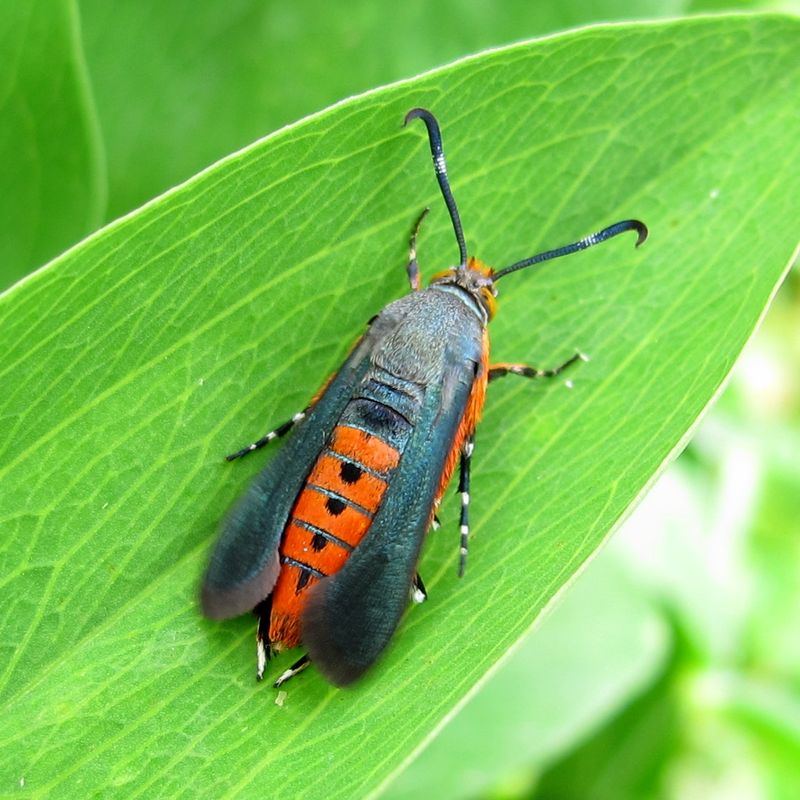
Timing is not a coincidence here. Both threats peak for a reason. Illinois summers deliver exactly what each pest and disease needs. Heat, humidity, and dense plant growth all align.
Vine borer moths are most active in late June and July. Their larvae then feed through July and August. Powdery mildew, meanwhile, builds steadily through summer’s humidity. It peaks once nights turn warm and sticky.
By August, both problems are in full swing together. Gardeners often face two crises at once. That overlap is exactly what makes late summer so hard. Energy that should go toward harvest goes toward damage control instead.
Add in the fact that gardeners get busy too. Harvesting tomatoes and peppers can distract from stem checks.
Missed inspections during peak harvest season are common. That’s often when both threats do the most damage.
Cooler, drier stretches slow both problems down naturally. Unfortunately, those stretches are rare during a Midwest summer. Knowing this pattern helps you plan ahead. Extra vigilance in July and August pays off.
Some years bring worse outbreaks than others. Rainfall, temperature swings, and plant stress all play a role. Tracking your own garden’s history helps too. Notice which years hit hardest and prepare accordingly.
None of this means the season is lost, though. It just means timing matters more than luck. Understanding the timing turns a mystery into a plan. Once you know the pattern, you’re no longer caught off guard.
Steps To Salvage What’s Left Of Your Harvest
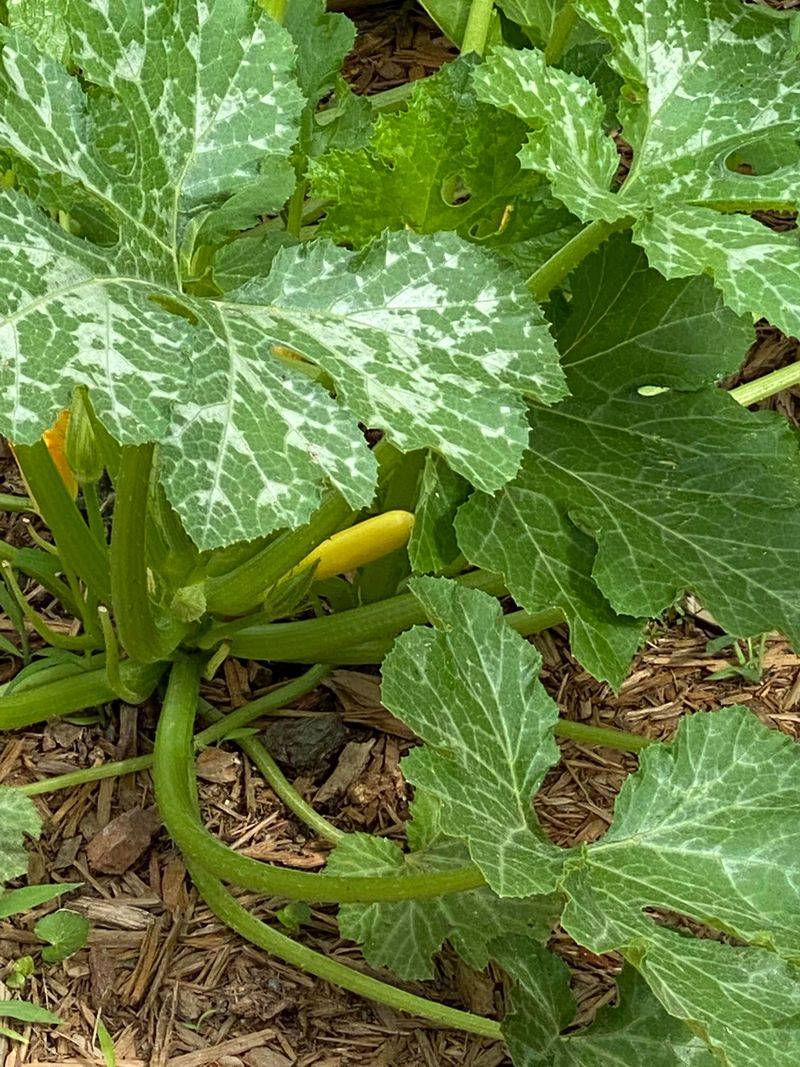
Not every plant is a lost cause. Some can still be saved. Start with the vines showing early wilt symptoms. Inspect the stem base right away.
If you find frass or a hollow feeling, act fast. Slit the stem carefully and remove any larvae inside. Mound moist soil over the wound afterward. New roots can form and support the vine.
For leaves already coated in mildew, prune them off. Removing infected foliage slows the spread significantly. Don’t compost infected leaves in your regular pile. Bag and discard them instead.
Apply a fungicide treatment to remaining healthy leaves. Sulfur-based options work well at this stage. Water consistently to reduce overall plant stress. Stressed plants have a harder time fighting back.
Focus your remaining energy on the strongest vines. Weaker ones may not be worth the effort. Harvest any mature fruit right away, even if early. Ripening indoors is better than losing it entirely.
Consider a fast-maturing fall crop in cleared space. Bush beans and radishes can still produce before frost. Remove and destroy fully collapsed vines promptly. Leaving them in place invites overwintering pests.
Clean tools between plants to avoid spreading disease further. A quick wipe with rubbing alcohol works fine. A rough patch doesn’t mean a lost season. With quick action, there’s still plenty worth saving.
Preventing Both Problems Next Growing Season
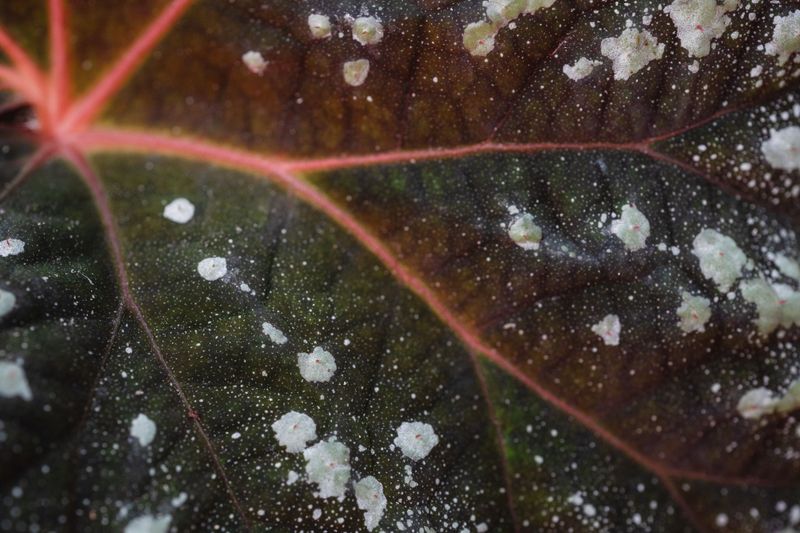
Next season starts with this season’s lessons. Prevention is usually more effective than treatment after the fact. Rotate your squash family crops each year. Avoid planting them in the same spot twice in a row.
Use row covers early to block egg-laying moths. Remove them once flowers appear for pollination. Choose mildew-resistant varieties whenever they’re available. Seed catalogs usually label resistant types clearly.
Space plants generously to boost airflow from the start. Crowded rows almost guarantee mildew problems later. Clean up garden debris thoroughly at season’s end. Vine borer larvae overwinter in old plant material.
Destroying infected vines instead of composting them helps too. Fungal spores can survive in compost piles. Water at soil level, not overhead, all season long. Wet foliage invites fungal problems every time.
Check stems weekly once summer heat arrives. A five-minute walkthrough catches problems while they’re small. Healthy soil grows stronger, more resistant plants overall. Compost and balanced fertilizing support that resilience.
None of these steps require special equipment or expertise. Consistency matters far more than complexity. Mulching around stems helps regulate soil moisture. Even moisture levels reduce stress that invites disease.
Companion planting with radishes may help too, according to some gardeners. Deterrent effects aren’t guaranteed, but it’s low risk. Small changes compound over several seasons. A prevention habit built now pays off for years.
A little planning protects your Illinois vegetable garden for good. Next year’s harvest can go the full distance, wilt-free.