Why Migrating Birds Suddenly Appear In Oregon Gardens During September
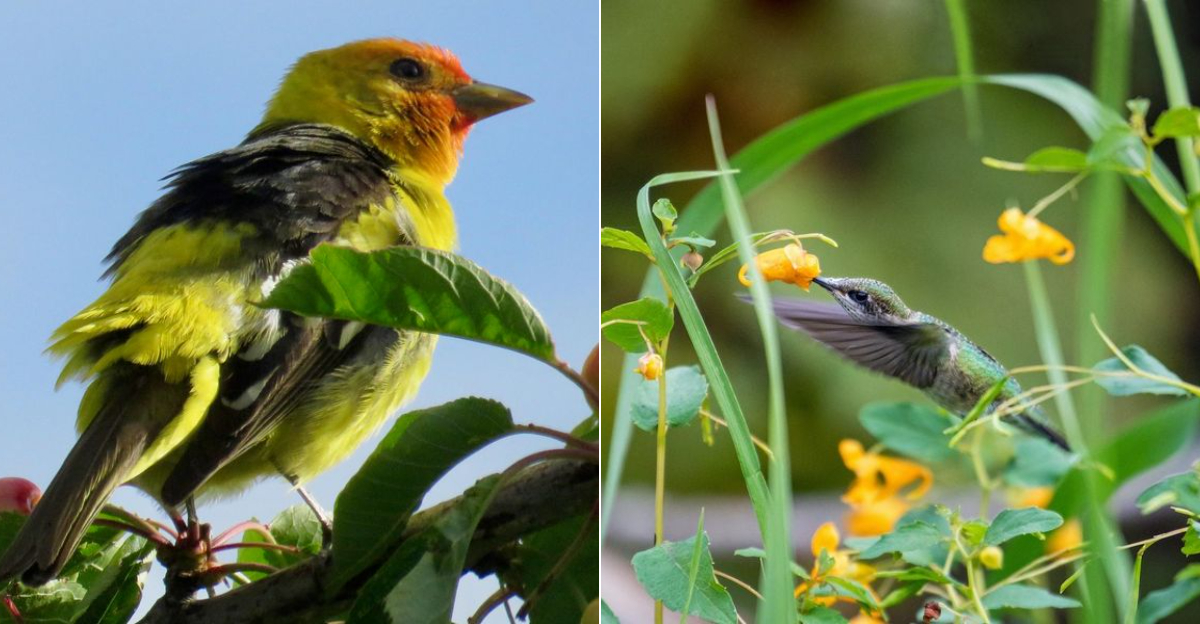
One morning, the garden feels familiar. The next, unfamiliar birds are hopping through shrubs, crowding feeders, and turning quiet branches into temporary rest stops.
Oregon yards can get surprisingly lively when seasonal movement begins overhead. These visitors may only stay briefly, which makes their appearance easy to miss if you are not paying attention.
A flash of color near the fence or a new song outside the window can be the first clue that the backyard guest list has changed.
Food, shelter, weather, and timing all influence where birds pause as they move through the region.
Some gardens simply offer the right combination at exactly the right moment, making an ordinary yard feel like a tiny roadside motel for wings.
The fun part is that you never quite know who might show up next. A familiar feeder can suddenly attract a species you have never noticed before, while berry-filled shrubs become much busier than usual.
Those surprise September visitors are not random. Your garden may be sitting along a much bigger seasonal journey.
1. September Brings A New Wave Of Birds Through Oregon
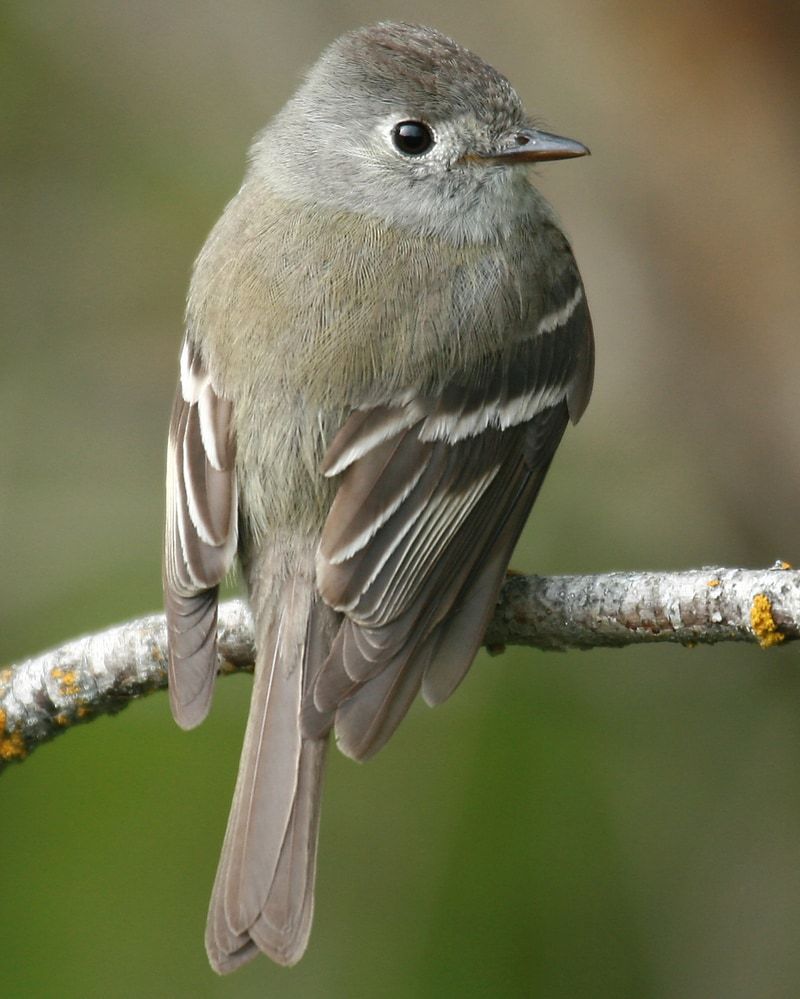
Something shifts in the air when September arrives. The days get shorter, temperatures drop a little, and suddenly the trees and shrubs are full of birds you have never seen before.
This seasonal change is not random. Birds respond to signals in nature, like the length of daylight and cooler temperatures, that tell them it is time to move.
Migration is one of the most remarkable events in the natural world. Millions of birds travel hundreds or even thousands of miles every year.
The Pacific Flyway, one of North America’s main migration routes, runs right along the West Coast. Oregon sits directly in this path, which is why so many species pass through every fall.
Warblers, flycatchers, thrushes, and sparrows are just a few of the birds that travel through the region during this time. Some come from as far away as Alaska or Canada.
They move mostly at night, using stars and the Earth’s magnetic field to navigate. By morning, they land in gardens, parks, and forests to rest and refuel.
Watching this happen from your own backyard is genuinely exciting. You might see a bird you have never spotted before, or notice a species that visits only briefly.
Keeping a simple list of what you see each September can reveal amazing patterns over time.
2. Many Are Heading South For The Winter
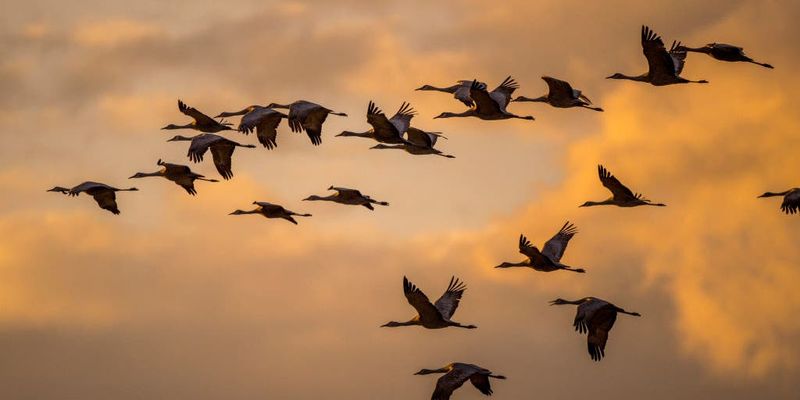
Most of the birds passing through in September are heading to warmer places. Some will end up in California, Mexico, or even Central and South America.
The drive to move south is powerful. Birds that stay in cold northern regions through winter would struggle to find enough food to survive.
Insect-eating birds like warblers and flycatchers have a particularly strong reason to migrate. Insects become scarce when the weather cools.
These birds need to reach places where bugs are still active. Following warm temperatures south is the only way to keep eating the food their bodies are built for.
Your Oregon Garden Changes Every Week. Your Plan Should Too.
Gardening in Oregon changes quickly throughout the season. Every Friday you’ll receive a simple weekly plan showing exactly what to plant, prune, fertilize, harvest, and protect so you never miss the right timing.
Not every bird migrates the same distance. Some species travel just a few hundred miles.
Others cover enormous distances in a matter of weeks. The tiny Rufous Hummingbird, for example, travels from Alaska all the way to Mexico each fall. It is one of the longest migrations relative to body size of any bird on Earth.
Knowing that these birds are on a long journey helps explain why they seem so focused when they arrive in your yard. They are not just passing time.
They are eating, resting, and building the energy they need for the next leg of their trip. Every hour in your garden matters to them more than you might think.
3. Gardens Become Important Stopover Spots
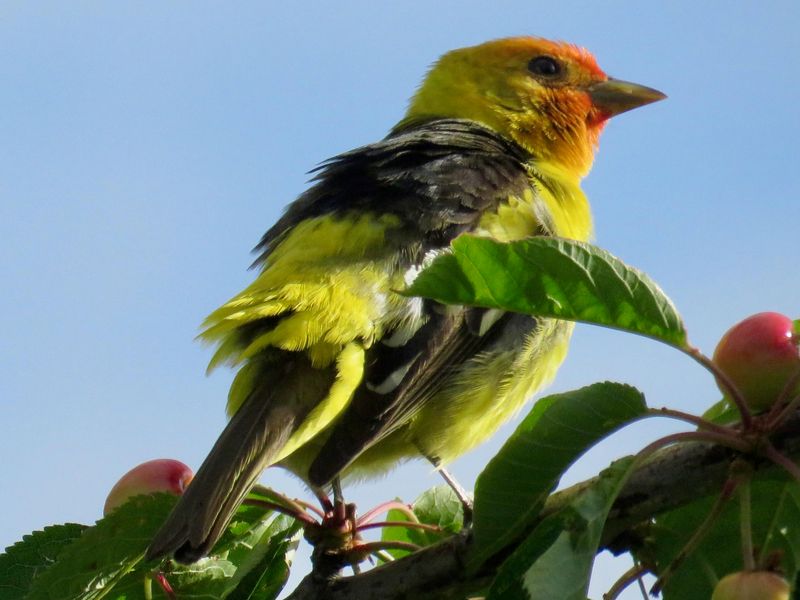
Not all migration stopovers happen in wild forests or nature reserves. Backyard gardens play a real and important role.
When birds are tired and hungry after flying through the night, they land wherever they can find shelter and food. A well-planted garden can be just as valuable as a woodland edge.
Cities and suburbs have replaced a lot of natural habitat over the decades. This makes private gardens even more important as rest stops.
Birds moving through developed areas depend on patches of green space to recover between flights. Your yard could be one of the few safe places they find in a stretch of buildings and pavement.
Gardens that include native plants tend to attract the most migrants. Native trees, shrubs, and flowers support native insects, which are a key food source for many traveling birds.
Even a small garden with a few good plant choices can make a noticeable difference. You do not need a large property to have an impact.
Think of your garden as a tiny wildlife refuge. Each plant you add, each patch of leaf litter you leave alone, and each area of bare soil you protect gives birds more options.
Migrants are adaptable and quick to spot good resources. Once they find your garden, they may return year after year on their seasonal journeys.
4. Berries Can Pull Migrating Birds Into Your Yard
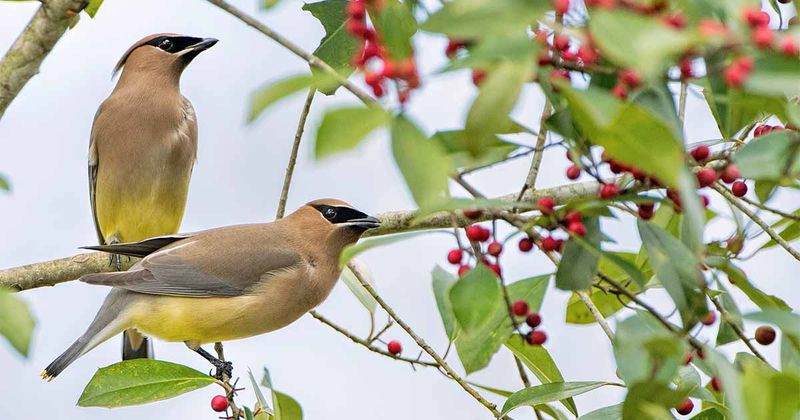
Few things attract migrating birds faster than a shrub loaded with ripe berries. Fruit is a high-energy food that helps birds build up fat reserves quickly.
During migration, that extra energy is critical. Birds that can eat well during a stopover are more likely to complete their journey successfully.
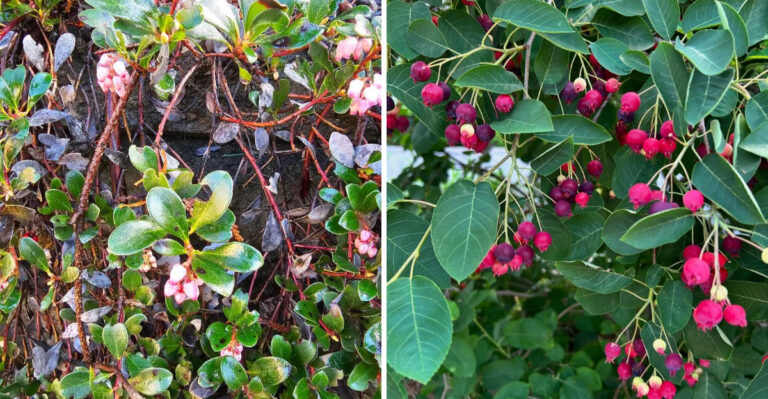
Some of the best berry-producing shrubs for attracting migrants include elderberry, serviceberry, native dogwood, and Oregon grape. Hawthorn is another excellent choice.
These plants produce fruit that ripens right around the time fall migrants are passing through, making the timing almost perfect.
Cedar waxwings are famous for descending on berry bushes in large, chattering flocks. American robins, hermit thrushes, and Swainson’s thrushes also love fruit.
You might find these birds stripping a bush clean in just a day or two. That kind of feeding frenzy is a sign that your garden is doing something right.
If you want to add more berry plants to your yard, fall is actually a great time to plant. Bare-root shrubs establish well in cooler weather.
Even small plants will start producing fruit within a few years. Choosing native species means the plants are already adapted to local soils and rainfall patterns, which makes them easier to grow and more reliable for wildlife year after year.
5. Late Flowers Still Provide Valuable Food
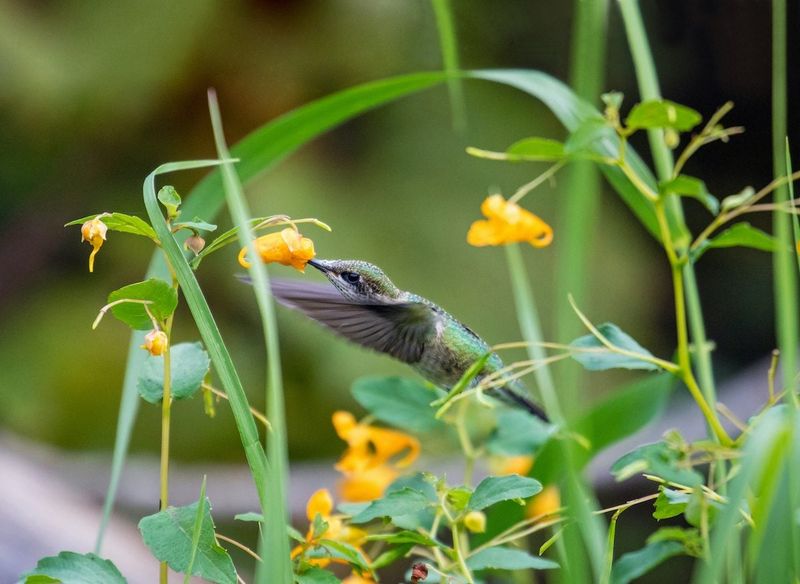
Berries get a lot of attention, but late-blooming flowers are just as important for certain migrants. Hummingbirds, for example, need nectar-rich flowers to fuel their southward journey.
Even as the season winds down, keeping some flowers in bloom can make a real difference for these tiny travelers.
Native plants like goldenrod, asters, and native salvias often bloom well into September and even October.
They attract not only hummingbirds but also insects, which in turn attract insect-eating birds. A single patch of late-blooming flowers can support a surprising number of species at once.
Seed-producing flowers are also valuable. Sunflowers, coneflowers, and black-eyed Susans hold their seeds into fall, giving finches and sparrows a reliable food source.
Leaving spent flower heads standing instead of cutting them back right away is one of the easiest things you can do to help migrating birds.
Many gardeners feel the urge to tidy up the garden in September. Resisting that urge, at least for a few weeks, can make a big difference.
Seed heads, fallen leaves, and even withered stems all provide food and shelter for birds on the move. A slightly messy garden is actually a more welcoming one.
Letting nature do its thing for a little longer helps more wildlife than a perfectly manicured yard ever could.
6. Birdbaths Become Busy Rest Stops
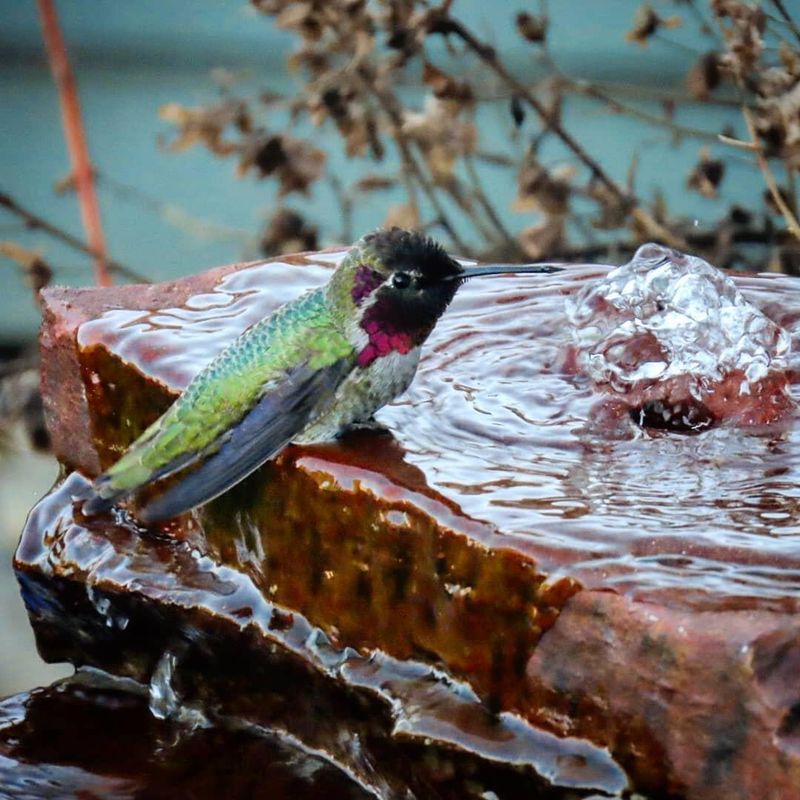
Water is something many gardeners overlook when thinking about attracting birds. But for migrants, finding clean drinking water and a place to bathe can be just as important as finding food.
A birdbath placed in a visible, safe location can draw in birds that might otherwise pass right over your yard.
During September, birdbaths can get surprisingly busy. Multiple species may visit throughout the day.
Warblers, sparrows, and thrushes all need to stay hydrated, especially after a long overnight flight. Bathing also helps birds keep their feathers in good condition, which is important for efficient flying.
Keeping the water fresh is key. Standing water that gets stale or dirty can carry bacteria that harm birds.
Changing the water every day or two keeps it clean and appealing. Adding a small dripper or fountain that keeps the water moving will attract even more birds.
The sound of running water carries a surprising distance and acts like a signal to passing birds overhead.
Placement matters too. A birdbath set near a low shrub gives birds a quick escape route if a predator shows up.
Avoid placing it too close to dense cover where cats could hide. A spot that gets some morning sun is ideal, since the warmth helps birds dry off after bathing.
Small adjustments like these can turn a simple birdbath into one of the most active spots in your whole yard.
7. Dense Shrubs Give Tired Birds A Place To Hide
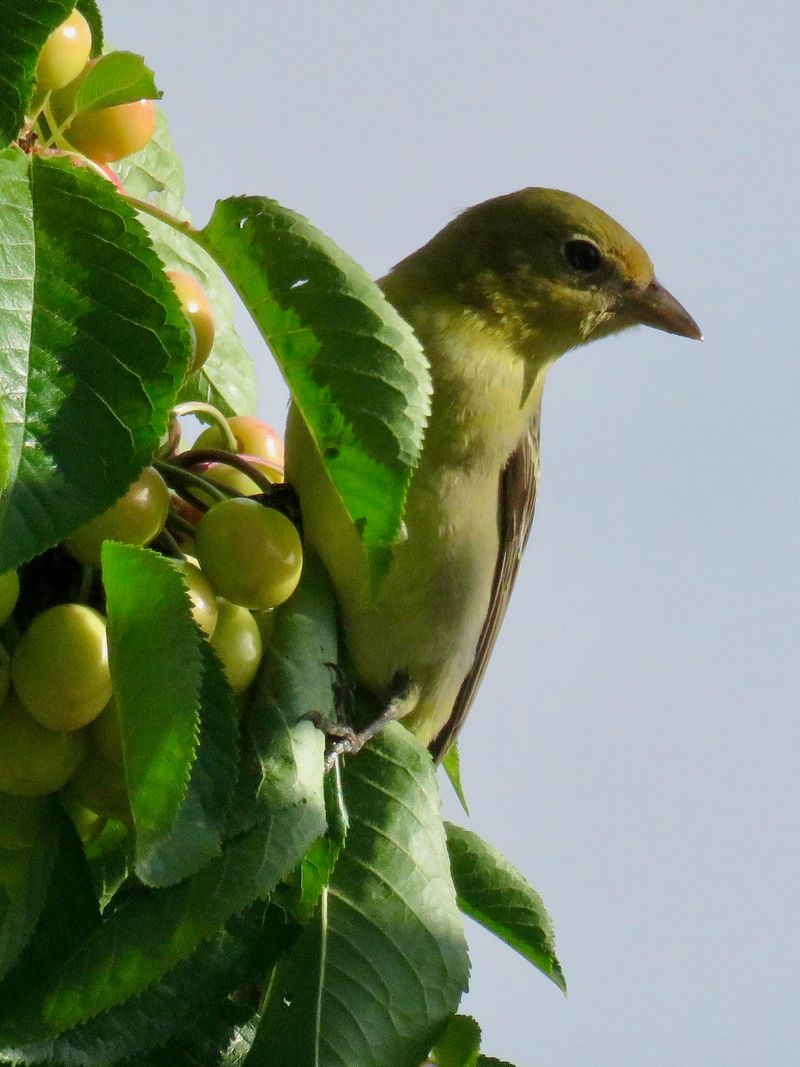
Food and water matter a lot, but safety matters just as much. Migrating birds are often exhausted when they land.
They need places to rest where they feel protected from predators. Dense shrubs and thick hedges provide exactly that kind of cover.
Without shelter, many birds will not linger long enough to eat or drink. Native shrubs like snowberry, red-twig dogwood, and native roses create excellent hiding spots.
Their branching structure is tight enough to block the view of hawks and cats while still allowing small birds to move around inside. A cluster of shrubs planted together is even better than a single plant on its own.
Leaf litter under shrubs is also valuable. Many ground-feeding birds, like towhees and hermit thrushes, scratch through fallen leaves looking for insects and seeds.
Leaving a layer of leaves under your shrubs gives these birds another reason to stick around. It also keeps the soil moist and supports the insects that birds are hunting for.
Planting shrubs of different heights creates what birders call layered habitat. Low groundcover, mid-height shrubs, and taller trees together attract a wider range of species.
Each layer is used by different birds in different ways. Building this kind of variety into your garden does not have to be expensive or complicated.
Even a few well-chosen native shrubs can transform how many birds feel comfortable visiting and resting in your space.