Types Of Hydrangeas That Add Charm And Color To Any Ohio Garden
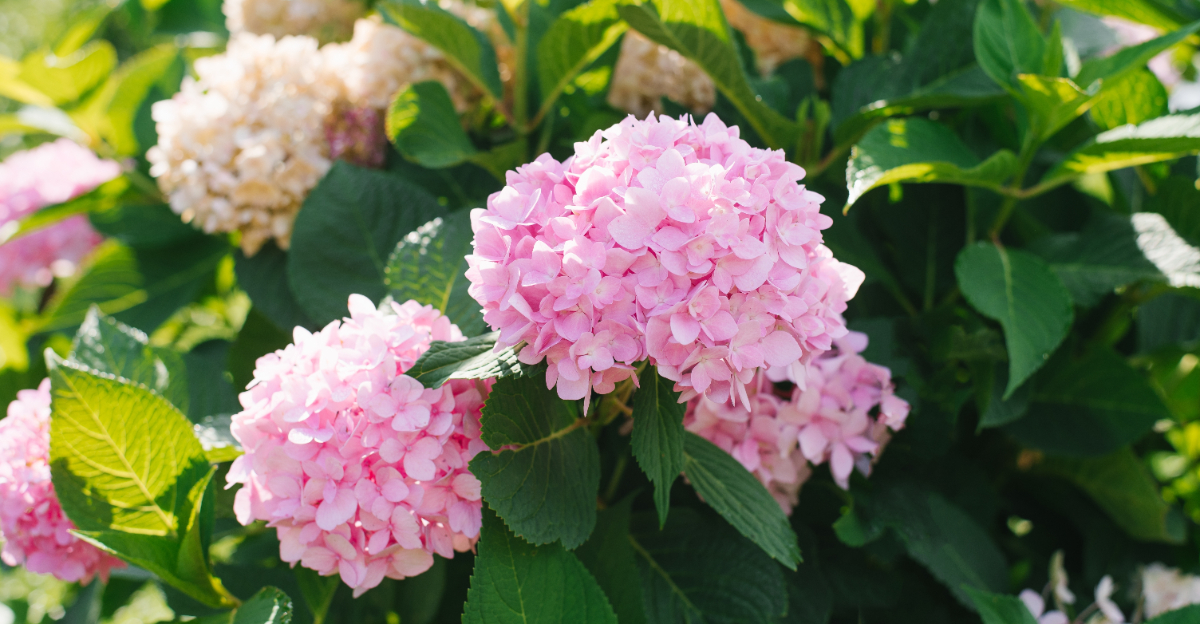
Ohio gardeners have a soft spot for hydrangeas and honestly, who can blame them? Few plants pull off that combination of big, showy blooms and total reliability the way hydrangeas do, and they have been stealing the show in Ohio yards for a reason.
But here is where most people trip up, they grab whatever is sitting pretty at the garden center without realizing that not every hydrangea was built for Ohio soil and Ohio winters.
Pick the wrong one and you are babying a temperamental plant through freeze after freeze with barely a bloom to show for it.
Pick the right one and your yard becomes the talk of the street from June straight through fall. Ohio actually has some serious advantages when it comes to growing hydrangeas, and most homeowners are not taking full advantage of them.
A little know-how goes a long way with these beauties, and the payoff is the kind of color that stops people in their tracks.
1. Start Strong With Smooth Hydrangeas
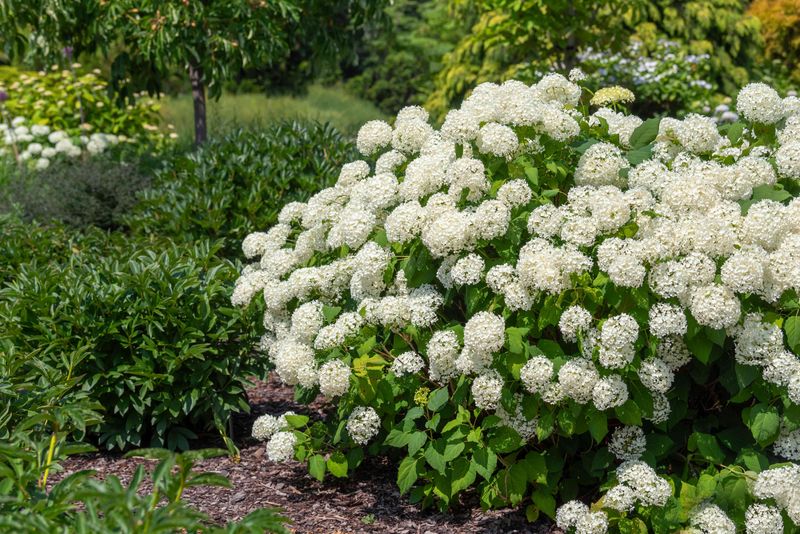
If you have ever walked past a yard in Ohio and spotted a large, rounded shrub covered in dinner-plate-sized white blooms all summer long, chances are you were looking at a smooth hydrangea.
Known botanically as Hydrangea arborescens, smooth hydrangeas are native to eastern North America and are among the most reliable flowering shrubs you can plant in Ohio.
They bloom on new wood, meaning the flower buds form on stems that grow in spring, not on old growth from last year.
That new-wood blooming habit is a huge advantage in Ohio. Even if stems get cut back hard by winter cold or a well-meaning pruner, the plant simply pushes out new growth in spring and blooms right on schedule.
Ohio State University Extension resources list smooth hydrangeas among the most cold-hardy hydrangea options for Ohio gardens.
Rounded blooms appear in white, cream, soft pink, or greenish tones depending on which cultivar you choose. Annabelle is the classic choice for large white blooms and a cottage garden feel.
Incrediball is a newer white-blooming option often chosen for stronger stems. Invincibelle Spirit and other pink-flowering smooth hydrangeas bring softer color while keeping the same new-wood blooming advantage.
Compact selections can work well in smaller Ohio yards, along walkways, or in mixed borders, but gardeners should always check the mature size and hardiness of the exact cultivar before buying.
2. Bring Big Blooms With Panicle Hydrangeas
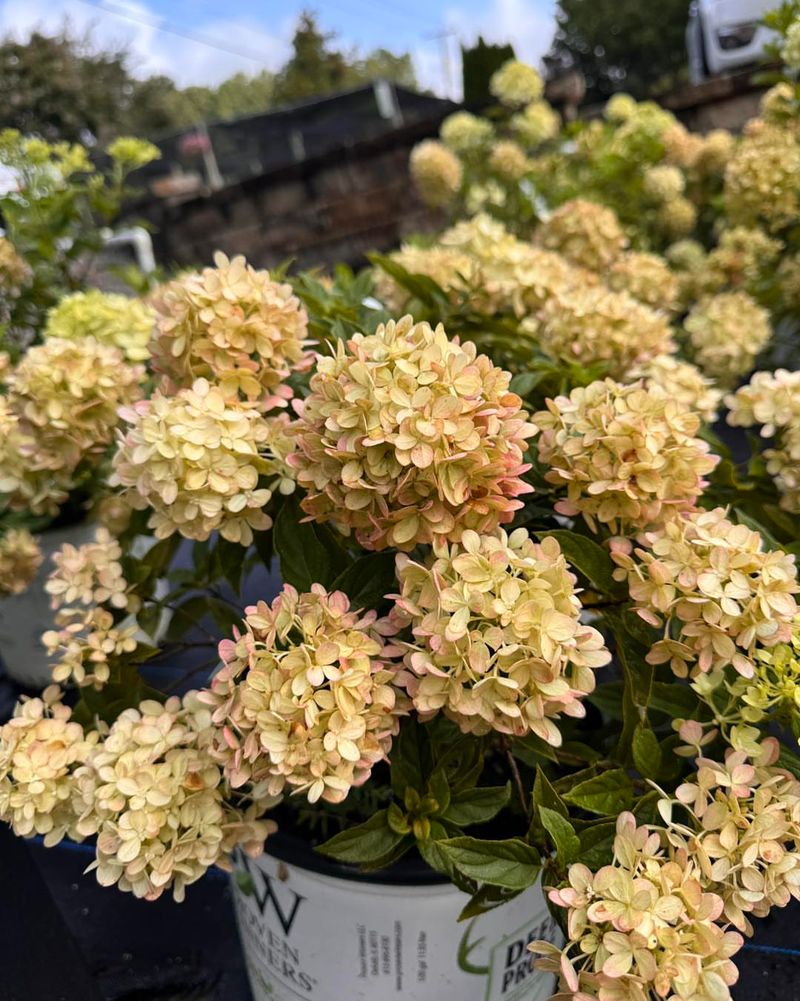
Walk into almost any Ohio garden center in midsummer and you will spot them immediately: tall, cone-shaped flower clusters in white, cream, or soft pink sitting on upright shrubs that look almost too good to be real.
Panicle hydrangeas, or Hydrangea paniculata, are among the most adaptable hydrangea types for Ohio landscapes.
They bloom on new wood, so Ohio winters rarely stop them from flowering.
Unlike some other hydrangea types, panicle hydrangeas can handle more sun, but flowers may brown faster and leaves may droop during the hottest part of the day if moisture is not consistent.
Your Ohio Garden Changes Every Week. Your Plan Should Too.
Gardening in Ohio changes quickly throughout the season. Every Friday you’ll receive a simple weekly plan showing exactly what to plant, prune, fertilize, harvest, and protect so you never miss the right timing.
Ohio State University Extension and Ohioline both highlight panicle hydrangeas as excellent choices for Ohio gardeners who want a long season of color from midsummer into fall.
Many cultivars start with white or lime blooms that shift to pink or burgundy tones as temperatures cool.
Limelight is one of the most familiar choices, with lime-green flowers that age toward pink. Little Lime brings a similar look in a smaller package.
Vanilla Strawberry, Pinky Winky, Tardiva, Bobo, and Little Quick Fire are also commonly grown choices, but mature size, bloom timing, and flower color changes vary by cultivar.
Before buying, Ohio gardeners should read the plant tag carefully and match the cultivar to the available space. A panicle hydrangea that looks compact in a nursery pot can become much larger once it settles into a sunny Ohio bed.
3. Add Woodland Drama With Oakleaf Hydrangeas
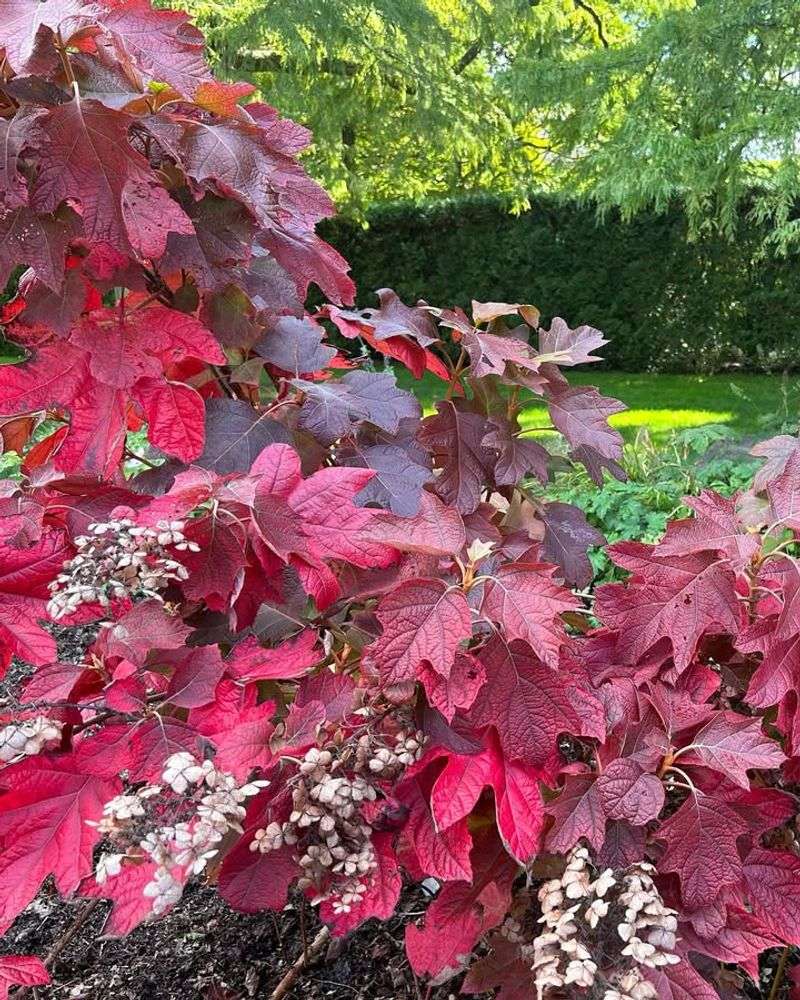
Most gardeners grow hydrangeas for the flowers, but oakleaf hydrangeas give you so much more. Hydrangea quercifolia earns its name from its bold, deeply lobed leaves that resemble oak leaves and turn stunning shades of red, purple, and dark orange in autumn.
Add in peeling cinnamon-colored bark that looks beautiful in winter, and this shrub earns its place in the Ohio garden year-round, not just during bloom season.
Oakleaf hydrangeas bloom on old wood, which means the flower buds form on stems from the previous season. That makes pruning timing important.
According to Ohio State University Extension, if you prune oakleaf hydrangeas in fall or late winter, you risk removing the buds that would have produced this season’s flowers. Light pruning right after blooming in summer is the safest approach.
In Ohio, oakleaf hydrangeas prefer morning sun with afternoon shade or dappled light. They are less universally hardy than smooth or panicle hydrangeas, so colder Ohio sites should use protected placement and check cultivar hardiness carefully.
Snow Queen is a classic cultivar prized for upright white flower clusters and strong fall foliage color. Alice is a large-growing selection best reserved for roomy sites.
Snowflake, Gatsby Moon, and Gatsby Star offer showier flower forms, while Munchkin, Pee Wee, and Ruby Slippers are better choices where space is tighter.
Because oakleaf hydrangeas bloom on old wood and can be more exposed to winter bud injury, Ohio gardeners should match cultivar size and hardiness to the site before planting.
4. Use Bigleaf Hydrangeas For Classic Color
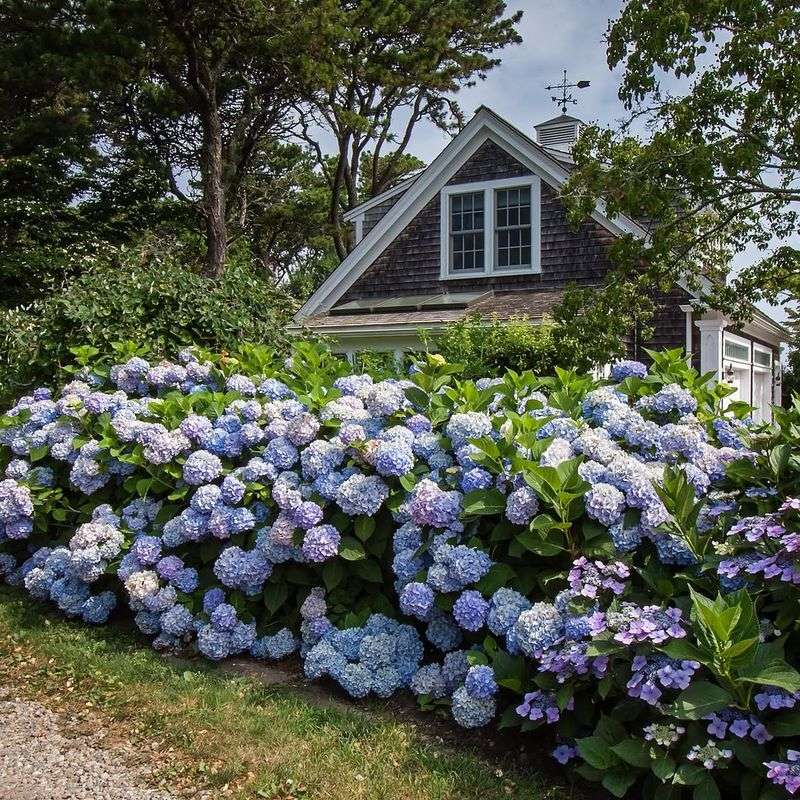
When most people close their eyes and picture a hydrangea, they are almost certainly imagining a bigleaf hydrangea. Hydrangea macrophylla is the classic pink, blue, and purple mophead shrub that has decorated porches and cottage gardens for generations.
In Ohio, though, bigleaf hydrangeas need more thoughtful placement and care than smooth or panicle types. Getting them to bloom reliably takes planning, not just planting.
The main challenge is that most traditional bigleaf hydrangeas bloom on old wood. Ohio winters can damage or destroy those buds, and a late spring frost can finish off whatever the cold missed.
Incorrect pruning in fall or early spring is another common reason Ohio gardeners end up with lush, leafy shrubs and zero flowers.
A protected site with morning sun and afternoon shade, consistent soil moisture, and a layer of mulch over the root zone all improve your chances.
Nikko Blue is one of the most recognized bigleaf hydrangeas, offering classic mophead blooms where winter protection and soil conditions cooperate.
All Summer Beauty is an older cultivar often grown for classic mophead color, but bloom reliability in Ohio still depends on winter exposure, pruning, and site protection.
Reblooming bigleaf hydrangeas such as the Endless Summer series can offer better bloom insurance than older old-wood-only types, but they still need protected placement and careful pruning in Ohio.
Twist n Shout is a lacecap-style rebloomer with pink or blue flowers and strong red fall foliage. Double-flowered bigleaf selections can add a fuller, ruffled look, but Ohio gardeners should confirm hardiness and bloom habit before choosing one.
Even with rebloomers, honest placement still matters. Morning sun, afternoon shade, winter mulch, and avoiding unnecessary pruning are the habits that help bigleaf hydrangeas succeed in Ohio yards season after season.
5. Try Mountain Hydrangeas For Delicate Beauty
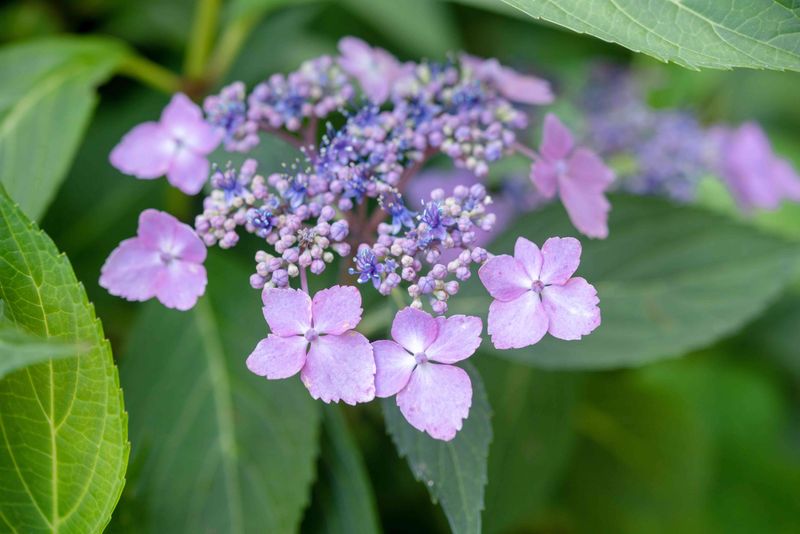
For gardeners who find bigleaf hydrangeas a little too bold or flashy, mountain hydrangeas offer a quieter kind of beauty.
Hydrangea serrata is closely related to Hydrangea macrophylla but tends to have a more refined, delicate look with smaller flower heads, finer foliage, and a slightly more compact habit.
In Ohio, they occupy a bit of a middle ground between the easy reliability of smooth hydrangeas and the bloom-protection challenges of bigleaf types.
Like bigleaf hydrangeas, most mountain hydrangeas bloom primarily on old wood, so Ohio winters and late frosts can reduce bloom counts in exposed sites. That said, some newer cultivars have shown somewhat better bud hardiness than older bigleaf selections.
A sheltered spot with morning sun and afternoon shade, good drainage, consistent moisture, and winter mulch gives mountain hydrangeas their best shot in Ohio gardens.
Flower color in mountain hydrangeas can vary by soil pH and aluminum availability, similar to bigleaf hydrangeas. Ohio gardeners who care about blue or pink tones should test their soil before trying to adjust flower color.
The Tuff Stuff series appears in OSU hydrangea resources and is often suggested for gardeners who want a mountain hydrangea with improved performance, though site protection still matters.
Tuff Stuff and its relatives produce lacecap-style flowers with a ring of larger outer florets surrounding a center of smaller fertile flowers.
The look is airy, graceful, and well suited to woodland-style Ohio gardens.
Other mountain hydrangea cultivars can offer unusual foliage, lacecap flowers, or compact habits, but availability and Ohio performance vary. Check the mature size, hardiness, and bloom habit before choosing a less common selection.
Mountain hydrangeas are not the easiest choice for harsh Ohio sites, but in the right spot, they reward patient gardeners with genuinely lovely blooms.
6. Let Climbing Hydrangeas Dress Up Walls And Fences
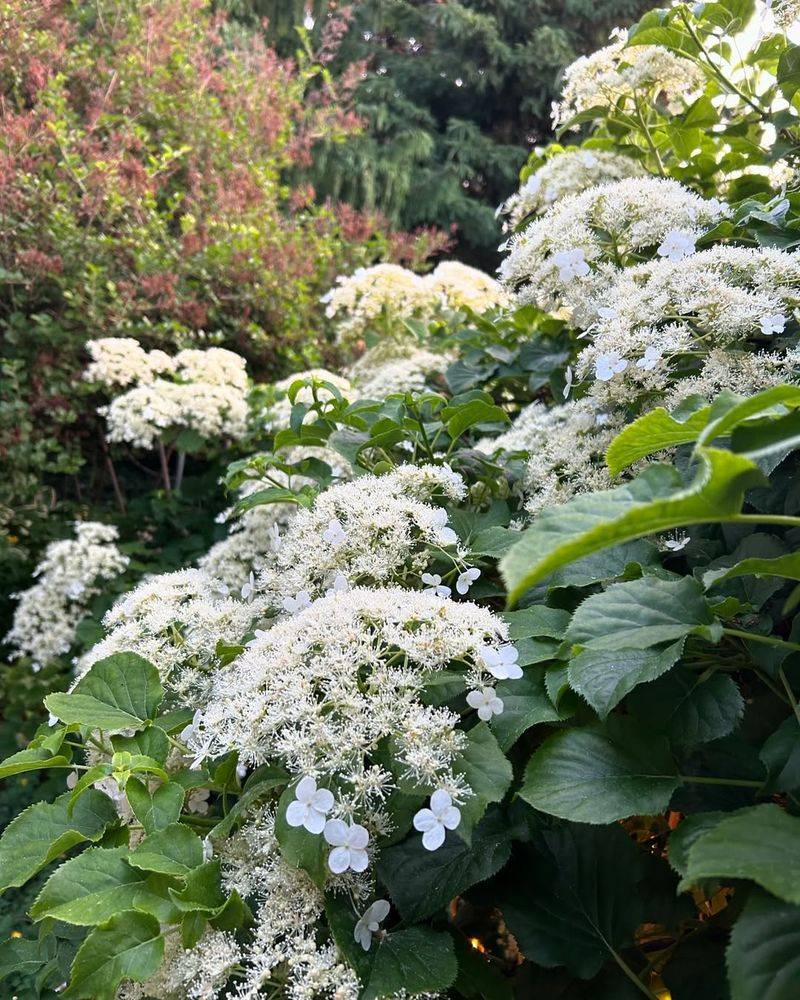
Most hydrangeas grow as rounded shrubs, but one type takes a completely different approach. Climbing hydrangea is most commonly sold as Hydrangea anomala subsp. petiolaris, a woody vine that uses small rootlike holdfasts to cling directly to surfaces.
They can scale brick walls, stone fences, large tree trunks, sturdy arbors, and shaded garden structures with impressive results once they settle in.
For Ohio gardeners who want vertical interest in a shaded or partially shaded spot, climbing hydrangeas are worth serious consideration.
Patience is the most important quality to bring to a climbing hydrangea planting. These vines are notoriously slow to establish, often spending the first two or three years putting energy into root development rather than visible top growth.
Once established, though, they can grow vigorously and eventually cover large surfaces with handsome, dark green foliage and beautiful white lacecap flowers in early summer.
Ohio State University Extension resources list climbing hydrangea as an option for Ohio landscapes, with Hydrangea anomala subsp. petiolaris being the most common form gardeners are likely to find.
It is widely available and generally hardy in suitable Ohio sites, especially where it is protected from harsh winter winds.
The flowers are white, flat-topped lacecap clusters that appear in late spring to early summer and have a light, pleasant fragrance.
Firefly is a variegated cultivar with leaves edged in bright yellow-green, adding foliage interest even when the plant is not in bloom. It brings a lighter, more playful look to shaded walls and fences.
Unusual climbing hydrangea selections do exist, but Ohio gardeners should be cautious with rare forms and confirm hardiness, availability, and local performance before buying.
Strong support structures matter because established vines can become quite heavy over time.
Avoid planting climbing hydrangeas on lightweight trellises or surfaces that may not handle long-term weight, and be cautious with wood siding where clinging roots and trapped moisture could become an issue.
With the right structure, protected placement, and a little patience, climbing hydrangeas can become one of the most striking features in a suitable Ohio garden.