How To Water Tomato Plants In Texas In May For Bigger Healthier Harvests
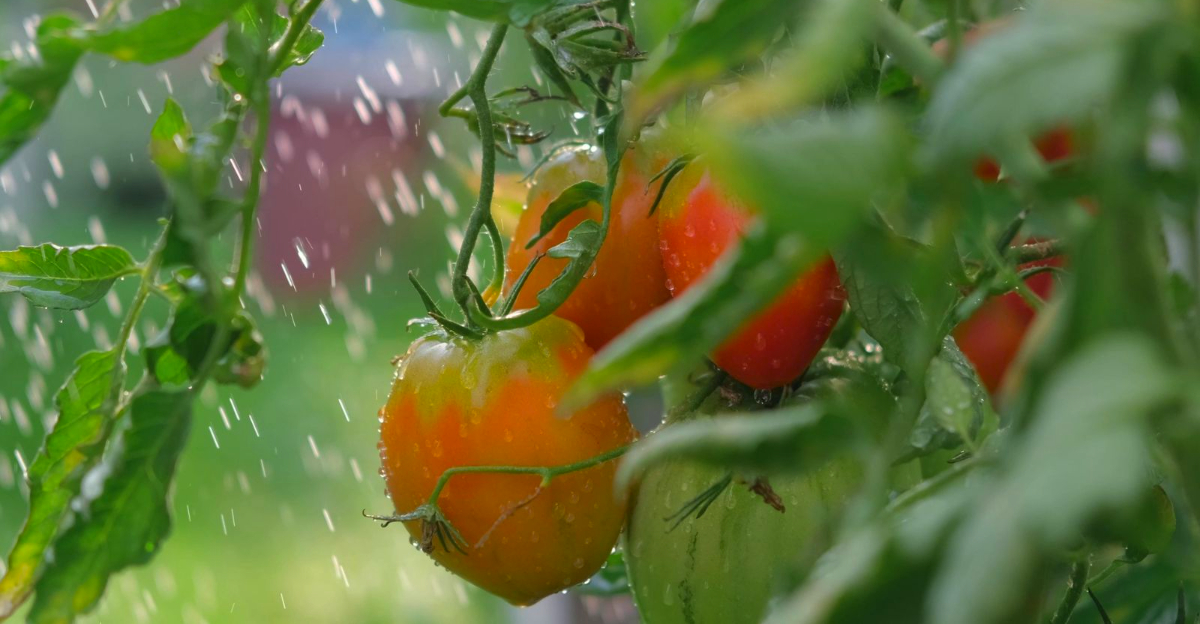
May is when Texas tomato plants stop being casual and start acting like they are on a mission.
The heat turns up, the sun gets bossy, the wind starts pulling moisture out of the soil like it has somewhere to be, and suddenly your tomatoes are flowering, setting fruit, and asking for very smart watering.
This is not the time for random hose decisions and hopeful guessing. A tomato plant in May can look fine in the morning and noticeably stressed by late afternoon, which is part of the fun and also part of the chaos.
The good news is that a few better watering habits can make a huge difference.
When Texas gardeners pay attention to moisture, respond to weather changes, and water with a little strategy, tomato plants tend to reward them with stronger growth and better fruit.
That is a pretty great deal. And let’s be honest, a plant loaded with ripening tomatoes is one of the best sights in the whole garden.
1. Water Slowly And Deeply
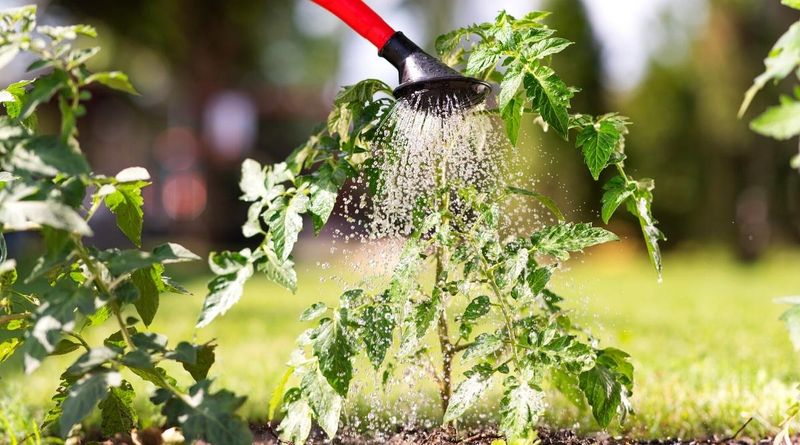
Dry soil in a Texas garden can be deceiving. The surface might look moist after a quick watering, but just a few inches down, the soil could still be completely dry.
That gap matters more than most gardeners realize, especially in May when tomato roots are actively reaching deeper in search of water and nutrients.
Watering slowly and deeply encourages roots to follow moisture downward into the soil. When roots grow deep, plants become more stable and are better able to handle the heat that builds through Texas afternoons.
A shallow watering habit tends to keep roots near the surface, where soil heats up fast and dries out even faster.
Aim to water long enough that moisture soaks down at least six to eight inches into the soil. You can check this by pushing a finger or a thin rod into the soil an hour after watering to see how far the moisture reached.
Sandy soils common in parts of Texas drain faster, so they may need more frequent deep waterings. Clay soils hold moisture longer but can become compacted, so watering slowly helps water soak in rather than run off.
Taking your time with each watering session pays off in stronger plants and better fruit development throughout the season.
2. Do Not Let Plants Wilt Severely
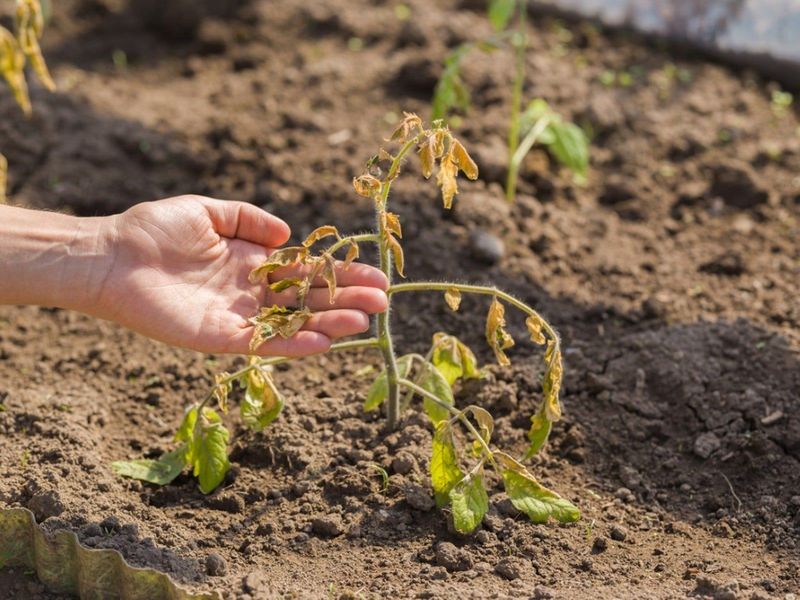
Catching stress early in your tomato plants is one of the most useful skills a Texas gardener can develop in May. A slight droop in the leaves during the hottest part of the afternoon is fairly common and does not always mean the plant needs water right away.
However, if plants are still wilting in the early morning before the heat builds, that is a clear sign the soil has gotten too dry.
Severe wilting puts real strain on tomato plants at a critical time. When plants lose too much moisture, they may drop flowers or fail to set fruit properly.
Repeated episodes of severe wilting followed by heavy watering can cause uneven growth that leads to problems like blossom end rot or cracked fruit later in the season.
Your Texas Garden Changes Every Week. Your Plan Should Too.
Gardening in Texas changes quickly throughout the season. Every Friday you’ll receive a simple weekly plan showing exactly what to plant, prune, fertilize, harvest, and protect so you never miss the right timing.
Checking plants in the morning gives the clearest picture of how they are actually doing. Morning wilting points to a moisture problem, while afternoon wilting in intense Texas heat may just be the plant conserving energy during peak temperatures.
Keep an eye on younger plants and those growing in containers, since they tend to show stress faster than established plants in garden beds.
Responding early, before plants reach a severe wilt, keeps growth steady and supports better fruit development through May and into early summer.
3. Adjust Watering To Heat, Wind, Sun, And Rain
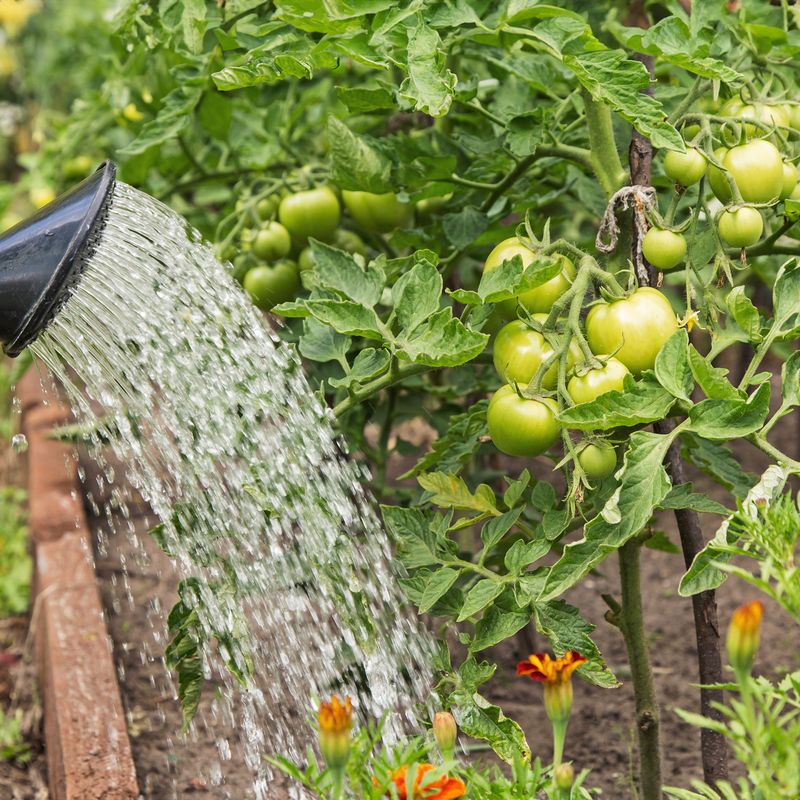
Watering on a fixed schedule can work against you in Texas during May. One week might bring mild temperatures and a couple of good rain showers, while the next could turn hot, dry, and breezy for days at a stretch.
Sticking to the same watering routine regardless of what the weather is doing often leads to either underwatering or overwatering, and neither is good for tomatoes moving into bloom.
Wind is a factor many gardeners underestimate. A steady south Texas wind can pull moisture out of the soil and off plant leaves surprisingly fast, even on a day that does not feel scorching.
On windy days, the soil may dry out well before your next scheduled watering. Paying attention to how quickly the soil dries between waterings helps you make smarter decisions.
Rain is the other big variable. A half-inch of rain may not be enough to skip your next watering entirely, especially if the soil was already dry before the storm rolled through.
But a solid inch or more of rainfall on moist soil might mean you can hold off for a day or two.
Checking soil moisture a few inches down before watering, rather than going by calendar days alone, helps you respond to what your Texas garden actually needs rather than what a set schedule says.
4. Use Mulch To Hold Moisture Longer
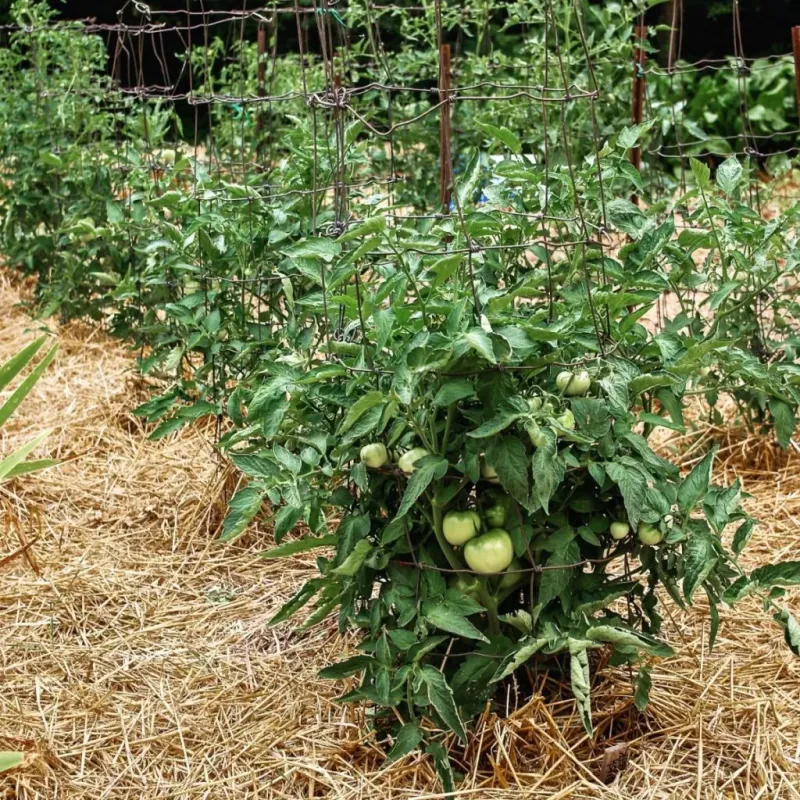
Spreading mulch around your tomato plants is one of the most practical things you can do in a Texas garden during May. Once temperatures start climbing and winds pick up, bare soil loses moisture fast.
A good layer of mulch acts like a blanket over the soil, slowing evaporation and keeping the root zone cooler through the hottest parts of the day.
Straw, shredded leaves, and wood chips are all solid choices for mulching tomatoes. Aim for a layer about three to four inches thick, keeping it pulled back slightly from the main stem to allow air circulation and reduce the chance of stem rot.
Mulch that piles directly against the stem can hold too much moisture right at the base of the plant, which is not ideal.
Beyond moisture retention, mulch helps suppress weeds that would otherwise compete with your tomatoes for water and nutrients.
In Texas, where May soil temperatures can rise quickly, that extra layer also moderates soil temperature swings between cool mornings and scorching afternoons.
Gardeners who mulch their tomatoes often find they need to water less frequently while still keeping the soil at a steadier moisture level.
That consistency matters a lot during flowering and early fruit set, when moisture stress can affect how well the plants perform through the rest of the growing season.
5. Water The Soil, Not The Leaves
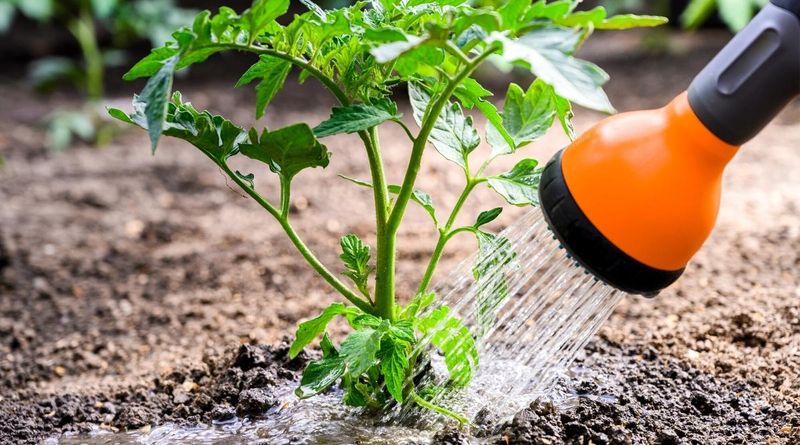
Wetting tomato leaves might seem harmless, but in a Texas garden, it can lead to problems that show up later in the season.
Moisture sitting on leaves, especially during warm and humid May evenings, creates conditions where fungal diseases like early blight and Septoria leaf spot can take hold more easily.
These issues spread quickly and can weaken plants right when they are trying to set fruit.
Keeping water aimed at the soil and away from the foliage is a simple habit that can have a noticeable effect on plant health over time. When you water at the base of the plant, moisture goes directly to the root zone where it is actually needed.
The leaves stay dry, airflow around the plant stays better, and the risk of disease pressure drops.
Watering in the morning is also worth considering. Morning watering gives the soil time to absorb moisture before the heat of a Texas May afternoon peaks, and any accidental splash on leaves has time to dry off before evening.
Overhead watering with a sprinkler is common in many yards, but for tomatoes specifically, switching to a hand wand, soaker hose, or drip system that targets the soil directly tends to support healthier plants.
Small adjustments to how and where you aim the water can make a real difference by midsummer.
6. Use Drip Or Soaker Hoses When Possible
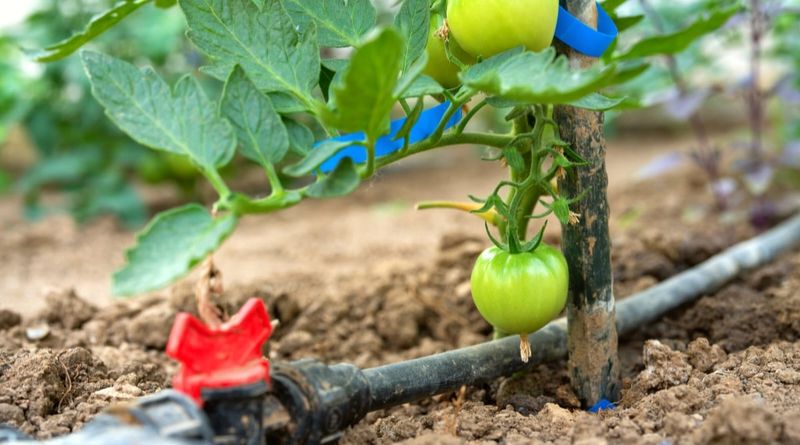
Few irrigation tools work as well for tomatoes in a Texas garden as a drip system or soaker hose. Both deliver water slowly and directly to the root zone, which is exactly where tomato plants need it most during the active growth and flowering period of May.
Unlike overhead watering, these methods keep leaves dry and reduce water waste from runoff and evaporation.
Soaker hoses are one of the most affordable options for home gardeners. You can weave them along a garden bed, connect them to a standard hose bib, and let them run for a set period while you handle other tasks.
The slow seep of water into the soil encourages deep root development and keeps moisture more consistent between waterings, which matters a great deal as Texas temperatures climb through the month.
Drip irrigation systems take things a step further with emitters placed near individual plants. They can be connected to timers, which makes it easier to maintain regular watering even during a busy week or a short trip away from home.
Raised beds in Texas can dry out especially fast in May, and having a drip or soaker setup in those beds helps maintain the steady moisture that tomatoes need for strong fruit development.
Setting up either system before peak heat arrives makes the rest of the season easier to manage.
7. Avoid Soggy Soil
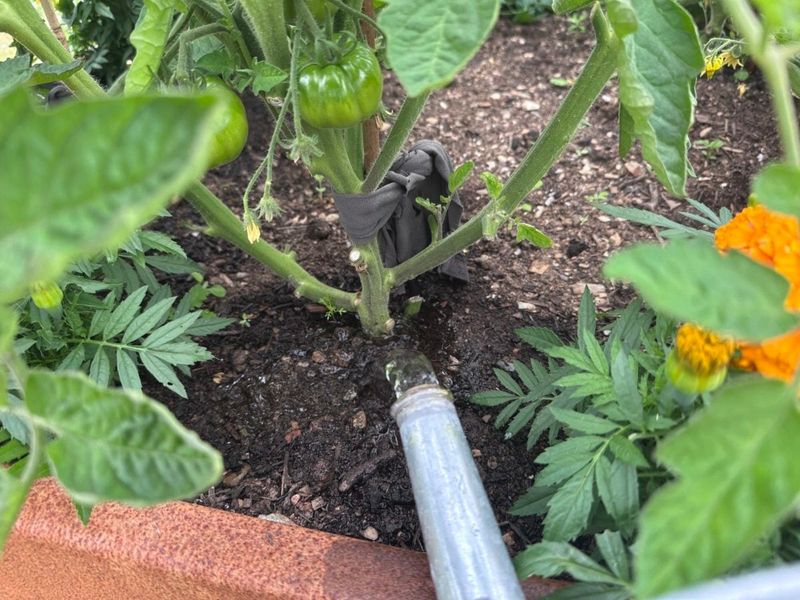
More water does not mean better tomatoes. Soil that stays soggy for extended periods can be just as damaging to tomato plants as soil that dries out completely.
Roots need both moisture and oxygen to function well, and waterlogged soil pushes out the air pockets that roots depend on. In Texas garden beds with clay-heavy soils, this can become a problem faster than many gardeners expect.
Signs of overwatering can look similar to signs of underwatering, which trips up a lot of gardeners. Yellowing lower leaves, soft stems, or a general lack of vigor despite regular watering may point to roots sitting in too much moisture rather than too little.
Before adding more water, checking soil moisture a few inches below the surface helps avoid making the situation worse.
Good drainage is just as important as consistent watering. Raised beds tend to drain better than in-ground beds in compacted Texas soils, which is one reason they are popular with home tomato growers across the state.
If your garden bed holds water after rain or heavy irrigation, mixing in compost or coarse sand can improve drainage over time.
Watering deeply but then allowing the soil to partially dry out before the next watering session gives roots the balanced environment they need, keeping plants vigorous and productive as fruit begins to develop through late May.
8. Keep Moisture Consistent During Bloom And Fruit Set
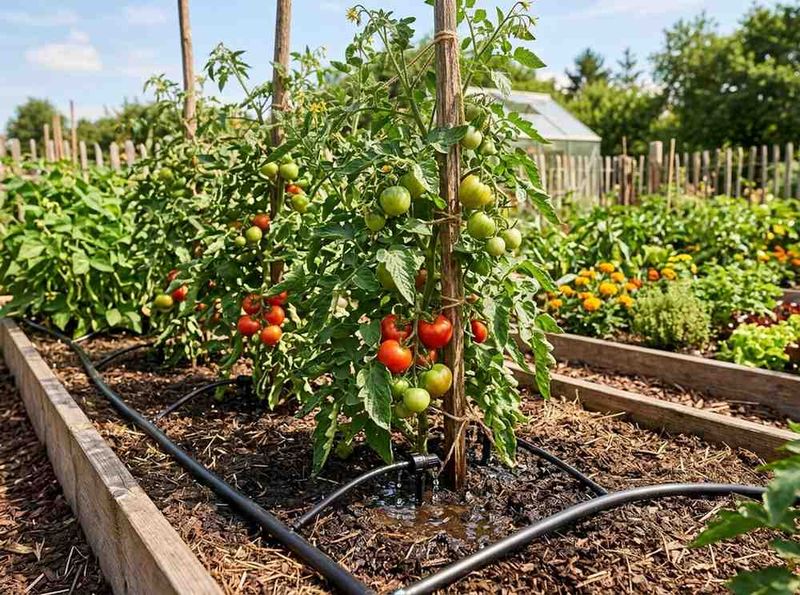
Blooming and early fruit set are two of the most water-sensitive stages in a tomato plant’s growing cycle.
In Texas, both of these stages often happen during May, right as temperatures are rising and soil can dry out between waterings faster than earlier in the spring.
Keeping moisture levels steady through this stretch supports better fruit development and reduces some of the most common quality problems gardeners see at harvest.
Blossom end rot is one issue that often traces back to inconsistent watering during this period.
While calcium deficiency plays a role, irregular moisture makes it harder for plants to take up calcium properly, and the result shows up as dark, leathery patches on the bottom of developing fruit.
Keeping the soil evenly moist, rather than swinging between dry and soaked, helps plants access what they need more reliably.
Fruit cracking is another problem linked to moisture swings. When a dry spell is followed by a heavy watering or a sudden rainstorm, tomatoes can take on water faster than the skin can expand, causing splits and cracks.
Consistent moisture helps the fruit grow at a steadier pace and reduces those sudden surges.
Checking soil moisture every day or two during bloom and fruit set, rather than waiting for visible stress, gives you the best chance of keeping conditions stable enough to support a strong harvest through the rest of the Texas growing season.