The Garden Feature That Quietly Invites Rats Into California Yards Before Winter
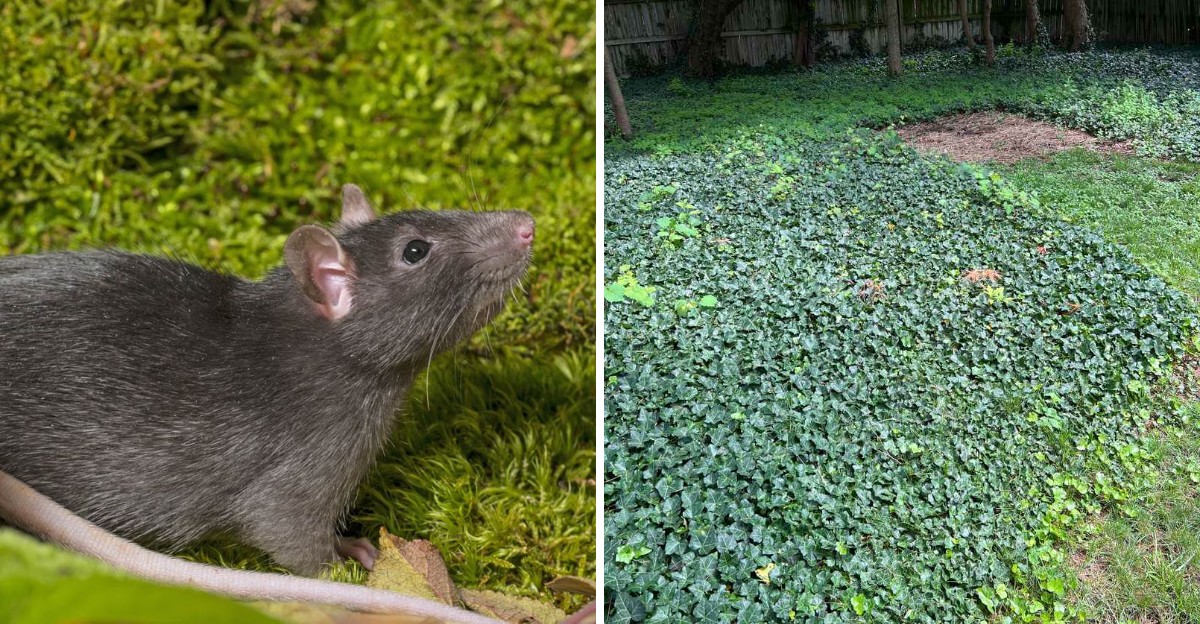
Something is rustling at the edge of your California yard after dark, and there is a decent chance it is not the breeze.
Fall brings cooler nights, shrinking food sources, and rats actively on the hunt for the best possible winter setup, and some yards are practically rolling out the welcome mat without realizing it.
The really surprising part is that the feature doing the inviting usually looks completely innocent. Lush, green, and totally harmless from the patio.
It gets watered, it grows beautifully, and it quietly becomes one of the most attractive rat destinations in the neighborhood.
UC IPM has been pretty direct about this particular garden feature for years, and yet it shows up in yards all across the state.
The answer might be growing right outside your window right now.
1. Why Ivy Feels Like A Five-Star Hotel For Rats
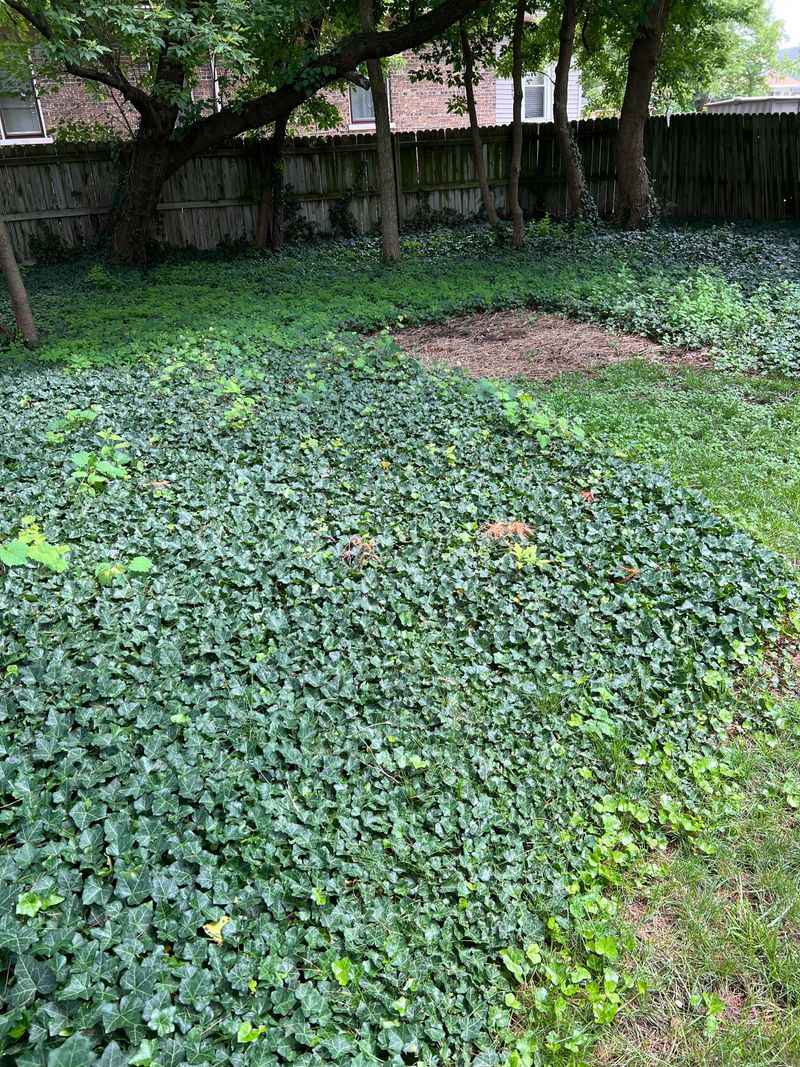
Imagine a hotel with free food, soft beds, and secret hallways. For a roof rat, a thick patch of ivy offers all of that and more.
English ivy and Algerian ivy grow fast in mild California weather. Their vines stack in layers, creating a dark, tangled space close to the ground.
Rats love tight spaces where hawks, owls, and cats cannot see them. Inside a dense mat of ivy, they can move from one side of your yard to the other without being spotted.
The leaves also block wind and rain. When cooler nights arrive in fall, that shelter feels like a warm blanket to a small animal.
Ivy also holds moisture, which draws snails and insects. Rats happily snack on those critters, so the plant doubles as a pantry.
Fun fact: roof rats are skilled climbers that can scale vines like tiny acrobats. A wall of ivy gives them a ladder straight to your roof, attic vents, or fruit trees.
If your ivy patch is more than a few inches deep, take a closer look. Gently pull back the vines with gloves on and check for small trails, droppings, or chewed snail shells.
Spotting these clues early helps you act before the colder months. A little detective work now can save you a lot of trouble later.
2. Dense Ground Cover Hides Hidden Highways
My neighbor once thought her star jasmine bed was the tidiest thing on the block. Then her dog started sniffing one spot every single night.
When she parted the leaves, she found a narrow, worn path running right through the middle. It was a rat runway, a little highway pressed flat by tiny feet.
Dense ground covers like star jasmine, ice plant, creeping fig, and vinca form a thick roof over the soil. Underneath, rats carve out tunnels that connect food, water, and shelter.
These routes often lead to bird feeders, pet bowls, compost bins, or garden beds. In many California neighborhoods, they even link one yard to the next along fence lines.
You can spot a runway by looking for a smooth, flattened strip about two to three inches wide. Greasy dark smudges on nearby walls or fence posts are another clue.
Your California Garden Changes Every Week. Your Plan Should Too.
Gardening in California changes quickly throughout the season. Every Friday you’ll receive a simple weekly plan showing exactly what to plant, prune, fertilize, harvest, and protect so you never miss the right timing.
Breaking up these hidden roads makes your yard far less inviting. Try trimming ground cover so it stays low and thin, with soil visible in spots.
Leaving a bare strip of gravel or mulch between plantings and your house also helps. Rats feel exposed crossing open ground, so they often choose a different route.
A gap of even a foot or two can make a real difference. Think of it as putting up a detour sign for unwanted travelers.
3. Fall Weather Sends Rats Looking For Leafy Shelter
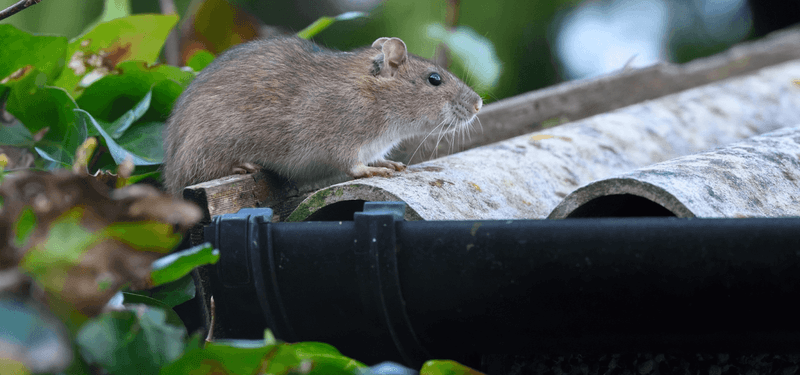
Here is a seasonal truth many gardeners miss. Rats do not hibernate, so they spend autumn hunting for the best winter real estate.
Fall in California brings shorter days, cooler nights, and the first rains in many regions. Those changes push rats to find dry, protected homes before the wet season starts.
Wild food sources also begin to shrink. Seeds, berries, and insects become harder to find, so rats move closer to houses where snacks are easier to grab.
A thick bed of ivy is the perfect halfway point. It sits close to your home, stays dry underneath, and keeps rats out of sight while they scout your yard.
From there, they can test your garage door, attic vents, or crawlspace openings. Many homeowners first notice scratching sounds in the walls around October or November.
The smartest time to act is late summer or early fall. Trim back vines, clear fallen fruit, and rake up leaves that collect inside ground cover.
Doing this before the first good rain gives rats fewer reasons to settle down. You are basically turning off the vacancy sign before they arrive.
Set a reminder on your calendar for early September. A weekend of yard work then can mean a quieter, rodent-free winter for your whole household.
4. Ivy-Covered Fences Act Like Rat Ladders

Quick question: when did you last peek at the top of your fence? If it is buried under ivy, rats may be using it as their own private staircase.
Roof rats, common across coastal California, are amazing climbers. They prefer to travel up high where they feel safe from dogs and cats on the ground.
Ivy wrapped around fences, walls, and tree trunks creates an easy climbing frame. The woody stems give rats a solid grip, and the leaves hide them as they move.
Once on top, a fence line becomes a highway to roofs, power lines, and overhanging branches. From your roof, an open vent or loose tile is only a short hop away.
To cut off these ladders, trim ivy so it stays at least three feet below rooflines and eaves. Cut vines away from where fences touch your house or garage.
Also check trees covered in ivy. Thinning those vines and pruning branches that touch the roof helps block another popular entry point.
Did you know? A roof rat can squeeze through a hole about the size of a quarter.
That is why sealing small gaps matters just as much as trimming plants.
Pair your pruning with a quick inspection of vents and screens. Together, these steps turn your fence back into a fence instead of a rodent elevator.
5. Snails And Fallen Fruit Turn Ground Cover Into A Buffet
Grandma used to say a messy kitchen invites company. Your garden works the same way, especially when ivy sits under a fruit tree.
Many California yards have citrus, avocado, or fig trees. When ripe fruit drops into thick ground cover, it disappears from view but stays perfectly available to hungry rats.
Ivy also attracts brown garden snails, a favorite rat snack. If you find snail shells with neat holes chewed in them, rats are probably dining nearby.
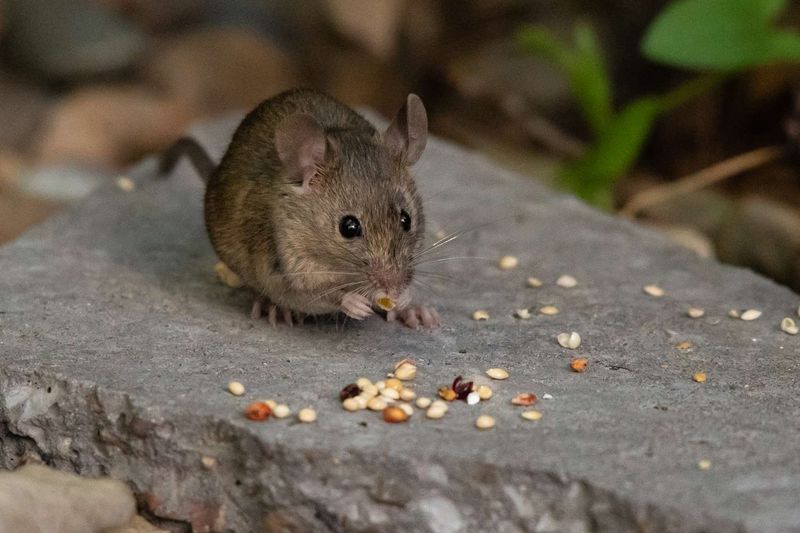
Bird seed spilled from feeders often lands in the same leafy beds. Pet food left outside and leaky compost piles only add more items to the menu.
The fix is simple but needs steady effort. Pick up fallen fruit every day or two during harvest season, and harvest ripe fruit before it drops.
Keep ground cover trimmed short under fruit trees so you can spot anything that falls. A ring of bare mulch around each trunk makes cleanup much easier.
Move bird feeders away from ivy, or use trays that catch spilled seed. Bring pet bowls inside at night, when rats are most active.
Hand-picking snails at dusk can also help. When the buffet closes, rats have far less reason to hang around your yard, and your garden looks neater too.
6. Telltale Signs Rats Are Nesting In Your Ivy
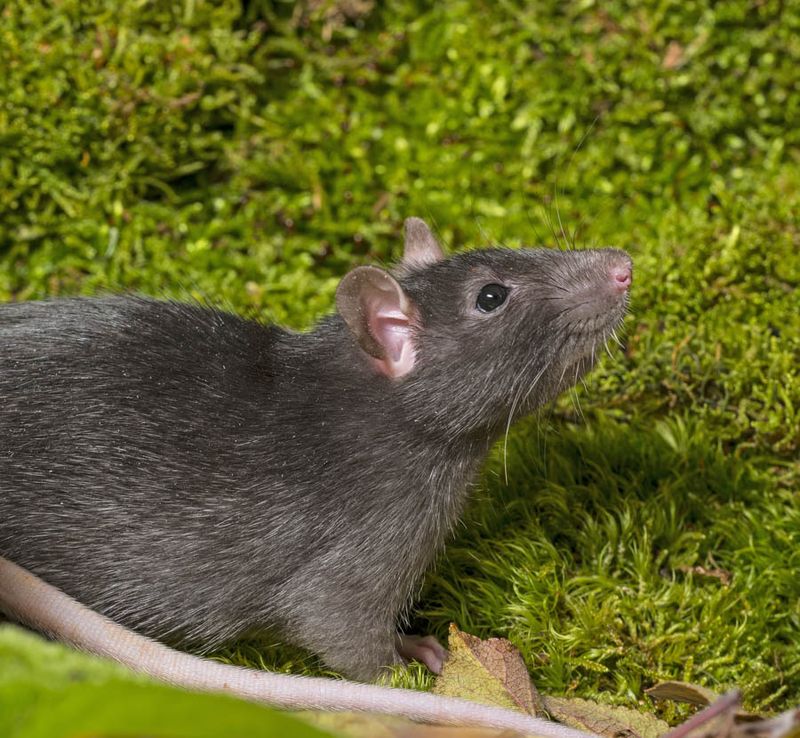
Think of yourself as a backyard detective for a moment. Rats are sneaky, but they leave plenty of clues behind if you know where to look.
Droppings are the biggest giveaway. Roof rat droppings are dark, shaped like a grain of rice, and about half an inch long, often found along fences or under ivy edges.
Listen at night too. Rustling in ivy, scratching on the roof, or squeaking near walls after sunset can signal busy rodents.
Look for chewed fruit still hanging on trees, especially oranges hollowed out like little cups. That pattern is a classic sign in many California neighborhoods.
Burrow holes near the base of ground cover, roughly two to four inches wide, may point to Norway rats. Fresh dirt piled near the opening means the hole is in use.
Pets can be helpful partners in your search. Dogs and cats often stare at or paw the same patch of ivy over and over when something is hiding there.
Always wear gloves and a mask when checking for signs, since rat droppings can carry germs. Avoid sweeping droppings dry, and spray them with a disinfectant before wiping them up.
Write down what you find and where. Knowing the hot spots helps you or a pest professional choose the best plan of action.
7. Smart Tips For Taming Ivy Safely
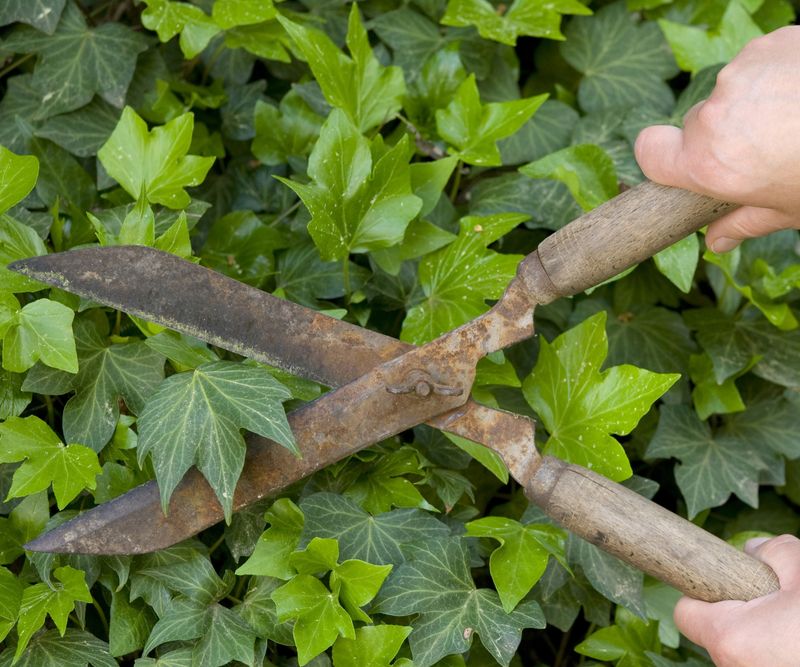
Grab your gloves, a sturdy pair of shears, and maybe a podcast. Taming ivy is a big job, but breaking it into steps makes it far more manageable.
Start by wearing long sleeves, pants, gloves, and eye protection. Rats may be hiding inside, and ivy sap can irritate some people’s skin.
Before cutting, tap the area with a rake or broom handle. That gentle noise gives any hidden animals a chance to scurry away instead of surprising you.
Work from the outside edges inward. Trim ivy down to a height of about six inches or less so the soil underneath gets light and air.
Pull vines off walls, fences, and tree trunks. Cut climbing stems near the base first, and let them dry for a week so they peel off more easily.
Bag clippings right away instead of piling them up. A heap of cut vines can turn into a brand new rat shelter overnight.
Many California cities offer green waste bins for yard trimmings. Check your local rules to dispose of ivy the right way.
Plan on light touch-up trims every few months. Ivy grows quickly in mild weather, so regular care keeps it from bouncing back into a thick jungle.
8. Rat-Resistant Plant Swaps That Thrive In California Gardens
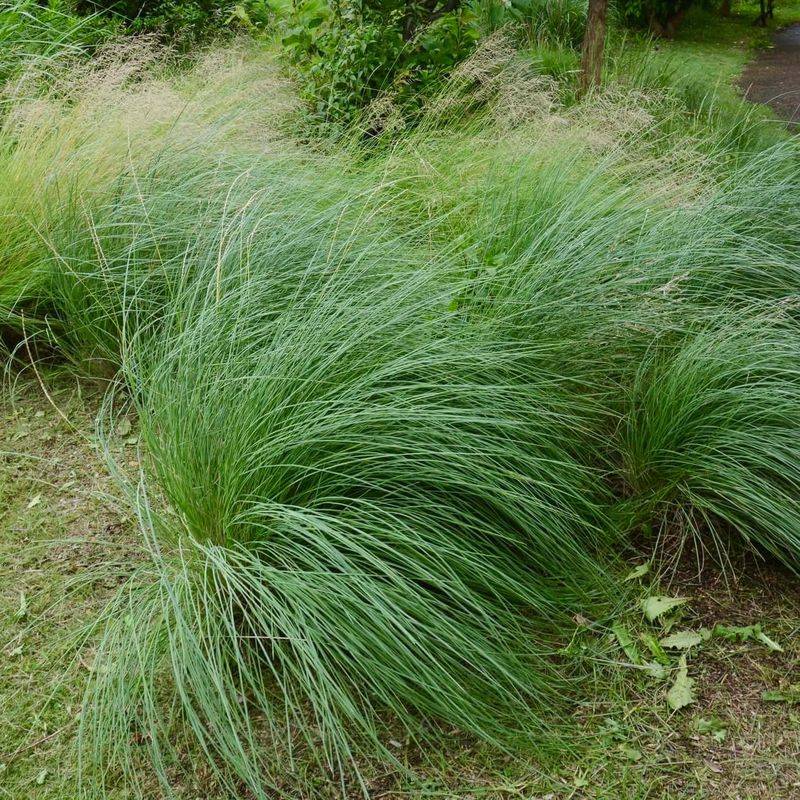
Ripping out ivy can feel a little sad at first. The good news is that plenty of beautiful plants look great without giving rats a secret hideout.
Choose plants that grow in open clumps instead of thick mats. Space between plants lets sunlight hit the soil and leaves rats feeling exposed.
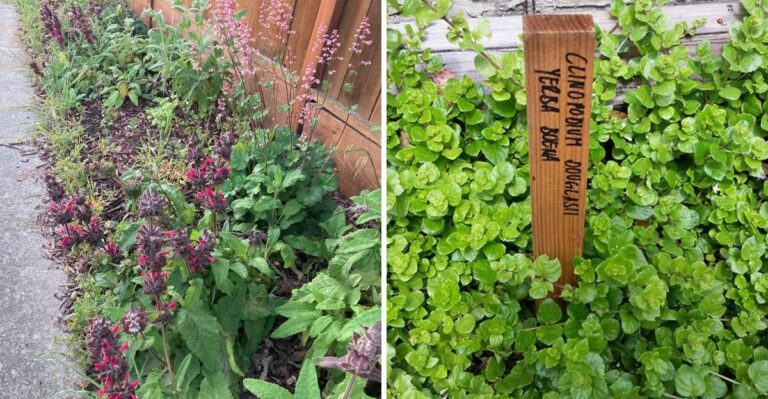
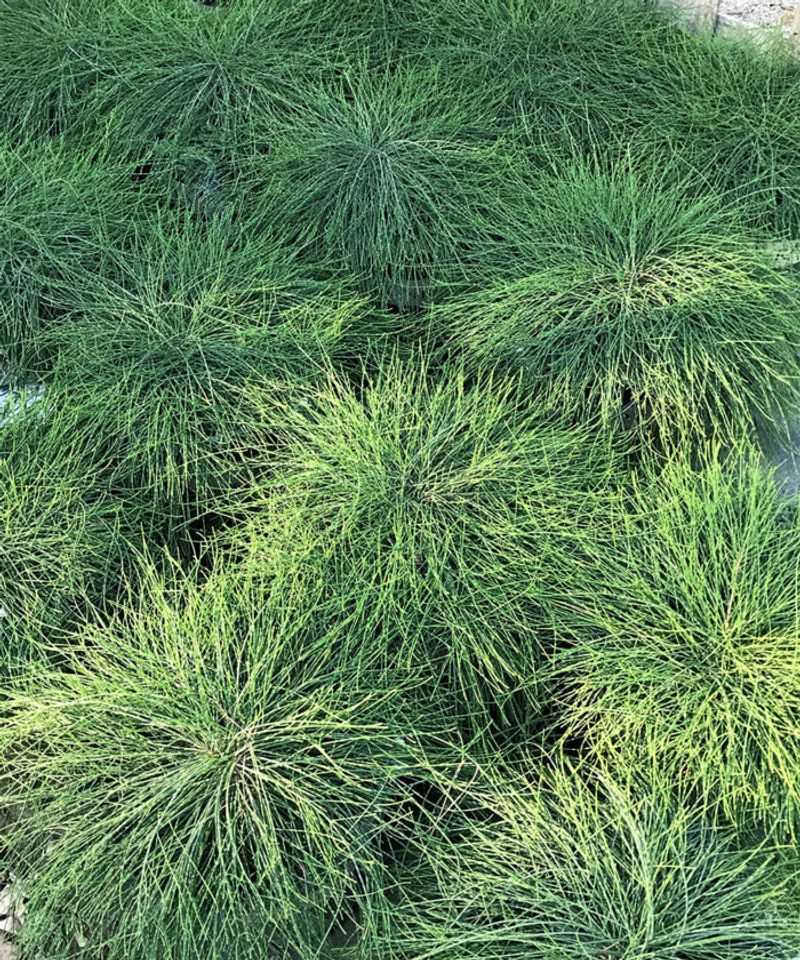
Many native and drought-tolerant options do well across the state. Try yarrow, low-growing sages, California fuchsia, blue fescue, or deer grass for texture and color.
Succulents like aloe and echeveria planted with gaps between them also work nicely. Decomposed granite, gravel, or bark paths fill the open spaces and look tidy.
Fun fact: native plants often attract owls, hawks, and lizards to your yard. Barn owls in particular are skilled rodent hunters, and some families even put up owl boxes.
When planning beds, keep a clear zone of about two feet next to your home’s foundation. Fill it with gravel instead of plants so rats cannot sneak right up to the walls.
Water-wise swaps also save money on your water bill. That is a happy bonus in a state where dry spells are part of life.
Visit a local nursery and ask for low, open plants suited to your area. Staff can help you pick options that fit your soil, sunlight, and style.
9. Building A Year-Round Rat Defense Plan
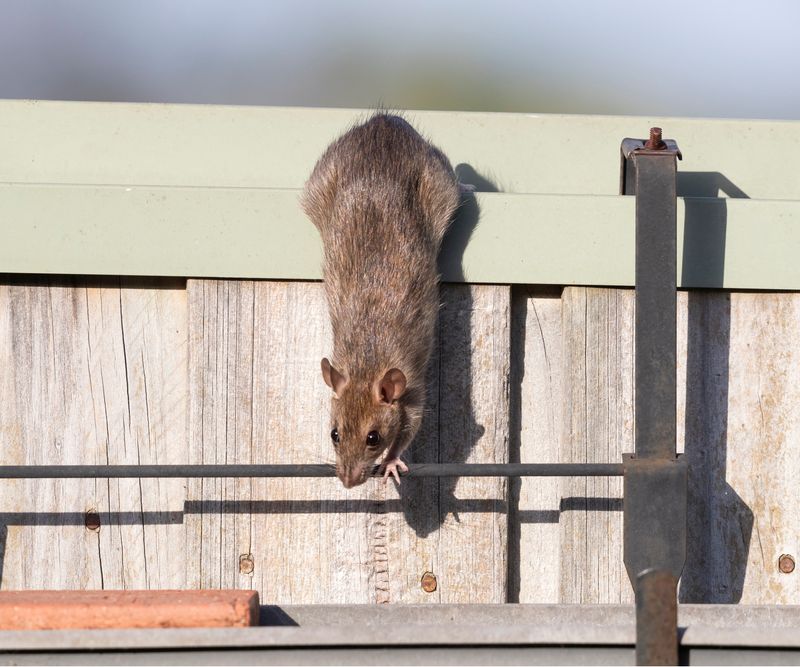
A tidy yard in October is a great start, but rats are patient planners. Staying one step ahead means making small habits part of your routine all year.
In spring, inspect your yard for new ivy growth and fresh burrows. Trim back anything that has crept onto fences or toward the roof.
Summer is perfect for checking vents, screens, and gaps around pipes. Seal holes with steel wool, hardware cloth, or metal flashing, since rats chew through plastic and wood.
Fall is harvest and cleanup season. Pick fruit promptly, rake leaves out of ground cover, and keep woodpiles off the ground and away from walls.
Winter calls for quick walkarounds after storms. Look for fresh droppings or chewed spots, and fix any damage before small problems grow.
Talk with your neighbors too, because rats ignore property lines. When a whole street works together, results last much longer across California communities.
If you see heavy activity, call a licensed pest control company. Ask about trapping and exclusion methods that protect pets, kids, and local wildlife like owls.
Keep a simple checklist on your fridge or phone. A few minutes each month adds up to a cozy, quiet home where the only creatures snuggling in for winter are the ones you invited.