Venomous Species Pennsylvania Residents May Find Indoors As Temperatures Drop
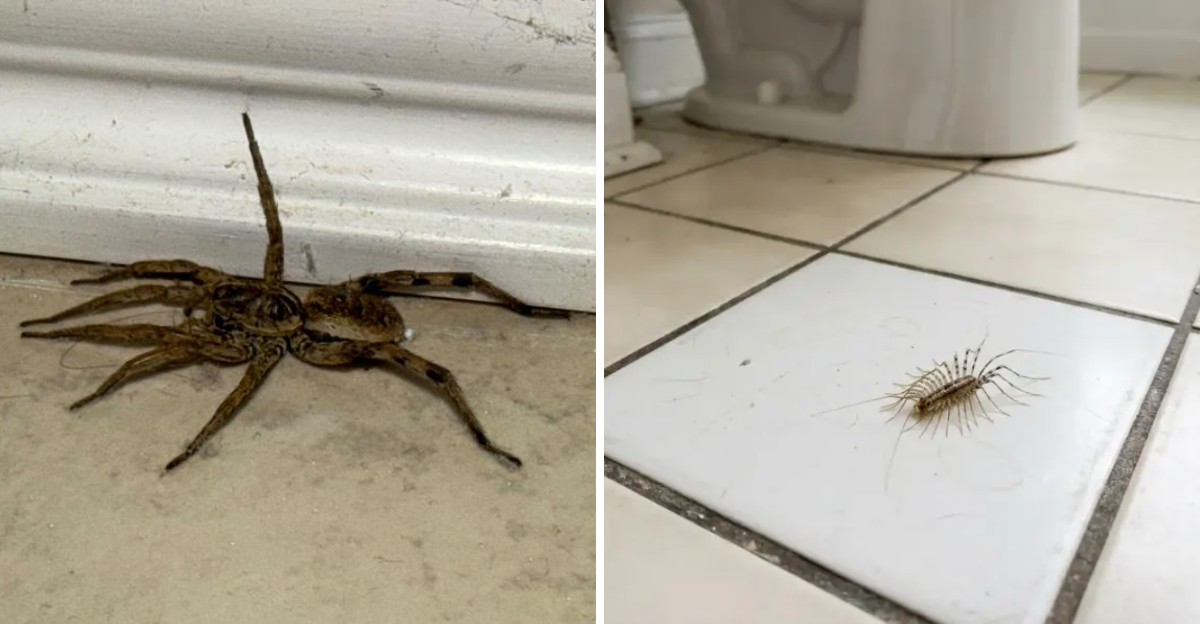
One tiny basement hunter in Pennsylvania wears a red hourglass, yet its bite rarely causes lasting harm to adults. Another visitor races across bathroom tiles on thirty legs and quietly eats the pests you hate most.
When autumn nights turn crisp, many of these small creatures slip through foundation cracks and gaps under doors. They are not hunting you, just chasing warmth and the insects that wander inside with them.
I have to admit, I used to grab firewood bare-handed until a shiny black spider stared back at me. Now I keep gloves by the door and take a closer look before reaching into dark corners.
Across Pennsylvania, a handful of venomous species share our homes each winter, and most of them mean no harm.
1. Northern Black Widow Hiding In Garage Corners
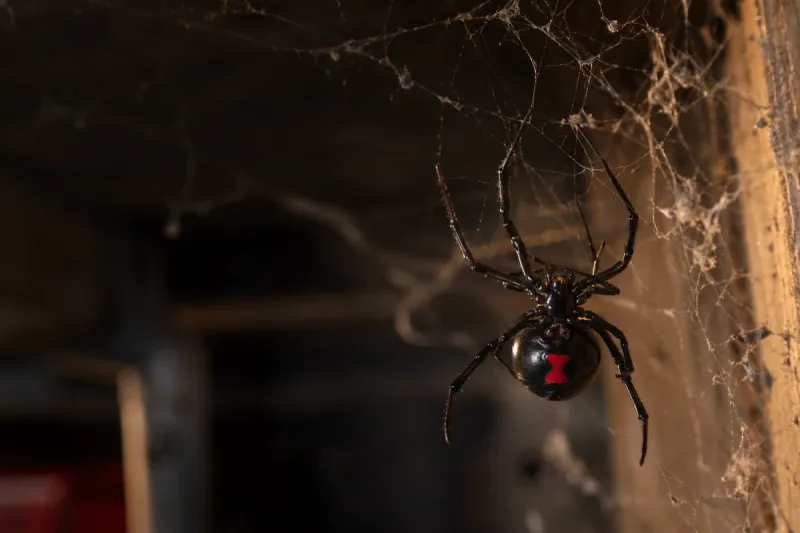
That glossy black body with a red hourglass underneath belongs to the northern black widow, Latrodectus variolus.
Females often show a broken hourglass, split into two red marks, which helps separate them from southern cousins.
Personally, I find their messy, tangled webs more alarming than the spiders, because they appear in such cluttered spots.
Woodpiles, garages, sheds, and dim basement corners are favorite hideouts, especially when outdoor temperatures start falling.
Their venom is neurotoxic, meaning it targets nerves and can trigger painful muscle cramps that spread from the bite.
Some people also report heavy sweating or belly stiffness, so calling a doctor quickly is a smart move.
Believe it or not, these spiders are shy and usually bite only when pressed against skin by accident. That often happens when someone slips on an old boot or grabs a stack of flowerpots without looking.
You need to wear thick gloves whenever you move firewood or stored pots sitting in dark corners for months. Stacking firewood away from the house also reduces the chance of a widow riding inside with your logs.
Shaking out shoes and work boots that sit in the garage takes seconds and can save a painful surprise.
A vacuum with a long hose removes webs and egg sacs without putting your hands anywhere near them.
Bites are uncommon in this state, and healthy adults typically recover well with proper medical treatment and rest. Children and older folks face higher risk, so keep cluttered storage areas tidy if little ones play nearby.
2. Pale Yellow Sac Spider Crawling Across The Ceiling
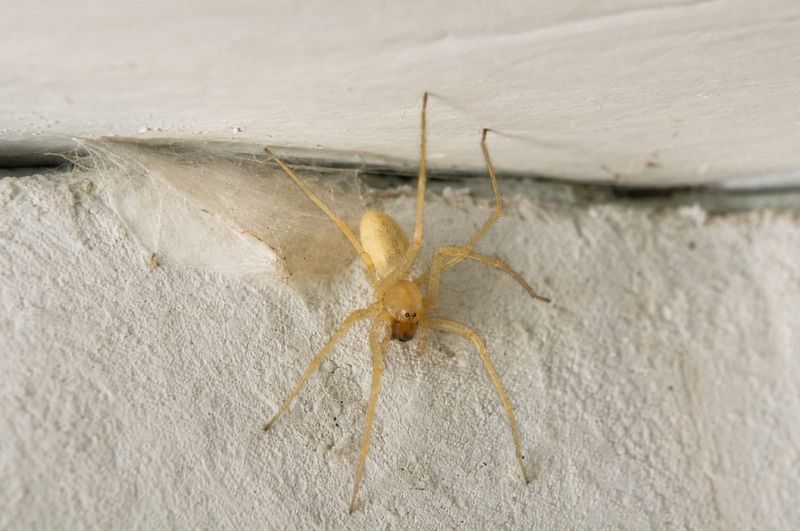
Few house guests are as sneaky as the yellow sac spider, a pale little hunter that roams at night. Its body looks almost see-through, with a faint greenish or yellow tint and darker brown tips on the jaws.
Two species show up in homes, Cheiracanthium mildei and Cheiracanthium inclusum, and both enjoy wandering along walls.
Instead of catching food in webs, they chase down small insects and rest inside silky pouches during the day.
I love how easy they are to spot once you know where to look, usually where ceilings meet walls. Those tiny white sacs tucked into corners or behind picture frames are often their daytime bedrooms.
Fall brings more indoor sightings because cooling weather pushes these spiders toward warm rooms and the bugs inside.
Experts suspect they cause a good share of household spider bites, mostly when trapped in clothing or bedding.
A bite usually feels like a sharp sting, followed by redness and sometimes a small blister nearby. Older reports linked them to serious skin wounds, but newer research suggests the effects are usually mild.
Washing the spot with soap and water, then adding a cool pack, handles most cases at home. See a doctor if redness keeps spreading or the area looks infected after a day or two.
To make your home less inviting, shake out clothes left on the floor and pull beds away from walls. Sealing gaps around windows and trimming plants that touch the siding also cut down on wandering visitors.
3. Broad-Faced Sac Spider Wandering Indoors In Autumn
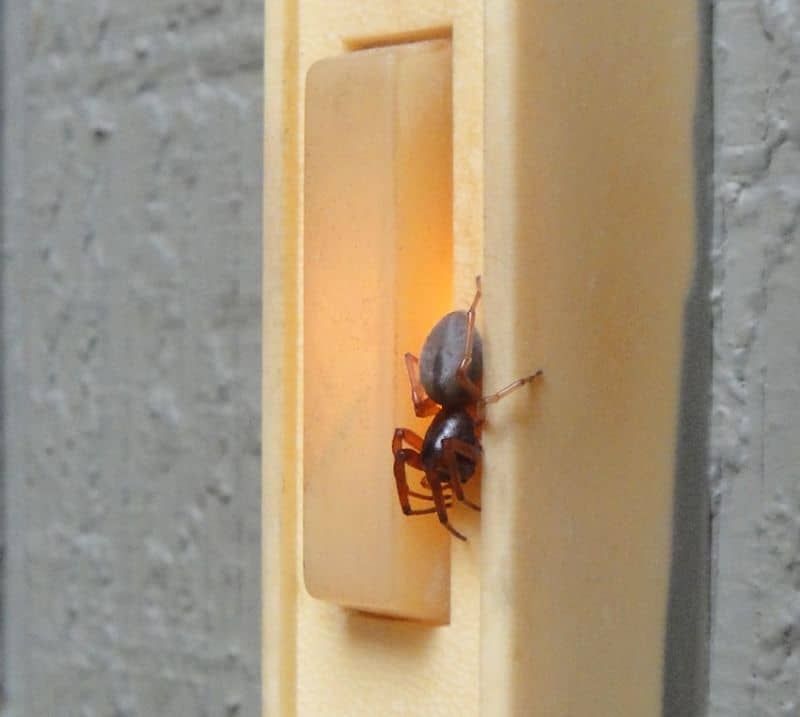
Shiny as a polished chestnut, the broad-faced sac spider has a glossy reddish-brown front end that catches the light. Its abdomen is paler, often tan or grayish, which makes the whole spider look oddly two-toned.
Scientists call it Trachelas tranquillus, and it lives under loose bark and leaf litter in eastern woodlands. Nobody warned me that this outdoor spider is known for wandering into houses in late summer and fall.
Once inside, it struggles to find enough food or moisture, so it tends to roam restlessly across floors. Many people discover one crawling on a bed or sofa, which explains why surprise bites sometimes happen.
Those bites are reported as sharp and stinging, a bit like a wasp, with some redness afterward. Swelling usually fades within a few days, though a tiny blister or sore may linger for a while.
I truly believe this spider gets blamed for crimes committed by others, partly because it looks so alarming.
Its venom is considered mild, and serious reactions are uncommon unless the wound becomes infected from scratching.
Keep leaf piles and firewood away from your foundation, since those are perfect launch pads for indoor trips.
Fresh weatherstripping on doors helps a lot, especially on basement entries that sit close to the ground.
If you spot one indoors, trap it under a cup and slide stiff paper underneath before carrying it outside. It will happily return to tree bark, where it hunts small insects far away from your pillow.
4. Wolf Spiders Racing Across Basement Floors
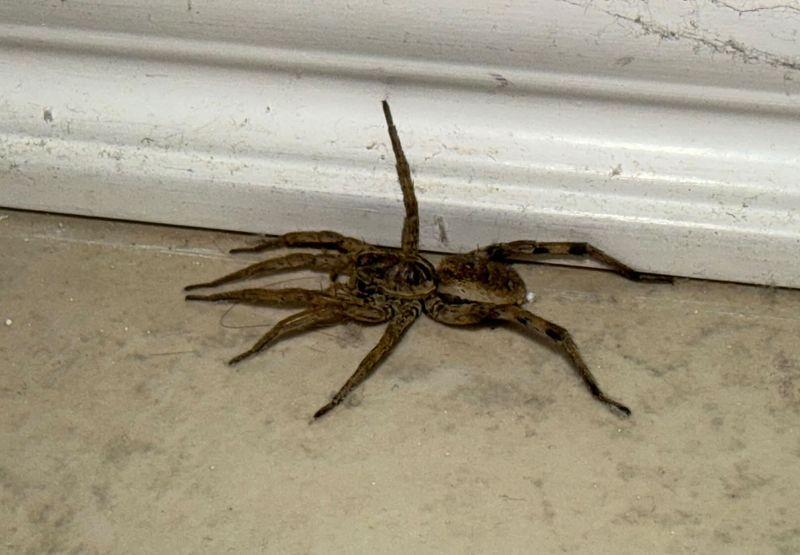
Few things make me jump like a wolf spider sprinting across the basement floor at full speed. Shine a flashlight at night, and their eyes glow back like tiny glittering sparks in the dark.
Hairy hunters like these belong to the family Lycosidae, with several large species roaming Pennsylvania fields and forests. They skip web building and simply chase down crickets and beetles using sharp eyes and quick legs.
In a sweet twist, mother wolf spiders drag their egg sacs around, attached to silk at their rear end. After hatching, the spiderlings climb onto her back and ride along for about a week or so.
Most wolf spiders that wander indoors in fall are simply lost, following insects or seeking a sheltered spot. They rarely survive long inside, since dry indoor air and scarce prey make homes poor places to live.
Bites are uncommon and usually happen only when a spider gets squeezed or handled by curious fingers. The venom is not considered medically significant, so expect mild pain and redness similar to a bee sting.
Personally, I welcome them in the garden, because they gobble up pests that chew on my vegetable plants. Inside the house is another story, so I seal door gaps and keep basement windows tightly screened.
Sticky traps placed along basement walls can catch wandering wolf spiders and show you where they enter. A dehumidifier helps too, because drier spaces attract fewer of the insects these hunters love to eat.
5. Parson Spider With A White Abdomen Stripe
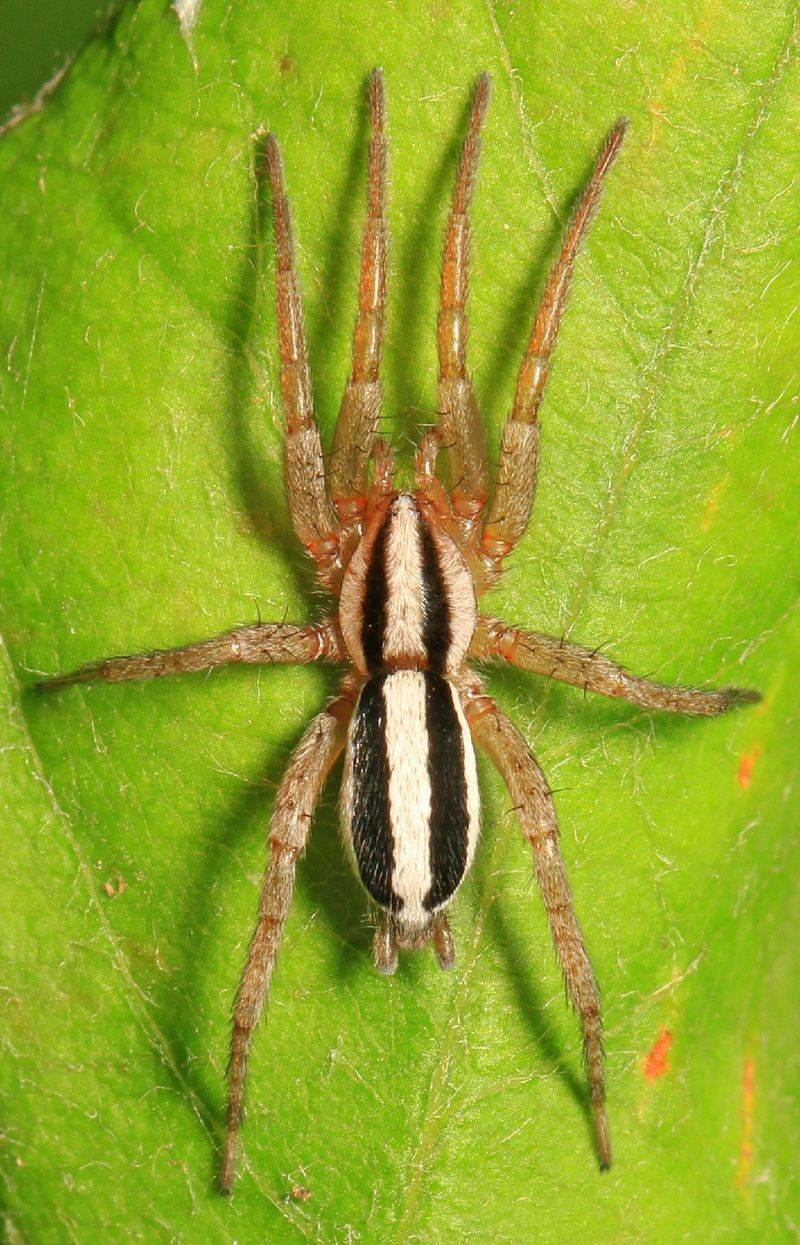
Old-fashioned preachers once wore white neckbands, and the parson spider seems to carry one on its back.
That pale marking sits on a dark, velvety abdomen, which earned Herpyllus ecclesiasticus its churchy common name.
I like how fancy it looks up close, with soft gray hairs that give it a fuzzy appearance. Adults reach roughly half an inch long, making them easy to notice when they dash across a rug.
Parson spiders belong to the ground spider family and hunt at night instead of waiting in webs. During daylight, they hide inside silk retreats under stones, loose bark, or piles of cozy indoor clutter.
As weather cools, some slip indoors and tuck themselves into closets or piles of folded blankets for shelter. That habit explains why people sometimes meet one while pulling on a sweater that sat untouched for weeks.
Bites are reported as painful, with swelling and itching that typically fades within a day or two. Their venom is not considered dangerous to people, so a cold compress usually handles the discomfort nicely.
You’ll love how simple prevention can be, since shaking out stored clothing removes most surprise encounters.
Storing blankets and seasonal gear in sealed plastic bins keeps these night prowlers from moving into your closet.
Outside, they help the garden by hunting beetles and other ground pests that hide under mulch at night. I gently scoop wandering parsons into a jar and release them near my compost pile, where they belong.
6. Brown Recluse Spider Hitchhiking In Moving Boxes
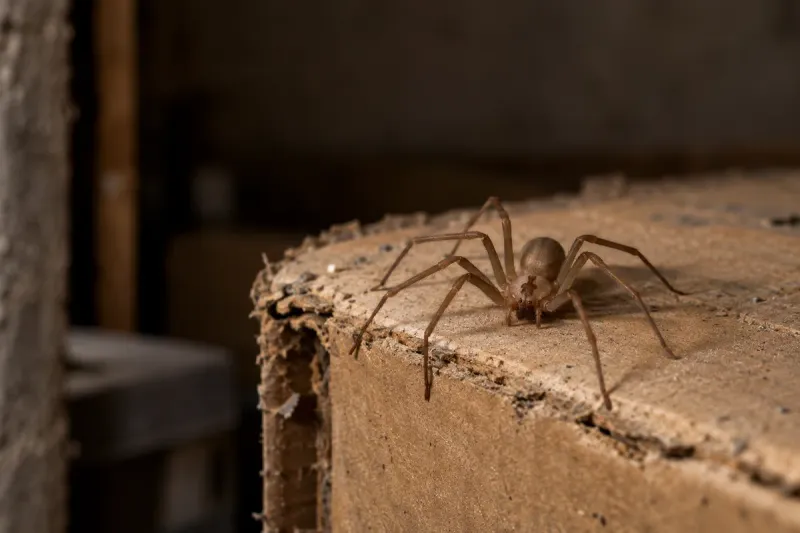
A violin-shaped mark on its back gives the brown recluse its famous nickname, the fiddleback spider. To my surprise, this notorious spider is not established in Pennsylvania, despite how often people claim to see one.
Loxosceles reclusa naturally lives in the south-central United States, with Missouri and Arkansas sitting near the heart of its range.
Occasional finds here usually involve hitchhikers that rode along in furniture or moving boxes from those states.
If one does arrive, it seeks quiet hideaways such as cardboard storage boxes tucked away in warm attics. Recluses are shy, as the name suggests, and they bite mainly when trapped against skin in clothing.
Their venom can damage skin tissue, sometimes leaving an open sore that heals slowly over several weeks. Most bites heal without serious trouble, yet any spreading wound deserves prompt attention from a doctor.
What surprises me most is how often doctors mislabel skin infections, especially MRSA, as recluse bites. In states without recluses, a mystery sore is far more likely caused by bacteria than by spiders.
To identify one, look for six eyes arranged in three pairs, plus uniform tan legs without stripes or spines. Many harmless brown spiders get mistaken for recluses, so a clear photo helps experts confirm the species.
Your county extension office can often review photos, which beats worrying over every tan spider you spot. After moving from the South, unpack boxes outdoors or in a garage and check each one carefully.
7. House Centipedes Darting Along Bathroom Walls
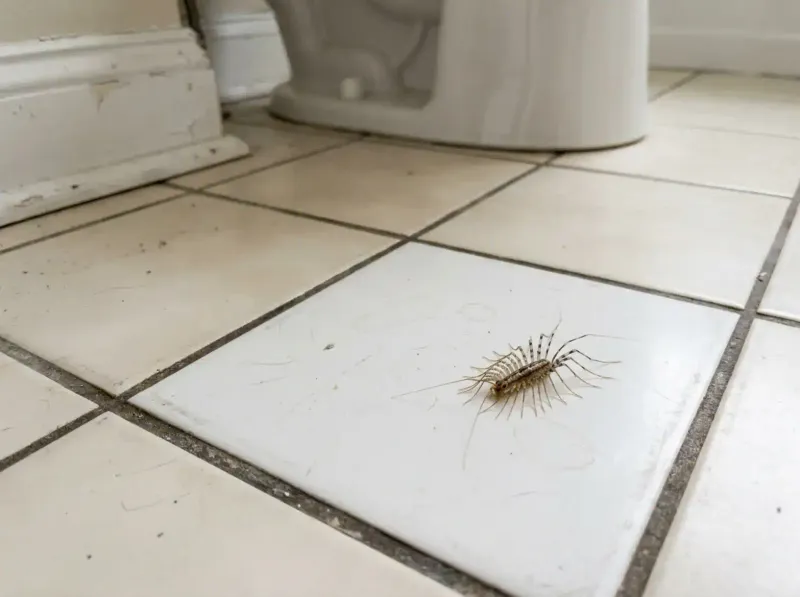
Fifteen pairs of long, wispy legs make the house centipede look like a feather duster that suddenly learned to sprint. Scutigera coleoptrata is not a spider, yet it carries venom through modified front legs called forcipules.
My first sighting made me shriek, especially when it zipped beneath the bathtub faster than I could blink. These centipedes can live for several years, and they stay active indoors throughout the colder months.
Damp places attract them most, so you will often find them in basements and bathrooms after dark. Outdoors they hide under stones and mulch, but falling temperatures nudge many toward your cozy foundation.
Bites are rare and usually feel like a mild bee sting, with brief swelling around the spot. Their jaws struggle to break human skin, so most people coexist with them for years without trouble.
Honestly, these speedy hunters work like a free pest crew, eating silverfish and cockroaches inside your home.
Seeing many centipedes often means another pest problem exists, since they only stay where food is plentiful.
Fixing leaky pipes and drying damp corners makes conditions less comfortable for both centipedes and their prey. Caulking cracks near the foundation and moving mulch a few inches from the siding helps as well.
For my part, I let the occasional centipede patrol my basement, though bedroom wanderers get a quick ride outside. A large drinking glass and a stiff sheet of paper work well, if you can move fast enough.