Native Groundcovers That Handle Pennsylvania’s Heavy Clay Soil
Clay soil in Pennsylvania is the kind of growing challenge that gets worse before it gets better, especially when you keep planting things that are not suited to it.
It compacts under foot traffic, stays waterlogged after rain, and then bakes into something close to concrete during a dry stretch.
Groundcovers that are not built for those conditions rot out, struggle to spread, or simply give up after a season or two.
Native Pennsylvania groundcovers take a fundamentally different approach because they evolved in the same soil conditions that frustrate everyone else.
Their root systems are designed to work through heavy clay, improve drainage over time, and hold the ground without needing it to be perfect first.
Several of them spread quickly enough to cover problem areas within a single growing season, and once they are established, they handle whatever Pennsylvania clay and weather throw at them without much input from the gardener.
1. Pennsylvania Sedge
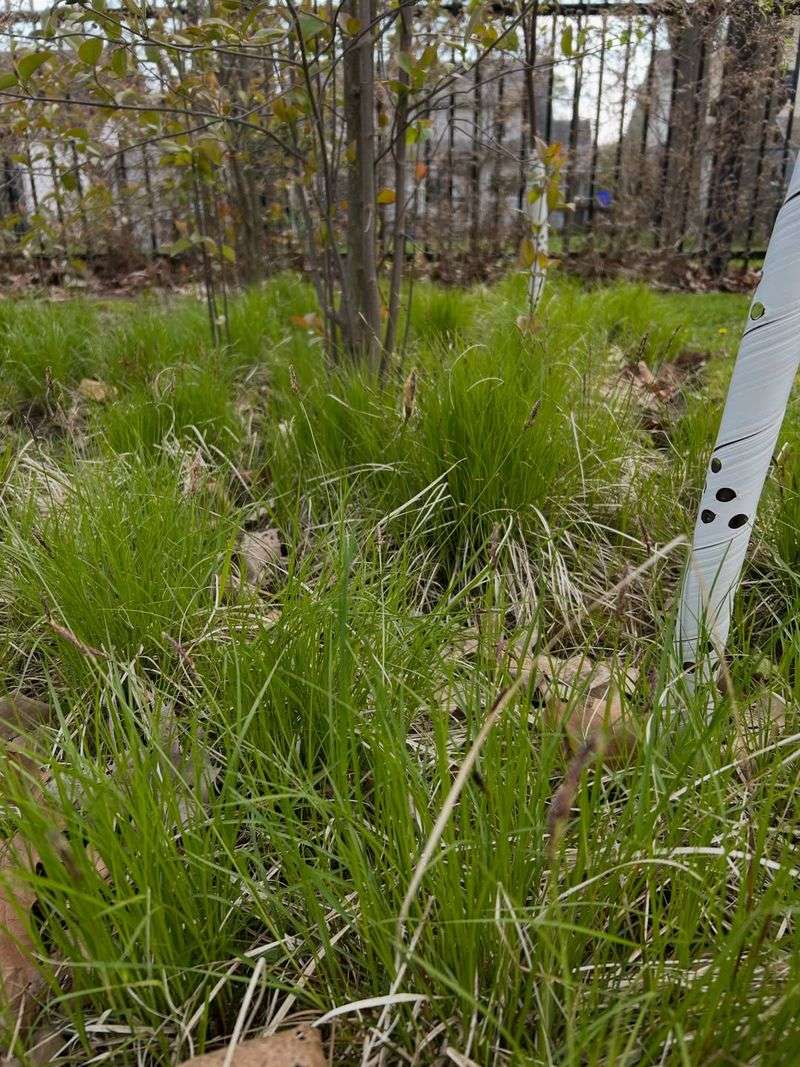
If you have ever stared at a bare patch of compacted clay under a big tree and wondered what on earth could possibly grow there, Pennsylvania sedge might just be your answer.
This tough little plant looks like a fine-textured grass but is actually a sedge, and it handles heavy clay soil better than most groundcovers you will find at a nursery.
It spreads slowly and steadily by underground rhizomes, filling in gaps over time without becoming invasive or unmanageable.
Pennsylvania sedge grows best in partial to full shade, making it ideal for the shaded corners of your yard where grass refuses to thrive. It stays low, usually only reaching about six to twelve inches tall, so it rarely needs mowing.
That alone makes it a favorite among homeowners who want a tidy, natural-looking lawn alternative without the constant upkeep. It also stays green through much of the year, even in Pennsylvania winters.
One thing that makes this sedge so valuable in clay-heavy gardens is its tolerance for compacted soil conditions. Most grass varieties struggle when soil becomes dense and waterlogged, but Pennsylvania sedge adapts and keeps growing.
It does not need fertilizer, and once it gets established, it handles dry spells reasonably well too. Planting it in fall gives the roots time to settle before summer heat arrives.
If you want a reliable, attractive groundcover that asks very little of you, Pennsylvania sedge is worth every bit of space you give it in your garden.
2. Wild Ginger
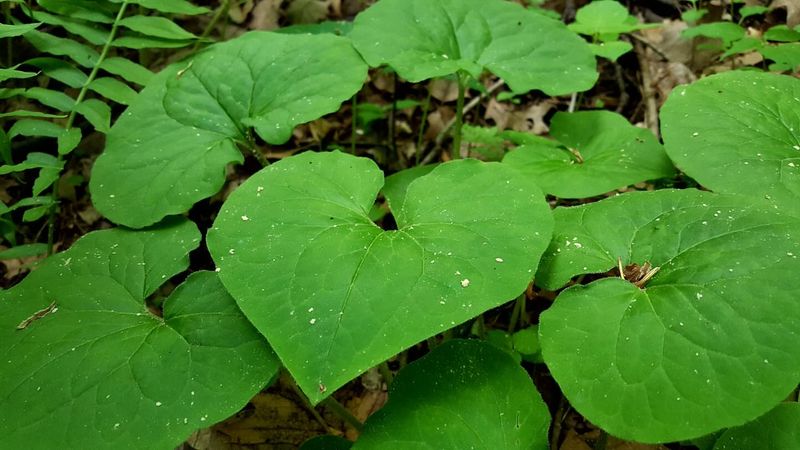
There is something almost prehistoric about wild ginger. Its broad, heart-shaped leaves grow close to the ground and overlap each other so completely that weeds barely stand a chance of breaking through.
Native to the eastern United States, including Pennsylvania, this plant has been quietly thriving in forest floors for thousands of years.
It is not related to the culinary ginger you use in cooking, but it does have a mild gingery scent when you crush a leaf between your fingers.
Wild ginger loves shaded spots with clay-heavy soil, especially beneath large trees where other plants tend to struggle. The dense leaf canopy it forms is one of its biggest strengths.
Your Pennsylvania Garden Changes Every Week. Your Plan Should Too.
Gardening in Pennsylvania changes quickly throughout the season. Every Friday you’ll receive a simple weekly plan showing exactly what to plant, prune, fertilize, harvest, and protect so you never miss the right timing.
Once established, it creates a thick mat of foliage that holds moisture in the soil and keeps weeds from getting the sunlight they need to sprout. For gardeners dealing with dry shade under maples or oaks, this plant is a genuine problem-solver.
Spreading by rhizomes underground, wild ginger moves at a steady but unhurried pace. It is not the kind of plant that takes over your yard overnight, which makes it easy to manage and pair with other woodland natives like trilliums or ferns.
It prefers consistently moist soil, so clay works in its favor since clay retains water well. Plant it in spring or fall, water it regularly during the first growing season, and then mostly leave it alone.
Wild ginger rewards patient gardeners with a lush, low-maintenance carpet that looks beautiful from spring through late fall.
3. Green-And-Gold
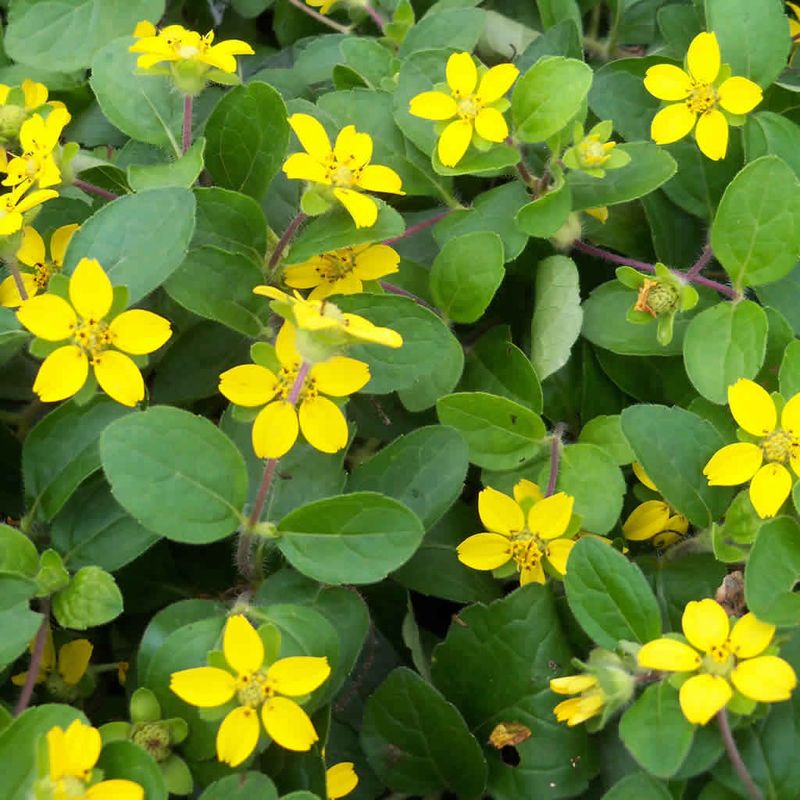
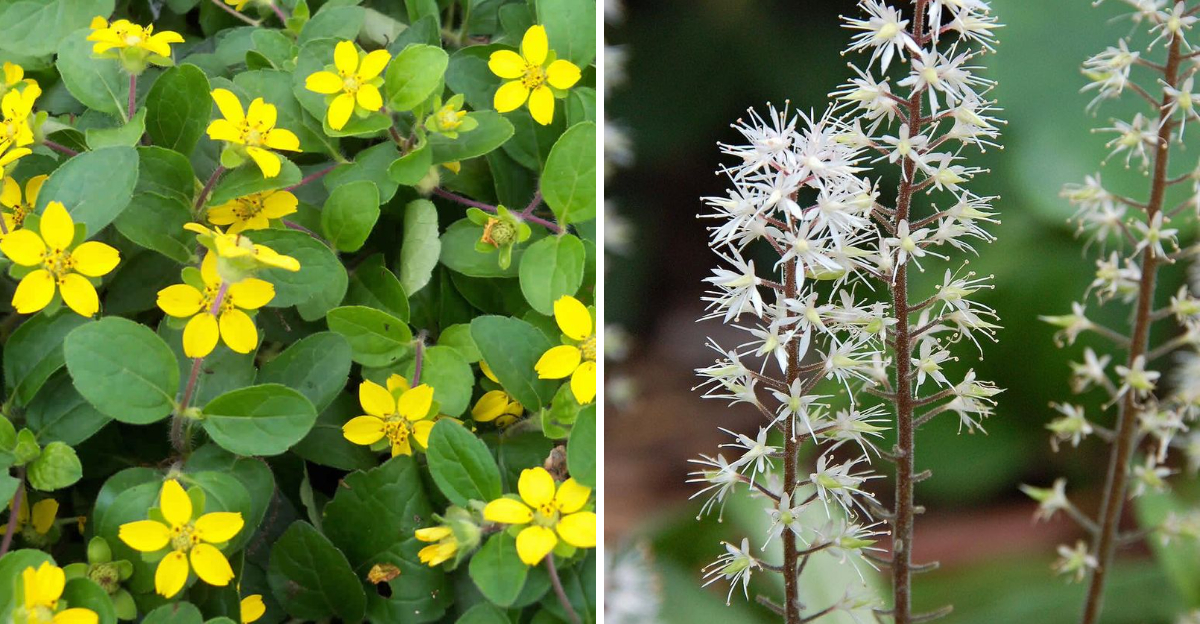
Few native plants bring as much cheerful energy to a shady garden bed as green-and-gold. Its bright yellow flowers pop against the deep green leaves from early spring well into summer, giving you weeks of color without any extra effort.
Formally known as Chrysogonum virginianum, this low-growing native is a real workhorse in clay-heavy Pennsylvania gardens. It spreads by both runners and seeds, filling in spaces gradually without smothering neighboring plants.
Green-and-gold handles moisture-retentive clay soil better than many flowering groundcovers because it does not need perfect drainage to stay healthy.
It thrives in partial shade but also tolerates some sun, which gives you flexibility when planting it in different spots around your yard.
The foliage stays semi-evergreen in Pennsylvania, meaning it holds its leaves through much of winter before fresh growth emerges in early spring.
That extended presence in the garden makes it especially useful for controlling soil erosion and suppressing weeds during the colder months.
Pollinators love the cheerful blooms, so planting green-and-gold near a vegetable garden or flowering shrubs can actually benefit your entire yard. It grows only about six to nine inches tall, so it layers nicely beneath taller native plants like wild geranium or spicebush.
Once established, it needs very little watering or feeding. A light top-dressing of compost in spring helps it spread more quickly and keeps the soil from crusting over in summer heat.
For a bright, reliable, and bee-friendly groundcover that actually thrives in clay, green-and-gold is hard to beat.
4. Allegheny Spurge
Most people have heard of Japanese pachysandra, the shiny green groundcover that seems to show up in every suburban yard.
But Allegheny spurge, its native American cousin, is actually a better choice for Pennsylvania gardeners who want something that fits naturally into the local landscape.
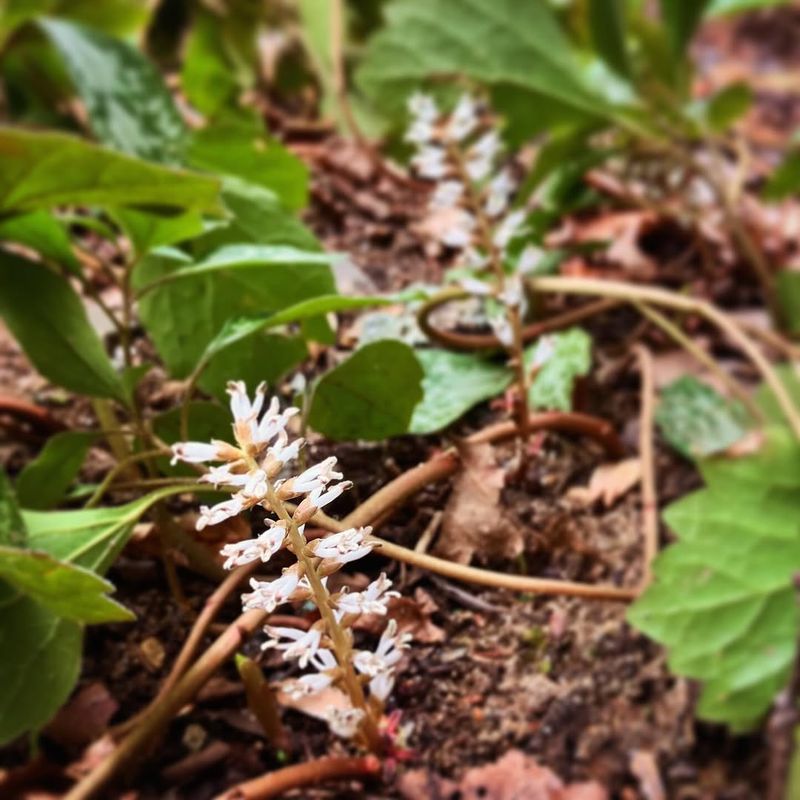
The leaves are larger, more matte in texture, and often beautifully mottled with silver-gray markings that make it visually interesting even when it is not in bloom. In early spring, it sends up delicate white and pink flower spikes that are subtle but genuinely lovely.
Allegheny spurge performs especially well in woodland clay conditions, which is exactly what many Pennsylvania backyards offer. It prefers shade or dappled light and does not mind the dense, slow-draining soil found beneath established trees.
Unlike Japanese pachysandra, it spreads more slowly and stays in place without crowding out native wildflowers nearby. That slower growth rate is actually a feature, not a flaw, for gardeners who want a tidy and controllable groundcover layer.
Native insects and early pollinators visit the flowers in spring, adding ecological value to what is already a practical planting choice.
Allegheny spurge is also semi-evergreen, holding its attractive foliage through Pennsylvania winters and providing year-round visual interest.
It does best when planted in fall so roots can establish before warm weather arrives. Adding a thin layer of leaf mulch around new plants helps retain moisture and mimics the natural forest floor conditions this plant loves.
Give it a shaded clay bed and a little patience, and it will reward you season after season.
5. Foamflower
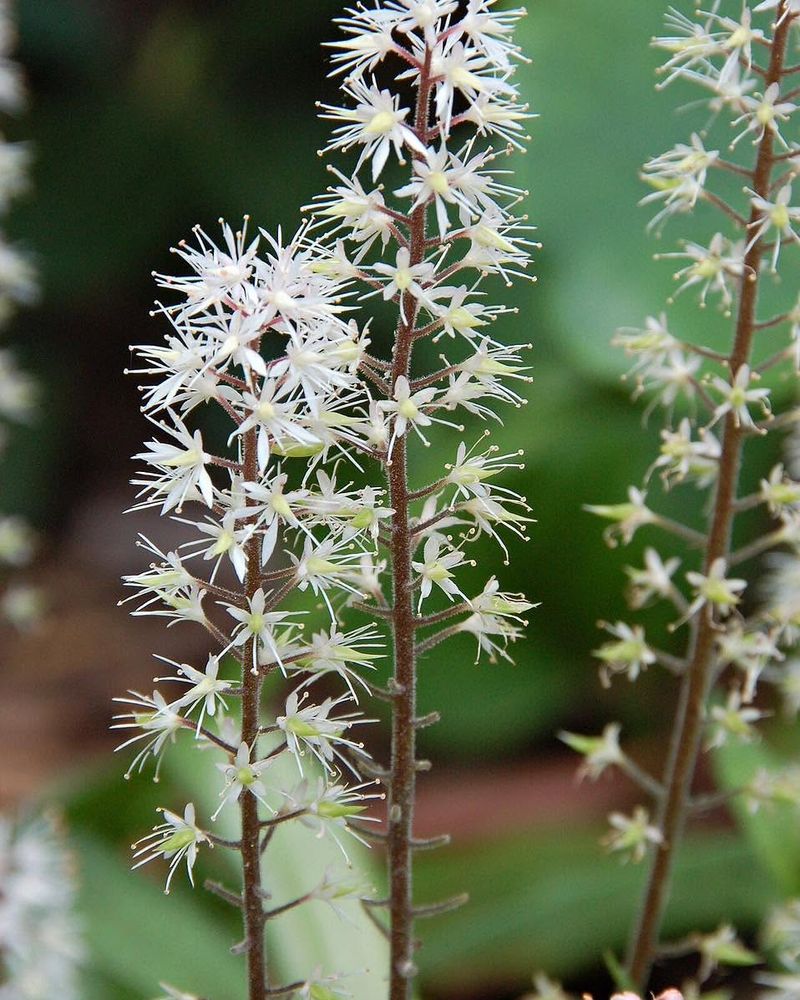
Walk through a Pennsylvania woodland in May and you might spot a frothy white haze hovering just above the forest floor. That is foamflower doing what it does best, putting on a soft and elegant show that stops people in their tracks.
Tiarella cordifolia is its formal name, and it is one of the most beloved native groundcovers for shaded eastern gardens.
The name comes from those airy flower spikes that really do look like foam floating above the foliage, and they attract early native bees and small butterflies.
Foamflower spreads gently by stolons, sending out runners that root nearby and slowly fill in bare areas without becoming aggressive. This makes it a great companion for other woodland natives like wild ginger, trilliums, or Jack-in-the-pulpit.
It adapts well to the rich, heavy clay soils that Pennsylvania yards so often have, especially in partly shaded spots where moisture tends to stay in the ground longer.
The heart-shaped leaves are attractive all season, and some varieties develop deep burgundy veining that adds extra color interest even after the blooms fade.
One thing gardeners really appreciate about foamflower is how low-maintenance it is once established. It does not need deadheading, rarely needs watering after the first season, and does not attract many pest problems.
Planting it in a spot with consistent moisture and protection from harsh afternoon sun gives it the best start.
Mixing it with other native groundcovers creates a layered, naturalistic look that feels like a slice of the Pennsylvania woodland right in your own backyard.
6. Creeping Phlox
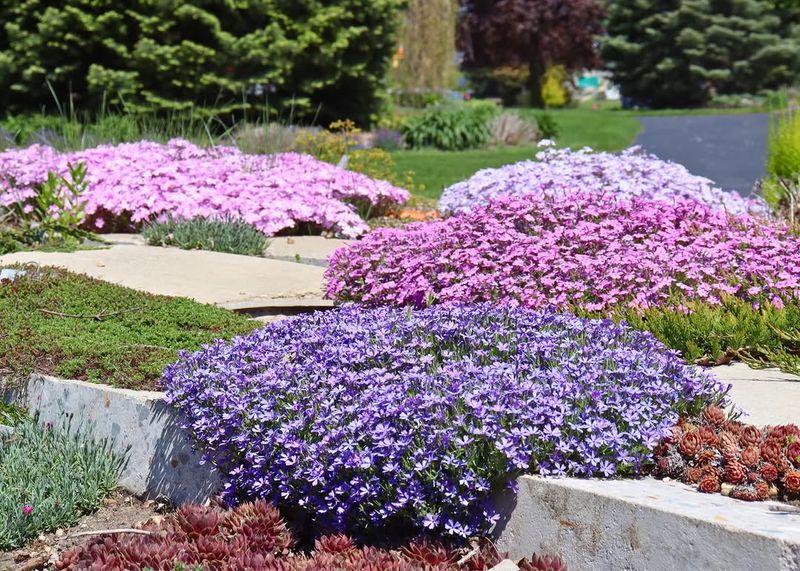
Every spring, creeping phlox turns slopes and rock garden edges into rivers of color. The blooms come in shades of purple, pink, white, and lavender, and they appear so densely packed that you can barely see the foliage beneath them.
This is one of those plants that earns its place in the garden ten times over during its peak bloom period, usually from April into May in Pennsylvania. After flowering, the needle-like evergreen foliage stays tidy and green, giving you attractive ground coverage all year long.
Creeping phlox handles clay soil better than many sun-loving groundcovers, but placement matters a lot. It does best on sunny slopes or raised beds where excess water can drain away rather than pool around the roots.
Clay that stays too wet for too long can cause root problems, so the natural drainage that a slope provides makes a real difference.
Mixing a bit of coarse sand or gravel into the planting area also helps improve drainage in spots that tend to hold water after heavy Pennsylvania rainstorms.
Once established, creeping phlox is remarkably tough and drought-tolerant. It does not need fertilizing, spreads steadily without becoming invasive, and rarely has serious pest or disease issues.
Pollinators, especially early butterflies and bees, flock to the blooms in spring, making it an ecologically valuable choice. A light trim after flowering keeps the plants compact and encourages fresh new growth.
If you have a sunny clay slope that looks bare and uninviting, creeping phlox can turn it into one of the most eye-catching spots in your entire yard.
7. Christmas Fern
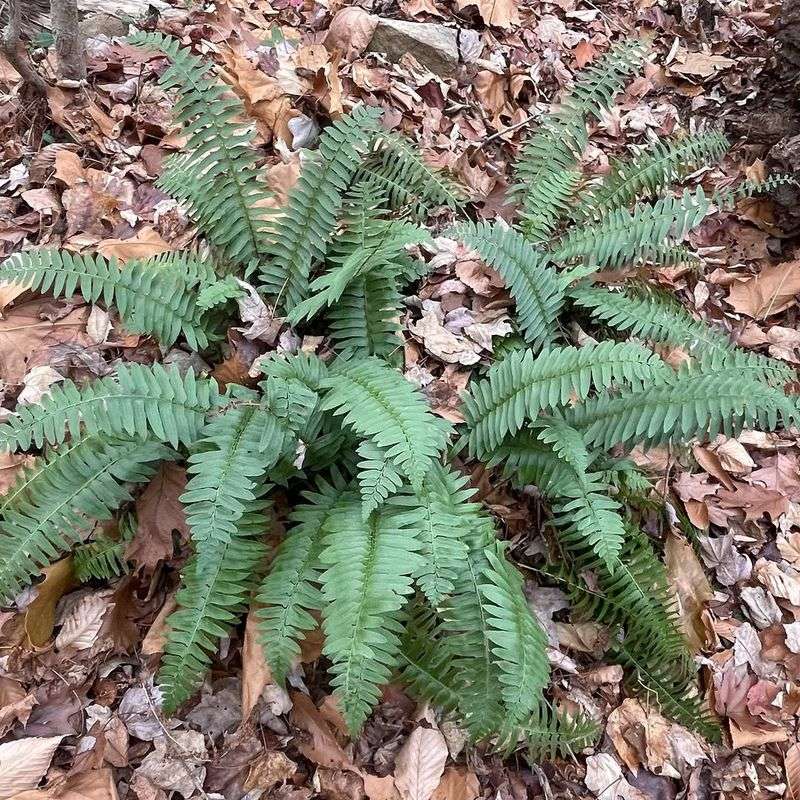
Named for its habit of staying green straight through December and into the new year, Christmas fern has been a staple of Pennsylvania woodland gardens for generations.
Early settlers reportedly used the evergreen fronds as holiday decorations, which is how this tough native got its festive name.
Polystichum acrostichoides is one of the most adaptable ferns in the eastern United States, and it handles difficult growing conditions with a quiet stubbornness that gardeners deeply appreciate.
Heavy clay soil does not slow this fern down. It grows naturally along stream banks, rocky slopes, and shaded hillsides where soil can be dense, wet, and compacted.
In a home garden, it thrives in similar conditions, particularly in shaded spots beneath deciduous trees where clay soil tends to accumulate.
The dark green, arching fronds grow in attractive clumps that can reach one to two feet tall, making it useful for erosion control on slopes as well as for filling in shaded beds that other plants avoid.
Christmas fern pairs beautifully with other native woodland plants like wild ginger, foamflower, and Allegheny spurge, creating a layered planting that looks natural and requires minimal upkeep.
It does not spread aggressively, so it stays where you put it and does not crowd out neighboring plants over time.
Deer tend to leave it alone, which is a big bonus in many Pennsylvania neighborhoods. Plant it in fall or early spring, water it well during its first season, and it will reward you with reliable, year-round greenery that makes shaded clay spots look genuinely inviting.