How Virginia Gardeners Can Get Their Christmas Cactus To Multiply Before Bloom Season
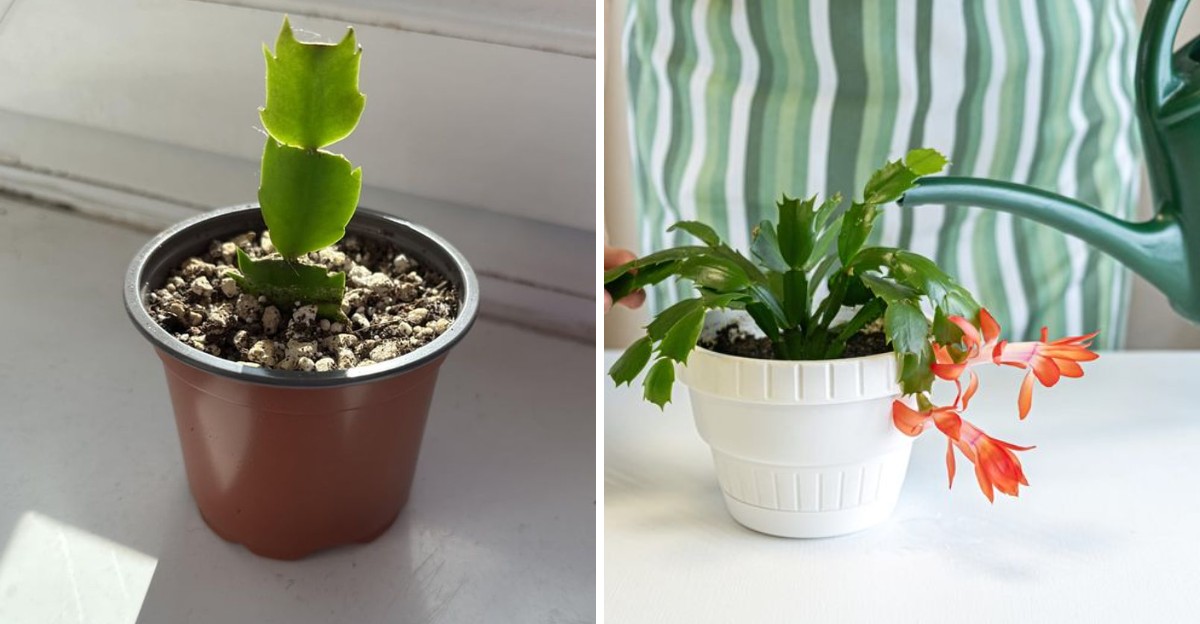
You are holding a tiny plant factory, and you have not noticed. Twist a flat segment off your Christmas cactus, and you have a clone.
Virginia autumn gives you long, cool nights that trigger pink buds. Gift pots to neighbors, and you spend pennies instead of dollars.
Let the cut end callus for a few days before you plant it. Press the callused end into damp, gritty mix and wait for roots.
Skip heavy fertilizer, because young roots burn easily in Virginia homes. Darkness and cool nights decide whether your mother plant blooms before the holidays.
Cuttings you start now need bright, indirect light and a steady hand. Roots appear within weeks, and you will spot them as white threads at the base.
Overwater, and rot can start in your cutting. Then you learn how darkness triggers buds to form.
1. Pick The Right Moment Before Buds Take Over
Picture your plant as a busy kitchen in late October, juggling roots, leaves, and flower buds at once. Asking it to share stems at the wrong time is like borrowing eggs mid-recipe.
In Virginia, Christmas cactus plants usually start setting buds once nights grow long and cool. That often happens from late September through October, depending on where you live.
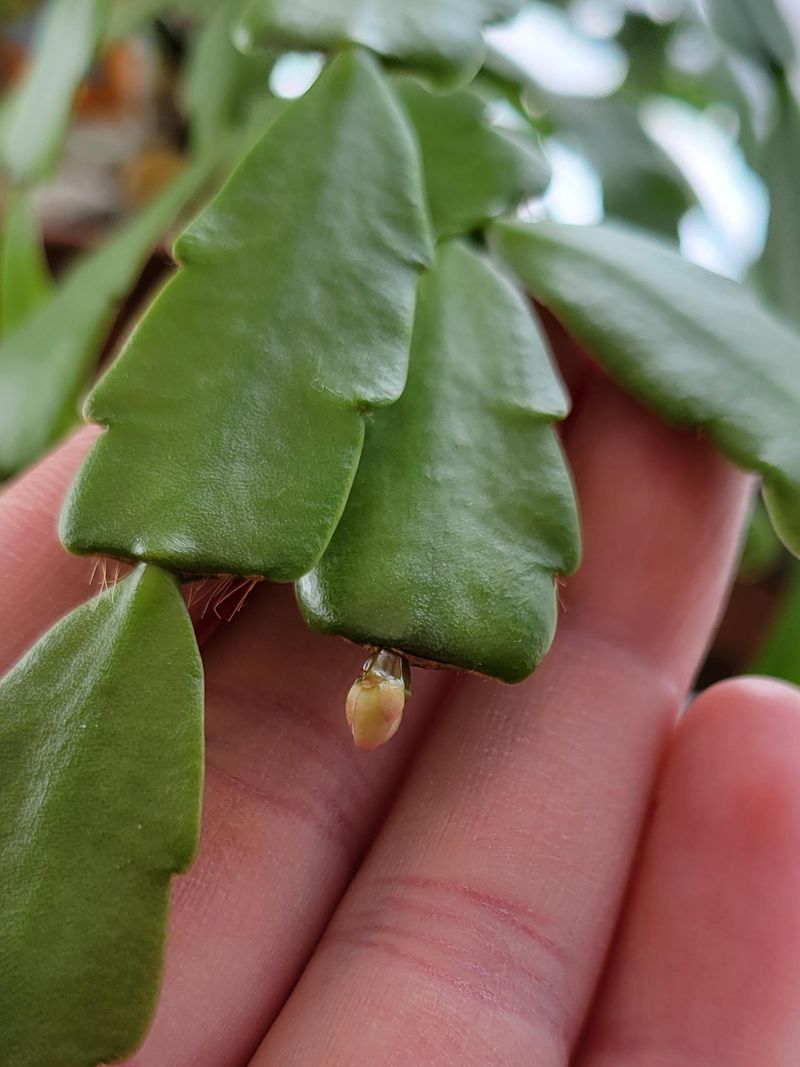
Many plants sold as Christmas cactus are really Thanksgiving cactus, which bloom earlier and have pointed, claw-like segment edges instead of rounded ones.
Cuttings root best right after flowering or in late spring, but early fall works if no buds have formed. Take a close look at each stem tip with a flashlight if needed.
Stems with no buds are fair game for cuttings. Stems already holding buds should stay put, so your holiday display stays full and cheerful.
Gardeners near Richmond or Norfolk may have a little extra time thanks to milder fall weather. Folks in the Blue Ridge should move faster, since chilly nights arrive sooner.
Plants kept in a warm room with lamps on at night often bud later than expected. That delay can buy you a few extra days for gathering cuttings.
Missed the window this year? Wait until the flowers fade in winter, then take cuttings in late winter or spring.
Spring cuttings root fast because the plant is waking up and ready to grow. Within a year or two, those babies could be sturdy enough to bloom themselves.
Keep a little notebook or phone reminder about when buds showed up this year. That simple record helps you plan the ideal snipping day next fall.
2. Choose Healthy Segments From The Mother Plant
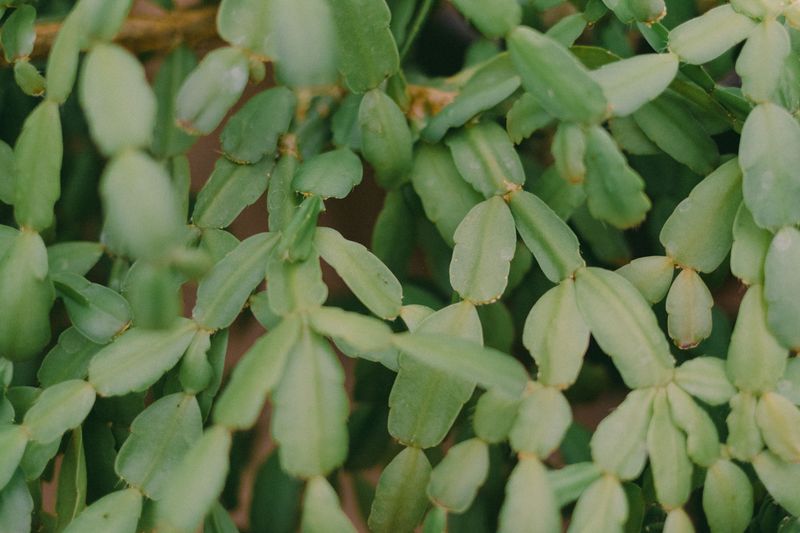
Think of yourself as a produce shopper picking only the plumpest peaches at a Virginia farm stand. Your plant deserves that same choosy eye when you select cuttings.
Look for stems that feel firm, glossy, and bright green from tip to base. Skip any pieces that look wrinkled, mushy, reddish, or spotted with brown marks.
A good cutting has two to four connected segments, like a short chain of beads. Longer pieces can work, but they tend to wobble and topple in small pots.
Your Virginia Garden Changes Every Week. Your Plan Should Too.
Gardening in Virginia changes quickly throughout the season. Every Friday you’ll receive a simple weekly plan showing exactly what to plant, prune, fertilize, harvest, and protect so you never miss the right timing.
Forget the scissors for this particular job. Gently twist the stem right at a joint between segments, and it should pop free cleanly.
Twisting creates a neat little break that many gardeners find heals well. If a stem resists, use a clean, sharp knife wiped with rubbing alcohol.
Spread your picks around the plant instead of stripping one side bare. Your mother plant will keep its rounded shape and still look lovely for the holidays.
A healthy, mature plant can often spare several segments, depending on its size. Older plants passed down through families often tolerate more trimming.
Christmas cactus plants can live for many decades, so cuttings often pass between relatives. Your cuttings could start a similar tradition for your own grandchildren someday.
Pinch off a few extra pieces as backups in case one or two fail. Spare cuttings make handy gifts if every single one decides to root.
3. Let Fresh Cuttings Rest And Form A Callus
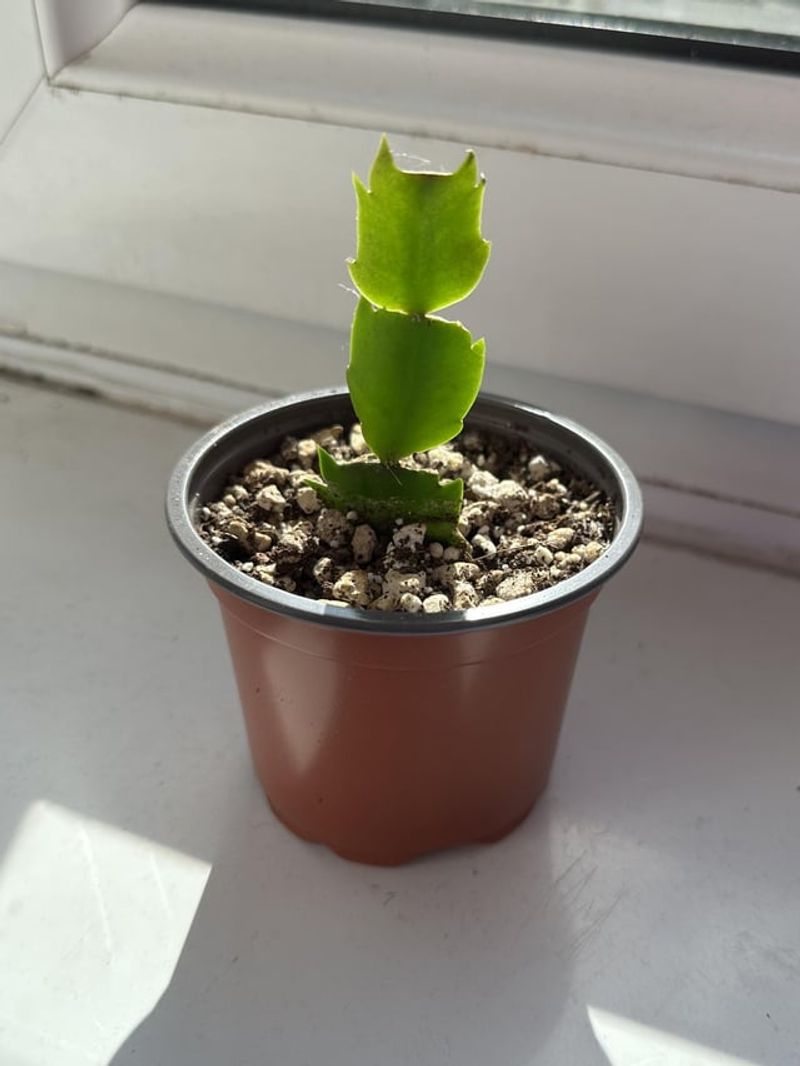
Patience feels hard when you are excited about new plants, but this step rewards waiting. Fresh cuttings need time to seal their wounds before touching any soil.
Lay your pieces on a paper towel or plate in a dry, shady spot indoors. Leave them alone for one to three days while the cut ends toughen.
You will notice the raw end forming a dry, slightly crusty layer. Gardeners call this a callus, much like the tough skin on a guitar player’s fingertips.
That protective layer blocks germs and fungus from sneaking into the soft stem. Without it, a cutting can rot in moist soil before it ever grows roots.
Virginia homes in October can feel muggy one day and crisp the next. On humid days, give your cuttings the full three days to dry properly.
Keep them away from sunny windowsills during this resting stage. Strong light can shrivel the segments, leaving them limp and tired before planting.
Some growers like dipping the calloused ends in rooting hormone powder. It is optional, but it can speed things up for impatient folks.
A light dusting of cinnamon is a kitchen-cabinet alternative that some gardeners report using. It may help fight fungus and makes your workspace smell like holiday cookies.
Label each batch with the date so you remember when planting day arrives. Sticky notes on the plate work perfectly for busy households.
Once the ends look dry and pale, your cuttings are ready for their new home. That small wait pays off with stronger, healthier baby plants.
4. Mix A Fast-Draining Soil For Young Roots
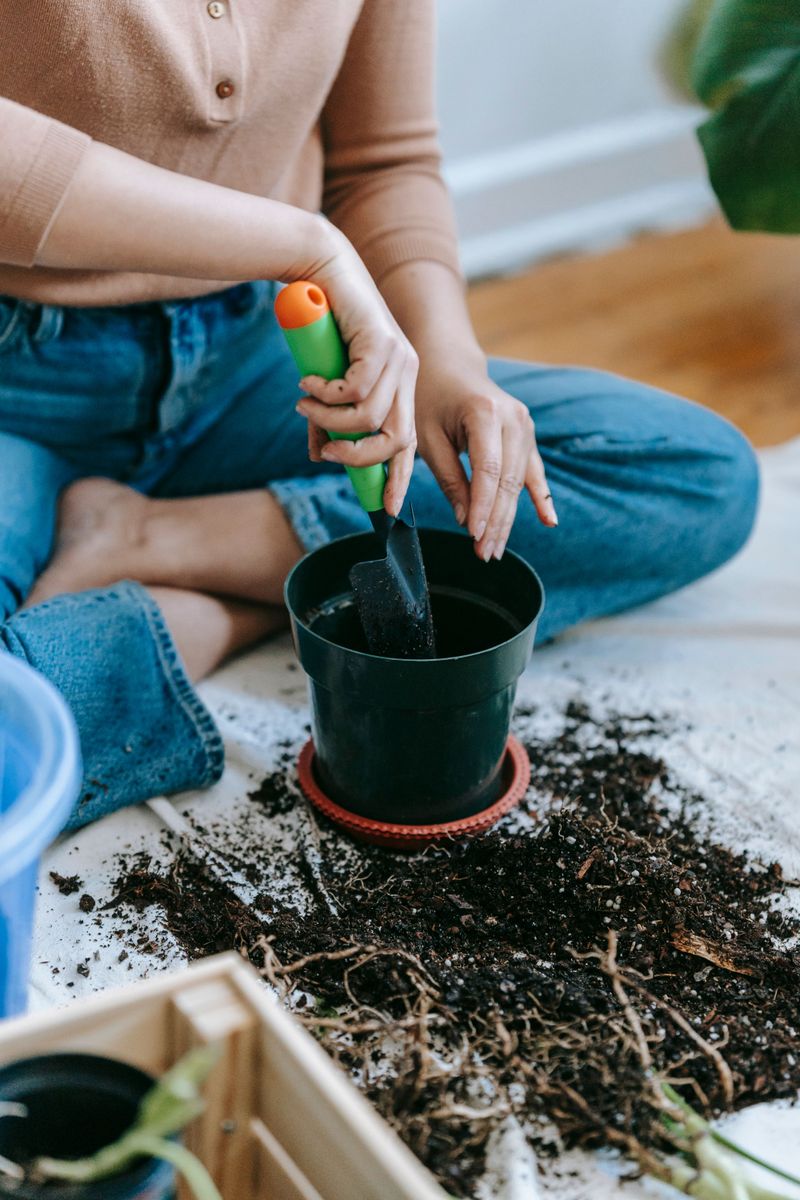
Every great recipe starts with the right ingredients, and potting mix works the same way. Heavy garden dirt from a Virginia backyard is too dense for tender new roots.
Parts of Virginia, especially the Piedmont, have heavy red clay that holds water like a sponge. That soggy texture can keep a cutting too wet to root.
Despite the name, this plant is not a desert cactus at all. In the wild, it grows on tree branches in the rainforests of Brazil.
Its roots are used to loose bark, moss, and bits of leaf litter. They crave air and moisture together, with no standing water around them.
A simple homemade blend uses two parts regular potting soil and one part perlite. Add one part orchid bark if you want extra chunky texture.
Store-bought cactus and succulent mix also works well straight from the bag. Stir in a handful of perlite to keep things fluffy and airy.
Pick small pots, about three or four inches wide, with drainage holes in the bottom. Oversized pots hold extra soil that stays wet much too long.
Terracotta pots are a smart choice because the clay breathes and dries out evenly. Plastic pots work fine too, as long as you water a bit less.
Lightly dampen the mix before planting so it feels like a wrung-out sponge. Moist, crumbly soil gives roots a good start.
Mixing a big batch now saves time later when more cuttings need homes. Keep leftovers in a lidded bucket in the garage until spring.
5. Plant Several Cuttings Together For A Fuller Pot
Ever seen a lonely single stem poking out of a big pot? It looks a bit like one candle on a giant birthday cake.
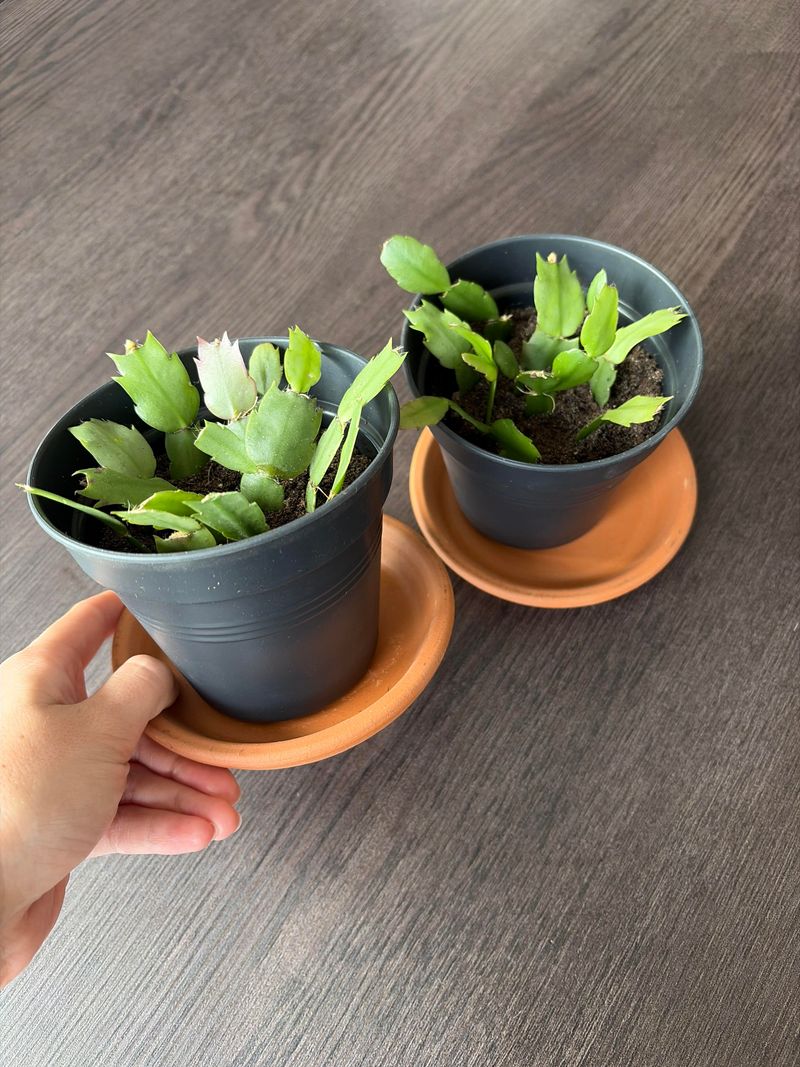
Planting several cuttings in one container fixes that problem fast. Within a year or two, you get a bushy, full plant instead of a sparse, thin one.
For a four-inch pot, tuck in three to five cuttings spaced around the center. Larger six-inch pots can hold six to eight pieces comfortably.
Push each calloused end about half an inch to one inch deep. Bury only the bottom segment, leaving the rest standing upright like little green flags.
Firm the soil gently around each stem with your fingertips so it stands tall. Wobbly cuttings struggle to root because they keep shifting around.
Another clever trick is tucking new cuttings right into the mother plant’s own pot. Bare spots get filled, and the original plant looks younger and fuller.
Just avoid poking holes near the main roots or bud-heavy stems. Work around the edges where soil is loose and easy to open.
Group planting also helps cuttings share humidity and warmth, almost like a tiny huddle. Roots grow side by side and weave into a strong, single clump.
Mixing cuttings from different colored plants can create a surprise bouquet once they mature and bloom. Imagine red, white, and coral blooms all sharing one cheerful pot.
Swap a few segments with gardening friends to build your own rainbow collection. Check local garden clubs, libraries, and Master Gardener groups for plant swaps, which run through the year.
6. Give New Cuttings Bright Light And Steady Warmth
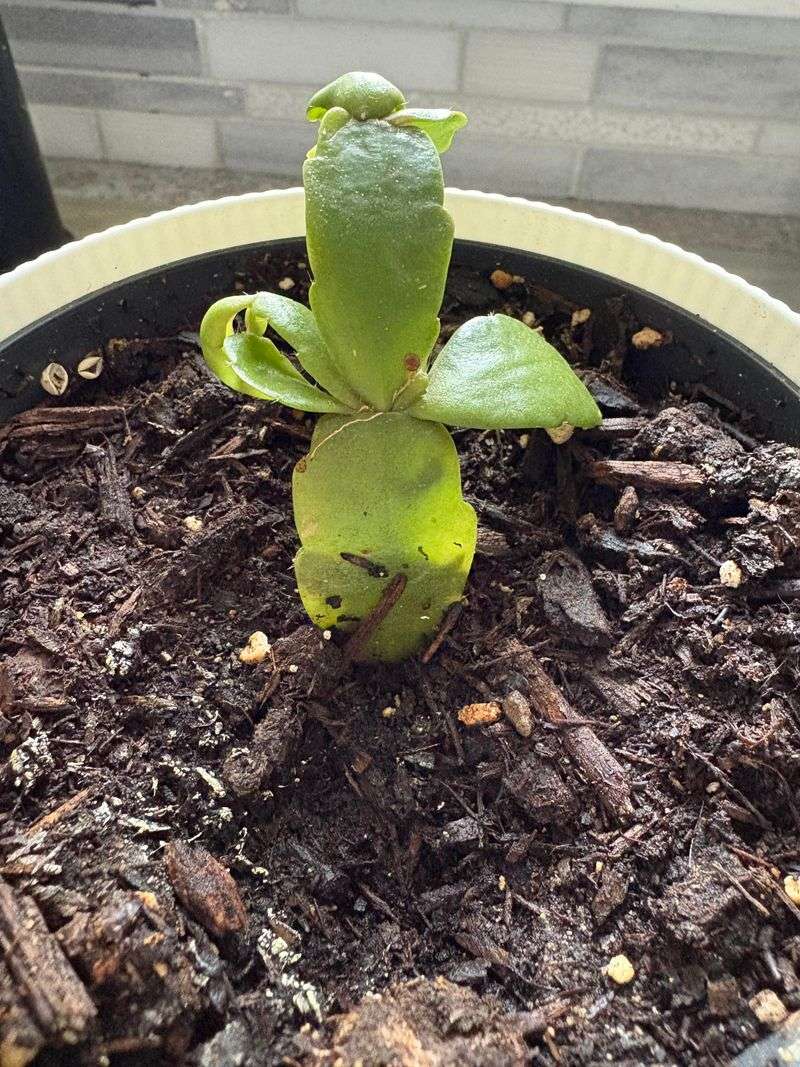
Here is your indoor weather report for baby plants: bright, mild, and comfortable all week. Cuttings root best around 65 to 75 degrees with plenty of indirect light.
An east-facing window is often a good spot, depending on your home. Morning sun is gentle, while harsh afternoon rays from the west can scorch segments.
Sunburned cuttings turn reddish or purple, which signals stress. Slide the pot back a few feet or hang a sheer curtain to soften the glare.
October nights in Virginia can dip into the forties, and drafty windows let that chill inside. Cold windowpanes chill the soil and slow root growth to a crawl.
A seedling heat mat set under the pots can work like a cozy blanket. Keep it on low, and check the soil so it does not dry out faster.
Some gardeners cover new cuttings with a clear plastic bag to trap humidity. Prop it up with chopsticks so the plastic does not touch the segments.
Open the bag for an hour every couple of days to let fresh air in. Too much trapped moisture invites mold, and nobody wants fuzzy surprises.
No bright window available? An inexpensive LED grow light placed about a foot above can support rooting well.
Run it for about twelve hours daily while roots are forming. Once you see new growth, you can move the pots to a spot with bright, indirect light.
Keep that grow light far from your budding mother plant, though. Extra light at night can confuse it and delay the holiday flowers.
7. Water With A Light Hand While Roots Develop
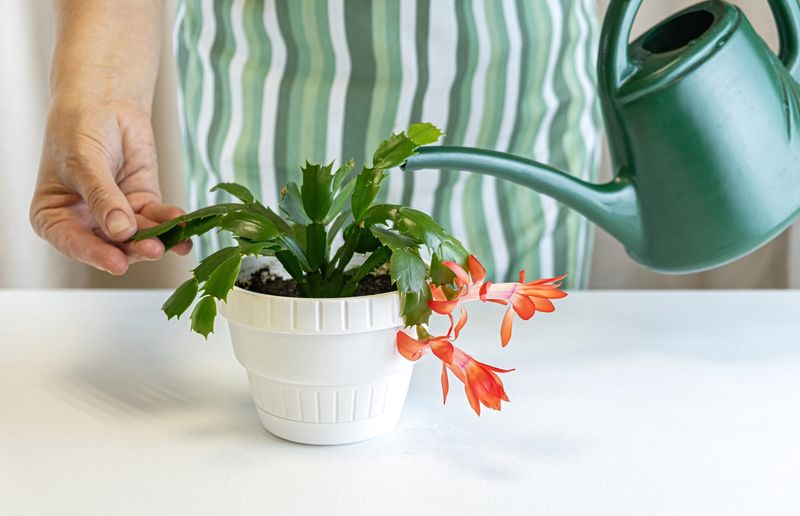
Overwatering is a common reason cuttings turn soft and fail, because without roots a cutting cannot drink much.
Without roots, a cutting cannot drink much at all. Soggy soil just sits around the stem, inviting rot to move in like an unwanted houseguest.
For the first week, skip watering if the mix was already lightly damp. After that, give a small sip only when the top inch feels dry.
Your finger works well as a moisture meter, and it costs nothing. Poke it into the soil up to your first knuckle before reaching for the watering can.
A spray bottle works nicely for misting the surface between deeper drinks. Misting the segments themselves adds little humidity and can invite fungus, so mist only the soil surface.
Roots usually appear within two to six weeks, depending on warmth and light. You may notice a cutting standing firmer or sprouting a tiny new segment.
Give one stem a very gentle tug to test progress. Slight resistance means roots are gripping the soil, and you can water a bit more.
Room-temperature water is kinder than icy tap water straight from a cold October faucet. Let a jug sit out overnight so it warms up naturally.
Hold off on fertilizer until you see steady new growth. Baby roots are delicate, and strong plant food can burn them quickly.
Empty any saucer under the pot about thirty minutes after watering. Standing water creeps back up and keeps roots soaked for days.
8. Protect Mother And Babies From Virginia Cold Snaps
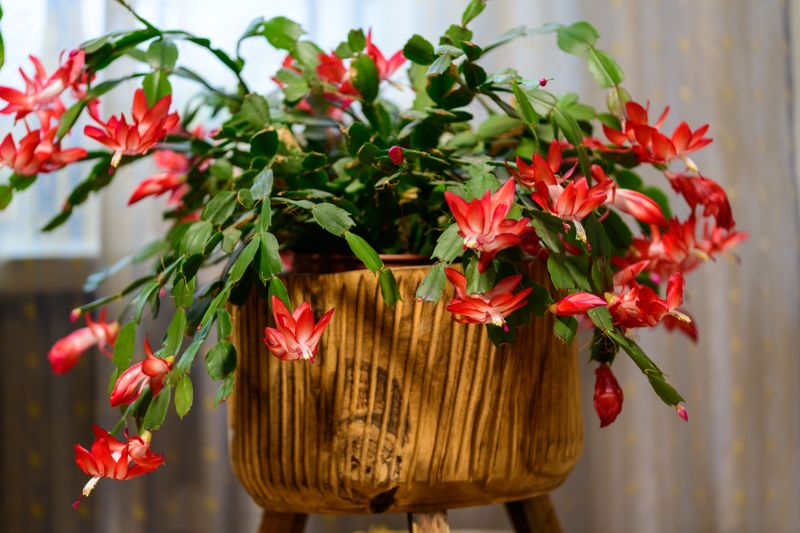
Virginia weather loves a plot twist, especially in October. One week feels like summer, and the next brings frost warnings across the Shenandoah Valley.
Many gardeners summer their plants on porches and patios, which is a great idea. Cool fall nights around 50 to 55 degrees help trigger buds nicely.
Temperatures below 40 degrees, however, can damage segments and young cuttings. Frost can leave the tissue soft and dark.
Check the forecast each evening once October arrives, especially in mountain towns like Blacksburg or Wytheville. Bring pots indoors whenever lows head toward the low forties.
Once inside, keep the mother plant away from heating vents, radiators, and fireplaces. Sudden blasts of hot, dry air can make buds drop like confetti.
Moving the plant around too often can cause the same bud drop. Pick a good spot for the budding season and let it settle in.
Your new cuttings deserve similar care, so keep them clear of drafty doors. A room that stays steady and mild suits them best.
Keep the mother plant in a spare room with natural light and no nighttime lamps. Place the cuttings, and any grow light, in a separate room.
By December, you could have a blooming showpiece plus a row of fresh little plants. Wrap the young pots in festive paper and hand them out as homegrown gifts.
Friends may admire your green thumb, and you can smile mysteriously. Only you will know a few simple twists and some patience did the trick.